
Last updated September 17, 2026
Best Hikes in Morocco: 12 Trails & Atlas Mountain Treks
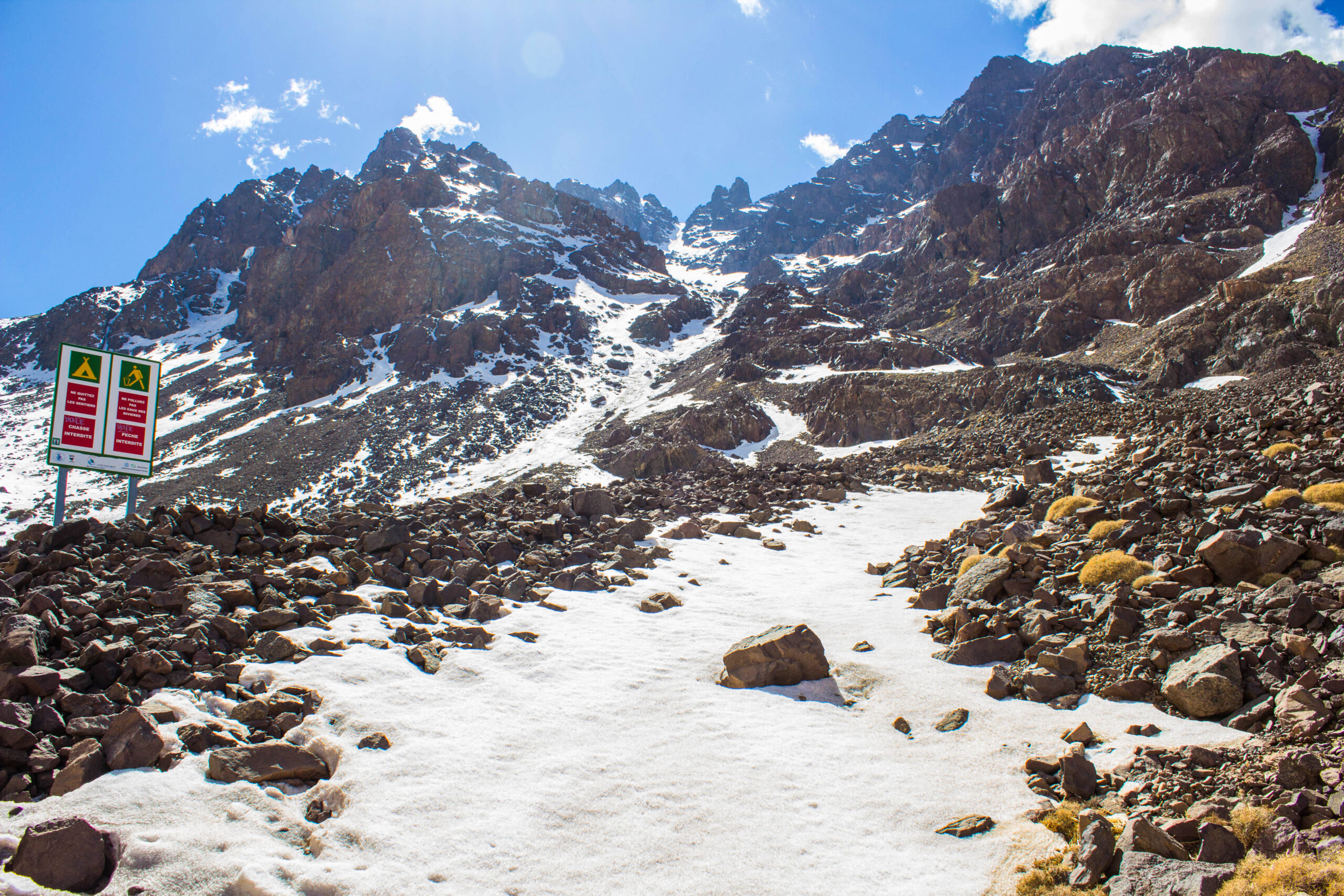
Morocco is much more than Jebel Toubkal. The country combines 4,000-metre High Atlas summits, Amazigh village-to-village routes, broad agricultural valleys, rose-filled canyons, cedar forests and Rif mountain trails. Start with the experience you want—summit, multi-day trek, day hike or cultural valley walk—then choose the region.
The Best Morocco Hike Depends on Whether You Want a Summit, a Circuit or a Valley.
For a first major summit: Jebel Toubkal is the obvious choice. For a complete High Atlas trek: the Toubkal Circuit gives more landscape and village depth. For quieter multi-day hiking: Aït Bouguemez and M’Goun are stronger than the busier Toubkal corridor. For lower-altitude scenery: the Valley of the Roses, Dadès Gorge, Talassemtane and Ifrane broaden the trip beyond big summits.
The Moroccan National Tourist Office specifically highlights Toubkal, Aït Bouguemez, M’Goun, the Valley of the Roses, Dadès Gorge, Talassemtane National Park and Ifrane as major hiking areas. That geographic variety is the foundation of this parent guide.
12 of the Best Hikes in Morocco
This list intentionally mixes summits, circuits, village walks and lower-elevation hikes so you can build an actual Morocco hiking trip instead of choosing twelve versions of the same mountain.
| Hike | Region | Typical time | Difficulty | Best for | Season note |
|---|---|---|---|---|---|
| Jebel Toubkal | High Atlas / Imlil | 2–3 days | Hard trek in summer | Highest summit | Summer trekking; winter mountaineering |
| Toubkal Circuit | High Atlas | 5–7 days | Hard | Complete High Atlas immersion | Late spring–autumn |
| Imlil–Aroumd–Sidi Chamarouch | Imlil Valley | Half/full day | Moderate | First Atlas day hike | Much of year; summer heat lower down |
| Aït Bouguemez Valley walks | Central High Atlas | 1–4 days | Easy–moderate | Villages and culture | Spring–autumn |
| M’Goun traverse | Central High Atlas | 5–7 days | Hard | Remote multi-day trek | Late spring–early autumn |
| Valley of the Roses trek | South High Atlas | 2–5 days | Moderate | Canyons, gardens, villages | Spring especially strong |
| Dadès Gorge walks | South High Atlas | Half/full day | Easy–moderate | Short canyon hiking | Spring/autumn |
| Talassemtane / Akchour | Rif Mountains | 1–3 days | Easy–moderate | Waterfalls and forest | Spring/autumn |
| Ifrane National Park | Middle Atlas | Half/full day | Easy–moderate | Cedar forest and lakes | Spring–autumn; snow possible winter |
| Ouzoud Falls approaches | Azilal | Half day | Easy | Waterfall scenery | Year-round with seasonal variation |
| Jbel Sirwa / Siroua | Anti-Atlas | 2–4 days | Moderate–hard | Volcanic desert-mountain landscape | Spring/autumn |
| Tislit Gorge | Anti-Atlas / Taliouine | Half/full day | Moderate | Wild gorge scenery | Cooler months |
Morocco’s Hiking Regions Are Spread Across the Country.
The High Atlas dominates most trekking itineraries, but the Rif, Middle Atlas and Anti-Atlas create very different hiking trips.

Imlil Is the Easiest Place to Understand Morocco’s Mountain-Hiking System.
From one valley base you can do short village walks, build altitude, spend a night in Aroumd, begin a multi-day circuit or climb Jebel Toubkal. That makes Imlil the natural first node in the Morocco hiking cluster.
Which Morocco Hiking Region Fits Your Trip?
The strongest itinerary often combines one high-mountain region with one lower-elevation area instead of spending the entire trip in the same valley.
Toubkal & Imlil
Choose this for the highest peak, refuge-based trekking and the easiest mountain access from Marrakesh.
Aït Bouguemez
The Moroccan tourism office calls this the “Happy Valley.” Think cultivated plateaus, Amazigh villages and a quieter base for multi-day walking.
M’Goun
A bigger commitment than a simple valley walk, with a high summit, long traverses and strong links to Aït Bouguemez.
Valley of the Roses & Dadès
Lower elevation, warmer colors, canyon scenery and village walking. Strong when Toubkal is too cold or when you want culture over altitude.
Talassemtane & Chefchaouen
Forest, limestone, waterfalls and a completely different visual character from the High Atlas.
Ifrane National Park
Forests, lakes and lower-intensity hiking. Useful for families, mixed-ability groups and a greener counterpoint to the south.
Best Morocco Hike by Trip Length
Morocco rewards extra days because transport, village stays and acclimatization are part of the experience—not dead time between trailheads.
Imlil Valley Walk
Walk through Imlil, Aroumd and nearby valleys without committing to a 4,000-metre summit.
Imlil hiking guide →Jebel Toubkal
The classic High Atlas climb from Imlil via the refuge. Allow the third day if altitude is new to you.
Jebel Toubkal guide →Aït Bouguemez
Spend several days moving through the central High Atlas without making the trip purely about a summit.
Aït Bouguemez guide →Toubkal Circuit
High passes, villages, refuges and an optional Toubkal summit make this stronger than an express ascent when time allows.
Toubkal Circuit guide →M’Goun Traverse
A quieter long-form alternative to Toubkal with a major summit and central High Atlas villages.
M’Goun trek guide →Valley of the Roses
One of the best choices when you want a lower-altitude trek with villages, gardens and canyon walking.
Valley of the Roses guide →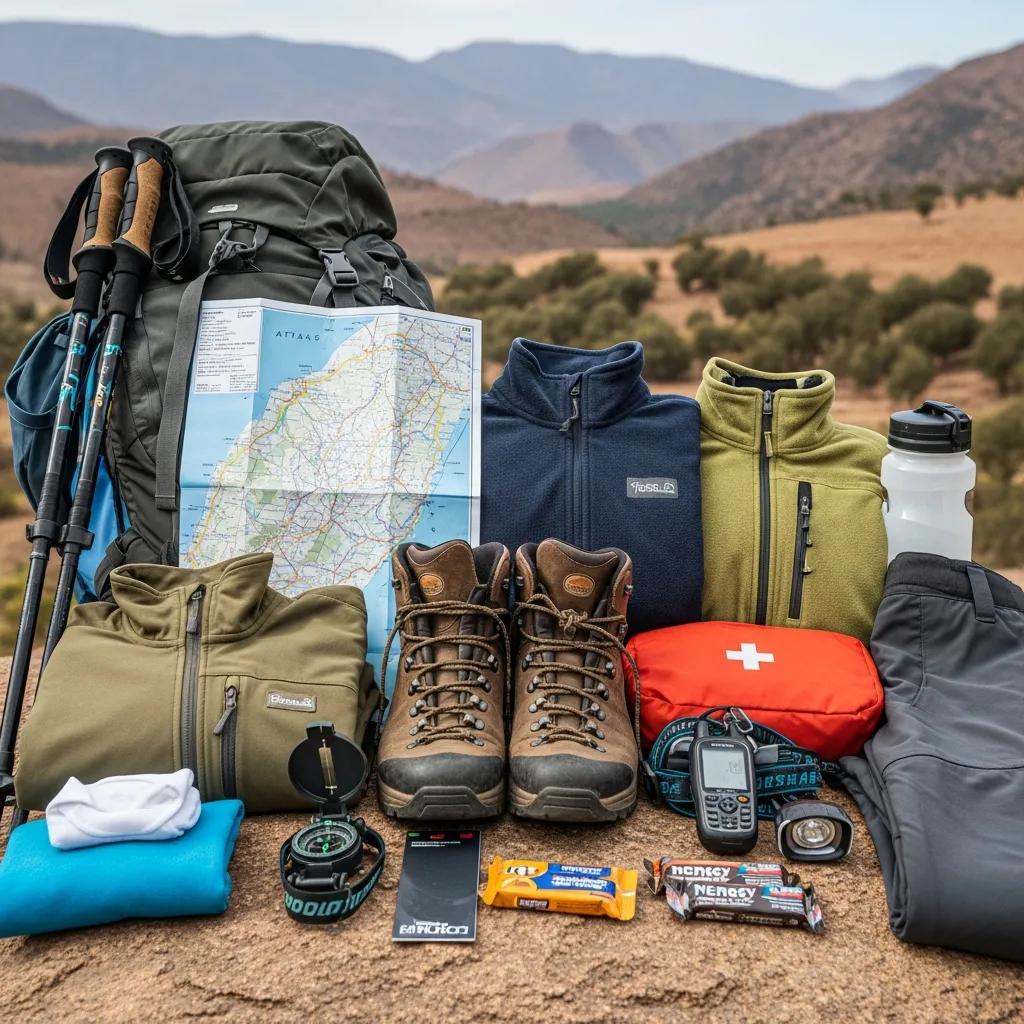
The Atlas Can Be Hot in the Valley and Freezing on the Summit in the Same Day.
Layering, sun protection, wind protection, water capacity and footwear matter more than bringing “expedition” gear for a dry summer trek. Winter Toubkal is different: snow and ice turn it into a mountaineering objective.
When to Hike in Morocco
There is no single Morocco hiking season. High Atlas summits, Rif forests and southern canyons peak at different times.
| Season | High Atlas | Lower Atlas / canyons | Rif / Middle Atlas | Planning takeaway |
|---|---|---|---|---|
| Winter | Snow/ice; Toubkal becomes mountaineering | Cooler and often useful | Cold; snow possible in higher Middle Atlas | Strong for lower routes; specialist plan for high peaks |
| Spring | Transition from snow to trekking | Excellent; Roses region especially strong | Green and comfortable | One of the broadest all-country windows |
| Summer | Prime high-altitude trekking window | Can be very hot | Possible, but warm | Go high; avoid long exposed low-elevation days |
| Autumn | Excellent until early snow arrives | Excellent | Excellent | Another strong multi-region season |
Morocco Hiking Difficulty: From Easy Valleys to 4,000 m Peaks
The biggest mistake is assuming “Morocco hiking” means one difficulty level. The range is enormous.
Valley & Forest Walks
Imlil village walks, Ifrane forest routes, Ouzoud and selected Dadès walks can work for newer hikers when the distance and heat are controlled.
Multi-Day Village Treks
Aït Bouguemez and Valley of the Roses itineraries add repeated hiking days, guesthouse logistics and more remote terrain without requiring a 4,000 m summit.
Toubkal, M’Goun & Long Circuits
These routes demand strong endurance, altitude judgment, early starts and a realistic understanding of weather and mountain conditions.
Six Core Child Guides + One Imlil Lodging Guide
This parent is designed to become the navigation hub for the entire Morocco hiking cluster. The Toubkal page is already live; the remaining child URLs are reserved as the next expansion layer.
4,167 m, Imlil route, guide requirement, refuges, altitude, season and summit planning.
Core child · circuitToubkal Circuit5–7 days through High Atlas passes, villages and the Toubkal massif.
Core child · day hikesBest Hikes in ImlilShort walks, Aroumd, Sidi Chamarouch and acclimatization hikes from Morocco’s main mountain base.
Core child · valleyAït Bouguemez Hiking GuideVillage walks, central High Atlas scenery and the “Happy Valley” experience.
Core child · remote trekM’Goun TrekHigh passes, long trekking days and Morocco’s second-highest major summit region.
Core child · canyon trekValley of the Roses & Dadès HikingLower-altitude canyons, Amazigh villages, gardens and flexible multi-day walking.
Lodging childWhere to Stay in ImlilCompare guesthouses, riads and trekking lodges by trail access, altitude, transfer convenience and trip style.
Build the List From Regions, Not Instagram Popularity.
This parent emphasizes geographic coverage, trip style and practical hiking value. It does not pretend one numbered ranking works for every traveler.
Primary destination sources
How routes were selected
- Represents multiple mountain systems, not only Toubkal.
- Includes day hikes, multi-day treks and summit objectives.
- Separates high-altitude summer trekking from winter mountaineering.
- Prioritizes routes with meaningful scenery, culture or geographic distinction.
- Uses current Toubkal cluster research already published on Global Summit Guide.
- Avoids claiming exact route distances where authoritative trail standardization is weak.
Morocco Hiking FAQ
Use these as planning anchors, then open the region-specific child guide for route-level detail.
What are the best hikes in Morocco?
Start with Jebel Toubkal, the Toubkal Circuit, Imlil day hikes, Aït Bouguemez, M’Goun, the Valley of the Roses and Dadès Gorge. Add Talassemtane, Ifrane, Ouzoud or Anti-Atlas routes when you want lower altitude or a different landscape.
When is the best time to hike in Morocco?
Spring and autumn are the best broad all-country windows. Summer is strong for high High Atlas trekking but hot at lower elevations. Winter can be excellent lower down while turning Toubkal into a snow-and-ice mountaineering objective.
Do you need a guide?
Not everywhere. The standard Imlil–Toubkal ascent currently requires licensed local guiding, while many lower hiking regions do not have the same rule. Confirm current local requirements before the trip.
How hard is Jebel Toubkal?
In dry summer conditions it is a strenuous high-altitude trek, normally completed in two or three days from Imlil. Winter is substantially more technical because of snow, ice and avalanche conditions.
What is the best multi-day trek?
The Toubkal Circuit is the most obvious first choice if you want the famous massif. M’Goun and Aït Bouguemez are stronger when you want a quieter, more village-centered High Atlas experience.
Can I hike without climbing a 4,000 m peak?
Yes. Imlil valley routes, Aït Bouguemez, Valley of the Roses, Dadès, Talassemtane, Ifrane and Ouzoud all provide mountain walking without a 4,000-metre summit.
Is Morocco good for beginners?
Yes, if the route is matched to ability. Lower valley and forest hikes can be accessible; Toubkal and M’Goun require much stronger endurance and altitude judgment.
Where should I stay for Toubkal?
Imlil is the main trail base. Aroumd gives a quieter, slightly higher village stay. Choose based on trail access, transfer convenience and whether you want an acclimatization night before climbing higher.
Continue Planning Morocco & North Africa
Use the live Toubkal and Africa guides now, then expand through the dedicated Morocco child pages as the cluster grows.
Climb High in the Atlas—Then Spend Enough Time in the Valleys to Understand Morocco.
Toubkal may be the headline, but Aït Bouguemez, M’Goun, the Roses and Dadès valleys, the Rif and the Middle Atlas are what turn one summit into a complete hiking trip.
Was this helpful?
🏔Related peaks nearby
🧭Explore & compare
Global Summit Guide is an independent mountaineering resource founded in 2026. The team combines first-hand trekking and climbing experience with in-depth research and professional health and nutrition review to help climbers choose objectives, prepare properly, and stay safe.
Health, altitude, and nutrition content is reviewed by Taylor Ludlow (Registered Nurse) and Brigg Hoopes (Nutritionist).
What We Don't Know Yet
Mountain information changes quickly. This box explains the limits of what this page can responsibly promise.
- Visa, passport, vaccination, border, insurance, and local transportation rules may change before your trip.
- Route conditions, snowpack, closures, and weather can change quickly after this page is updated.
- Permit rules, fees, quotas, and reservation windows may change between review cycles.
- Operator availability, pricing, guide ratios, and cancellation terms can change by season.
- Your fitness, altitude response, risk tolerance, and experience level may change what is safe or realistic.
Verify current conditions with official land managers, guide services, local forecasts, and current route reports before booking or climbing.
Mountaineering, rock and ice climbing, glacier travel, and high-altitude activity are inherently dangerous and can result in serious injury or death. The information on Global Summit Guide is provided for general informational and educational purposes only and is not a substitute for professional instruction, qualified guiding, proper equipment, or your own judgment and experience.
Route conditions, weather, snowpack, permits, regulations, and hazards change constantly and may differ from what is described here. Details may be incomplete, out of date, or contain errors. Always verify current information with local authorities, certified guides, and official sources before making any decision in the mountains.
Nothing on this site is medical, legal, or financial advice. Our fitness, acclimatization, altitude, and nutrition content is general in nature; consult a qualified physician before beginning any strenuous exercise program or exposing yourself to high altitude.
You are solely responsible for your own safety and decisions. To the fullest extent permitted by law, Global Summit Guide and its team accept no liability for any loss, injury, damage, or expense arising from use of, or reliance on, this information. By using this site you acknowledge these risks and accept these terms.
Some links on this site may be affiliate links. If you buy through them we may earn a small commission at no extra cost to you; this never affects our recommendations.
Global Summit Guide recommendation path
Next Best Mountain to Research
Use these recommendations to continue the right planning path instead of stopping on one page.
Use current permit, weather, route, and operator information before booking or climbing.