
Mountaineering in 2026: Key Trends and Innovations
The state of mountaineering in 2026 reflects a dynamic landscape shaped by evolving trends, technological advancements, and a growing community of enthusiasts. This article delves into the latest findings from the Global Summit Guide Annual Report, providing insights into climbing trends, safety innovations, and the overall state of the summit guide industry. Readers will learn about the significant mountains that attract climbers, the statistics that define climbing expeditions, and the innovations that enhance safety and performance in the field. As more individuals seek adventure in the great outdoors, understanding these trends becomes essential for both seasoned climbers and newcomers alike. This comprehensive overview will cover the global mountain landscape, current climbing trends and statistics, insights into the summit guide industry, innovations in gear and safety, and the impact of emerging technologies on mountaineering.
Global Mountain Overview
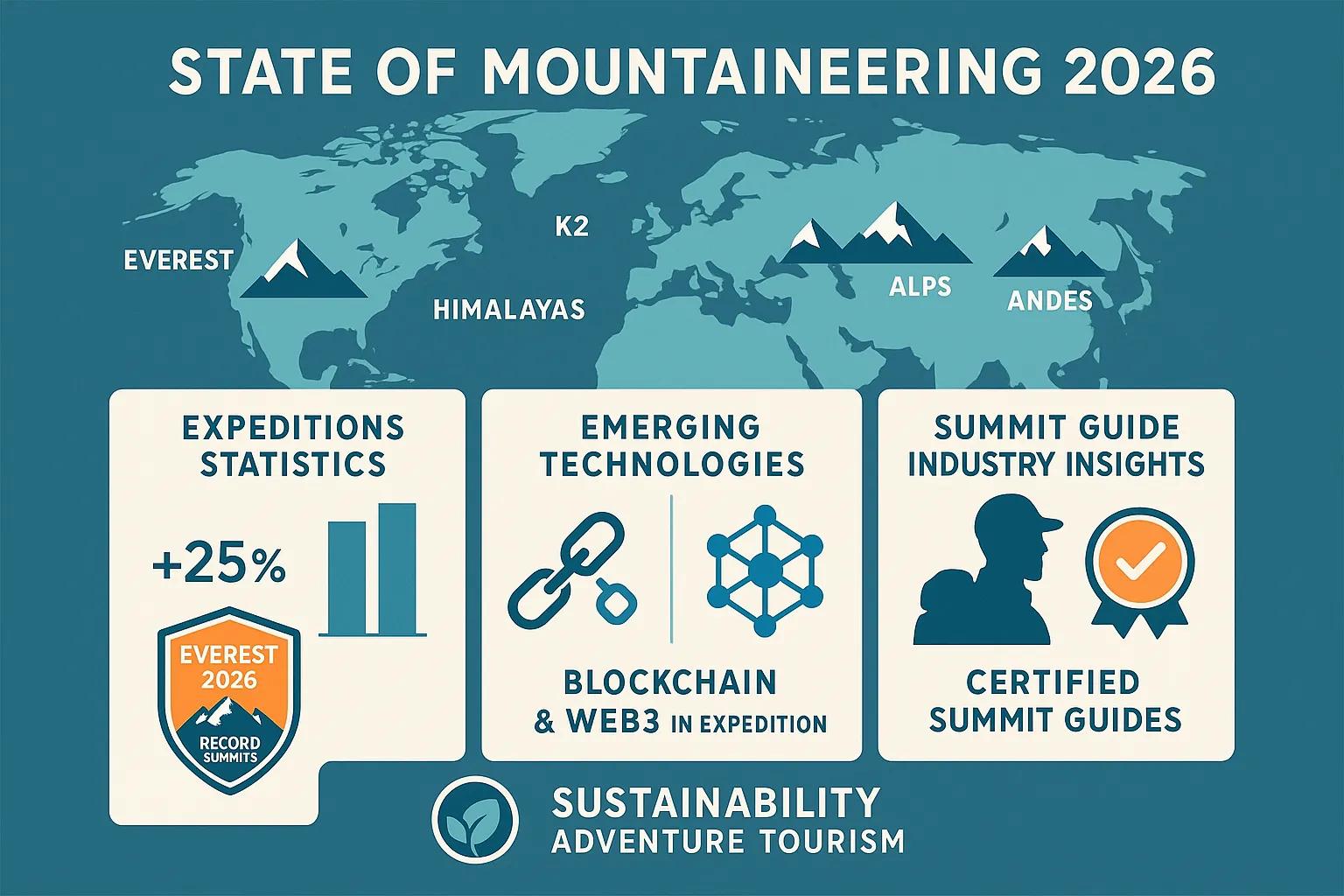
Mountaineering is intrinsically linked to some of the world’s most iconic peaks, each offering unique challenges and experiences. Major mountains such as Everest, K2, and those in the Himalayas, Alps, and Andes attract climbers from around the globe. These mountains are not only significant for their height but also for their geographical and cultural importance. Accessibility to these peaks has improved over the years, with advancements in infrastructure and support services, making them more approachable for climbers of varying skill levels. Understanding the characteristics of these mountains is crucial for climbers as they plan their expeditions.
Climbing Trends and Statistics 2026
The climbing landscape in 2026 is characterized by several notable trends and statistics that highlight the evolution of the sport. Recent data indicates a significant increase in the number of climbing expeditions, with a focus on both traditional and sport climbing. Safety remains a paramount concern, leading to advancements in climbing safety technology. The integration of smart gear, such as GPS-enabled devices and real-time weather monitoring systems, has transformed how climbers prepare for and undertake their adventures. Furthermore, the rise of eco-conscious climbing practices reflects a growing awareness of environmental sustainability among climbers. For more detailed insights, see the state of mountaineering 2026.
This growing interest in sustainable practices is crucial, especially as adventure tourism continues to expand in sensitive mountain environments.
Sustainable Adventure Tourism: Environmental Impacts in Mountain Regions
Adventure tourism is where visitors participate in challenging and exciting activities in distant or exotic settings, such as rafting, trekking, and climbing, to experience adventure and challenge. This study explores the complex and diverse field of adventure tourism, with a particular emphasis on mountainous regions. Adventure tourism in mountainous regions has experienced remarkable growth, presenting challenges in environmental conservation, infrastructural development, safety, and socio-economic impacts.
Assessing the environmental impacts of adventure tourism in the world’s highest mountains: A comprehensive review for promoting sustainable tourism in high …, Z Ahmed, 2024
Climbing Expedition Statistics
Recent statistics reveal that the number of climbing expeditions has surged by 25% compared to previous years. This increase is attributed to a growing interest in adventure tourism and the accessibility of climbing destinations. Notably, the Himalayas continue to be a popular choice, with Everest seeing a record number of summits in 2026.
Detailed studies provide further context on the demographics and outcomes of these high-altitude endeavors, particularly on iconic peaks like Mount Everest.
Mount Everest Climbing Statistics: Success, Death, and Demographics
Mount Everest is an extreme environment for humans. Nevertheless, hundreds of mountaineers attempt to summit Everest each year. In a previous study we analyzed interview data for all climbers (2,211) making their first attempt on Everest during 1990–2005. Probabilities of summiting were similar for men and women, declined progressively for climbers about 40 and older, but were elevated for climbers with experience climbing in Nepal. Probabilities of dying were also similar for men and women, increased for climbers about 60 and older (especially for the few that had summited), and were independent of experience. Since 2005, many more climbers (3,620) have attempted Everest. Here our primary goal is to quantify recent patterns of success and death and to evaluate changes over time. Also, we investigate whether patterns relate to key socio-demographic covariates (age, sex, host country, prior experience).
Mountaineers on Mount Everest: Effects of age, sex, experience, and crowding on rates of success and death, RB Huey, 2020
Trends in Climbing Safety
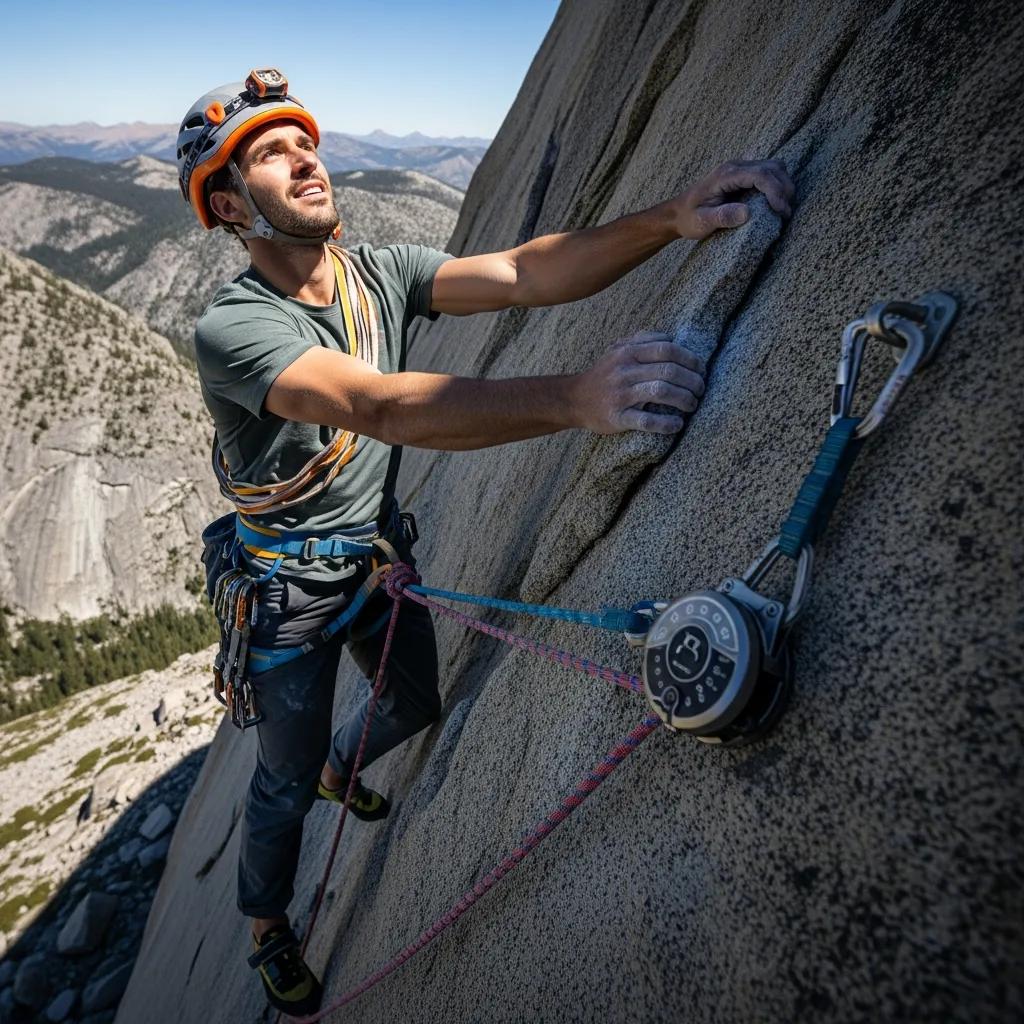
Safety technology has advanced significantly, with climbers now utilizing gear that incorporates cutting-edge materials and designs. Innovations such as automatic belay devices and enhanced harness systems have improved safety standards. Additionally, training programs focusing on risk management and emergency response have become more prevalent, ensuring climbers are better prepared for potential challenges.
Technological Advancements in Gear
The gear used in mountaineering has evolved dramatically, with a focus on lightweight materials and multifunctional designs. New climbing shoes, harnesses, and ropes are engineered to enhance performance while ensuring safety. The introduction of smart helmets equipped with communication devices allows climbers to stay connected, even in remote areas.
Further research highlights how integrating advanced technology can significantly enhance safety and well-being during expeditions.
Leveraging Technology for Enhanced Hiker Safety and Expeditions
Modern technological interventions, e.g., GPS, satellite communication, wearables, and immersive media (AR/VR), are creating new means and opportunities for providing training and safety to hikers. The research aims to comprehend the hiker’s journey, the challenges faced, and the current scenario of navigation and safety during hiking. The proposed study follows a systematic framework and implementation of the design thinking process. Findings are determined through survey and interview analysis, concept ideation, and usability testing. The study proposes an IoT-based system design for a low-cost wearable integrated with a mobile application with features such as real-time data, location tracking and sharing, checkpoint monitoring, and crowd-sourced information to enhance the safety and well-being of hikers during their expeditions. The system also monitors the hikers’ health and sends an SOS signal, contributing to timely search and rescue operations when necessary. The system promotes a safe and seamless hiking experience by providing a secure and enjoyable hiking environment.
Leveraging technology to enhance hiker safety: A design intervention, P Ranade, 2017
Summit Guide Industry Insights
The role of summit guides has become increasingly vital in the mountaineering community. These professionals not only provide essential support during expeditions but also enhance the overall experience for climbers. The demand for certified summit guides has risen, leading to a greater emphasis on training and certification programs. This evolution reflects the growing recognition of the importance of expertise in ensuring safety and success on challenging climbs.
Role of Summit Guides
Summit guides play a crucial role in facilitating safe and successful climbing experiences. They offer valuable insights into the terrain, weather conditions, and necessary precautions, making them indispensable for both novice and experienced climbers.
Certifications and Training
The certification process for summit guides has become more rigorous, with organizations emphasizing the need for comprehensive training in both technical skills and first aid. This ensures that guides are well-equipped to handle emergencies and provide the best possible support to climbers.
Market Demand for Guides
As the popularity of mountaineering continues to grow, so does the demand for qualified summit guides. This trend is particularly evident in regions with high climbing traffic, where the presence of experienced guides enhances safety and enriches the climbing experience.
Gear and Safety Innovations
Innovations in climbing gear and safety protocols are transforming the mountaineering experience. The focus on safety has led to the development of advanced equipment designed to minimize risks and enhance performance. Climbers now have access to a range of innovative products that cater to their specific needs.
New Safety Gear
Recent advancements in safety gear include the introduction of fall protection systems that utilize cutting-edge technology to prevent accidents. These systems are designed to be lightweight and easy to use, ensuring that climbers can focus on their ascent without compromising safety.
Advancements in Climbing Technology
Climbing technology has seen significant improvements, with gear that integrates smart features for enhanced performance. For instance, climbing ropes now come with built-in sensors that monitor wear and tear, alerting climbers to potential hazards before they become critical. mountain collections
Impact of Gear on Climbing Safety
The impact of modern gear on climbing safety cannot be overstated. With the right equipment, climbers can significantly reduce the risks associated with mountaineering. The combination of innovative materials and design has led to a new era of climbing where safety and performance go hand in hand.
Emerging Technologies Impact
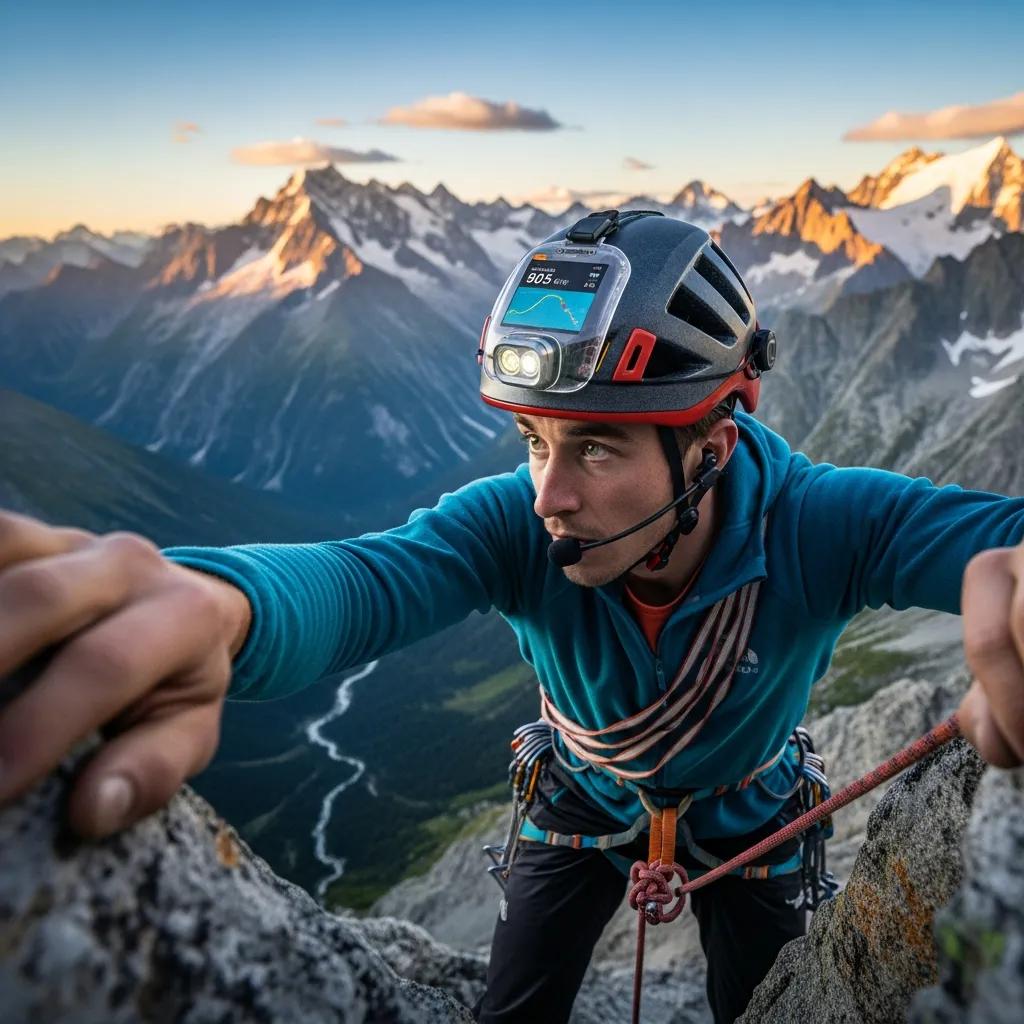
The impact of emerging technologies on mountaineering is profound, with innovations reshaping how climbers prepare for and undertake their expeditions. Technologies such as blockchain and Web3 are beginning to influence expedition planning and logistics, offering new ways to enhance the climbing experience.
Blockchain Applications in Mountaineering
Blockchain technology is being explored for its potential to improve transparency and security in expedition planning. By utilizing decentralized systems, climbers can ensure that their data and transactions are secure, fostering trust within the climbing community.
Web3 Technologies in Expedition Planning
Web3 technologies are revolutionizing how climbers access information and resources. Decentralized platforms allow climbers to share experiences, tips, and resources, creating a collaborative environment that enhances the overall climbing experience.
Future of Technology in Climbing
As technology continues to evolve, its integration into mountaineering will likely expand. Future advancements may include even more sophisticated gear, enhanced communication systems, and innovative training programs that leverage virtual reality and artificial intelligence.
For those interested in the latest gear and safety innovations, Global Summit Guide offers comprehensive reviews and recommendations.
If you have any questions or need assistance, you can contact us through our website.
Frequently Asked Questions
What are the key safety innovations in mountaineering gear for 2026?
In 2026, safety innovations in mountaineering gear include advanced fall protection systems that utilize lightweight materials and smart technology. These systems are designed to prevent accidents by providing real-time feedback on gear performance. Additionally, automatic belay devices and enhanced harness systems have become more prevalent, ensuring climbers are better protected during their ascents. Training programs focusing on risk management and emergency response have also gained traction, equipping climbers with essential skills to handle potential challenges effectively.
How has the role of summit guides evolved in recent years?
The role of summit guides has become increasingly vital as the popularity of mountaineering grows. These professionals not only provide essential support during expeditions but also enhance climbers’ overall experiences by offering insights into terrain and weather conditions. The demand for certified summit guides has risen, leading to more rigorous training and certification programs. This evolution reflects a growing recognition of the importance of expertise in ensuring safety and success on challenging climbs, particularly in high-traffic climbing regions.
What impact does adventure tourism have on mountain environments?
Adventure tourism significantly impacts mountain environments, presenting both opportunities and challenges. While it promotes economic growth and awareness of natural beauty, it can also lead to environmental degradation if not managed sustainably. Increased foot traffic can result in soil erosion, wildlife disturbances, and waste management issues. Therefore, understanding and implementing sustainable practices is crucial for minimizing the ecological footprint of adventure tourism, ensuring that these sensitive areas remain preserved for future generations of climbers and outdoor enthusiasts.
What are the emerging technologies influencing expedition planning?
Emerging technologies such as blockchain and Web3 are beginning to reshape expedition planning in mountaineering. Blockchain technology enhances transparency and security in data management, allowing climbers to trust the integrity of their transactions and information. Meanwhile, Web3 technologies facilitate decentralized platforms where climbers can share experiences, tips, and resources, fostering a collaborative environment. These innovations are expected to streamline logistics and improve the overall climbing experience, making it more accessible and efficient for adventurers.
How can climbers ensure they are prepared for high-altitude expeditions?
Preparation for high-altitude expeditions involves several key steps. Climbers should undergo proper training to build physical endurance and technical skills. It’s essential to acclimatize gradually to high altitudes to minimize the risk of altitude sickness. Additionally, investing in high-quality gear, including smart technology that monitors health and environmental conditions, can enhance safety. Finally, climbers should stay informed about weather patterns and seek guidance from experienced summit guides to ensure a successful and safe ascent.
What trends are shaping the future of mountaineering?
The future of mountaineering is being shaped by several trends, including a growing emphasis on sustainability and eco-conscious practices. Climbers are increasingly aware of their environmental impact, leading to a rise in responsible climbing practices. Technological advancements are also playing a significant role, with innovations in gear and safety protocols enhancing the climbing experience. Furthermore, the integration of smart technology and data analytics is expected to improve expedition planning and safety, making mountaineering more accessible to a broader audience.
Conclusion
Understanding the evolving landscape of mountaineering in 2026 highlights the importance of safety, technology, and expert guidance for climbers of all levels. By embracing innovative gear and sustainable practices, adventurers can enhance their experiences while minimizing environmental impact. As you prepare for your next expedition, consider exploring our extensive range of climbing resources and expert insights. Join the growing community of climbers who prioritize safety and sustainability in their adventures today.