
Last updated March 13, 2026
Kilimanjaro Climbing Guide: Routes, Costs, Difficulty & Everything You Need to Know (2026)
Climbing Mount Kilimanjaro is a dream for many adventure seekers, offering breathtaking views and a unique experience. This comprehensive guide will provide you with essential information on how to climb Kilimanjaro, including the various routes, associated costs, and the difficulty levels you can expect. Many climbers face challenges in choosing the right route and understanding the financial commitments involved. This guide aims to simplify your planning process by detailing everything you need to know about climbing this iconic mountain. We will explore the different climbing routes, the costs and permits required, the difficulty of the climb, essential gear and safety tips, and how to effectively plan your trip.
Routes
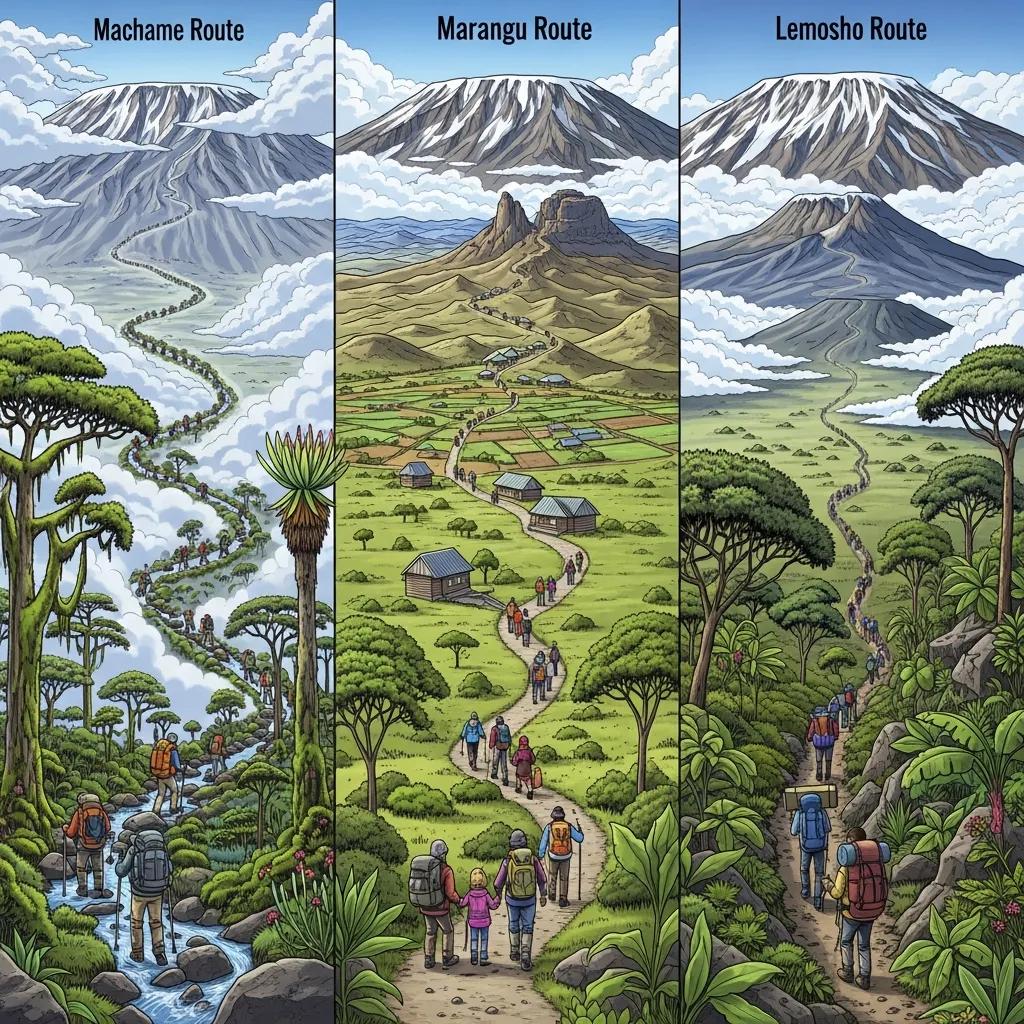
Mount Kilimanjaro offers several distinct routes for climbers, each with unique characteristics and challenges. Understanding these routes is crucial for selecting the best option for your climbing experience. The primary routes include the Machame route, Marangu route, and Lemosho route, each varying in terms of scenery, difficulty, and duration.
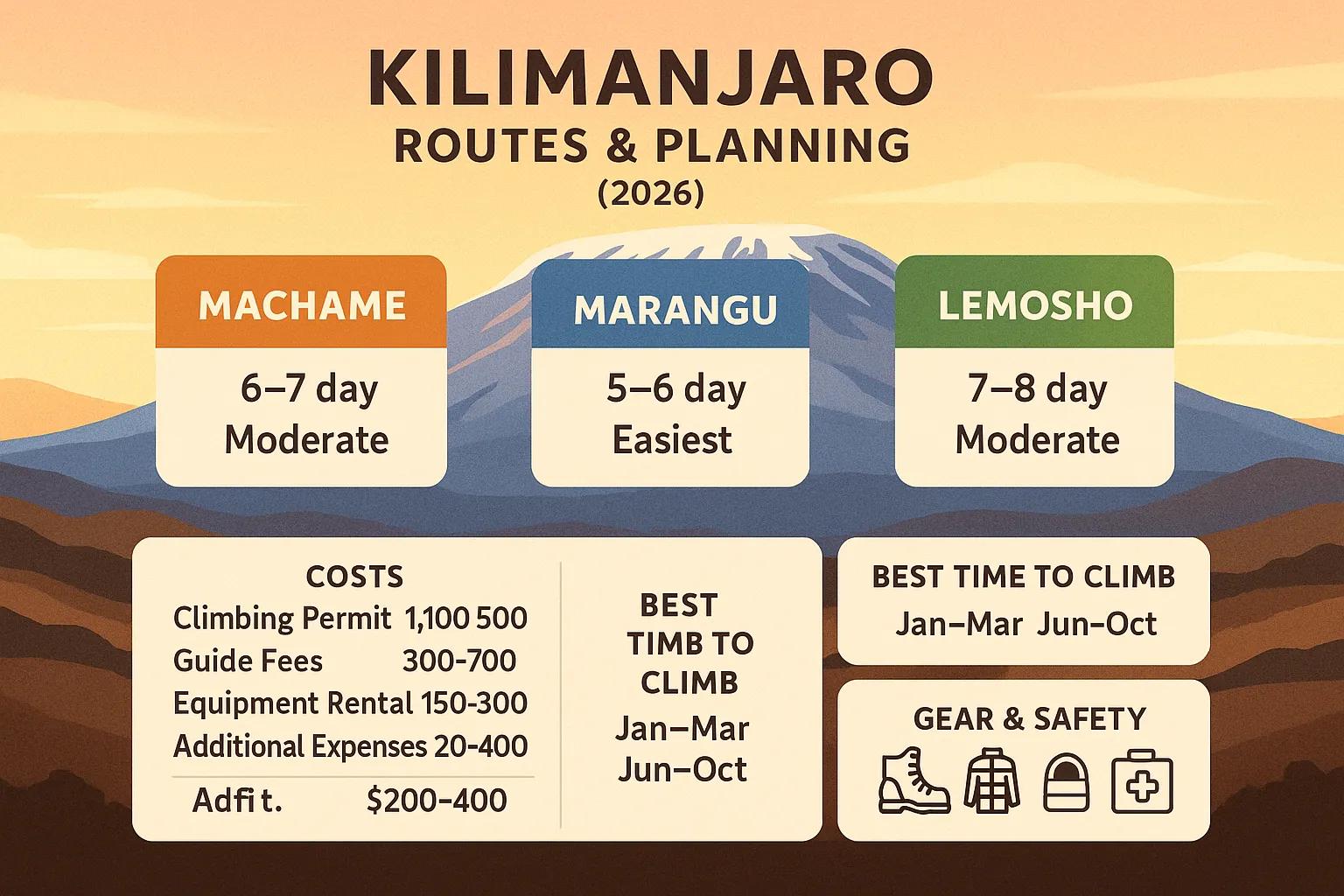
- Machame Route: Known as the “Whiskey Route,” this path is popular for its scenic views and varied landscapes. It typically takes 6-7 days to complete, allowing for proper acclimatization. The route is considered moderately difficult, making it suitable for climbers with some experience.
- Marangu Route: Often referred to as the “Coca-Cola Route,” this is the only route with hut accommodations. It is generally considered the easiest route, taking about 5-6 days to reach the summit. However, its shorter duration may lead to a higher risk of altitude sickness.
- Lemosho Route: This route is favored for its stunning scenery and lower traffic. It usually takes 7-8 days, providing ample time for acclimatization. The Lemosho route is considered moderately difficult and is ideal for those seeking a less crowded experience.
Understanding the differences between these routes will help you choose the best option based on your experience level and preferences.
Costs and Permits
Climbing Kilimanjaro involves various costs, including permits, guide fees, and equipment rentals. Below is a breakdown of the essential costs associated with your climb.
Find Hotels, Flights & Trips for the World’s Best Hiking Destinations
The Global Summit Guide Travel Shop on Expedia — curated for outdoor adventurers, mountaineers, and serious hikers. Patagonia to the Alps. Nepal to the Rockies. Curated lodging for every region we cover.
Explore Travel Shop on Expedia →The climbing permit is a mandatory requirement for all climbers, and it varies based on the route chosen. Guide fees can fluctuate depending on the level of service and experience of the guides. Equipment rental costs will depend on the quality and type of gear you need for the climb. It’s essential to budget for additional expenses such as food, tips, and transportation to and from the mountain.
For those planning to climb Kilimanjaro, it’s advisable to book with a reputable company that can provide comprehensive packages, including all necessary permits and experienced guides. Planning to climb Kilimanjaro ensures that climbers have a safe and enjoyable experience.
Difficulty
The difficulty of climbing Kilimanjaro can vary significantly based on the chosen route, individual fitness levels, and acclimatization strategies. Factors affecting the difficulty include altitude, weather conditions, and personal health.
Climbers should prepare physically by engaging in cardiovascular training and strength exercises to build endurance. Acclimatization is crucial, as the altitude can lead to Acute Mountain Sickness (AMS). It is recommended to take the climb slowly, allowing your body to adjust to the increasing elevation.
Additionally, understanding the signs of altitude sickness and having a plan for descent if symptoms arise is vital for safety. Proper preparation and awareness of these factors can significantly enhance your climbing experience.
Gear and Safety
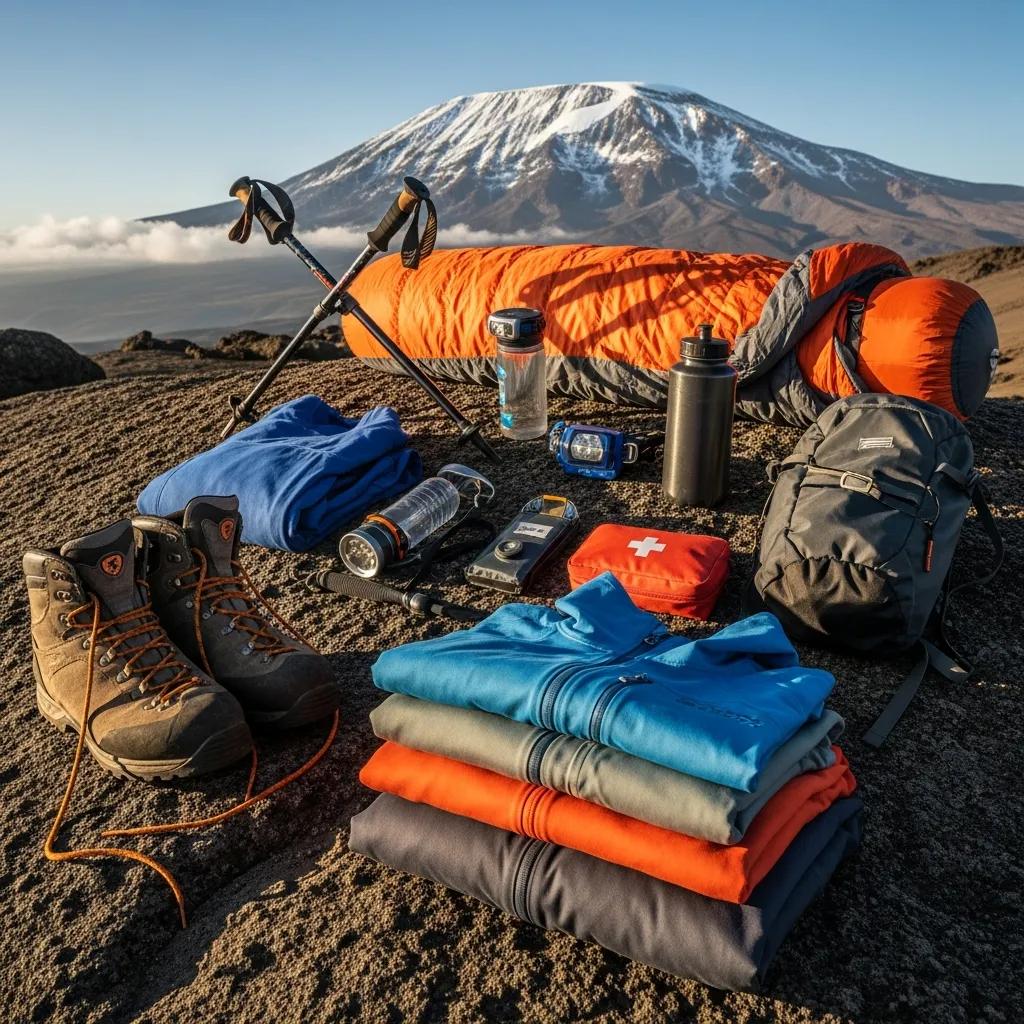
Having the right gear is essential for a successful and safe climb of Kilimanjaro. Here are some recommended items to consider:
- Climbing Boots: Sturdy, waterproof boots with good ankle support are crucial for navigating the rugged terrain.
- Clothing Layers: Dress in layers to adapt to changing weather conditions, including thermal base layers, insulating mid-layers, and waterproof outer layers.
- Sleeping Bag: A high-quality sleeping bag rated for cold temperatures is necessary for comfortable rest at higher altitudes.
Safety protocols should also be a priority. Always climb with a guide, stay hydrated, and monitor your health closely. Familiarize yourself with emergency procedures and ensure you have a first aid kit on hand.
To ensure you have the right gear and are prepared for any situation, it’s important to plan ahead and pack accordingly.
Trip Planning
Effective trip planning is key to a successful Kilimanjaro climb. Here are some important considerations:
- Best Time to Climb: The ideal months for climbing are January to March and June to October, when the weather is generally more stable.
- Travel Arrangements: Plan your travel to Tanzania well in advance, including flights and accommodations before and after the climb.
- Accommodation Options: Choose accommodations that suit your budget and preferences, whether it’s hotels in Moshi or camping near the mountain.
By carefully planning your trip, you can ensure a smooth and enjoyable climbing experience on Kilimanjaro.
For more information on climbing mountains and other adventures, visit Global Summit Guide.
Frequently Asked Questions
What is the best time of year to climb Kilimanjaro?
The best time to climb Kilimanjaro is during the dry seasons, which typically occur from January to March and June to October. During these months, the weather is more stable, with less rainfall and clearer skies, making for a more enjoyable climbing experience. However, it’s essential to consider that these peak times can also mean more climbers on the mountain. If you prefer a quieter experience, consider climbing just outside these peak months, but be prepared for potentially less favorable weather conditions.
How physically fit do I need to be to climb Kilimanjaro?
While climbing Kilimanjaro does not require technical climbing skills, a good level of physical fitness is essential. Climbers should engage in cardiovascular training, strength exercises, and endurance activities in the months leading up to the climb. It’s advisable to be comfortable with long hikes and to have experience with altitude, as the climb can be strenuous, especially at higher elevations. Preparing your body through training will help you acclimatize better and reduce the risk of altitude sickness.
What should I pack for my Kilimanjaro climb?
Packing for Kilimanjaro requires careful consideration of the weather and terrain. Essential items include sturdy, waterproof climbing boots, layered clothing to adapt to temperature changes, a high-quality sleeping bag rated for cold conditions, and a reliable backpack. Additionally, bring personal items like sunscreen, a first aid kit, and hydration systems. It’s also wise to pack snacks and energy bars for quick energy boosts during the climb. Proper packing can significantly enhance your comfort and safety on the mountain.
Can I climb Kilimanjaro without a guide?
Climbing Kilimanjaro without a guide is not permitted. The Tanzanian government requires all climbers to be accompanied by a licensed guide for safety and environmental protection. Guides are knowledgeable about the mountain, its routes, and the challenges climbers may face, including altitude sickness. Hiring a guide not only ensures compliance with regulations but also enhances your experience by providing support, local insights, and assistance in navigating the terrain.
What are the signs of altitude sickness I should watch for?
Altitude sickness can affect climbers at high elevations, and it’s crucial to recognize its symptoms early. Common signs include headaches, nausea, dizziness, fatigue, and difficulty sleeping. More severe symptoms can include confusion, shortness of breath, and loss of coordination. If you or someone in your group experiences these symptoms, it’s essential to descend to a lower altitude immediately and seek medical attention if necessary. Staying hydrated and ascending gradually can help mitigate the risk of altitude sickness.
Are there age restrictions for climbing Kilimanjaro?
While there are no strict age restrictions for climbing Kilimanjaro, most tour operators recommend that climbers be at least 10 years old. Younger climbers should be accompanied by a responsible adult and should be physically fit enough to handle the demands of the climb. It’s essential to assess the individual child’s health and fitness level before attempting the climb. Older climbers, particularly those over 60, should also consult with a healthcare provider to ensure they are fit for the physical challenges of the ascent.
Conclusion
Climbing Mount Kilimanjaro offers an unparalleled adventure, combining breathtaking scenery with the thrill of reaching new heights. By understanding the various routes, costs, and preparation strategies, you can ensure a safe and enjoyable experience tailored to your needs. Embrace the challenge and take the first step towards your Kilimanjaro journey today. For more insights and resources, explore our comprehensive guides on climbing adventures.
Was this helpful?
🏔Related peaks nearby
🧭Explore & compare
Global Summit Guide is an independent mountaineering resource founded in 2026. The team combines first-hand trekking and climbing experience with in-depth research and professional health and nutrition review to help climbers choose objectives, prepare properly, and stay safe.
Health, altitude, and nutrition content is reviewed by Taylor Ludlow (Registered Nurse) and Brigg Hoopes (Nutritionist).
What We Don't Know Yet
Mountain information changes quickly. This box explains the limits of what this page can responsibly promise.
- Permit availability, reservation windows, quotas, and official fee rules may change after this page is updated.
- Weather, snowpack, avalanche risk, road access, and route conditions can change quickly and may be different on your climbing dates.
- Route conditions, trailhead access, crevasse exposure, stream crossings, and rescue access may vary from published planning guidance.
- Total trip cost can change with flights, lodging, guide pricing, permits, gear rentals, transportation, and exchange rates.
- Gear requirements can change by season, route variation, weather window, personal cold tolerance, and guide-service requirements.
Verify current conditions with official land managers, guide services, local forecasts, and current route reports before booking or climbing.
Mountaineering, rock and ice climbing, glacier travel, and high-altitude activity are inherently dangerous and can result in serious injury or death. The information on Global Summit Guide is provided for general informational and educational purposes only and is not a substitute for professional instruction, qualified guiding, proper equipment, or your own judgment and experience.
Route conditions, weather, snowpack, permits, regulations, and hazards change constantly and may differ from what is described here. Details may be incomplete, out of date, or contain errors. Always verify current information with local authorities, certified guides, and official sources before making any decision in the mountains.
Nothing on this site is medical, legal, or financial advice. Our fitness, acclimatization, altitude, and nutrition content is general in nature; consult a qualified physician before beginning any strenuous exercise program or exposing yourself to high altitude.
You are solely responsible for your own safety and decisions. To the fullest extent permitted by law, Global Summit Guide and its team accept no liability for any loss, injury, damage, or expense arising from use of, or reliance on, this information. By using this site you acknowledge these risks and accept these terms.
Some links on this site may be affiliate links. If you buy through them we may earn a small commission at no extra cost to you; this never affects our recommendations.
Global Summit Guide recommendation path
Next Best Mountain to Research
Use these recommendations to continue the right planning path instead of stopping on one page.
Use current permit, weather, route, and operator information before booking or climbing.