
Last updated September 5, 2026

September 2026 Japan Hiking Shift: Fuji Winds Down as the Japanese Alps Enter Their Best Window
Mount Fuji has five normal climbing days left after September 5; the summit trails close September 10. At the same time, the Japanese Alps are entering the cooler late-summer and early-autumn period that leads into Karasawa foliage, clearer mountain air and some of the strongest hiking weeks of the year—before first snow changes the equation again.
Japan’s hiking center of gravity is moving away from Fuji.
For the broad, evergreen comparison of Japan’s routes, use our Best Hikes in Japan guide. This update is narrower: it covers the seasonal handoff happening now in September 2026. Fuji remains a normal in-season climb only through September 10. After that date, the summit trails close and the supported summer climbing system winds down.
The Japanese Alps move in the opposite direction. Kamikōchi remains open, the highest ridges are becoming colder and quieter, Karasawa’s short foliage window is approaching, Norikura is moving toward autumn color, and the Tateyama Kurobe Alpine Route remains in operation. The opportunity is real, but it is not a blanket green light: September is still typhoon season, and snow can begin on Japan’s highest peaks later in the month.
Climb only if your route is officially open, the forecast is acceptable and you can comply with the current entry system.
The summit trails close. Do not replace a missed summer climb with an improvised off-season ascent.
Kamikōchi, Karasawa, Norikura and Tateyama become the more logical focus, adjusted for altitude, weather and snow.
Five dates define the handoff
The useful question is no longer “Is September good for hiking in Japan?” It is “Which mountain system is still operating normally on my exact dates?”
Summit trails close September 10
Yoshida and Subashiri operate through September 10, 2026. Fujinomiya and Gotemba also close September 10 after their July 10 opening.
Meaning now: final in-season window.Support is already thinning
The official operating table shows some upper-mountain first-aid facilities ending before the trail closing date. The Fuji portal also warns that huts and toilets may close before the official season ends.
Meaning now: September 10 is not the same as mid-July.Normal access continues to November 15
The official Kamikōchi site lists its open period through November 15. Valley walking stays accessible far longer than Fuji’s summit season.
Meaning now: the Alps still have runway.2026 route operates through November 30
The current Alpine Route site lists operation from April 15 through November 30, with September ticket and autumn-travel notices already active.
Meaning now: autumn access is part of the operating season.September does not shift all at once
Altitude changes the calendar. Fuji closes by rule. The Japanese Alps transition by temperature, foliage, hut operations, storms and first snow.
Fuji’s final normal climbing window
All four summit routes remain within their published 2026 season through September 10, subject to trail and weather conditions. The late-season margin is smaller because some services close earlier.
The Fuji decision changes overnight
Outside the designated season, summit trails are closed. The official Fuji portal warns that mountain huts, public toilets and normal trail maintenance are no longer operating in the same way and that hazards increase.
High Alps cool down
Autumn color starts high before it reaches the valleys. Matsumoto tourism lists mountain-area autumn temperatures well below the cities, and Japan’s national-park guidance says warm clothing becomes important as nights turn cold.
Karasawa starts stealing the spotlight
Kamikōchi’s own seasonal guidance places Karasawa’s famous color window around late September into the first week of October. The same period starts drawing larger hiking crowds.
First snow becomes part of the plan
Japan’s national-parks guidance warns that snow begins falling on the tallest peaks from late September. A route that felt like a summer hike in August can become an alpine problem after one storm.
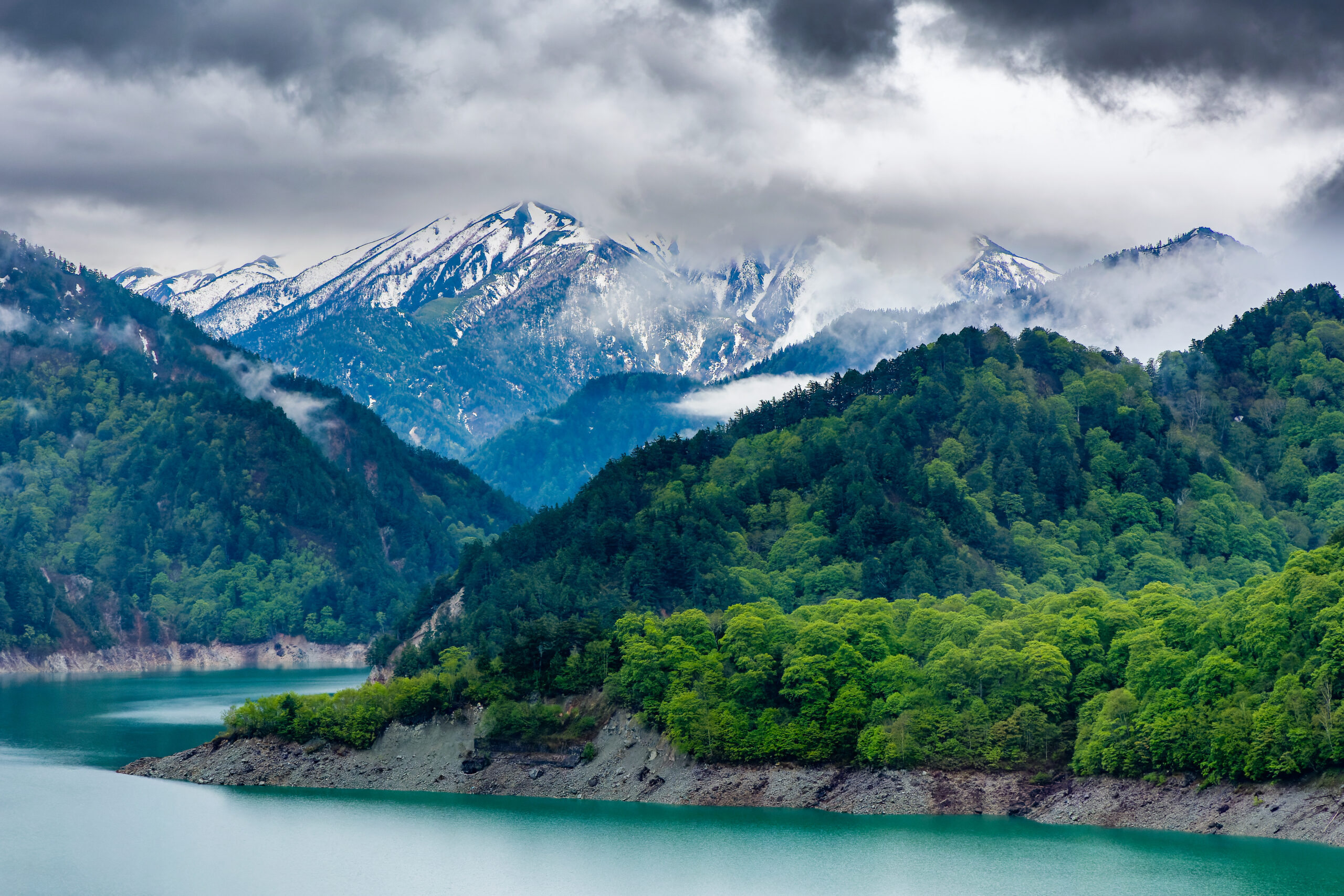
Fuji’s closure is not the end of hiking season in Japan.
It is the end of one very specific supported summit season. The Japanese Alps stay active into autumn, with valley access, hut systems, ropeways and mountain transport continuing on different calendars.
What “final week” actually means in 2026
September 10 is a hard planning boundary. It should not be treated as a suggestion to squeeze in a summit regardless of conditions.
| Current rule | 2026 status | Why it matters this week |
|---|---|---|
| Official summit season | All four summit routes end September 10 | September 11 is off-season for normal summit hiking. |
| Hiking fee | ¥4,000 per person per climb | The fee applies across the summit routes during the open season. |
| Night entry | 2 PM–3 AM restricted without a mountain-hut stay | Do not improvise a late start to beat the calendar. |
| Yoshida daily cap | 4,000 climbers per day, with exceptions for hut guests | Advance booking remains the cleaner late-season option. |
| Upper facilities | Some first-aid centers end before Sep 10; huts/toilets vary | Infrastructure can thin before the legal closing date. |
| After closing | Summit trails closed | Normal summer support, maintenance and rescue assumptions no longer apply. |
Four Japanese Alps areas become more interesting now
This is not a route ranking. It is a September status check for travelers whose Fuji window is closing or already gone.
Kamikōchi
Kamikōchi is the easiest pivot because the valley stays open through November 15 and works for both relaxed riverside walking and access to harder Northern Alps objectives. The seasonal story improves through September as temperatures cool and color develops higher on the slopes.
Use the Japanese Alps guide →Karasawa
Karasawa is where the autumn shift becomes visually obvious. Kamikōchi guidance places the high-elevation color window around the end of September into early October. It is a substantial mountain day from the valley and becomes crowded when color peaks.
Check mountain-weather habits →Norikura
Norikura changes color from the high alpine zone downward. Current Matsumoto information lists the Echo Line operating through October 31, while autumn conditions progressively replace the easier feel of midsummer.
Compare Japan hiking styles →Tateyama
The Tateyama Kurobe Alpine Route remains operational deep into autumn and the official 2026 site is already promoting fall travel. It gives hikers a way to reach high alpine scenery without duplicating Fuji’s summit-climb model.
Open the Alps overview →Yari & Hotaka
These are not automatic Fuji replacements. They require stronger mountain judgment, and late September raises the consequences of cold, wind, first snow and exposed terrain. Treat them as alpine objectives, not scenic alternatives.
Read the Mount Yari update →Stay below the ridges
A good Japan hiking trip does not need a 3,000-meter summit. Kamikōchi valley walks, lower Norikura trails and lower-elevation cultural routes can preserve the trip when typhoon weather or early snow makes high terrain a poor choice.
Choose a lower route →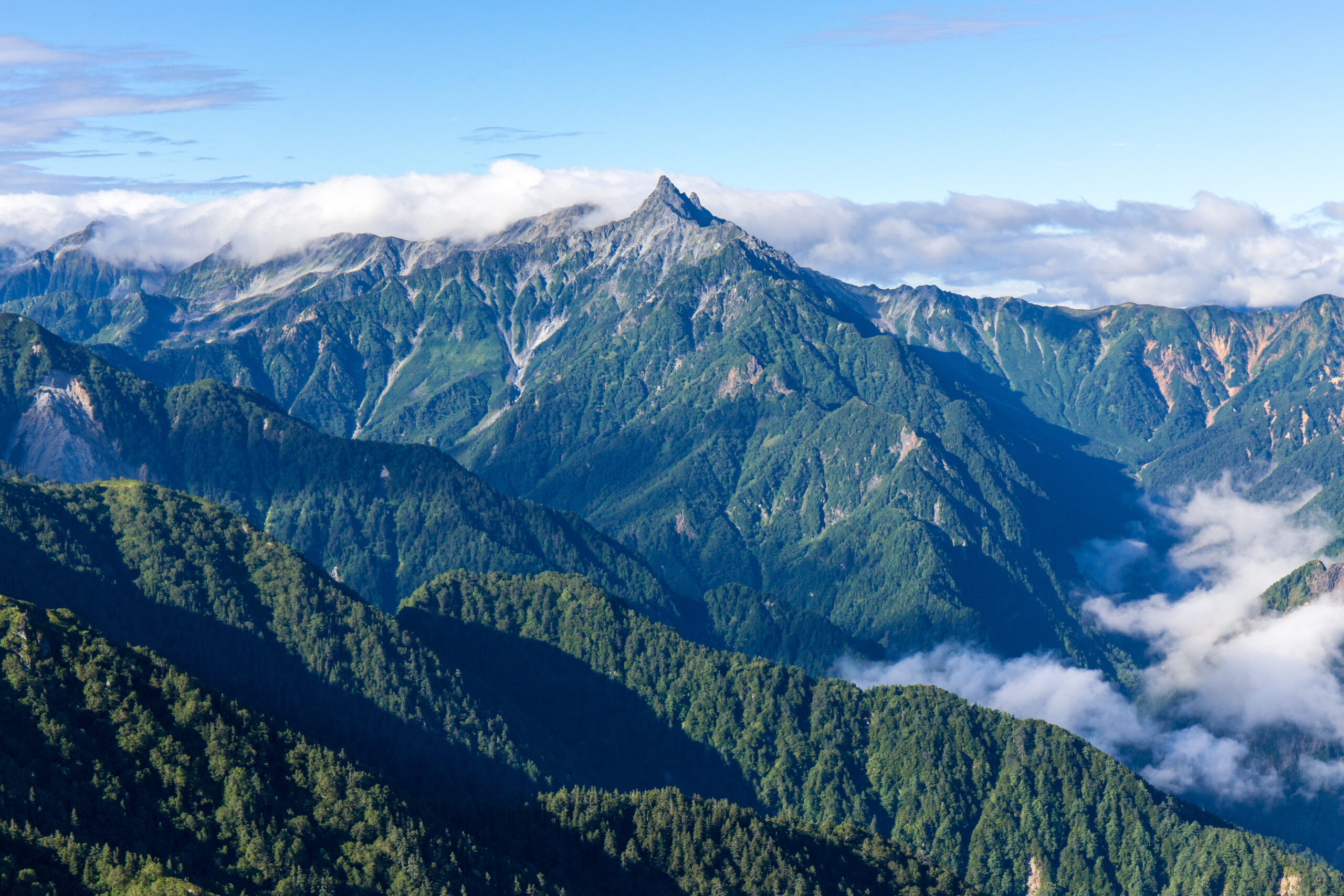
The Alps get more beautiful at the same time they get less forgiving.
Late September can deliver clear air and autumn color, but it also shortens daylight, drops nighttime temperatures and introduces the possibility of the season’s first snow on the highest routes.
What should you do with a September Japan hiking trip?
The answer depends primarily on the date already on your calendar.
You are climbing Fuji before September 10
- Keep the climb only if the official route remains open and the weather supports it.
- Confirm the exact hut, toilet, first-aid and transportation services still operating on your dates.
- Do not assume late-season conditions match July or early August.
- Use the Fuji weather and season guide for deeper timing context.
You arrive September 11 or later
- Remove a normal Fuji summit from the hiking plan.
- Move the mountain focus toward Kamikōchi, Norikura, Tateyama or another in-season objective.
- Match altitude and exposure to actual experience; Yari and Hotaka are not substitutes for a first Fuji climb.
- Recheck typhoon forecasts and high-elevation snow before every major mountain day.
You want autumn color
- High terrain changes first: Karasawa is usually a late-September to early-October story.
- Kamikōchi valley color follows later in October.
- Tateyama and Norikura have their own elevation-driven color progression.
- A rigid single-day foliage plan is weaker than a flexible multi-day weather window.
You want a technical summit
- Do not equate “Alps are in season” with “every ridge is hiking terrain.”
- Late-season cold, exposed scrambling and early snow can move an objective into mountaineering.
- Use a mountain-specific equipment list rather than packing from a general walking checklist.
- For a useful contrast, see the Weisshorn AD+ east-ridge gear list to understand how different a real technical alpine system is from a hiking kit.
Typhoon risk and first snow overlap in September
The seasonal handoff is attractive precisely because the weather is changing. That also creates the month’s biggest planning trap.
September is still exposed to tropical weather
Japan’s national-parks guidance says typhoon season peaks around August and September. A forecast that affects Tokyo only modestly can still create dangerous wind, rain, transport disruption and swollen streams in mountain areas.
Build at least one movable hiking day into the trip.The tallest peaks can turn early
JNTO warns that snow begins falling on Japan’s tallest peaks from late September. A clear trail report from the previous week cannot be treated as a guarantee for the next high ridge.
Late September belongs to current conditions, not averages.Move the current Japan objective into My Climb Plan
Select the situation that matches your dates. The button stores the objective and current-season note in the browser-based My Climb Plan, then opens your planning workspace.
Use the permanent guides for the next decision
This dated post should become an archive after the 2026 transition. The permanent guides hold the broader planning information.
Best Hikes in Japan
Compare cultural walks, Fuji, Kamikōchi, Yakushima and Japan’s major hiking regions without tying the answer to one September week.
Open the Japan hiking guide →Japanese Alps Guide
Use the dedicated Alps guide for range structure, summits, huts and higher mountain objectives.
Open the Japanese Alps guide →Fuji Weather & Season
Use the Fuji-specific page for weather, cold, wind, rain, typhoons and the official climbing window.
Open Fuji conditions →My Climb Plan
Keep the selected objective, dates, readiness, travel questions and current checks in one browser-based workspace.
Build My Climb Plan →Mountain Weather
September rewards people who can distinguish an attractive forecast from an acceptable mountain window.
Read the weather guide →Mount Yari 2026 Update
See how a serious Northern Alps objective differs from a general autumn hiking day.
Open the Yari update →Questions about the Japan hiking handoff
These answers are date-specific and should be read as a September 2026 snapshot.
When does Mount Fuji close in 2026?
The official 2026 summit season ends September 10 on all four main routes. Yoshida and Subashiri opened July 1; Fujinomiya and Gotemba opened July 10. Trail status can still change because of weather or emergency closures.
Can I climb Mount Fuji after September 10, 2026?
The official Mount Fuji site says summit trails are closed outside the designated season and warns that off-season climbing is extremely dangerous. A missed September summit should not be replaced with an improvised normal hiking ascent after closure.
Is the Mount Fuji hiking fee still ¥4,000 in September 2026?
Yes. The official 2026 system lists a ¥4,000 hiking fee per person per climb on the summit routes during the open season.
Where should I hike after Fuji closes?
Kamikōchi is the easiest broad alternative because it remains open through November 15 and provides both valley walking and access to higher Northern Alps terrain. Norikura and Tateyama also remain active into autumn. The best choice depends on current weather, experience and snow.
Is September a good time for the Japanese Alps?
It can be one of the strongest periods for experienced hikers because temperatures cool and autumn color begins at altitude. September is also typhoon season, nights become cold and first snow can reach the tallest peaks later in the month.
When does autumn color peak at Karasawa?
Kamikōchi seasonal guidance generally places Karasawa’s strongest color period from late September into the first week of October. Exact timing changes by year and weather, so current local reports matter.
How late is Kamikōchi open in 2026?
The official Kamikōchi website lists the open season through November 15. High-mountain routes above the valley can become wintry much earlier, so the valley access date is not a guarantee of summer conditions on the peaks.
Is Tateyama open in September 2026?
Yes. The official Tateyama Kurobe Alpine Route site lists the 2026 operation period as April 15 through November 30, subject to operational conditions.
Does Fuji closing mean Japan’s hiking season is over?
No. Fuji has a short regulated summit season. Lower hiking routes and many Japanese Alps destinations continue into autumn on different calendars.
What is the biggest September mistake?
Treating a seasonal average as a current trail report. Typhoons, cold fronts and first snow can change high-elevation conditions quickly, so the final decision should use current official access and weather information.
Sources checked for this September 2026 update
The post should remain indexed as a dated archive. Rules and seasonal dates should not be silently carried into a future year.
Mount Fuji
Japanese Alps & autumn
- Kamikōchi official website — current season access
- Kamikōchi — September / Karasawa foliage timing
- JNTO National Parks — autumn hiking and late-September snow
- JNTO National Parks — typhoon and autumn season guidance
- Tateyama Kurobe Alpine Route — 2026 operation
- Visit Matsumoto — current Japanese Alps access and autumn information
Do not stretch Fuji’s season. Let the trip move with Japan’s mountains.
Before September 10, Fuji may still be the right objective. After it, the smarter move is to accept the closure and shift toward an in-season Japanese Alps experience that matches the weather and your actual mountain background.
Was this helpful?
🏔Related peaks nearby
🧭Explore & compare
Global Summit Guide is an independent mountaineering resource founded in 2026. The team combines first-hand trekking and climbing experience with in-depth research and professional health and nutrition review to help climbers choose objectives, prepare properly, and stay safe.
Health, altitude, and nutrition content is reviewed by Taylor Ludlow (Registered Nurse) and Brigg Hoopes (Nutritionist).
What We Don't Know Yet
Mountain information changes quickly. This box explains the limits of what this page can responsibly promise.
- Visa, passport, vaccination, border, insurance, and local transportation rules may change before your trip.
- Route conditions, snowpack, closures, and weather can change quickly after this page is updated.
- Permit rules, fees, quotas, and reservation windows may change between review cycles.
- Operator availability, pricing, guide ratios, and cancellation terms can change by season.
- Your fitness, altitude response, risk tolerance, and experience level may change what is safe or realistic.
Verify current conditions with official land managers, guide services, local forecasts, and current route reports before booking or climbing.
Mountaineering, rock and ice climbing, glacier travel, and high-altitude activity are inherently dangerous and can result in serious injury or death. The information on Global Summit Guide is provided for general informational and educational purposes only and is not a substitute for professional instruction, qualified guiding, proper equipment, or your own judgment and experience.
Route conditions, weather, snowpack, permits, regulations, and hazards change constantly and may differ from what is described here. Details may be incomplete, out of date, or contain errors. Always verify current information with local authorities, certified guides, and official sources before making any decision in the mountains.
Nothing on this site is medical, legal, or financial advice. Our fitness, acclimatization, altitude, and nutrition content is general in nature; consult a qualified physician before beginning any strenuous exercise program or exposing yourself to high altitude.
You are solely responsible for your own safety and decisions. To the fullest extent permitted by law, Global Summit Guide and its team accept no liability for any loss, injury, damage, or expense arising from use of, or reliance on, this information. By using this site you acknowledge these risks and accept these terms.
Some links on this site may be affiliate links. If you buy through them we may earn a small commission at no extra cost to you; this never affects our recommendations.
Global Summit Guide recommendation path
Next Best Mountain to Research
Use these recommendations to continue the right planning path instead of stopping on one page.
Use current permit, weather, route, and operator information before booking or climbing.