
Last updated September 7, 2026
15 Best Hikes in September in the Southern Hemisphere
The best Southern Hemisphere hiking in September is in Peru’s Andes—not Patagonia. September remains inside the late dry-season window for the Cordillera Blanca, Cusco and major Peru trekking routes. Farther south, New Zealand and Australia are entering spring, which improves lower-elevation and coastal hiking but leaves many high alpine routes in winter conditions.
Where Should You Hike in the Southern Hemisphere in September?
Choose Peru if you want the strongest overall September hiking trip. The Inca Trail, Santa Cruz, Laguna 69, Huayhuash, Ausangate and Salkantay remain inside the Andes’ broad dry-season window, although September is late enough that cold nights and narrowing weather margins deserve more attention.
Choose Australia for spring wildflowers and shoulder-season trekking—especially the Larapinta Trail early in September, Cape to Cape later in the month and the Grampians as southern spring develops.
Choose New Zealand only with the right terrain. September is not summer. Lower-elevation Abel Tasman, Queen Charlotte and Rakiura fit the month much better than alpine routes where snow, ice and avalanche terrain can remain.
Early, Mid or Late September?
There is no single “September condition” across the Southern Hemisphere.
Prioritize the High Andes
Best for Huayhuash, Santa Cruz, Ausangate, Laguna 69 and the Inca/Salkantay corridor. Larapinta also remains attractive before Central Australian heat builds.
The Best Balance
Peru remains strong, Australia’s spring options improve, and lower-elevation New Zealand tracks become increasingly attractive without pretending alpine winter has ended.
Shift Toward Spring Terrain
Cape to Cape, Grampians, Abel Tasman, Queen Charlotte and southern African spring hikes improve. High Andes trips remain possible but should carry more weather margin.
Wait if Classic Trekking Is the Goal
September is still early spring. For El Chaltén and Torres del Paine, November through March is the more reliable core hiking window.
Best Southern Hemisphere Hikes in September
The score rewards how much September improves the hike—not how famous the trail is.
| # | Hike | Location | Score | Best window | Distance | Time | Difficulty | September advantage |
|---|---|---|---|---|---|---|---|---|
| 1 | Classic Inca Trail to Machu Picchu | Peru · Cusco | 9.8/10 | Sep 1–30 | 26 mi / 43 km | 4 days | Strenuous · high altitude | Late dry season + archaeology |
| 2 | Santa Cruz Trek | Peru · Cordillera Blanca | 9.7/10 | Sep 1–20 | ~31 mi / 50 km | 3–4 days | Strenuous · high altitude | Stable late-dry-season alpine trekking |
| 3 | Laguna 69 | Peru · Huascarán NP | 9.6/10 | Sep 1–30 | ~8 mi / 13 km RT | 1 day | Strenuous by altitude | Big Cordillera Blanca scenery in one day |
| 4 | Cordillera Huayhuash Circuit | Peru · Ancash / Huánuco | 9.5/10 | Sep 1–15 | ~80–130+ km | 7–12 days | Very strenuous · remote | Late dry-season expedition trekking |
| 5 | Ausangate Circuit | Peru · Cusco Andes | 9.4/10 | Sep 1–20 | ~43 mi / 70 km | 5–7 days | Very strenuous · high altitude | Dry-season high passes + fewer crowds |
| 6 | Salkantay Trek | Peru · Cusco | 9.2/10 | Sep 1–30 | ~46 mi / 74 km | 4–5 days | Strenuous | Dry-season mountain route to Machu Picchu region |
| 7 | Choquequirao Trek | Peru · Cusco / Apurímac | 9.0/10 | Sep 1–30 | ~40 mi / 64 km RT | 4–5 days | Very strenuous | Drier trail + major archaeological payoff |
| 8 | Larapinta Trail | Australia · Northern Territory | 9.0/10 | Sep 1–20 | 139 mi / 223 km full | 12–14 days | Hard · desert multi-day | Final cool-season window + spring wildflowers |
| 9 | Cape to Cape Track | Australia · Western Australia | 8.9/10 | Sep 10–30 | ~76 mi / 123 km | 5–7 days | Moderate–strenuous | Spring wildflowers + mild coastal weather |
| 10 | Grampians Peaks Trail | Australia · Victoria | 8.7/10 | Sep 10–30 | ~99 mi / 160 km | ~13 days full | Strenuous | Cool spring hiking + wildflowers |
| 11 | Abel Tasman Coast Track | New Zealand · South Island | 8.7/10 | Sep 1–30 | ~37 mi / 60 km | 3–5 days | Moderate | Lower-elevation spring option with fewer crowds |
| 12 | Queen Charlotte Track | New Zealand · Marlborough Sounds | 8.5/10 | Sep 1–30 | ~46 mi / 74 km | 3–5 days | Moderate | Spring greenery + lower snow exposure |
| 13 | Rakiura Track | New Zealand · Stewart Island | 8.3/10 | Sep 10–30 | ~20 mi / 32 km | 3 days | Moderate | Quiet spring forest + wildlife |
| 14 | Giant’s Cup Trail | South Africa · Drakensberg | 8.4/10 | Sep 10–30 | ~37 mi / 59 km | 5 days | Moderate–strenuous | Early spring color + milder temperatures |
| 15 | Lion’s Head | South Africa · Cape Town | 8.2/10 | Sep 1–30 | ~3.4 mi / 5.5 km RT | 2–3 hours | Moderate · exposed sections | Cool spring temperatures + city/ocean views |
The 15 Best Hikes, Explained
Classic Inca Trail to Machu Picchu
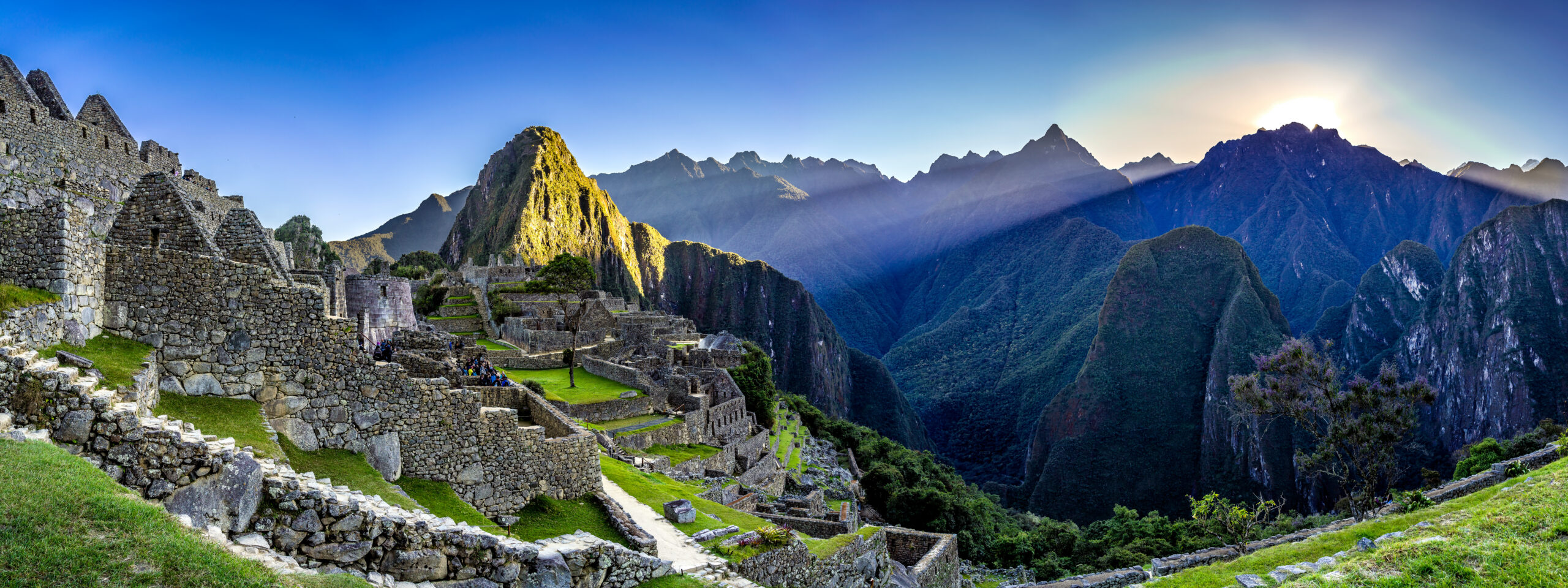
September remains inside Peru’s broad dry-season trekking window, which makes the Classic Inca Trail the strongest all-around Southern Hemisphere September choice. The real advantage is not simply lower rainfall: it is the combination of high Andean scenery, Inca sites along the route and the controlled arrival into the Machu Picchu complex. September is still popular, so this is not a last-minute trek. Permits, authorized-operator logistics and Machu Picchu entry must be treated as separate capacity-controlled pieces.
Santa Cruz Trek
Santa Cruz is the strongest September choice for hikers who want Peru’s big-mountain landscape without committing to a full expedition-style circuit. Huaraz gives the route access to the Cordillera Blanca during the last part of the broad May–September dry-season pattern. By September, nights can be colder and weather margins are beginning to narrow, but the tradeoff is serious alpine scenery, high passes and fewer midwinter crowds than July and August.
Laguna 69
Laguna 69 earns its place because it compresses the Cordillera Blanca into one demanding day. The trail climbs to roughly 4,600 meters, so September’s relatively favorable trail window does not make it a beginner hike for a newly arrived traveler. Spend time acclimatizing in Huaraz first. For a visitor who cannot devote four days to Santa Cruz or a week to Huayhuash, this is the best high-impact September day hike in Peru.
Cordillera Huayhuash Circuit
Huayhuash is the page’s most serious trekking commitment. September can still deliver strong dry-season conditions, but later-season cold and shortening weather margins become more important than on a July itinerary. The circuit is remote, repeatedly crosses high passes and should be treated as a self-sufficient expedition-style trek rather than a long backpacking holiday. Early September is the better bet than the final week.
Ausangate Circuit
Ausangate is a strong September choice because the Cusco Andes are still in the dry-season pattern while the route remains much quieter than the classic Machu Picchu corridor. It is also one of the highest sustained treks on this list. The challenge is not technical climbing; it is repeated high passes, cold nights and cumulative altitude. September works best for already acclimatized hikers who want landscape and remoteness more than archaeology.
Salkantay Trek
Salkantay remains one of the best ways to combine a major mountain trek with a Machu Picchu-area trip without using the Classic Inca Trail. September normally keeps the high-route tradeoff attractive: the wet season has not fully returned, but the mountain can still produce cold, snow or rapid weather changes. It is better for hikers who want a mountain-first experience than those whose top priority is walking the original Inca road.
Choquequirao Trek
Choquequirao is September’s strongest Peru option for hikers who want archaeology and far fewer people than Machu Picchu. The route’s difficulty is caused by enormous vertical loss and gain into the Apurímac canyon rather than extreme technical terrain. Drier September conditions help, but lower elevations can still be hot. This is a good example of why ‘dry season’ does not mean every hour is cool or easy.
Larapinta Trail
September is the final month we would actively target for a full Larapinta plan. Official Northern Territory guidance identifies September wildflowers, and trail operators generally treat April through September as the favorable trekking season. The advantage is spring color and warmer nights than midwinter. The warning is equally important: Central Australian heat rises quickly, so early September is better for an end-to-end itinerary than the final week.
Cape to Cape Track
Western Australia’s Cape to Cape Track fits September because spring begins to transform the southwest with wildflowers while temperatures remain much more comfortable than summer. The trail’s coastal nature also avoids the snow problem that affects higher New Zealand and Australian alpine routes at the same time of year. Wind, rain and exposed headlands remain the main variables.
Grampians Peaks Trail
The Grampians Peaks Trail gives September a true Australian mountain option without pretending the Australian Alps are already in summer condition. Spring brings cool hiking temperatures and wildflowers, while the sandstone ridges still demand weather awareness. A full traverse is a major commitment; shorter Grampians sections can deliver the same seasonal advantage for travelers who do not have nearly two weeks.
Abel Tasman Coast Track
Abel Tasman is one of the best New Zealand answers to the September problem because it is a lower-elevation coastal Great Walk rather than an alpine pass system. Spring can still be wet and cool, but snow is not normally the central planning issue. The route also rewards shoulder-season travelers with quieter beaches and forest. Tides remain part of the itinerary and should be planned, not improvised.
Queen Charlotte Track
Queen Charlotte works for the same reason: September is shoulder season, but the Marlborough Sounds are not a high alpine environment. The route’s strengths are long coastal views, forest, flexible accommodation and multiple trip-length options. Expect spring rain and potentially muddy trail rather than assuming settled summer weather.
Rakiura Track
Rakiura is not a September sunshine play. It is a wildlife-and-forest choice for hikers comfortable with Stewart Island’s famously wet, muddy environment. Spring brings longer daylight and a quiet trail experience, while the low elevation avoids the avalanche and steep-snow issues that make many New Zealand alpine classics inappropriate for ordinary September hikers.
Giant’s Cup Trail
September marks the start of spring in the Drakensberg, and that makes Giant’s Cup a useful Southern Africa addition to this list. Temperatures begin moderating, wildflowers start appearing and the heavy summer thunderstorm pattern is not yet at its peak. The route still requires mountain-weather judgment, but it offers a different September experience from Peru’s dry high Andes.
Lion’s Head
Lion’s Head is the short-hike counterweight to a list dominated by multi-day treks. September brings Cape Town into spring, making the route attractive before summer heat and peak-season crowds. The summit ridge has hands-on and exposed sections, and strong wind can be a legitimate turnaround reason. It is best treated as a weather-window hike rather than a fixed appointment.
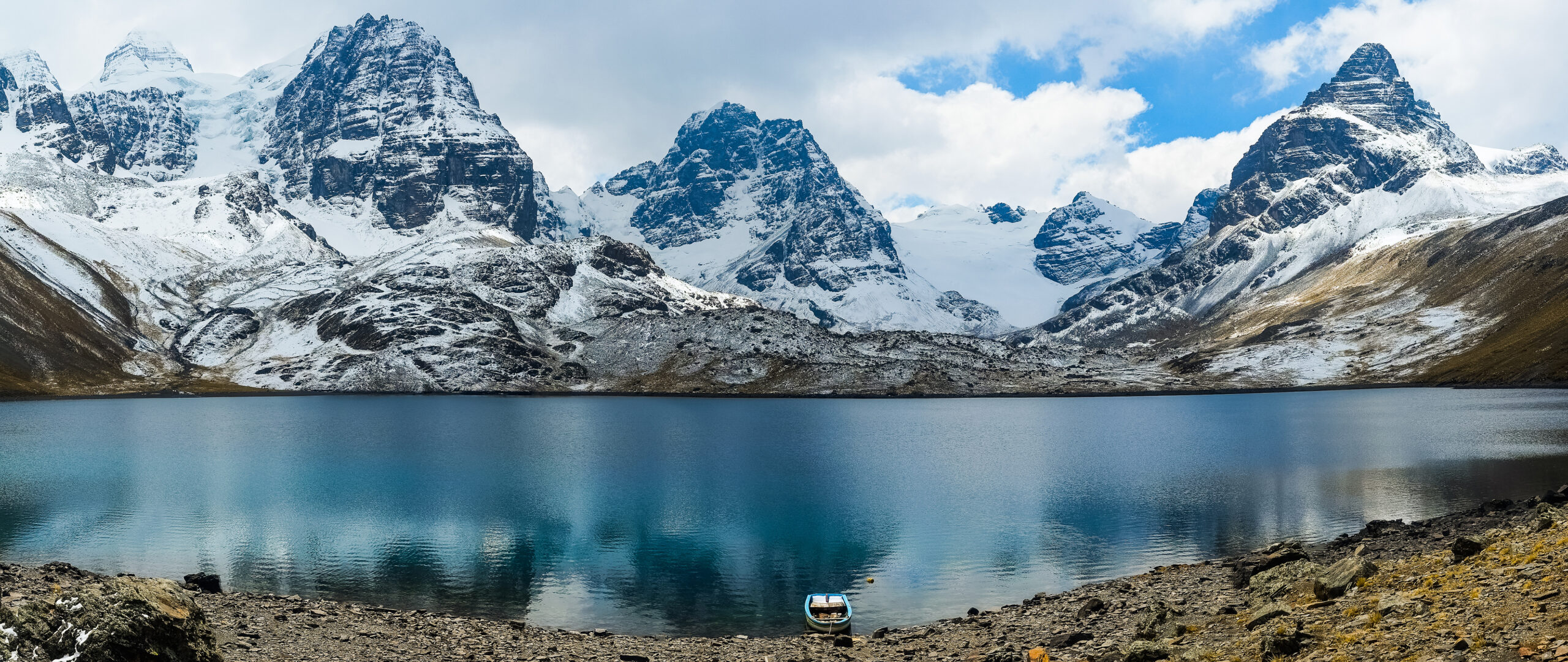
September’s Strongest Southern Hemisphere Hiking Is Still in the Andes.
Peru combines high passes, dry-season trail logic, archaeology and world-class mountain scenery before the rainy-season transition becomes the dominant planning variable.
Seven of the Top 15 Are in Peru for a Reason
GSG’s existing Peru architecture treats May–September as the broad dry-season hiking window, with Cusco and Huaraz serving different trips.
Culture + Trekking
Inca Trail, Salkantay, Ausangate and Choquequirao make Cusco the strongest mixed archaeology-and-mountain September base.
Big-Mountain Hiking
Santa Cruz and Laguna 69 turn September into a Cordillera Blanca trip; Huayhuash increases remoteness and commitment.
Dry Does Not Mean Guaranteed
Late-season cold and transition weather still matter. Reserve enough schedule margin to move a hike rather than force a forecast.
Acclimatization Is Part of the Itinerary
Many featured Peru hikes spend substantial time above 4,000 meters. Arrival day is not summit fitness.
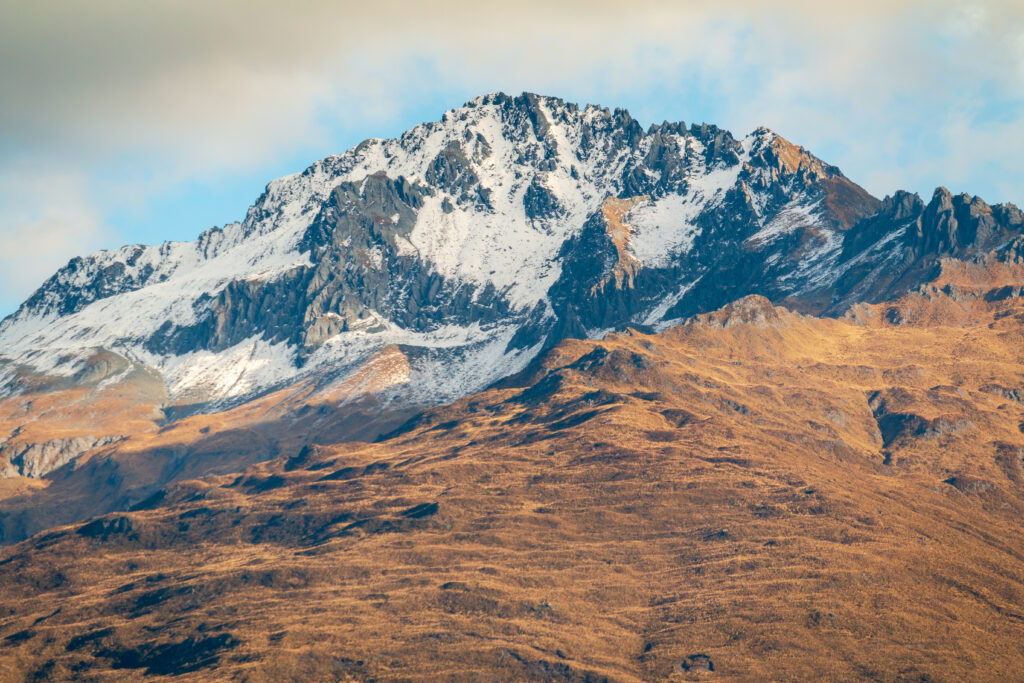
Choose the Coast and Forest Before You Choose the Alpine Pass.
September can be beautiful in New Zealand, but lingering snow and avalanche terrain keep many high routes in a winter decision framework.
Spring Does Not Mean Alpine Hiking Season Has Started
DOC treats Tongariro’s winter period as requiring alpine skills, equipment and avalanche awareness.
Abel Tasman
Coastal, lower elevation and flexible—exactly the kind of terrain that works well during spring transition.
Queen Charlotte
Forest and sounds replace high passes, reducing the snow problem while preserving a substantial multi-day experience.
Rakiura
Choose it for quiet forest and wildlife, accepting that mud and rain are part of the experience.
Tongariro Alpine Terrain
Only experienced winter-alpine travelers with the required skills should treat September as a normal objective window.
Early September for Larapinta; Later September for Southern Spring
| Trail | Best September timing | Why | Main caution |
|---|---|---|---|
| Larapinta | Early–mid | End of favorable trekking season + spring flowers | Heat rises quickly |
| Cape to Cape | Mid–late | Southwest wildflowers + mild coast | Wind / rain |
| Grampians Peaks | Mid–late | Cool spring + wildflowers | Exposed sandstone in poor weather |
Famous Hikes That Are Not Top September Choices
A seasonal ranking earns trust by excluding famous trails when the month is wrong.
Tongariro / High Great Walk Passes
Snow, ice and avalanche terrain can remain. Do not market spring calendar dates as summer trail conditions.
El Chaltén / Torres del Paine
September is early spring and still outside the core November–March hiking window used in GSG’s Patagonia architecture.
Do Not Push Larapinta Too Late
September is the end of the favorable trekking window, not the beginning of an unlimited spring season.
Do Not Call It Crowd-Free
Machu Picchu remains capacity-controlled and major Peru routes remain popular. September is seasonally strong, not empty.
How We Ranked September
The same method is used across the month-by-month cluster.
| Factor | Weight | September question |
|---|---|---|
| Weather suitability | 25% | Is September normally comfortable and realistically hikeable? |
| Trail/access reliability | 20% | Are roads, passes and core trail systems usually usable? |
| Seasonal scenery | 20% | Does September add wildflowers, dry-season clarity or spring color? |
| Crowd advantage | 15% | Is September better than peak season? |
| Natural events | 10% | Wildflowers, water, wildlife or seasonal light? |
| Overall trail quality | 10% | Would the hike be worth traveling for without the September bonus? |
Stable September guidance
- Peru’s broad dry-season hiking logic
- New Zealand’s spring transition
- Patagonia’s later core hiking season
- Larapinta’s cool-season bias
- Need for altitude acclimatization in Peru
- Month-specific ranking methodology
What must be checked before travel
- Inca Trail and Machu Picchu capacity
- Huascarán access and road conditions
- New Zealand DOC alerts and avalanche conditions
- Australian park closures and fire restrictions
- Spring storms in the Drakensberg
- Exact weather during the travel week
September Southern Hemisphere Hiking FAQ
Where is the best place to hike in the Southern Hemisphere in September?
Peru is the strongest all-around choice because much of the Andes remains in the late dry-season window. New Zealand and Australia are entering spring, favoring lower-elevation and coastal routes.
Is September a good month to hike in Peru?
Yes. September remains inside the broad May–September dry-season pattern, although high-altitude weather is never guaranteed and late-season margins are narrowing.
Is September a good month for hiking in New Zealand?
Yes for selected lower-elevation and coastal tracks. Many high alpine routes still have winter snow, ice and avalanche hazards.
Can you hike Tongariro in September?
Tongariro in September should be treated as winter alpine terrain. DOC warns of snow, ice, avalanche terrain and sub-zero conditions outside the Great Walks season.
Is September good for the Larapinta Trail?
Yes, especially early in the month. September is at the end of the favorable April–September trekking window and can bring spring wildflowers, but heat increases later.
Is Patagonia good for hiking in September?
September is early spring and not the core Patagonia hiking season. November through March is generally the stronger window for classic El Chaltén and Torres del Paine trekking.
What should I pack for September hiking in the Southern Hemisphere?
Pack for the specific climate: cold altitude layers in Peru, rain and cold reserve in New Zealand, sun and heat systems in Central Australia, and wind/storm layers in the Drakensberg.
Which September hike is best for beginners?
For easier hiking, choose shorter sections of Abel Tasman or Queen Charlotte rather than a high-altitude Peru circuit.
Go High in Peru. Go Lower in New Zealand. Catch Spring in Australia.
September is a transition month, which is exactly why the best destination depends on what season is driving the trail. The Andes still benefit from dry-season timing, while farther south spring is only beginning.
Best September Hikes, South & North
In September the southern hemisphere heads into spring. See the northern companion and the year-round plan below.
Was this helpful?
Global Summit Guide is an independent mountaineering resource founded in 2026. The team combines first-hand trekking and climbing experience with in-depth research and professional health and nutrition review to help climbers choose objectives, prepare properly, and stay safe.
Health, altitude, and nutrition content is reviewed by Taylor Ludlow (Registered Nurse) and Brigg Hoopes (Nutritionist).
What We Don't Know Yet
Mountain information changes quickly. This box explains the limits of what this page can responsibly promise.
- Weather, snowpack, avalanche risk, road access, and route conditions can change quickly and may be different on your climbing dates.
- Route conditions, trailhead access, crevasse exposure, stream crossings, and rescue access may vary from published planning guidance.
- Fitness and altitude response vary by person; no guide, itinerary, or training plan can guarantee acclimatization or summit success.
Verify current conditions with official land managers, guide services, local forecasts, and current route reports before booking or climbing.
Mountaineering, rock and ice climbing, glacier travel, and high-altitude activity are inherently dangerous and can result in serious injury or death. The information on Global Summit Guide is provided for general informational and educational purposes only and is not a substitute for professional instruction, qualified guiding, proper equipment, or your own judgment and experience.
Route conditions, weather, snowpack, permits, regulations, and hazards change constantly and may differ from what is described here. Details may be incomplete, out of date, or contain errors. Always verify current information with local authorities, certified guides, and official sources before making any decision in the mountains.
Nothing on this site is medical, legal, or financial advice. Our fitness, acclimatization, altitude, and nutrition content is general in nature; consult a qualified physician before beginning any strenuous exercise program or exposing yourself to high altitude.
You are solely responsible for your own safety and decisions. To the fullest extent permitted by law, Global Summit Guide and its team accept no liability for any loss, injury, damage, or expense arising from use of, or reliance on, this information. By using this site you acknowledge these risks and accept these terms.
Some links on this site may be affiliate links. If you buy through them we may earn a small commission at no extra cost to you; this never affects our recommendations.
Global Summit Guide recommendation path
Next Best Mountain to Research
Use these recommendations to continue the right planning path instead of stopping on one page.
Use current permit, weather, route, and operator information before booking or climbing.
Search Flights, Hotels & Rental Cars
Have the mountain or destination picked? Use Expedia to compare the flights, lodging and rental cars that fit your actual trip dates. For mountain travel, consider arriving early enough for delays and adding a buffer night after the climb before a fixed flight home.
Compare current flight, hotel and car options.
Affiliate disclosure: Global Summit Guide may earn a commission if you book through this link, at no additional cost to you.