
Last updated September 18, 2026
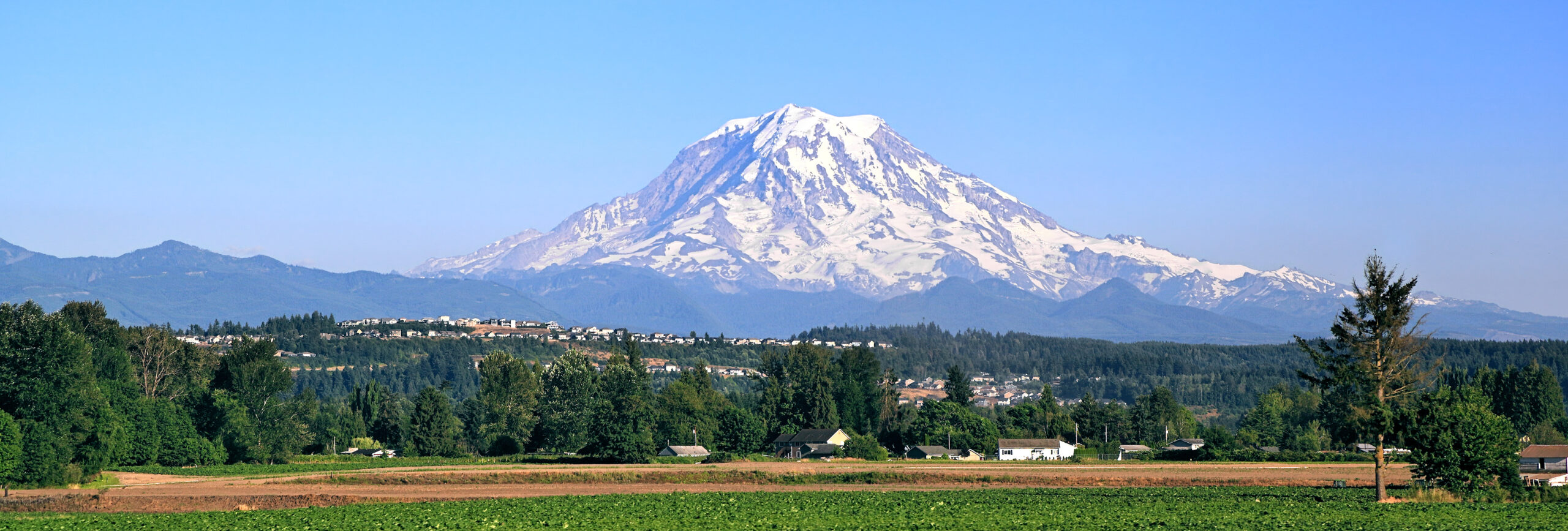
15 Best Hikes in September in the Northern Hemisphere
September is one of the best hiking months in the Northern Hemisphere because the answer changes every week. Early September still behaves like alpine summer in Glacier, Rainier, the Tetons and the Alps. By mid-month, Colorado aspens and elk season strengthen. By late September, North Cascades larches and New England color begin taking over.
Where Should You Hike in the Northern Hemisphere in September?
For early September, prioritize Glacier National Park, Mount Rainier, Grand Teton and the Alps while high-country access is still broadly summer-like. For mid-September, Rocky Mountain National Park and Banff become stronger as aspens, elk activity and larches enter the seasonal story.
For the final third of September, move the ranking toward Maple Pass and other North Cascades larch routes, Colorado aspen country, and the White Mountains of New England.
The key September mistake is assuming the first and last weekends of the month are interchangeable. At high elevation, a three-week difference can mean summer trail, peak color or first snow.
Early, Mid or Late September?
Your exact week changes the ranking.
Think Alpine Summer
Glacier Highline, Rainier Skyline, Grand Teton canyons, Aletsch and other high-country routes still own the month. Weather is cooler, but most fall color is only beginning.
The Best All-Around Window
Colorado aspens begin changing, elk rut strengthens in Rocky Mountain National Park, Banff larch season approaches and Tetons remain excellent.
Follow the Color
Maple Pass, Colorado aspen hikes and northern New England rise quickly. The tradeoff is increasing first-snow risk at elevation.
Wait Until Late Month
Utah and lower desert routes improve as summer heat fades, but early September can still be too hot for exposed desert hiking.
The Best Northern Hemisphere Hikes in September
The score rewards timing advantage, not fame.
| # | Hike | Location | Score | Best window | Distance | Gain | Difficulty | September advantage |
|---|---|---|---|---|---|---|---|---|
| 1 | Maple Pass Loop | USA · Washington · North Cascades | 9.9/10 | Sep 20–30 | 7.2 mi loop | ~2,000 ft | Moderate–strenuous | Late-month larches + red alpine shrubs |
| 2 | Highline Trail | USA · Montana · Glacier NP | 9.7/10 | Sep 1–15 | ~11.8 mi one way | ~800 ft net | Moderate–strenuous | Cooler air + late-season alpine access |
| 3 | Skyline Trail | USA · Washington · Mount Rainier | 9.6/10 | Sep 1–20 | 5.5 mi loop | 1,700 ft | Strenuous | Fall meadow color + glacier views |
| 4 | Larch Valley & Sentinel Pass | Canada · Alberta · Banff NP | 9.6/10 | Sep 15–30 | ~7 mi / 11 km RT | ~2,380 ft / 725 m | Moderate–strenuous | Golden larches + Lake Louise area alpine scenery |
| 5 | Cascade Canyon | USA · Wyoming · Grand Teton | 9.5/10 | Sep 5–25 | ~9.2 mi RT | ~1,000 ft | Moderate | Cooler temperatures + active fall wildlife |
| 6 | Sky Pond | USA · Colorado · Rocky Mountain NP | 9.5/10 | Sep 10–25 | ~9 mi RT | ~1,700 ft | Strenuous | Cool alpine hiking + early aspen season nearby |
| 7 | Maroon Bells / Crater Lake | USA · Colorado · Aspen | 9.4/10 | Sep 15–30 | ~3.6 mi RT | ~700 ft | Easy–moderate | Iconic aspen color + cool weather |
| 8 | Aletsch Glacier Trail | Switzerland · Valais Alps | 9.3/10 | Sep 1–20 | ~7.5 mi / 12 km | Varies | Moderate | Autumn alpine clarity + glacier views |
| 9 | Delta Lake | USA · Wyoming · Grand Teton | 9.2/10 | Sep 5–20 | ~8–9 mi RT | ~2,300 ft | Strenuous · unmaintained section | Cooler weather + dramatic Teton basin |
| 10 | Franconia Ridge Loop | USA · New Hampshire · White Mountains | 9.2/10 | Sep 20–30 | 8.9 mi loop | ~3,900 ft | Strenuous · exposed ridge | Beginning high-elevation fall color |
| 11 | Five Lakes Walk | Switzerland · Zermatt | 9.1/10 | Sep 1–25 | ~6 mi / 9.8 km | ~1,000 ft gain / mostly descending route variants | Moderate | Matterhorn views + quieter shoulder season |
| 12 | Wheeler Peak | USA · Nevada · Great Basin NP | 9.0/10 | Sep 10–30 | 8.6 mi RT | 3,100 ft | Strenuous | Cooler high-country weather + autumn transition |
| 13 | Katahdin / Hunt Trail | USA · Maine · Baxter State Park | 8.9/10 | Sep 10–25 | 10.4 mi RT | 4,188 ft | Very strenuous | Cool air + northern fall transition |
| 14 | Cadillac–Dorr Mountain Loop | USA · Maine · Acadia NP | 8.7/10 | Sep 20–30 | Varies ~5–7 mi | ~1,500–2,000 ft | Moderate–strenuous | Cool coast + first foliage + lower summer crowds |
| 15 | Observation Point | USA · Utah · Zion area | 8.6/10 | Sep 20–30 | Route-dependent | Route-dependent | Moderate | Late-month cooling after summer heat |
The 15 Best Hikes, Explained
Maple Pass Loop
Maple Pass earns #1 because late September changes the hike more than almost any other trail on this list. The North Cascades high country is still within its normal late-summer access window, red huckleberry and mountain ash intensify across the slopes, and alpine larches begin turning gold near the end of the month. GSG’s Pacific Northwest hiking research already identifies Maple Pass as the region’s premier larch hike and places the main larch display from the last week of September into early October. The tradeoff is popularity: once the color turns, this can be one of Washington’s busiest fall trailheads.
Highline Trail
Highline is the best early-September choice because Glacier still feels like summer at elevation while mornings and afternoons become cooler. The route provides huge alpine views from Logan Pass without the vertical gain of many comparably scenic hikes. September also sits near the end of the practical high-country window, so the exact trail status matters more than the calendar. Glacier’s 2026 Going-to-the-Sun Road is open for the season and does not require vehicle reservations, but Highline trail opening and closing can move with snow conditions. Treat current trail status as mandatory pre-trip homework.
Skyline Trail
Skyline at Paradise combines one of the best close-up glacier landscapes in the country with a September bonus: subalpine fall color begins while the trail often remains broadly accessible. NPS lists the loop at 5.5 miles with 1,700 feet of gain and notes colorful fall foliage beginning in September. The current 2026 complication is regional fire closure farther east around Sunrise and White River; Skyline itself is in the Paradise area, but conditions can change quickly. September is also when Rainier weather starts reminding hikers that fall at 7,000 feet can behave like early winter.
Larch Valley & Sentinel Pass
Banff’s Larch Valley is one of the most month-specific hikes in Canada. Parks Canada identifies July through mid-September as the broad prime hiking season, while September is when the Lake Louise area’s larches become the main visual event. Access is through Moraine Lake, where personal vehicles are not permitted and shuttle planning is essential. Current Banff trail reporting shows Larch Valley in good condition in late August 2026, while bear activity remains a real planning variable. Late September is visually stronger but also more exposed to first snow.
Cascade Canyon
Cascade Canyon is the most balanced Grand Teton September recommendation. NPS explicitly calls fall an excellent time to hike in Grand Teton because of cooler temperatures, changing color and active wildlife. Unlike a summit scramble, Cascade Canyon lets a visitor experience the Teton walls without adding technical terrain. September weather can still bring high-elevation snow, and wildlife activity means bear-awareness matters. Current 2026 construction affects some areas of the park, so confirm Jenny Lake and trail access before departure.
Sky Pond
Sky Pond is a strong mid-September Colorado choice because Rocky Mountain National Park typically transitions into clear, crisp fall air as summer storms diminish and aspen color starts developing. NPS says aspen color begins changing in mid-September, while elk rut activity adds another seasonal layer. The hike remains a substantial alpine day and can acquire ice or snow surprisingly early. It is also inside the Bear Lake Road corridor, so the 2026 Timed Entry + Bear Lake Road system applies during reservation hours.
Maroon Bells / Crater Lake
The Maroon Bells area is less about peak-bagging than timing the most famous aspen-and-mountain landscape in Colorado. Mid-to-late September is the target because the visual advantage is seasonal: gold aspens, colder mornings and the red Maroon massif reflected above the valley. The hike to Crater Lake is approachable relative to the harder trails on this list, but the logistical challenge is access. Reservations, shuttle operations and parking rules should be checked for the exact September date rather than assumed from prior years.
Aletsch Glacier Trail
The Aletsch Glacier Trail gives the Alps a strong September position because Swiss tourism guidance specifically treats it as an autumn hike. September can deliver clearer air, cooler walking temperatures and a quieter experience than peak July-August travel while mountain infrastructure is still operating. The main tradeoff is that lift and transport schedules start changing as the shoulder season advances, and an early snowfall can transform a moderate trail quickly.
Delta Lake
Delta Lake is the harder Teton choice. The basin below Grand Teton is spectacular, but the final portion is not a maintained NPS trail and requires careful routefinding through steep, loose terrain. Current Grand Teton backcountry reporting listed the route snow-free in June 2026, but fall storms can reverse that fast. The September advantage is cooler air and reduced summer heat; the September risk is that a trail that felt like a steep hike one week can become a snow-and-ice problem the next.
Franconia Ridge Loop
Franconia Ridge belongs in late September because it combines one of the best above-treeline ridge walks in the Northeast with the beginning of White Mountain fall color. GSG’s New Hampshire guide describes the loop as roughly 8.9 miles with 3,900 feet of gain and 1.7 miles continuously above treeline. The color is not the only reason to go: cool air makes the climb more pleasant than summer humidity. But the exposed ridge can turn hostile quickly in wind, rain or early freezing conditions.
Five Lakes Walk
Zermatt’s Five Lakes Walk is a good September Alps counterweight to the harder North American hikes. It combines classic Matterhorn views with a more flexible walking day and benefits from cooler shoulder-season weather. September is especially useful for travelers who want alpine scenery without committing to a hut-to-hut trek. The main planning issue is mountain-railway and lift schedules; late September can have reduced service or first snow at higher elevations.
Wheeler Peak
Wheeler Peak in Great Basin National Park is one of the best September choices for people who want a serious summit without the crowds of Colorado. NPS lists the hike at 8.6 miles with about 3,100 feet of gain. September cools the high desert and begins the autumn transition around the Snake Range. The summit remains exposed to wind and altitude, and snow can arrive even while lower Nevada remains warm.
Katahdin / Hunt Trail
Katahdin gives the list a truly serious Northeastern objective. September reduces summer heat and begins the northern fall transition, but the mountain should not be treated as a foliage hike with a summit attached. Baxter lists the Hunt Trail at 5.2 miles one way with roughly 4,188 feet of gain. Wind, exposure and seasonal trail status matter more than color. The current Katahdin Trailhead Pass system also makes access a planning decision rather than a spontaneous arrival.
Cadillac–Dorr Mountain Loop
Acadia becomes more attractive as September cools and the first autumn color reaches Mount Desert Island. Linking Cadillac and Dorr creates a much more meaningful hiking day than simply driving Cadillac Summit Road. NPS describes the Gorge Path between the two mountains as steep granite stairs with some scrambling and warns that wet rock can stay slick. September is a strong time to combine coastal scenery with mountain hiking before the heart of October foliage traffic.
Observation Point
Observation Point is intentionally last because September is still transitional in Zion. Late in the month can be excellent as temperatures begin easing, but early September can remain hot enough that exposed hiking is a poor choice. That makes it a useful late-month alternative rather than a blanket September recommendation. Access can also change depending on the chosen trailhead and road status, so the route needs to be verified for the exact trip.
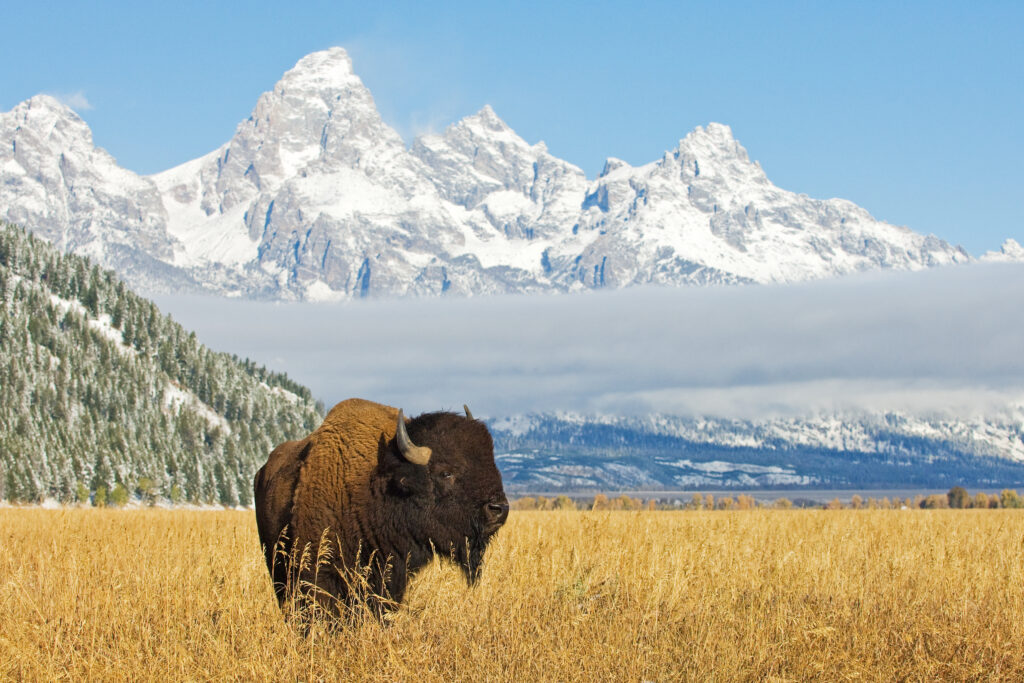
Fall Is an Excellent Hiking Season—Until a Mountain Snowstorm Says Otherwise.
Grand Teton’s cooler temperatures and active wildlife make September special, but high trails can change quickly after the first major storm.
Why the Rockies Are So Strong in September
September combines remaining alpine access with cooler days, wildlife activity and the beginning of fall color.
Aspens + Elk
RMNP says aspen color begins changing in mid-September and elk rut activity runs through September and October. That gives a normal alpine hike an additional seasonal layer.
Cooler Hiking + Wildlife
NPS calls fall an excellent time to hike in Grand Teton. Trails stay open, but weather can make high elevations less accessible.
Go Earlier
The Highline is strongest in early September before snow or seasonal-service changes start becoming the main logistics problem.
Reservations Still Matter
RMNP’s September timed-entry system is active, including the Bear Lake Road corridor where Sky Pond starts.
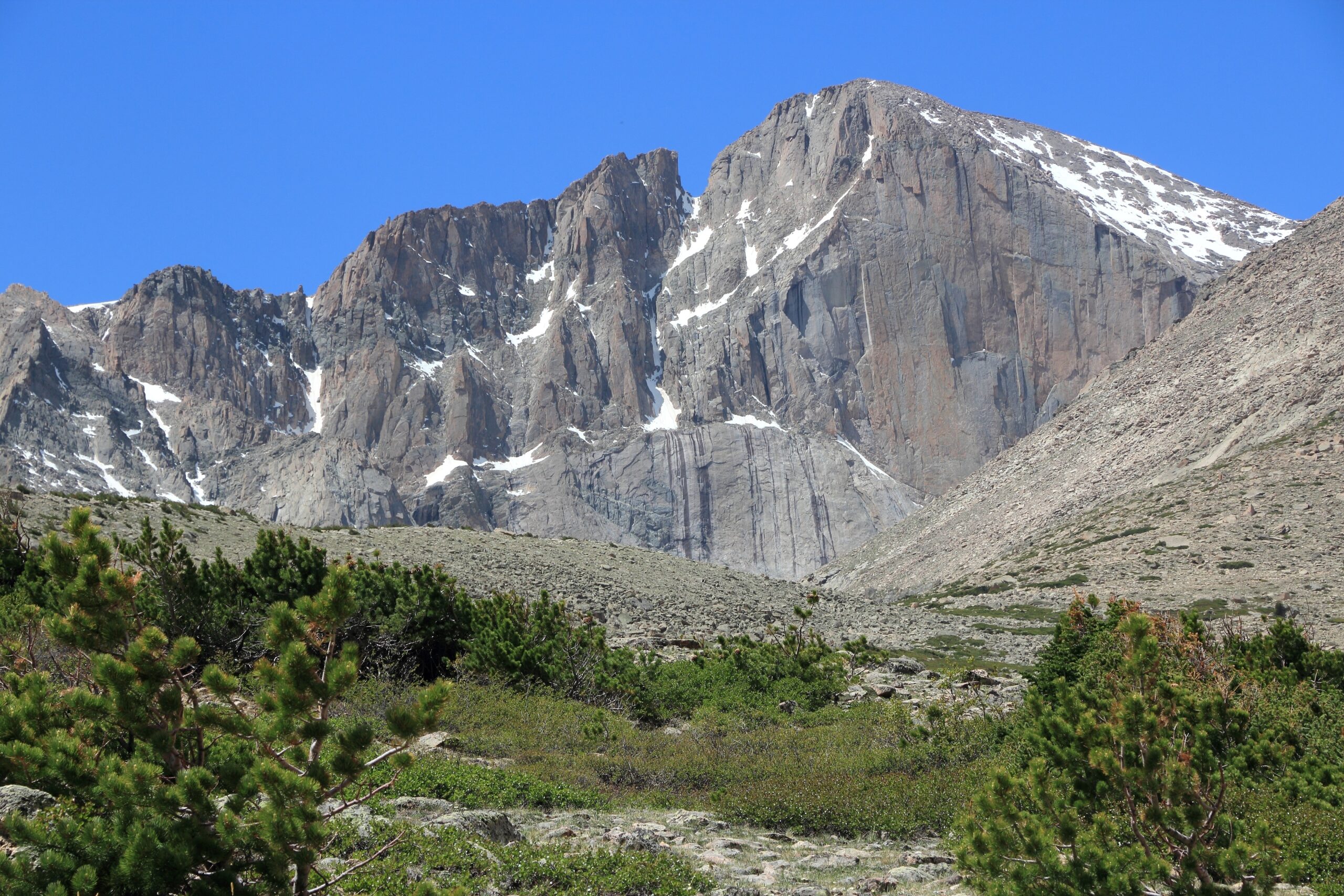
Cooler Air Arrives Before Winter Does.
That short overlap—summer trail access plus fall color and elk activity—is why Colorado becomes one of September’s strongest mountain-hiking destinations.
Rainier Early; North Cascades Color Late
| Trail | Best September timing | Main advantage | Main caution |
|---|---|---|---|
| Skyline Trail | Early–mid | Glacier scenery + meadow fall color | Clouds / early snow |
| Maple Pass Loop | Late | Larches + red alpine shrubs | Crowds / first snow |
| Cascade Pass / Sahale Arm | Early–mid | High-country access | Road/trail conditions can change |
September Works Best Before Infrastructure Starts Winding Down
Larch Valley
Late September creates one of Canada’s most recognizable fall-hiking experiences. Moraine Lake access and bear guidance must be built into the day.
Aletsch Glacier Trail
Official Swiss tourism guidance lists Aletsch among autumn hikes, making September a real shoulder-season target rather than an invented SEO season.
Five Lakes Walk
Use September for cooler walking and Matterhorn views while lifts still support the route.
Check Transport Schedules
The Alps are infrastructure-rich, but lifts and huts can change operating schedules quickly as summer ends.

The Northeast Enters the Ranking as the Month Ends.
Franconia Ridge and Katahdin gain color and cooler air—but their exposed terrain also starts flirting with winter conditions.
New England Is Better Late Than Early
Franconia Ridge
One of the Northeast’s strongest ridge hikes and a natural late-September color objective, provided the higher-summits forecast is suitable.
Katahdin
September can be superb, but the hike remains a serious Baxter objective with access rules, long mileage and exposed weather.
Cadillac + Dorr
Lower elevation creates a longer shoulder season than Katahdin while coastal views and early foliage begin improving.
Valley Fall Is Not Summit Fall
A pleasant September trailhead can coexist with freezing wind and cloud on an exposed New England ridge.
September Hiking Mistakes
The month rewards flexibility more than rigid itineraries.
Do Not Assume Summer Gear
The final week of September can turn a simple alpine trail into a traction and navigation problem.
Do Not Call All September “Fall”
Early September in Zion and lower Southwest terrain can still behave like summer.
Do Not Promise Peak Foliage
Larches, aspens and New England foliage vary by elevation, temperature and year. Use windows, not guarantees.
Do Not Ignore Current Conditions
2026 fire and construction issues in Rainier and Grand Teton prove why seasonal averages are only the first planning layer.
How We Ranked September
The same scoring model will be used across the 24 month/hemisphere children.
| Factor | Weight | September question |
|---|---|---|
| Weather suitability | 25% | Does September normally improve hiking comfort without creating winter conditions? |
| Trail/access reliability | 20% | Are roads, passes, shuttles and trail systems normally usable? |
| Seasonal scenery | 20% | Does September add larches, aspens, foliage, clearer air or glacier contrast? |
| Crowd advantage | 15% | Is the experience meaningfully better after peak summer? |
| Natural events | 10% | Elk rut, wildlife activity, fall color or seasonal light? |
| Overall trail quality | 10% | Is the hike worth traveling for independent of the seasonal bonus? |
Current sources checked
- Rocky Mountain National Park — fall color, elk, weather and 2026 timed entry
- Grand Teton National Park — fall hiking and current 2026 construction/trail conditions
- Mount Rainier National Park — Skyline Trail and current fire-related trail closures
- Glacier National Park — 2026 Going-to-the-Sun Road operations
- Parks Canada — Banff hiking and Larch Valley current conditions
- Switzerland Tourism — official autumn hiking listings
What must be rechecked before travel
- Wildfire closures and smoke
- First snow / ice at elevation
- Timed-entry and parking reservations
- Shuttle and lift schedules
- Bear restrictions and wildlife closures
- Exact fall-color timing
September Northern Hemisphere Hiking FAQ
Where is the best place to hike in the Northern Hemisphere in September?
The strongest September regions are the Rockies, Tetons, North Cascades, Canadian Rockies, Alps and northern New England. Early September favors alpine access; late September increasingly favors fall color and larches.
What is the best hike in late September?
Maple Pass Loop in Washington’s North Cascades is one of the strongest late-September choices because alpine shrubs change color and larches can begin turning gold near the end of the month.
Is September good for hiking in Colorado?
Yes. RMNP describes September as a period of generally clear, crisp air, with aspens beginning to change in mid-September and elk rut activity increasing through the month.
Is September good for hiking in Grand Teton?
Yes. NPS describes fall as an excellent time to hike in Grand Teton, with cooler temperatures, changing colors and active wildlife, although mountain snowstorms can occur.
Is September too late for Glacier National Park hiking?
Not necessarily. Early September can be excellent, but trail, shuttle and road status must be checked because snow or seasonal-service changes can close access quickly.
When do larches turn gold in the North Cascades?
The strongest larch color is typically around the last week of September into early October, varying by elevation and year.
Does it snow in the mountains in September?
Yes. September can bring early snow to the Rockies, Tetons, Cascades, Alps and White Mountains.
What should I wear hiking in September?
Use a layered system with sun protection, rain shell, insulation and reserve warmth. High-elevation hikers should be prepared for near-freezing temperatures and possible snow even when trailheads are warm.
Start High. Follow the Color. Keep Winter in the Forecast.
September’s first weeks reward alpine access. Its final weeks reward larches, aspens and northern foliage. The best trip uses the exact week—not just the month—to choose the trail.
Best September Hikes, North & South
September splits the hemispheres. See the southern-hemisphere companion and the year-round planning guides below.
Choose the Week First—Then Choose the Hike.
Early September still behaves like alpine summer. Glacier, Rainier, the Tetons and the Alps retain the best access margin. Mid-September shifts toward Colorado and the Canadian Rockies as aspens and larches begin changing. Late September increasingly belongs to North Cascades larches, New England foliage and cooler Southwest objectives.
The ranking above remains the full trail guide. This section reorganizes the same 15 hikes by week, scenery type and access risk so you can make a faster trip decision.
September Northern Hemisphere Hikes at a Glance
Use this summary for trip selection; use the ranked cards above for distance, gain and trail-level detail.
| # | Hike | Region | Best window | September payoff | Planning flag |
|---|---|---|---|---|---|
| 1 | Maple Pass Loop | North Cascades | Late | Larches + red shrubs | First snow and color timing vary. |
| 2 | Highline Trail | Glacier NP | Early | Cooler high country | Check Logan Pass, shuttle and trail status. |
| 3 | Skyline Trail | Mount Rainier | Early–mid | Glaciers + meadow transition | Paradise is the cleaner 2026 access base. |
| 4 | Larch Valley & Sentinel Pass | Banff | Mid–late | Larches + Ten Peaks | Moraine Lake shuttle reservation required. |
| 5 | Cascade Canyon | Grand Teton | Early–mid | Cool air + wildlife | Check 2026 construction and circulation. |
| 6 | Sky Pond | Rocky Mountain NP | Early–mid | High alpine before winter | Bear Lake Corridor timed entry. |
| 7 | Maroon Bells / Crater Lake | Colorado | Mid–late | Aspens | Color timing and reservations vary. |
| 8 | Aletsch Glacier Trail | Switzerland | Early–mid | Cool walking + glacier scale | Recheck lift schedules. |
| 9 | Delta Lake | Grand Teton | Early–mid | Cooler steep hiking | Use-trail navigation + weather. |
| 10 | Franconia Ridge Loop | New Hampshire | Late | Foliage + ridge | Higher-summit weather can be wintry. |
| 11 | Five Lakes Walk | Zermatt | Early–mid | Matterhorn views | Check seasonal lift operations. |
| 12 | Wheeler Peak | New Mexico | Mid–late | High-altitude fall hiking | Storms and early snow possible. |
| 13 | Katahdin / Hunt Trail | Maine | Mid–late | Northern fall transition | Baxter access + exposed weather. |
| 14 | Cadillac–Dorr Loop | Acadia | Late | Coastal fall | Wet granite + visitor demand. |
| 15 | Observation Point | Zion area | Late | Cooling desert conditions | Heat may persist; verify trailhead access. |
The Shortlist Clusters in the Cascades/Rockies, New England and the Alps.
The month starts with high-country access and ends with a stronger color signal farther north.
Best September Hikes by Type
Match the September effect to the trip you actually want.
Maple Pass Loop
Late-month western larches and red alpine shrubs.
Also: Larch ValleyMaroon Bells / Colorado
Mid-to-late September is the classic Colorado fall transition.
Also: Sky Pond for elk + alpineHighline / Tetons / Alps
Use early September while summer trail access is most reliable.
Best timing: Sep 1–15Skyline + Aletsch
Cool shoulder-season hiking with major glacier views.
Best for: landscape daysFranconia / Katahdin / Acadia
The Northeast improves as the month progresses.
Best timing: Sep 20 onwardObservation Point
A useful late-month pivot after northern alpine snow—if Utah has cooled.
Best timing: late SeptemberFive Logistics Details That Can Change the Trip
These are dated operating details. Recheck them before travel.
Bear Lake Road Corridor reservations remain part of September access.
2026 dropped vehicle reservations; Logan Pass parking/shuttle rules still matter.
Personal vehicles cannot use Moraine Lake Road; 2026 shuttles run through Oct. 12, weather permitting.
September road/trail impacts remain active in several park sectors.
Sunrise Road remains closed to vehicles due to the 2026 fires; Paradise remains open.
How September Changes From Week to Week
Use windows rather than promising exact color dates.
Protect the Alpine Window
- Highline
- Skyline
- Cascade Canyon / Delta Lake
- Aletsch / Five Lakes
Prioritize routes that lose reliability after the first meaningful snow.
Mix High Country With Early Fall
- Sky Pond
- Maroon Bells
- Larch Valley
- Tetons
The broadest overlap of alpine access and emerging fall color.
Follow Color—Keep a Snow Pivot
- Maple Pass
- Franconia Ridge
- Katahdin
- Cadillac–Dorr
- Observation Point
The strongest color period, but the narrowest high-elevation weather margin.
Continue From the Month Into the Region
Use the calendar pages to choose timing, then move into the regional parent that owns the trail planning.
Was this helpful?
Global Summit Guide is an independent mountaineering resource founded in 2026. The team combines first-hand trekking and climbing experience with in-depth research and professional health and nutrition review to help climbers choose objectives, prepare properly, and stay safe.
Health, altitude, and nutrition content is reviewed by Taylor Ludlow (Registered Nurse) and Brigg Hoopes (Nutritionist).
What We Don't Know Yet
Mountain information changes quickly. This box explains the limits of what this page can responsibly promise.
- Permit availability, reservation windows, quotas, and official fee rules may change after this page is updated.
- Route conditions, trailhead access, crevasse exposure, stream crossings, and rescue access may vary from published planning guidance.
- Route conditions, snowpack, closures, and weather can change quickly after this page is updated.
- Permit rules, fees, quotas, and reservation windows may change between review cycles.
- Operator availability, pricing, guide ratios, and cancellation terms can change by season.
Verify current conditions with official land managers, guide services, local forecasts, and current route reports before booking or climbing.
Mountaineering, rock and ice climbing, glacier travel, and high-altitude activity are inherently dangerous and can result in serious injury or death. The information on Global Summit Guide is provided for general informational and educational purposes only and is not a substitute for professional instruction, qualified guiding, proper equipment, or your own judgment and experience.
Route conditions, weather, snowpack, permits, regulations, and hazards change constantly and may differ from what is described here. Details may be incomplete, out of date, or contain errors. Always verify current information with local authorities, certified guides, and official sources before making any decision in the mountains.
Nothing on this site is medical, legal, or financial advice. Our fitness, acclimatization, altitude, and nutrition content is general in nature; consult a qualified physician before beginning any strenuous exercise program or exposing yourself to high altitude.
You are solely responsible for your own safety and decisions. To the fullest extent permitted by law, Global Summit Guide and its team accept no liability for any loss, injury, damage, or expense arising from use of, or reliance on, this information. By using this site you acknowledge these risks and accept these terms.
Some links on this site may be affiliate links. If you buy through them we may earn a small commission at no extra cost to you; this never affects our recommendations.
Global Summit Guide recommendation path
Next Best Mountain to Research
Use these recommendations to continue the right planning path instead of stopping on one page.
Use current permit, weather, route, and operator information before booking or climbing.
Search Flights, Hotels & Rental Cars
Have the mountain or destination picked? Use Expedia to compare the flights, lodging and rental cars that fit your actual trip dates. For mountain travel, consider arriving early enough for delays and adding a buffer night after the climb before a fixed flight home.
Compare current flight, hotel and car options.
Affiliate disclosure: Global Summit Guide may earn a commission if you book through this link, at no additional cost to you.