
Last updated March 4, 2026
Altitude Sickness Treatment: How to Recover Safely at High Elevation
Altitude sickness, also known as acute mountain sickness (AMS), occurs when individuals ascend to high elevations too quickly, leading to a range of symptoms that can affect their health and well-being. This comprehensive guide will explore effective treatments and recovery strategies for altitude sickness, ensuring that adventurers can enjoy their high-altitude experiences safely. Readers will learn about the symptoms of altitude sickness, the role of medications like Diamox, and various remedies and acclimatization techniques. Understanding these aspects is crucial for anyone planning to travel to high elevations, as it can significantly impact their safety and enjoyment. This article will cover the symptoms and early warning signs, the use of Diamox, effective remedies, acclimatization techniques, emergency treatments, and mountain-specific risks.
What Are the Symptoms and Early Warning Signs of Altitude Sickness?
Altitude sickness manifests through various symptoms that can escalate if not addressed promptly. Recognizing these early warning signs is essential for effective treatment and recovery. Common symptoms include headaches, nausea, dizziness, and fatigue, which can significantly hinder one’s ability to enjoy high-altitude activities.
Which Symptoms Indicate Acute Mountain Sickness?
Acute mountain sickness (AMS) is characterized by specific symptoms that can vary in severity. Key indicators include:
- Severe Headache: Often described as a throbbing pain, this is one of the most common symptoms.
- Confusion: Cognitive impairment can occur, making it difficult to think clearly.
- Loss of Coordination: Difficulty in maintaining balance or performing physical tasks can signal worsening conditions.
Recognizing these symptoms early can prompt timely intervention, preventing the progression to more severe forms of altitude sickness.
Indeed, understanding the prevalence and severity of acute mountain sickness is crucial for effective intervention.
Acute Mountain Sickness: Prevention & Treatment Interventions
Up to half of people who ascend to heights above 2500 m may develop acute mountain sickness, pulmonary oedema, or cerebral oedema, with the risk being greater at higher altitudes, and with faster rates of ascent. We conducted a systematic review and aimed to answer the following clinical questions: What are the effects of interventions to prevent, and to treat, acute mountain sickness?
Altitude sickness, 2010
How to Recognize Severe Conditions: HAPE and HACE?
High altitude pulmonary edema (HAPE) and high altitude cerebral edema (HACE) are severe forms of altitude sickness that require immediate attention.
- Symptoms of HAPE: This condition is marked by shortness of breath, a persistent cough, and fluid retention, which can lead to respiratory failure if untreated.
- Symptoms of HACE: Key signs include severe headaches, confusion, and loss of consciousness, indicating swelling in the brain.
- Importance of Immediate Descent: Both HAPE and HACE are life-threatening and necessitate immediate descent to lower altitudes for recovery.
Understanding these severe conditions is vital for anyone venturing into high-altitude environments, as early recognition can save lives.
How Does Diamox Dosage Aid in Altitude Sickness Treatment?
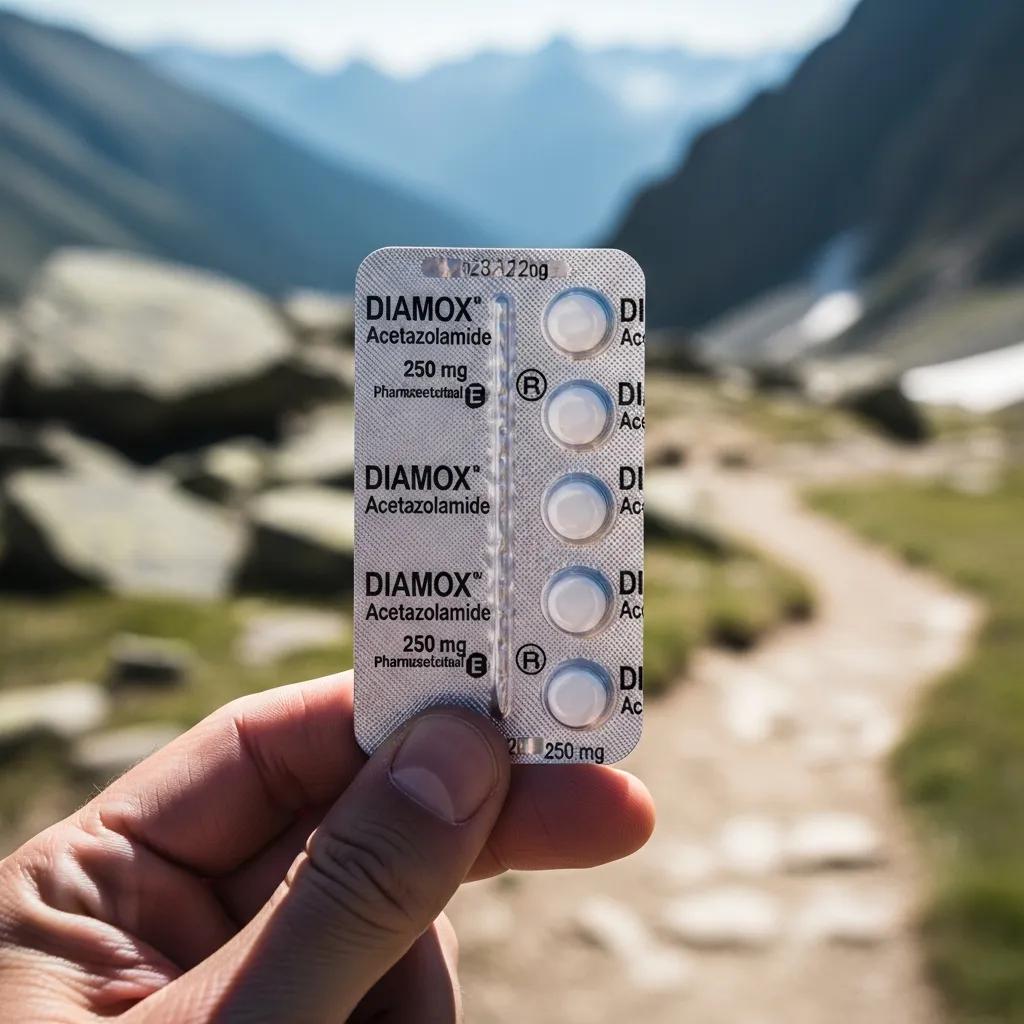
Diamox, or acetazolamide, is a medication commonly used to prevent and treat altitude sickness. It works by accelerating the acclimatization process, allowing the body to adjust to lower oxygen levels more effectively.
What Is the Recommended Diamox Dosage for Prevention and Recovery?
For effective altitude sickness management, the recommended Diamox dosage varies based on individual needs:
- Dosage for Prevention: Typically, a dose of 125-250 mg taken twice daily is advised for those ascending to high altitudes.
- Dosage for Recovery: If symptoms develop, increasing the dosage to 250 mg twice daily can help alleviate symptoms.
- Timing of Administration: It is best to start taking Diamox at least 24 hours before ascending to high altitudes for optimal effectiveness.
Following these guidelines can significantly enhance the body’s ability to cope with altitude changes.
What Are the Side Effects and Contraindications of Diamox?
While Diamox is effective, it is essential to be aware of its potential side effects and contraindications:
- Common Side Effects: These may include tingling in the fingers and toes, increased urination, and gastrointestinal disturbances.
- Severe Reactions: Allergic reactions, though rare, can occur and may require immediate medical attention.
- Who Should Avoid Diamox: Individuals with a known allergy to sulfa drugs or those with certain medical conditions should consult a healthcare provider before use.
Understanding these factors can help individuals make informed decisions about using Diamox for altitude sickness.
What Are Effective High Altitude Sickness Remedies and Medical Treatments?
In addition to medications like Diamox, several remedies and medical treatments can aid in the recovery from altitude sickness.
How Does Oxygen Therapy Support Recovery from Altitude Sickness?
- Mechanism of Oxygen Therapy: By providing supplemental oxygen, it helps alleviate symptoms by increasing the amount of oxygen available to the body.
- When to Use Oxygen Therapy: It is particularly beneficial for individuals experiencing severe symptoms or those with pre-existing respiratory conditions.
- Benefits of Oxygen Therapy: This treatment can lead to rapid symptom relief and improved overall well-being, allowing individuals to acclimatize more effectively.
Utilizing oxygen therapy can be a game-changer for those struggling with altitude sickness.
Further research underscores the efficacy of oxygen therapy, comparing it favorably with other advanced treatments.
Hyperbaric & Oxygen Therapy for AMS Treatment
This study demonstrated that hyperbaric therapy was as effective as oxygen therapy for the immediate treatment of AMS. Both methods were successful in resolving or improving the symptoms of AMS.
Treatment of acute mountain sickness: hyperbaric versus oxygen therapy, 1991
What Alternative Medications and Natural Remedies Are Available?
Several alternative treatments and natural remedies can complement traditional medical approaches to altitude sickness:
- Ginger: Known for its anti-nausea properties, ginger can help alleviate gastrointestinal symptoms associated with altitude sickness.
- Ginkgo Biloba: This herb may improve blood circulation and oxygen delivery, potentially reducing the risk of altitude sickness.
- Hydration: Staying well-hydrated is crucial, as dehydration can exacerbate symptoms.
These remedies can provide additional support for individuals seeking to manage altitude sickness effectively.
How to Acclimatize to High Altitude: Prevention Tips and Techniques
Acclimatization is a vital process for preventing altitude sickness. Gradual ascent and proper preparation can significantly reduce the risk of developing symptoms.
Effective prevention strategies often combine environmental adjustments with pharmacological support to enhance the body’s adaptation.
Altitude Sickness Prevention: Acclimatization & Medications
Acute exposure to high altitude can cause acute altitude illnesses and is associated with impaired cognitive and physical performance. The most effective preventive strategies currently recommended include environmental acclimatization (slow ascent and/or pre-acclimatization) or pharmacological support of acclimatization using acetazolamide.
Dexamethasone for prevention of AMS, HACE, and
HAPE and for limiting impairment of performance after rapid ascent to high altitude: a narrative review, H Gatterer, 2025
What Are Best Practices for Gradual Acclimatization?
To acclimatize effectively, consider the following best practices:
- Adding Rest Days: Incorporate rest days into your itinerary to allow your body to adjust to higher elevations.
- Climb High, Sleep Low: Ascend to higher altitudes during the day but return to lower elevations to sleep, promoting acclimatization.
- Monitoring Symptoms: Pay close attention to how your body responds to altitude changes and be prepared to descend if symptoms arise.
Implementing these strategies can enhance your body’s ability to adapt to high altitudes.
How Do Hydration, Nutrition, and Rest Prevent Altitude Sickness?
Proper hydration, nutrition, and rest are essential components of altitude sickness prevention:
- Hydration Strategies: Drink plenty of fluids to maintain hydration levels, as dehydration can worsen symptoms.
- Nutritional Needs: Consuming a balanced diet rich in carbohydrates can provide the energy needed for physical exertion at high altitudes.
- Importance of Rest: Adequate rest is crucial for recovery and acclimatization, allowing the body to adapt to lower oxygen levels.
By prioritizing these factors, individuals can significantly reduce their risk of altitude sickness.
What Emergency Treatments and Descent Protocols Ensure Safe Recovery?
In the event of altitude sickness, knowing the appropriate emergency treatments and descent protocols is critical for ensuring safety.
When and How Should Descent Be Initiated?
Descent should be initiated as soon as severe symptoms are recognized.
- Setting Objective Cutoffs: Establish clear criteria for when to descend, such as the onset of severe headaches or confusion.
- Turnaround Time: Implement a turnaround time to ensure that individuals do not push themselves beyond safe limits.
- Safety Measures: Always prioritize safety by descending to lower altitudes where symptoms can be managed more effectively.
Understanding when and how to descend can prevent complications associated with altitude sickness.
What Are the Guidelines for Using Portable Oxygen and Medical Support?
Using portable oxygen and seeking medical support can be lifesaving in severe cases of altitude sickness.
- When to Use Portable Oxygen: If symptoms persist despite descent, using portable oxygen can provide immediate relief.
- Benefits of Portable Oxygen: It helps restore oxygen levels in the body, alleviating symptoms and improving overall function.
- Medical Support Considerations: Always have a plan for accessing medical support in remote areas, as timely intervention can be crucial.
These guidelines can enhance safety and recovery for those affected by altitude sickness.
How Do Mountain-Specific Risks Affect Altitude Sickness Treatment and Recovery?
Different mountains present unique risks that can influence altitude sickness treatment and recovery strategies.
What Are the Unique Altitude Sickness Risks on Everest, Kilimanjaro, and Denali?
- Risks on Everest: Extreme altitude and harsh weather conditions increase the likelihood of severe altitude sickness.
- Risks on Kilimanjaro: Rapid ascent without proper acclimatization can lead to AMS, HAPE, or HACE.
- Risks on Denali: The combination of extreme cold and high altitude can exacerbate symptoms and complicate recovery.
Understanding these risks is essential for developing effective treatment plans.
How Should Treatment and Recovery Plans Be Tailored to Specific Mountains?
Tailoring treatment and recovery plans to specific mountains involves considering various factors:
- Acclimatization Strategies: Adjust ascent rates and rest days based on the mountain’s elevation and conditions.
- Weather Considerations: Monitor weather patterns that may impact safety and recovery.
- Logistical Planning: Ensure access to medical support and resources during the climb.
By customizing plans to the specific challenges of each mountain, climbers can enhance their safety and recovery outcomes.
Frequently Asked Questions
What is the difference between Acute Mountain Sickness (AMS) and High Altitude Pulmonary Edema (HAPE)?
Acute Mountain Sickness (AMS) is a common condition that occurs when individuals ascend to high altitudes too quickly, leading to symptoms like headaches, nausea, and fatigue. In contrast, High Altitude Pulmonary Edema (HAPE) is a more severe condition characterized by fluid accumulation in the lungs, resulting in symptoms such as shortness of breath and a persistent cough. While AMS can often be managed with acclimatization and hydration, HAPE requires immediate medical attention and descent to lower altitudes.
How can I prepare for a high-altitude trek to minimize the risk of altitude sickness?
Preparation for a high-altitude trek involves several key strategies. First, ensure you are physically fit and accustomed to hiking. Gradual ascent is crucial; plan your itinerary to include rest days and avoid rapid elevation changes. Staying well-hydrated and consuming a diet rich in carbohydrates can also help. Additionally, consider pre-acclimatization techniques, such as spending time at intermediate altitudes before your trek, and consult a healthcare provider about medications like Diamox for preventive measures.
What should I do if I experience symptoms of altitude sickness while hiking?
If you experience symptoms of altitude sickness while hiking, the first step is to stop ascending and rest. Monitor your symptoms closely; if they worsen, initiate a descent to lower altitudes immediately. Hydration is essential, so drink plenty of fluids. If symptoms persist or become severe, such as confusion or difficulty breathing, seek medical assistance as soon as possible. Always prioritize safety and do not push through severe symptoms.
Are there specific foods or drinks that can help prevent altitude sickness?
Yes, certain foods and drinks can aid in preventing altitude sickness. Staying well-hydrated is crucial, so drink plenty of water and consider electrolyte-rich beverages. Foods high in carbohydrates, such as pasta, rice, and fruits, can provide the necessary energy for physical exertion at high altitudes. Additionally, ginger tea may help alleviate nausea, while foods rich in antioxidants, like berries, can support overall health during your trek.
What role does physical fitness play in preventing altitude sickness?
Physical fitness plays a significant role in preventing altitude sickness. Individuals who are physically fit tend to have better cardiovascular health, which can enhance oxygen delivery to tissues during high-altitude activities. Regular aerobic exercise can improve your body’s ability to acclimatize to lower oxygen levels. However, even fit individuals can experience altitude sickness, so it’s essential to combine fitness with proper acclimatization strategies and hydration to minimize risks.
How can I recognize when to seek medical help for altitude sickness?
Recognizing when to seek medical help for altitude sickness is crucial for safety. If you experience severe symptoms such as persistent headaches, confusion, loss of coordination, or difficulty breathing, it’s essential to descend immediately and seek medical assistance. Additionally, if symptoms do not improve with rest and hydration, or if they worsen, do not hesitate to contact a healthcare professional. Early intervention can prevent serious complications associated with altitude sickness.
Conclusion
Effectively managing altitude sickness is essential for ensuring a safe and enjoyable high-altitude experience. By understanding symptoms, utilizing medications like Diamox, and implementing acclimatization strategies, adventurers can significantly reduce their risk of severe complications. Prioritizing preparation and awareness can enhance overall well-being during mountain treks. For more insights and resources on altitude sickness prevention and treatment, explore our comprehensive guides today.
Was this helpful?
Global Summit Guide is an independent mountaineering resource founded in 2026. The team combines first-hand trekking and climbing experience with in-depth research and professional health and nutrition review to help climbers choose objectives, prepare properly, and stay safe.
Health, altitude, and nutrition content is reviewed by Taylor Ludlow (Registered Nurse) and Brigg Hoopes (Nutritionist).
What We Don't Know Yet
Mountain information changes quickly. This box explains the limits of what this page can responsibly promise.
- Weather, snowpack, avalanche risk, road access, and route conditions can change quickly and may be different on your climbing dates.
- Fitness and altitude response vary by person; no guide, itinerary, or training plan can guarantee acclimatization or summit success.
- Route conditions, snowpack, closures, and weather can change quickly after this page is updated.
- Permit rules, fees, quotas, and reservation windows may change between review cycles.
- Operator availability, pricing, guide ratios, and cancellation terms can change by season.
Verify current conditions with official land managers, guide services, local forecasts, and current route reports before booking or climbing.
Mountaineering, rock and ice climbing, glacier travel, and high-altitude activity are inherently dangerous and can result in serious injury or death. The information on Global Summit Guide is provided for general informational and educational purposes only and is not a substitute for professional instruction, qualified guiding, proper equipment, or your own judgment and experience.
Route conditions, weather, snowpack, permits, regulations, and hazards change constantly and may differ from what is described here. Details may be incomplete, out of date, or contain errors. Always verify current information with local authorities, certified guides, and official sources before making any decision in the mountains.
Nothing on this site is medical, legal, or financial advice. Our fitness, acclimatization, altitude, and nutrition content is general in nature; consult a qualified physician before beginning any strenuous exercise program or exposing yourself to high altitude.
You are solely responsible for your own safety and decisions. To the fullest extent permitted by law, Global Summit Guide and its team accept no liability for any loss, injury, damage, or expense arising from use of, or reliance on, this information. By using this site you acknowledge these risks and accept these terms.
Some links on this site may be affiliate links. If you buy through them we may earn a small commission at no extra cost to you; this never affects our recommendations.
Global Summit Guide recommendation path
Next Best Mountain to Research
Use these recommendations to continue the right planning path instead of stopping on one page.
Use current permit, weather, route, and operator information before booking or climbing.