
Last updated September 7, 2026
How to Acclimatize for High Altitude Climbing: Complete Guide
Acclimatization is a critical process for climbers aiming to conquer high altitudes, where the air is thinner and oxygen levels are significantly reduced. This comprehensive guide will delve into the physiological effects of high altitude on the body, the stages of acclimatization, and effective strategies to prevent altitude sickness. Many climbers face challenges such as decreased performance and increased risk of altitude-related illnesses when ascending rapidly. Understanding how to acclimatize effectively can enhance safety and performance during high-altitude climbs. This article will cover the physiological effects of high altitude, the common symptoms of altitude sickness, prevention strategies, and best practices for acclimatization.
What Are the Physiological Effects of High Altitude on the Body?
High altitude significantly impacts the human body due to reduced oxygen availability, leading to various physiological adaptations. As altitude increases, the body experiences a decrease in oxygen saturation, which can result in hypoxia—a condition where the body or a region of the body is deprived of adequate oxygen supply. This lack of oxygen can lead to decreased physical performance, as the body struggles to meet its energy demands. To cope with these changes, the body initiates several adaptations, including increased breathing rate, elevated heart rate, and enhanced red blood cell production. These adaptations are crucial for maintaining performance and health during high-altitude activities.
Further research highlights the complex physiological and metabolic adjustments the body undergoes in response to high-altitude exposure.
High Altitude Physiological & Metabolic Adjustments
Studies have yielded new information related to the physiological and metabolic adjustments made in response to both short- and long-term high-altitude exposure. These investigations have examined the potential mechanisms responsible for alterations observed in key variables such as heart rate, cardiac output, muscle blood flow, and substrate utilization. Exposure to high altitude is an environmental stressor that elicits a robust sympathoadrenal response, contributing to critical adjustments and adaptations. Factors influencing adaptation include the degree and duration of hypoxia, exercise intensity, and inter-individual variability.
Physiological responses to exercise at altitude: an update, 2008
How Does Hypoxia Affect Oxygen Saturation and Climber Performance?
Hypoxia, characterized by insufficient oxygen levels, directly affects oxygen saturation in the blood, which is vital for sustaining physical performance. When climbers ascend to high altitudes, the partial pressure of oxygen decreases, leading to lower oxygen saturation levels. This reduction can impair cognitive function and physical capabilities, making it challenging to perform tasks that require concentration and strength. As a result, climbers may experience fatigue, decreased coordination, and slower reaction times. Understanding the effects of hypoxia is essential for climbers to prepare adequately and implement strategies to mitigate its impact on performance.
Indeed, the cardiovascular system undergoes significant changes under hypoxic conditions, influencing overall physiological function.
Cardiovascular Responses & Altitude Sickness
The hypoxic conditions encountered at high altitude affect all physiological functions. Acute hypoxia activates the adrenergic system, inducing tachycardia and increasing pulmonary artery pressure. After a few days, the autonomic nervous system adapts, and tachycardia decreases. Permanent exposure induces erythropoiesis, which if excessive can lead to chronic mountain sickness, often associated with pulmonary hypertension and heart failure. Cardiovascular adaptations to hypoxia provide a remarkable model of oxygen availability regulation.
Cardiovascular physiology and pathophysiology at high altitude, JP Richalet, 2024
What Are the Stages and Processes of Acclimatization?
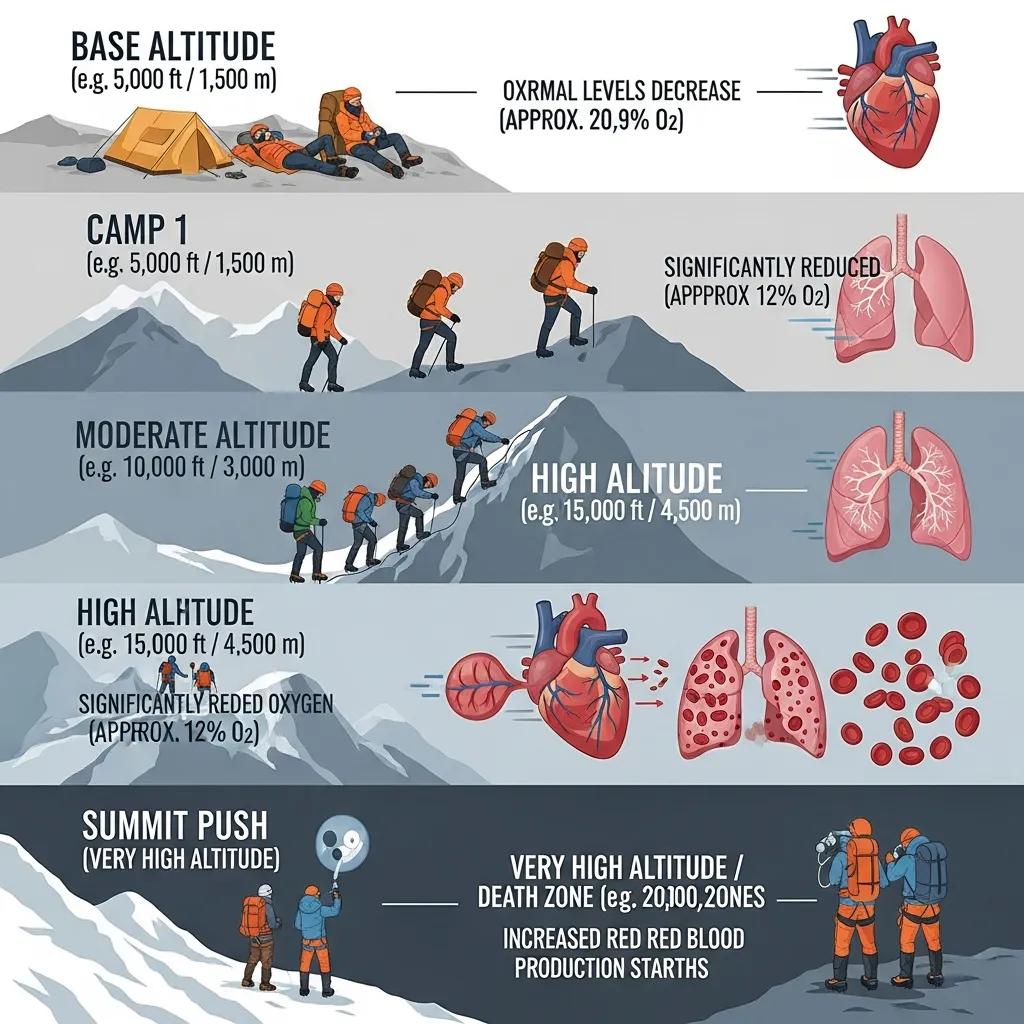
Acclimatization involves a series of physiological changes that occur as the body adapts to high altitude. The process typically unfolds in several stages: mountains
- Initial Response: Upon arrival at high altitude, the body begins to increase breathing and heart rates to enhance oxygen intake.
- Adaptation Phase: Over days to weeks, the body produces more red blood cells to improve oxygen transport, and the muscles become more efficient at utilizing oxygen.
- Long-term Adaptation: With prolonged exposure, climbers may experience increased capillary density and mitochondrial function, further enhancing endurance and performance.
Gradual ascent is crucial during this process, as it allows the body to adjust without overwhelming stress, reducing the risk of altitude sickness.
What Are the Common Symptoms and Risks of Altitude Sickness?
Altitude sickness, or acute mountain sickness (AMS), can manifest through various symptoms as climbers ascend to higher elevations. Common symptoms include:
- Headache: Often the first sign, resulting from increased intracranial pressure.
- Nausea and Vomiting: Gastrointestinal distress can occur due to reduced oxygen levels.
- Fatigue: A general sense of tiredness and decreased energy levels.
- Dizziness: Impaired balance and coordination can arise from hypoxia.
If left unaddressed, altitude sickness can escalate to more severe conditions, such as high altitude pulmonary edema (HAPE) or high altitude cerebral edema (HACE), which can be life-threatening. Recognizing these symptoms early is vital for effective management and prevention.
How to Recognize Acute Mountain Sickness and Other Altitude Illnesses?
Recognizing the signs of acute mountain sickness and other altitude-related illnesses is essential for climbers. Key indicators of AMS include:
- Persistent Headache: A headache that does not improve with rest or hydration.
- Loss of Appetite: A significant decrease in the desire to eat.
- Sleep Disturbances: Difficulty sleeping or frequent awakenings at night.
- Swelling: Noticeable swelling of the hands, feet, or face.
Other altitude illnesses, such as HAPE and HACE, present more severe symptoms, including shortness of breath at rest, confusion, and loss of coordination. Immediate descent and medical attention are critical for anyone exhibiting these symptoms.
What Are the Best Prevention and Treatment Strategies for Altitude Sickness?
Preventing altitude sickness involves a combination of acclimatization strategies and awareness of symptoms. Effective prevention methods include:
- Gradual Ascent: Ascend slowly, allowing the body time to adjust to changes in altitude.
- Hydration: Maintain adequate fluid intake to prevent dehydration, which can exacerbate symptoms.
- Nutrition: Consume a balanced diet rich in carbohydrates to provide energy and support acclimatization.
- Rest Days: Incorporate rest days during the ascent to facilitate recovery and adaptation.
In case symptoms arise, immediate descent to a lower altitude is the most effective treatment. Over-the-counter medications, such as ibuprofen for headaches, can provide temporary relief, but they do not replace the need for descent.
For those seeking comprehensive resources on global mountains and peaks, Information Hub offers valuable insights and guides tailored for mountain climbing enthusiasts. Their platform provides extensive information on trip planning, gear safety, and acclimatization strategies, ensuring climbers are well-prepared for their adventures.
What Are the Best Practices and Schedules for Effective Acclimatization?
Implementing best practices for acclimatization can significantly enhance a climber’s ability to adapt to high altitudes. Key practices include: mountain collections
- Climb High, Sleep Low: Ascend to higher altitudes during the day but return to lower elevations to sleep, allowing the body to recover.
- Monitor Symptoms: Regularly assess for signs of altitude sickness and adjust plans accordingly.
- Incorporate Rest Days: Schedule rest days every few days to facilitate acclimatization.
Best Practices for Acclimatization
These practices are essential for ensuring a safe and successful high-altitude climbing experience.
How Long Does Acclimatization Take and What Are Recommended Ascent Rates?
The duration of acclimatization varies among individuals and depends on several factors, including altitude, fitness level, and ascent rate. Generally, climbers should allow:
- 24-48 hours at altitudes above 8,000 feet (2,400 meters) for initial acclimatization.
- 1-2 days for every additional 1,000 feet (300 meters) gained above 10,000 feet (3,000 meters).
Recommended ascent rates suggest not exceeding an increase of 1,000 feet (300 meters) per day above 10,000 feet to minimize the risk of altitude sickness. Adhering to these guidelines can significantly enhance safety and performance during climbs.
These recommendations are further supported by expert advice on managing ascent rates and the strategic use of supplemental oxygen.
High Altitude Climbing Strategies & Oxygen Use
At altitudes above 3000 m individuals should climb no more than 300-500 m a day and have a rest day every 3-4 days. At extreme altitude (5500-8848 m) supplementary oxygen can be used to increase the partial pressure of inspired oxygen. Although Everest has been climbed without oxygen, most climbers use supplementary oxygen above 7500 m.
Oxygen at high altitude, 1998
Can You Acclimatize Faster? Pre-Acclimatization and Training Techniques Explained
While acclimatization is a gradual process, certain pre-acclimatization techniques can help climbers adapt more quickly. These techniques include:
- Hypoxic Training: Engaging in training at lower oxygen levels can stimulate physiological adaptations before the actual climb.
- Gradual Exposure: Spending time at moderate altitudes before a high-altitude expedition can enhance acclimatization.
- Use of Supplemental Oxygen: In some cases, climbers may use supplemental oxygen during ascent to alleviate hypoxia effects.
These methods can help climbers prepare more effectively for high-altitude challenges, although they should be used in conjunction with traditional acclimatization practices.
Which Gear and Safety Equipment Are Essential for High Altitude Climbing?
Proper gear and safety equipment are crucial for successful high-altitude climbing. Essential items include:
- Layered Clothing: Insulating and moisture-wicking layers to regulate body temperature.
- High-Altitude Boots: Sturdy footwear designed for extreme conditions.
- Emergency Gear: Items such as a first aid kit, oxygen supply, and communication devices.
Recommended Gear Types and Safety Ratings for Altitude Expeditions
Investing in high-quality gear ensures climbers are well-equipped to handle the challenges of high-altitude environments.
How Does Supplemental Oxygen Improve Safety and Acclimatization?
Supplemental oxygen plays a vital role in enhancing safety and acclimatization during high-altitude climbs. By providing additional oxygen, climbers can maintain higher oxygen saturation levels, which helps mitigate the effects of hypoxia. This can lead to improved cognitive function, reduced fatigue, and enhanced physical performance. Supplemental oxygen is particularly beneficial for climbers ascending to extreme altitudes, where the risk of altitude sickness is significantly heightened.
How Should Nutrition and Hydration Be Managed at High Altitude?
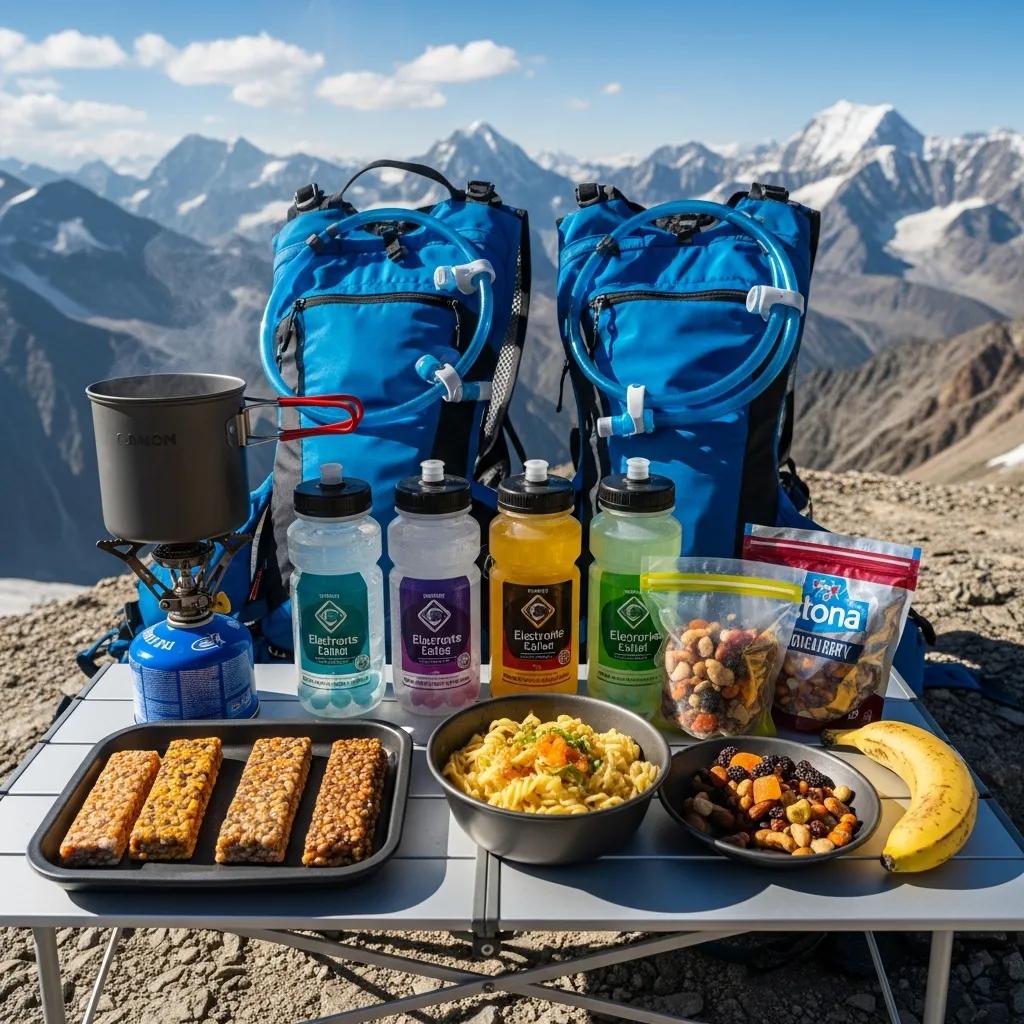
Nutrition and hydration are critical components of successful high-altitude climbing. Climbers should focus on:
- Hydration: Drinking plenty of fluids to prevent dehydration, which can exacerbate altitude sickness.
- Carbohydrate-Rich Diet: Consuming a diet high in carbohydrates to provide energy and support acclimatization.
- Monitoring Intake: Keeping track of food and fluid intake to ensure adequate nutrition and hydration levels.
Foods and Hydration Levels That Support Acclimatization and Performance
These dietary strategies can significantly enhance a climber’s ability to acclimatize and perform at high altitudes.
How to Adjust Nutrition Plans for Different Altitude Stages?
Adjusting nutrition plans according to altitude stages is essential for optimizing performance. At lower altitudes, a balanced diet with a focus on carbohydrates and proteins is sufficient. As climbers ascend, they should increase their carbohydrate intake to meet higher energy demands and ensure adequate hydration. Monitoring individual responses to altitude and adjusting food choices accordingly can help maintain energy levels and support acclimatization.
What Training and Pre-Acclimatization Methods Enhance Climbing Preparation?
Training and pre-acclimatization methods are vital for climbers preparing for high-altitude expeditions. Effective strategies include:
- Endurance Training: Building cardiovascular fitness through activities like running, cycling, or hiking.
- Strength Training: Focusing on core and leg strength to improve climbing performance.
- Altitude Simulation: Using altitude training masks or chambers to simulate high-altitude conditions.
Effective Altitude Training Protocols
These training methods can significantly enhance a climber’s readiness for high-altitude challenges.
How to Incorporate Pre-Acclimatization Techniques Before the Expedition?
Incorporating pre-acclimatization techniques can help climbers adapt more effectively before their expedition. Strategies include:
- Gradual Elevation Increase: Spending time at moderate altitudes before the main ascent.
- Rest Days: Allowing for recovery and adaptation during training.
- Monitoring Symptoms: Keeping track of any signs of altitude sickness during training.
These techniques can help climbers prepare their bodies for the demands of high-altitude climbing.
What Can Be Learned from Case Studies of Successful High Altitude Climbs?
Analyzing case studies of successful high-altitude climbs provides valuable insights into effective acclimatization strategies. Many climbers have reported that gradual ascent, proper nutrition, and hydration were key factors in their success. Additionally, the use of supplemental oxygen and adherence to safety protocols significantly contributed to their ability to reach summits without experiencing severe altitude sickness.
Which Climbs Demonstrate Effective Acclimatization Strategies?
Several notable climbs exemplify effective acclimatization strategies. For instance, climbers on Mount Everest often utilize the “climb high, sleep low” method, allowing their bodies to adjust while minimizing the risk of altitude sickness. Other successful expeditions have emphasized the importance of gradual ascent and regular monitoring of symptoms, showcasing the effectiveness of these strategies in high-altitude environments.
What Safety Protocols and Lessons Were Applied in These Expeditions?
Safety protocols are paramount in high-altitude climbing to ensure the well-being of climbers. Key protocols include:
- Thorough Planning: Detailed itineraries that account for acclimatization schedules and rest days.
- Emergency Preparedness: Carrying essential safety equipment and having contingency plans in place.
- Team Communication: Maintaining open lines of communication among team members to monitor health and safety.
These protocols are essential for minimizing risks and enhancing the overall safety of high-altitude expeditions.
For more information on planning your next adventure, visit Global Summit Guide’s trip planning section. They offer resources and advice to help you prepare for a safe and successful climb.
Understanding the right gear is also crucial. Global Summit Guide provides detailed information on gear safety, ensuring you are well-equipped for your climb.
To further enhance your understanding of mountain environments and climbing techniques, consider exploring Global Summit Guide’s resources on various mountains. This can provide valuable context for your acclimatization strategies.
For personalized guidance and support, reach out to Global Summit Guide. Their team can offer expert advice tailored to your specific climbing goals.
How to Acclimatize for High-Altitude Climbing
Acclimatization is a system, not a single trick. Work through the altitude-sickness, breathing and training guides below.
Was this helpful?
🏔Related training
🧭Explore & compare
Global Summit Guide is an independent mountaineering resource founded in 2026. The team combines first-hand trekking and climbing experience with in-depth research and professional health and nutrition review to help climbers choose objectives, prepare properly, and stay safe.
Health, altitude, and nutrition content is reviewed by Taylor Ludlow (Registered Nurse) and Brigg Hoopes (Nutritionist).
What We Don't Know Yet
Mountain information changes quickly. This box explains the limits of what this page can responsibly promise.
- Weather, snowpack, avalanche risk, road access, and route conditions can change quickly and may be different on your climbing dates.
- Fitness and altitude response vary by person; no guide, itinerary, or training plan can guarantee acclimatization or summit success.
- Route conditions, snowpack, closures, and weather can change quickly after this page is updated.
- Permit rules, fees, quotas, and reservation windows may change between review cycles.
- Operator availability, pricing, guide ratios, and cancellation terms can change by season.
Verify current conditions with official land managers, guide services, local forecasts, and current route reports before booking or climbing.
Mountaineering, rock and ice climbing, glacier travel, and high-altitude activity are inherently dangerous and can result in serious injury or death. The information on Global Summit Guide is provided for general informational and educational purposes only and is not a substitute for professional instruction, qualified guiding, proper equipment, or your own judgment and experience.
Route conditions, weather, snowpack, permits, regulations, and hazards change constantly and may differ from what is described here. Details may be incomplete, out of date, or contain errors. Always verify current information with local authorities, certified guides, and official sources before making any decision in the mountains.
Nothing on this site is medical, legal, or financial advice. Our fitness, acclimatization, altitude, and nutrition content is general in nature; consult a qualified physician before beginning any strenuous exercise program or exposing yourself to high altitude.
You are solely responsible for your own safety and decisions. To the fullest extent permitted by law, Global Summit Guide and its team accept no liability for any loss, injury, damage, or expense arising from use of, or reliance on, this information. By using this site you acknowledge these risks and accept these terms.
Some links on this site may be affiliate links. If you buy through them we may earn a small commission at no extra cost to you; this never affects our recommendations.
Global Summit Guide recommendation path
Next Best Mountain to Research
Use these recommendations to continue the right planning path instead of stopping on one page.
Use current permit, weather, route, and operator information before booking or climbing.