
Puncak Jaya 2026: Permit Realities, Helicopter Access and the Go/No-Go Decision
Carstensz Pyramid is operating commercially in 2026, but it is not an ordinary open-trailhead climb. A viable expedition depends on operator-managed permissions, a legal Indonesia entry status, current Central Papua security acceptance, helicopter movement from Timika, weather and insurance that actually covers the trip.
Carstensz is operating. Access is still conditional.
Successful expeditions in 2026 and multiple September–October departures show that Puncak Jaya is not universally closed. But “an operator is selling a date” and “your expedition is cleared to move” are different facts. The final trip still depends on the exact team, current local permissions, the security environment, aircraft availability and weather.
For most international climbers, the practical route to a legal expedition is to book a reputable operator that controls the local permit and helicopter workflow. The climber still owns personal entry compliance, truthful documents, insurance and the decision to accept or reject the regional risk.
What “ready” should mean
- Your operator identifies the local operating partner and current approach.
- Your passport and Indonesian entry permission fit the itinerary.
- The operator confirms the team’s expedition permissions are in order.
- The helicopter plan and contingency days are written down.
- Your insurer confirms technical climbing, altitude, region and evacuation in writing.
- You accept the cancellation and security risk after reading the contract.
“Open” is not one yes-or-no status.
Carstensz access moves through several gates. The farther right your expedition gets, the more useful the evidence becomes.
The first step is easy to verify online. Steps three through five are often expedition-specific and can change quickly. That is why a climber should ask for a dated operational update close to departure rather than relying on a sales page saved months earlier.
What proves that climbing is actually happening?
Successful teams are stronger evidence than marketing language. Current schedules then show whether operators intend to keep running the model into the coming months.
Adventure Indonesia summit
The local operator reported a successful international Carstensz team, evidence that legal commercial movement was taking place early in the year.
International expedition cycle
Madison Mountaineering reported another successful 2026 expedition, adding a second operating window.
Full Madison team summits
Madison reported 100% summit success. Its June 14 dispatch described Timika staging and a weather-dependent helicopter move to Yellow Valley.
Fall departures on sale
Local and international companies list helicopter-based departures from Timika, including dates from late September through late October.
Published fall 2026 operating signals
The market is unusually easy to verify this fall because several unrelated companies are publishing overlapping Carstensz windows. That does not create a government guarantee, but it is strong evidence that the Timika–Yellow Valley commercial system is actively being planned rather than merely discussed.
| Operator | Published 2026 window | Current access model | What the listing proves |
|---|---|---|---|
| Summit Carstensz | Sept. 28; Oct. 2, 5, 11, 23 | Helicopter from Timika | A local operator is advertising multiple near-term helicopter departures and tells clients to arrive in Timika 1–2 days early. |
| Alpine Ascents | Oct. 9–19 | Heli in / heli out | The date is sold out, showing active client demand. Its page still warns that permitting can change at any time. |
| CTSS | Oct. 14–24 | Shared Timika–Yellow Valley helicopter | The company is selling a current team climb while explicitly acknowledging Central Papua travel warnings. |
| Adventure Consultants | Oct. 14–24 | Timika to base camp helicopter | The 11-day itinerary includes a contingency day and labels dates as subject to factors outside the operator’s control. |
| Madison Mountaineering | Oct. 15–25 | Timika to Yellow Valley helicopter | The company lists a current 2026 departure after operating successful Carstensz teams earlier in the year. |
Why this matters: five published schedules clustered in the same season make “Carstensz is operating commercially” a defensible statement. The correct next question is not “Is anyone climbing?” but “Has my team passed the remaining permission, security, aircraft and insurance gates?”
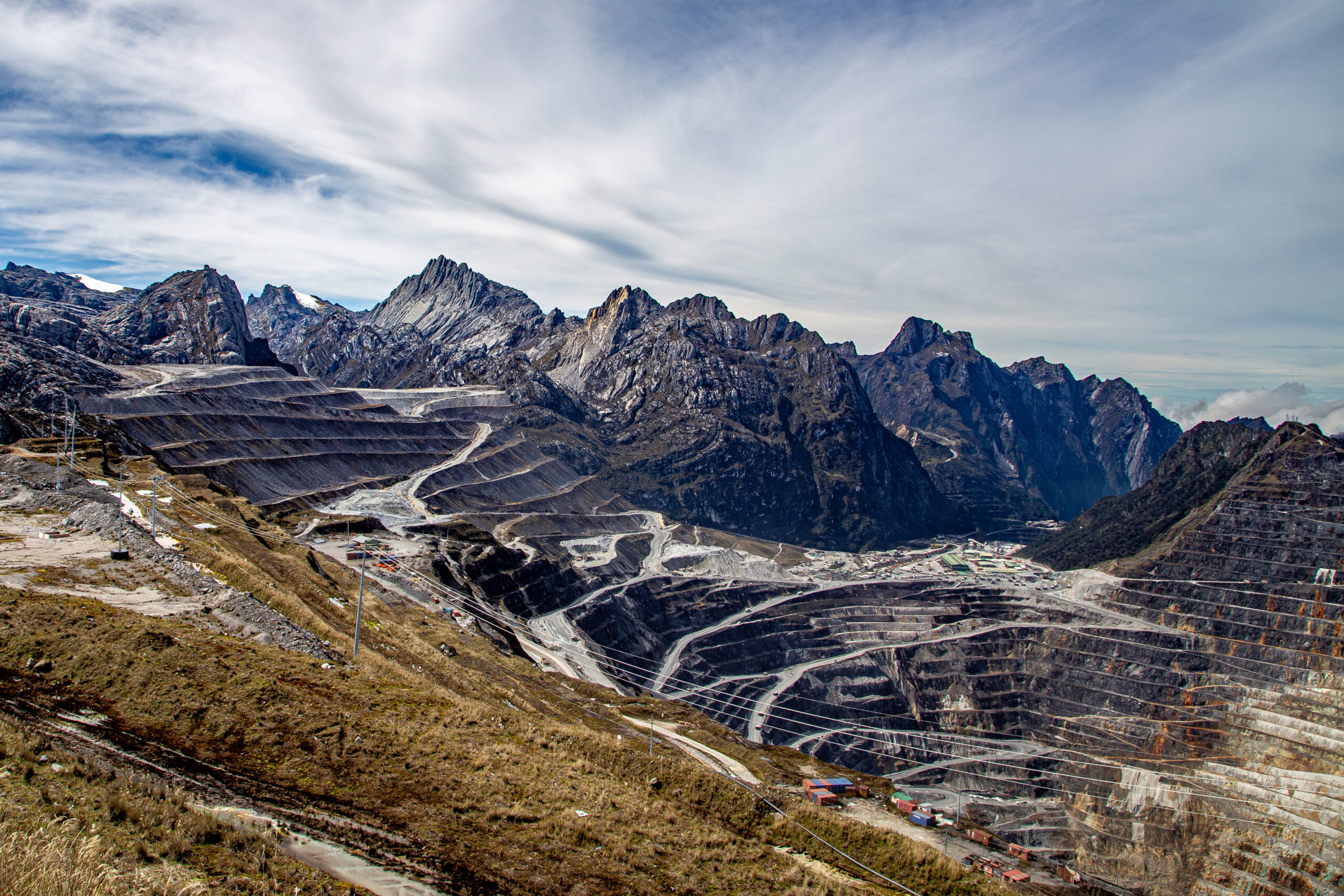
Permissions, security and aviation matter before the first fixed rope.
The technical summit is only one part of a Carstensz expedition. Reaching the climbing route requires moving through a remote Central Papua environment where local permissions, industrial infrastructure, aircraft operations and security can change the itinerary.
There is no useful “just buy the permit” shortcut.
Public sources do not present Carstensz as a simple self-service mountain permit with one fixed universal fee. Current commercial access is built around operators and local partners.
| Item | Usually led by | What the climber should verify |
|---|---|---|
| Passport / identity | Climber | Validity, blank pages, names matching bookings and clean digital copies. |
| Indonesia visa / entry permission | Climber, with operator guidance | The visa or visitor status fits nationality, trip duration and actual activity. |
| Expedition / mountain permissions | Operating company / local partner | Ask for written confirmation that the current team is cleared under the operator’s legal process. |
| Central Papua local coordination | Local operating partner | Who is responsible for local approvals, movements and contacts if conditions change? |
| Helicopter movement | Operator / aviation provider | Departure point, baggage allowance, return-to-base terms, weather rules and who pays extra charter costs. |
| Emergency plan | Operator + climber + insurer | Who initiates rescue, who fronts payment, and what happens during a security event or non-medical extraction? |
Full-service legal operation
A current operator states that permits, local logistics and helicopter movement are included, identifies where the expedition meets and explains what documents it needs from you.
“Permit is possible”
A seller says access is available but cannot identify the operating partner, exact staging city, helicopter plan, refund rules or when final clearance is expected.
Permit-only offer
Someone offers a standalone document while leaving you to independently solve local security coordination and aviation. Current mainstream Carstensz access is not structured like a normal national-park permit purchase.
An Indonesia visa is not a Carstensz climbing permit.
Immigration controls entry and stay in Indonesia. The expedition operator controls or coordinates the mountain-access process. Treat them as two separate checklists.
Indonesia entry status
Indonesia currently offers multiple visitor pathways. Its official eVisa system describes a 30-day visitor/eVOA option for eligible travelers and a C1 visitor visa with an initial stay of up to 60 days. Eligibility and the correct category depend on nationality and circumstances.
- Confirm the current category on the official immigration portal.
- Do not assume a tourism entry product automatically authorizes every activity.
- Keep the passport validity and onward/return requirements current.
Carstensz expedition access
Separate permissions and local coordination govern the expedition movement in Central Papua. Current operators commonly request passport copies and photos so the local operating team can process its requirements.
- Ask the operator exactly what it files for you.
- Ask when the operator considers your paperwork accepted.
- Do not interpret an issued Indonesia visa as proof the mountain trip itself is cleared.
Best practice: send the operator the visa category you plan to use and ask for written confirmation that it is compatible with the trip as sold. Then verify that category independently on Indonesia’s official immigration site. If the answers conflict, resolve the conflict before flying.
Timika to Yellow Valley is the critical logistics link.
Most current international programs meet in Timika and use a helicopter to reach high base camp. That shortens the expedition but concentrates risk into one weather-sensitive aviation movement.
| Helicopter question | Why it matters | Get this in writing |
|---|---|---|
| Is the round trip included? | Some program prices include shared helicopter transport; extra or private aircraft may not be included. | Timika→base camp and base camp→Timika, plus any repositioning. |
| What is the baggage limit? | High-altitude aircraft payload is constrained and operator limits vary. | Your personal allowance and overweight charges. |
| What if weather delays the flight? | Low cloud and rain can leave a healthy team waiting in Timika or at base camp. | Included hotel/meals, maximum included delay days and costs after that point. |
| What if the helicopter returns to base? | A flight can launch and still be unable to complete the mission. | Return-to-base charges and who bears a second attempt. |
| What about emergency evacuation? | Scheduled expedition transport is not the same thing as a medically or security-driven evacuation. | Activation procedure, payment guarantee and insurer involvement. |
An operating expedition can still sit inside a severe government warning.
This is the central Carstensz planning tension in 2026. Operator risk acceptance and government travel advice are different systems.
Central Papua: Level 4
The State Department says Do Not Travel to Central Papua and Highland Papua due to civil unrest and notes limited U.S. ability to provide emergency services there.
Violence and aviation risk
Smartraveller describes regular violence in Central and Highland Papua, attacks at remote airstrips, attacks on the Grasberg–Timika road and statements that foreigners are targets.
Unpredictable regional security
FCDO notes regular clashes, attacks on commercial aircraft, foreign casualties and kidnapping, limited hospital capacity and limited consular presence in the region.
These warnings do not automatically answer whether every traveler will proceed. They do change the quality of the decision. They can affect insurance validity, employer rules, evacuation options, consular expectations and the amount of financial loss a traveler should be willing to absorb.
“Adventure travel covered” is not enough.
Carstensz combines technical climbing, a high base camp, remote aviation and a region under serious government warnings. Each one can trigger different exclusions.
Permit risk can become a full-payment risk.
Current Carstensz operators publish unusually strict terms because much of the trip cost is committed to permits, local operations and aviation before the climber reaches Timika.
Current example: Alpine Ascents
Its current Carstensz page lists a $26,000 non-refundable expedition price, a $5,000 non-refundable deposit and the non-refundable balance due 120 days before departure. It also explicitly warns that permit changes can cancel an expedition and climbers may incur a full loss of payment.
Current example: CTSS
CTSS lists a $24,995 October 2026 team climb, requires trip insurance and warns that Central Papua is subject to ongoing travel warnings. A traveler should read the complete cancellation terms before treating insurance as a guaranteed refund mechanism.
| Contract clause | Question to answer before paying |
|---|---|
| Permit denial / change | Refund, credit, reschedule or full loss? |
| Security deterioration | Who decides the trip cannot operate, and what happens to prepaid money? |
| Helicopter cancellation | How many flight attempts are included and who pays extra charter? |
| Force majeure | Does the operator owe services, credit or nothing if conditions are beyond its control? |
| Early extraction | Who pays if you leave the mountain healthy but early? |
| Extra delay days | When do hotels, meals, staff and aircraft charges become your responsibility? |
Normalize the quote before comparing prices
Two Carstensz proposals can both say “permits and helicopter included” and still leave very different amounts of risk with the climber. A useful quote names the service, the limit and the party responsible when the plan changes.
| Quote line | Weak wording | Useful wording to ask for |
|---|---|---|
| Permissions | “All permits included.” | Which expedition/local permissions are handled, which are personal, and what happens financially if a required approval is not issued? |
| Helicopter | “Helicopter included.” | Round trip from Timika, baggage allowance, number of planned movements, return-to-base treatment and extra-charter responsibility. |
| Timika delays | “Contingency days included.” | How many hotel nights, meals and staff days are included before additional charges begin? |
| Base-camp delays | “Weather days included.” | How many extra mountain days are supported with food, staff and communications, and what happens if extraction is delayed beyond them? |
| Evacuation | “Emergency assistance provided.” | Who contacts the aircraft/assistance provider, who guarantees payment, and which expenses remain the client’s responsibility? |
| Security change | “Itinerary subject to change.” | Who makes the go/no-go decision, whether an alternate date or route is possible and what credit/refund rules apply. |
| Insurance | “Travel insurance required.” | Minimum medical evacuation, rescue, trip-cost and security coverage, plus any operator-required insurer or assistance contact details. |
Alpine Ascents provides a useful example of this level of specificity: its current inclusion list covers the Timika helicopter and climbing/trekking permits, while exclusions separately identify insurance, rescue, extra helicopters, flight-delay costs and expenses caused by delays outside the expedition’s control. That is the level of separation a climber should look for in any proposal.
Re-check access as the departure gets closer.
Carstensz planning should not be a one-time permit check. The most useful questions change as the trip moves from deposit to departure.
Contract and insurability
- Identify the local operating partner.
- Read permit, security and force-majeure clauses.
- Confirm current government advice.
- Get written insurer answers before major non-refundable balances are due.
- Verify the Indonesia visa path for your passport.
Operational confirmation
- Ask whether the team paperwork is accepted.
- Confirm Timika hotel and meeting details.
- Confirm helicopter provider, baggage limit and planned flight date.
- Request the latest security update from the local partner.
- Recheck flight and visa requirements.
Final movement check
- Recheck State Department/FCDO/Smartraveller advice relevant to you.
- Confirm no itinerary or staging-city change.
- Confirm aircraft and weather outlook.
- Carry insurer emergency contacts and payment instructions offline.
- Know the trigger for delaying or cancelling the move.
Carstensz go/no-go verification
This does not declare the trip safe. It checks whether the major access and financial questions have actually been answered.
What if access fails?
The practical question is not only “Can Carstensz operate?” It is “What happens to me if one of the gates closes?”
Permit or local approval fails
The team may not move even if flights and weather are good. Your financial outcome follows the operator contract and any applicable insurance—not the fact that you were ready to climb.
Security deteriorates
The operator may alter timing, access or cancel movement. Government warnings can also affect an insurer or your own willingness to proceed.
Helicopter cannot fly
Teams may wait in Timika or Yellow Valley. The key contract questions are how many days and flight attempts are included and when extra expenses become personal.
Weather holds extraction
A healthy climber may be stranded at base camp without a medical emergency. Confirm whether non-medical delay costs are covered anywhere.
Insurer denies the scenario
A policy may cover injury but not permit cancellation, civil unrest, security evacuation or a weather-only aviation delay. This is why written pre-trip confirmation matters.
You choose not to proceed
Your own risk decision may not trigger a refund. Read the difference between operator cancellation, government prohibition and voluntary withdrawal.
Keep access separate from route, cost and operator choice.
Once the access question is credible, use the specialist pages below for the rest of the expedition.
Puncak Jaya permits and access questions
Is Puncak Jaya open for climbing in 2026?
Commercial expeditions have operated successfully in 2026 and multiple companies are advertising fall departures. Access remains conditional on the exact team, permissions, regional security, aircraft and weather. “Operating” is more accurate than “fully open.”
Can I get a Puncak Jaya climbing permit by myself?
Current international access is generally operator-managed. Public government/tourism information does not present one simple self-service Carstensz permit purchase with one universal public fee. Ask the operator to identify what permissions it handles and when your team is considered cleared.
Does an Indonesian visitor visa let me climb Carstensz?
No. Immigration permission governs your entry and stay in Indonesia. It does not replace the expedition permissions and local coordination required for Carstensz. Indonesia currently has 30-day and 60-day visitor pathways, but the correct option depends on your passport and trip circumstances.
Where do current Carstensz expeditions meet?
Timika is the main staging point in current helicopter-based programs. Madison Mountaineering, CTSS, Adventure Consultants and local operators all publish Timika-based expedition models.
How high is Yellow Valley Base Camp?
Current operators place Yellow Valley around 4,200–4,300 m. Madison’s June 2026 dispatch described base camp at about 4,285 m; other current programs use approximately 4,200–4,250 m. The exact camp location can vary slightly.
Can low cloud stop the trip even after permits are approved?
Yes. Helicopter access is weather dependent. A team can have documents and local support ready and still wait for a suitable aviation window. Build enough schedule and financial contingency for holds on both the inbound and outbound flight.
Is Central Papua under a current U.S. warning?
Yes. As of September 4, 2026, the U.S. State Department lists Central Papua and Highland Papua at Level 4, Do Not Travel, because of civil unrest. The advisory also notes limited U.S. ability to provide emergency services in these provinces.
Will trip insurance refund me if the permit changes?
Do not assume it will. Permit changes, government action, civil unrest and known travel warnings can fall under exclusions. Ask the insurer in writing about the exact Carstensz scenario before your operator balance becomes non-refundable.
What should I ask the operator about helicopter costs?
Confirm that the round trip is included, your baggage allowance, the number of included flight attempts, who pays for extra charter or return-to-base costs, how long hotels/meals are covered during delays, and how emergency evacuation is funded.
Does a sold-out October expedition prove access will stay open?
No. It proves demand and an operator’s intention to run. Final movement can still be affected by permissions, security, aviation and weather. Use a dated operational update from the operator near departure.
Can I still approach Carstensz on foot?
Indonesia’s official tourism site lists four walking approaches. Current international commercial programs usually prefer helicopter access because overland approaches add local logistics, security exposure, health and evacuation complexity. Do not assume a historic walking route is currently available to your party without direct operator confirmation.
Where to verify the trip before you pay or fly.
Access conditions change faster than route descriptions. Recheck the live sources rather than relying on an old screenshot.
Government and current operating sources
- U.S. Department of State — Indonesia Travel Advisory: current Central Papua / Highland Papua advisory.
- Australia Smartraveller — Indonesia: Papua security and aviation risk reporting.
- UK FCDO — Indonesia regional risks: Papua conflict, aircraft attacks, medical and consular limitations.
- Wonderful Indonesia — Carstensz Pyramid: official tourism description of walking routes and operator-managed access.
- Indonesia Immigration — visitor/eVOA information: 30-day visitor framework for eligible travelers.
- Indonesia Immigration — C1 visitor visa: up to 60 days initially.
- Madison Mountaineering — 2026 dispatches: June Timika staging and June 16 full-team summit.
- Madison Mountaineering — current Carstensz program: October 2026 dates, Timika/Yellow Valley itinerary and contingency days.
- Alpine Ascents — price, schedule and permit warning: current non-refundable terms and permit-change language.
- CTSS — current Carstensz program: October 2026 team climb, Timika staging, helicopter inclusion and insurance requirement.
- Adventure Consultants — current Carstensz program: October 2026 and 2027 schedule with Timika helicopter itinerary.
- Summit Carstensz — 2026 schedule: currently advertised September and October helicopter departures from Timika.

About Global Summit Guide
Travis Ludlow develops Global Summit Guide’s peak-by-peak planning resources. For Carstensz, current access information is cross-checked against government travel guidance, Indonesian immigration information, official tourism sources and current expedition schedules. Access can change after publication, so the final decision should use live sources and the operating company’s written confirmation.
Treat Carstensz as a live access decision.
The mountain can be climbable while a permit, helicopter, security or insurance gate remains unresolved. Verify each gate separately before committing non-refundable money or boarding the flight to Timika.
Carstensz / Puncak Jaya: Permits & Access
Access is the crux of Carstensz. Go deeper on the climb, and see the Oceania Seven-Summit context below.