Mountain Climbing Gear List: Essential Equipment and Safety Checklist for Every Peak
Mountain climbing is an exhilarating adventure that requires careful preparation and the right gear to ensure safety and success. Whether you’re a seasoned climber or a beginner, understanding the essential mountain climbing gear is crucial for tackling any peak. This comprehensive guide will provide you with a detailed list of necessary equipment, tips for selecting the best gear, and insights into safety practices. As you prepare for your next expedition, knowing what gear you need and how to use it effectively can make all the difference in your climbing experience.
In this article, we will cover the essential mountain climbing gear items, how to choose the best climbing gear for high altitude and alpine conditions, key safety and emergency gear items, efficient packing strategies, innovations in climbing gear, and best practices for selecting gloves and accessories.
What Are the Essential Mountain Climbing Gear Items for Any Expedition?
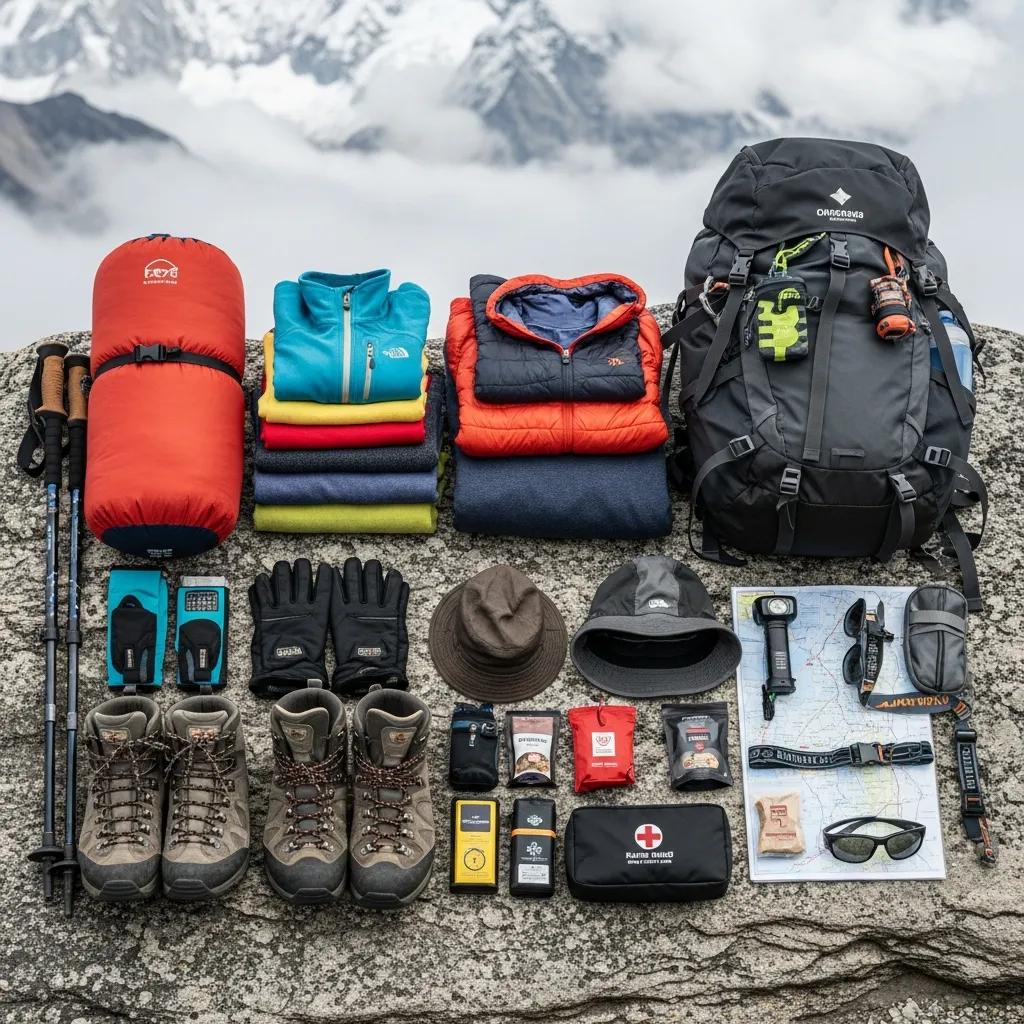
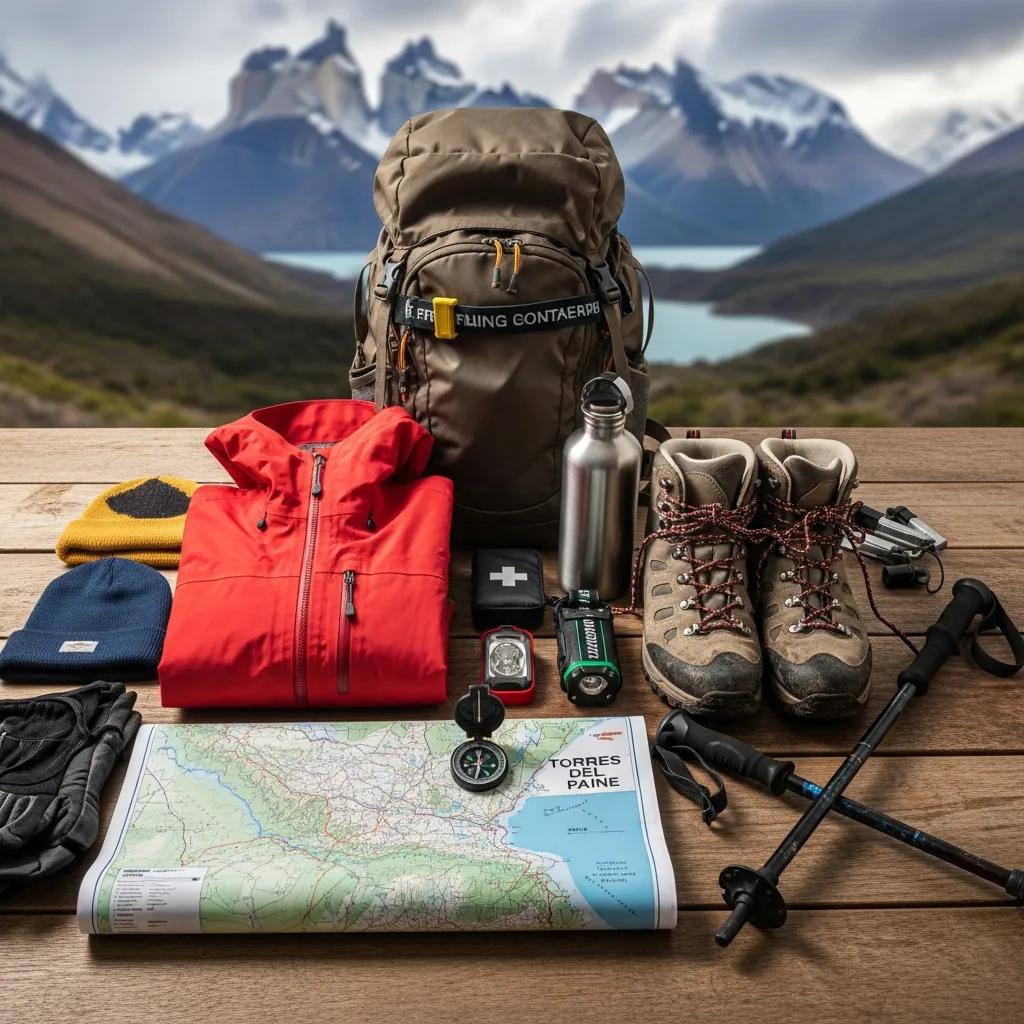
When preparing for a mountain climbing expedition, having the right gear is essential for both safety and performance. The essential mountain climbing gear items include clothing layers, footwear, and emergency kits. Each of these components plays a critical role in ensuring that climbers are equipped to handle the challenges of varying terrains and weather conditions.
Which Footwear Options Provide Optimal Support and Traction?
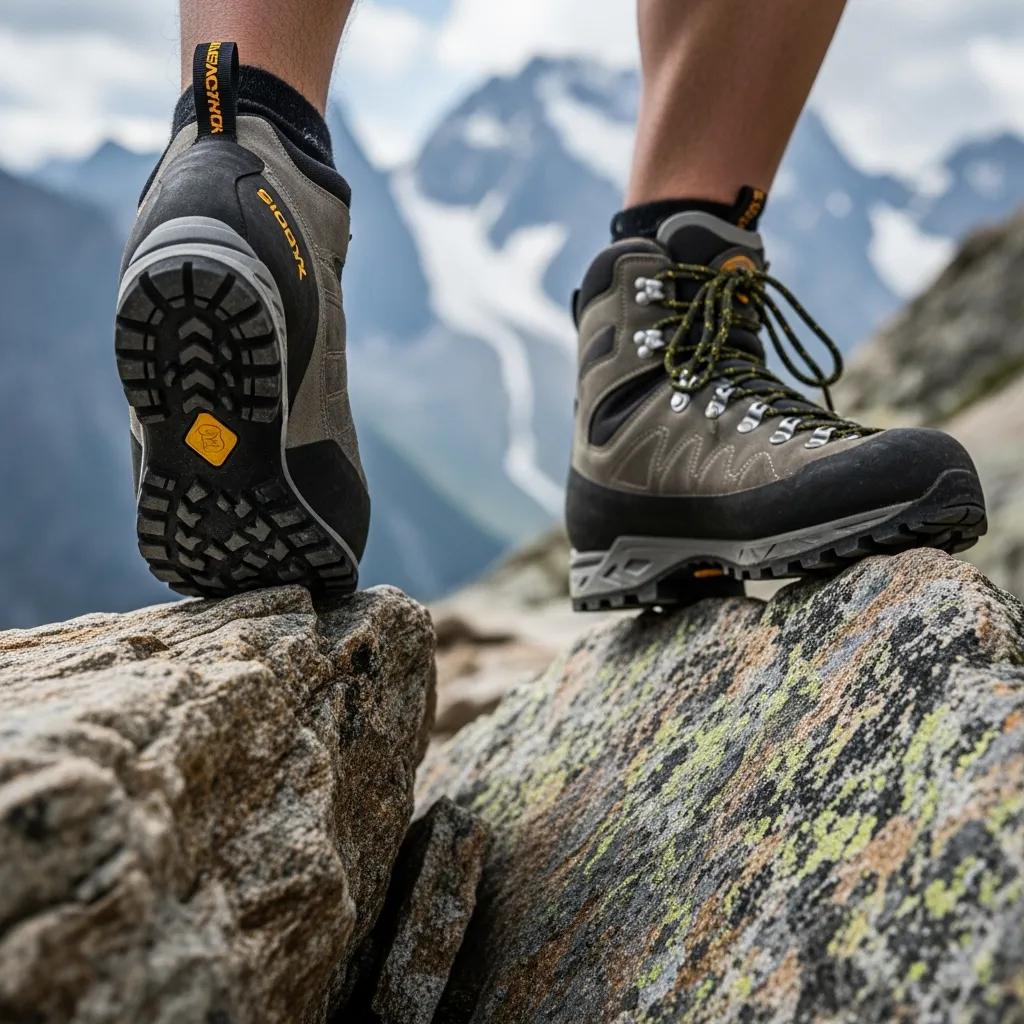
Footwear is one of the most critical components of climbing gear. The right shoes can provide the necessary support and traction needed for different terrains. Climbers should consider options such as: about
- Approach Shoes: Ideal for rocky trails, offering a balance of comfort and grip.
- Mountaineering Boots: Designed for high-altitude climbs, these boots provide insulation and support for technical ascents.
- Crampons: Essential for icy conditions, they attach to boots to enhance grip on snow and ice.
Choosing the right footwear based on the terrain can significantly impact climbing performance and safety.
What Clothing Layers Are Necessary for Variable Mountain Conditions?
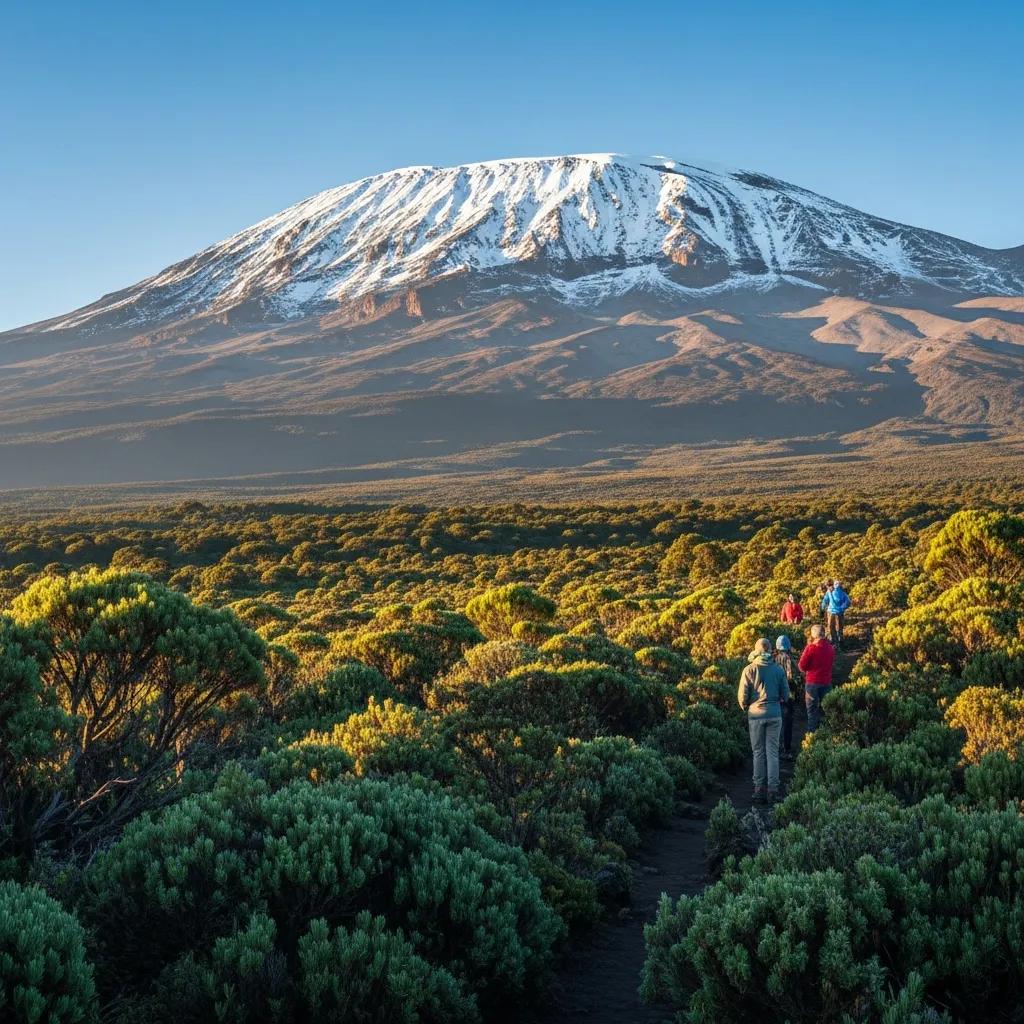
Clothing layers are vital for adapting to changing weather conditions during a climb. A proper layering system typically includes: K2 climb guide
- Base Layer: This layer wicks moisture away from the skin, keeping climbers dry and comfortable.
- Mid Layer: Insulating materials like fleece or down provide warmth without adding bulk.
- Shell Layer: A waterproof and windproof outer layer protects against the elements.
By understanding the function of each layer, climbers can effectively manage their body temperature and stay comfortable throughout their expedition.
How to Choose the Best Climbing Gear for High Altitude and Alpine Conditions?
Selecting the right climbing gear for high altitude and alpine conditions is crucial for safety and performance. Climbers must consider factors such as temperature fluctuations, altitude sickness, and the technical demands of the climb.
What Technical Gear Is Required for Alpine and Glacier Travel?
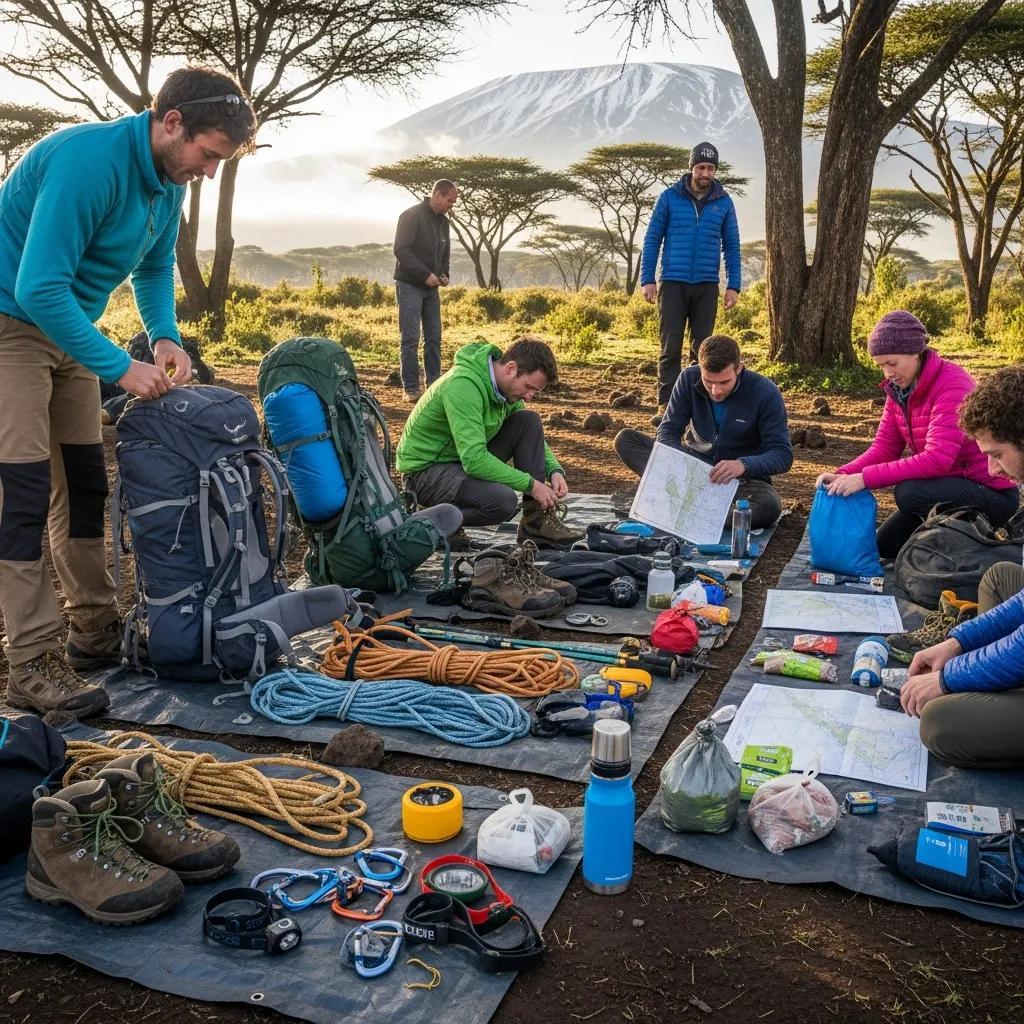
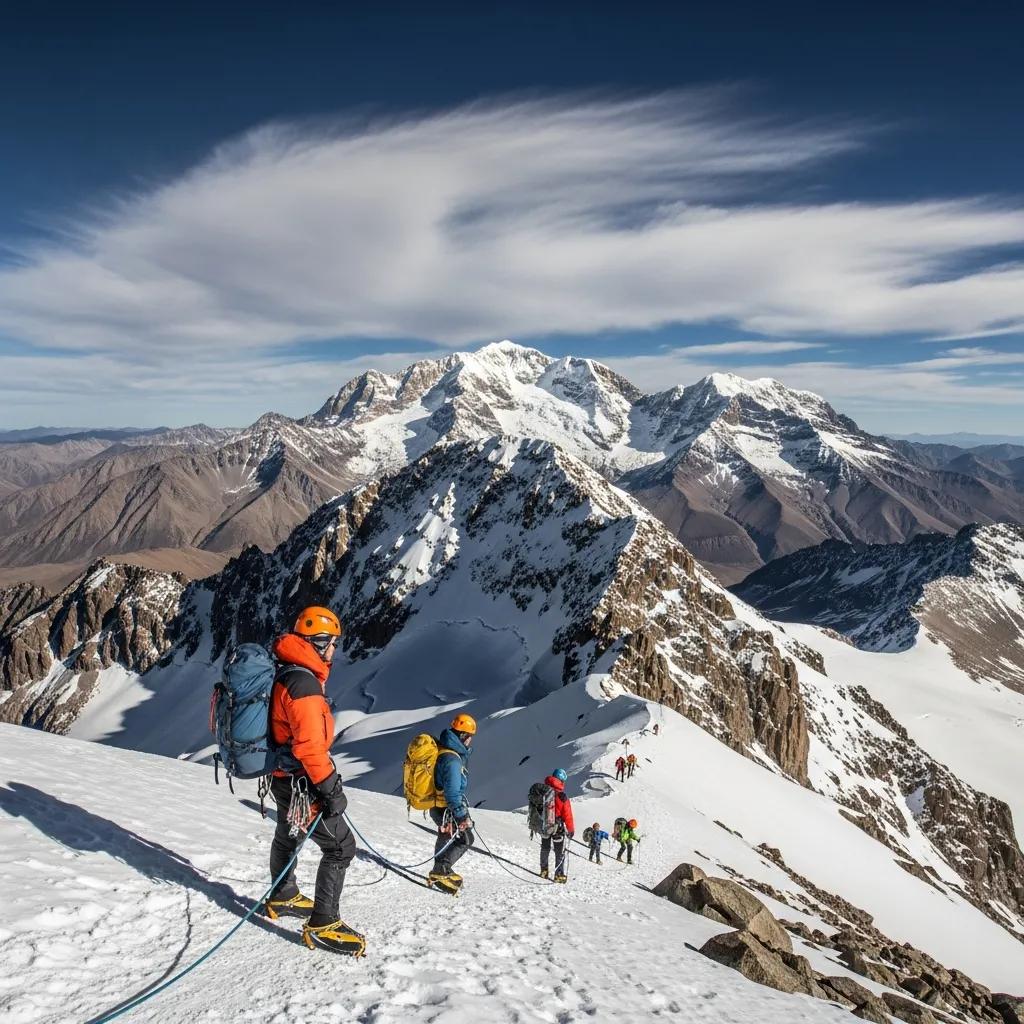
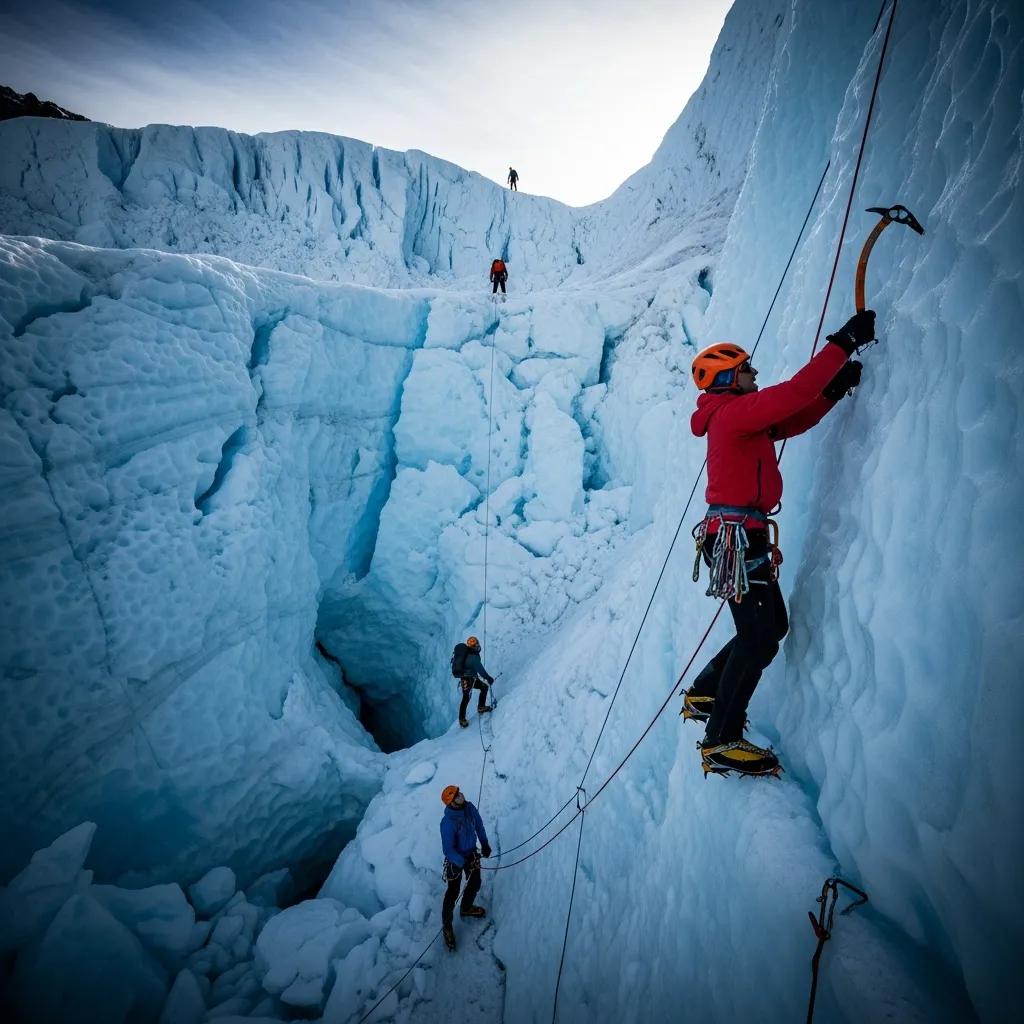
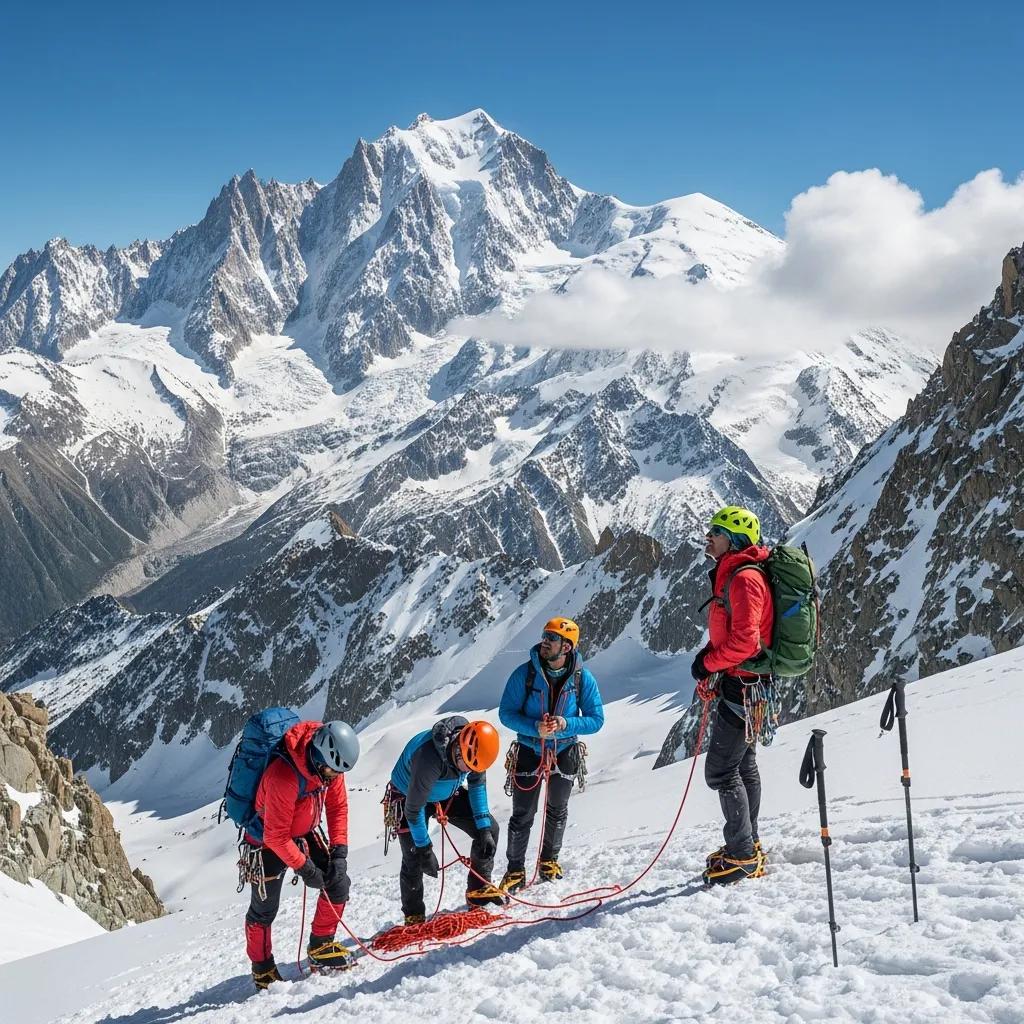
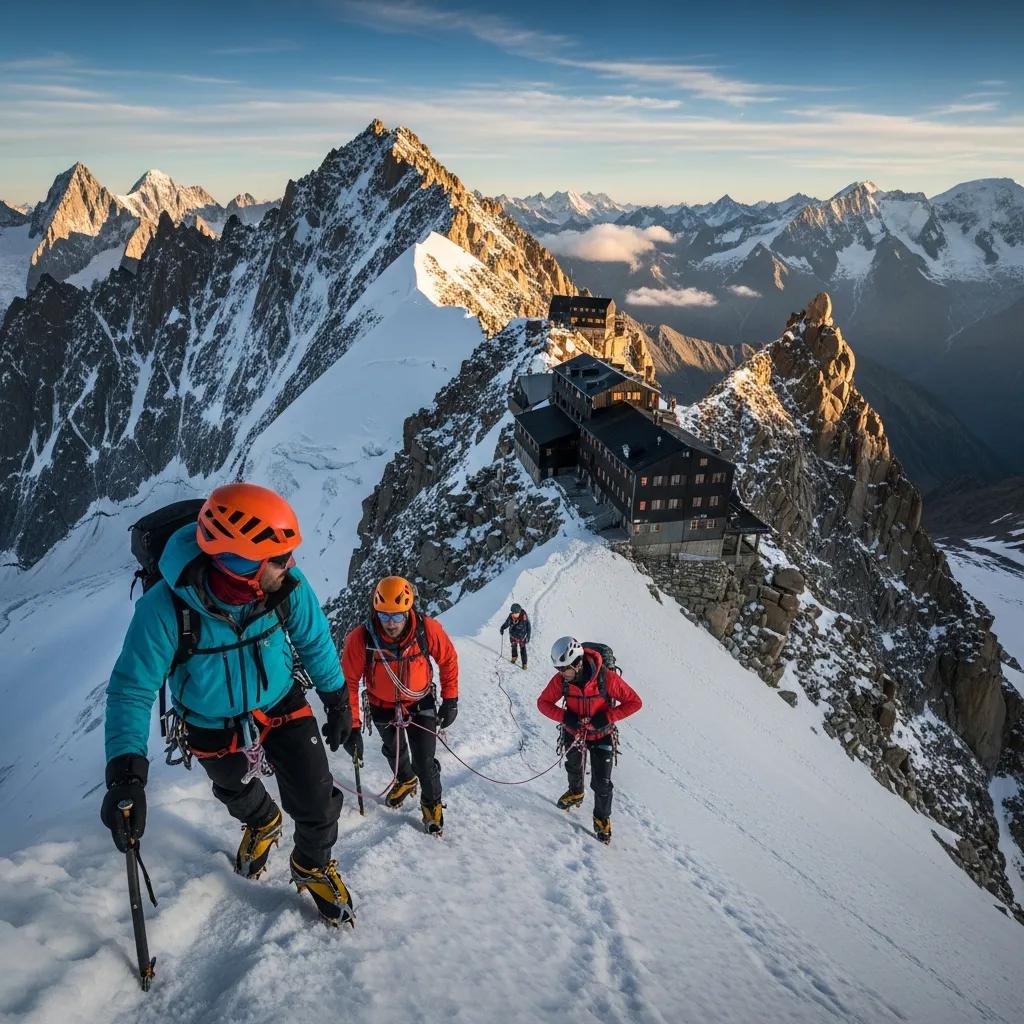
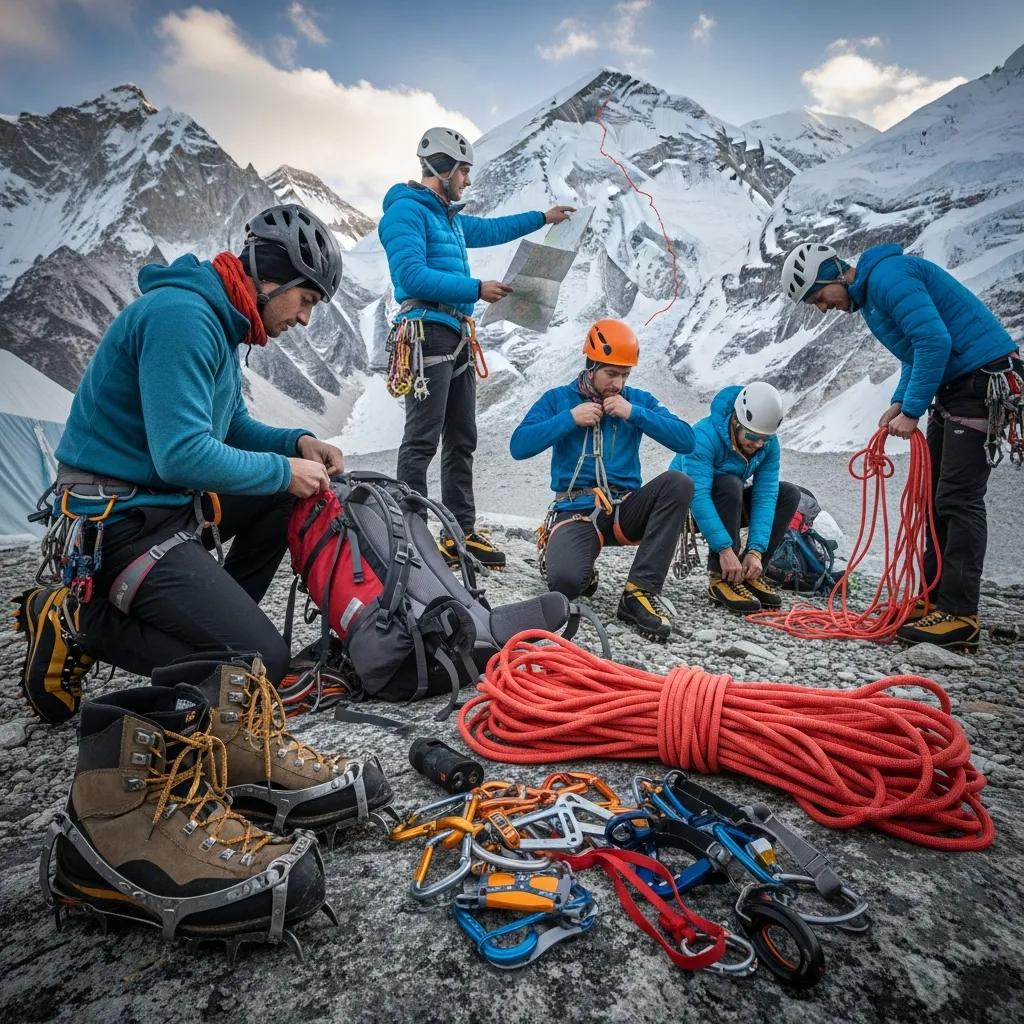
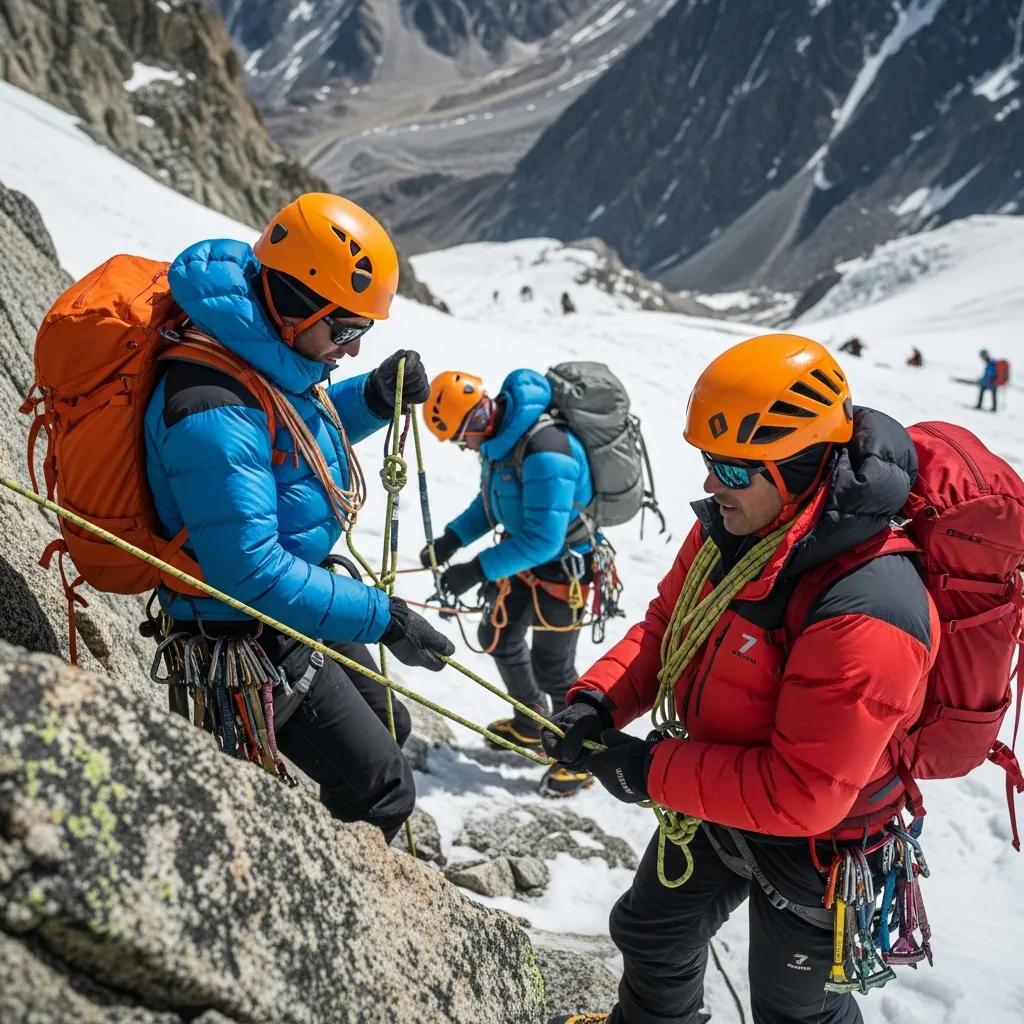
For alpine and glacier travel, specific technical gear is necessary to ensure safety and efficiency. Essential items include:
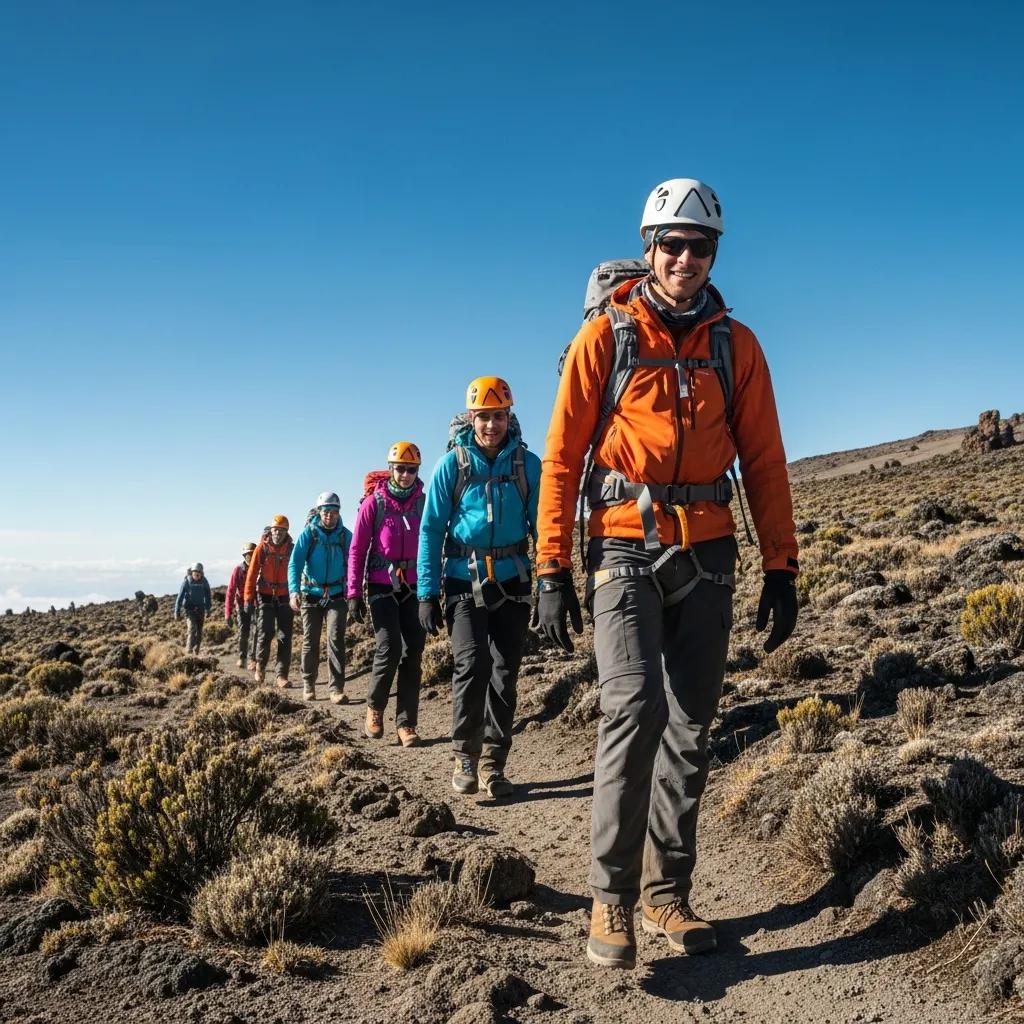
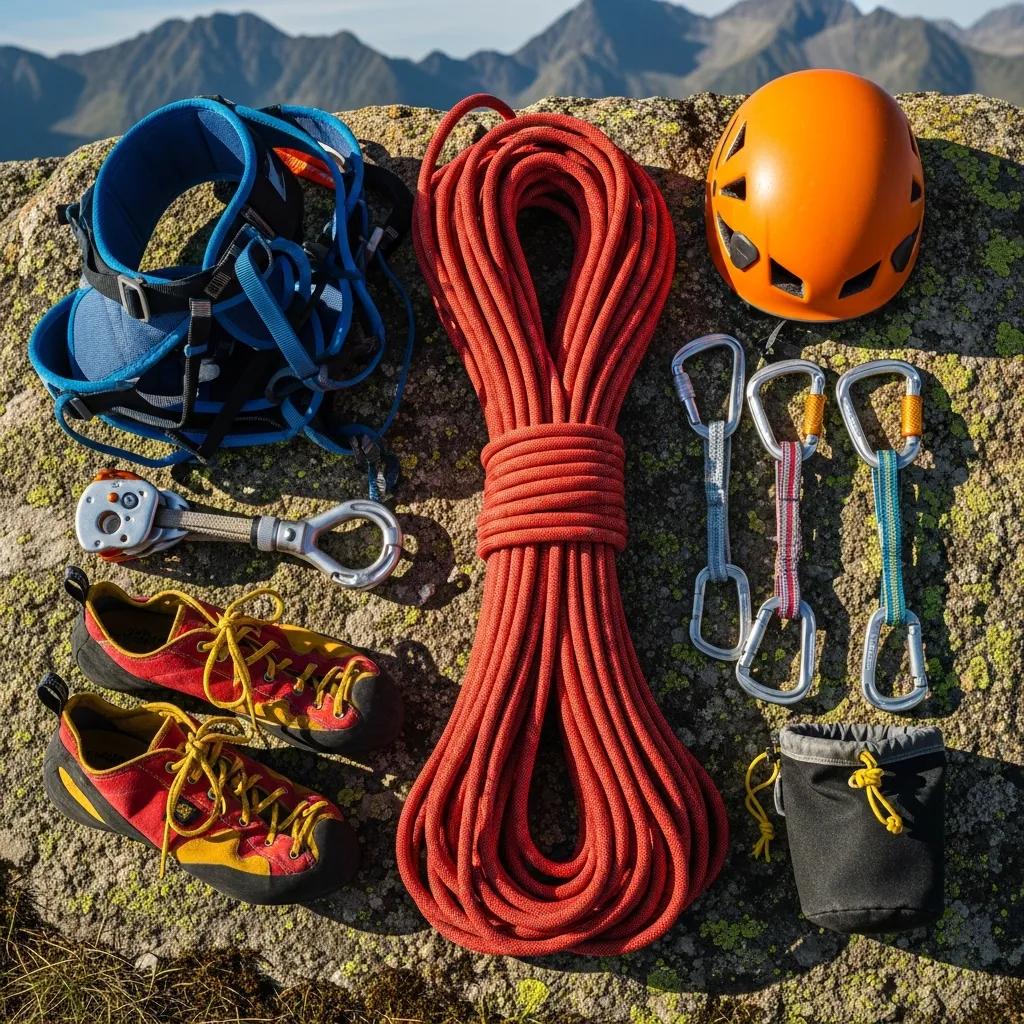
- Harness: A well-fitted harness is crucial for safety during climbs and descents.
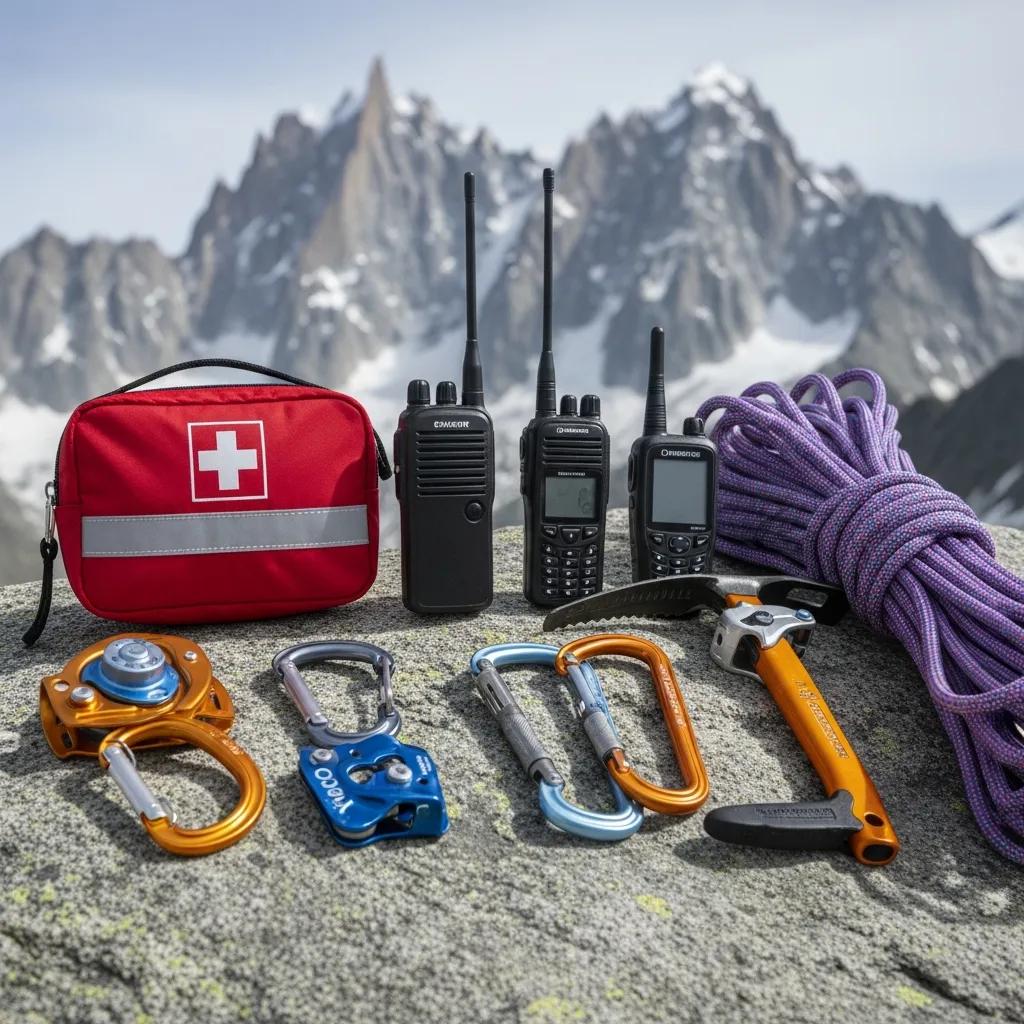
- Rope: Dynamic climbing ropes are essential for protection against falls.
- Ice Axe: This tool aids in climbing steep ice and provides support during descents.
Having the right technical gear can make a significant difference in navigating challenging alpine environments.
Which Safety Equipment Enhances Protection in High Altitude Environments?
Safety equipment is paramount when climbing at high altitudes. Key items include:
- Pulse Oximeter: This device monitors oxygen levels, helping climbers assess their acclimatization.
- Emergency Shelter: Lightweight and compact, these shelters provide protection in case of unexpected weather changes.
- First Aid Kit: A well-stocked first aid kit is essential for treating injuries and managing emergencies.
Investing in quality safety equipment can enhance climber protection and preparedness in high-altitude environments.
What Are the Key Safety and Emergency Gear Items Every Climber Must Carry?
Every climber should carry essential safety and emergency gear to handle unforeseen situations. This gear includes first-aid supplies, communication devices, and survival kits.
How Do Emergency Communication Devices Improve Summit Safety?
Emergency communication devices, such as satellite phones or personal locator beacons, are vital for maintaining contact in remote areas. These devices allow climbers to:
- Send SOS Signals: In case of emergencies, climbers can alert rescue teams.
- Check-In Plans: Regular check-ins with a designated contact can ensure safety during climbs.
Having reliable communication tools can significantly enhance safety during mountain expeditions.
What First Aid and Survival Kits Are Recommended for Mountain Climbing?
A comprehensive first aid and survival kit should include:
- Bandages and Dressings: For treating cuts and scrapes.
- Pain Relievers: To manage discomfort during climbs.
- Emergency Blanket: Provides warmth in case of exposure.
A well-prepared first aid kit can be a lifesaver in emergencies, making it essential for every climber.
How Should You Prepare and Pack Your Mountain Climbing Gear Efficiently?
Efficient packing of climbing gear is crucial for a successful expedition. Proper organization can save time and ensure that climbers have everything they need.
What Are Best Practices for Organizing and Maintaining Climbing Equipment?
To keep climbing gear organized and in good condition, climbers should:
- Regularly Inspect Gear: Check for wear and tear to ensure safety.
- Document Gear: Keep a log of equipment and maintenance schedules.
- Organize by Function: Group similar items together for easy access.
These practices can help climbers maintain their gear and ensure it is ready for use.
How to Pack Gear for Different Mountain Types and Climbing Durations?
Packing strategies should vary based on the type of mountain and the duration of the climb. Key considerations include:
- Layering Systems: Pack clothing layers based on expected weather conditions.
- Technical Gear Considerations: Include specific tools based on the terrain, such as crampons for icy climbs.
Adapting packing strategies to specific conditions can enhance efficiency and preparedness.
Which Gear Innovations and Technologies Are Shaping Modern Mountaineering?
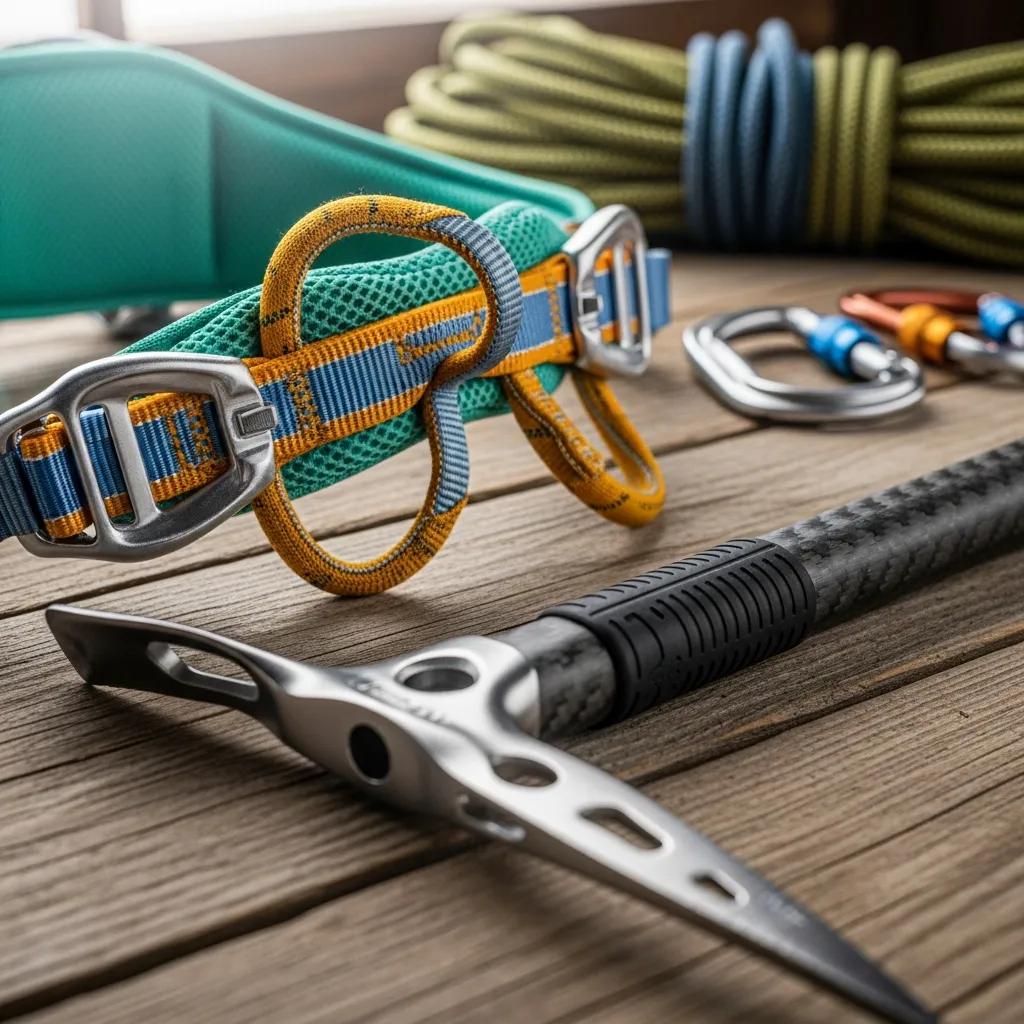
The mountaineering industry is continually evolving, with innovations that enhance safety and performance. Understanding these advancements can help climbers make informed gear choices.
What Are the Benefits of Lightweight and High-Performance Materials?
Modern climbing gear often utilizes lightweight materials that offer several advantages:
- Reduced Weight: Lighter gear reduces fatigue during climbs.
- Enhanced Durability: High-performance materials withstand harsh conditions.
- Improved Functionality: Innovative designs enhance usability and comfort.
These advancements in gear technology can significantly improve the climbing experience.
How Are Smart Wearable Devices Enhancing Climber Safety and Performance?
Smart wearable devices, such as GPS watches and health monitors, are becoming increasingly popular among climbers. These devices provide:
- Real-Time Monitoring: Track vital signs and performance metrics.
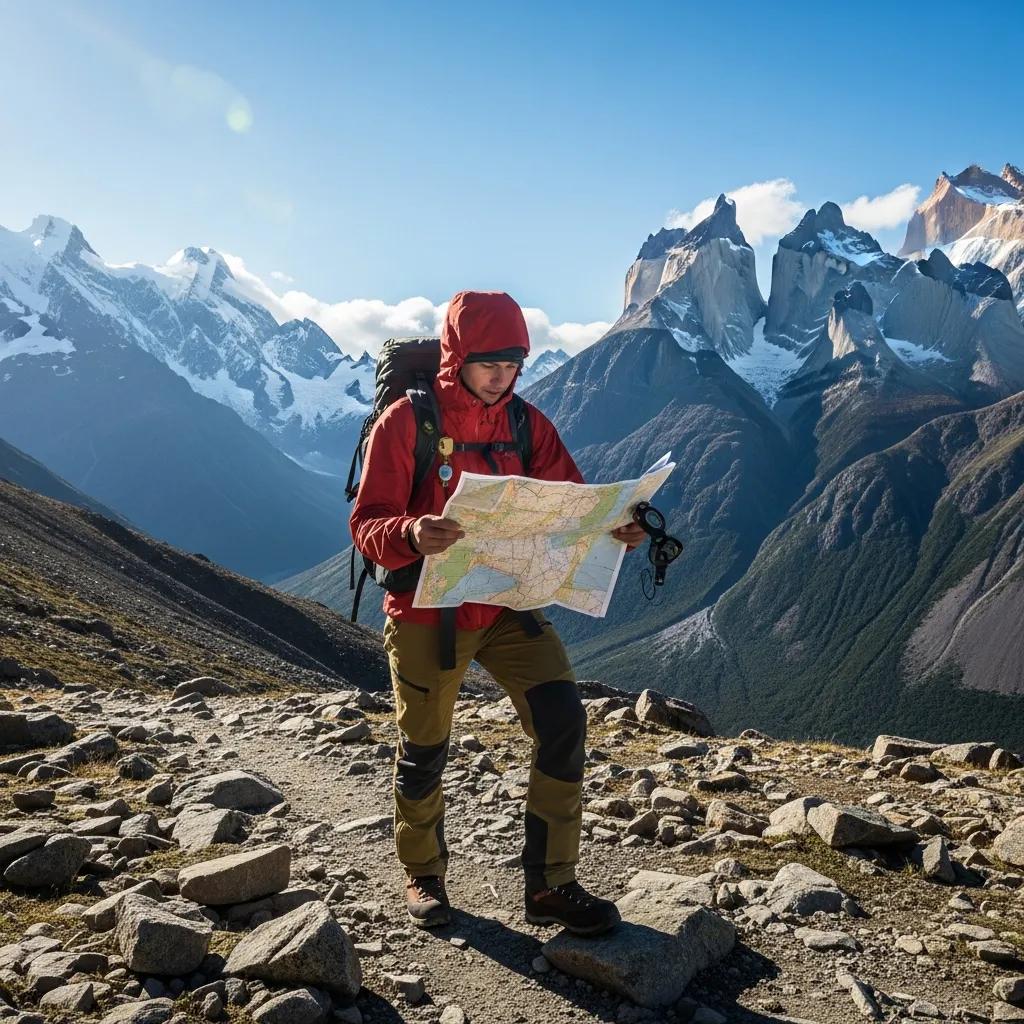
- Navigation Assistance: Help climbers navigate challenging terrains.
Incorporating smart technology into climbing gear can enhance safety and performance.
How Does Mountain Type and Climbing Condition Influence Gear Selection?
The type of mountain and climbing conditions greatly influence gear selection. Climbers must adapt their equipment to suit specific environments.
What Gear Adjustments Are Needed for Rock, Ice, and Mixed Terrain?
Different terrains require specific gear adjustments. For example:
- Rock Climbing: Use climbing shoes and harnesses designed for grip and flexibility.
- Ice Climbing: Equip crampons and ice axes for traction and support.
- Mixed Terrain: Combine gear suitable for both rock and ice conditions.
Understanding these adjustments can help climbers prepare effectively for diverse climbing environments.
How Do Weather and Altitude Affect Equipment Choices?
Weather and altitude significantly impact gear choices. Climbers should consider:
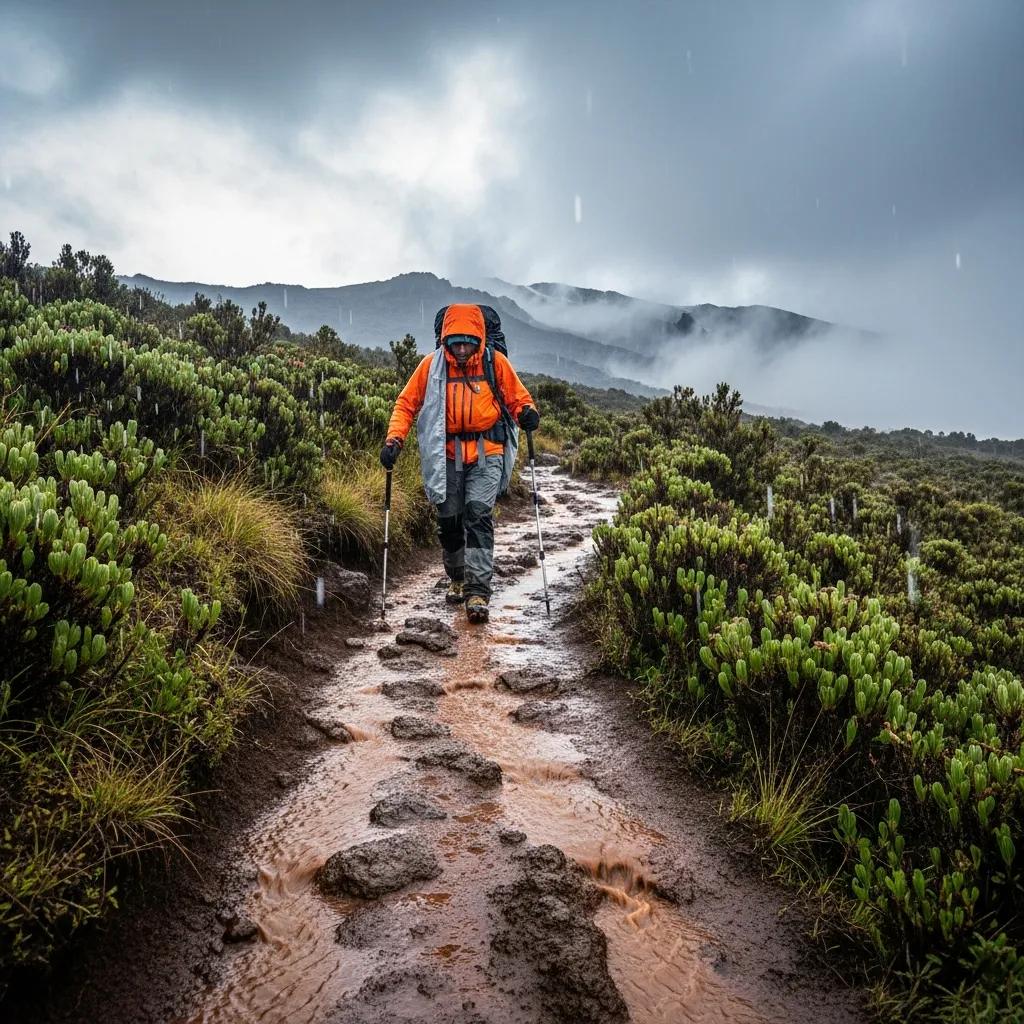
- Layering for Weather Changes: Prepare for sudden temperature drops or storms.
- Altitude Considerations: Select gear that accommodates reduced oxygen levels and extreme conditions.
Adapting gear choices based on weather and altitude can enhance safety and performance.
What Are the Best Practices for Selecting and Using Mountaineering Gloves and Accessories?
Selecting the right gloves and accessories is essential for maintaining dexterity and warmth during climbs. Climbers should consider several factors when making their choices.
How to Choose Gloves for Insulation and Dexterity at High Altitude?
When selecting gloves for high altitude, climbers should look for:
- Insulation: Ensure gloves provide adequate warmth without sacrificing dexterity.
- Grip: Choose materials that enhance grip for handling gear.
- Water Resistance: Opt for gloves that repel moisture to keep hands dry.
Finding the right balance between insulation and dexterity is crucial for effective climbing.
Which Accessories Enhance Climbing Efficiency and Safety?
Several accessories can enhance climbing efficiency and safety, including:
- Microspikes: Provide additional traction on icy surfaces.
- Trekking Poles: Offer stability and support during ascents and descents.
- Climbing Chalk: Improves grip on holds, especially in rock climbing.
Incorporating these accessories can significantly improve climbing performance.
Where Can Climbers Find Authoritative Resources and Guides for Gear Selection?
Climbers seeking authoritative resources for gear selection can benefit from various guides and checklists. These resources provide valuable insights into choosing the right equipment for specific conditions.
What Are Trusted Sources for Mountain Climbing Equipment Checklists?
Several trusted sources offer comprehensive equipment checklists, including: globalsummitguide
- Global Summit Guide: Provides tailored checklists for different climbing conditions.
- Climbing Magazines: Feature expert reviews and recommendations for gear.
- Outdoor Retailers: Offer guides on selecting the best equipment for various terrains.
Utilizing these resources can help climbers make informed decisions about their gear.
How to Use Structured Data and Reviews to Inform Gear Purchases?
When purchasing climbing gear, climbers should consider:
- Structured Data: Look for detailed product specifications and comparisons.
- User Reviews: Read feedback from other climbers to gauge performance and reliability.
- Expert Recommendations: Seek advice from experienced climbers and professionals.
Incorporating structured data and reviews into the purchasing process can lead to better gear choices.
Frequently Asked Questions
What should I consider when selecting climbing gear for beginners?
When selecting climbing gear for beginners, focus on comfort, safety, and versatility. Look for a well-fitted harness that is easy to adjust, and choose climbing shoes that provide a snug fit without being overly tight. A basic set of gear should include a helmet, a dynamic rope, and a reliable belay device. Additionally, consider investing in a comprehensive guide or taking a class to learn about gear usage and safety practices. Starting with quality equipment can enhance the climbing experience and build confidence.
How can I ensure my climbing gear is safe and in good condition?
To ensure your climbing gear is safe and in good condition, conduct regular inspections for wear and tear. Check for frayed ropes, damaged harnesses, and worn-out shoes. Clean your gear after each use to remove dirt and moisture, which can degrade materials over time. Store gear in a cool, dry place away from direct sunlight. Additionally, follow manufacturer guidelines for maintenance and replacement schedules. Keeping a log of inspections and maintenance can help track the condition of your equipment effectively.
What are the best practices for acclimatization during high-altitude climbs?
Acclimatization is crucial for high-altitude climbs to prevent altitude sickness. Start by ascending gradually, allowing your body to adjust to lower oxygen levels. Spend extra days at intermediate altitudes to help your body acclimatize. Stay hydrated and maintain a balanced diet rich in carbohydrates. Monitor your body for symptoms of altitude sickness, such as headaches or nausea, and descend if symptoms worsen. Consider using supplemental oxygen if climbing above 8,000 feet. Proper acclimatization can significantly enhance your climbing experience and safety.
How do I choose the right climbing route for my skill level?
Choosing the right climbing route for your skill level involves assessing your experience, physical fitness, and comfort with various climbing techniques. Beginners should start with easier routes, often rated 5.0 to 5.7, which offer less technical challenges. Intermediate climbers can tackle routes rated 5.8 to 5.10, while advanced climbers can explore more difficult climbs. Research the route’s grading system, read climber reviews, and consult local climbing guides for recommendations. Always prioritize safety and choose routes that match your abilities to ensure an enjoyable experience.
What role does weather play in mountain climbing gear selection?
Weather plays a significant role in mountain climbing gear selection, as it can impact safety and performance. Climbers should check weather forecasts before their expedition and prepare for sudden changes in temperature, precipitation, and wind. For cold and wet conditions, pack waterproof and insulated clothing layers, while hot weather may require breathable fabrics. Additionally, consider the potential for storms or high winds, which may necessitate extra safety gear like emergency shelters. Adapting your gear to expected weather conditions is essential for a successful climb.
How can I improve my climbing skills and techniques?
Improving your climbing skills and techniques requires practice, education, and feedback. Start by taking climbing classes or workshops to learn proper techniques from experienced instructors. Regularly practice climbing at different gyms or outdoor locations to build strength and confidence. Focus on specific skills, such as footwork, body positioning, and route reading. Additionally, seek feedback from more experienced climbers or coaches to identify areas for improvement. Joining a climbing community can also provide support and motivation to enhance your skills over time.
Conclusion
Equipping yourself with the right mountain climbing gear is essential for ensuring safety and enhancing performance on your expeditions. From selecting appropriate footwear to understanding layering systems, each piece of equipment plays a vital role in your climbing success. By investing in quality gear and following best practices, you can confidently tackle any peak. Explore our comprehensive gear selection to prepare for your next adventure today.