What Is Altitude Sickness? Comprehensive Guide to Symptoms, Causes, and Effective Treatments
Altitude sickness, also known as acute mountain sickness (AMS), is a condition that arises when individuals ascend to high altitudes too quickly, leading to a range of symptoms due to reduced oxygen levels. This guide will delve into the symptoms, causes, and effective treatments for altitude sickness, providing valuable insights for those planning high-altitude adventures. Many travelers and mountaineers experience discomfort or health issues when exposed to elevations above 8,000 feet, making it crucial to understand how to recognize and manage these symptoms. We will explore common symptoms, the physiological mechanisms behind altitude sickness, prevention techniques, and treatment options. Additionally, we will identify high-risk locations and answer frequently asked questions to equip you with the knowledge needed for safe mountain excursions.
Further research provides a comprehensive overview of acute mountain sickness, detailing its underlying mechanisms, preventive measures, and therapeutic approaches.
Acute Mountain Sickness: Pathophysiology, Prevention & Treatment
In this article, we describe the setting and clinical features of acute mountain sickness and high-altitude cerebral edema, including an overview of the known pathophysiology, and practical recommendations for prevention and treatment.
Acute mountain sickness: pathophysiology, prevention, and treatment, C Imray, 2010
What Are the Common Symptoms of Acute Mountain Sickness and High Altitude Illness?
Altitude sickness manifests through various symptoms that can range from mild to severe. Recognizing these symptoms early is essential for effective management and prevention of complications. mountains k2 climb guide pakistan china
How to Recognize Headache, Nausea, and Dizziness as Early Warning Signs
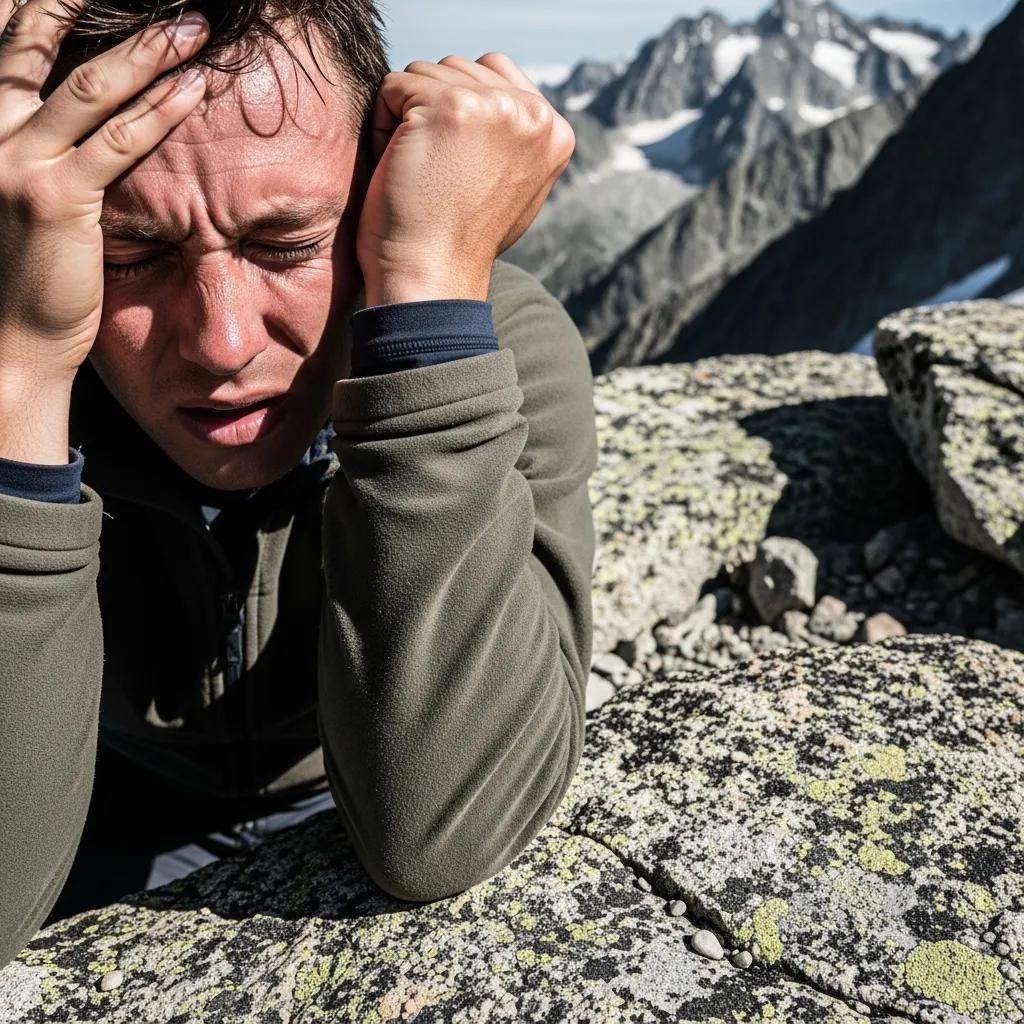
The initial symptoms of altitude sickness often include headache, nausea, and dizziness. These early warning signs typically occur within hours of ascending to high altitudes. A headache may feel similar to a tension headache, while nausea can lead to vomiting if not addressed promptly. Dizziness often accompanies these symptoms, making it difficult for individuals to maintain balance or focus. If you experience these symptoms, it is crucial to descend to a lower altitude and rest to alleviate discomfort.
What Are the Differences Between Mild and Severe Symptoms?
Mild symptoms of altitude sickness may include fatigue, loss of appetite, and sleep disturbances. In contrast, severe symptoms can escalate to high altitude pulmonary edema (HAPE) or high altitude cerebral edema (HACE), which are life-threatening conditions. HAPE is characterized by shortness of breath, a persistent cough, and fluid accumulation in the lungs, while HACE involves confusion, ataxia, and altered consciousness. Understanding these differences is vital for recognizing when to seek medical attention.
The complex interplay between HACE, AMS, and HAPE, including their pathophysiology and individual susceptibility, continues to be a subject of ongoing study.
HACE & AMS: Pathophysiology, Susceptibility & Prevention
The diagnosis, treatment and prevention of high altitude cerebral edema (HACE) are fairly well established. The major unresolved issues are 1) the pathophysiology, 2) the individual susceptibility, and 3) the relationship of HACE to acute mountain sickness (AMS) and to high altitude pulmonary edema (HAPE).
High altitude cerebral edema and acute mountain sickness: a pathophysiology update, 1999
What Causes Altitude Sickness? Understanding Hypoxia and Rapid Ascent Effects
Altitude sickness primarily results from hypoxia, a condition where the body receives insufficient oxygen due to lower atmospheric pressure at high altitudes.
How Does Low Oxygen at High Altitude Trigger Mountain Sickness?
As altitude increases, the partial pressure of oxygen decreases, leading to reduced oxygen saturation in the blood. This lack of oxygen can impair cellular function and lead to symptoms associated with altitude sickness. The body struggles to adapt to these changes, resulting in physiological stress that manifests as headaches, nausea, and fatigue. Understanding the mechanisms of hypoxia is crucial for preventing altitude sickness.
Why Does Rapid Ascent Increase Risk of Acute Mountain Sickness?
Rapid ascent to high altitudes significantly increases the risk of developing altitude sickness. When individuals ascend too quickly, the body does not have adequate time to acclimatize to the lower oxygen levels. Studies indicate that ascending more than 1,000 feet per day without proper acclimatization can lead to a higher incidence of AMS. To mitigate this risk, it is essential to plan gradual ascents and incorporate rest days into your itinerary.
How Can You Prevent Altitude Sickness? Proven Acclimatization and Safety Techniques
Preventing altitude sickness involves a combination of acclimatization strategies and lifestyle adjustments.
What Are Stepwise Acclimatization Schedules to Reduce Risk?
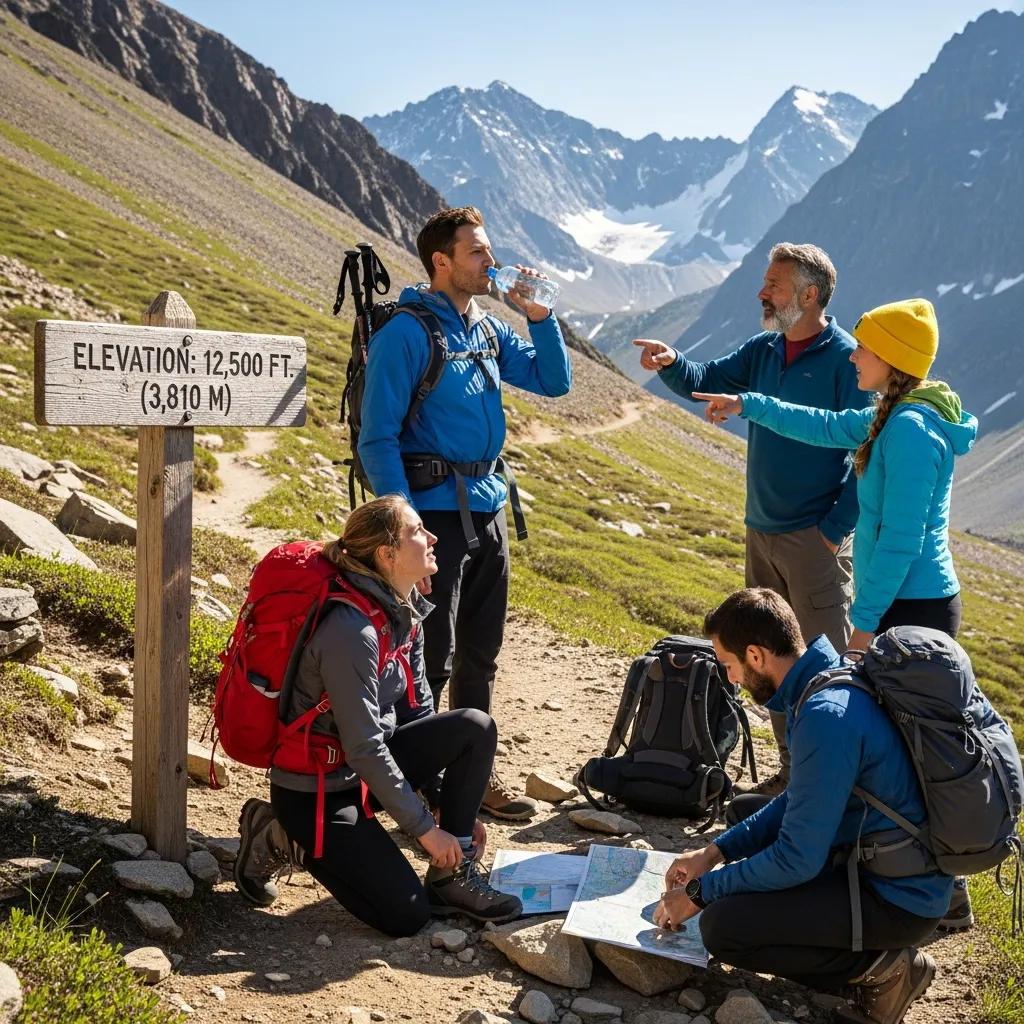
A stepwise acclimatization schedule is vital for reducing the risk of altitude sickness. This approach involves ascending gradually, allowing the body to adjust to changes in oxygen levels. A common recommendation is to ascend no more than 1000 feet per day after reaching 8,000 feet, with additional rest days for every 3,000 feet gained. This method helps the body adapt and can significantly decrease the likelihood of developing AMS.
Effective acclimatization strategies are crucial for anyone venturing to high altitudes, ensuring the body can adapt to reduced oxygen levels.
High-Altitude Acclimatization for Travelers
adaptation at high altitudes is vital for soldiers, travelers, and athletes to avoid high-altitude sickness.
A study of survival strategies for improving acclimatization of lowlanders at high-altitude, 2023
Which Lifestyle and Medication Strategies Help in Prevention?
In addition to acclimatization, certain lifestyle changes and medications can aid in preventing altitude sickness. Staying well-hydrated, avoiding alcohol, and consuming a high-carbohydrate diet can enhance oxygen delivery and energy levels. Medications such as acetazolamide (Diamox) can also be prescribed to help prevent AMS by promoting acclimatization. Consulting with a healthcare provider before your trip can help determine the best prevention strategies for your specific needs.
What Are the Recommended Treatments for Mountain Sickness? Comparing Medications and Methods
When altitude sickness occurs, prompt treatment is essential to prevent complications.
How Do Acclimatization and Oxygen Therapy Aid Recovery?
Acclimatization remains the most effective treatment for altitude sickness. Descending to a lower altitude can alleviate symptoms significantly. In cases of severe altitude sickness, supplemental oxygen therapy may be necessary to restore adequate oxygen levels in the body. This therapy can provide immediate relief and is often used in conjunction with descent to ensure a safe recovery.
What Medications Are Effective for High Altitude Pulmonary and Cerebral Edema?
For severe cases of altitude sickness, particularly HAPE and HACE, medications such as dexamethasone may be administered to reduce inflammation and swelling in the brain and lungs. These medications can be life-saving when used in conjunction with immediate descent. Understanding the appropriate use of these treatments is crucial for anyone venturing into high-altitude environments.
When Should You Seek Emergency Help for Severe Altitude Sickness?
Recognizing when to seek emergency help is critical for individuals experiencing severe altitude sickness.
What Are the Signs of High Altitude Pulmonary Edema and Cerebral Edema?
Signs of HAPE include a persistent cough, difficulty breathing, and chest tightness, while HACE symptoms may involve confusion, severe headache, and loss of coordination. If these symptoms occur, it is imperative to seek medical assistance immediately. Delaying treatment can lead to serious complications or even death.
What Immediate Actions Should Be Taken in Emergency Situations?
In emergency situations, the first step is to descend to a lower altitude as quickly as possible. Administering supplemental oxygen, if available, can also provide immediate relief. It is essential to remain calm and ensure that the affected individual is monitored closely until help arrives.
Which Mountains Pose the Highest Risk for Altitude Sickness? Identifying High-Risk Locations
Certain mountains are known for their increased risk of altitude sickness due to their elevation and accessibility.
What Are the Characteristics of High-Risk Mountains Worldwide?
Mountains such as Mount Everest, K2, and Denali are notorious for their high altitudes and challenging conditions. These peaks often exceed 8,000 feet, where the risk of altitude sickness significantly increases. Understanding the characteristics of these high-risk mountains can help climbers prepare adequately for their expeditions.
How to Prepare Specifically for High-Risk Mountain Expeditions?
Preparation for high-risk mountain expeditions should include thorough research, physical conditioning, and a well-structured acclimatization plan. Engaging in pre-expedition training, such as hiking at increasing elevations, can enhance physical fitness and improve the body’s ability to adapt to high altitudes. Additionally, carrying essential supplies, including medications and oxygen, can be crucial for safety.
Frequently Asked Questions
What Are the Long-Term Effects of Altitude Sickness?
While most individuals recover from altitude sickness without lasting effects, some may experience long-term complications, particularly if they have suffered from severe forms like HAPE or HACE. These complications can include persistent respiratory issues or cognitive difficulties. It’s essential to monitor any ongoing symptoms after descending and consult a healthcare professional if concerns arise. Understanding the potential long-term effects can help individuals make informed decisions about future high-altitude activities.
How Can You Differentiate Between Altitude Sickness and Other Illnesses?
Altitude sickness can mimic other conditions such as dehydration, flu, or food poisoning. Key differentiators include the timing of symptoms, which typically arise within hours of ascent, and their correlation with altitude gain. Symptoms like headache, nausea, and dizziness are common in altitude sickness but may not be present in other illnesses. If symptoms persist or worsen with altitude, it is crucial to descend and seek medical advice to rule out other serious conditions.
Are Certain Individuals More Susceptible to Altitude Sickness?
Yes, susceptibility to altitude sickness can vary significantly among individuals. Factors such as age, pre-existing health conditions, and previous experiences with altitude can influence risk. For instance, individuals with respiratory or cardiovascular issues may be at higher risk. Additionally, those who have previously experienced altitude sickness are more likely to encounter it again. Understanding personal risk factors can help in planning safer high-altitude excursions.
What Role Does Hydration Play in Preventing Altitude Sickness?
Hydration is crucial in preventing altitude sickness, as it helps maintain blood volume and supports overall physiological function. At high altitudes, the body loses moisture more rapidly due to increased respiration and lower humidity levels. Staying well-hydrated can enhance oxygen delivery to tissues and reduce the likelihood of symptoms. It is recommended to drink plenty of fluids, particularly water, and to avoid alcohol and caffeine, which can contribute to dehydration.
Can You Develop Altitude Sickness After Acclimatizing?
Yes, it is possible to develop altitude sickness even after a period of acclimatization. Factors such as rapid ascent, individual susceptibility, and the altitude reached can all contribute to the onset of symptoms. Acclimatization helps reduce the risk but does not eliminate it entirely. Continuous monitoring of symptoms and readiness to descend if they occur is essential, even for those who have acclimatized successfully.
What Should You Do If Symptoms of Altitude Sickness Persist?
If symptoms of altitude sickness persist despite descending to a lower altitude, it is crucial to seek medical attention. Persistent symptoms may indicate a more severe condition, such as HAPE or HACE, which require immediate treatment. Healthcare professionals can provide necessary interventions, including supplemental oxygen or medications, to address complications. Being proactive about health and safety is vital when dealing with altitude-related issues.
How Long Does It Take to Recover from Altitude Sickness?
Recovery from altitude sickness typically occurs within 24-48 hours after descending to a lower altitude. However, the duration may vary depending on the severity of symptoms and individual health factors. It is essential to monitor symptoms closely and seek medical attention if they persist.
Can Altitude Sickness Occur at Moderate Elevations?
Yes, altitude sickness can occur at moderate elevations, particularly for individuals who ascend rapidly or have a history of AMS. Symptoms may arise at elevations as low as 6,000 feet, especially in those unaccustomed to high altitudes. Awareness of this risk is crucial for anyone planning to travel to elevated regions.
Conclusion
Understanding altitude sickness is essential for anyone planning high-altitude adventures, as it can significantly impact your experience and safety. By recognizing symptoms, implementing effective prevention strategies, and knowing when to seek treatment, you can enjoy your journey with confidence. Equip yourself with the knowledge to tackle high elevations and ensure a safe expedition. Explore our resources for more tips and guidance on high-altitude travel today.