web analytics

Tag: Goûter Route

  • Mont Blanc Conditions This Week: Grand Couloir Heat & Rockfall Watch

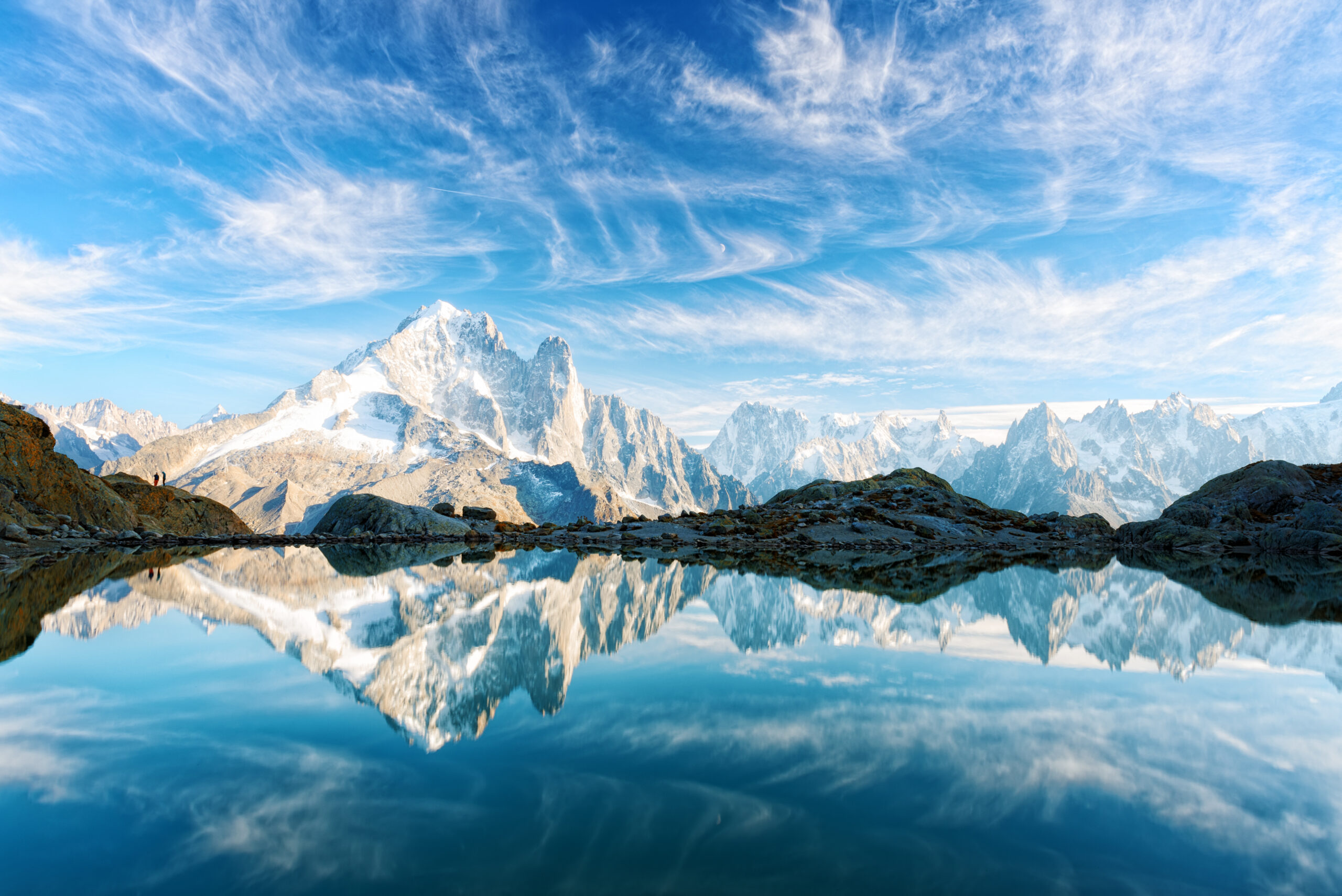
    Mont Blanc, the highest peak in Western Europe, above the Chamonix valley
    🇫🇷 Mont Blanc · Conditions Watch · Jul 2026

    Mont Blanc Conditions This Week: Grand Couloir Heat & Rockfall Watch

    The Goûter route is open and busy — but mid-summer heat is loading the dice in the Grand Couloir, the most dangerous section of the normal route. Here’s where conditions stand this week, why the heat matters, and exactly what to do about it.

    Conditions watch · Jul 12, 2026

    The Goûter route is in peak season and open — and this is exactly the window when heat drives rockfall. Mid-July sits in the busiest, warmest part of the Mont Blanc season, and warm, dry spells sharply raise the risk in the Grand Couloir, the route’s notorious “corridor of death.” Refuge dismantling work on the old Goûter hut continues through the summer but does not close the route.

    The dominant hazard right now isn’t technical difficulty — it’s timing and temperature. Teams are crossing the couloir in the pre-dawn cold and moving fast. On hot days, the risk climbs through the morning and afternoon, and during past heatwaves the prefecture has asked climbers to postpone the ascent entirely.

    This is a dated watch. Alpine conditions change day to day — always confirm the latest with the Chamonix Office de Haute Montagne and the Haute-Savoie prefecture before you go. We refresh this page through the season.

    📌 This is the this-week watch — the full guide is the pillarThis page covers the current picture. For the complete, evergreen reference — 2026 season dates, refuge reservations, cost, cable status, and the camp-by-camp route — see our Mont Blanc Goûter route conditions guide, with the full itinerary in the Goûter route expedition breakdown.
    4,808 m
    Summit (15,774 ft)
    3,340 m
    Grand Couloir crossing
    Before 06:00
    Cross the couloir
    ~May–Oct
    2026 season

    Where it is

    The highest point in Western Europe, above Chamonix and Saint-Gervais.

    Mont Blanc rises to 4,808 m on the France–Italy border, above the Chamonix valley. The standard Goûter route starts from Saint-Gervais / Les Houches, climbs via the Nid d’Aigle, the Tête Rousse hut (3,167 m), across the Grand Couloir at about 3,340 m, up to the Goûter Refuge (3,835 m), then along the Bosses Ridge to the summit. The couloir crossing sits early on summit day — which is why where you sleep the night before decides when you cross it.

    Summit: Mont Blanc (4,808 m) Grand Couloir: ~3,340 m crossing Base: Chamonix / Saint-Gervais

    Why heat is the story this week

    Warm days don’t just make you sweat — they bring the mountain down.

    The Grand Couloir is a natural funnel for falling rock, and what holds that rock in place is ice and permafrost. When a warm, dry spell hits — exactly the mid-summer pattern — that frozen glue melts, and the couloir starts shedding stones, sometimes day and night. Research on the couloir found that the majority of rockfall happens through the middle of the day, which is why the entire safety strategy is built around crossing before the rock warms up.

    This isn’t theoretical. Hot summers have produced the worst conditions on record: during the 2015 heatwave the Goûter hut was temporarily closed by prefectural order, and in other dry years the authorities have publicly asked climbers to postpone. A hot forecast, in other words, is a direct rockfall signal — and the reason a “conditions this week” check matters more on Mont Blanc than on almost any peak in the Alps.

    Climbers on the snow slopes of Mont Blanc high on the Goûter route
    Timing beats fitness here. The Goûter route is graded PD — not technically hard — but the Grand Couloir turns the ascent into a problem of when, not whether. The strongest climbers on the mountain are the ones across the couloir before first light.

    The Grand Couloir, by the numbers

    One of the deadliest spots in the Alps — and unavoidable on the normal route.

    The couloir’s reputation is earned. French mountain police recorded 347 rescue operations, 102 deaths, and 230 injuries in the Grand Couloir between 1990 and 2017 — a toll that has made “couloir de la mort” a genuine local name, not tabloid hyperbole. A 2020 Petzl Foundation study even examined whether an alternative path could replace the crossing and concluded any alternative would be more dangerous. The couloir is the route.

    The hazardFalling rock funnelled down a ~40 m-wide gully; a single stone can be fatal.
    The driverHeat and drought melt the permafrost binding the rock — warm afternoons are worst.
    The defenceCross before dawn, move fast (2–5 minutes), helmet on, never linger.
    The alternativeThe Trois Monts route avoids the couloir entirely — more technical, but no couloir.

    Mont Blanc’s overall toll is part of why it ranks among the most dangerous mountains in Europe despite its modest grade — context we cover in our death rates by mountain analysis.

    What to do this week

    If you’re climbing in the next few days, this is the checklist.

    None of this replaces a qualified guide or the official advisory, but it’s the discipline that keeps climbers alive in the couloir during the hot months:

    1 · Sleep low, cross earlyStart from the Tête Rousse hut so you cross the couloir in the pre-dawn cold, ideally before 06:00.
    2 · Read the forecast as a rockfall gaugeHot, dry days = higher risk. If a heatwave is forecast, consider postponing or switching routes.
    3 · Check the official advisoryOffice de Haute Montagne (Chamonix) and the Haute-Savoie prefecture publish current conditions and any closures.
    4 · Consider the Trois MontsIf the Goûter is shedding, the Aiguille du Midi / Cosmiques approach avoids the couloir.
    5 · Helmet, crampons, speedHelmet non-negotiable; crampons required from the Goûter upward all season; cross fast and don’t stop.
    🎒 Prepare properly (deep-dive guides)

    Live conditions & heat watch

    On this route, the temperature forecast is a safety forecast.

    The 7-day outlook below is modelled data for the Mont Blanc / Chamonix region — a general indicator, not a summit-day forecast. Read it as a rockfall gauge: warm, dry days push the Grand Couloir risk up, cool spells and fresh snow settle it down. For summit-day planning, pair this with a dedicated alpine forecast and the Office de Haute Montagne bulletin.

    Mont Blanc / Chamonix region

    Loading live data…
    Fetching the latest forecast…
    Read heat as risk. This is valley-and-massif model data; the freezing level and how hot the rock gets matter as much as the summit temperature. When it’s warm, cross the couloir earlier and be ready to turn back.

    Planning to climb this season?

    Beyond this week — the full picture for a Mont Blanc attempt.

    If Mont Blanc is on your list for this summer, the conditions watch is only the starting point. Get the season logistics and the honest difficulty from the guides below, and see where Mont Blanc sits among Europe’s great peaks:

    🏔️ Your Mont Blanc planning shelf

    Mont Blanc is one of 500+ peaks in our mountain database — compare it, and find your next objective.

    Frequently asked questions

    Is Mont Blanc safe to climb this week?

    The Goûter route is open and in peak season, but mid-summer heat drives Grand Couloir rockfall — the route’s biggest hazard. Whether it’s advisable on a given day depends on temperature and the current advisory. Cross before dawn, check the Office de Haute Montagne and prefecture, and be ready to turn back. Full detail in our Goûter conditions guide.

    Is the Goûter route open right now?

    Yes — the 2026 season runs roughly late May to early October, and mid-July is peak window. Old-hut dismantling work continues through summer but doesn’t close the route. Confirm refuge bookings and any short-notice closures with FFCAM and the prefecture.

    What time should I cross the Grand Couloir?

    Before dawn — ideally before 06:00, when the rock is coldest and rockfall is lowest. Most rockfall happens through the middle of the day. Starting from Tête Rousse lets you cross in the dark.

    Does heat really increase rockfall?

    Yes, sharply. Heat and drought melt the permafrost binding the rock above the couloir. Hot summers have produced the worst conditions on record, and in 2015 the Goûter hut was closed during a heatwave.

    Can I avoid the couloir?

    The Trois Monts route (via the Aiguille du Midi and Cosmiques hut) avoids the Grand Couloir entirely. It’s more technical but sidesteps the rockfall — the usual alternative when the Goûter is in poor shape.

    How dangerous is the Grand Couloir?

    It’s one of the deadliest spots in the Alps: 347 rescues, 102 deaths, and 230 injuries between 1990 and 2017. The danger is objective — falling rock in a narrow gully — so timing and discipline matter most.

    How we compiled this

    This watch draws on the Chamonix Office de Haute Montagne, the Haute-Savoie prefecture, FFCAM refuge information, and published rockfall research (UIAA, the Petzl Foundation, and the EDYTEM–ISTerre study), cross-checked against our own Goûter route conditions guide. Conditions are described in general, dated terms rather than as day-specific guarantees.

    Alpine conditions change quickly. This page is an educational planning aid, not a substitute for the official advisory — always confirm the current situation with the Office de Haute Montagne and the prefecture, and climb with a qualified guide if you lack alpine experience.

    Travis Ludlow

    Founder & Head of Research, Global Summit Guide

    Travis leads research at Global Summit Guide, where the team tracks conditions on the world’s major peaks and maintains guides to more than 500 mountains, with safety content reviewed by Taylor Ludlow, RN. This is a dated conditions watch; for full route and planning detail, it points you to our evergreen Mont Blanc guides.

    Climb it in the right window

    The Goûter route rewards good timing more than raw strength. Get the full season picture and the camp-by-camp plan before you go — and cross the couloir before the sun hits the rock.

    Full Goûter conditions → The expedition breakdown →

    Was this helpful?

    Yes
    No
    Thanks for your feedback!
  • Mont Blanc Goûter Route Conditions: Reopened Aug. 26 (2026)

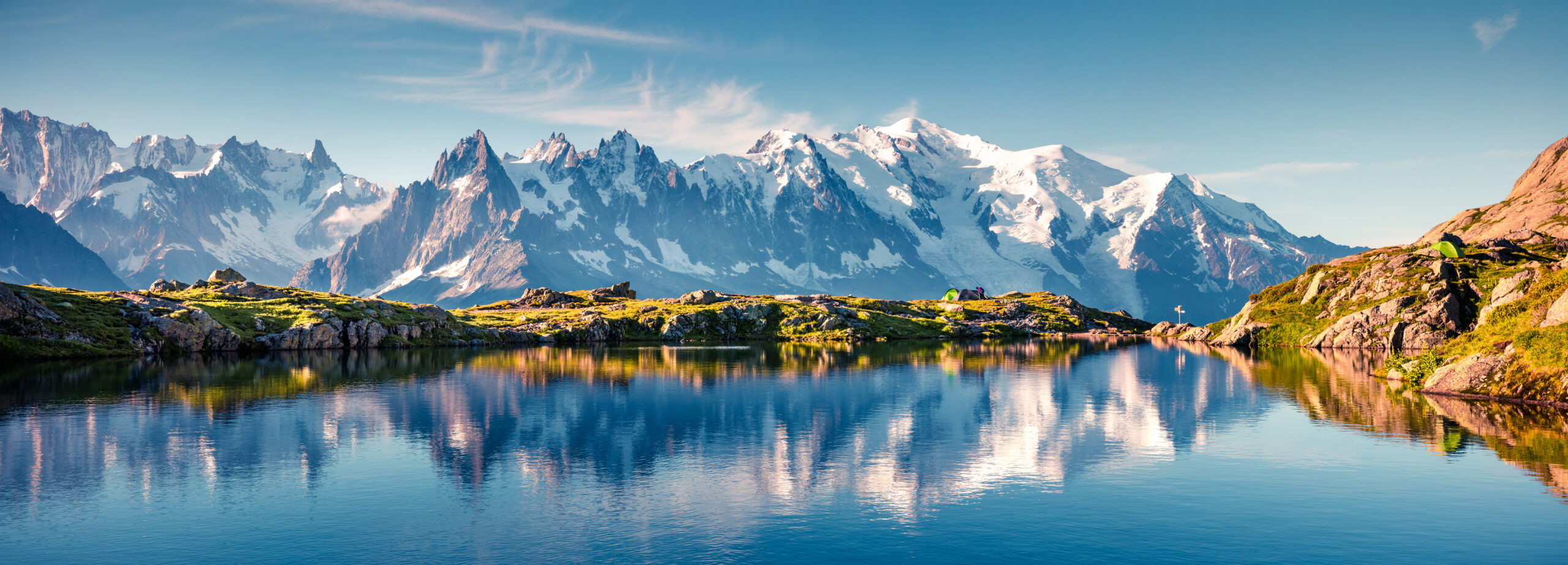
    Mont Blanc massif above an alpine lake, representing current Goûter Route conditions
    HomeMont Blanc › Goûter Route Conditions
    Mont Blanc · Goûter Route · Grand Couloir · September 3, 2026

    Mont Blanc Goûter Route Conditions: Huts Reopened, Rockfall Risk Remains

    Tête Rousse and Refuge du Goûter reopened on August 26, 2026, ending the August municipal closure. The reopening restores normal-route hut access, but it is not a declaration that the Grand Couloir is safe. Saint-Gervais warns that further rockfall or slope collapse remains possible after an exceptionally hot summer.

    reopening confirmed Aug. 26 official hut dates checked Grand Couloir risk retained updated Sept. 3, 2026
    OPENTête Rousse refuge
    OPENGoûter refuge
    Aug. 26reopening date
    Aug. 11closure began
    HIGHrockfall concern
    The direct answer

    The Goûter Corridor Is Operating Again. The Rockfall Warning Did Not Disappear.

    Saint-Gervais authorized the reopening of the Tête Rousse and Goûter refuges from Wednesday, August 26. FFCAM repeated the reopening notice on the official Mont Blanc normal-route reservation portal.

    The reason for the distinction between open and safe matters here. Saint-Gervais states that reopening the refuges does not guarantee the absence of rockfall. The municipality also warns that the massif stored exceptional heat through five heatwaves and that new rockfalls or collapses can still occur.

    For climbers, the practical answer is simple: the August closure has been lifted, but the Grand Couloir remains an objective-hazard decision that must be reassessed immediately before the climb.

    Normal-route hutsAccess restored
    Tête RousseReopened Aug. 26
    Goûter RefugeReopened Aug. 26
    Grand CouloirRockfall still possible
    ReservationsStill compulsory
    Next checkImmediately before departure
    Do not read “reopened” as “cleared of rockfall.” The official reopening notice specifically warns that the same type of rockfall seen in mid-August could recur.
    August 2026

    What Changed Between the Closure and Reopening

    The old page correctly reflected the August 11 emergency closure. That status changed on August 26.

    DateStatusWhat happenedWhat it means now
    Aug. 7–11Major rockfall periodSaint-Gervais described impressive rockfall episodes around the Aiguille du Goûter.The event triggered the municipal response.
    Aug. 11ClosedTête Rousse and Goûter refuges, including winter rooms, were closed because of poor conditions and rockfall danger.Normal-route hut access was interrupted.
    Aug. 11–25Observed periodSaint-Gervais reported no new comparable “flows” of rockfall after the major event.Authorities consulted guides and mountain professionals.
    Aug. 26ReopenedSaint-Gervais permitted Tête Rousse and Goûter to reopen.The administrative closure ended.
    Sept. 3Open, risk remainsFFCAM continues to show the reopening and the staffed 2026 refuge season.Climbers still need current field, weather and hut checks.
    The important update is not that August was “wrong.” The route genuinely went through a closure. The current answer has changed because the municipal order changed.
    Mont Blanc massif in summer, where heat and freeze-thaw conditions influence rockfall on the Goûter Route
    Grand Couloir

    Reopening Does Not Remove the Route’s Defining Hazard.

    The Goûter Route is technically moderate by Alpine standards, but the Grand Couloir places climbers beneath terrain where rockfall can occur with little warning. Summer 2026 pushed that hazard far enough for authorities to close the normal-route refuges.

    Why caution remains

    The Grand Couloir After the August Heat

    La Chamoniarde’s summer warning describes unusual high-mountain conditions after drought, repeated heatwaves and a dry winter and spring.

    Heat storage

    Five Heatwaves Left a Warm Mountain

    Saint-Gervais says the massif accumulated an exceptional amount of heat during five heatwaves. That is why the reopening notice still warns about renewed rockfall or collapse.

    Freeze and thaw

    A Cooler Morning Is Not a Guarantee

    Colder hours may reduce some heat-driven activity, but there is no hour at which the Grand Couloir becomes risk-free. Recent freezing level, overnight recovery and observed rockfall matter more than a fixed clock rule.

    Route traffic

    Exposure Time Still Matters

    Queues, slow parties and delays can keep climbers in the fall line longer. Efficient movement reduces exposure time; it cannot control what happens above the route.

    Turnaround

    Open Does Not Mean You Must Climb

    The strongest reason to change plans is current evidence: active rockfall, poor overnight freeze, unstable weather, slow movement or a guide’s concern. A legal reopening leaves the mountain decision with the climber and guide.

    Read Mont Blanc difficulty and safety →

    Refuge status

    Tête Rousse and Goûter Are Back in Their 2026 Operating Season

    FFCAM’s normal-route portal confirms both the reopening and the regular staffed-season dates.

    Tête Rousse · 3,165 m Reopened Aug. 26

    FFCAM lists Tête Rousse as staffed through October 3, 2026 at 07:00. The regulated normal-route system requires the named reservation and supporting identification.

    Refuge du Goûter · 3,815 m Reopened Aug. 26

    FFCAM lists Refuge du Goûter as staffed through October 4, 2026 at 07:00. A reservation is compulsory; the hut notes that reservations are valid only through the stated arrival rules.

    A bed is not a route clearance. FFCAM explicitly says the administrative reopening of the refuges does not mean the access route is free of risk.
    Before leaving the valley

    What to Check Now That the Closure Is Over

    September can bring cooler rock than August, but it also brings shorter days, colder upper-mountain conditions and faster weather changes.

    CheckWhat you need to knowWhy it mattersBest source
    Municipal statusNo new closure or access restriction.A new order overrides every booking and itinerary.Saint-Gervais / La Chamoniarde
    Grand CouloirRecent rockfall, overnight freeze, warming trend and traffic.This is the route’s defining objective hazard.La Chamoniarde / guides / hut staff
    RefugesReservation, arrival rules and operating status.The normal route is regulated through the hut system.FFCAM Mont Blanc portal
    Upper mountainWind, visibility, fresh snow, hard ice and Bosses Ridge condition.The summit ridge can change quickly after a weather shift.High-mountain forecast / field reports
    TransportTramway and lift schedule.Late-season operating hours can affect the full descent plan.Tramway du Mont-Blanc
    Plan BA real alternate objective that fits current conditions.A booked Mont Blanc date should not force a bad mountain decision.Your guide / local high-mountain office
    Alpine rescue helicopter in high mountain terrain, illustrating the consequences of fast-changing Mont Blanc conditions
    September 2026

    Cooler Weather Can Help the Couloir—and Create New Problems Higher Up.

    September often reduces the sustained heat that drives summer rockfall, but fresh snow, wind, icing and shorter daylight can become the limiting factors. The route still has to be evaluated as one connected ascent and descent.

    Official checks

    Use These Sources Before a Goûter Route Departure

    Current local information should outrank an older route article, cached result or fixed calendar.

    Municipal reopening

    Saint-Gervais

    Confirms the Aug. 26 reopening and repeats the warning that rockfall can return despite the administrative change.

    Open reopening notice →
    Huts and reservations

    FFCAM Mont Blanc Portal

    Confirms the reopening, the staffed-season dates, reservation rules and identity-linked access for the normal route.

    Open FFCAM portal →
    Mountain conditions

    La Chamoniarde

    Use the high-mountain information feed for recent observations, route reports, closures and local professional guidance.

    Open La Chamoniarde →
    Summer 2026 warning

    Unusual High-Mountain Conditions

    La Chamoniarde’s July advisory explains the drought, heatwave and dry-winter background that made several classic routes more delicate.

    Read summer advisory →
    Current answers

    Mont Blanc Goûter Route Conditions FAQ

    Is the Mont Blanc Goûter Route open now?

    The August emergency closure has ended. Tête Rousse and Goûter refuges reopened on August 26, 2026, restoring normal-route hut access. That does not mean the route is hazard-free.

    Why was the Goûter Route closed in August 2026?

    The refuges were closed from August 11 because of poor conditions and serious rockfall activity around the Aiguille du Goûter and Grand Couloir. Saint-Gervais says the major rockfall period occurred from August 7 to 11.

    When did the Goûter huts reopen?

    Saint-Gervais authorized Tête Rousse and Refuge du Goûter to reopen from Wednesday, August 26, 2026.

    Is the Grand Couloir safe after reopening?

    No source can guarantee that. Saint-Gervais explicitly warns that reopening the refuges does not guarantee an absence of rockfall and that further rockfalls or collapses remain possible after the extreme heat of summer 2026.

    Are Tête Rousse and Goûter Refuge currently staffed?

    Yes as of September 3, 2026. FFCAM lists Tête Rousse as staffed through October 3 at 07:00 and Refuge du Goûter through October 4 at 07:00.

    Do I still need a refuge reservation?

    Yes. The regulated Goûter corridor uses compulsory named refuge reservations, and climbers should carry the supporting document and valid identification.

    Does September make the Grand Couloir safer?

    Cooler conditions can reduce sustained heat-driven rockfall, but September can introduce fresh snow, wind, hard ice and shorter daylight. Current observations matter more than the month on the calendar.

    Where should I check immediately before climbing?

    Check Saint-Gervais and La Chamoniarde for closures and current conditions, FFCAM for refuge operations and reservations, the current high-mountain forecast, and your guide or guide company for the final route decision.

    September 3 status

    The August Closure Is Over. The Grand Couloir Still Decides the Day.

    Tête Rousse and Goûter reopened on August 26, restoring the normal-route hut system. The important warning remains unchanged: reopening is administrative, not a guarantee that rockfall has stopped. Check the latest local conditions, hut status and weather immediately before committing to the route.

    ⛰️ Go deeper

    The Goûter isn’t technically hard — it’s conditions that decide it, from the Grand Couloir’s rockfall to the winds on the Bosses Ridge. Check the current Mont Blanc Goûter Route conditions: hut status, the season window, and the live sources to check before you commit.

    Was this helpful?

    Yes
    No
    Thanks for your feedback!
Language »