
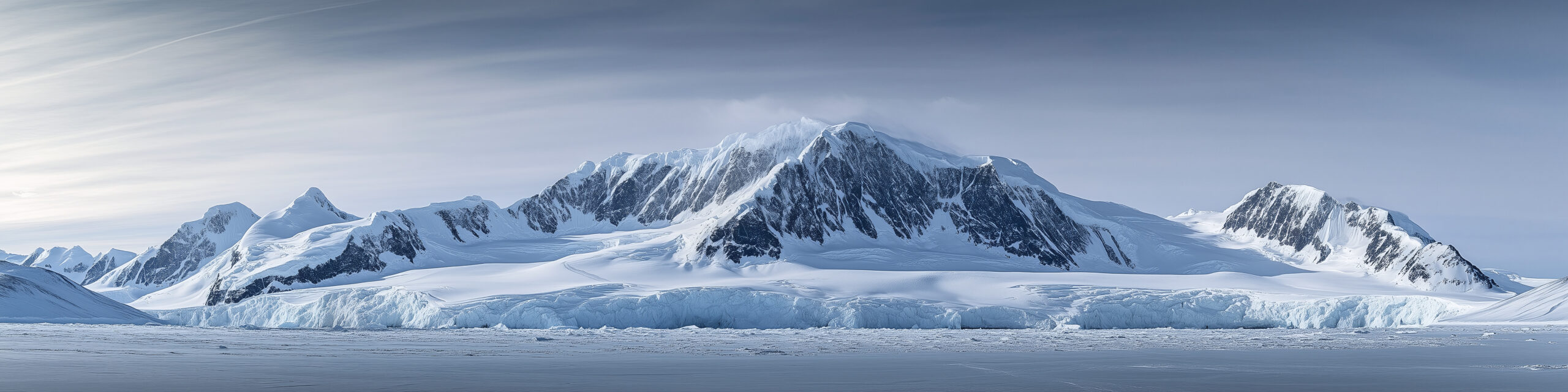
Mount Vinson Expedition Update 2026
The 2026–27 Vinson season has not started yet. Antarctic Logistics & Expeditions currently lists its guided Mount Vinson climb at $57,900 for 12 days, with departures beginning November 26, 2026 and running through January 10, 2027. The standard Branscomb Shoulder Route remains the normal line, but the most unusual part of Vinson is still access: every commercial trip depends on the Antarctic interior logistics system staged through Punta Arenas and Union Glacier.
What Is the Mount Vinson Status for the 2026–27 Season?
The upcoming commercial season is scheduled and bookable. ALE currently shows five departures for the 2026–27 austral summer: November 26, December 7, December 18 and December 30, 2026, plus January 10, 2027.
ALE’s current direct guided product is $57,900 and 12 days. The trip starts with the flight from Punta Arenas to Union Glacier, then moves to Vinson Base Camp before the climb through Low Camp and High Camp.
The published standard route remains the Branscomb Shoulder Route: glacier travel, snow-covered slopes up to about 45 degrees, an exposed high plateau and the summit ridge.
Because the season has not begun as of September 3, this is a planning-status update, not a report of current snow surface, fixed-line condition or summit-day weather. Those operational details will only become meaningful once the season is underway.
Mount Vinson 2026–27 Departure Dates
These are the dates ALE currently publishes for its guided Mount Vinson trip. Availability can change after this page is checked.
How ALE Logistics Actually Work
ALE currently describes itself as the only operator with access to Mount Vinson. That is the defensible version of the logistics story.
Punta Arenas
The commercial staging city. ALE’s current trip includes airport transfers in Punta Arenas and the round-trip Antarctica flight, but not commercial flights to Chile or Punta Arenas hotels/meals.
Union Glacier
The interior logistics hub and first Antarctic stop on ALE’s 12-day itinerary.
Vinson Base Camp
The itinerary moves from Union Glacier to Vinson Base Camp, where climbers acclimate to Antarctic conditions and review skills.
Low Camp → High Camp
The climbing itinerary then moves via the Branscomb Glacier to Low Camp, High Camp and the summit before returning to Base Camp and Union Glacier.
Mount Vinson Cost: Start With $57,900, Then Add the Exclusions
This page does not try to maintain a second multi-operator cost database. It uses ALE’s current direct product as the live reference point.
$57,900
Current published price for ALE’s 12-day guided Mount Vinson climb.
That number already includes the expensive Antarctica flight and on-continent expedition services listed by ALE. Your true trip budget will still be higher because several important costs sit outside the product price.
For guide-company comparisons and a full budget model, use the dedicated Vinson Massif Cost Guide.
What the Current ALE Price Includes—and What It Does Not
| Item | Status | Current ALE wording / planning implication |
|---|---|---|
| Punta Arenas airport transfers | Included | Included within Punta Arenas for the ALE program. |
| Round-trip flight to Antarctica | Included | The high-cost air access from Punta Arenas is part of the guided trip price. |
| Antarctic meals + tented accommodation | Included | Applies to the Antarctica portion of the trip. |
| Antarctic guides + lecturers | Included | Included in ALE’s current direct guided product. |
| Checked luggage | Included | Up to 55 lb / 25 kg plus skis under current published terms. |
| Commercial flights to Punta Arenas | Excluded | Budget separately from your home airport. |
| Punta Arenas hotels + meals | Excluded | Plan staging accommodation and food before/after Antarctica. |
| Personal equipment + clothing | Excluded | Polar mountaineering gear can materially increase the total trip budget. |
| Expenses caused by delays | Excluded | Keep a cash and schedule reserve for weather-related disruption. |
| Insurance | Excluded | Medical, evacuation and other insurance are not included in ALE’s list price. |
| Satellite-phone charges | Excluded | Communication usage is separate. |
The 12-Day Branscomb Shoulder Itinerary
ALE currently describes the standard route as gentle glacier travel, snow slopes up to about 45 degrees, an exposed high plateau and a summit ridge.
Cold and Weather Still Matter More Than the Elevation Number Suggests
Vinson is lower than several other Seven Summits, but its polar environment changes the consequences of ordinary expedition problems.
Prepare for -40°F / -40°C
ALE’s Vinson Base Camp information tells climbers to prepare for temperatures down to approximately -40°F (-40°C) and possible severe storms higher on the mountain.
That does not mean every summit day reaches -40. It means the clothing, hand, foot, sleep and emergency systems need to tolerate a true polar worst-case environment.
The Schedule Is a Framework, Not a Guaranteed Clock
ALE publishes a 12-day itinerary, but Antarctic aviation and mountain movement remain weather-sensitive. Its published exclusions specifically include expenses incurred because of delays.
Build financial and calendar margin beyond the printed itinerary rather than booking a fragile connection immediately after the expected return.
Do You Need a Permit to Climb Mount Vinson?
The old version oversimplified the U.S. process. Antarctic regulation works through treaty obligations implemented by individual countries.
No Single Antarctic-Wide Vinson Permit
There is no one Antarctic park office selling an individual Mount Vinson climbing permit. Tourism and non-governmental expeditions operate under the Antarctic Treaty system, the Environmental Protocol and national implementing laws.
Organizers may need environmental review, advance notification, contingency planning and other authorization depending on the country responsible for the expedition.
Your Operator Usually Handles the Expedition Authorization
For most passengers on organized Antarctic trips, the practical question is whether the expedition organizer has completed the required authorization and advance-notification process—not whether you personally buy a summit permit.
Nationality-specific rules can still apply, so confirm with the operator and the competent authority for your citizenship.
Private Trips vs Organized Trips
The U.S. State Department says U.S. tourists planning a private Antarctic trip must notify the Department of State at least three months in advance. For a reputable organized trip, tourists can usually expect the expedition organizer to handle advance notification, but State recommends confirming that it has done so.
U.S.-based nongovernmental operators also have Antarctic environmental-assessment obligations administered through EPA regulations.
Operator Authorization Can Cover the Passenger
UK guidance says a passenger on an organized Antarctic visit is unlikely to need an individual permit because the tour operator would usually arrange it. An expedition authorized in writing by another Antarctic Treaty contracting party may also fall outside a separate UK permit requirement.
Use this as an example of why the answer depends on expedition organization and nationality.
Mount Vinson 2026–27 Booking Checklist
| Question | Why it matters | Where to verify |
|---|---|---|
| Is my preferred departure still available? | ALE availability can change after this page is checked. | ALE current Mount Vinson page. |
| What exactly is my operator price? | An outside guide company may package ALE access differently. | Written operator quote + Vinson cost guide. |
| What is excluded from the price? | Chile staging, gear, insurance and delays can materially raise the total. | Operator inclusions/exclusions. |
| What insurance is required? | ALE currently excludes insurance; your operator may specify minimum evacuation/medical coverage. | ALE + operator written requirements. |
| What is my luggage allowance? | ALE currently publishes 25 kg checked luggage plus skis in the guided-product inclusions. | ALE current trip terms. |
| What technical skills must I arrive with? | Vinson is a glacier expedition, not a beginner trekking route. | Guide/operator prerequisites + main Vinson guide. |
| Who is handling Antarctic authorization? | National rules and expedition organization determine the process. | Operator + citizenship authority. |
| How much schedule reserve do I have? | Weather can affect Antarctic flights and climbing days. | Your flight plan and work/family commitments. |
Where to Check Mount Vinson Before You Book
Antarctic Logistics & Expeditions
The primary source for the $57,900 guided product, 12-day itinerary, current departure dates, route summary and current inclusions/exclusions.
Check ALE Mount Vinson →ALE Company Information
ALE currently describes itself as the only operator with access to Mount Vinson.
Check ALE company →Antarctic Treaty System
Use for tourism guidelines, environmental principles and the framework governing non-governmental activities in Antarctica.
Check Antarctic Treaty tourism rules →Your National Competent Authority
U.S. travelers should check State Department/EPA guidance; UK travelers should check current FCDO Antarctic permit guidance. Other nationalities should use their own Antarctic authority.
U.S. Antarctica guidance →Mount Vinson Planning Guides
Mount Vinson Climbing Guide
Full route, camps, skills, gear, training, weather and safety planning.
Open the complete Vinson guide →BudgetVinson Massif Cost Guide
Multi-operator pricing and a deeper total-trip budget.
Open cost guide →OperatorsMount Vinson Operators
Compare guide companies using ALE access and Antarctic logistics.
Compare operators →DataVinson Summit Success Rate
Keep outcome statistics separate from current logistics and pricing.
See success data →ProgressionWhat to Climb Before Vinson
Choose precursor climbs that build glacier, cold and expedition competence.
Build progression →Training24-Week Vinson Training Plan
Prepare for sled hauling, cold, repeated carries and expedition endurance.
Open training plan →SkillsGlacier Travel Basics
Roped glacier movement should be familiar before Antarctica.
Review glacier travel →SkillsCrevasse Rescue Basics
Build the rescue systems behind a competent glacier team.
Review crevasse rescue →WeatherMountain Weather for Climbers
Understand how wind, temperature and forecast uncertainty affect expedition decisions.
Read weather guide →Mount Vinson 2026 FAQ
How much does Mount Vinson cost in 2026?
ALE currently lists its guided Mount Vinson trip at $57,900 for 12 days. That is not an all-in personal trip cost because commercial travel to Punta Arenas, Chile accommodation and meals, personal equipment, insurance, delay expenses and other listed items are excluded.
When are the 2026 Mount Vinson departures?
ALE currently lists November 26, December 7, December 18 and December 30, 2026, plus January 10, 2027. All five were shown available when checked September 3, 2026.
How long is the ALE Mount Vinson expedition?
ALE currently publishes a 12-day itinerary from the flight to Union Glacier through the Vinson climb and return to Chile.
What route does ALE use?
The Branscomb Shoulder Route. ALE describes gentle glacier terrain, snow-covered slopes up to about 45 degrees, an exposed high plateau and the summit ridge.
Is ALE the only way to access Mount Vinson?
ALE currently describes itself as the only operator with access to Mount Vinson. Other guide companies can sell and guide Vinson expeditions, but their Antarctic interior access relies on the ALE logistics system.
What does the $57,900 include?
ALE currently includes Punta Arenas airport transfers, round-trip flight to Antarctica, Antarctic meals and tented accommodation, Antarctic guides and lecturers, a celebration/certificate and checked luggage up to 25 kg plus skis.
What is not included?
Commercial flights to and from Punta Arenas, transfers outside Punta Arenas, meals and accommodation in Punta Arenas, personal equipment and clothing, delay expenses, excess luggage, satellite-phone charges and insurance are among ALE’s current exclusions.
Do I need a permit to climb Mount Vinson?
There is no single Antarctic-wide park-style Vinson climbing permit purchased by every climber. Expeditions operate under Antarctic Treaty environmental rules and national implementing law. On organized commercial trips, the operator usually handles expedition authorization and notification, but travelers should confirm nationality-specific requirements.
How cold is Mount Vinson?
ALE says climbers should prepare for temperatures down to approximately -40°F (-40°C) and possible severe storms higher on the mountain.
Where does the expedition start?
The commercial staging point is Punta Arenas, Chile. ALE’s itinerary then flies to Union Glacier before moving to Vinson Base Camp.
The Next Vinson Season Starts November 26.
The current reference point is clear: ALE lists a $57,900 guided climb, a 12-day itinerary and five departures across the 2026–27 austral summer. Before paying, verify live availability, the exact inclusions in your operator contract, insurance, Antarctic authorization and enough financial and calendar margin for weather disruption.
Vinson Update & the Peaks of Antarctica
Vinson is Antarctica’s Seven Summit. See the wider polar collection and the continent’s other objectives below.