
Mountaineering Education & Courses: How to Start Your Climbing Journey with Beginner Techniques and Safety Training
By Travis Ludlow, Global Summit Guide
Embarking on a mountaineering journey can be both exhilarating and daunting. This comprehensive guide aims to equip aspiring climbers with essential knowledge about mountaineering education, beginner techniques, and safety training. Understanding the fundamentals of climbing not only enhances your skills but also ensures your safety in challenging environments. Many newcomers face uncertainty regarding where to start and how to prepare for their first climbing adventure. This article will explore various educational resources, essential techniques for beginners, and critical safety training necessary for a successful climbing experience. We will also cover planning your first climbing trip, the necessary safety equipment, and common risks associated with mountaineering.
Indeed, the importance of thorough preparation cannot be overstated, as many aspiring climbers underestimate the challenges and risks involved in mountain expeditions. Beginner climbing guide
Mountaineering Readiness: Skills, Safety & Training for Beginners
A key “watch item” was identified by McDonald et al. (2015) in a study conducted in Nepal that a growing number of tourists arrive largely unprepared for mountain expedition thinking it is simply “a holiday.” They lack awareness and understanding of altitude risks, hypothermia, wind-chill, weather conditions and exposure. At high altitude, mountaineering risk due to lack of skillsets, experience and preparedness can result in tragedy (e.g., accidents, injuries and death). This review aims to move this idea forward by identifying readiness strategies and competencies of high-altitude mountaineers. Climbing-specific challenges are summarized and individual competencies for physical, technical and mental readiness
Preparedness and Peak Performance for Mountaineering Tourists, 2023
Mountaineering Education & Courses
Mountaineering education is vital for anyone looking to explore the mountains safely and effectively. Various courses are available, ranging from basic climbing skills to advanced mountaineering techniques. These courses often cover essential topics such as navigation, weather assessment, and emergency preparedness. Choosing the right course can significantly impact your climbing journey, as it provides the foundational knowledge needed to tackle different terrains and conditions.
The comprehensive nature of these courses is further emphasized by the detailed curricula developed for instructors, ensuring a high standard of education.
Mountaineering & Climbing Instructor Training Curriculum
Training & performance (climbing), Methodology and didactics (in mountaineering and climbing specialities), Professional development (all specialities) and Mountain environment (all specialities) are key areas within the curriculum for mountaineering, climbing and winter sports instructors.
Curriculum for mountaineering, climbing and winter sports instructors in Spain. A critical approach according to key stakeholders, J Sans-Osanz, 2024
Beginner Techniques
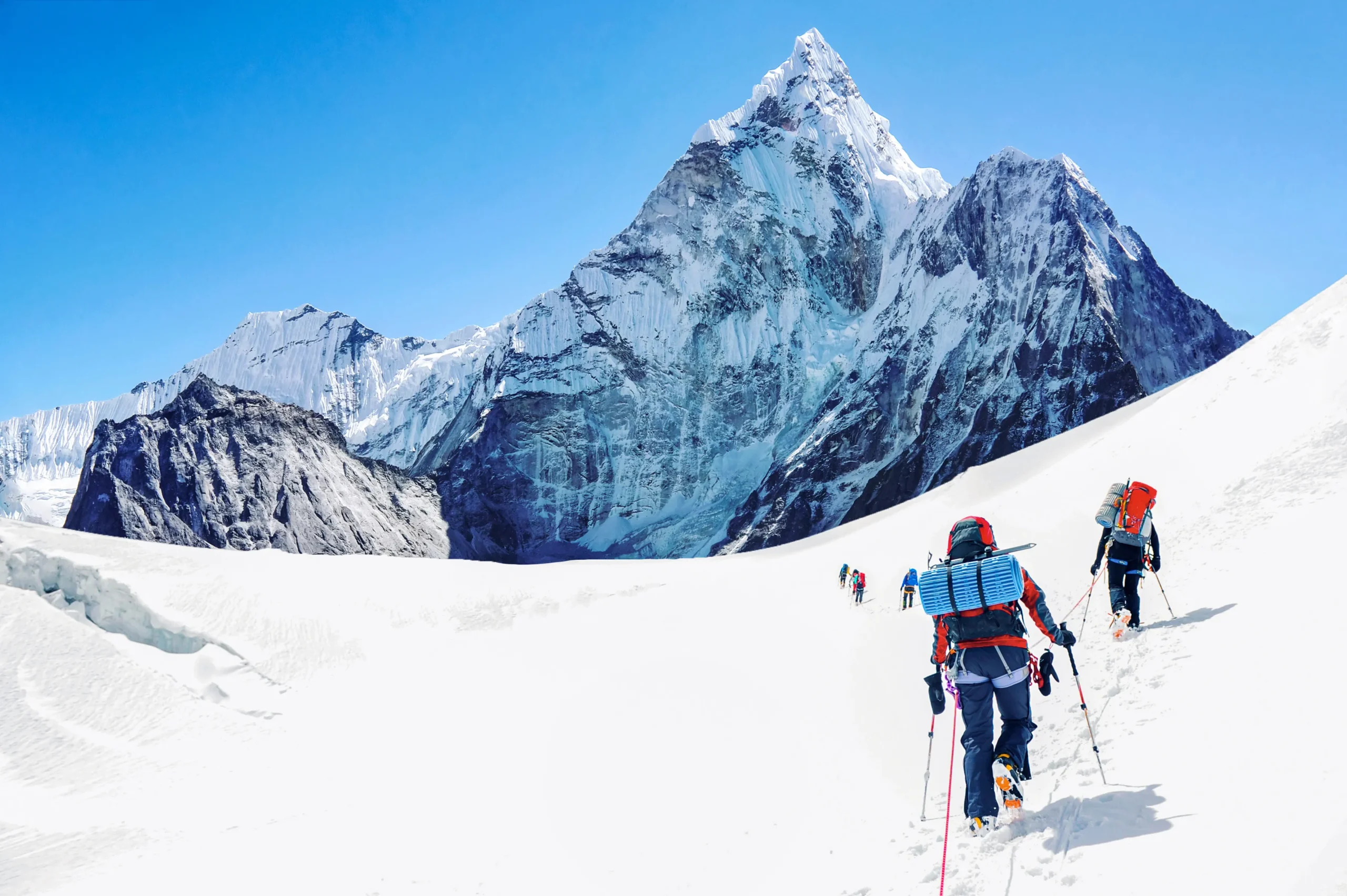
Mastering beginner techniques is crucial for new climbers to build confidence and competence in the mountains. These techniques include proper foot placement, body positioning, and the effective use of climbing equipment. Understanding these fundamentals will help you navigate various climbing scenarios safely and efficiently.
How to Master Basic Alpine Climbing Skills Safely
To master basic alpine climbing skills, focus on the following key areas:
- Safety Awareness: Always prioritize safety by understanding the risks involved in climbing and how to mitigate them.
- Basic Climbing Techniques: Learn essential techniques such as the proper way to ascend and descend, as well as how to use climbing gear effectively.
- Emergency Preparedness: Familiarize yourself with emergency protocols and how to respond to unexpected situations while climbing.
These foundational skills will prepare you for more advanced climbing challenges and ensure a safer experience in the mountains.
Essential Safety Training
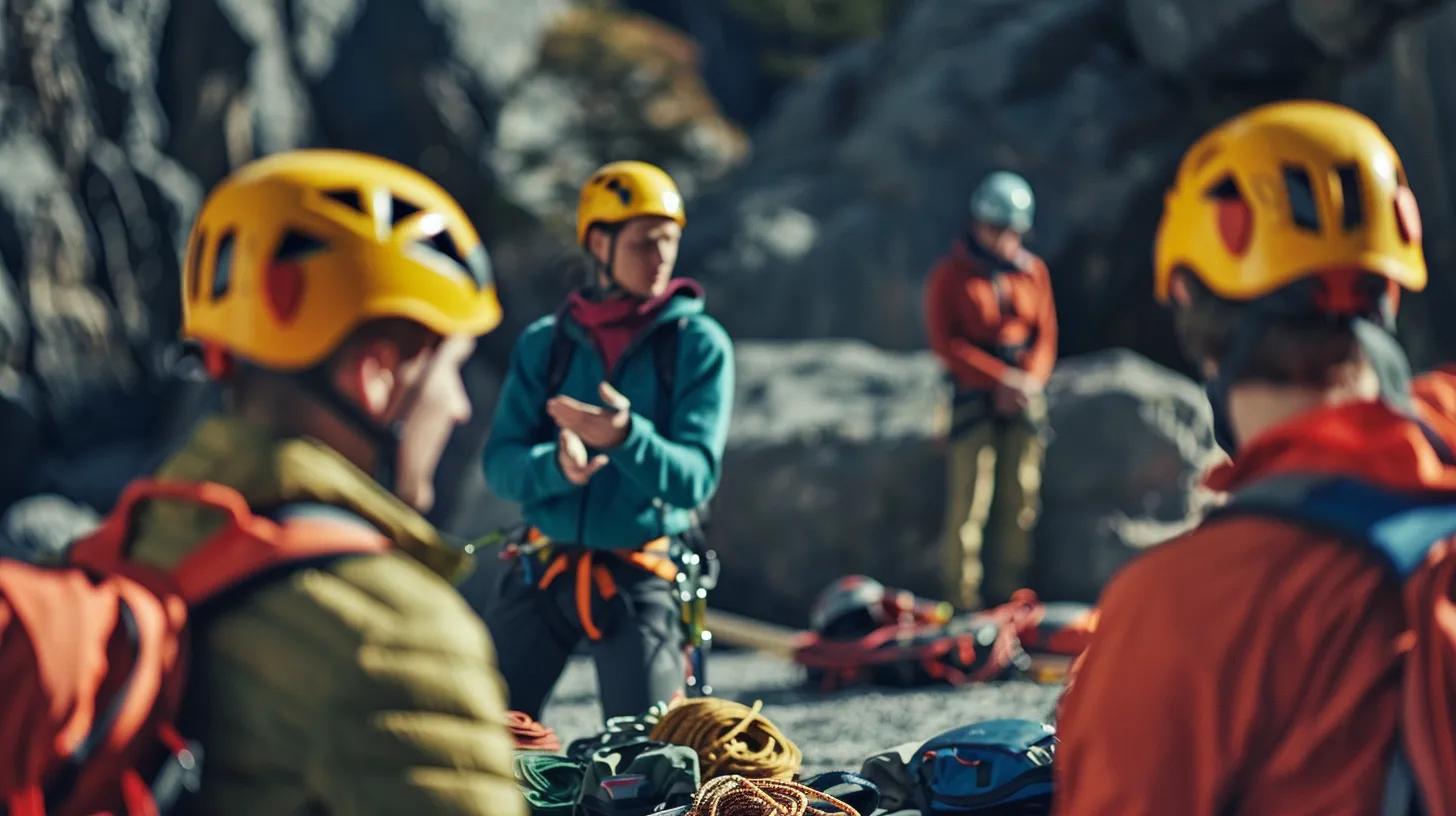
Safety training is a critical component of mountaineering education. It encompasses various aspects, including weather awareness, emergency preparedness, and risk management. Understanding how to assess weather conditions and prepare for emergencies can make a significant difference in your climbing experience.
Ultimately, a climber’s safety is intrinsically linked to their knowledge, skills, and proactive engagement in specialized safety and first aid training.
Essential Climbing Safety & First Aid Training
For example, a climber’s safety is dependent on his or her knowledge, skills, and abilities. Safe climbing requires risk awareness, and individual responsibility. Motivated climbers can seek specialized instruction in climbing safety and first aid programs to enhance their knowledge and skills.
Rock climbers’ self-perceptions of first aid, safety, and rescue skills, 2002
Foundational Skills for New Climbers
New climbers should focus on developing several foundational skills to enhance their climbing capabilities. These skills include:
- Physical Conditioning: Building strength and endurance is essential for tackling challenging climbs.
- Mental Resilience: Developing mental toughness helps climbers cope with the psychological demands of mountaineering.
- Decision-Making Skills: Learning to make quick and informed decisions is crucial in high-pressure situations.
These skills will not only improve your climbing performance but also contribute to your overall safety in the mountains.
Planning Your First Climbing Trip
Planning your first climbing trip involves several key considerations to ensure a successful and enjoyable experience. Start by choosing the right climbing objective that matches your skill level and physical condition. Next, develop a detailed itinerary that includes logistics such as transportation, accommodation, and food supplies. Additionally, consider acclimatization strategies to help your body adjust to higher altitudes, which is crucial for safety and performance.
For those looking for guidance, Information Hub offers a range of certified mountaineering courses that provide comprehensive climbing education tailored to various skill levels. These courses can help you gain the necessary knowledge and confidence to embark on your climbing journey.
Safety Equipment
Having the right safety equipment is essential for any climbing expedition. Key items include:
- Helmet: Protects your head from falling debris and impacts.
- Harness: Ensures safety while climbing and rappelling.
- Navigation Tools: Essential for route finding and ensuring you stay on track.
Investing in high-quality safety equipment can significantly enhance your climbing experience and reduce the risk of accidents.
Common Risks and Mitigation
Mountaineering comes with inherent risks that every climber should be aware of. Common risks include unpredictable weather, altitude sickness, and equipment failure. To mitigate these risks, climbers should:
- Monitor Weather Conditions: Stay informed about changing weather patterns and be prepared to adjust your plans accordingly.
- Plan for Altitude: Gradually acclimatize to higher altitudes to minimize the risk of altitude sickness.
- Know Your Limits: Understand your physical and mental limits to avoid overexertion and potential accidents.
By being proactive about these risks, climbers can enjoy a safer and more rewarding mountaineering experience.
Resources for Beginners
Numerous resources are available for new climbers looking to enhance their skills and knowledge. These include:
- Online Climbing Websites: Offer valuable information on techniques, gear, and safety.
- Local Outdoor Stores: Provide expert advice and equipment tailored to your climbing needs.
- Climbing Apps: Help track your progress and connect with other climbers.
Utilizing these resources can significantly improve your climbing journey and help you stay informed about best practices and safety measures.
For those interested in guided experiences, Global Summit Guide offers a variety of options.
When planning your trip, consider using trip planning resources to ensure a smooth and safe adventure.
Understanding gear safety is paramount for any mountaineering endeavor.
Related posts:
 Altitude Acclimatization Explained: The Science Behind “Climb High, Sleep Low”
 The 8-Month Training Plan for Everest Base Camp and Beyond
 How to Acclimatize for High Altitude Climbing:
 Breathing Techniques for High-Altitude Climbing That Actually Work
 Gasherbrum I Acclimatization Strategy
 Mountain Climbing Insurance: What You Actually Need
Leave a Reply