
Last updated March 10, 2026
Best Mountaineering Boots: Complete Guide and Reviews 2025
Choosing the right mountaineering boots is crucial for any climber, as they directly impact performance, safety, and comfort on the mountain. In 2025, the market offers a variety of options, each designed to meet specific needs and conditions. This comprehensive guide will explore the key types and materials of mountaineering boots, how they affect performance, and the latest technologies in insulation and waterproofing. Additionally, we will review the best practices for fit and sizing, ensuring that you find the perfect pair for your next adventure. By understanding the nuances of mountaineering boots, you can make an informed decision that enhances your climbing experience.
This article will cover essential topics, including the types of mountaineering boots available, the impact of materials on performance, and the latest advances in insulation and waterproofing technologies. We will also discuss how to choose the right boot size and care for your boots to extend their lifespan. Finally, we will review the top brands and models in 2025, providing insights into their features and user experiences.
The rigorous evaluation of such equipment under real-world conditions has long been a cornerstone of ensuring reliability and safety for climbers.
Mountaineering Equipment Testing & Performance Evaluation
Pursuant to a request from US Army Natick Laboratories, the Arctic Institute of North America carried out testing and evaluation of certain commercially available mountaineering equipment, considered by the project investigator to be the best available on the commercial market today. This equipment was tested under varying climatic conditions and extremes in the St. Elias Mountains of the southwestern Yukon Territory, Canada.
Mountaineering Equipment Evaluation, 1972
What Are the Key Types and Materials of Mountaineering Boots in 2025?
Mountaineering boots are categorized into several types based on their intended use and the materials used in their construction. The primary types include:
- Alpine Boots: Designed for technical climbing, these boots offer a stiff sole for optimal support and precision.
- Expedition Boots: Built for extreme conditions, these boots provide insulation and are compatible with crampons for ice climbing.
- Approach Shoes: These versatile shoes are suitable for hiking to climbing routes, offering comfort and grip on varied terrain.
The materials used in mountaineering boots significantly influence their performance and durability. Common materials include leather, synthetic fabrics, and rubber. Leather offers excellent durability and water resistance, while synthetic materials are lighter and often provide better breathability. Rubber soles, such as those made from Vibram, enhance traction on rocky surfaces.
How Do Boot Materials Affect Performance and Durability?
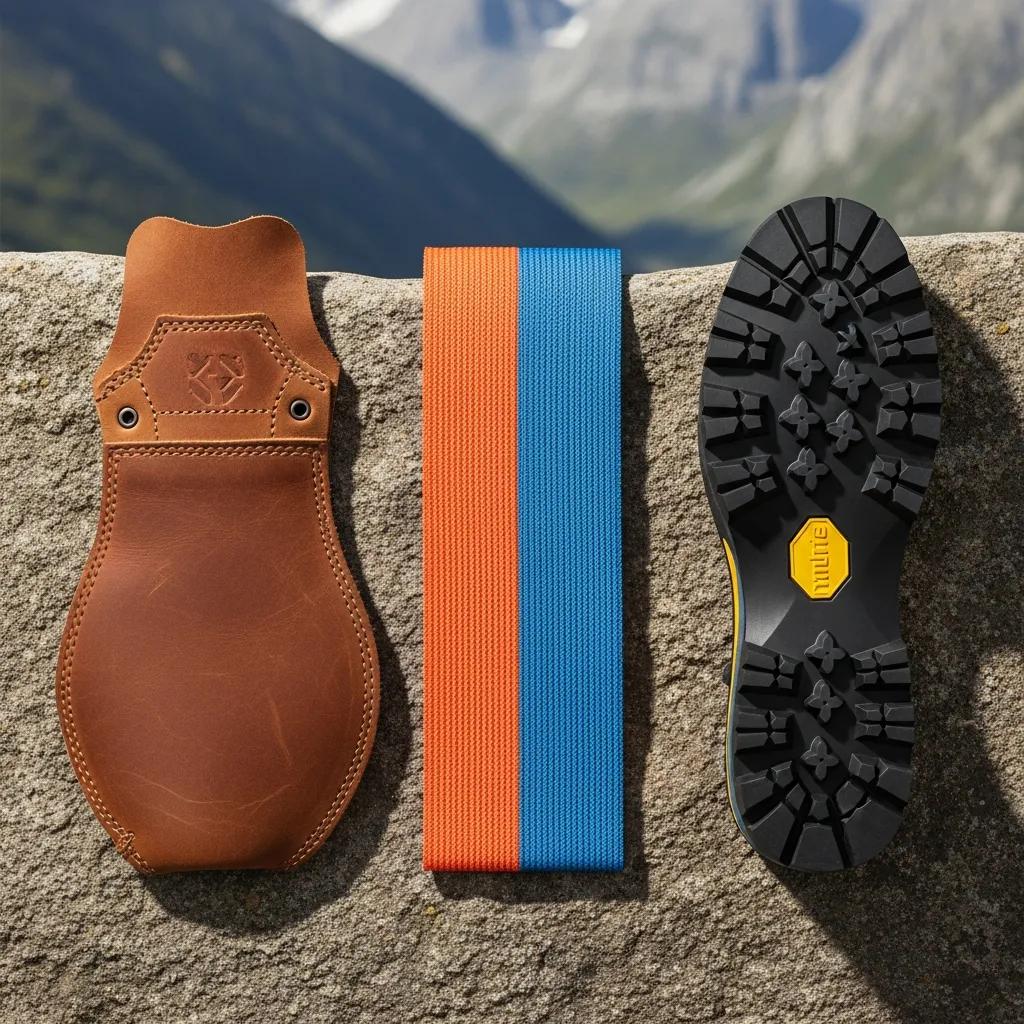
The choice of materials in mountaineering boots directly impacts their performance and longevity. For instance, leather boots tend to be more durable and provide better insulation, making them ideal for cold weather conditions. However, they can be heavier and less breathable than synthetic options.
Synthetic materials, on the other hand, are often lighter and dry faster, which can be advantageous in wet conditions. They also tend to be more flexible, allowing for greater comfort during long hikes. However, they may not offer the same level of insulation as leather boots.
Ultimately, the best choice depends on the specific conditions you expect to encounter and your personal preferences regarding weight, comfort, and durability.
Which Boot Types Suit Different Mountaineering Activities?
Selecting the right boot type is essential for various mountaineering activities. Here’s a breakdown of which boots are best suited for specific climbing scenarios:
- Alpine Climbing: Stiff alpine boots are recommended for technical ascents, providing the necessary support and precision for challenging climbs.
- Ice Climbing: Insulated expedition boots are ideal for ice climbing, as they offer warmth and compatibility with crampons.
- Mixed Terrain: For routes that involve both hiking and climbing, approach shoes or flexible boots can provide the comfort and grip needed for varied surfaces.
Understanding the specific requirements of your climbing activity will help you choose the most suitable boot type.
How Do Insulation and Waterproofing Technologies Enhance Mountaineering Boots?
Insulation and waterproofing are critical features in mountaineering boots, enhancing their performance in harsh conditions. Insulation technologies, such as Thinsulate, provide warmth without adding excessive weight, making them ideal for cold weather climbs. These materials trap heat while allowing moisture to escape, keeping your feet warm and dry.
Further research highlights the critical role of advanced polymeric materials in optimizing both the thermal and ergonomic properties of mountaineering footwear.
Polymeric Materials for Mountaineering Boot Comfort & Insulation
The study of the influence on mechanical, thermal and ergonomic properties of advanced polymeric materials used to produce outdoors gear and footwear has been the topic of the present PhD thesis. The study has addressed several aspects of ergonomics, safety and mechanical properties of sport equipment: – The evaluation of thermo-physiological comfort of soft-shell back protectors, investigating how design and materials can affect moisture management and heat loss. Heat retention has been identified using infrared thermography. Testers have answered a questionnaire to take into account their subjective sensations.- The effect of liners used in ski boots. Three different ski boot liners have been tested to evaluate the insulating behaviour and the moisture management capability of the materials used.
High Performance Polymeric Materials for Sport Equipment, Functional Clothing and Footwear: Interactions of Materials, Human Body and Environment in Terms of …, 2017
Waterproofing technologies, such as Gore-Tex, create a barrier against water while maintaining breathability. This is essential for keeping feet dry during wet conditions, which can significantly impact comfort and safety on the mountain. The combination of insulation and waterproofing ensures that climbers can focus on their ascent without being hindered by cold or wet feet.
The continuous evolution of functional finishes further underscores their importance in enhancing the overall comfort and protective capabilities of outdoor footwear.
Functional Finishes for Outdoor Footwear Comfort & Performance
Outdoor textiles provide protection, comfort, and functionality during various outdoor activities. This chapter explores the importance of functional treatments in enhancing outdoor textiles’ performance to meet consumers’ evolving demands and the challenges of modern lifestyles. Functional treatments such as moisture-wicking, thermoregulation, UV protection, antimicrobial properties, and durable water-repellent (DWR) coatings are crucial for creating high-performance fabrics that offer environmental protection, improved comfort, and enhanced user experience.
Enhancing Comfort Through Functional Finishes in Outdoor Textiles, 2025
What Are the Latest Advances in Lightweight Insulation?
Recent advancements in lightweight insulation technologies have transformed the design of mountaineering boots. Innovations such as Aerogel and advanced synthetic fibers provide exceptional warmth-to-weight ratios, allowing for lighter boots that do not compromise on insulation. These materials are designed to trap air effectively, providing warmth while minimizing bulk.
Additionally, manufacturers are increasingly focusing on sustainable materials, which not only reduce environmental impact but also enhance the overall performance of the boots. As technology continues to evolve, climbers can expect even more efficient and effective insulation options in the coming years.
How Does Waterproofing Impact Safety and Comfort?
Waterproofing plays a vital role in ensuring both safety and comfort during mountaineering. A well-designed waterproof boot prevents water from entering while allowing moisture from sweat to escape. This balance is crucial for maintaining foot health and comfort during long climbs.
Inadequate waterproofing can lead to wet feet, increasing the risk of blisters and frostbite in cold conditions. Furthermore, wet boots can become heavy and cumbersome, affecting overall performance. Therefore, investing in high-quality waterproofing technologies is essential for any serious mountaineer.
What Are the Best Practices for Fit and Sizing of Mountaineering Boots?
Achieving the right fit and sizing for mountaineering boots is crucial for comfort and performance. Here are some best practices to consider:
- Try Before You Buy: Always try on boots with the socks you plan to wear while climbing. This ensures a more accurate fit.
- Check for Toe Space: Your toes should lightly touch the front of the boot when standing, but not be cramped. This allows for proper circulation and comfort during descents.
- Heel Fit: Ensure that your heel is snug in the boot to prevent slipping, which can lead to blisters.
A proper fit is essential for maximizing performance and minimizing discomfort on the mountain.
How to Measure and Choose the Right Boot Size for Alpine Conditions?
Measuring your foot accurately is the first step in choosing the right boot size. Here’s how to do it:
- Foot Length: Stand on a piece of paper and trace your foot. Measure the longest distance from heel to toe.
- Width Measurement: Measure the widest part of your foot to determine the width.
- Sizing Charts: Use the measurements to consult sizing charts provided by manufacturers, as sizes can vary between brands.
Choosing the right size is particularly important for alpine conditions, where a snug fit can enhance control and reduce the risk of injury.
What Are Common Fit Issues and How to Address Them?
Common fit issues in mountaineering boots include:
- Heel Slippage: This can be addressed by trying different lacing techniques or using thicker socks.
- Toe Cramping: If your toes feel cramped, consider a half size up or a different model with a wider toe box.
- Arch Support: If you experience discomfort in the arch, custom insoles can provide additional support.
Addressing these fit issues early can prevent discomfort and enhance your climbing experience.
Which Mountaineering Boots Are Compatible with Crampons and Why Does It Matter?
Compatibility with crampons is a crucial factor when selecting mountaineering boots. Crampons are essential for providing traction on ice and snow, and not all boots are designed to accommodate them. Here are the key considerations:
- Rigid Soles: Boots with stiffer soles are generally more compatible with crampons, providing better support and stability.
- Attachment Points: Ensure that the boot has the necessary attachment points for the type of crampon you plan to use.
- Fit: A snug fit is essential to ensure that the crampon remains securely attached during use.
Choosing boots that are compatible with crampons enhances safety and performance on icy terrain.
What Types of Crampons Are Available and Their Compatibility Features?
Crampons come in various types, each designed for specific conditions and boot compatibility:
- 12-Point Crampons: Ideal for general mountaineering and mixed terrain, providing good traction on snow and ice.
- 10-Point Crampons: Suitable for less technical climbs, offering a balance between weight and performance.
- Automatic Crampons: Designed for rigid-soled boots, these crampons provide a secure fit and are ideal for technical climbing.
Understanding the different types of crampons and their compatibility with your boots is essential for safe climbing.
How to Ensure Secure Crampon Attachment for Safety?
To ensure a secure attachment of crampons, follow these guidelines:
- Check Fit: Ensure that the crampon fits snugly against the boot sole without any gaps.
- Tighten Straps: Make sure all straps are tightened properly to prevent movement during use.
- Regular Inspections: Regularly inspect the crampons for wear and tear, replacing any damaged components.
A secure attachment is vital for safety, especially on steep or icy terrain.
How Should You Care for and Maintain Your Mountaineering Boots?
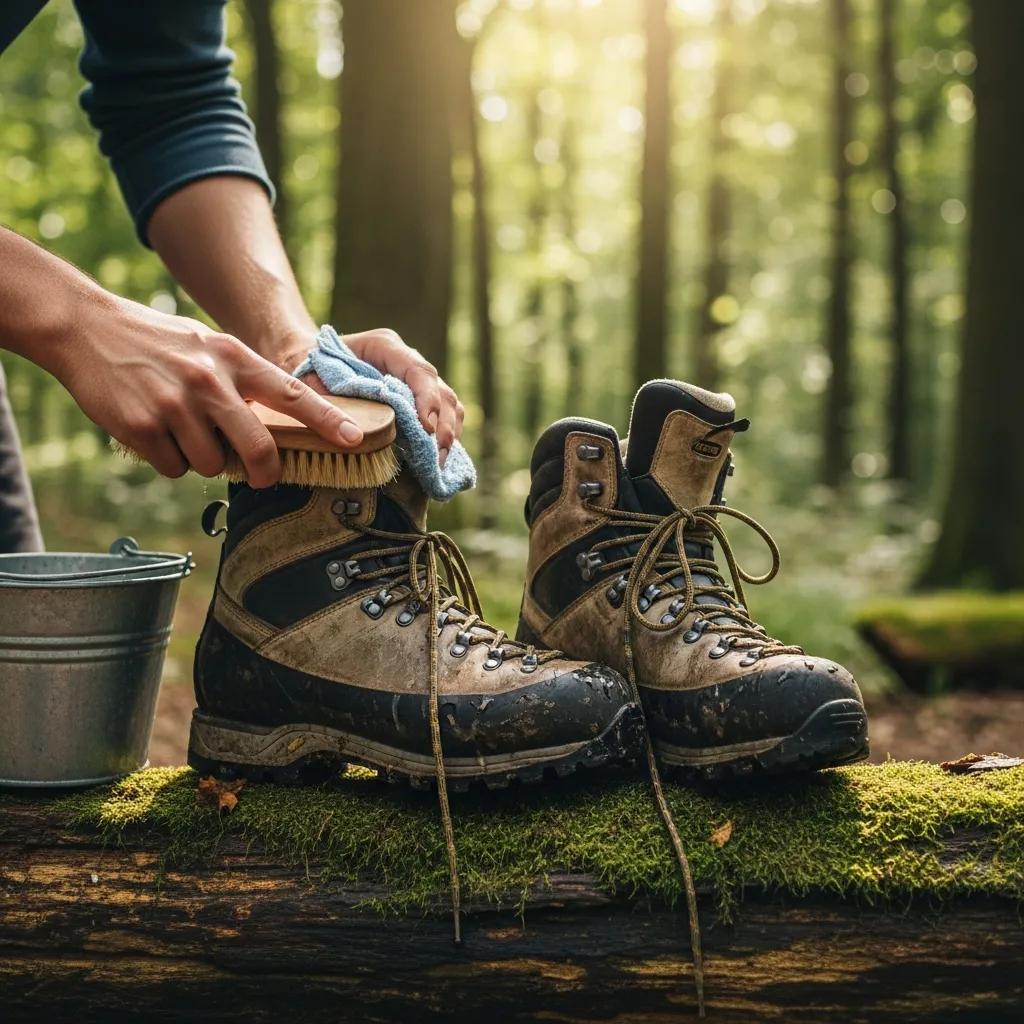
Proper care and maintenance of mountaineering boots can significantly extend their lifespan. Here are some best practices:
- Cleaning: After each use, clean the boots with a damp cloth to remove dirt and debris. Avoid using harsh chemicals that can damage materials.
- Drying: Allow boots to dry naturally at room temperature. Avoid direct heat sources, as they can warp the materials.
- Storage: Store boots in a cool, dry place, and consider using boot trees to maintain their shape.
Regular maintenance not only prolongs the life of your boots but also ensures optimal performance on the mountain.
What Cleaning and Storage Practices Extend Boot Lifespan?
To extend the lifespan of your mountaineering boots, consider the following cleaning and storage practices:
- Use a Soft Brush: Gently brush off dirt and mud after each use to prevent buildup.
- Waterproofing Treatments: Apply waterproofing treatments periodically to maintain water resistance.
- Avoid Compression: Store boots upright and avoid stacking heavy items on top to prevent deformation.
Implementing these practices will help keep your boots in top condition for many climbs to come.
How to Perform Repairs and When to Replace Boots?
Knowing how to perform basic repairs can save your boots from premature retirement. Here are some tips:
- Sole Repairs: If the sole begins to separate, use a strong adhesive designed for footwear to reattach it.
- Upper Repairs: Small tears in the upper can often be patched with specialized repair tape.
- Replacement Signs: If the boots show significant wear, such as deep cracks or loss of insulation, it may be time to replace them.
Regularly assessing the condition of your boots will help you determine when repairs are necessary and when it’s time for a new pair.
Which Are the Top Mountaineering Boot Brands and Models in 2025?
In 2025, several brands stand out for their quality and performance in mountaineering boots. Here are some of the top brands and their notable models:
- La Sportiva: Known for their durable and high-performance boots, models like the Nepal Cube GTX are favored by serious climbers.
- Scarpa: The Phantom 8000 is a popular choice for high-altitude expeditions, offering excellent insulation and support.
- Salewa: Their Raven 3 GTX model is praised for its versatility and comfort, making it suitable for various climbing activities.
These brands have established themselves as leaders in the mountaineering boot market, providing options for every type of climber.
What Are the Features and Reviews of Leading Brands Like La Sportiva and Scarpa?
La Sportiva and Scarpa are renowned for their innovative designs and high-quality materials.
- La Sportiva Nepal Cube GTX: This boot features a Gore-Tex lining for waterproofing, a Vibram sole for traction, and a lightweight design that does not compromise on warmth. Users praise its comfort and performance in technical climbs.
- Scarpa Phantom 8000: Designed for extreme conditions, this boot offers exceptional insulation and a secure fit. Reviews highlight its durability and effectiveness in high-altitude environments.
Both brands continue to receive positive feedback for their commitment to quality and performance, making them top choices for mountaineers.
How Do Price, Weight, and Performance Compare Across Models?
When comparing mountaineering boots, it’s essential to consider price, weight, and performance. Here’s a breakdown of how these factors vary among popular models:
This comparison illustrates the trade-offs between price, weight, and performance, helping climbers make informed decisions based on their specific needs.
How Do Mountaineering Conditions Influence Boot Selection?
Mountaineering conditions play a significant role in boot selection. Factors such as temperature, terrain, and weather conditions should be considered:
- Cold Weather: Insulated boots are essential for maintaining warmth during frigid temperatures.
- Wet Conditions: Waterproof boots are crucial for keeping feet dry in rainy or snowy environments.
- Rocky Terrain: Stiffer soles provide better support and traction on rocky surfaces.
Understanding the conditions you will face allows you to choose the most appropriate boots for your climbing adventures.
What Boots Are Best for Cold Weather and High Altitude?
For cold weather and high-altitude climbing, the following boots are highly recommended:
- Scarpa Phantom 8000: Offers superior insulation and is designed for extreme conditions.
- La Sportiva Spantik: Known for its warmth and lightweight design, making it suitable for high-altitude climbs.
- Mammut Kento High GTX: Provides excellent waterproofing and insulation, ideal for cold and wet conditions.
These boots are specifically engineered to handle the challenges of cold weather and high-altitude environments, ensuring climbers remain comfortable and safe.
How to Choose Boots for Different Terrain and Climate Challenges?
Selecting the right boots for varying terrain and climate challenges involves considering several factors:
- Terrain Type: For rocky or technical terrain, opt for boots with a stiffer sole for better support.
- Climate Conditions: In wet climates, prioritize waterproof boots to keep your feet dry.
- Weight Considerations: Lighter boots are preferable for long hikes, while heavier boots may be necessary for technical climbs.
By assessing the specific challenges of your climbing environment, you can choose boots that enhance your performance and comfort.
What Are Frequently Asked Questions About Mountaineering Boots in 2025?
As climbers prepare for their adventures, several common questions arise regarding mountaineering boots:
- How long do mountaineering boots last?: With proper care, high-quality mountaineering boots can last several years, depending on usage and conditions.
- Are insulated boots necessary for all alpine climbs?: Insulated boots are recommended for cold weather climbs, but may not be necessary for warmer conditions.
- Can I use regular hiking boots for mountaineering?: While some hiking boots may be suitable for light mountaineering, specialized mountaineering boots provide better support and safety for technical climbs.
These FAQs address common concerns and help climbers make informed decisions about their footwear.
How to Choose Mountaineering Boots for Specific Needs?
When selecting mountaineering boots, consider your specific needs based on the following criteria:
- Type of Climbing: Determine whether you will be doing technical climbing, ice climbing, or general mountaineering.
- Foot Shape: Different brands offer various fits, so it’s essential to try on multiple options to find the best fit for your foot shape.
- Budget: Set a budget that aligns with your climbing goals, as prices can vary significantly among brands and models.
By evaluating these factors, you can choose boots that meet your unique climbing requirements.
Are Insulated Boots Necessary for All Alpine Climbs?
Insulated boots are not necessary for all alpine climbs, but they are highly recommended for specific conditions. Here are some considerations:
- Cold Weather: If you expect to encounter freezing temperatures, insulated boots will help maintain warmth and prevent frostbite.
- High Altitude: At higher elevations, temperatures can drop significantly, making insulation crucial for comfort and safety.
- Personal Preference: Some climbers may prefer the added warmth of insulated boots, while others may opt for lighter, uninsulated options in milder conditions.
Ultimately, the decision to use insulated boots should be based on the expected conditions and personal comfort preferences.
For those planning their next adventure, trip planning is essential to ensure a safe and enjoyable experience.
Before embarking on any mountaineering journey, it’s crucial to understand the gear and safety considerations to mitigate potential risks.
To further enhance your mountaineering knowledge and skills, consider exploring resources like mountain guides and educational materials.
For any inquiries or assistance with your mountaineering endeavors, feel free to contact us for expert guidance and support.
For a comprehensive overview of mountaineering, visit Global Summit Guide, your ultimate resource for all things related to climbing and exploration.
Conclusion
Choosing the right mountaineering boots is essential for enhancing your climbing experience, ensuring safety, comfort, and performance on the mountain. By understanding the various types, materials, and technologies available, you can make an informed decision that meets your specific needs. Explore our curated selection of top-rated mountaineering boots to find the perfect fit for your next adventure. Start your journey today and elevate your climbing experience with the right footwear.
Was this helpful?
🏔Related gear guides
🧭Explore & compare
Global Summit Guide is an independent mountaineering resource founded in 2026. The team combines first-hand trekking and climbing experience with in-depth research and professional health and nutrition review to help climbers choose objectives, prepare properly, and stay safe.
Health, altitude, and nutrition content is reviewed by Taylor Ludlow (Registered Nurse) and Brigg Hoopes (Nutritionist).
What We Don't Know Yet
Mountain information changes quickly. This box explains the limits of what this page can responsibly promise.
- Weather, snowpack, avalanche risk, road access, and route conditions can change quickly and may be different on your climbing dates.
- Route conditions, trailhead access, crevasse exposure, stream crossings, and rescue access may vary from published planning guidance.
- Gear requirements can change by season, route variation, weather window, personal cold tolerance, and guide-service requirements.
Verify current conditions with official land managers, guide services, local forecasts, and current route reports before booking or climbing.
Mountaineering, rock and ice climbing, glacier travel, and high-altitude activity are inherently dangerous and can result in serious injury or death. The information on Global Summit Guide is provided for general informational and educational purposes only and is not a substitute for professional instruction, qualified guiding, proper equipment, or your own judgment and experience.
Route conditions, weather, snowpack, permits, regulations, and hazards change constantly and may differ from what is described here. Details may be incomplete, out of date, or contain errors. Always verify current information with local authorities, certified guides, and official sources before making any decision in the mountains.
Nothing on this site is medical, legal, or financial advice. Our fitness, acclimatization, altitude, and nutrition content is general in nature; consult a qualified physician before beginning any strenuous exercise program or exposing yourself to high altitude.
You are solely responsible for your own safety and decisions. To the fullest extent permitted by law, Global Summit Guide and its team accept no liability for any loss, injury, damage, or expense arising from use of, or reliance on, this information. By using this site you acknowledge these risks and accept these terms.
Some links on this site may be affiliate links. If you buy through them we may earn a small commission at no extra cost to you; this never affects our recommendations.
Global Summit Guide recommendation path
Next Best Mountain to Research
Use these recommendations to continue the right planning path instead of stopping on one page.
Use current permit, weather, route, and operator information before booking or climbing.
Search Flights, Hotels & Rental Cars
Have the mountain or destination picked? Use Expedia to compare the flights, lodging and rental cars that fit your actual trip dates. For mountain travel, consider arriving early enough for delays and adding a buffer night after the climb before a fixed flight home.
Compare current flight, hotel and car options.
Affiliate disclosure: Global Summit Guide may earn a commission if you book through this link, at no additional cost to you.