
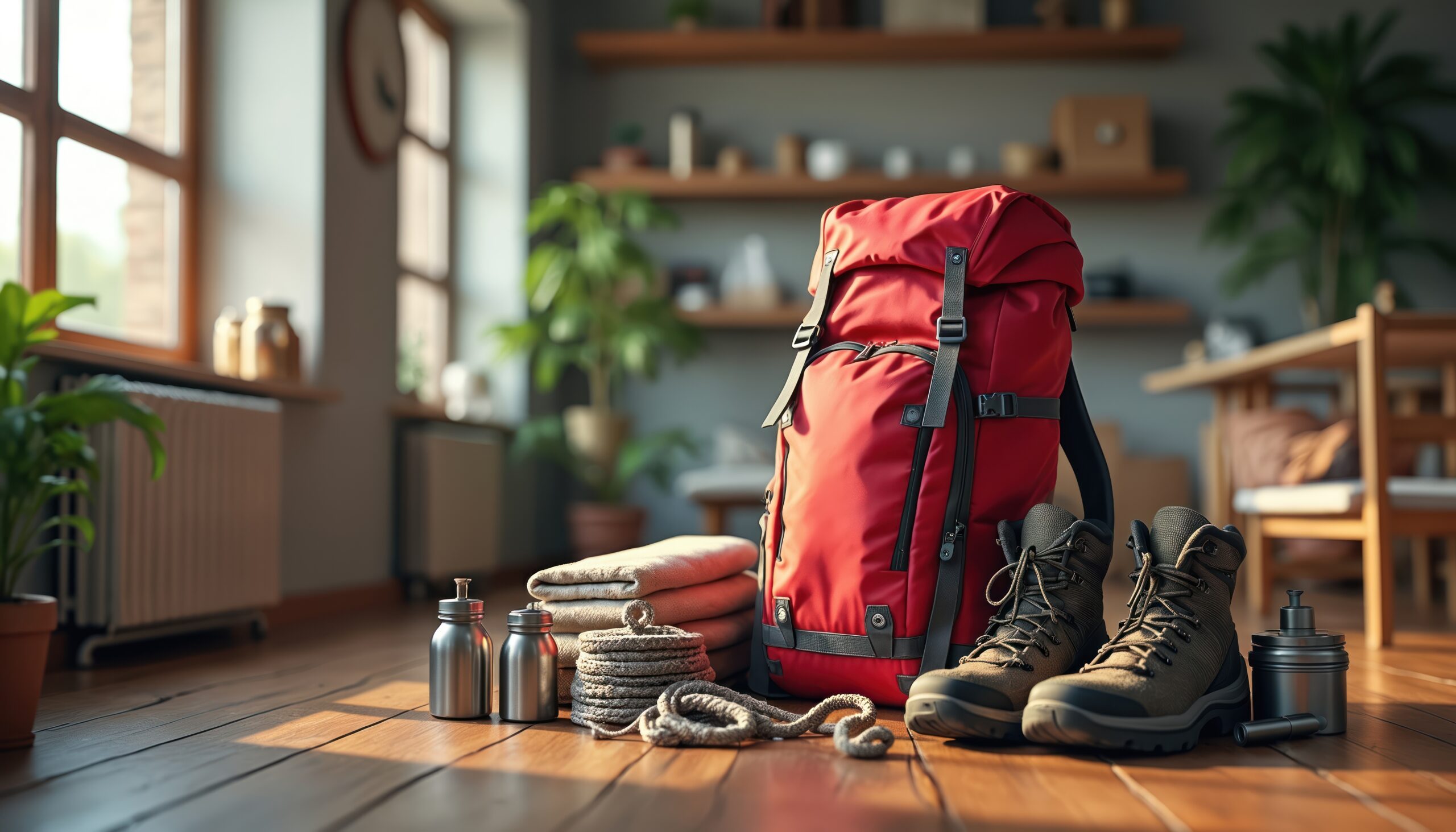
Mountain Climbing Gear by Climb Type: What You Actually Need
There is no single mountain climbing gear list. A summer hiking summit, a glaciated Cascade climb, a technical Alpine route, Denali and an 8,000-meter expedition solve completely different equipment problems. Start with the route, terrain, weather, duration and support model—then build the gear.
What Gear Do You Need for Mountain Climbing?
Every mountain kit starts with the same foundation: navigation, headlamp, sun protection, first aid, repair tools, emergency shelter, extra food, extra water and extra clothing, plus footwear, layers and a pack appropriate to the objective.
Technical equipment is then added only when the route requires it. Snow can add an ice axe and crampons. Glacier travel can add a harness, rope-team and rescue system. Steep ice can add technical tools and protection. Extreme cold can add insulated double boots and a larger sleep system. Fixed-line expeditions can add an ascender and route-specific connection hardware.
Six Mountain Types Require Six Different Gear Systems.
These are not difficulty grades. They are equipment environments. A mountain can move between categories when route, season or weather changes.
Trail & Non-Technical Peak
Dry summer objectives such as many lower peaks, easier Colorado 14ers and normal hiking summits do not automatically require crampons, an axe, a helmet or a rope.
The important gear is weather protection, navigation, water, food, emergency reserve and reliable footwear.
Overnight Trek & High Route
Multi-day trekking adds load carrying, shelter, sleep, food and water systems without necessarily adding technical climbing hardware.
Think Everest Base Camp, hut-to-hut routes or long mountain approaches: the problem is endurance and self-sufficiency rather than technical climbing.
Snow & Glacier Peak
This is the major transition from mountain hiking into mountaineering. The route can now require crampon-compatible boots, an axe, harness, rope-team equipment and hands-on glacier skills.
Mount Baker and many introductory Alpine glacier routes belong here. Equipment without training is not enough.
Steep Snow, Ice, Rock or Mixed Terrain
The gear system changes when the climb requires pitched movement, steep ice, mixed terrain or technical rock protection.
This category is defined by terrain—not summit elevation. A relatively low Alpine route can require substantially more technical hardware than a much higher trekking peak.
Remote, Multi-Week or Very Cold Mountain
Denali is the clearest example: glacier travel is important, but cold, wind, load hauling, repeated camps and moisture management drive many of the biggest gear decisions.
Cold-exposure duration can matter more than altitude. Do not choose expedition boots from summit elevation alone.
7,000–8,000+ Meter Expedition
High camps, prolonged cold, fixed lines, repeated acclimatization rotations and potentially supplemental oxygen create a specialist equipment system.
Do not buy oxygen hardware, team tents, fixed ropes or expedition communications until your operator confirms what it provides and what must be personal.
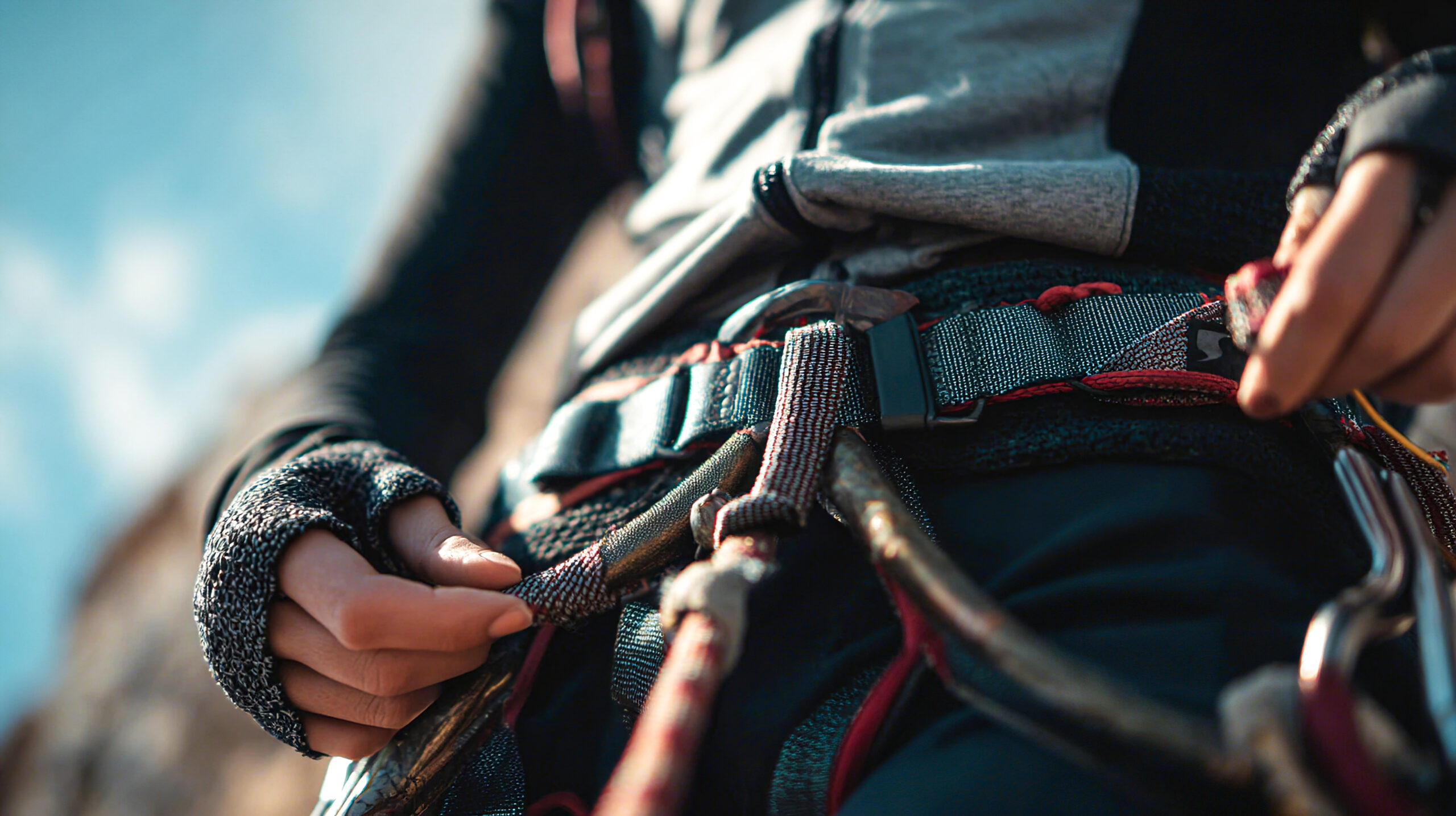
Do Not Buy Gear for the Mountain Name. Buy It for the Route.
Aconcagua’s Normal Route, Denali’s West Buttress and a steep 3,000-meter Alpine ice climb can all require radically different equipment despite what their summit elevations might suggest. Route terrain, exposure and duration determine the system.
How Gear Changes as the Mountain Becomes More Complex.
The important progression is not “more altitude = more gear.” It is the addition of new terrain, cold, duration and consequence.
| Climb type | Footwear | Traction / tools | Rope system | Pack / sleep | Defining problem |
|---|---|---|---|---|---|
| 1 · Summer hiking summit | Trail or hiking footwear matched to terrain | Usually none in dry conditions | None on normal hiking route | Daypack; emergency shelter | Weather, navigation, endurance |
| 2 · Multi-day trek | Hiking footwear matched to trail and load | Condition dependent | Usually none | 40–60 L class; sleep/camp system | Load, weather, multi-day self-sufficiency |
| 3 · Glacier mountaineering | Mountaineering boots with suitable crampon interface | Crampons + classic axe | Harness + trained glacier system | Route dependent | Snow, ice and hidden crevasses |
| 4 · Technical alpine | Stiffer climbing-focused boot | Terrain-specific crampons/tools | Pitching / protection system | Fast/light or bivouac depending route | Steep technical terrain |
| 5 · Cold expedition | Insulated single/double/expedition system as conditions require | Route specific | Glacier or climbing system as route requires | Large pack + expedition camp system | Cold, load hauling, duration, remoteness |
| 6 · High-altitude fixed-line expedition | High-altitude insulated boot system | Crampons + route-specific axe/tool | Harness + ascender + operator-defined fixed-line system | Expedition sleep/camp system | Altitude + cold + repeated high camps |
Add Hardware Only When the Terrain Requires It.
Technical equipment is not a badge of seriousness. Carrying equipment you do not need—or do not know how to use—does not make a route safer.
Terrain + Warmth + Fit
Choose enough stiffness and insulation for the route, then verify the exact crampon interface. B1/B2/B3 can be useful shorthand but is not an official UIAA footwear certification.
Mountaineering boots guide →Boot Fit Comes First
Select attachment and point design for the exact boot and terrain. Physically fit the crampon to the boot before relying on it.
Crampon buyer’s guide →Classic Axe Before Technical Tools
Most general snow and glacier mountaineering uses a classic axe. A pair of technical tools belongs on sustained steep ice or mixed terrain, not automatically on every “serious” mountain.
Ice axe guide →Hazard Dependent
Falling rock, ice, technical terrain and exposed climbing commonly make a climbing helmet appropriate. A helmet is not automatically required on every hiking summit.
Only Part of a System
A harness matters when the route requires roped glacier travel, fixed-line attachment or technical climbing. Owning one does not replace the skills around it.
Team Equipment
Rope diameter, length and use are route- and team-specific. Guided clients should not assume they personally need to supply the rope.

An Ice Axe, Rope or Ascender Is Not Useful Without the System Around It.
Snow travel, self-arrest, glacier rope teams, fixed-line movement, rappelling and protection placement are hands-on skills. Gear selection should follow training rather than substitute for it.
Do Not Choose Boots or Sleeping Bags From Summit Elevation Alone.
The old version of this page treated altitude bands as if they automatically determined boot warmth and sleeping-bag temperature. Real equipment decisions depend on far more: expected minimum temperature, wind, duration, moisture, high-camp strategy, individual cold tolerance and how long you may be inactive.
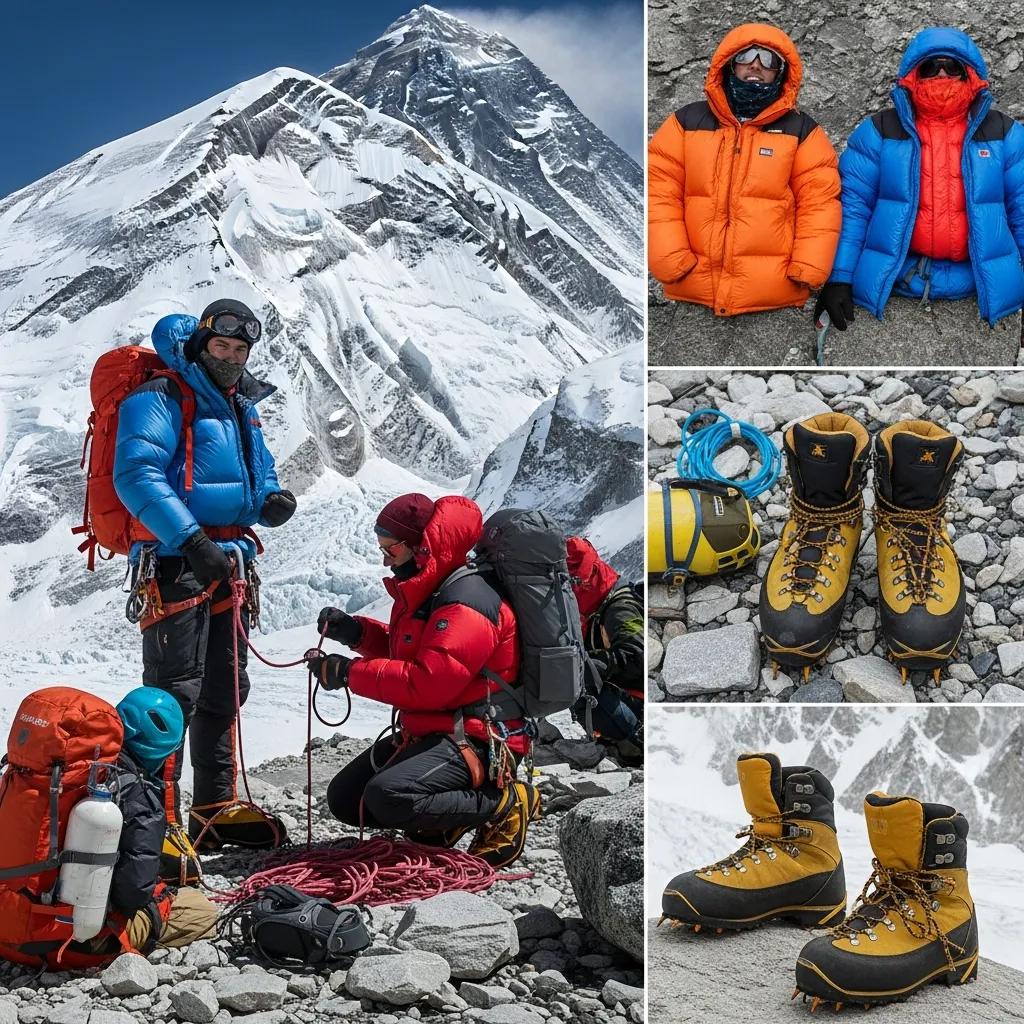
At High Altitude, Personal Gear and Operator Gear Must Be Separated.
High-altitude boots, clothing, gloves, eyewear, harness and personal sleep gear are different decisions from tents, ropes, oxygen infrastructure, stoves, radios and communal medical systems. Confirm responsibility before buying.
Guided Climbers and Independent Teams Do Not Carry the Same Kit.
One of the fastest ways to overbuy is to take a complete independent-team equipment list and treat every item as a personal requirement for a guided climb.
| System | Guided climber | Guide / operator may supply | Independent team |
|---|---|---|---|
| Personal clothing | Personal | Usually not supplied | Personal |
| Boots | Own or rent depending program | Rental may be available | Personal |
| Crampons / axe | Often own or rent | Loan/rental varies | Team member responsibility |
| Ropes | Usually not personal | Common group equipment | Team selects system |
| Protection rack | Only as instructed | Guide commonly controls rack | Route-specific team responsibility |
| Tent / stove | Varies by trip | Commonly supplied on commercial expeditions | Team responsibility |
| Communications | Personal backup may be useful | Guide/operator team system | Team must build redundancy |
| Supplemental oxygen | Operator-defined when used | System generally integrated by expedition provider | Specialist planning required |

The Best First Gear Strategy Is Often Own + Rent + Borrow.
Buy fit-critical and frequently used equipment first. Rent expensive technical items while you learn what you prefer. Borrow selectively when fit and life-safety performance are not compromised.
What Should You Buy, Rent or Borrow?
Do not turn a first mountain into a permanent $8,000 gear commitment before you know what kind of climbing you actually want to continue.
Fit & Personal Systems
- Base layers
- Socks
- Gloves
- Headlamp
- Eyewear
- Personal footwear once fit is known
Expensive Technical Gear
- Mountaineering boots for a first climb
- Crampons
- Ice axe
- Harness
- Helmet
- Specialist expedition equipment
Team Equipment
- Ropes
- Tents
- Stoves
- Protection rack
- Communications
- Oxygen systems
Test the Whole Kit as One System.
Many equipment failures are not failures of individual products. They are failures between products that were never tested together.

A Great Product Can Still Be Wrong for Your System.
Fit, attachment interface, layering compatibility, glove dexterity, pack carry and route suitability matter more than whether an individual piece of gear wins a review.
The Ten Essentials Still Belong Under the Technical Kit.
Technical hardware does not replace the equipment needed to survive delay, weather change, navigation error or an unplanned night out.
Prevent & Respond
- Navigation
- Headlamp + reserve power
- Sun protection
- First aid
- Repair tools
Survive the Delay
- Fire / ignition where appropriate
- Emergency shelter
- Extra food
- Extra water or treatment
- Extra clothing
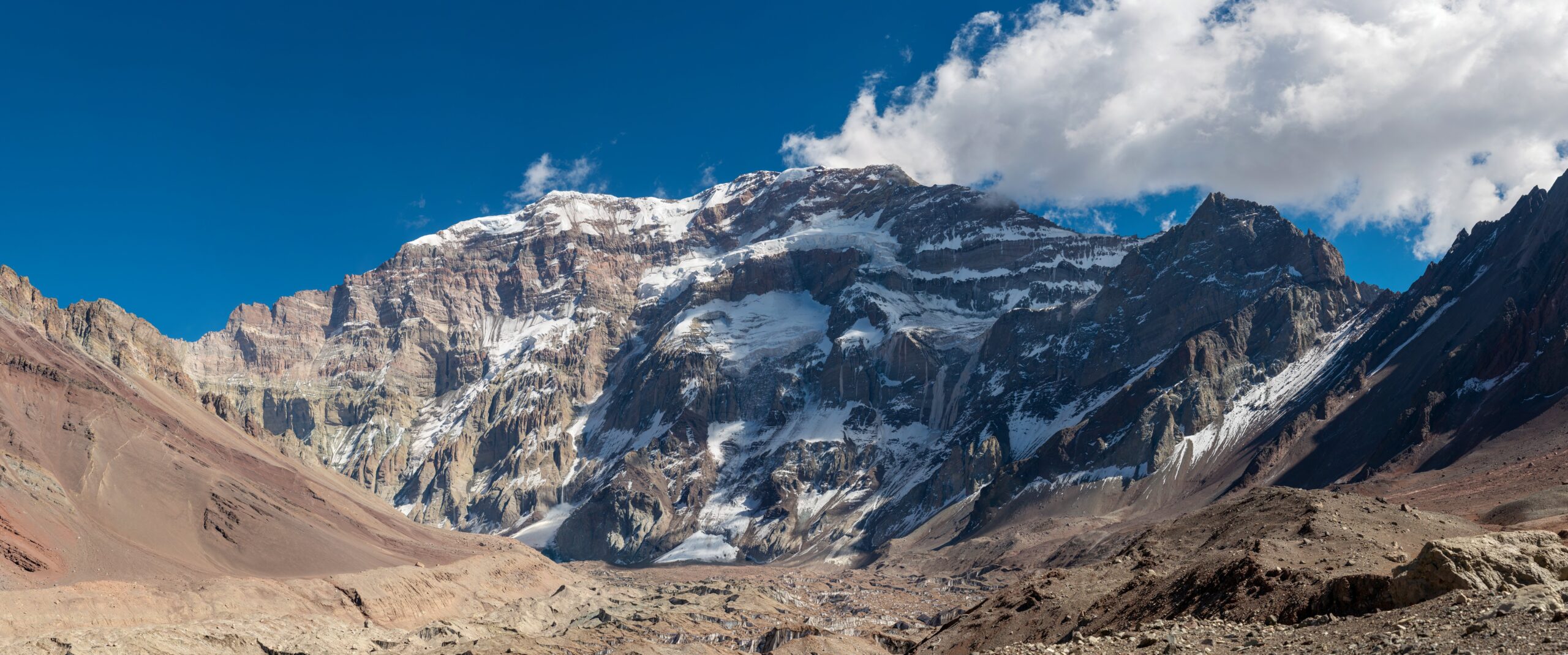
Regional Climate Can Change the Kit Even When Difficulty Looks Similar.
A hut-based Alpine route, a wet Cascade volcano, a windy Andes expedition and a cold Alaskan climb can sit near the same technical level while demanding different insulation, shelter, footwear and moisture-management systems.
Where You Climb Changes the Gear Problem.
Geography changes weather, expedition duration, infrastructure, resupply and the amount of equipment a climber personally carries.
Mountain Climbing Gear FAQ.
Start with the route. Then decide which equipment systems the route adds.
What gear do I need for mountain climbing?
Start with appropriate footwear, clothing layers, a pack and the Ten Essentials. Add technical equipment only when the route requires it: crampons and an ice axe for appropriate snow and ice terrain, harness and rope systems for glacier or technical climbing, and more specialized cold or fixed-line equipment for expedition objectives.
Do all mountain climbs require crampons and an ice axe?
No. Dry summer hiking routes often require neither. Crampons and an ice axe become relevant when snow, ice, glacier or route conditions require them.
What is the difference between a mountain-climbing gear list and a mountaineering checklist?
A checklist tells you the individual items to pack. A gear-by-climb-type guide first determines which equipment categories your route requires. Global Summit Guide maintains a separate printable mountaineering checklist for the item-by-item packing step.
Do higher mountains always require warmer or more technical gear?
No. Altitude is only one factor. Terrain, expected temperature, wind, duration, glacier exposure, technical difficulty, season and support model can matter as much or more than summit elevation.
Are B1, B2 and B3 official UIAA mountaineering boot ratings?
No. B1, B2 and B3 are commonly used compatibility and stiffness shorthand, not an official UIAA footwear certification. Use the boot manufacturer’s intended-use information and physically confirm compatibility with the exact crampon.
Should a beginner buy all of their mountaineering gear?
Usually not. Buying fit-critical and frequently used personal gear while renting specialized technical equipment for early climbs can reduce cost and help the climber learn personal preferences before making major purchases.
What gear do I need for glacier climbing?
Depending on the route and team system, glacier mountaineering commonly adds crampon-compatible boots, crampons, a classic ice axe, helmet, harness and roped-glacier equipment. Those systems require hands-on training in glacier travel and crevasse rescue before independent use.
What changes for Denali or other cold expeditions?
Cold exposure, expedition duration, repeated camps, moisture management, load hauling and remoteness become major equipment drivers. Insulated footwear, sleep systems, larger packs and expedition camp equipment become more important.
What gear changes for an 8,000-meter expedition?
High-altitude insulated boots, extreme-cold clothing, expedition mitts, fixed-line equipment, high-camp sleeping systems and operator-defined oxygen or communication systems may be required. Exact requirements vary by mountain, route and expedition provider.
Move From Gear Type to the Exact Equipment List.
This page determines the equipment environment. These pages handle the next decisions.
Use Standards and Current Trip Requirements—not Universal Rules.
Equipment needs change with the route and conditions. The most reliable planning process combines established emergency-system frameworks, current manufacturer compatibility information, qualified guide or course requirements, and the exact equipment list for the objective.
- The Mountaineers — Ten Essentials systems framework
- Global Summit Guide — current boot/crampon compatibility framework
- Global Summit Guide — complete printable mountaineering checklist
Final rule: for a guided climb, the current guide-service equipment list controls. For an independent climb, equipment selection must come from the actual route, current conditions and the team’s skills—not from a generic altitude chart.
Choose the Climb First. Then Build the Kit.
Start with terrain, season, weather, duration and support model. Add technical equipment only when the route creates the need. Test the complete system before departure—and let the mountain you are actually climbing determine the gear, not the mountain you hope to climb someday.