
Last updated October 4, 2026
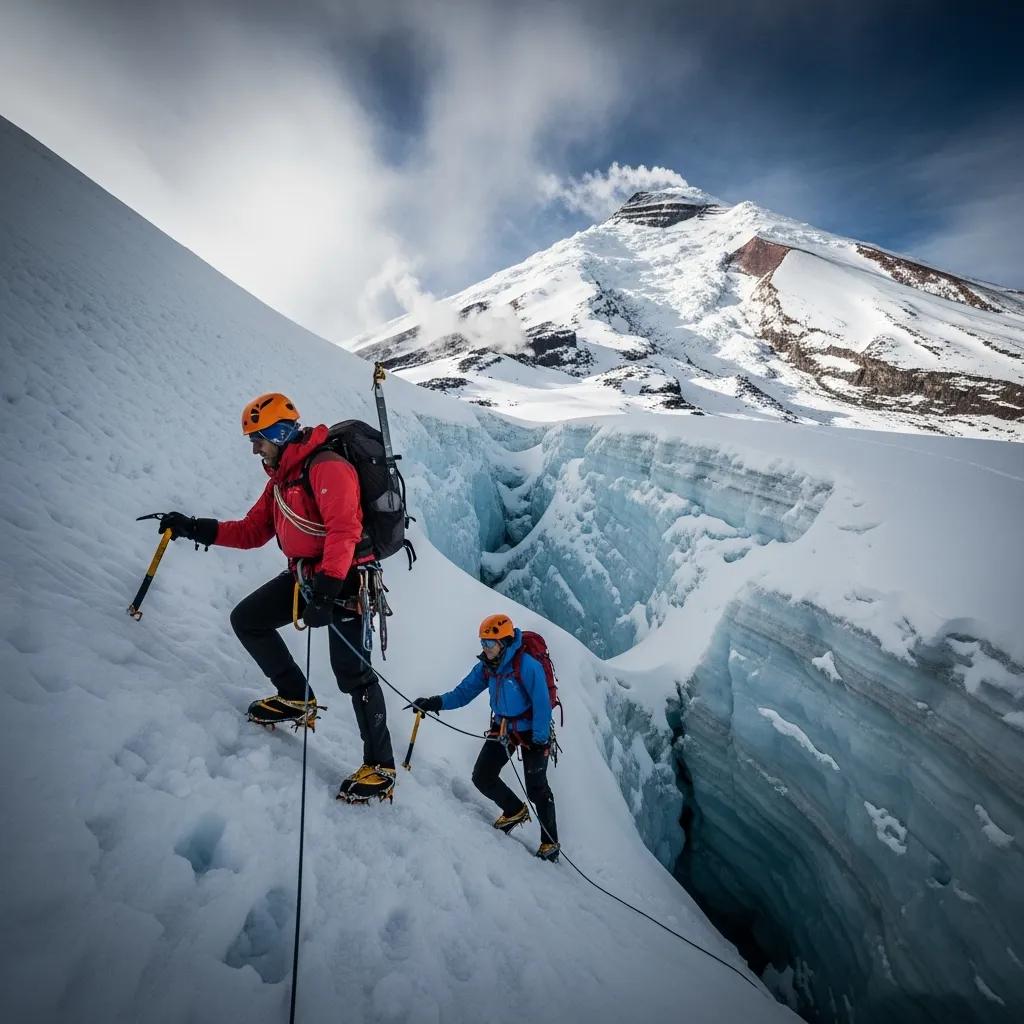
Cotopaxi Permits & Logistics 2026: Summit Rules, SIB, Refuge & Access
Cotopaxi does not use one simple tourist climbing permit. The summit is managed through a controlled authorization process involving an ascent quota, lodging reservations, protected-area registration, guide or mountain-club documentation, safety requirements and an authorization wristband.
Research-based guide · Current official requirements checked October 4, 2026 · Global Summit Guide has not climbed Cotopaxi
What Permit Do You Need to Climb Cotopaxi?
Think of Cotopaxi summit access as an authorization package rather than a single permit. Ecuador’s latest official summit-reopening requirements located for this guide establish a process for authorized tourism operators and recognized mountain clubs.
The required stack includes the summit quota, lodging reservations, the SIB/environmental registration record, liability and identity documents, the appropriate guide or club credentials, required safety preparation, mountain equipment and the summit authorization wristband.

For most international visitors, the practical path is simple: book through an authorized Ecuadorian operator that manages the park process and provides the appropriate certified mountain guide.
Cotopaxi combines international travel, high altitude, glacier terrain and a remote mountain environment. Before travel, review emergency assistance and any separate travel-insurance policy for the exact activity and maximum altitude you intend to climb. Membership and travel insurance are separate products; never assume a climbing event is covered without checking the terms.
Review Global Rescue options → · About the GSG partnershipCotopaxi Is Currently in Relative Calm—but It Is Still an Active Volcano
Volcano status and park authorization are separate checks. A booked guide and refuge do not override an official closure.
Relative Calm
Ecuador’s Instituto Geofísico described Cotopaxi as in relative calm with internal and surface activity classified as low without changes.
2022–2023
IG-EPN identifies 2022–2023 as Cotopaxi’s most recent eruptive process, characterized mainly by gas and ash emissions.
Verify Again Before Travel
Current calm does not make access permanent. Recheck IG-EPN and your operator immediately before non-refundable travel and again near the climb.
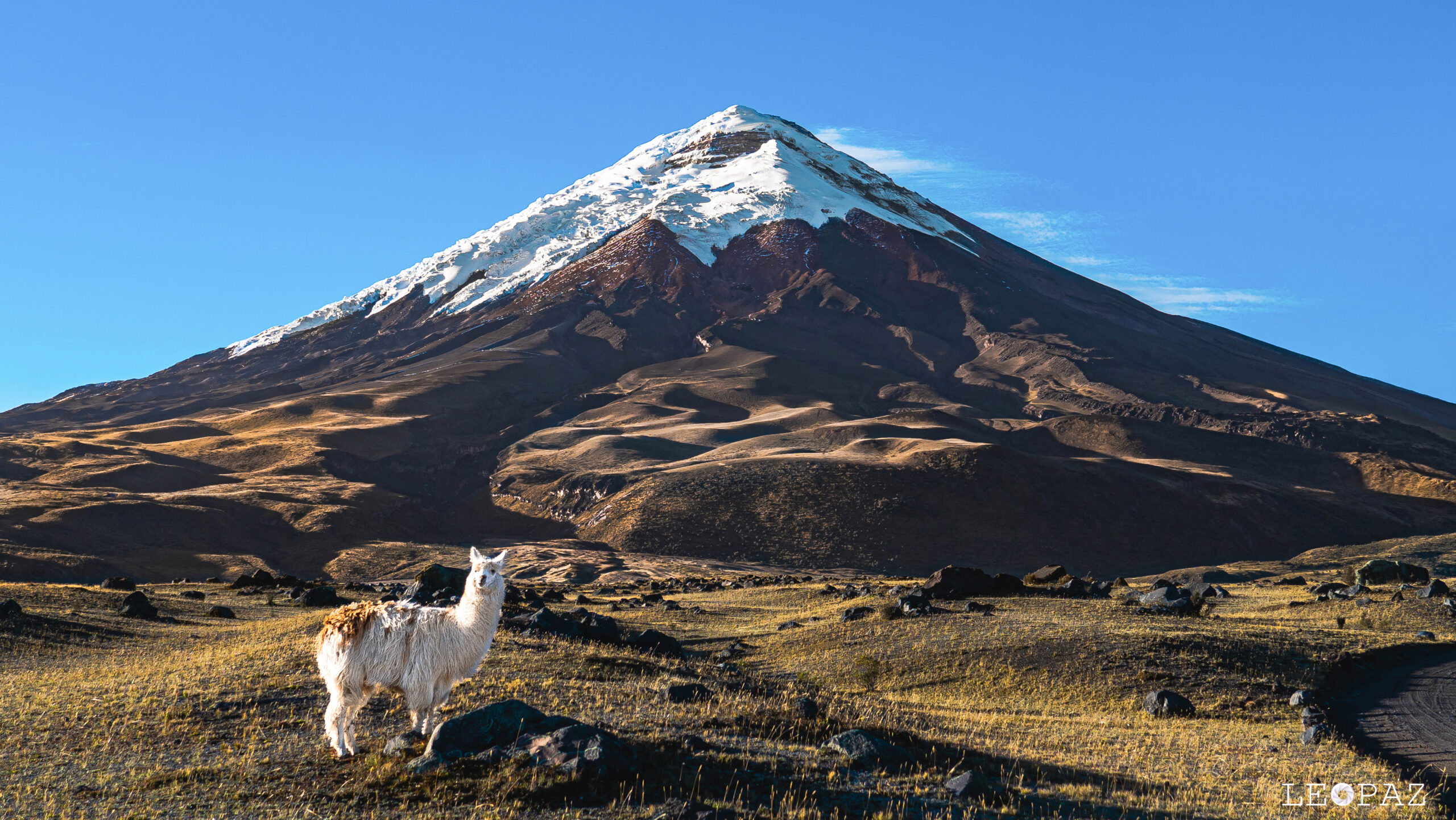
The Cotopaxi Summit Authorization Process, Step by Step
These steps follow the Ecuador environment authority’s progressive summit-reopening requirements dated February 21, 2024—the latest formal summit-access document located for this rebuild.
Choose the Correct Access Pathway
The published system distinguishes between authorized tourism operators and recognized mountain clubs. Most visiting international climbers should use the tourism-operator pathway.
Request the Summit Quota
The operator or club requests a place in the summit quota from the protected-area administration.
Published minimum lead time: tourism operators 24 hours; recognized mountain clubs 48 hours.
Secure the Required Lodging
The official process calls for lodging reservations connected with the ascent at Refugio José Rivas and the prescribed acclimatization accommodation at Tambopaxi or La Rinconada.
Complete SIB / Protected-Area Registration
The summit party must have the registration sheet required by the environmental/protected-area information system. For most visiting climbers, the operator handles this process.
Prepare Identity, Liability & Credential Documents
The published checklist requires liability-release documentation together with identification or passport. Operator-led groups also present the guide’s certification; clubs present the relevant club identification and organizational documentation.
Meet the Safety-Equipment Requirement
The formal reopening rules require mountain equipment in good condition and a mouth-and-nose gas mask with filters. The document specifically warns that carbon dioxide cannot be filtered this way and that climbers should not remain in places where volcanic gas can accumulate, including the summit and crevasses.
Collect the Authorization Wristband
On entering the protected area, summit climbers must request the ascent-authorization wristband. The ministry document states that a climber without this wristband will not be permitted to ascend the volcano.
Register Entry and Exit
The guide or responsible group leader must register both entry and exit from the protected area.

Cotopaxi Summit Documentation Checklist
Ask your operator to confirm the entire stack—not just that “the permit is included.”
| Requirement | Operator-led climb | Recognized mountain club | What you should verify |
|---|---|---|---|
| Summit quota | Operator requests it | Club requests it | Exact summit date and confirmation |
| Minimum official notice | 24 hours | 48 hours | Use more planning margin than the legal minimum |
| José Rivas lodging | Required within summit process | Required within summit process | Reservation date and party names |
| Acclimatization lodging | Tambopaxi / La Rinconada framework | Same current official framework | What your program has actually reserved |
| SIB / environmental record | Required | Required | Operator or leader has completed it |
| Liability documentation | Required | Required | Signed and matched to passport / ID |
| Guide credential | Required for operator pathway | Club pathway uses club documentation | Guide appears in appropriate current registry |
| Training / briefing requirement | Responsible personnel must meet current requirement | Responsible leader must meet current requirement | Operator confirms current compliance |
| Mountain equipment | Required | Required | Final gear inspection before entry |
| Gas mask with filters | Listed in official requirements | Listed in official requirements | Ask whether operator supplies it |
| Authorization wristband | Required at park entry | Required at park entry | Do not proceed without it |

Do You Need a Guide on Cotopaxi?
The old page oversimplified this question by describing one blanket rule for every climber.
Certified Guide Credential Required
Ecuador’s official summit-reopening requirements explicitly require the certified guide credential for tourism-operator groups.
Ecuador’s Ministry of Tourism also maintains a national registry of licensed tourism guides. Most international climbers should use an authorized operator and confirm the guide’s current qualification.
Separate Club Documentation Exists
Recognized mountain clubs use a separate pathway requiring club documentation, membership information, identification and a responsible leader.
This is why the old claim that every individual climber simply emails the park 15 days in advance should be removed.
Cotopaxi National Park Entry Is Not a $10 Foreigner Fee
This is one of the most important corrections in the rebuild.
Ecuador Made Mainland Protected-Area Entry Free in 2012
Ecuador’s Ministry of Environment states that entry to the country’s protected areas became free under Acuerdo Ministerial 006, with Galápagos excepted.
“Free entry” does not mean the entire Cotopaxi climbing trip is free. You can still pay for guide services, refuge accommodation, private transport, food, equipment rental, operator programs and other tourism services.
What should disappear from this page is the old statement that Cotopaxi National Park charges foreign climbers $10 and Ecuadorian residents $2 as a standard 2026 entrance fee.

Refugio José Rivas: Required Logistics, Not a Permanent Price Quote
The official summit process requires accommodation planning. The overnight rate itself should be treated as dynamic unless confirmed directly for your date.
About 4,800 m
José Rivas is the standard staging refuge for the Normal Route summit cycle.
Reservation Matters
The environment-ministry requirements specifically include lodging reservation as part of the summit-access process.
Verify at Booking
Do not turn an old refuge rate into a permanent official fee. Ask the operator or refuge for the current package, meals and cancellation terms.
.jpg)
Build Transport Around the Summit Authorization—not the Other Way Around
Cotopaxi’s road access makes the logistics look easy. The controlled summit process and altitude are the real constraints.
| Stage | Typical planning logic | What must be confirmed |
|---|---|---|
| Quito arrival | Use Quito as the primary international gateway and early altitude base. | Arrival time, baggage, equipment and first acclimatization day. |
| Acclimatization | Build several days around Quito / nearby peaks before the summit cycle. | Your actual program, not just a two-day Cotopaxi package. |
| Park transfer | Authorized operators commonly provide private transport into the park. | Which control point, departure time and vehicle arrangement. |
| Protected-area entry | Summit-access rules specify Control Caspi or Control Norte. | Current road status and which entrance your operator will use. |
| José Rivas | Continue by vehicle toward the upper approach and then walk to the refuge. | Refuge reservation and summit-quota confirmation. |
| Return | Descend to the refuge and exit the protected area with the guide/leader. | Entry/exit registration and onward hotel or recovery plan. |

Ask the Operator to Confirm These Eight Things
“Permits included” is too vague for a mountain with quotas, an active volcano and multiple administrative steps.
Summit quota
Who requests it, when it is requested and whether your climbing date is actually confirmed.
Guide credential
Who your guide is and which current Ecuadorian mountain-guide qualification or registry applies.
SIB registration
Confirm the operator handles the protected-area registration before entry.
José Rivas reservation
Confirm the night, meals, current rate and what happens if the summit closes.
Volcanic closure policy
Ask what substitute objective, rescheduling or refund rule applies if Cotopaxi access changes.
Required safety equipment
Confirm glacier gear, emergency equipment and whether the specified volcanic gas mask/filter is supplied.
Acclimatization days
Separate a real acclimatization program from a bare two-day summit module.
Transport & entry point
Confirm pickup, vehicle, park-control route and return logistics.
.jpg)
Recheck Cotopaxi 72 Hours Before the Summit Cycle
The closer you get to departure, the less useful an old blog post becomes.
| Check | Who should confirm it | Why it can still change |
|---|---|---|
| Volcanic activity | IG-EPN + operator | Active-volcano monitoring can alter access |
| Summit quota | Operator / club leader | Controlled access and daily capacity |
| Refuge reservation | Operator / refuge | Capacity and program changes |
| Glacier route | Current guiding team | Crevasses and snow bridges move |
| Weather | Guide + current forecast | Wind and precipitation can close the summit window |
| Road / park control | Operator / protected area | Road and access operations can change |
| Your altitude response | You + guide | Paperwork never overrides poor acclimatization |
Cotopaxi Permits & Logistics FAQ
Do you need a permit to climb Cotopaxi?
Cotopaxi summit access is controlled through an ascent quota and authorization process rather than one simple tourist permit. The current official checklist includes the ascent quota, lodging, registration, identity and liability documents, credentials, safety equipment and the authorization wristband.
How far in advance must Cotopaxi summit access be requested?
The latest formal requirements located by Global Summit Guide state at least 24 hours for tourism operators and at least 48 hours for recognized mountain clubs. Those are minimums, not recommended trip planning lead times.
Is there an entrance fee for Cotopaxi National Park?
Ecuador’s Ministry of Environment declared entry to mainland protected areas free under Acuerdo Ministerial 006, with Galápagos excepted. Guiding, refuge accommodation, transport and other tourism services can still cost money.
Do I need a guide to climb Cotopaxi?
Operator-led summit groups require the relevant certified guide credential. Recognized mountain clubs have a separate documented pathway. For most visiting international climbers, an authorized operator is the practical route through the system.
What is SIB registration?
The summit-access checklist requires the environmental/protected-area registration record. Authorized operators normally handle this as part of the climbing paperwork.
Is Cotopaxi open in 2026?
Summit programs are operating under controlled access. IG-EPN’s August 2026 update described the volcano as in relative calm with activity low and without changes. It remains an active volcano and access can be changed by authorities.
Do I have to stay at José Rivas Refuge?
The current official summit framework includes lodging reservation at José Rivas as part of the ascent process. Confirm the exact current summit-cycle arrangement with the operator managing your authorization.
What should I carry to the park entrance?
Your operator or responsible leader should be carrying or able to produce the summit-quota confirmation, lodging reservation, environmental registration, relevant identity and liability documents and credentials. You should also carry your passport or required identification.
Use This Page for Paperwork—Then Open the Guide That Owns the Next Decision
Three Final Planning Tools
Sources & Update Method
- Ecuador Ministry of Environment — Cotopaxi Summit Requirements — ascent quota, lodging, SIB registration, documentation, credentials, access controls, equipment and wristband.
- Ecuador Protected-Area / SIB System — protected-area visitor and organized-group registration system.
- Instituto Geofísico — Cotopaxi — current volcanic monitoring and official scientific updates.
- Ecuador Ministry of Environment — Protected-Area Free Entry — Acuerdo Ministerial 006 protected-area admission policy.
- Ecuador Ministry of Tourism — Guide Registry — national registry information for tourism guides.
Research method: when an official Ecuador government source conflicts with a commercial operator, travel blog or older Global Summit Guide copy, this page uses the official source for permit, access and volcanic-status claims.
Refuge rates, transport prices, operator costs and commercial package inclusions change faster and should be verified directly at booking.
Secure the Mountain Access First. Build the Travel Around It.
Cotopaxi is easy to reach geographically, but the summit is not casual park access. Use an authorized operator, confirm the ascent quota and accommodation, make sure the SIB and documentation are complete, verify the volcanic status and arrive at the control point with the full authorization system already in place.
And because Cotopaxi is an active volcano, no reservation is stronger than the current official access decision.
Compare Cotopaxi Operators Open Complete Cotopaxi GuideWas this helpful?
🏔Related cost guides
🧭Explore & compare
Global Summit Guide is an independent mountaineering resource founded in 2026. The team combines first-hand trekking and climbing experience with in-depth research and professional health and nutrition review to help climbers choose objectives, prepare properly, and stay safe.
Health, altitude, and nutrition content is reviewed by Taylor Ludlow (Registered Nurse) and Brigg Hoopes (Nutritionist).
What We Don't Know Yet
Mountain information changes quickly. This box explains the limits of what this page can responsibly promise.
- Permit availability, reservation windows, quotas, and official fee rules may change after this page is updated.
- Guide-company prices, departure dates, guide ratios, included services, and cancellation rules can change without notice.
- Route conditions, trailhead access, crevasse exposure, stream crossings, and rescue access may vary from published planning guidance.
- Fitness and altitude response vary by person; no guide, itinerary, or training plan can guarantee acclimatization or summit success.
- Visa, passport, vaccination, border, insurance, and local transportation rules may change before your trip.
Verify current conditions with official land managers, guide services, local forecasts, and current route reports before booking or climbing.
Mountaineering, rock and ice climbing, glacier travel, and high-altitude activity are inherently dangerous and can result in serious injury or death. The information on Global Summit Guide is provided for general informational and educational purposes only and is not a substitute for professional instruction, qualified guiding, proper equipment, or your own judgment and experience.
Route conditions, weather, snowpack, permits, regulations, and hazards change constantly and may differ from what is described here. Details may be incomplete, out of date, or contain errors. Always verify current information with local authorities, certified guides, and official sources before making any decision in the mountains.
Nothing on this site is medical, legal, or financial advice. Our fitness, acclimatization, altitude, and nutrition content is general in nature; consult a qualified physician before beginning any strenuous exercise program or exposing yourself to high altitude.
You are solely responsible for your own safety and decisions. To the fullest extent permitted by law, Global Summit Guide and its team accept no liability for any loss, injury, damage, or expense arising from use of, or reliance on, this information. By using this site you acknowledge these risks and accept these terms.
Some links on this site may be affiliate links. If you buy through them we may earn a small commission at no extra cost to you; this never affects our recommendations.
Global Summit Guide recommendation path
Next Best Mountain to Research
Use these recommendations to continue the right planning path instead of stopping on one page.
Use current permit, weather, route, and operator information before booking or climbing.
Search Flights, Hotels & Rental Cars
Have the mountain or destination picked? Use Expedia to compare the flights, lodging and rental cars that fit your actual trip dates. For mountain travel, consider arriving early enough for delays and adding a buffer night after the climb before a fixed flight home.
Compare current flight, hotel and car options.
Affiliate disclosure: Global Summit Guide may earn a commission if you book through this link, at no additional cost to you.