<

Category: Mountain Guides

  • How Long Does It Take to Climb Kilimanjaro? Route-by-Route

    How Long Does It Take to Climb Kilimanjaro? Route-by-Route

    How Long Does It Take to Climb Kilimanjaro? Comprehensive Route-by-Route Duration and Preparation Guide

    Climbing Mount Kilimanjaro is a dream for many adventurers, but understanding the time commitment involved is crucial for proper planning. This guide will provide a detailed breakdown of the various routes to the summit, their typical durations, and the preparation needed for a successful ascent. Whether you’re a seasoned climber or a first-time trekker, knowing how long it takes to climb Kilimanjaro can help you choose the right route and prepare effectively.

    In this article, we will explore the main climbing routes, including the Machame, Marangu, Lemosho, Rongai, and Umbwe routes, and their respective durations. We will also discuss the importance of acclimatization, the impact of seasonal weather on climbing times, and practical preparation steps to ensure a successful summit. By the end of this guide, you will have a comprehensive understanding of how long it takes to climb Kilimanjaro and what you need to do to prepare.

    What Are the Main Kilimanjaro Climbing Routes and Their Typical Durations?
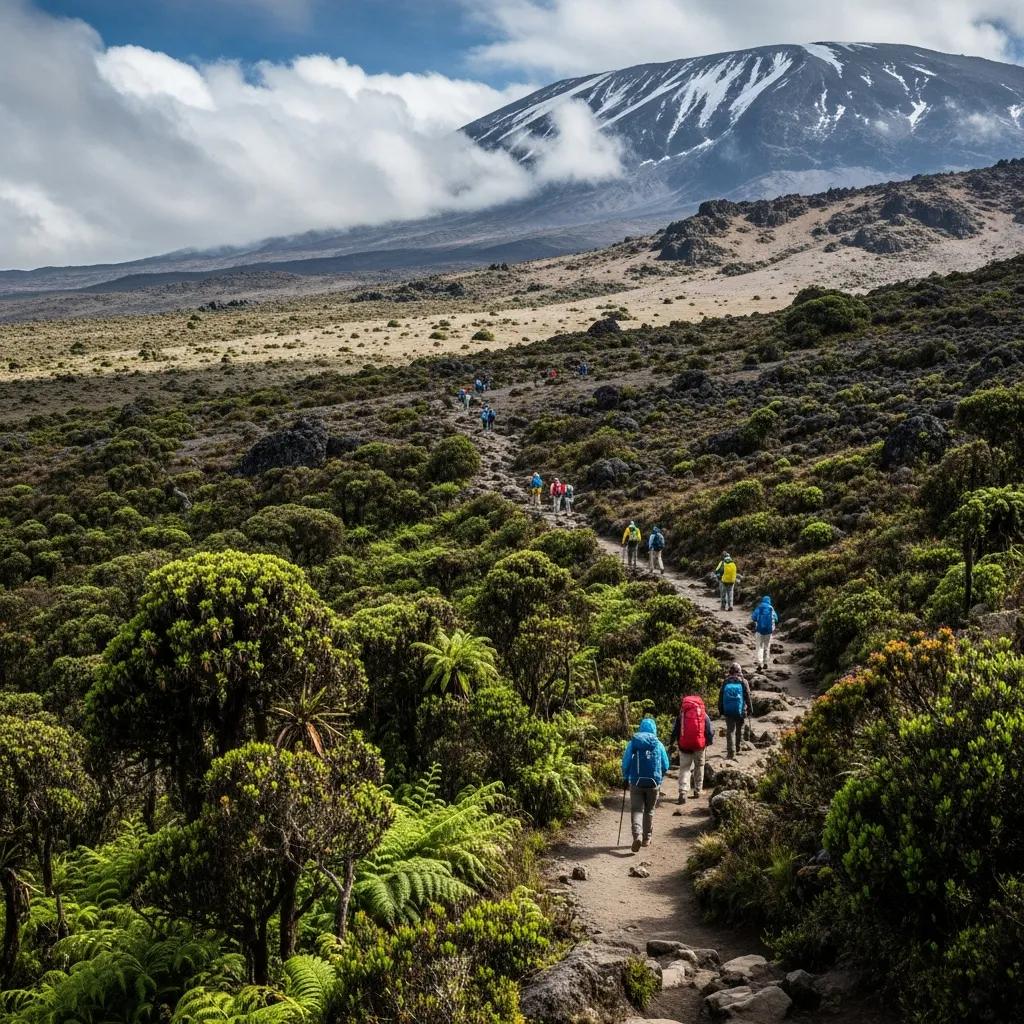
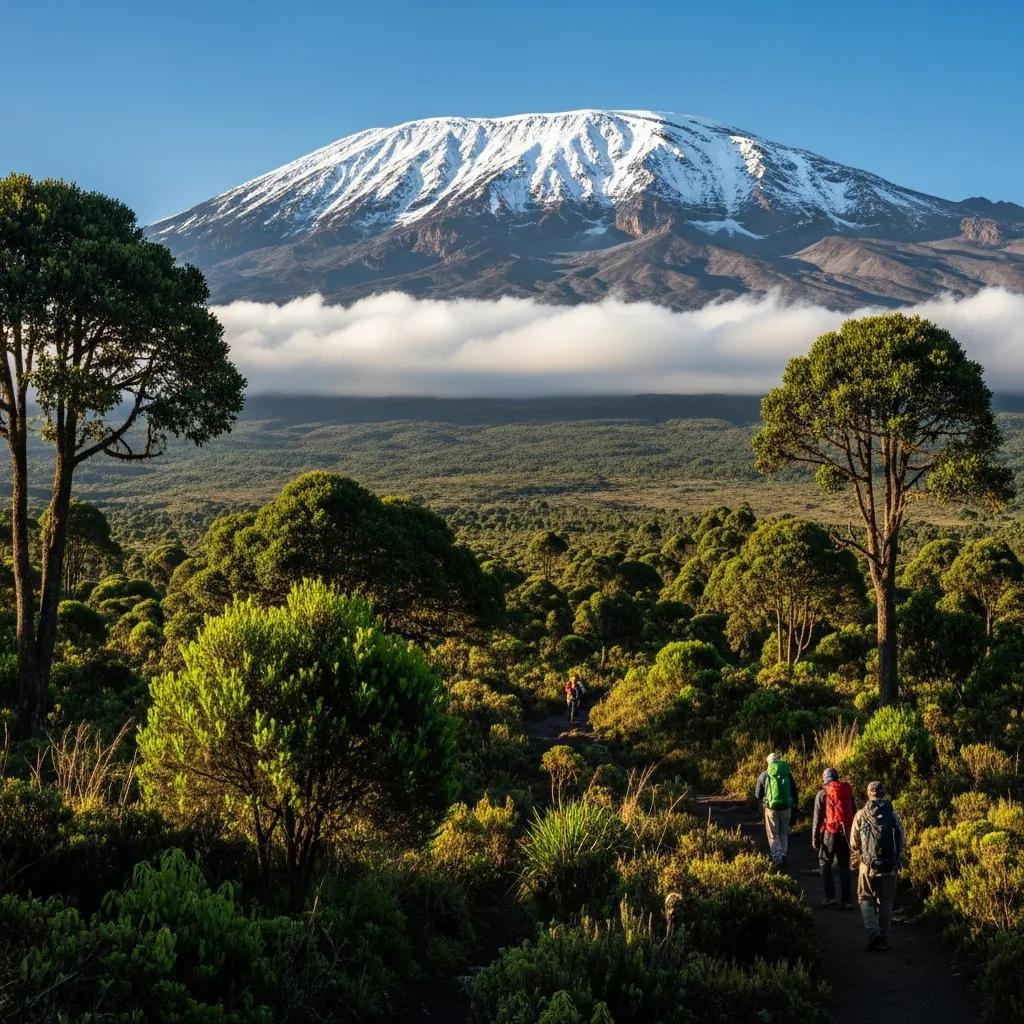
    Scenic view of the Machame route on Kilimanjaro, illustrating diverse ecosystems

    Kilimanjaro offers several popular climbing routes, each with its unique characteristics and duration. Understanding these routes is essential for planning your trek effectively. The main routes include the Machame, Marangu, Lemosho, Rongai, and Umbwe routes, each varying in length and difficulty.

    • Machame Route: Known for its scenic views, the Machame route typically takes 6-7 days to complete. It is considered moderately difficult, with a high success rate due to its gradual ascent, allowing for better acclimatization.
    • Marangu Route: Often referred to as the “Coca-Cola” route, the Marangu route is the only one with hut accommodations. It usually takes 5-6 days and is considered easier than other routes, but it has a lower success rate due to its rapid ascent.
    • Lemosho Route: This route is favored for its stunning scenery and diverse landscapes. It generally takes 7-8 days, providing ample time for acclimatization and a higher chance of reaching the summit.
    • Rongai Route: Starting from the north, the Rongai route takes about 6-7 days. It is less crowded and offers a unique perspective of the mountain, though it is considered moderately difficult.
    • Umbwe Route: The Umbwe route is the shortest and most challenging, typically taking 6-7 days. It is recommended for experienced climbers due to its steep ascent and lower acclimatization opportunities.

    Understanding these routes and their durations is crucial for selecting the best option for your climbing experience.

    How Long Does the Machame Route Take and What Is Its Difficulty Level?

    The Machame route usually takes 6-7 days to complete, making it one of the most popular choices for climbers. This route is known for its breathtaking views and diverse ecosystems, ranging from lush rainforests to alpine deserts. The difficulty level is moderate, which means that while it is accessible to most trekkers, it still requires a good level of fitness and preparation.

    The gradual ascent of the Machame route allows climbers to acclimatize effectively, which is essential for reducing the risk of altitude sickness. The route includes several camps, providing opportunities for rest and recovery, which further enhances the chances of a successful summit.

    What Is the Duration and Characteristics of the Marangu Route?

    The Marangu route typically takes 5-6 days to reach the summit. It is the only route that offers hut accommodations, making it a more comfortable option for climbers. However, the Marangu route is often criticized for its rapid ascent, which can lead to a higher incidence of altitude sickness.

    Further research confirms the specific details of the Marangu route’s duration and accommodation structure.

    Kilimanjaro Marango Route: Duration & Summit Success

    The study group comprised 312 trekkers attempting Mt Kilimanjaro summit by the Marango Route. Trekkers ascended over 4 or 5 days along a fixed ascent profile, stopping at 3 huts on the way.

    Determinants of summiting success and acute mountain sickness on Mt Kilimanjaro (5895 m), AJ Davies, 2009

    The characteristics of the Marangu route include well-maintained paths and a straightforward itinerary, making it suitable for less experienced climbers. Despite its ease of access, the success rate for reaching the summit is lower compared to longer routes that allow for better acclimatization.

    How Do Lemosho, Rongai, and Umbwe Routes Compare in Duration and Difficulty?

    When comparing the Lemosho, Rongai, and Umbwe routes, it’s essential to consider both duration and difficulty. Each route offers a unique experience and varying levels of challenge.

    • Lemosho Route: This route takes 7-8 days, providing ample time for acclimatization. It is considered one of the most scenic routes, with diverse landscapes and a high success rate.
    • Rongai Route: The Rongai route typically takes 6-7 days and is less crowded than other routes. It is moderately difficult, making it a good option for climbers looking for a quieter experience.
    • Umbwe Route: The Umbwe route is the most challenging, taking 6-7 days. It is steep and requires a high level of fitness, making it suitable for experienced climbers only.

    What Are the Typical Trek Durations for Lemosho and Rongai Routes?

    The Lemosho route generally takes 7-8 days, allowing climbers to acclimatize properly and enjoy the stunning scenery. In contrast, the Rongai route takes about 6-7 days, offering a less crowded experience but still providing a moderate challenge. Both routes are excellent choices for climbers seeking a balance between adventure and safety.

    How Challenging Is the Umbwe Route and How Long Does It Take?

    The Umbwe route is considered the most challenging option, typically taking 6-7 days to reach the summit. Its steep ascent and limited acclimatization opportunities make it suitable only for experienced climbers. The difficulty level is high, and climbers should be prepared for a physically demanding trek.

    What Is the Role of Acclimatization in Kilimanjaro Trek Duration?
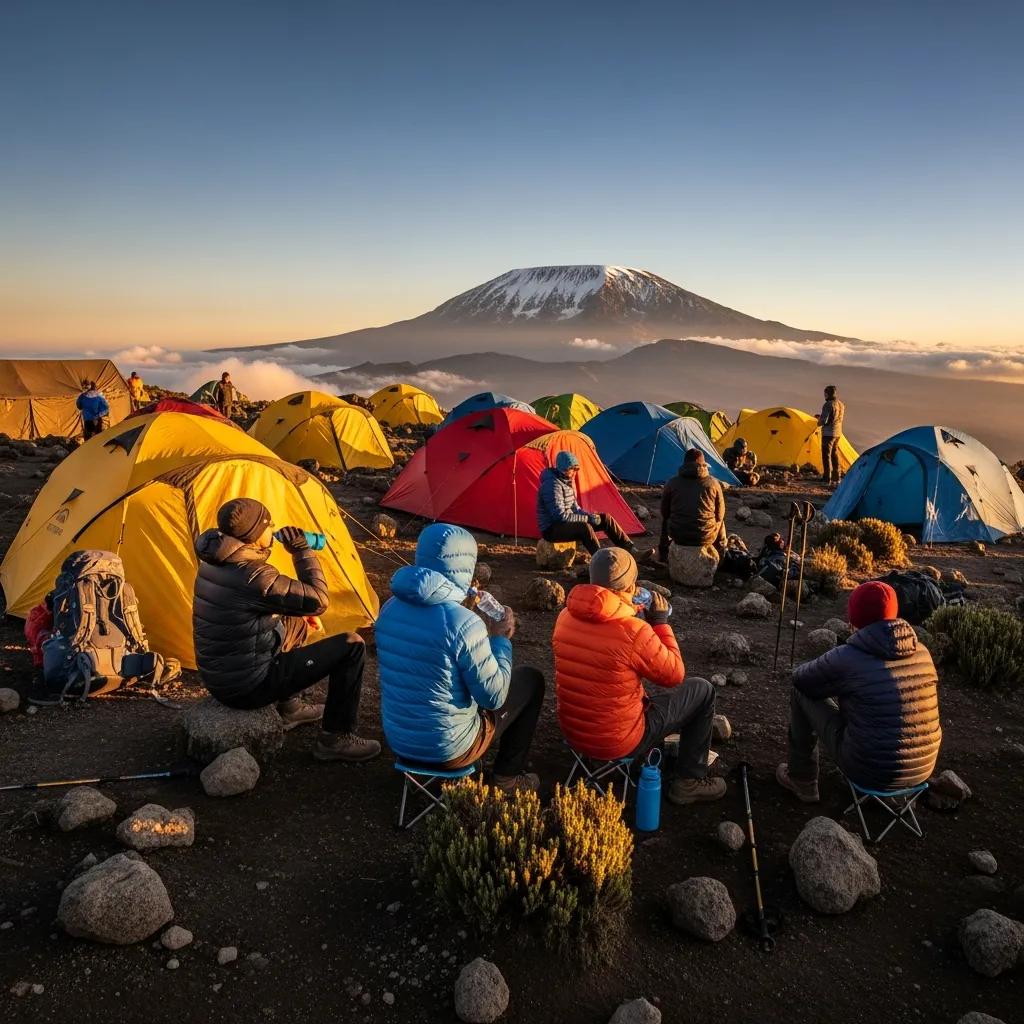
    Climbers at high-altitude camp on Kilimanjaro, emphasizing acclimatization activities

    Acclimatization plays a crucial role in the duration and success of a Kilimanjaro trek. It refers to the body’s ability to adjust to higher altitudes, which is essential for preventing altitude sickness. Proper acclimatization can significantly impact the overall duration of the climb and the likelihood of reaching the summit.

    Experts emphasize that a gradual ascent and proper acclimatization are fundamental to mitigating the risks associated with high-altitude climbing.

    High-Altitude Acclimatization & Slow Ascent Strategies

    When going to high altitudes, proper acclimatization by slow ascent rates is a prerequisite in order to avoid high-altitude illnesses. This process can be supported by preceding hypoxia exposures at real altitude and/or in simulated altitude. We here define “modern” pre-acclimatization strategies as approaches that do not require actual high-altitude environments but rather take ad

    Hypoxia conditioning for high-altitude pre-acclimatization, M Burtscher, 2022

    How Many Days Are Recommended for Altitude Acclimatization on Each Route?

    The recommended acclimatization days vary by route. For example, the Machame and Lemosho routes typically include 1-2 extra days for acclimatization, while the Marangu route may not provide sufficient time for adjustment. It is generally advised to take at least one additional day for acclimatization on any route to enhance the chances of a successful summit.

    What Are Effective Strategies to Prevent Altitude Sickness During the Climb?

    To prevent altitude sickness, climbers should consider the following strategies:

    • Gradual Ascent: Choose a route that allows for gradual elevation gain to give your body time to adjust.
    • Stay Hydrated: Drink plenty of water to stay hydrated, as dehydration can exacerbate symptoms of altitude sickness.
    • Listen to Your Body: Pay attention to any signs of altitude sickness and descend if symptoms worsen.

    Implementing these strategies can help climbers manage altitude-related challenges effectively.

    How Does Seasonal Weather Affect Kilimanjaro Climb Duration and Success Rates?

    Seasonal weather significantly impacts the duration and success rates of Kilimanjaro climbs. The mountain experiences two main climbing seasons: the dry season and the rainy season. Understanding these patterns is essential for planning your trek.

    Which Months Offer the Best Conditions for a Timely Kilimanjaro Summit?

    The best months for climbing Kilimanjaro are typically January to March and June to October. During these periods, the weather is generally dry, providing optimal conditions for a successful summit. Climbers should avoid the rainy season, which can lead to difficult trekking conditions and increased risks.

    How Do Weather Variations Influence Trek Duration and Safety?

    Weather variations can influence trek duration and safety in several ways. Rain can make trails slippery and challenging, while strong winds and low temperatures can increase the risk of hypothermia. Climbers should be prepared for changing weather conditions and adjust their plans accordingly to ensure safety.

    What Are the Summit Success Rates by Route and How Do They Relate to Duration?

    Summit success rates vary by route and are closely related to the duration of the trek. Longer routes that allow for better acclimatization generally have higher success rates.

    What Are the Latest Summit Success Statistics for Each Route?

    Recent statistics indicate that the success rates for reaching the summit are as follows:

    • Machame Route: Approximately 85%
    • Marangu Route: Approximately 65%
    • Lemosho Route: Approximately 90%
    • Rongai Route: Approximately 85%
    • Umbwe Route: Approximately 50%

    These statistics highlight the importance of choosing a route that aligns with your experience level and acclimatization needs.

    How Does Trek Duration Influence Summit Success and Safety?

    Trek duration plays a critical role in summit success and safety. Longer treks provide more time for acclimatization, reducing the risk of altitude sickness and increasing the likelihood of reaching the summit. Climbers should prioritize routes that allow for adequate acclimatization to enhance their chances of success.

    What Practical Preparation Steps Should Climbers Take Based on Route Duration?

    Preparing for a Kilimanjaro climb involves several practical steps that vary based on the chosen route’s duration. Proper preparation can significantly impact the overall experience and success of the trek. globalsummitguide

    How to Plan Your Kilimanjaro Trek Itinerary According to Route Duration?

    When planning your Kilimanjaro trek itinerary, consider the following steps:

    • Choose Your Route: Select a route that matches your experience level and desired duration.
    • Allocate Extra Days: Include additional days for acclimatization, especially on shorter routes.
    • Create a Packing List: Ensure you have all necessary gear and supplies for the duration of your trek.

    By following these steps, climbers can create a well-structured itinerary that maximizes their chances of success.

    What Gear and Fitness Preparations Are Essential for Longer vs. Shorter Routes?

    The gear and fitness preparations required can differ based on the route’s duration. For longer routes, climbers should focus on: about

    • High-Quality Gear: Invest in durable and weather-resistant clothing and equipment.
    • Fitness Training: Engage in cardiovascular and strength training to build endurance for the trek.

    For shorter routes, while fitness is still important, the focus may be more on ensuring you have the right gear for changing weather conditions.

    How Can Climbers Use Route Maps and Altitude Profiles to Estimate Trek Duration?

    Route maps and altitude profiles are valuable tools for estimating trek duration and planning your climb effectively. Understanding these resources can help climbers make informed decisions.

    Where to Find Detailed Kilimanjaro Route Maps and Altitude Gain Charts?

    Detailed Kilimanjaro route maps and altitude gain charts can be found through various trekking companies and online resources. These maps provide essential information about the terrain, elevation changes, and estimated durations for each section of the trek.

    How to Interpret Altitude Profiles to Manage Daily Trek Duration?

    Interpreting altitude profiles involves understanding the elevation changes throughout the trek. Climbers should pay attention to steep sections and plan their daily durations accordingly to ensure they can acclimatize effectively and reach the summit safely.

    What Are Common FAQs About Kilimanjaro Climb Duration and Route Selection?

    As climbers prepare for their Kilimanjaro adventure, several common questions arise regarding duration and route selection.

    How Many Days Does It Typically Take to Reach the Summit?

    Typically, it takes between 5 to 9 days to reach the summit of Kilimanjaro, depending on the chosen route. Longer routes generally provide better acclimatization opportunities, increasing the chances of success.

    Which Route Is the Fastest and Which Offers the Best Acclimatization?

    The Marangu route is the fastest, taking about 5-6 days, but it offers the least acclimatization. In contrast, the Lemosho route, taking 7-8 days, provides the best acclimatization opportunities, making it a preferred choice for many climbers.

    Conclusion

    Climbing Mount Kilimanjaro offers a unique adventure that requires careful planning and understanding of the various routes and their durations. By choosing the right path, climbers can enhance their chances of success while enjoying the breathtaking landscapes and experiences the mountain has to offer. Prioritize acclimatization and preparation to ensure a safe and memorable ascent. Start planning your Kilimanjaro trek today and explore the routes that best suit your adventure goals.
  • Mont Blanc Climbing Guide: Summit Europe’s Highest Peak

    Mont Blanc Climbing Guide: Summit Europe’s Highest Peak

    Mont Blanc Climbing Guide: How to Safely Summit Europe’s Highest Peak

    Climbing Mont Blanc, the highest peak in Western Europe, is a thrilling adventure that attracts mountaineers from around the globe. This comprehensive guide will equip you with essential knowledge about the various climbing routes, preparation strategies, and safety protocols necessary for a successful ascent. Many climbers face challenges such as altitude sickness and unpredictable weather, but with the right preparation and understanding, these obstacles can be effectively managed. In this article, we will explore the main climbing routes, essential gear, weather conditions, acclimatization strategies, guided tour options, and the latest safety technologies. By the end, you will be well-prepared to tackle the majestic Mont Blanc.

    What Are the Main Mont Blanc Climbing Routes and Their Difficulty Levels?

    Mont Blanc offers several climbing routes, each with unique challenges and varying difficulty levels. The two most popular routes are the Gouter Route and the Trois Monts Route. Understanding these routes is crucial for climbers to choose the one that best fits their skill level and experience.

    How Does the Gouter Route Compare in Difficulty and Duration?

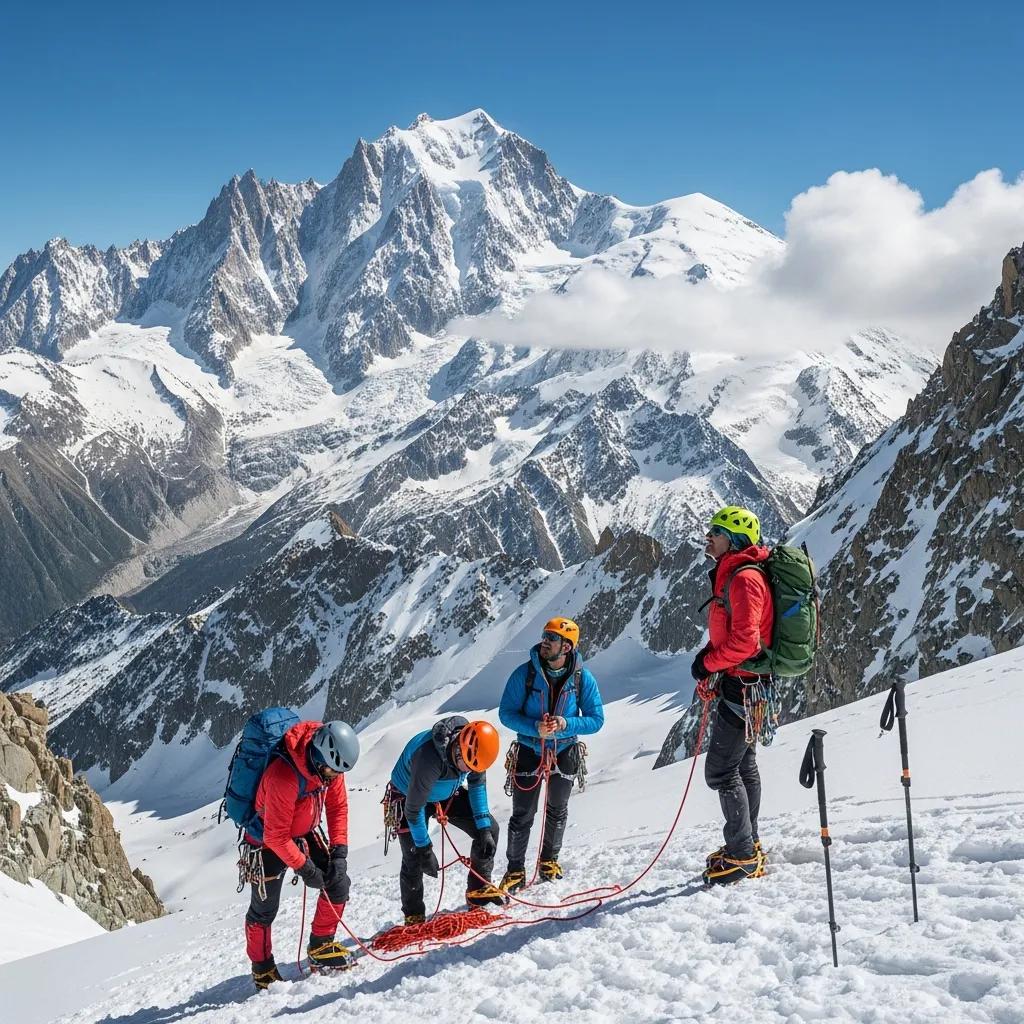
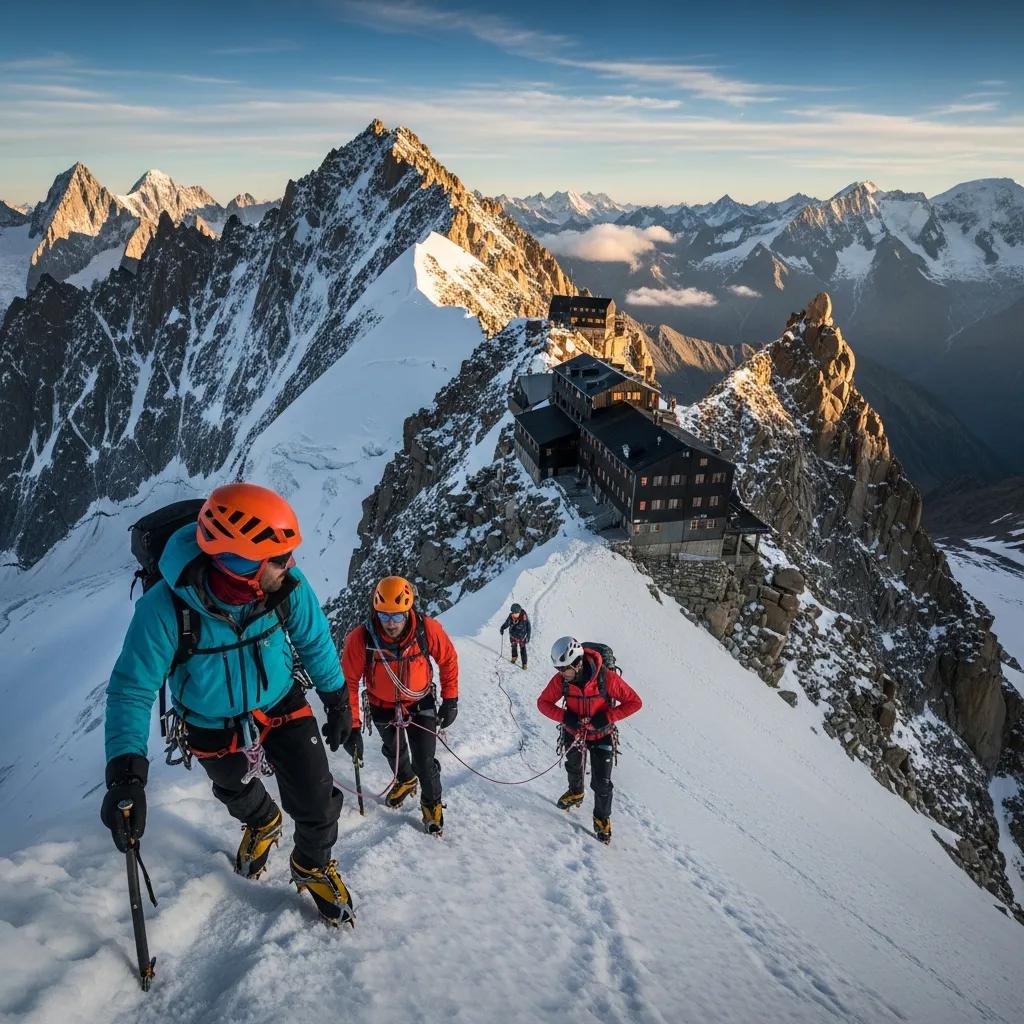
    Climbers on the Gouter Route of Mont Blanc, showcasing the path and mountain huts, emphasizing the accessibility of this climbing route

    The Gouter Route is often considered the most accessible path to the summit of Mont Blanc. It has a moderate difficulty rating, making it suitable for climbers with basic mountaineering skills. The average duration for this route is approximately 2 days, allowing climbers to acclimatize properly. Key features of the Gouter Route include its well-marked path and the availability of mountain huts for overnight stays, which provide essential rest and recovery.

    However, even on more accessible routes like the Gouter, specific hazards like rockfall in the Grand Couloir du Goûter demand careful attention and preparation.

    Mont Blanc Rockfall Hazard: Grand Couloir du Goûter Safety

    There are on average 35 fatal mountaineering accidents per summer in France. On average, since 1990, 3.7 of them have occurred every summer in the Grand Couloir du Goûter, on the classic route up Mont Blanc (4809 m a.s.l.). Rockfall is one of the main factors that explain this high accident rate and contribute to making it one of the most accident-prone areas in the Alps for mountaineers. In this particular context, the objective of this study is to document the rockfall activity and its triggering factors in the Grand Couloir du Goûter in order to disseminate the results to mountaineers and favour their adaptation to the local rockfall hazard.

    Rockfall and vulnerability of mountaineers on the west face of the Aiguille du Goûter (classic route up Mont Blanc, France), an interdisciplinary study, P Lacroix, 2021

    What Are the Features of the Trois Monts Route for Experienced Climbers?

    The Trois Monts Route is designed for more experienced climbers, featuring technical sections that require advanced skills. This route demands proficiency in glacier travel and the use of technical climbing gear. Climbers can expect to encounter challenging conditions, including steep ascents and potential crevasses. Safety considerations are paramount, as the route’s complexity increases the risk of accidents, making it essential for climbers to be well-prepared and experienced.

    How Should You Prepare and What Gear Is Essential for Mont Blanc?

    Preparation is key to a successful climb of Mont Blanc. Essential gear includes appropriate clothing layers, navigation tools, and emergency equipment. Climbers should invest in high-quality gear to ensure safety and comfort during their ascent.

    Gear TypeDescriptionImportance
    Clothing LayersInsulated and waterproof layers to protect against cold and wet conditionsEssential for maintaining body temperature
    Navigation ToolsGPS devices and maps for route planningCrucial for safe navigation in challenging terrain
    Emergency GearFirst aid kits, communication devices, and extra foodVital for handling emergencies and unexpected situations

    For those looking to enhance their climbing experience, Information Hub offers a range of climbing gear tailored for Mont Blanc expeditions.

    What Are the Typical Weather Conditions and Best Seasons to Climb Mont Blanc?

    Weather conditions on Mont Blanc can be unpredictable, making it essential for climbers to be aware of seasonal patterns. The best months to climb are typically June to September, when the weather is more stable and temperatures are milder, generally ranging from -10°C to 5°C (14°F to 41°F).

    How Do Seasonal Weather Patterns Affect Climbing Safety?

    Seasonal weather patterns significantly impact climbing safety. Climbers should monitor weather forecasts closely and be prepared to adjust their plans based on changing conditions. Understanding the importance of weather tracking can help climbers make informed decisions about when to proceed or retreat.

    What Are the Latest Weather Advisories and Forecast Resources?

    Reliable weather resources are crucial for climbers. Recommended websites and apps provide up-to-date weather advisories, helping climbers stay informed about potential storms or temperature drops. Utilizing these resources can enhance safety and improve the chances of a successful summit.

    How Can Acclimatization and Safety Protocols Improve Your Summit Success?

    Acclimatization is vital for preventing altitude sickness, which can severely impact climbers’ performance and safety. Implementing effective acclimatization strategies and safety protocols can significantly enhance summit success.

    What Are Effective Acclimatization Strategies for Altitude Sickness Prevention?

    To prevent altitude sickness, climbers should incorporate rest days into their itinerary, allowing their bodies to adjust to higher elevations. The “climb high, sleep low” principle is also effective, as it encourages climbers to ascend to higher altitudes during the day and return to lower elevations for sleep.

    Studies emphasize the critical importance of these acclimatization strategies, as a rapid ascent significantly increases the risk of acute mountain sickness.

    Mont Blanc Altitude Sickness Risk & Prevention

    Despite a large variability in the scores of the participants, this study showed that a rapid ascent of Mount Blanc induces a high risk of acute mountain sickness since the prevalence

    Prevention of acute mountain sickness by low positive end-expiratory pressure in field conditions, 2004

    Which Safety Measures and Emergency Procedures Should Climbers Know?

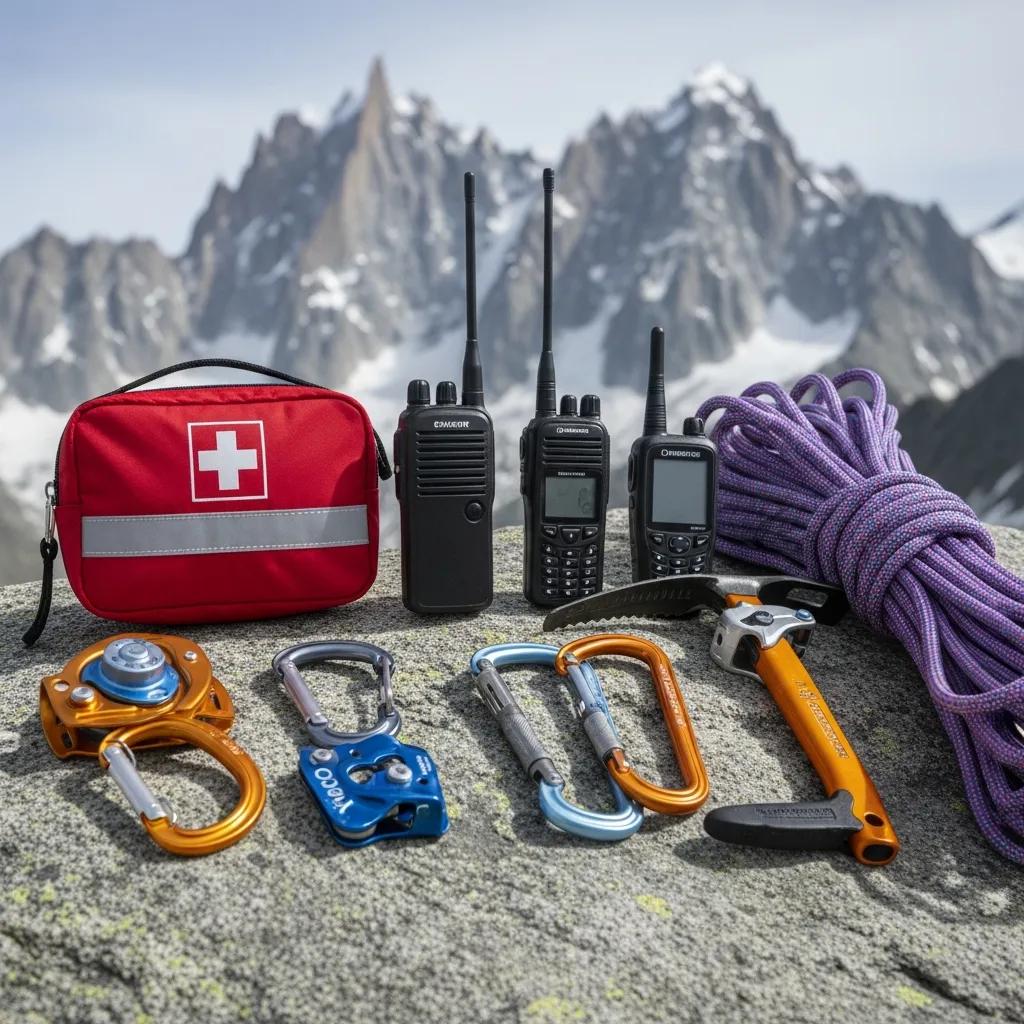
    Essential climbing safety gear including first aid kit and communication devices, emphasizing the importance of safety measures for Mont Blanc climbers

    Climbers should be familiar with essential safety measures, including navigation and communication tools. Emergency readiness is crucial, as it prepares climbers to respond effectively to unexpected situations, such as injuries or severe weather changes.

    What Guided Tour Options and Permits Are Available for Mont Blanc Climbers?

    For those who prefer a guided experience, various tour options are available. Guided tours provide expert knowledge and support, enhancing the overall climbing experience.

    How to Select a Qualified Mont Blanc Guided Tour Service?

    When selecting a guided tour service, consider factors such as the guide’s experience, safety protocols, and group size. A qualified guide can significantly improve your chances of a successful summit while ensuring safety throughout the journey.

    Further research into guided mountaineering preparation highlights the comprehensive strategies professionals employ to mitigate risks and enhance overall safety for climbers. K2 Climb Guide

    Mountaineering Safety Strategies: Guide Preparation Model

    This paper examines an issue that has been little explored in ergonomics: safety in outdoor activities. Drawing on an analysis of guided mountaineering preparation, the paper focuses on studying and modelling feedback from professionals. Our premise is that preparation can be analyzed as a process of constraint satisfaction aimed at constructing manageable situations. This proposal is explored through a qualitative study conducted with mountain guides. Data were collected from 17 semi-structured interviews and 10 full days of filmed field observations, followed by individual and collective confrontation. The analysis focuses mainly on identifying the constraints of the preparation and the types of variables related to them. Five main types of variables which can be generalized were defined. A descriptive model was then produced, and safety issues were identified, along with corresponding strategies to improve safety.

    Safety Issues and Strategies for Outdoor Activities: A General Model Based on Guided Mountaineering Preparation, A Girard, 2024

    What Are the Permit Requirements and How to Obtain Them?

    Climbers must obtain the necessary permits to access certain routes on Mont Blanc. The application process typically involves submitting forms and paying fees. It’s essential to plan ahead to ensure all permits are secured before the climb.

    Where Can You Find Mountain Huts and Accommodation Along Mont Blanc Routes?

    Mountain huts provide essential accommodation for climbers along the Mont Blanc routes. Knowing where to find these huts can enhance the climbing experience by offering rest and recovery opportunities.

    What Are the Key Mountain Huts on the Gouter and Trois Monts Routes?

    Key mountain huts along the Gouter and Trois Monts Routes include the Tête Rousse Hut and the Cosmiques Hut. These huts offer basic amenities and shelter, making them ideal stopping points for climbers.

    How to Book Accommodation and What Facilities Are Provided?

    Booking accommodation in advance is recommended, especially during peak climbing seasons. Facilities typically include dormitory-style sleeping arrangements, meals, and access to essential services, ensuring climbers are well-prepared for their ascent. About

    What Are the Latest Safety Technologies and Climbing Statistics for Mont Blanc?

    Recent advancements in safety technologies have significantly improved climber safety on Mont Blanc. Understanding these technologies can help climbers make informed decisions about their gear and safety measures.

    How Have Recent Advances Improved Climber Safety on Mont Blanc?

    Recent safety technologies include improved communication devices and advanced weather tracking systems. These innovations enhance climbers’ ability to stay connected and informed, reducing risks associated with climbing in challenging conditions.

    What Do 2024-2026 Climbing Success and Incident Rates Indicate?

    Climbing statistics from recent years indicate a steady increase in summit success rates, attributed to better preparation and safety measures. However, incident rates also highlight the importance of adhering to safety protocols and being aware of environmental conditions.

    How to Use Interactive Maps and Multimedia Resources for Mont Blanc Planning?

    Interactive maps and multimedia resources can greatly enhance your planning process for climbing Mont Blanc. Utilizing these tools allows climbers to visualize routes and understand the terrain better.

    Where to Access Detailed Route Maps and Elevation Profiles?

    Detailed route maps and elevation profiles are available through various online platforms. These resources provide climbers with essential information about the terrain, helping them prepare for the challenges ahead. For more information, visit Globalsummitguide.

    How Can Videos and Gear Diagrams Enhance Climbing Preparation?

    Videos and gear diagrams offer valuable insights into climbing techniques and gear usage. These visual resources can enhance understanding and preparation, ensuring climbers are well-equipped for their journey.

    Conclusion

    Successfully summiting Mont Blanc requires thorough preparation, understanding of routes, and adherence to safety protocols. By equipping yourself with the right gear and knowledge, you can enhance your climbing experience and increase your chances of reaching the peak. Explore our comprehensive resources and expert-guided tours to ensure a safe and memorable adventure. Start planning your Mont Blanc expedition today!

  • Best Trekking Poles in 2026: Ranked for Every Hiker

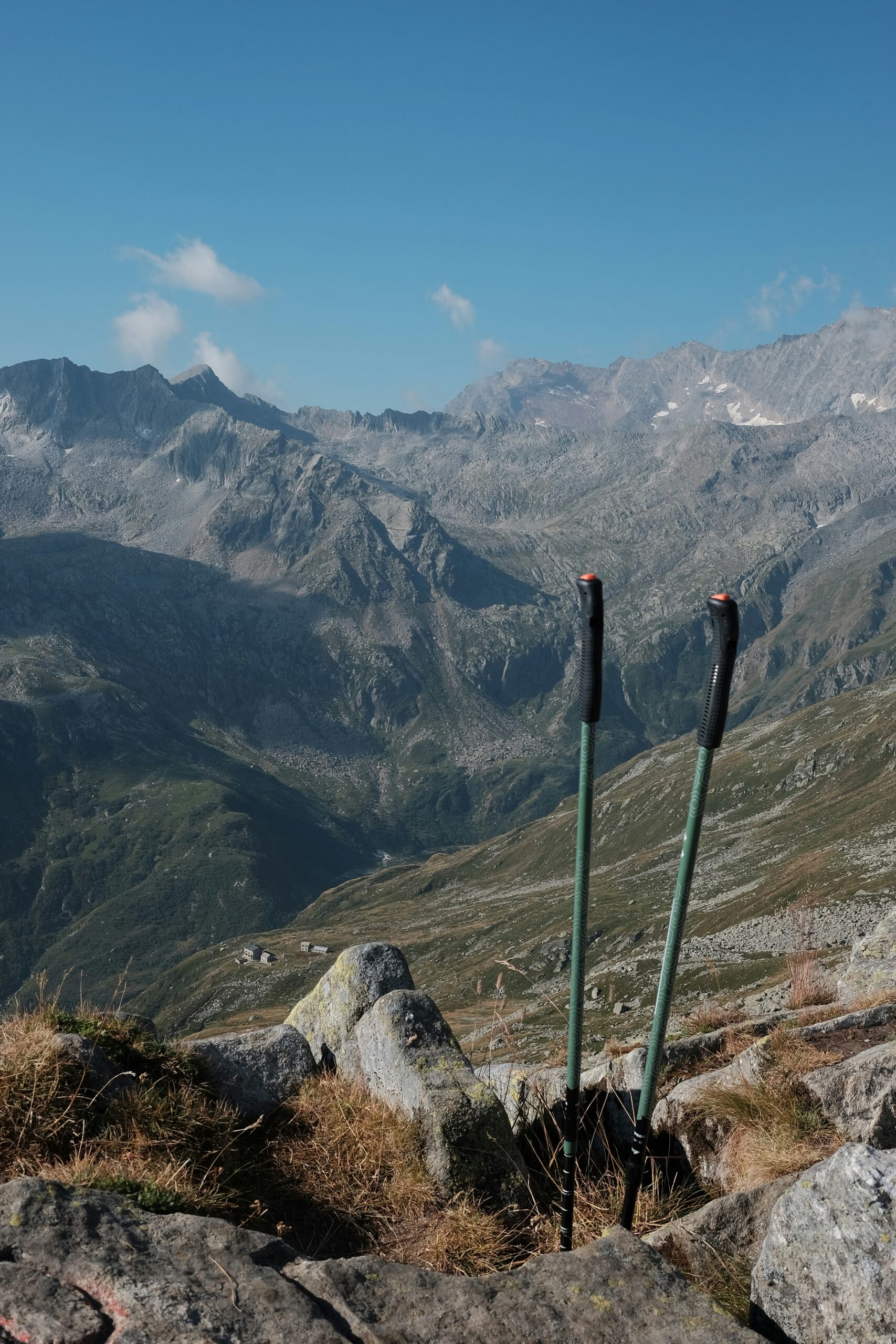
    Best Trekking Poles in 2026: Ranked for Every Hiker

    Best Trekking Poles in 2026: Tested, Ranked, and Expert-Recommended for Every Hiker

    As outdoor enthusiasts gear up for their adventures in 2026, the importance of choosing the right trekking poles cannot be overstated. These essential tools not only enhance stability and balance on uneven terrain but also help reduce strain on joints, making hikes more enjoyable. This comprehensive guide will delve into the best trekking poles available this year, highlighting their features, materials, and innovations. Readers will learn about the latest advancements in trekking pole technology, how to select the right length and adjustability, and the top brands leading the market. By addressing common concerns and providing expert recommendations, this article aims to equip hikers with the knowledge they need to make informed decisions.

    Which Trekking Pole Materials and Technologies Lead in 2026?

    The materials and technologies used in trekking poles have evolved significantly, impacting their performance and user experience. In 2026, the most common materials are carbon fiber and aluminum, each offering distinct advantages. Carbon fiber poles are known for their lightweight and high strength-to-weight ratio, making them ideal for long-distance hikers. Conversely, aluminum poles are typically more durable and cost-effective, appealing to budget-conscious adventurers.

    What Are the Benefits of Carbon Fiber vs. Aluminum Poles?

    Carbon fiber trekking poles provide several benefits, including reduced weight, which can enhance endurance during long hikes. They also offer excellent shock absorption, minimizing the impact on joints. However, they tend to be more expensive and can be less durable than aluminum poles, which are known for their robustness and resistance to bending. Aluminum poles are often favored for rugged terrains due to their durability, making them a reliable choice for heavy use. Ultimately, the choice between carbon fiber and aluminum poles depends on the hiker’s specific needs and budget.

    Further research underscores the exceptional properties that make carbon fiber a superior material for high-performance sports equipment, including trekking poles.

    Carbon Fiber Advantages for Trekking Poles

    Carbon fiber-reinforced composite materials by virtue of its high temperature resistance, corrosion resistance, light weight, high mechanical strength outstanding advantages emerge in the new material, in the sport of rowing or sailing, bike, badminton, skiing, golf, sleigh, archery, everywhere this black fiber figure.

    Study on carbon fiber composite materials in sports equipment, 2013

    How Do Shock Absorbing Features Improve Hiking Safety and Comfort?

    Shock absorbing features in trekking poles significantly enhance hiking safety and comfort by reducing the impact on joints during descents. These mechanisms work by dampening the force exerted on the poles, which can alleviate stress on the knees and ankles. Various technologies, such as internal springs or flexible shafts, are employed to provide this cushioning effect. Hikers using shock absorbing poles often report less fatigue and discomfort, allowing them to enjoy longer treks with greater ease.

    How to Choose the Right Trekking Pole Length and Adjustability for Your Needs?

    Selecting the appropriate trekking pole length is crucial for maintaining proper posture and balance while hiking. The right length allows for efficient energy transfer and reduces strain on the upper body. Adjustable poles offer versatility, accommodating different terrains and user preferences.

    What Are the Best Practices for Measuring and Adjusting Pole Length?

    To measure the correct pole length, hikers should stand upright and bend their elbows at a 90-degree angle. The grip of the pole should align with the wrist when the arm is at this angle. For adjustable poles, familiarizing oneself with the locking mechanisms is essential to ensure stability during use. Common mistakes include using poles that are too long or too short, which can lead to discomfort and inefficient hiking techniques.

    Which Adjustable Pole Mechanisms Offer Durability and Ease of Use?

    Several adjustable mechanisms are available in trekking poles, including twist-lock, lever-lock, and push-button systems. Twist-lock mechanisms are lightweight and easy to use but may require more frequent adjustments. Lever-lock systems provide a secure hold and are generally more durable, making them suitable for rugged conditions. Push-button mechanisms offer quick adjustments but may be less reliable over time. Choosing a mechanism that balances durability and ease of use is essential for a satisfying hiking experience.

    What Are the Top Trekking Pole Brands and Their Innovations in 2026?

    In 2026, several brands stand out for their innovative designs and commitment to quality in trekking poles. These brands are continuously pushing the boundaries of technology to enhance user experience and performance.

    Which Brands Lead in Lightweight and Durable Pole Designs?

    Brands like Black Diamond and Leki are renowned for their lightweight and durable trekking poles. Black Diamond’s Carbon Z poles are particularly popular among ultralight hikers, offering a compact design without sacrificing strength. Leki’s Micro Vario series combines lightweight materials with robust construction, making them a favorite for both casual and serious trekkers. User reviews often highlight the balance of weight and durability as key factors in their purchasing decisions.

    How Are Brands Integrating Eco-Friendly Materials and Technology?

    Sustainability is becoming increasingly important in the outdoor industry, and many trekking pole brands are responding by integrating eco-friendly materials. Companies like REI and MSR are leading the charge by using recycled materials in their pole designs and adopting sustainable manufacturing practices. This shift not only reduces environmental impact but also appeals to environmentally conscious consumers who prioritize sustainability in their purchasing decisions.

    How Do Shock Absorbing Trekking Poles Reduce Impact and Enhance Performance?

    Shock absorbing trekking poles are designed to minimize the impact on joints, enhancing overall performance during hikes. By absorbing shock, these poles help reduce fatigue and discomfort, allowing hikers to maintain their energy levels over longer distances.

    What Types of Shock Absorbing Systems Are Available?

    Various shock absorbing systems are available in trekking poles, including internal springs and flexible shafts. Internal springs compress upon impact, providing immediate cushioning, while flexible shafts allow for a slight bend during use, distributing force more evenly. Each system has its advantages, and the choice often depends on personal preference and hiking style.

    When Should Hikers Opt for Shock Absorbing Poles?

    Hikers should consider using shock absorbing poles when traversing steep descents or uneven terrain, where the impact on joints is more pronounced. These poles are particularly beneficial for individuals with pre-existing joint issues or those looking to enhance comfort during long hikes. Expert recommendations suggest that shock absorbing poles can significantly improve the hiking experience, especially on challenging trails.

    What Are the Essential Maintenance Tips and Accessories for Trekking Poles?

    Proper maintenance of trekking poles is essential for ensuring their longevity and performance. Regular care can prevent wear and tear, allowing hikers to enjoy their poles for many seasons.

    How to Properly Clean and Store Your Trekking Poles?

    Cleaning trekking poles involves wiping down the shafts and grips with a damp cloth after each use to remove dirt and moisture. For storage, poles should be kept in a dry place, preferably disassembled if they are collapsible. Avoid leaving them in direct sunlight or extreme temperatures, as this can degrade materials over time.

    Which Accessories Enhance Pole Functionality and Longevity?

    Several accessories can enhance the functionality and longevity of trekking poles. Rubber tips provide better traction on hard surfaces, while baskets prevent sinking into soft ground. Additionally, wrist straps can improve grip and control, making them a valuable addition for serious hikers. Investing in these accessories can significantly enhance the overall hiking experience.

    How Do Lightweight and Collapsible Trekking Poles Improve Travel Convenience?

    Lightweight and collapsible trekking poles are designed for convenience, making them ideal for travelers and backpackers. Their compact design allows for easy packing and transport, ensuring that hikers can take them on any adventure.

    What Are the Advantages of Collapsible Poles for Backpackers?

    Collapsible poles offer several advantages for backpackers, including reduced weight and space-saving capabilities. They can be easily stowed in a backpack or attached externally without adding significant bulk. This feature is particularly beneficial for long-distance hikers who need to minimize their pack weight while maintaining essential gear.

    How to Balance Weight and Durability in Lightweight Pole Selection?

    When selecting lightweight trekking poles, hikers should consider the balance between weight and durability. While lighter materials like carbon fiber are appealing for their weight savings, they may sacrifice some durability. Conversely, heavier aluminum poles offer robustness but can add unnecessary weight. Hikers should assess their specific needs and choose poles that provide the best combination of both attributes for their hiking style.

    What Are Common FAQs About Trekking Poles Answered by Experts?

    As trekking poles gain popularity, many common questions arise regarding their use and benefits. Addressing these FAQs can help new hikers make informed decisions.

    How Long Should Trekking Poles Be for Different Terrains?

    The ideal length of trekking poles varies based on terrain. For flat surfaces, poles should be adjusted to a height that allows for a 90-degree elbow angle. On steep inclines, shorter poles can provide better stability, while longer poles may be beneficial on descents. Adjusting the length according to the terrain can enhance comfort and efficiency.

    Can Trekking Poles Help Reduce Knee Pain and Fatigue?

    Yes, trekking poles can significantly reduce knee pain and fatigue by distributing weight more evenly and providing additional support. Studies have shown that using poles can decrease the load on the knees by up to 25%, making them a valuable tool for hikers, especially those with joint concerns. Many users report a noticeable reduction in fatigue during long hikes when using poles.

    Indeed, scientific studies confirm that the use of trekking poles actively contributes to mitigating physical strain and muscle damage during strenuous activities.

    Trekking Poles Reduce Muscle Soreness & Damage

    poles reduces muscle damage after a day of hiking [18]. The authors measured less delayed-onset muscle soreness in the trekking pole.

    A review of biomechanical and physiological effects of using poles in sports, N Nagengast, 2023

    Where to Find Trusted Reviews and How to Interpret Trekking Pole Ratings?

    Finding reliable reviews and understanding trekking pole ratings is crucial for making informed purchasing decisions. With numerous options available, knowing where to look can save time and money.

    What Criteria Are Used in Expert Pole Performance Testing?

    Expert performance testing typically evaluates several criteria, including weight, durability, adjustability, and shock absorption. These tests often involve real-world hiking scenarios to assess how poles perform under various conditions. Understanding these criteria can help consumers identify which poles best meet their needs.

    How to Use Comparison Tables and User Feedback Effectively?

    When researching trekking poles, utilizing comparison tables can provide a clear overview of features and specifications. Additionally, reading user feedback can offer insights into real-world performance and durability. Combining these resources allows hikers to make well-rounded decisions based on both expert evaluations and user experiences.

    Conclusion

    Choosing the right trekking poles can significantly enhance your hiking experience by providing stability, reducing joint strain, and improving overall comfort. With advancements in materials and technology, options like carbon fiber and shock-absorbing features cater to various hiking needs and preferences. By understanding the benefits and selecting the right poles, you can enjoy longer, more enjoyable treks. Explore our curated selection of top-rated trekking poles to find the perfect fit for your next adventure.

  • Hiking vs Trekking vs Mountaineering: What’s the Difference?

    Hiking vs Trekking vs Mountaineering: What’s the Difference?

    Hiking vs Trekking vs Mountaineering: Understanding Key Differences and Preparation Strategies

    Hiking, trekking, and mountaineering are popular outdoor activities that attract adventure enthusiasts worldwide. While they may seem similar at first glance, each offers unique experiences, challenges, and requirements. This article will delve into the definitions and core differences between these activities, helping you understand what sets them apart. By exploring the nuances of hiking, trekking, and mountaineering, you will gain insights into the necessary preparations, gear, and safety considerations for each. Whether you’re a beginner or an experienced adventurer, this guide will equip you with the knowledge to choose the right activity for your next outdoor adventure. We will cover essential gear, physical demands, safety protocols, and training strategies to ensure a successful expedition.

    What Are the Definitions and Core Differences Between Hiking, Trekking, and Mountaineering?

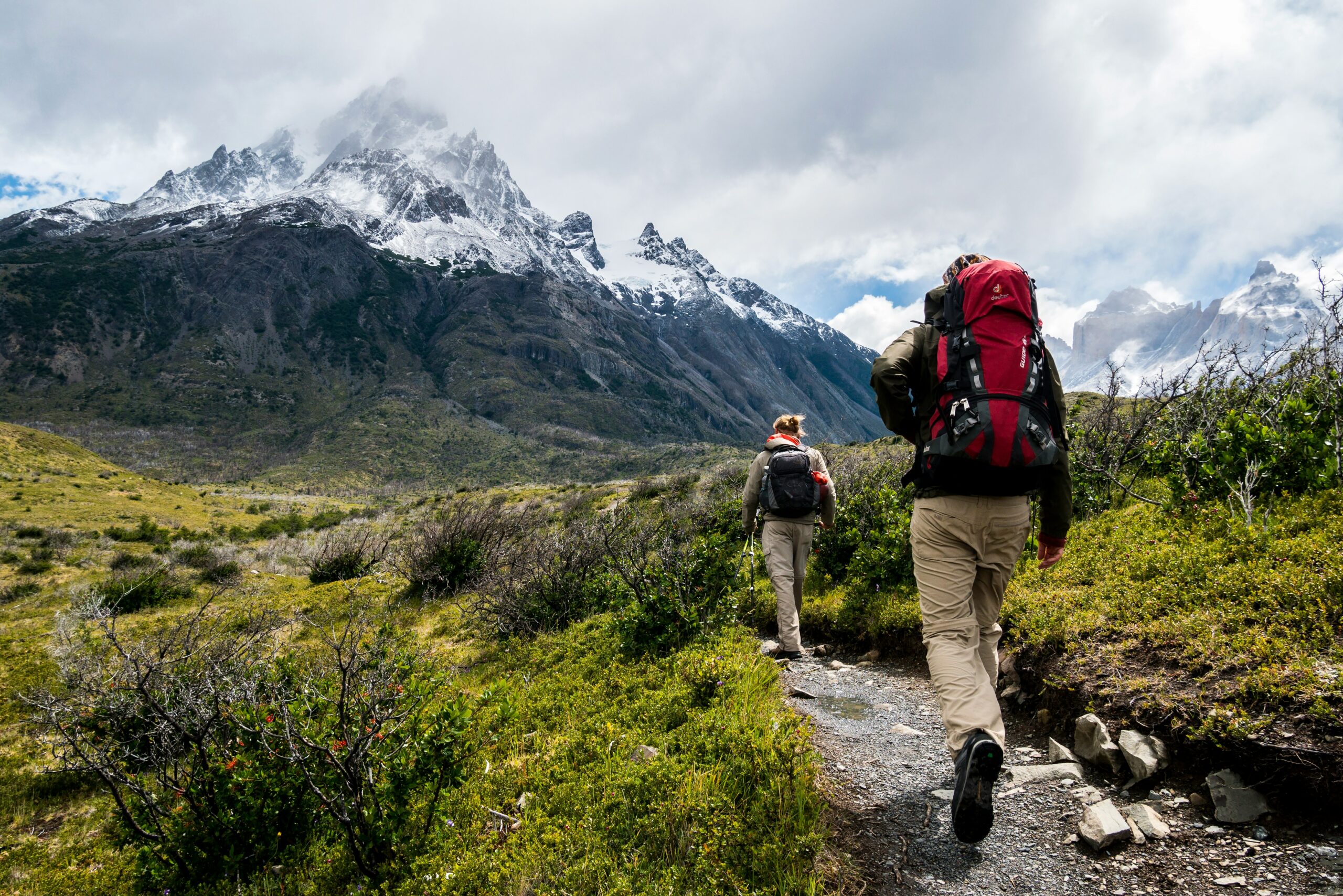
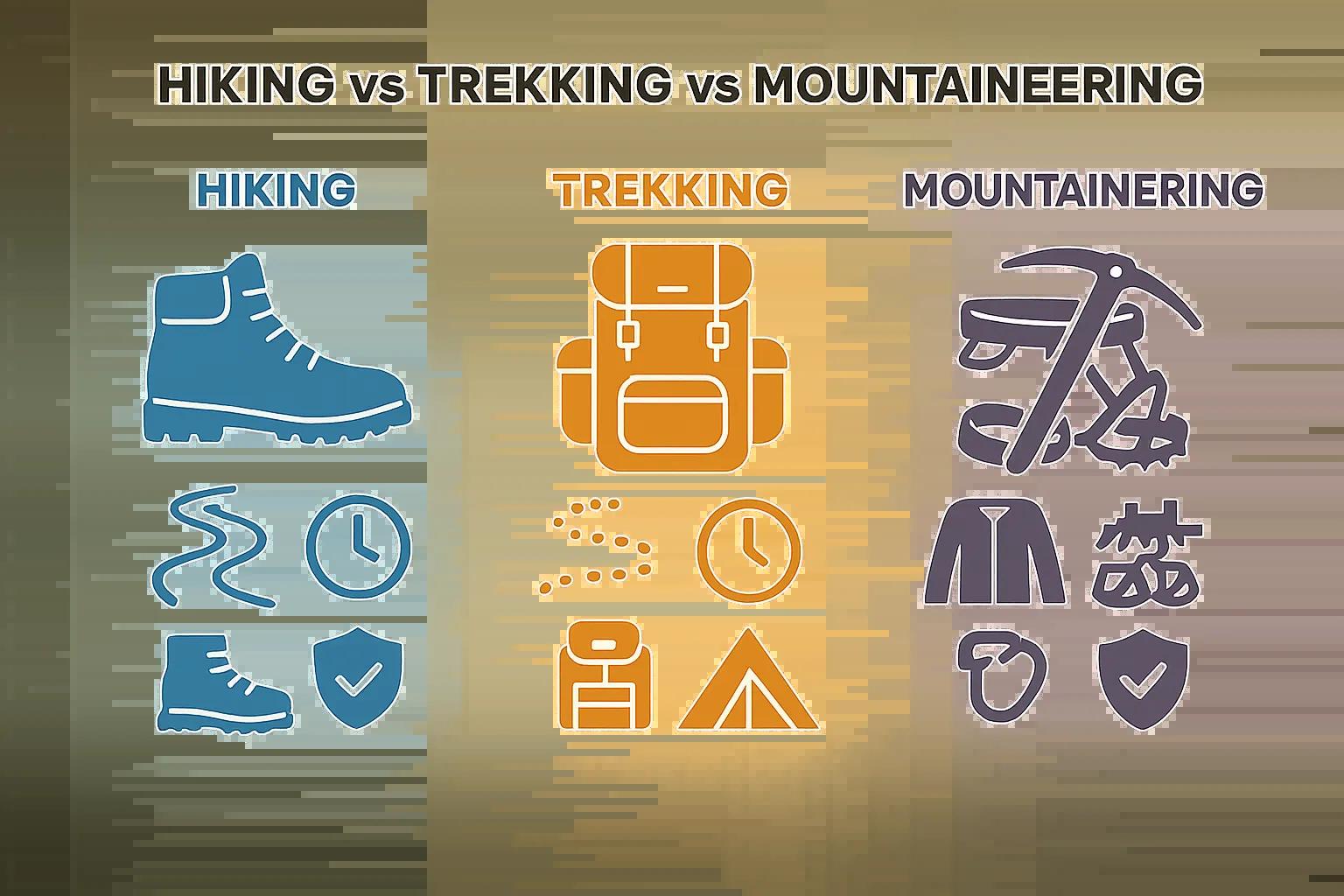
    Hiking, trekking, and mountaineering are distinct outdoor activities that vary in intensity, duration, and technical requirements. Hiking typically refers to walking on well-marked trails, often in natural environments, and can range from short day hikes to longer multi-day excursions. Trekking, on the other hand, involves longer journeys that may include multiple days of walking through diverse terrains, often requiring more endurance and preparation. Mountaineering is the most technical of the three, involving climbing mountains and navigating challenging terrains, often requiring specialized skills and equipment. For more information about mountaineering, you can visit our mountains K2 climb guide.

    Indeed, trekking is often formally defined by its multi-day nature and focus on exploring natural landscapes.

    Defining Trekking: Multi-Day Trips in Natural Areas

    Trekking refers to a multi-day trip on the trails of relatively unspoiled natural areas with the purpose of exploring and enjoying natural scenery (Poudel, S. & Nyaupane, GP, 2016).

    Trekking guide contribution in promotion of sustainable tourism practices in EBC trek, 2016

    How Do Hiking, Trekking, and Mountaineering Differ in Activity Type and Terrain?

    The terrain and activity types for hiking, trekking, and mountaineering vary significantly. Hiking usually takes place on established trails in parks or nature reserves, featuring gentle slopes and accessible paths. In contrast, trekking often involves more rugged terrains, such as hills, valleys, and remote areas, where paths may be less defined. Mountaineering typically occurs in high-altitude environments, where climbers face steep ascents, rocky surfaces, and potentially hazardous conditions, requiring advanced navigation and climbing skills.

    What Are the Typical Duration and Intensity Levels for Each Activity?

    The duration and intensity levels of these activities also differ. A typical hiking trip can last anywhere from a few hours to a full day, with moderate intensity levels suitable for most fitness levels. Trekking trips usually span several days, often requiring participants to carry heavier packs and endure more strenuous conditions, making it a more demanding activity. Mountaineering expeditions can last from a few days to weeks, with high intensity and significant physical and mental challenges, as climbers must acclimatize to altitude and navigate difficult terrains.

    What Gear and Equipment Are Essential for Hiking, Trekking, and Mountaineering?

    Choosing the right gear is crucial for a successful outdoor experience. Each activity requires specific equipment tailored to its unique demands. For hiking, essential gear includes sturdy footwear, weather-appropriate clothing, and a reliable backpack. Trekking gear builds on this foundation, often requiring additional items such as trekking poles, a sleeping bag, and a tent for overnight trips. Mountaineering necessitates specialized equipment, including climbing gear, harnesses, and ice axes, to ensure safety and efficiency in challenging conditions.

    Even for seemingly simpler activities like day hikes, careful consideration of essential gear is paramount for comfort and safety.

    Essential Gear for a Day Hike in the Woods

    When we head out for the day, however, we often give much less consideration to our kit. Many will quickly throw, say, a flask of coffee, a couple of sandwiches and a waterproof jacket in a daysack and maybe slip a Swiss Army Knife in a pocket.

    What Gear To Pack For A Day Hike In The Woods, 2014

    Which Footwear and Clothing Are Recommended for Each Activity?

    Footwear and clothing play a vital role in comfort and safety during outdoor activities. For hiking, lightweight, waterproof hiking boots are recommended, along with moisture-wicking clothing layers to regulate body temperature. Trekking requires more robust footwear with better ankle support and durable materials to withstand rough terrains. Mountaineering demands specialized boots designed for climbing, often featuring insulation and compatibility with crampons. Layering is essential for all activities, allowing participants to adapt to changing weather conditions.

    What Specialized Equipment Is Required for Mountaineering Compared to Hiking and Trekking?

    Mountaineering requires a range of specialized equipment that sets it apart from hiking and trekking. Essential mountaineering gear includes:

    EquipmentPurposeImportance
    Climbing HarnessSecures the climber to the ropeCritical for safety
    Ice AxeAids in climbing and self-arrestEssential for icy conditions
    CramponsProvides traction on ice and snowNecessary for steep ascents

    This specialized equipment is crucial for navigating the unique challenges of mountaineering, ensuring safety and success during climbs.

    The rigorous demands of mountaineering necessitate not only specialized equipment but also thorough evaluation and testing, often in extreme environments.

    Mountaineering Equipment Evaluation in Extreme Climates

    Pursuant to a request from US Army Natick Laboratories, the Arctic Institute of North America carried out testing and evaluation of certain commercially available mountaineering equipment, considered by the project investigator to be the best available on the commercial market today. This equipment was tested under varying climatic conditions and extremes in the St. Elias Mountains of the southwestern Yukon Territory, Canada. Tests were carried out in the low altitude forested region near Kluane Lake, in the medium altitude alpine environment of the central St. Elias Mountains, and in the severe high altitude polar environment of Canadas highest mountain, Mt. Logan.

    Mountaineering Equipment Evaluation, 1972

    How Do Physical and Technical Difficulty Levels Compare Among Hiking, Trekking, and Mountaineering?

    The physical and technical difficulty levels of hiking, trekking, and mountaineering vary significantly, impacting the preparation and skills required for each activity. Understanding these differences is essential for selecting the right adventure based on individual fitness levels and experience.

    What Are the Physical Demands and Skill Requirements for Each Activity?

    Hiking generally requires moderate physical fitness, as trails are often well-maintained and accessible. Basic navigation skills are beneficial but not mandatory. Trekking demands higher endurance and stamina, as participants may face longer distances and more challenging terrains. Skills in navigation and basic survival techniques become increasingly important. Mountaineering presents the highest physical demands, requiring advanced climbing skills, knowledge of safety protocols, and the ability to handle extreme weather conditions and altitude sickness.

    How Does Terrain and Altitude Affect Difficulty Levels?

    Terrain and altitude significantly influence the difficulty levels of these activities. Hiking trails are typically designed for accessibility, while trekking routes may include steep ascents and variable weather conditions. Mountaineering involves high-altitude environments where oxygen levels are lower, increasing the risk of altitude sickness. Climbers must acclimatize properly and be prepared for rapidly changing weather, which can complicate navigation and safety.

    What Are the Key Safety and Health Considerations for Hiking, Trekking, and Mountaineering?

    Safety and health considerations are paramount in outdoor activities. Each activity presents unique risks that participants must be aware of to ensure a safe and enjoyable experience.

    How Can Altitude Sickness Be Prevented and Managed Across These Activities?

    Altitude sickness is a common concern for trekkers and mountaineers. To prevent and manage this condition, gradual acclimatization is essential. Participants should ascend slowly, allowing their bodies to adjust to higher elevations. Staying hydrated and recognizing early symptoms, such as headaches and nausea, can help mitigate the effects of altitude sickness. In severe cases, descending to lower altitudes is necessary for recovery.

    What Other Health Risks and Safety Protocols Should Participants Know?

    In addition to altitude sickness, outdoor enthusiasts should be aware of other health risks, such as dehydration, hypothermia, and injuries from falls. Proper hydration, nutrition, and weather preparedness are crucial for all activities. Participants should also familiarize themselves with navigation skills and emergency protocols, ensuring they are equipped to handle unexpected situations.

    Which Popular Global Mountains and Routes Are Suitable for Hiking, Trekking, and Mountaineering?

    Numerous mountains and routes worldwide cater to hikers, trekkers, and mountaineers, each offering unique experiences and challenges.

    What Are Recommended Hiking Trails vs Trekking Routes?

    Popular hiking trails include:

    • Appalachian Trail: A long-distance trail spanning approximately 2,190 miles across the eastern United States, offering diverse landscapes and experiences.
    • Pacific Crest Trail: Stretching from Mexico to Canada, this trail showcases stunning views of the Sierra Nevada and Cascade mountain ranges.
    • Inca Trail: A historic route leading to Machu Picchu, combining cultural heritage with breathtaking scenery.

    Trekking routes, such as the Everest Base Camp Trek and the Annapurna Circuit, provide more challenging experiences, often requiring multi-day excursions through rugged terrains.

    Which Mountains Are Iconic for Mountaineering Expeditions?

    Iconic mountains for mountaineering include:

    • Mount Everest: The highest peak in the world, attracting climbers from around the globe.
    • K2: Known for its technical difficulty, K2 presents significant challenges even for experienced climbers.
    • Denali: The highest peak in North America, offering a demanding ascent with extreme weather conditions.

    These mountains represent the pinnacle of mountaineering challenges, requiring extensive preparation and skill.

    How Should One Train and Prepare for Hiking, Trekking, and Mountaineering Expeditions?

    Training and preparation are essential for success in hiking, trekking, and mountaineering. Each activity requires a tailored approach to ensure participants are physically and mentally ready for the challenges ahead.

    What Training Programs Enhance Physical Fitness and Technical Skills?

    Training programs should focus on building endurance, strength, and technical skills. For hiking, participants can engage in regular walking or jogging, gradually increasing distance and elevation. Trekking requires more intensive training, including long-distance hikes with a weighted backpack to simulate trekking conditions. Mountaineering training should incorporate climbing techniques, strength training, and altitude acclimatization practices to prepare for the unique demands of high-altitude climbing.

    How Can Gear Selection and Safety Planning Improve Expedition Success?

    Proper gear selection and safety planning are critical for successful expeditions. Participants should invest in high-quality equipment suited to their specific activity, ensuring it meets safety standards and performance requirements. Additionally, thorough safety planning, including route mapping, weather assessments, and emergency protocols, can significantly enhance the chances of a successful and enjoyable outdoor experience.

    What Are Common Frequently Asked Questions About Hiking, Trekking, and Mountaineering?

    Understanding common questions can help clarify the distinctions between hiking, trekking, and mountaineering, guiding individuals in their outdoor pursuits.

    What Is the Difference Between Hiking and Trekking?

    Hiking typically refers to shorter, less strenuous walks on established trails, while trekking involves longer journeys through more challenging terrains, often requiring overnight camping and greater physical endurance.

    Is Mountaineering More Difficult Than Trekking?

    Yes, mountaineering is generally considered more difficult than trekking due to the technical skills required, the need for specialized equipment, and the challenges posed by high-altitude environments.

    What Gear Is Essential for Mountaineering Safety?

    Essential gear for mountaineering safety includes a climbing harness, ice axe, crampons, and a reliable helmet. These items are crucial for navigating challenging terrains and ensuring safety during climbs.

    How Do Hiking Trails Differ From Trekking Routes?

    Hiking trails are usually well-marked and accessible, while trekking routes may be less defined and require more navigation skills. Trekking often involves longer distances and more rugged terrains compared to typical hiking trails.

    Hiking vs Trekking vs Mountaineering

    Conclusion

    Understanding the distinctions between hiking, trekking, and mountaineering empowers outdoor enthusiasts to choose the right adventure tailored to their skills and preferences. Each activity offers unique challenges and rewards, from the accessibility of hiking trails to the technical demands of mountaineering. By preparing adequately and selecting the appropriate gear, you can enhance your outdoor experience significantly. Discover more about our recommended gear and training tips to elevate your next expedition.

  • 10 Best Mountains to Climb for Beginners

    10 Best Mountains to Climb for Beginners

    10 Best Mountains to Climb for Beginners

    10 Best Mountains to Climb for Beginners: Ranked by Difficulty

    Mountain climbing is rewarding, but picking the right peak matters for safety and enjoyment. This guide ranks ten beginner-friendly mountains by difficulty and explains the criteria used, safety considerations, practical preparation steps, and recommended gear. Use the route features and checklists here to choose appropriate peaks and arrive prepared.

    “Beginner-friendly” in this guide means routes where navigation is straightforward, technical moves are minimal or avoidable, and the objective hazards can be managed with basic skills and the right preparation. Typical beginner objectives are day hikes or short overnight routes with clear trails, modest elevation gain, and predictable exit options. When starting out, favour shorter circuits or out-and-back routes that let you test pace and kit without committing to long, exposed ridgelines.

    What Criteria Define the Difficulty Levels of Beginner-Friendly Mountains?

    Difficulty is based on measurable factors: route grade (the technical moves required), elevation gain (vertical metres you ascend), and objective hazards such as rockfall, exposure to drops, and local weather. Use these criteria to match a route to your skills and fitness.

    How Are Climbing Difficulty Levels Categorized for New Climbers?

    Routes are categorised by access, navigation ease and technical demand. “Day-hike friendly” typically means reachable in a day with clear navigation. Read route overviews and safety notes to confirm a peak fits your experience.

    Which Safety Factors Influence Mountain Difficulty Ratings?

    Safety factors change how difficult a route feels and how you should prepare. Key considerations include:

    • Steepness : The angle of the terrain can greatly affect the difficulty of a climb. Steeper slopes require more technical skills and physical endurance.
    • Exposure : Areas with significant drops or cliffs can pose serious risks, especially in adverse weather conditions.
    • Technical Skills Required : Some climbs may require specific skills, such as rock climbing or navigating icy surfaces, which can increase the difficulty level.

    Know these factors before you pick a route so you can assess readiness and plan mitigations. about

    Which Are the Top 10 Easy Hiking Mountains Suitable for Beginners?

    Below are ten easy hiking mountains suitable for beginners, ranked by difficulty and noted for accessible routes:

    • Mount Monadnock (New Hampshire) – A popular choice for beginners, offering well-marked trails and stunning views.
    • Mount Tamalpais (California) – Known for its scenic vistas and moderate trails, ideal for novice climbers.
    • Pikes Peak (Colorado) – Accessible via a paved road, making it a great option for those looking to experience high elevation without technical climbing.
    • Mount Hood (Oregon) – Offers beginner-friendly routes with beautiful landscapes and a variety of trails.
    • Mount Washington (New Hampshire) – While challenging, it has easier trails that provide a taste of mountain climbing.
    • Mount Rainier (Washington) – Features beginner routes that allow climbers to experience the beauty of this iconic peak.
    • Mount Shasta (California) – Offers a range of trails suitable for beginners, with breathtaking views.
    • Mount St. Helens (Washington) – Known for its unique landscape, it has accessible trails for novice climbers.
    • Mount Katahdin (Maine) – The highest peak in Maine, with beginner-friendly trails that showcase the beauty of Baxter State Park.
    • Mount Adams (Washington) – Provides a variety of routes, including easier paths for those new to climbing.

    For planning resources and step-by-step summit guides, the Information Hub provides detailed route notes, timing estimates and gear suggestions.

    When choosing among these ten, compare travel logistics (access roads, permits and parking), time available for the trip, and how much altitude you will gain on the route. Some novices prefer peaks where a clear trail reaches the summit plateau; others use cable cars or paved roads for partial access and to practise coping with higher elevations in a controlled way.

    What Are the Key Features of Each Beginner-Friendly Peak?

    Each peak has features that affect trip planning. Focus on three practical items when comparing mountains:

    • Elevation : Most of these mountains have elevations ranging from 3,000 to 14,000 feet, providing a variety of experiences.
    • Best Season : The ideal climbing season varies by location, with summer being the most popular time for many of these peaks.
    • Safety Level : Each mountain has been assessed for safety, with many offering well-maintained trails and clear signage to guide climbers.

    Compare elevation, season and safety level to choose a peak that matches your goals and ability.

    Practical comparison checklist: before you commit, note the expected hiking time, total elevation gain, trail surface (rocky, packed dirt, scree), navigation complexity (marked trail versus route-finding), and availability of services (parking, ranger station, water sources). Ranking these items for each peak helps you pick the one that fits your experience and travel plans.

    How Do Elevation and Location Affect Climbing Difficulty?

    Elevation reduces available oxygen and can cause altitude sickness; location influences weather and storm frequency. Consider both when choosing a climb and plan acclimatisation and contingency time.

    How to Prepare Effectively for Climbing Beginner Summits Safely?

    Preparation reduces risk and improves success. Key steps are:

    • Choosing the Right Objective : Select a mountain that matches your skill level and physical fitness.
    • Weather Considerations : Always check the weather forecast before your climb and be prepared for changing conditions.
    • Logistics Planning : Plan your route, including starting times and estimated return times, to ensure a safe and enjoyable experience.

    Follow these steps to lower risk and increase the chance of a successful, enjoyable climb.

    Sample day-of-climb timeline: the evening before, check gear, charge electronics and prepare food; the morning of, review the route, notify a contact of your plan, and start early to avoid afternoon storms. During the ascent, monitor pace and hydration, pause for short breaks, and reassess conditions at key waypoints. On descent, maintain awareness even when tired and allow extra time for slower travel back to the trailhead.

    What Essential Gear Is Recommended for New Climbers?

    The right gear keeps you safe and comfortable. Prioritise layers, reliable boots, and navigation tools, then add items specific to the route and season.

    • Clothing Layers : Dress in layers to adapt to changing weather conditions, including moisture-wicking base layers and insulated outer layers.
    • Footwear : Invest in sturdy hiking boots that provide support and traction on various terrains.
    • Navigation Tools : Carry a map, compass, or GPS device to help navigate the trails effectively.
    Gear TypeRecommended ItemPurpose
    ClothingMoisture-wicking base layersKeeps you dry and comfortable
    FootwearSturdy hiking bootsProvides support and traction
    NavigationMap or GPS deviceHelps with route navigation

    The table summarises core items; pack appropriately for distance, season and expected hazards.

    Pack organisation tips: keep frequently used items (map, sunglasses, snacks, headlamp) in easily accessible pockets. Use dry bags or liners to separate clothing from electronics. Aim to balance weight by placing heavier items close to your back and in the middle of the pack. For water, plan for at least a litre per two hours of moderate hiking in summer conditions and adjust for effort and temperature.

    Which Training Plans Improve Readiness for Easy Mountain Climbs?

    Training builds the fitness you’ll need. A balanced plan targets endurance, strength and flexibility:

    • Cardiovascular Training : Engage in activities like running, cycling, or swimming to improve endurance.
    • Strength Training : Focus on exercises that build leg and core strength, such as squats and lunges.
    • Flexibility Training : Incorporate stretching or yoga to enhance flexibility and reduce the risk of injury.

    Follow these elements consistently and increase intensity gradually to reduce injury risk and improve performance on the trail.

    Example weekly progression for beginners: Week 1 combine two 30–45 minute cardio sessions with one strength session focused on legs and core, plus one longer hike of 60–90 minutes. Each successive week add 10–20% more time or slightly increase intensity, and include one flexibility session. Before a chosen objective, include at least one training hike with similar elevation gain and footwear to familiarise yourself with the demands.

    What Are the Best Seasons and Weather Conditions for Beginner Mountain Climbs?

    Spring and summer usually offer the most stable conditions and accessible trails. Still, check local forecasts and avoid climbing in unstable weather; clear conditions reduce objective hazards.

    How Do Seasonal Changes Impact Safety and Accessibility?

    Seasons change hazards: winter brings snow and ice; spring brings melt and higher stream flows. Always verify current trail conditions and pack season-appropriate gear.

    Which Mountains Offer Optimal Conditions for Novice Climbers?

    Choose peaks with maintained trails, clear signage and straightforward routes. Examples known for these conditions include Mount Monadnock, Mount Tamalpais and Pikes Peak.

    • Mount Monadnock : Offers a variety of trails with clear markings and stunning views.
    • Mount Tamalpais : Known for its moderate trails and beautiful scenery.
    • Pikes Peak : Accessible via a paved road, making it easy for beginners to experience high elevation.

    Those peaks provide forgiving terrain and clear wayfinding, which helps novices build skills safely.

    What Safety Protocols Should Beginners Follow When Climbing Mountains?

    Follow a few core safety protocols on every trip:

    • Planning Smart : Always inform someone of your climbing plans and expected return time.
    • Acclimatization : Gradually adjust to higher elevations to prevent altitude sickness.
    • Emergency Preparedness : Carry a first aid kit and know basic first aid procedures.

    These protocols reduce risk and give you clear actions to follow if conditions change.

    How to Assess and Mitigate Risks on Easy Hiking Mountains?

    Assess risks by researching the route, current conditions and likely hazards. Mitigate them by carrying essential gear, having a plan B and keeping informed on weather and trail reports.

    • Planning and Preparation : Research the mountain and its trails to understand potential hazards.
    • Emergency Preparedness : Carry essential gear, including a first aid kit and navigation tools.
    • Stay Informed : Keep up to date with weather conditions and trail reports.

    Use these strategies to lower your exposure to hazards and make safer decisions on the trail.

    What Emergency Preparedness Measures Are Essential for New Climbers?

    Build a compact emergency kit, practise navigation skills and know basic signalling methods. These measures shorten response time if something goes wrong.

    • Building a Reliable Kit : Carry a first aid kit, extra food, and water.
    • Navigation Skills : Familiarize yourself with map reading and compass use.
    • Emergency Readiness : Know how to signal for help and what to do in case of an emergency.

    Implementing these steps increases safety margins and helps you manage unexpected situations.

    Communication and evacuation planning: carry a fully charged phone in a waterproof sleeve and consider backup power. Wherever possible identify local emergency contact numbers and the nearest access road or pickup point before you go. Discuss an evacuation plan with your party so everyone understands the quickest way off the mountain if conditions deteriorate.

    How Do Beginner Climbers Choose the Right Mountain Based on Difficulty and Safety?

    Match the mountain’s technical demands and hazards to your experience and fitness. Review trail ratings, recent condition reports and trip times before committing to an objective.

    Research shows a structured decision process can simplify mountain selection for new climbers.

    Beginner Mountain Selection Criteria

    Selecting a mountain for first-time climbers is challenging. The Simple Additive Weighting (SAW) method offers a structured way to compare options by scoring factors such as campsite availability, mountain height, natural resources, scenic value and terrain difficulty. Use weighted criteria to rank peaks against your priorities.

    Mountain Selection for Beginner Climbers: a Simple Additive Weighting (SAW)

    Method, L Wikarsa, 2024

    A simple decision workflow you can use: list potential objectives, note the highest-risk factors for each (exposure, remoteness, expected weather), and eliminate any peak where at least one risk is beyond your comfort level. Prioritise routes with bailout options and shorter objective times while you build experience.

    What Tools and Resources Help Compare Mountain Difficulty Levels?

    Use a mix of resources to compare difficulty: online route guides, climbing apps and advice from local clubs. Each gives different data points—use them together for a fuller picture.

    • Online Climbing Guides : Websites that provide detailed information about various mountains and their difficulty ratings.
    • Climbing Apps : Mobile applications that offer trail maps, user reviews, and difficulty ratings.
    • Local Climbing Clubs : Organizations that can provide insights and recommendations based on personal experiences.

    Combine these sources to make data-informed choices about routes and timings.

    How to Use Difficulty Rankings and Safety Data to Make Informed Decisions?

    Use rankings and safety reports as decision tools, not absolutes. Cross-check trail grades with recent condition reports and local advice before you go.

    • Review Trail Ratings : Understand the grading system used to assess mountain difficulty.
    • Analyze Safety Reports : Look for information on recent accidents or hazards associated with specific trails.
    • Consult Experienced Climbers : Seek advice from those who have climbed the mountains you are considering.

    When you combine these sources you’ll pick routes that match your skill level and acceptable risk.

    What Common Questions Do Beginners Have About Climbing Easy Mountains?

    Beginners often ask practical questions about clothing, preparation and weather. Clear answers reduce uncertainty and improve safety.

    • What should I wear? : Dress in layers and wear sturdy footwear.
    • How do I prepare? : Train physically and plan your route in advance.
    • What if I encounter bad weather? : Always check the forecast and be prepared to turn back if conditions worsen.

    Answering these basics before you leave will make your climb more predictable and safer. K2 climb guide

    Frequently Asked Questions

    What should beginners know about altitude sickness when climbing?

    Altitude sickness commonly occurs above about 8,000 feet and can cause headache, nausea and dizziness. Prevent it by ascending slowly, allowing time to acclimatise, staying well hydrated and avoiding alcohol. If symptoms appear, descend to lower elevation immediately.

    How can beginners find climbing partners or groups?

    Find partners through local climbing gyms, outdoor clubs and online forums. Attend organised meetups or guided trips to connect with experienced climbers and build a reliable support network.

    What are the best practices for navigating trails as a beginner?

    Learn the route before you go and carry a map and compass or GPS. Stay on marked trails, note key landmarks, and if you get off-route retrace to the last known point. Practice navigation on short day hikes first.

    What should beginners do if they encounter wildlife on the trail?

    Stay calm and keep distance. Do not approach or feed animals. Make noise while hiking to avoid surprise encounters and back away slowly if an animal approaches. Know local wildlife guidelines for the area you’re visiting.

    How can beginners improve their physical fitness for climbing?

    Build endurance with cardio, increase leg and core strength with targeted exercises, and include flexibility work to reduce injury risk. Set a regular schedule and raise intensity gradually.

    What are the common mistakes beginners make when climbing mountains?

    Common errors include poor preparation, underestimating route difficulty, and not telling someone your plan. Avoid these by planning, packing properly and choosing objectives that match your skills.

    How can beginners stay motivated during their climbing journey?

    Set realistic, measurable goals and track progress. Join groups, find a mentor and celebrate small milestones to maintain momentum and build confidence.

    How Can Beginners Overcome Common Challenges on Their First Climbs?

    Address common challenges with clear strategies: pick appropriate objectives, use an acclimatisation plan and seek guidance when needed.

    • Choosing the Right Objective : Select a mountain that matches your skill level.
    • Acclimatization Strategy : Gradually increase elevation to adapt to higher altitudes.
    • Seeking Guidance : Consider hiring a guide or joining a group for your first climb.

    Apply these strategies to reduce risk and increase your chance of a successful first climb.

    How to Access Detailed Summit Guides and Resources for Beginner Mountains?

    Find detailed summit guides on reputable climbing websites, in local guidebooks and through gear shops or apps that include route maps and trip reports.

    • Online Climbing Websites : Many sites offer comprehensive guides and user reviews.
    • Local Outdoor Stores : Staff can provide recommendations and resources for beginner climbers.
    • Climbing Apps : Mobile applications often include detailed trail information and maps.

    Use these resources to confirm route details, timing and hazards before you depart.

    Where to Find Comprehensive Climbing Guides for Each Top Beginner Peak?

    Look for peak-specific guides on outdoor recreation websites, regional guidebooks and from local clubs or ranger stations that offer current trail information.

    • Outdoor Recreation Websites : Many provide detailed information on specific mountains and trails.
    • Guidebooks : Look for books dedicated to hiking and climbing in your region.
    • Local Climbing Clubs : These organizations often have resources and experienced members who can offer guidance.

    Gathering information from multiple trusted sources gives you the detail needed to plan a safe trip.

    How Do Structured Data and Maps Enhance Climber Preparation?

    Maps and structured data provide elevation profiles, trail gradients and known hazards. Use them to plan pacing, identify bailout points and check real-time trail and weather updates.

    Conclusion

    Climbing gives beginners a way to connect with nature while building confidence and fitness. Choose beginner-friendly peaks such as Mount Monadnock or Pikes Peak, prepare with clear safety protocols and the right gear, and use detailed summit guides to plan your trip. Start planning your next climb with the resources and checklists provided here.

    Begin with conservative objectives, practise the essential skills on shorter outings and gradually step up to longer routes. Use the checklists and training suggestions in this guide to create a repeatable, safe process for selecting and completing beginner climbs. Over time you will build the judgement and experience needed to tackle more challenging objectives.

  • Vinson Massif: Complete Guide to Climbing Antarctica’s Highest Peak

    Vinson Massif: Complete Guide to Climbing Antarctica’s Highest Peak

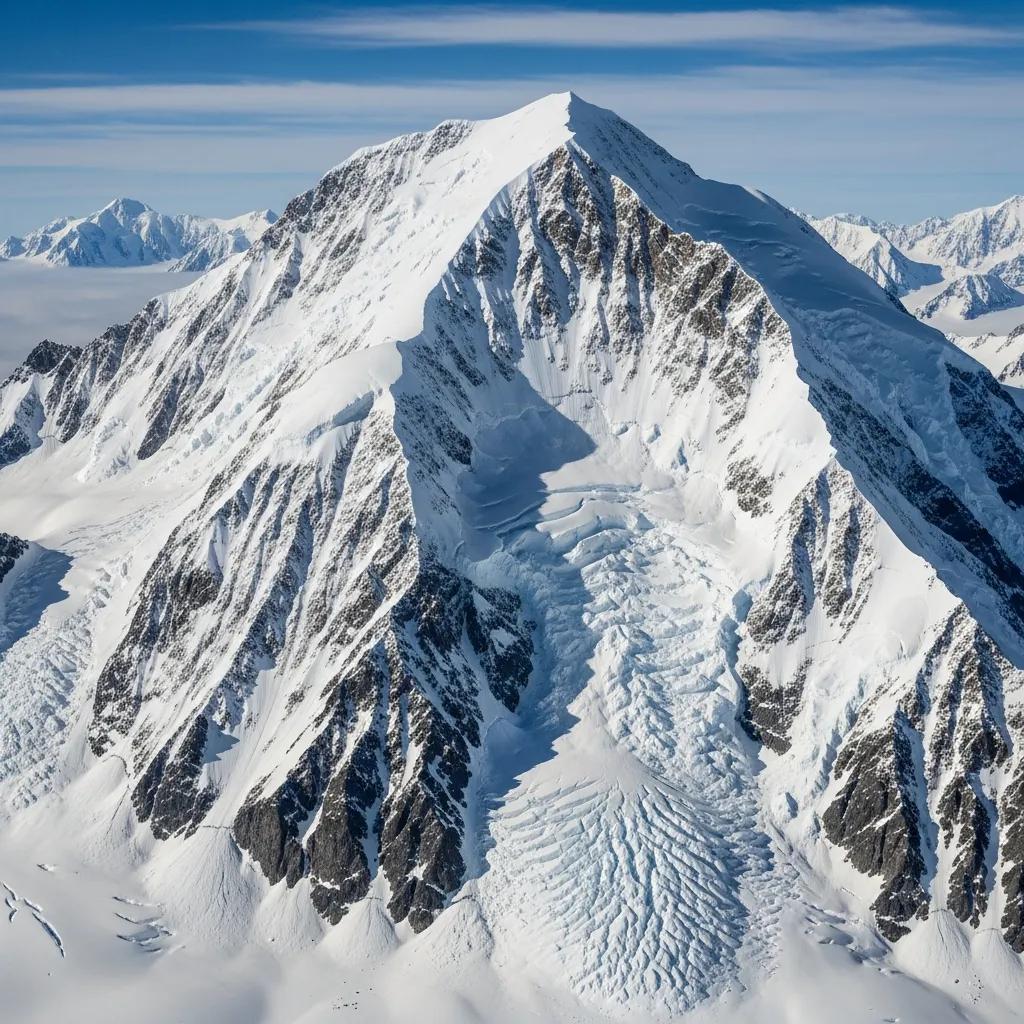
    Aerial view of Vinson Massif showcasing its rugged terrain and snow-covered peaks

    Vinson Massif Climbing Guide: Complete Expedition Planning for Antarctica’s Highest Peak

    Climbing Vinson Massif, the highest peak in Antarctica, presents a unique challenge for mountaineers seeking adventure in one of the most remote locations on Earth. This comprehensive guide will equip you with essential knowledge about the mountain’s geographic features, climbing routes, expedition logistics, and safety measures. As climbers often face harsh conditions and logistical hurdles, understanding the intricacies of planning an expedition to Vinson Massif is crucial for success. This article will delve into the key geographic and geological features of Vinson Massif, the available climbing routes and their difficulty levels, essential logistics and permits, weather conditions, safety measures, recommended gear, insights from recent expeditions, and how to stay updated on conditions.

    What Are the Key Geographic and Geological Features of Vinson Massif?

    Vinson Massif is a prominent mountain located in the Sentinel Range of the Ellsworth Mountains in Antarctica. It stands at an impressive elevation of 4,892 meters (16,050 feet), making it the highest peak on the continent. The mountain is characterized by its rugged terrain, which includes steep ice slopes, crevasses, and rocky outcrops. The unique geological features of Vinson Massif are a result of its formation during the last major glaciation, which shaped its current landscape.

    Where Is Vinson Massif Located Within Antarctica?

    Vinson Massif is situated in the remote Ellsworth Mountains, specifically within the Sentinel Range. The mountain’s geographical coordinates are approximately 78° 35′ S latitude and 85° 25′ W longitude. It is located about 1,200 kilometers (750 miles) from the South Pole and is surrounded by other notable peaks, including Mount Tyree and Mount Vinson’s neighboring summits. The isolation of Vinson Massif contributes to its challenging climbing conditions, making it a coveted destination for experienced mountaineers.

    What Are the Elevation and Terrain Characteristics of Vinson Massif?

    The elevation of Vinson Massif reaches 4,892 meters (16,050 feet), making it a formidable challenge for climbers. The terrain is characterized by a combination of steep ice slopes, rocky ridges, and deep crevasses, which require technical climbing skills and careful navigation. The mountain’s summit is often covered in snow and ice, creating additional challenges for climbers. Understanding the elevation and terrain characteristics is essential for planning a successful ascent and ensuring climbers are adequately prepared for the conditions they will face.

    Which Climbing Routes Are Available on Vinson Massif and What Are Their Difficulty Levels?

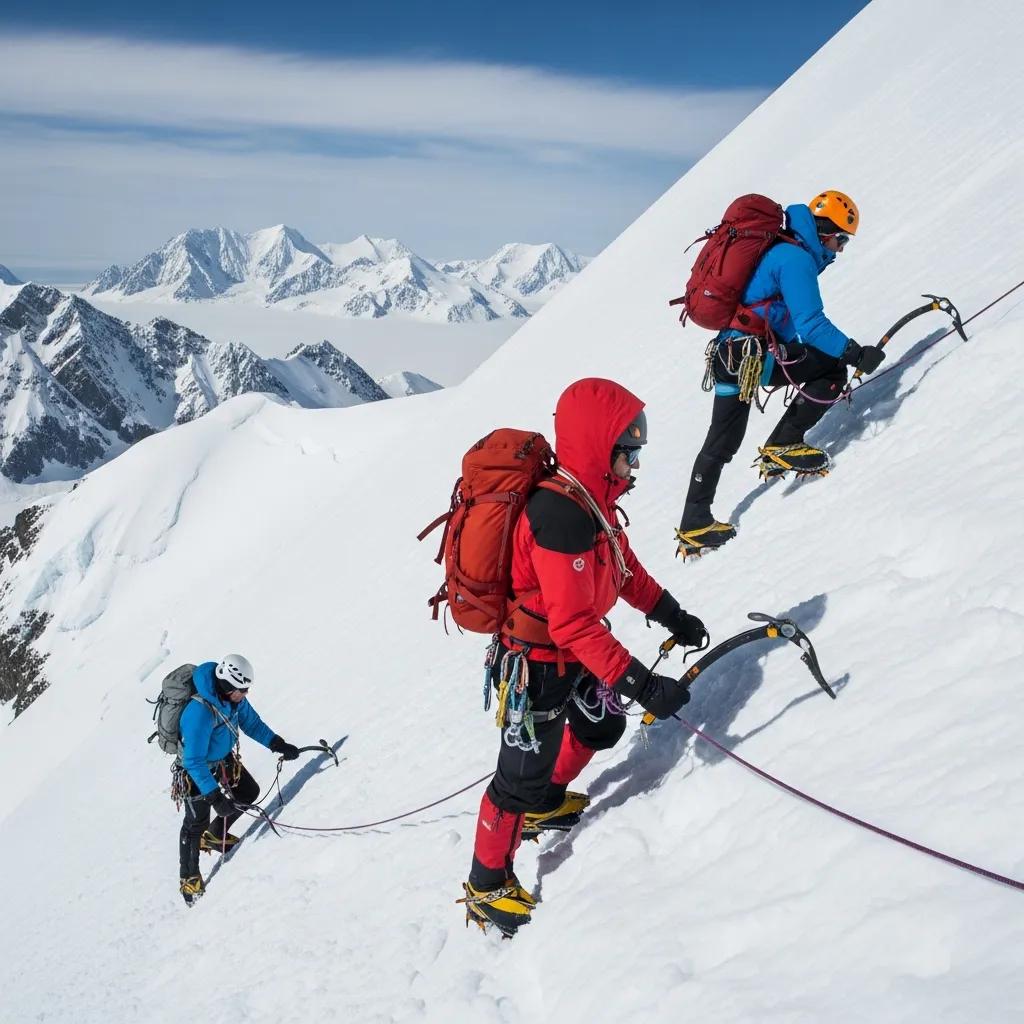
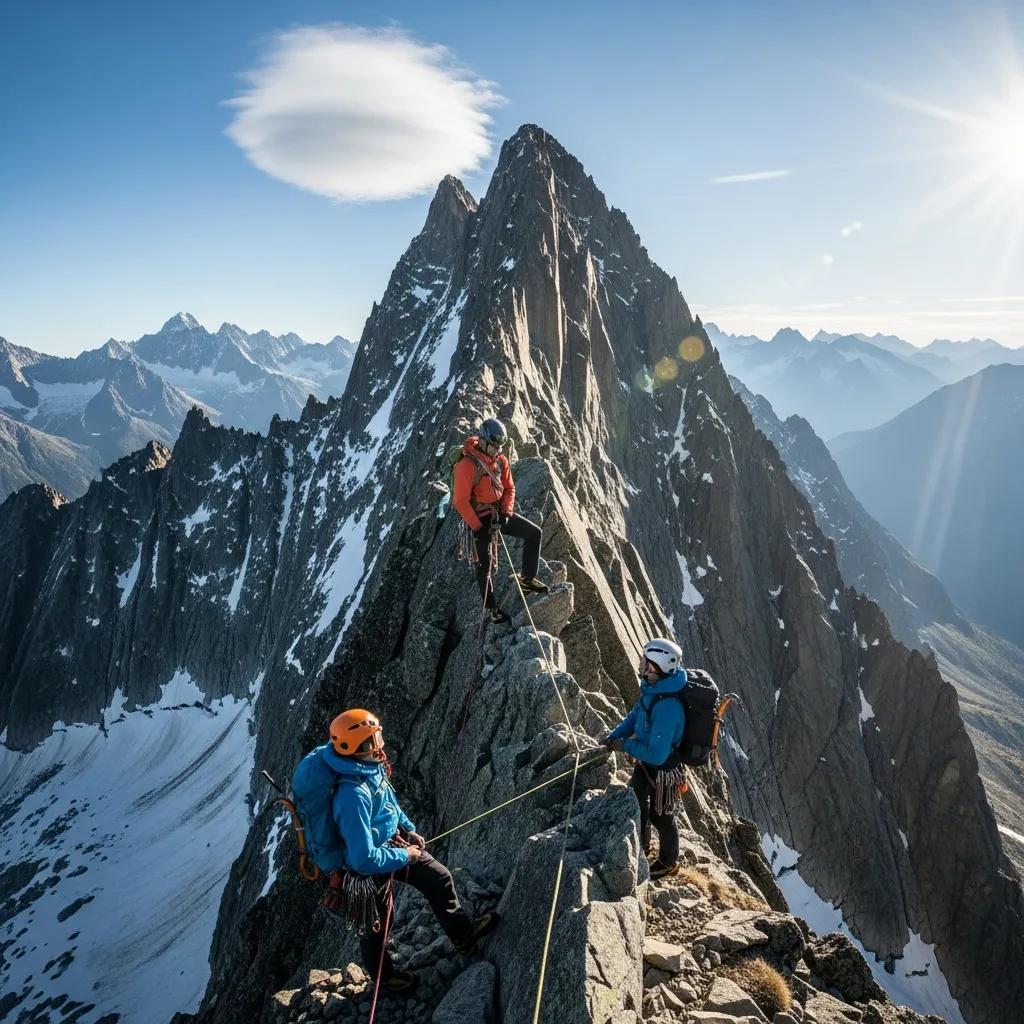
    Climbers on the West Face Route of Vinson Massif, showcasing the steep ice slopes and challenging terrain

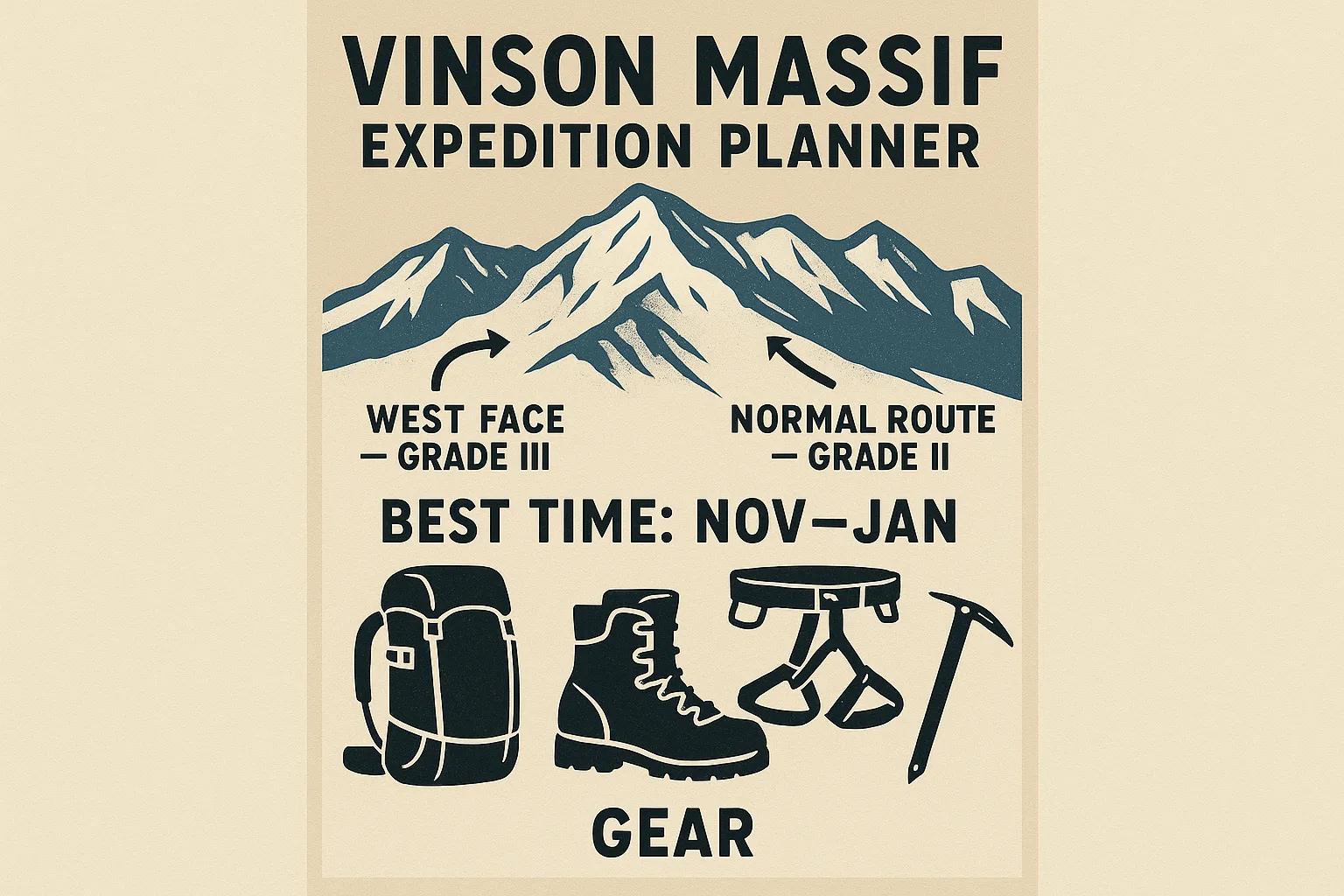
    Vinson Massif offers several climbing routes, each with varying levels of difficulty. The most popular routes include the West Face Route and the Vinson Massif Normal Route, which are frequently chosen by climbers due to their accessibility and established paths.

    What Are the Most Common Vinson Massif Climbing Routes?

    The West Face Route is one of the most commonly used paths for ascending Vinson Massif. This route involves a series of steep ice and snow slopes, requiring climbers to utilize technical skills and equipment. The Vinson Massif Normal Route, on the other hand, is considered less technical but still presents challenges due to its elevation and weather conditions. Both routes provide climbers with breathtaking views of the surrounding Antarctic landscape, making the effort worthwhile.

    How Do Difficulty Levels Vary Among Vinson Massif Routes?

    The difficulty levels of climbing routes on Vinson Massif can vary significantly. The West Face Route is often rated as a Grade III climb, indicating a high level of technical skill is required. In contrast, the Normal Route is generally considered a Grade II climb, making it more accessible for climbers with less experience. Factors such as weather conditions, ice stability, and individual climber experience can also influence the perceived difficulty of each route.

    How Should You Plan Expedition Logistics and Obtain Required Permits for Vinson Massif?

    Planning an expedition to Vinson Massif involves careful consideration of logistics and obtaining the necessary permits. Climbers must navigate the complexities of Antarctic regulations and ensure they are fully prepared for the challenges ahead.

    What Are the Step-by-Step Procedures for Securing Antarctic Climbing Permits?

    To secure climbing permits for Vinson Massif, climbers must first submit an application to the appropriate authorities, detailing their expedition plans and team composition. This process typically involves providing information about the climbing route, expected duration, and safety measures in place. It is essential to allow sufficient time for permit approval, as the process can take several weeks.

    What Are the Essential Logistics Considerations for a Vinson Massif Expedition?

    Climbers preparing gear at a base camp on Vinson Massif, illustrating expedition logistics

    Logistical considerations for a Vinson Massif expedition include arranging transportation to Antarctica, securing appropriate gear, and planning for food and shelter during the climb. Climbers often rely on specialized expedition companies that provide support services, including transportation to the mountain base and assistance with gear rental. Proper planning is crucial to ensure a successful and safe expedition.

    What Weather and Environmental Conditions Affect Vinson Massif Climbing?

    The weather conditions on Vinson Massif can be extreme and unpredictable, significantly impacting climbing safety and success. Understanding these environmental factors is essential for climbers preparing for their ascent.

    When Is the Best Time to Climb Vinson Massif Based on Weather Patterns?

    The best time to climb Vinson Massif is during the Antarctic summer months, typically from November to January. During this period, temperatures are relatively milder, and daylight hours are extended, providing climbers with optimal conditions for their ascent. However, even during this time, climbers should be prepared for sudden weather changes, including snowstorms and high winds.

    How Do Antarctic Environmental Factors Impact Climbing Safety?

    Antarctic environmental factors, such as extreme cold, high winds, and rapidly changing weather conditions, can pose significant risks to climbers. It is crucial for climbers to be aware of these factors and to have contingency plans in place. Proper gear, including insulated clothing and reliable navigation tools, is essential for ensuring safety during the climb. For more information, visit about us.

    What Safety Measures and Altitude Sickness Management Are Essential for Vinson Massif Climbers?

    Safety measures and altitude sickness management are critical components of any successful expedition to Vinson Massif. Climbers must be prepared to address potential health risks associated with high-altitude climbing.

    What Are the Symptoms and Prevention Strategies for Altitude Sickness on Vinson Massif?

    Altitude sickness can affect climbers at elevations above 2,500 meters (8,200 feet). Symptoms may include headaches, nausea, dizziness, and fatigue. To prevent altitude sickness, climbers should ascend gradually, allowing their bodies to acclimatize to the changing altitude. Staying hydrated and maintaining a balanced diet can also help mitigate the risk of altitude-related issues.

    Which Mountaineering Safety Protocols Should Be Followed During the Expedition?

    Climbers should adhere to established mountaineering safety protocols, including using proper equipment, maintaining communication with team members, and regularly assessing weather conditions. It is essential to have a well-defined plan for emergencies, including evacuation procedures and access to medical assistance if needed.

    What Gear and Equipment Are Recommended for a Successful Vinson Massif Climb?

    Having the right gear and equipment is vital for a successful climb of Vinson Massif. Climbers must be equipped to handle the unique challenges posed by the Antarctic environment.

    Which Mountaineering Gear Is Essential for Antarctic Conditions?

    Essential mountaineering gear for climbing Vinson Massif includes high-quality insulated clothing, crampons, ice axes, and a reliable tent. Additionally, climbers should invest in a good sleeping bag rated for extreme temperatures and a portable stove for cooking. Proper gear not only enhances comfort but also ensures safety during the expedition.

    How Should Climbers Prepare Their Gear Checklist for Vinson Massif?

    Preparing a gear checklist for Vinson Massif involves considering the specific needs of the expedition and the expected weather conditions. Climbers should create a comprehensive list that includes clothing layers, technical equipment, food supplies, and safety gear. Regularly reviewing and updating the checklist can help ensure that no essential items are overlooked.

    What Recent Expedition Case Studies and Success Rates Provide Insights Into Climbing Vinson Massif?

    Recent expeditions to Vinson Massif have provided valuable insights into climbing success rates and the challenges faced by climbers. Analyzing these case studies can help future climbers better prepare for their own expeditions.

    What Do Recent Vinson Massif Expeditions Reveal About Climbing Success and Challenges?

    Recent expeditions have shown that climbers who adequately prepare for the unique challenges of Vinson Massif tend to have higher success rates. Factors such as physical fitness, experience, and thorough planning play a significant role in determining the outcome of an expedition. Climbers are encouraged to learn from past experiences and adapt their strategies accordingly.

    How Are Emerging Technologies Influencing Vinson Massif Expedition Planning?

    Emerging technologies, such as advanced weather forecasting tools and GPS navigation systems, are revolutionizing expedition planning for Vinson Massif. These technologies enable climbers to make informed decisions based on real-time data, enhancing safety and efficiency during their climbs. As technology continues to evolve, it is likely to play an increasingly important role in the future of mountaineering.

    How Can Climbers Stay Updated on Vinson Massif Conditions and Expedition News?

    Staying informed about current conditions and expedition news is crucial for climbers planning to ascend Vinson Massif. Access to reliable information can significantly impact the success of an expedition.

    Which Authoritative Sources Provide Reliable Updates on Antarctic Expeditions?

    Climbers can access reliable updates on Antarctic expeditions through various authoritative sources, including government agencies, expedition companies, and mountaineering organizations. These sources often provide real-time information about weather conditions, climbing routes, and safety alerts, helping climbers make informed decisions.

    How to Monitor Weather and Safety Alerts for Vinson Massif Climbers?

    Monitoring weather and safety alerts for Vinson Massif climbers can be done through specialized weather services and mobile applications designed for mountaineering. These tools provide climbers with up-to-date information on weather patterns, potential hazards, and safety recommendations, ensuring they are well-prepared for their ascent.

    Vinson Massif

    Frequently Asked Questions

    What is the best way to train for climbing Vinson Massif?

    Training for Vinson Massif requires a comprehensive approach that includes both physical conditioning and technical skills. Climbers should focus on building cardiovascular endurance, strength training, and flexibility. Activities such as hiking, running, and climbing on varied terrains can enhance fitness levels. Additionally, practicing technical skills like ice climbing and crevasse rescue is crucial. It’s also beneficial to simulate high-altitude conditions through training at elevation, if possible, to help acclimatize the body to lower oxygen levels.

    What are the potential risks associated with climbing Vinson Massif?

    Climbing Vinson Massif presents several risks, including altitude sickness, extreme weather conditions, and the potential for avalanches. The harsh Antarctic environment can lead to frostbite and hypothermia if climbers are not adequately prepared. Additionally, the remote location means that access to medical assistance is limited. Climbers must be aware of these risks and take appropriate safety measures, such as proper acclimatization, using reliable gear, and having contingency plans in place for emergencies.

    How can climbers ensure their safety during the expedition?

    Ensuring safety during a Vinson Massif expedition involves thorough preparation and adherence to safety protocols. Climbers should conduct regular risk assessments, maintain open communication with team members, and monitor weather conditions closely. It is essential to have a well-defined emergency plan, including evacuation routes and access to medical support. Additionally, climbers should use high-quality gear and equipment, practice proper mountaineering techniques, and be prepared to turn back if conditions become unsafe.

    What role do guides play in Vinson Massif expeditions?

    Guides play a crucial role in Vinson Massif expeditions by providing expertise, ensuring safety, and enhancing the overall experience. Experienced guides are familiar with the mountain’s terrain, weather patterns, and potential hazards, which can significantly increase the chances of a successful ascent. They also assist with logistics, such as route planning and gear management, and can offer valuable training and support to climbers. Hiring a reputable guide service is often recommended for those unfamiliar with high-altitude climbing.

    What should climbers know about environmental conservation while on Vinson Massif?

    Climbers on Vinson Massif should prioritize environmental conservation to minimize their impact on this fragile ecosystem. This includes following Leave No Trace principles, such as packing out all waste, avoiding damage to vegetation, and minimizing noise pollution. Climbers should also be aware of local wildlife and avoid disturbing their habitats. Respecting the natural environment not only preserves the beauty of Antarctica but also ensures that future climbers can enjoy the same pristine conditions.

    How can climbers prepare for the psychological challenges of high-altitude climbing?

    Preparing for the psychological challenges of high-altitude climbing is as important as physical training. Climbers should develop mental resilience through techniques such as visualization, mindfulness, and stress management strategies. Setting realistic goals and maintaining a positive mindset can help climbers cope with the physical and emotional demands of the ascent. Additionally, team dynamics play a significant role; fostering strong communication and support among team members can alleviate stress and enhance overall morale during the expedition.

    Conclusion

    Successfully climbing Vinson Massif requires thorough preparation, understanding of the mountain’s unique challenges, and adherence to safety protocols. By equipping yourself with the right knowledge and gear, you can enhance your chances of a successful ascent while enjoying the breathtaking Antarctic landscape. Take the next step in your climbing journey by exploring our expert resources and gear recommendations. Prepare wisely and embark on your Vinson Massif adventure today!


  • Conquer Peaks: Global Summit Guide for Mountain Climbing

    Conquer Peaks: Global Summit Guide for Mountain Climbing

    Mountain climbers ascending a peak in a stunning mountain landscape, representing adventure and nature

    Global Summit Guide: Your Complete Resource for Mountain Climbing Routes and Expedition Preparation Worldwide

    Mountain climbing is an exhilarating adventure that offers breathtaking views and a profound connection with nature. However, it requires thorough preparation and knowledge of various climbing routes and techniques. This comprehensive guide serves as your ultimate resource for mountain climbing worldwide, detailing essential information about famous peaks, expedition preparation, and safety protocols. Many climbers face challenges in planning their expeditions, from selecting the right gear to understanding the best climbing techniques. This guide aims to address these challenges by providing insights into the most famous mountain peaks, essential gear checklists, high altitude climbing tips, and the latest technology enhancing climbing safety. We will explore key topics such as famous mountain peaks, expedition logistics, climbing techniques, and sustainable practices, ensuring you are well-equipped for your next adventure.

    What Are the Most Famous Mountain Peaks to Climb Worldwide?

    Climbing famous mountain peaks is a dream for many adventurers, offering not only physical challenges but also cultural significance and stunning vistas. These iconic summits attract climbers from around the globe, each with unique characteristics and climbing histories. Understanding these peaks is crucial for any climber looking to embark on a memorable expedition.

    Which World Famous Mountain Peaks Should Every Climber Know?

    Some of the most renowned mountain peaks that every climber should be familiar with include Mount Everest, K2, and Kilimanjaro. Mount Everest, the highest peak in the world, stands at 8,848.86 meters and is known for its challenging conditions and breathtaking views. K2, often regarded as the most difficult mountain to climb, reaches 8,611 meters and presents significant technical challenges. Kilimanjaro, while less technically demanding, is famous for its diverse ecosystems and is a popular choice for trekkers seeking to experience high-altitude climbing.

    What Are the Key Climbing Routes and Difficulty Levels for Major Summits?

    Each famous peak has its own set of climbing routes, each varying in difficulty and required skills. For instance, the South Col route on Mount Everest is the most popular, but it requires climbers to be well-acquainted with high altitude conditions and technical climbing skills. K2’s Abruzzi Spur is known for its steep ascents and harsh weather, making it suitable only for experienced climbers. Kilimanjaro offers several routes, such as the Marangu and Machame routes, which cater to different skill levels, allowing both novice and experienced climbers to enjoy the ascent.

    How to Prepare for Your Mountain Climbing Expedition: Essential Gear and Checklist

    Preparing for a mountain climbing expedition involves careful planning and the right gear. A comprehensive gear checklist is essential to ensure climbers are equipped for the challenges they will face. Proper preparation can significantly enhance safety and success during the climb.

    What Is Included in a Comprehensive Expedition Gear Checklist?

    Essential mountain climbing gear including ropes, harnesses, and climbing shoes, emphasizing expedition preparation

    A comprehensive expedition gear checklist typically includes the following essential items:

    1. Climbing Gear: Ropes, harnesses, carabiners, and climbing shoes are crucial for safety and performance.
    2. Clothing: Layered clothing, including moisture-wicking base layers, insulating mid-layers, and waterproof outer layers, is essential for varying weather conditions.
    3. Safety Equipment: Helmets, first aid kits, and navigation tools like GPS devices are vital for ensuring safety during the climb.

    How to Choose the Right Equipment for High Altitude Climbing?

    Selecting the right equipment for high altitude climbing involves considering several factors, including the specific mountain conditions, personal experience, and budget. Climbers should prioritize gear that offers durability and performance under extreme conditions. For instance, high-quality down jackets provide insulation, while technical climbing boots ensure stability on rocky terrains. Additionally, climbers should consider brands known for their reliability in extreme conditions, such as “The North Face” and Black Diamond.

    What Are the Best High Altitude Climbing Tips for Safe and Successful Summits?

    A climber acclimatizing at high altitude, surrounded by majestic mountains, highlighting safety and strategy in climbing

    High altitude climbing presents unique challenges that require specific strategies for safety and success. Understanding acclimatization and safety protocols is essential for any climber aiming to reach the summit.

    How Does Acclimatization Improve Climbing Safety and Performance?

    Acclimatization is the process by which climbers adapt to high altitudes, allowing their bodies to function effectively in lower oxygen environments. This adaptation is crucial for preventing altitude sickness, which can severely impact performance and safety. Climbers should gradually ascend to higher altitudes, allowing their bodies time to adjust. Research indicates that spending extra days at intermediate camps can significantly enhance acclimatization and overall climbing success.

    Which Safety Protocols and Techniques Are Essential for High Altitude Climbers?

    Safety protocols for high altitude climbing include regular monitoring of physical conditions, maintaining hydration, and recognizing the signs of altitude sickness. Climbers should also practice effective communication with their team and establish emergency procedures. Techniques such as using supplemental oxygen at extreme altitudes can further enhance safety and performance, allowing climbers to focus on their ascent without compromising their health.

    The importance of maintaining proper hydration, as mentioned, is further underscored by studies on high-altitude physiology.

    High-Altitude Hydration for Mountaineering Safety

    Hydration is important in high altitude mountaineering because dehydration causes fluid changes in the body which results in cardiovascular strain as plasma volume decreases.

    A study of survival strategies for improving acclimatization of lowlanders at high-altitude, 2023

    How to Plan Your Summit Preparation: Expedition Logistics and Seasonal Guides

    Effective expedition planning is crucial for a successful summit attempt. Understanding the logistics involved and the best seasons for climbing can significantly impact the overall experience.

    What Are the Key Steps in Expedition Planning and Permit Acquisition?

    Planning an expedition involves several key steps, including selecting the mountain, determining the route, and acquiring necessary permits. Climbers should research the specific requirements for each mountain, as some may require permits that can take weeks to obtain. Additionally, creating a detailed itinerary that includes acclimatization days and contingency plans is essential for a successful climb.

    When Is the Best Season to Climb Major Mountains Worldwide?

    The best season to climb major mountains varies by location. For instance, the spring months of April and May are ideal for climbing Mount Everest, while the summer months of June to August are preferred for K2. Kilimanjaro is best climbed during the dry seasons of January to March and June to October. Understanding these seasonal patterns helps climbers prepare adequately for their expeditions.

    Which Climbing Techniques and Training Are Recommended for Different Mountain Routes?

    Different mountain routes require specific climbing techniques and training regimens. Understanding these techniques is essential for climbers to enhance their skills and ensure safety during their expeditions.

    What Are the Fundamental Climbing Techniques for Various Terrain Types?

    Fundamental climbing techniques vary based on the terrain. For rocky terrains, climbers should master techniques such as foot placements and handholds, while snow and ice climbing require skills in using crampons and ice axes. Additionally, understanding how to navigate mixed terrains is crucial for climbers tackling diverse routes.

    How to Train Effectively for Endurance and Technical Challenges?

    Training for endurance and technical challenges involves a combination of cardiovascular exercises, strength training, and specific climbing drills. Climbers should focus on building stamina through long hikes and runs, while also incorporating strength training to enhance muscle endurance. Practicing climbing techniques on varied terrains can further prepare climbers for the challenges they will face on their expeditions.

    How Does Technology Enhance Mountain Climbing Safety and Navigation?

    Advancements in technology have significantly improved safety and navigation for climbers. Understanding how to leverage these tools can enhance the overall climbing experience.

    What Role Do GPS Tracking and Weather Forecasting Play in Expeditions?

    GPS tracking devices are essential for navigation in remote areas, allowing climbers to track their routes and ensure they stay on course. Additionally, weather forecasting tools provide real-time updates on changing conditions, enabling climbers to make informed decisions about their ascent. Utilizing these technologies can greatly enhance safety and efficiency during expeditions.

    Further research emphasizes the critical role of GPS tracking in not only navigation but also facilitating rescue operations.

    GPS Tracking for Enhanced Mountain Climbing Safety

    Navigation and rescues are facilitated by the GPS tracking complimented by the night vision. Thus, field tests show system performance in terms of reliability, accuracy, and efficiency

    Elevating Adventure: An IoT-based Mountain Climbing and Tracking System for Enhanced Safety and Health Monitoring., A Shrivastava, 2025

    How Are Interactive Route Maps and Digital Tools Improving Climber Experience?

    Interactive route maps and digital tools have revolutionized the climbing experience by providing climbers with detailed information about routes, including difficulty levels and potential hazards. These tools allow climbers to plan their expeditions more effectively and enhance their overall safety. Many climbing apps also offer community features, enabling climbers to share experiences and tips with others.

    What Are Sustainable Climbing Practices and Their Importance in Global Expeditions?

    Sustainable climbing practices are essential for preserving the natural environment and ensuring that future generations can enjoy these majestic mountains. Understanding how to minimize environmental impact is crucial for responsible climbers.

    How Can Climbers Minimize Environmental Impact on Mountain Ecosystems?

    Climbers can minimize their environmental impact by following Leave No Trace principles, which include packing out all waste, staying on designated trails, and respecting wildlife. Additionally, climbers should be mindful of their water usage and avoid disturbing fragile ecosystems. Educating fellow climbers about sustainable practices can further promote responsible mountaineering.

    Which Organizations Promote Responsible Mountaineering Worldwide?

    Several organizations, such as the International Mountaineering and Climbing Federation (UIAA) and the American Alpine Club, promote responsible mountaineering practices. These organizations provide resources, guidelines, and support for climbers seeking to minimize their environmental impact and enhance safety. Engaging with these organizations can help climbers stay informed about best practices and contribute to the global climbing community.

    Where Can You Find Authoritative Mountain Profiles and Expedition Resources?

    Accessing reliable information about mountain profiles and expedition resources is crucial for climbers. Understanding where to find this information can enhance preparation and safety.

    How Do Global Summit Guides Integrate Data from Trusted Knowledge Bases?

    Global Summit Guides utilize data from trusted knowledge bases to provide climbers with accurate and up-to-date information about various mountains and routes. This integration of data ensures that climbers have access to the latest insights, enhancing their expedition planning and safety.

    What Are the Benefits of Using Structured Data and Entity Linking in Climbing Resources?

    Using structured data and entity linking in climbing resources allows for better organization and retrieval of information. This approach enhances user experience by providing climbers with relevant data quickly and efficiently. As technology continues to evolve, these methods will play an increasingly important role in the climbing community.

    Frequently Asked Questions

    What are the common risks associated with mountain climbing?

    Mountain climbing involves several risks, including altitude sickness, falls, avalanches, and extreme weather conditions. Altitude sickness can occur when climbers ascend too quickly, leading to symptoms like headaches and nausea. Falls can happen due to unstable footing or equipment failure, while avalanches pose a significant threat in certain terrains. Additionally, climbers must be prepared for rapidly changing weather, which can lead to hypothermia or frostbite. Understanding these risks and taking appropriate safety measures is essential for a successful climbing experience.

    How can climbers ensure their physical fitness before an expedition?

    Ensuring physical fitness before a mountain climbing expedition is crucial for performance and safety. Climbers should engage in a well-rounded training program that includes cardiovascular exercises, strength training, and flexibility workouts. Activities like hiking, running, and cycling can improve endurance, while weight training can enhance muscle strength. Additionally, incorporating climbing drills on varied terrains helps develop specific skills needed for the expedition. It’s advisable to start training several months in advance to build stamina and prepare the body for the physical demands of climbing.

    What should climbers know about weather conditions before climbing?

    Understanding weather conditions is vital for mountain climbers, as they can significantly impact safety and success. Climbers should monitor forecasts for temperature, precipitation, and wind speeds, as these factors can change rapidly in mountainous regions. It’s essential to be aware of seasonal weather patterns, such as monsoon seasons or winter storms, which can affect climbing conditions. Additionally, climbers should be prepared for sudden weather changes by carrying appropriate gear and having contingency plans in place. Knowledge of local weather patterns can enhance decision-making during expeditions.

    What are the best practices for climbing in groups?

    Climbing in groups requires effective communication and teamwork to ensure safety and success. Best practices include establishing clear roles and responsibilities for each member, maintaining regular check-ins, and using hand signals or radios for communication in noisy environments. It’s also important to set a comfortable pace that accommodates all climbers’ skill levels and fitness. Group members should be aware of each other’s physical and emotional states, providing support when needed. Lastly, having a designated leader can help make decisions and navigate challenges during the climb.

    How can climbers prepare for emergencies during an expedition?

    Preparing for emergencies during a mountain climbing expedition is crucial for safety. Climbers should carry a well-stocked first aid kit, including supplies for treating common injuries and altitude sickness. It’s also essential to have emergency communication devices, such as satellite phones or personal locator beacons, to call for help if needed. Climbers should establish emergency protocols, including evacuation plans and designated meeting points. Additionally, practicing rescue techniques and ensuring all team members are familiar with the plan can enhance preparedness for unexpected situations.

    What role does mental preparation play in mountain climbing?

    Mental preparation is a critical aspect of mountain climbing that can significantly influence performance and safety. Climbers should develop mental resilience to cope with the physical and psychological challenges of high-altitude environments. Techniques such as visualization, mindfulness, and positive self-talk can help climbers manage stress and maintain focus during difficult moments. Setting realistic goals and maintaining a flexible mindset can also enhance adaptability in changing conditions. Mental preparation not only boosts confidence but also fosters a positive team dynamic, contributing to a successful expedition.

    Conclusion

    Embarking on a mountain climbing expedition offers unparalleled adventure, breathtaking views, and a deep connection with nature. By understanding key peaks, essential gear, and safety protocols, climbers can enhance their experience and ensure a successful ascent. Prioritize preparation and leverage technology to navigate challenges effectively. Start planning your next climbing adventure today and explore our comprehensive resources for a safe and memorable journey.