web analytics

Tag: Sherpa salary

  • How Much Do Sherpas Get Paid in 2026? What Everest Guides Actually Earn This Season

    { “@context”: “https://schema.org”, “@type”: “Article”, “headline”: “How Much Do Sherpas Get Paid in 2026? What Everest Guides Actually Earn This Season”, “description”: “A 2026 snapshot of Sherpa pay: this season’s base wages, summit bonuses, tips, insurance minimums, and the $15,000 Everest permit – plus where every dollar of an expedition fee actually goes.”, “author”: { “@type”: “Person”, “name”: “Travis Ludlow”, “jobTitle”: “Founder & Head of Research, Global Summit Guide”, “url”: “https://globalsummitguide.com/about/” }, “publisher”: { “@type”: “Organization”, “name”: “Global Summit Guide”, “url”: “https://globalsummitguide.com/”, “logo”: { “@type”: “ImageObject”, “url”: “https://globalsummitguide.com/wp-content/uploads/2026/02/global-logo-new-2.png” } }, “datePublished”: “2026-07-11”, “dateModified”: “2026-07-11”, “mainEntityOfPage”: “https://globalsummitguide.com/sherpa-pay-2026/”, “articleSection”: “Climbing News” } { “@context”: “https://schema.org”, “@type”: “ItemList”, “name”: “Sherpa Pay 2026 at a Glance”, “itemListElement”: [ { “@type”: “ListItem”, “position”: 1, “name”: “A personal climbing Sherpa’s base is roughly $2,500-$4,500 per expedition in 2026” }, { “@type”: “ListItem”, “position”: 2, “name”: “Summit bonuses run about $1,500-$3,500, with tips adding more” }, { “@type”: “ListItem”, “position”: 3, “name”: “An elite Khumbu Sherpa can clear $10,000+ in a single season, far more across a full year” } ] } { “@context”: “https://schema.org”, “@type”: “FAQPage”, “mainEntity”: [ { “@type”: “Question”, “name”: “How much do Sherpas get paid in 2026?”, “acceptedAnswer”: { “@type”: “Answer”, “text”: “In 2026, a personal climbing Sherpa on Everest typically earns a base of roughly $2,500-$4,500 for the expedition, plus a summit bonus of about $1,500-$3,500 and a share of client tips. An experienced Khumbu Sherpa can clear $10,000 or more in a single season, and considerably more across a full year of expeditions once tips are counted. Support roles – base-camp crew and porters – earn less. For the full breakdown of where every dollar of an expedition fee goes, see our Sherpa Wage Economy analysis.” } }, { “@type”: “Question”, “name”: “What is the difference between base salary and total season pay?”, “acceptedAnswer”: { “@type”: “Answer”, “text”: “Base salary is the guaranteed wage for the expedition, roughly $2,500-$4,500 for a veteran climbing Sherpa in 2026. Total season pay adds summit bonuses, load or performance bonuses, and tips, which together can double or more the take-home figure. Because tips and summit bonuses are conditional, actual earnings vary a lot by year, client, and how the season goes.” } }, { “@type”: “Question”, “name”: “How big is the summit bonus in 2026?”, “acceptedAnswer”: { “@type”: “Answer”, “text”: “The standard Everest summit bonus in 2026 is roughly $1,500-$3,500 when a Sherpa’s client reaches the top. Elite lead Sherpas who fix ropes and manage the route command the higher end. Bonuses are a major part of why the summit-day incentive is so strong – and part of why turnaround discipline matters so much.” } }, { “@type”: “Question”, “name”: “Do tips really make a difference to Sherpa pay?”, “acceptedAnswer”: { “@type”: “Answer”, “text”: “Yes. Tips are the part of compensation climbers control directly, and they are real income, not a courtesy. Standard practice adds several thousand dollars per climber to the Sherpa team at the base-camp tipping ceremony. Across a full year of expeditions, tip income alone can reach $25,000-$40,000 for a busy senior Sherpa. Our Sherpa Wage Economy breakdown covers how tipping fits the wider pay structure.” } }, { “@type”: “Question”, “name”: “How does Sherpa pay compare to Western guides?”, “acceptedAnswer”: { “@type”: “Answer”, “text”: “There is a large gap. While an elite Sherpa might earn around $10,000 in a season, a Western lead guide from a US or European operator can earn $30,000-$50,000 for the same roughly two months – despite the Sherpas doing more trips through the most dangerous terrain. The gap has narrowed since 2014 as Sherpa labor has grown to 32-38 percent of the operator fee, but it remains substantial.” } }, { “@type”: “Question”, “name”: “Is Sherpa pay enough, given the risk?”, “acceptedAnswer”: { “@type”: “Answer”, “text”: “It is high pay by Nepali standards and a vital source of household income in the Khumbu, but low for the risk involved – Sherpa climbing is among the most dangerous jobs in the world. Post-2014 reforms raised wages and insurance minimums (now $15,000-$20,000 of mandatory cover, with many operators paying more), but the debate over fair compensation is ongoing. See our death rates by mountain analysis for the risk context.” } } ] } { “@context”: “https://schema.org”, “@type”: “BreadcrumbList”, “itemListElement”: [ { “@type”: “ListItem”, “position”: 1, “name”: “Home”, “item”: “https://globalsummitguide.com/” }, { “@type”: “ListItem”, “position”: 2, “name”: “Climbing News” }, { “@type”: “ListItem”, “position”: 3, “name”: “Sherpa Pay 2026” } ] } @import url(‘https://fonts.googleapis.com/css2?family=Outfit:wght@300;400;500;600;700&family=DM+Serif+Display:ital@0;1&display=swap’); .shpa-page { font-family: ‘Outfit’, sans-serif; color: #122a44; line-height: 1.65; margin: 0 auto; padding: 0; } .shpa-page h1, .shpa-page h2, .shpa-page h3, .shpa-page h4 { font-family: ‘DM Serif Display’, serif; font-weight: 400; color: #0a1929; line-height: 1.15; } .shpa-page p { font-size: 1.02rem; margin-bottom: 1.1em; } .shpa-page a { color: #2e5986; text-decoration: none; border-bottom: 1px solid #c8d4e0; } .shpa-page a:hover { color: #d4913a; border-bottom-color: #d4913a; } .shpa-hero { position: relative; padding: 0; color: #f5e4c8; overflow: hidden; background: #0a1929; border-radius: 12px; margin-bottom: 0; } .shpa-hero-image { width: 100%; height: auto; display: block; max-width: 100%; } .shpa-hero-text { padding: 40px 36px; background: linear-gradient(135deg, rgba(10,25,41,0.90), rgba(46,89,134,0.80)); } .shpa-hero-tag { font-size: 0.84rem; color: #d4913a; text-transform: uppercase; letter-spacing: 2px; font-weight: 700; margin-bottom: 14px; } .shpa-hero h1 { color: #f5e4c8 !important; font-size: 2.05rem; line-height: 1.1; margin: 0 0 16px; } .shpa-hero h1 em { color: #d4913a; font-style: italic; } .shpa-hero p { color: #f5e4c8; font-size: 1.06rem; line-height: 1.5; margin: 0; } .shpa-byline { background: #f8f4ec; padding: 14px 22px; font-size: 0.85rem; color: #5a4f30; border: 1px solid #e8d8ad; border-radius: 8px; margin: 18px 0; } .shpa-byline-top { display: flex; justify-content: space-between; flex-wrap: wrap; gap: 10px; align-items: center; margin-bottom: 8px; } .shpa-byline-author { font-weight: 600; color: #0a1929; font-size: 0.94rem; } .shpa-byline-author a { color: #2e5986; border-bottom: none; } .shpa-byline-meta { color: #7a6f50; font-size: 0.82rem; } .shpa-byline-credentials { font-size: 0.82rem; color: #5a4f30; line-height: 1.45; padding-top: 6px; border-top: 1px solid #e8d8ad; font-style: italic; } .shpa-byline-credentials strong { color: #0a1929; font-style: normal; } /* Quick answer (blue) */ .shpa-answer { background: linear-gradient(135deg, #14395e 0%, #2e5986 100%); color: #fff; padding: 30px 36px; margin: 26px 0; border-radius: 14px; box-shadow: 0 8px 24px rgba(20,57,94,0.35); border: 4px solid #d4913a; } .shpa-answer h2 { margin: 0 0 14px !important; font-size: 1.5rem !important; color: #fff !important; padding-bottom: 0 !important; border-bottom: none !important; } .shpa-answer p { margin: 0 0 12px; font-size: 1.06rem; color: #fff; line-height: 1.55; } .shpa-answer p:last-child { margin-bottom: 0; } .shpa-answer strong { color: #ffe6a3; font-weight: 700; } .shpa-answer em { color: #ffe6a3; font-style: italic; } .shpa-answer .shpa-answer-tag { display: inline-block; background: #d4913a; color: #0a1929; padding: 4px 12px; border-radius: 4px; font-size: 0.78rem; font-weight: 700; text-transform: uppercase; letter-spacing: 0.6px; margin-bottom: 12px; } .shpa-answer a { color: #ffe6a3; border-bottom: 1px solid rgba(255,230,163,0.5); } .shpa-answer a:hover { color: #fff; border-bottom-color: #fff; } .shpa-stat-grid { display: grid; grid-template-columns: repeat(4, 1fr); gap: 12px; padding: 22px; background: linear-gradient(135deg, #0a1929 0%, #122a44 100%); color: #f5e4c8; border-radius: 10px; margin: 22px 0; } .shpa-stat { background: #1a3354; border: 1px solid #d4913a; border-radius: 8px; padding: 14px 12px; text-align: center; } .shpa-stat-num { font-family: ‘DM Serif Display’, serif; font-size: 1.3rem; color: #d4913a; line-height: 1; margin-bottom: 4px; } .shpa-stat-label { font-size: 0.7rem; color: #f5e4c8; text-transform: uppercase; letter-spacing: 0.5px; } .shpa-toc { background: #f8f4ec; border: 1px solid #e8d8ad; border-radius: 10px; padding: 18px 24px; margin: 22px 0; } .shpa-toc .shpa-toc-label { margin: 0 0 12px; font-size: 1.08rem; font-weight: 700; color: #0a1929; font-family: ‘DM Serif Display’, serif; } .shpa-toc ol { margin: 0; padding-left: 22px; columns: 2; column-gap: 28px; font-size: 0.92rem; } .shpa-toc li { margin-bottom: 5px; line-height: 1.4; } .shpa-inline-image { margin: 32px 0; border-radius: 10px; overflow: hidden; box-shadow: 0 4px 14px rgba(212,200,168,0.5); } .shpa-inline-image img { width: 100%; height: auto; display: block; max-width: 100%; } .shpa-inline-image figcaption { padding: 14px 22px; background: #f8f4ec; font-size: 0.88rem; color: #5a4f30; font-style: italic; line-height: 1.5; } .shpa-inline-image figcaption strong { color: #0a1929; font-style: normal; } .shpa-section-header { background: linear-gradient(135deg, #122a44 0%, #2e5986 100%); color: #f5e4c8; padding: 28px 34px; margin: 40px 0 24px; border-radius: 12px; border-left: 8px solid #d4913a; box-shadow: 0 6px 18px rgba(18,42,68,0.4); } .shpa-section-header h2 { color: #d4913a !important; font-size: 1.8rem !important; margin: 0 0 6px !important; padding: 0 !important; border: none !important; } .shpa-section-header h2 em { color: #fdd47a; font-style: italic; } .shpa-section-header p { color: #f5e4c8; font-size: 0.96rem; margin: 0; line-height: 1.5; } .shpa-content { padding: 24px 0 0; } .shpa-content h2 { font-size: 1.9rem; margin-top: 48px; margin-bottom: 18px; padding-bottom: 11px; border-bottom: 2px solid #d4913a; } .shpa-content h2:first-of-type { margin-top: 0; } .shpa-content h2 em { color: #d4913a; font-style: italic; } .shpa-content h3 { font-size: 1.34rem; margin-top: 28px; margin-bottom: 12px; color: #0a1929; } .shpa-callout-info { background: #e8f0f7; border-left: 5px solid #2e5986; padding: 16px 22px; border-radius: 6px; margin: 20px 0; font-size: 0.95rem; color: #0a1929; } .shpa-callout-info .shpa-callout-title { font-weight: 700; color: #2e5986; font-size: 0.98rem; margin-bottom: 6px; display: block; } .shpa-callout-warning { background: #fdf3e8; border-left: 5px solid #b86a15; padding: 16px 22px; border-radius: 6px; margin: 20px 0; font-size: 0.95rem; color: #0a1929; } .shpa-callout-warning .shpa-callout-warning-title { font-weight: 700; color: #b86a15; font-size: 0.98rem; margin-bottom: 6px; display: block; } .shpa-callout-danger { background: #fbe5e2; border-left: 5px solid #a83a2b; padding: 16px 22px; border-radius: 6px; margin: 20px 0; font-size: 0.95rem; color: #0a1929; } .shpa-callout-danger .shpa-callout-danger-title { font-weight: 700; color: #a83a2b; font-size: 0.98rem; margin-bottom: 6px; display: block; } .shpa-pillar { background: #e8f0d8; border-left: 5px solid #5a8a2e; padding: 18px 22px; border-radius: 6px; margin: 22px 0; font-size: 0.95rem; color: #0a1929; } .shpa-pillar .shpa-pillar-title { font-weight: 700; color: #4a7a1e; font-size: 0.98rem; margin-bottom: 6px; display: block; } .shpa-pillar ul { margin: 8px 0 0; padding-left: 20px; } .shpa-pillar li { margin-bottom: 5px; } .shpa-table-wrap { overflow-x: auto; margin: 18px 0; } .shpa-cmp { width: 100%; border-collapse: collapse; font-size: .86rem; background: #fff; border: 1px solid #e5d9bd; border-radius: 12px; overflow: hidden; min-width: 640px; } .shpa-cmp th { background: #0a1929; color: #f5e4c8; text-align: left; padding: 11px 12px; font-family: ‘Outfit’, sans-serif; font-weight: 700; font-size: .75rem; } .shpa-cmp td { padding: 10px 12px; border-top: 1px solid #efe6cf; color: #3a4a5a; line-height: 1.4; vertical-align: top; } .shpa-cmp td.shpa-role { font-weight: 700; color: #0a1929; background: #faf6ec; white-space: nowrap; } .shpa-cmp td.shpa-h { color: #b86a15; font-weight: 600; white-space: nowrap; } .shpa-cmp tr:nth-child(even) td { background: #fbf8f0; } .shpa-cmp tr:nth-child(even) td.shpa-role { background: #f5efe1; } .shpa-mini { width: 100%; border-collapse: collapse; font-size: .85rem; background: #fff; border: 1px solid #e5d9bd; border-radius: 10px; overflow: hidden; margin: 12px 0; } .shpa-mini td { padding: 8px 12px; border-top: 1px solid #efe6cf; color: #3a4a5a; line-height: 1.35; } .shpa-mini td:first-child { font-weight: 700; color: #0a1929; background: #faf6ec; white-space: nowrap; } .shpa-mini tr:first-child td { border-top: none; } .shpa-faq-item { background: #f8f4ec; border-radius: 8px; margin-bottom: 11px; } .shpa-faq-item summary { padding: 14px 20px; cursor: pointer; font-family: ‘DM Serif Display’, serif; font-size: 1.04rem; color: #0a1929; list-style: none; } .shpa-faq-item summary::-webkit-details-marker { display: none; } .shpa-faq-item summary::after { content: ‘+’; float: right; color: #d4913a; font-size: 1.4rem; line-height: 0.8; } .shpa-faq-item[open] summary::after { content: ‘-‘; } .shpa-faq-item div { padding: 0 20px 16px; font-size: 0.93rem; color: #0a1929; } .shpa-methodology { background: #f8f4ec; border: 2px solid #2e5986; padding: 22px 26px; border-radius: 10px; margin: 26px 0; } .shpa-methodology h3 { margin: 0 0 12px; font-size: 1.18rem; color: #2e5986; } .shpa-methodology p { font-size: 0.92rem; line-height: 1.55; margin: 0 0 8px; color: #0a1929; } .shpa-author-bio { background: linear-gradient(135deg, #f8f4ec 0%, #fbf7ef 100%); border: 2px solid #d4913a; padding: 26px 30px; border-radius: 12px; margin: 32px 0 18px; display: flex; gap: 22px; align-items: flex-start; } .shpa-author-bio-image { flex-shrink: 0; width: 100px; height: 100px; border-radius: 50%; background: #d4913a url(‘https://globalsummitguide.com/wp-content/uploads/2026/03/561db5f8-15bb-43d8-9eba-251a8c35f89f.jpg’) center/cover; border: 3px solid #d4913a; } .shpa-author-bio-content { flex: 1; } .shpa-author-bio h3 { margin: 0 0 4px; font-size: 1.26rem; color: #0a1929; } .shpa-author-bio .shpa-author-title { font-size: 0.9rem; color: #b86a15; font-weight: 700; margin-bottom: 11px; font-style: italic; } .shpa-author-bio p { margin: 0 0 9px; font-size: 0.92rem; line-height: 1.55; color: #0a1929; } .shpa-related { background: #f8f4ec; padding: 22px; border-radius: 10px; margin: 22px 0; } .shpa-related h3 { margin-top: 0; margin-bottom: 13px; color: #0a1929; font-size: 1.1rem; } .shpa-related h3.shpa-related-sub { margin-top: 18px; } .shpa-final-cta { background: linear-gradient(135deg, #122a44 0%, #1e3a5f 100%); color: #f5e4c8; padding: 36px 30px; border-radius: 14px; margin: 32px 0 0; text-align: center; border: 3px solid #d4913a; box-shadow: 0 8px 22px rgba(18,42,68,0.4); } .shpa-final-cta h3 { color: #d4913a; margin: 0 0 12px; font-size: 1.6rem; } .shpa-final-cta > p { color: #f5e4c8; font-size: 1.02rem; margin: 0 auto 22px; max-width: 620px; line-height: 1.55; } .shpa-cta-button { display: inline-block; background: transparent; color: #f5e4c8 !important; padding: 13px 24px; border-radius: 6px; font-weight: 600; border: 2px solid #d4913a !important; margin: 0 5px 8px; text-decoration: none !important; transition: all 0.15s; } .shpa-cta-button:hover { background: #d4913a; color: #0a1929 !important; } @media (max-width: 768px) { .shpa-page { padding: 0 4px; } .shpa-stat-grid { grid-template-columns: repeat(2, 1fr); } .shpa-toc ol { columns: 1; } .shpa-hero-text { padding: 28px 18px; } .shpa-hero h1 { font-size: 1.5rem; } .shpa-hero p { font-size: 0.96rem; } .shpa-byline, .shpa-answer, .shpa-section-header { padding: 18px 20px; } .shpa-answer h2 { font-size: 1.3rem !important; } .shpa-section-header h2 { font-size: 1.5rem !important; } .shpa-final-cta { padding: 26px 20px; } .shpa-final-cta h3 { font-size: 1.35rem; } .shpa-author-bio { flex-direction: column; align-items: center; text-align: center; } .shpa-content h2 { font-size: 1.55rem; } .shpa-content h3 { font-size: 1.2rem; } .shpa-cmp { font-size: 0.78rem; } }
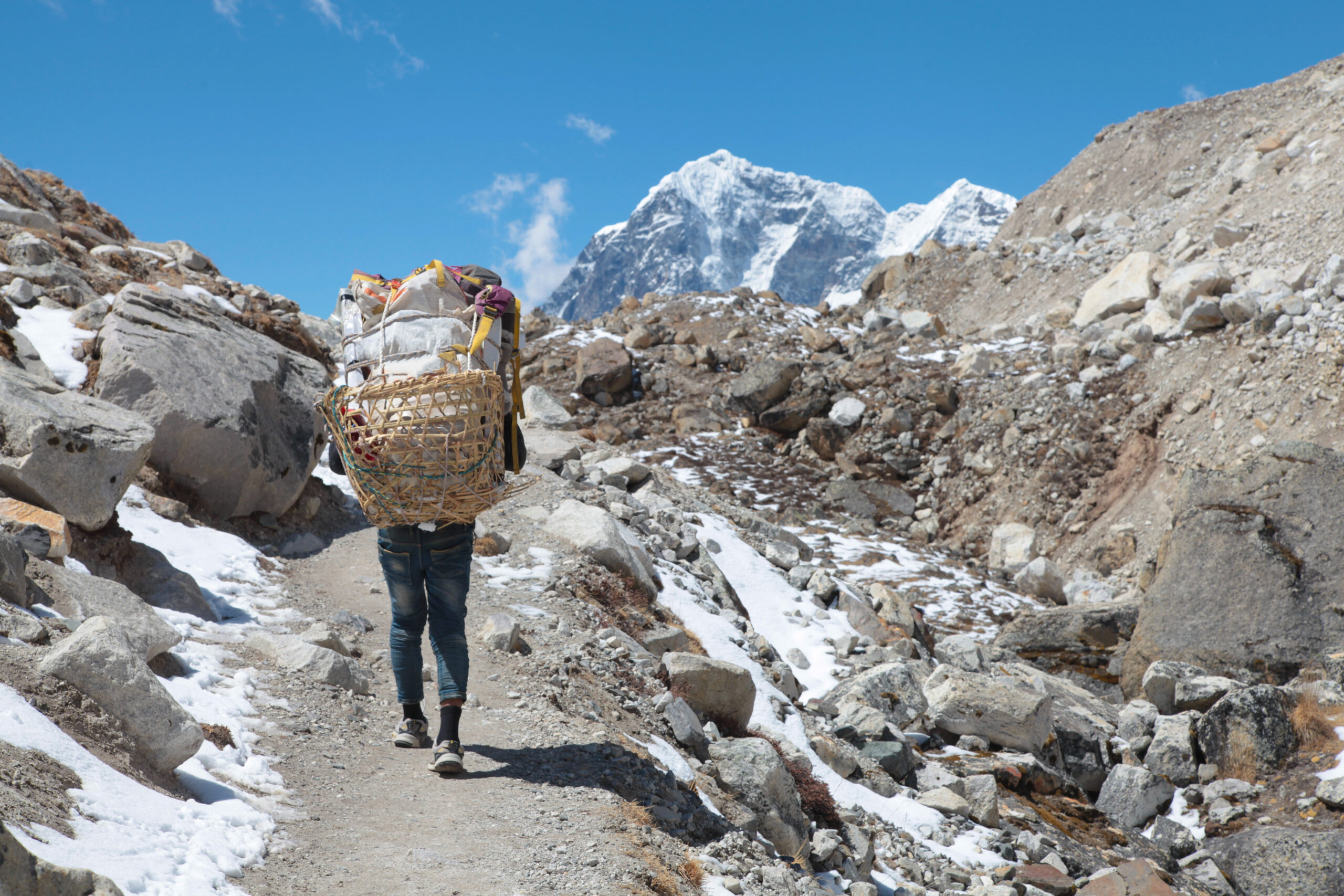
    Sherpa climbers and high-altitude workers on a Himalayan expedition
    🇳🇵 Everest · Sherpa Economy · 2026 Snapshot

    How Much Do Sherpas Get Paid in 2026? What Everest Guides Actually Earn This Season

    The people who fix the ropes, carry the loads, and cross the Khumbu Icefall dozens of times a season are the engine of every Everest expedition. Here’s what they earn in 2026 — base wages, summit bonuses, tips, and what changed this year — with the full economics linked throughout.

    💰 The 2026 answer, fast

    In 2026, a personal climbing Sherpa on Everest earns a base of roughly $2,500–$4,500 for the expedition, plus a summit bonus of about $1,500–$3,500 and a share of client tips. Put together, an experienced Khumbu Sherpa can clear $10,000 or more in a single season, and considerably more across a full year once tips are counted. Base-camp crew and porters earn less; elite rope-fixing sirdars earn the top of the range.

    That’s the headline. Where every dollar of a $90,000 expedition actually goes — and why Sherpa labour has grown to 32–38% of the operator fee — is mapped in our Sherpa Wage Economy breakdown.

    📌 This is the 2026 snapshot — the pillar is the deep diveThis page answers “what do Sherpas earn this year” and covers what changed in 2026. For the full economics — the ten payment categories, the post-2014 reform, the operator-margin shift, and the year-round income picture — our Sherpa Wage Economy analysis is the definitive reference, and everything below links back to it.
    $2.5–4.5K
    Base per expedition
    $1.5–3.5K
    Summit bonus
    $10K+
    Elite season total
    $15,000
    Nepal Everest permit

    What changed in 2026

    New this season: a higher permit, tighter rules, and a labour share that keeps climbing.

    The single biggest recent shift reached the government line, not the Sherpa line: Nepal raised the standard spring Everest permit to $15,000 per foreign climber (up from $11,000), the first increase in roughly a decade. That doesn’t go to Sherpas directly, but it reshapes the total cost climbers budget — the wider picture is in our Everest permits and fees guide.

    On the labour side, the 2026 season continues a decade-long trend: Sherpa-related pay has grown to roughly 32–38% of the operator fee, up from about 22% before 2014. Alongside that, Nepal has been tightening the rules around high-altitude workers — moves toward stricter guide-to-climber ratios, mandatory medical certificates for staff, and a push for lead guides to be Nepali nationals. Insurance minimums, raised sharply after the 2014 disaster, now sit at $15,000–$20,000 of mandatory life cover per climbing Sherpa, with many operators voluntarily providing more.

    The number that matters when you bookWages and insurance are one of the clearest signals of an ethical operator. Climbing Sherpas should earn several thousand dollars for the season plus bonuses, and carry at least $15,000–$20,000 of life insurance. Our operator comparison walks through exactly how to check an operator’s staffing model, wages, and cover before you pay a deposit.

    The 2026 pay snapshot

    Representative ranges by role — a summary, not the full methodology.

    Pay varies widely by role, experience, summit count, and certification. These are representative 2026 ranges for the Nepal side; the detailed derivation lives on the wage-economy pillar.

    RoleBase (per expedition)BonusesTypical 2026 season take
    Base-camp crew / porters$500–$1,000MinimalLower; seasonal support work
    High-altitude porter (load carrier)$1,500–$3,000Per-load / carry bonusesVaries with number of carries
    Personal climbing Sherpa$2,500–$4,500$1,500–$3,500 summit + tipsSeveral thousand up to ~$10K
    Elite / sirdar / rope-fixer (IFMGA, 10+ summits)Top of rangeHighest bonuses + largest tips$10,000+ in a season

    For the most experienced Sherpas, the full-year figure is what really matters. A senior climber working multiple expeditions across the year — Everest in spring, plus other Nepalese peaks — can see tip income alone of $25,000–$40,000, on top of wages and bonuses. That’s high by Nepali standards and is a major reason competition for the best Sherpas has driven base wages up so quickly since 2014.
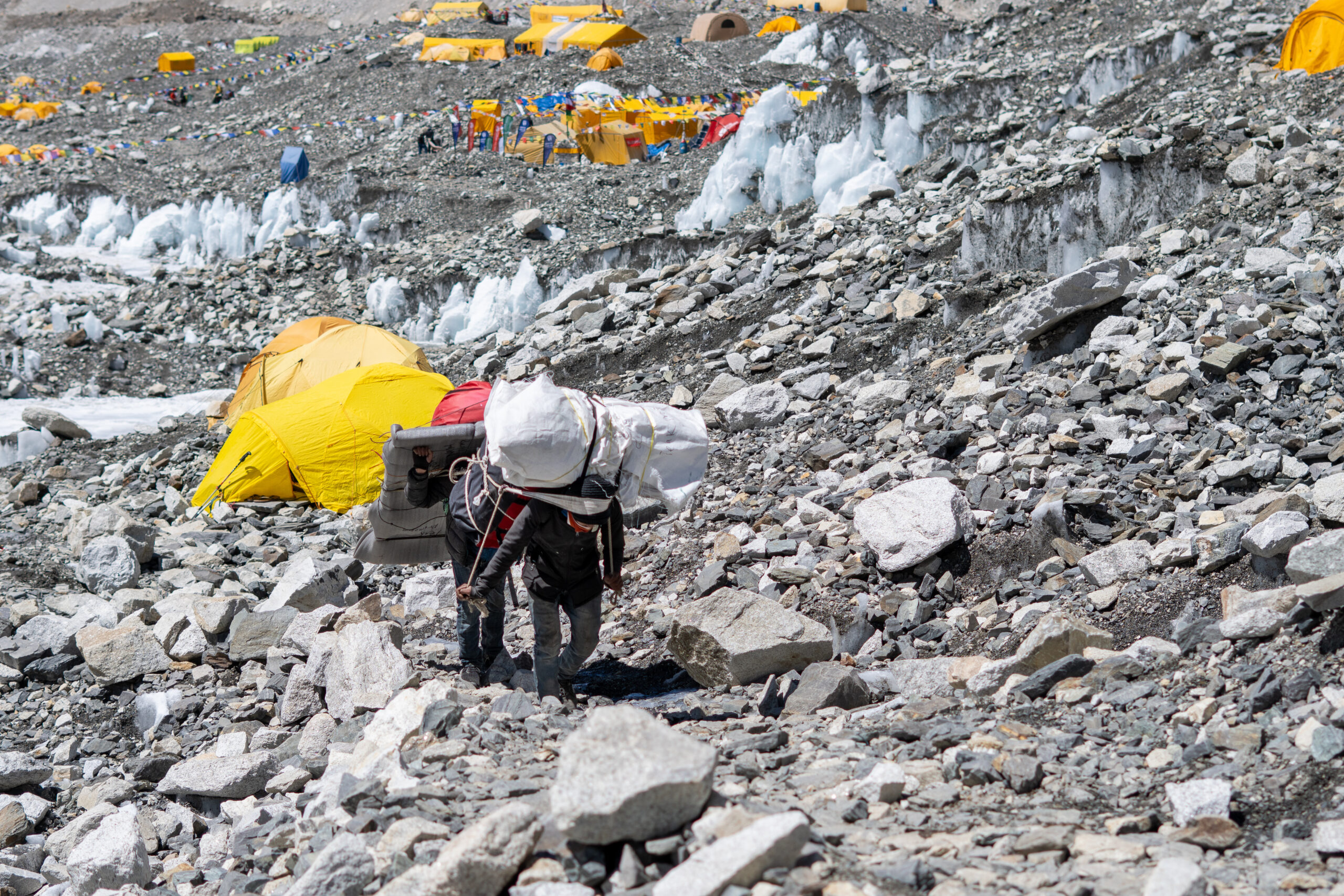
    High-altitude expedition work in the Everest region
    Paid by the season, not the year. A Sherpa’s earning window is a short, intense sprint — roughly eight to ten weeks in spring to make what has to support a family for twelve months. It’s why summit bonuses and tips matter so much, and why the incentive to push on summit day is so strong.

    How the pay is built

    Three moving parts: base, bonus, and the tip climbers control.

    Sherpa compensation isn’t a single flat rate — it stacks up from three pieces:

    Base wageThe guaranteed pay for the expedition. Steady, but the smaller part of a good season.
    BonusesSummit bonuses (~$1,500–$3,500) plus load or performance bonuses. Conditional — they depend on the season going well.
    TipsThe part climbers control directly, paid at the base-camp tipping ceremony. Real income, often several thousand per climber to the team.

    Because two of the three pieces are conditional, take-home pay swings hard from year to year. That’s exactly why the “how much do Sherpas make” question has no single answer — and why our pillar maps the full cash path of a representative expedition rather than quoting one figure. If you’re budgeting your own climb, the tipping line is covered in our full Everest cost breakdown.

    The most dangerous job on the mountain

    High pay for Nepal — low pay for the risk.

    Here’s the context the salary numbers can’t show on their own. While a Western climber crosses the Khumbu Icefall a handful of times, the Sherpas supporting them cross it again and again — fixing ropes, stocking camps, ferrying oxygen. Sherpa climbing is consistently ranked among the most dangerous jobs in the world, and the 2014 Icefall avalanche that killed sixteen Nepali workers is what triggered the wage and insurance reforms still shaping pay today.

    So the honest read on 2026 pay is two-sided: it’s genuinely high income by Nepali standards and a pillar of the Khumbu economy, yet low for the risk carried. For the hard numbers behind the risk, see our death rates by mountain analysis and the Everest death map.

    The pay gap in one lineAn elite Sherpa might earn around $10,000 in a season. A Western lead guide from a US or European operator can earn $30,000–$50,000 for the same two months — while doing fewer trips through the most dangerous terrain. The gap has narrowed since 2014, but it hasn’t closed.

    Sherpa pay beyond Everest

    The same labour, different mountains and different rules.

    “Sherpa pay” is really shorthand for high-altitude expedition labour, and it looks different from range to range. Right now, during the live Karakoram season, Pakistani high-altitude porters are doing the same brutal work on K2 and Broad Peak — often for less than Nepali Sherpas, and with porter welfare a recurring issue. You can follow that season in our K2 2026 tracker, with the labour and operator detail in the full K2 climb guide.

    Elsewhere the frameworks differ: on Kilimanjaro, the Kilimanjaro Porters Assistance Project sets minimum wage and tipping standards; on Denali, the US National Park Service concessionaire system standardises guide wages. The common thread — and the thing worth checking before you book any peak — is how the operator treats its local staff. That’s the fourth of the eight criteria in our operator comparison.

    K2, Everest, Denali and the rest are all in our database of 500+ mountains — compare the peaks and the expeditions that run on them.

    Frequently asked questions

    How much do Sherpas get paid in 2026?

    A personal climbing Sherpa on Everest earns roughly $2,500–$4,500 base for the expedition, plus a $1,500–$3,500 summit bonus and a share of tips. An experienced Khumbu Sherpa can clear $10,000+ in a season, and more across a full year. The full breakdown is in our Sherpa Wage Economy analysis.

    Base salary vs total season pay — what’s the difference?

    Base is the guaranteed wage (~$2,500–$4,500 for a veteran). Total season pay adds bonuses and tips, which can double the take-home. Because bonuses and tips are conditional, actual earnings vary a lot year to year.

    How big is the summit bonus in 2026?

    Around $1,500–$3,500 when a Sherpa’s client summits, with elite rope-fixers at the higher end. It’s a major part of the total and a strong summit-day incentive.

    Do tips really matter?

    Yes — tips are real income, not a courtesy, paid at the base-camp tipping ceremony. Across a full year, tip income alone can reach $25,000–$40,000 for a busy senior Sherpa. See how it fits the wider structure in our wage-economy breakdown.

    How does it compare to Western guides?

    There’s a large gap: ~$10,000 for an elite Sherpa vs $30,000–$50,000 for a Western lead guide in the same season. It has narrowed since 2014 as Sherpa labour grew to 32–38% of the operator fee, but remains substantial.

    Is it enough, given the risk?

    It’s high pay for Nepal but low for the danger — Sherpa climbing is among the world’s most hazardous jobs. Post-2014 reforms raised wages and insurance ($15,000–$20,000 minimum), but the fair-pay debate continues. See our death rates by mountain for context.

    How we compiled this

    This 2026 snapshot draws on operator disclosures, Nepal Department of Tourism data, and published Sherpa-community wage benchmarks, cross-checked against our own Sherpa Wage Economy analysis. Figures are representative ranges, not fixed rates — real pay depends on role, experience, operator, summit success, and tips, all of which vary by season.

    Permit fees, insurance minimums, and staffing rules change from year to year. For the current requirements, consult the Nepal Department of Tourism and your operator; for the full economics, our pillar is the definitive reference.

    Travis Ludlow

    Founder & Head of Research, Global Summit Guide

    Travis leads research at Global Summit Guide, where the team tracks the economics and logistics of the world’s major expeditions and maintains guides to more than 500 peaks. This is a current-season snapshot of Sherpa pay; for the full cash path of an Everest expedition, it defers to our in-depth Sherpa Wage Economy analysis.

    Where does the rest of the money go?

    Sherpa pay is one line in a much bigger ledger. See exactly how a $90,000 Everest expedition splits into ten payment categories — and how much reaches the people doing the most dangerous work.

    The full Sherpa wage economy → What Everest really costs →
    Was this helpful?

    Yes
    No
    Thanks for your feedback!
  • How Much Do Everest Sherpas Get Paid? $4K–$10K + Bonuses

    Everest-region high-altitude worker carrying expedition loads in the Himalaya
    Everest labor economy · Wages · Bonuses · Insurance · Operator transparency

    How Much Do Everest Sherpas Get Paid? 2026 Pay Breakdown

    Experienced Everest climbing guides are commonly reported to earn roughly $4,000–$10,000 for an expedition, while Nepal’s 2025 regulatory amendment lists NPR 1,200 per day for a mountain guide or climbing Sherpa/high-altitude worker. Those figures describe different parts of the compensation system.

    Official rates separated from observed earningsInsurance ≠ wagesNamed bonuses labeled by operatorUnsupported labor-share claim removed

    Data reviewed July 22, 2026 · Design refreshed August 8, 2026 · Research-based labor-economy analysis

    $4K–$10KObserved expedition earnings
    NPR 1,200/dayGuide / high-altitude rate
    NPR 1,500/dayExpedition sirdar rate
    $1,500Named summit-bonus example
    NPR 2mHigh-altitude insurance
    By Travis Ludlow · Research review: Walker Ludlow
    Compensation research · Everest cluster child page
    Editorial limitation: Nepal publishes regulatory daily rates for expedition roles, but it does not publish one universal total-season salary covering every operator, worker and contract. Individual agreements remain private. This page therefore separates official daily rates from reported total expedition earnings, bonuses, tips, equipment and insurance.
    The direct answer

    Experienced Everest guides are commonly reported at about $4,000–$10,000 per expedition—but that is not one universal base salary.

    The 2025 amendment lists NPR 1,500/day for an expedition sirdar, NPR 1,200/day for a mountain guide or climbing Sherpa/high-altitude worker, and NPR 1,000/day for a Base Camp worker. Total expedition earnings may include guaranteed pay, carries, high-camp work, summit bonuses, tips, equipment and benefits.

    • Regulatory rate: one component of compensation.
    • Observed $4K–$10K: reported expedition earnings, not an official government schedule.
    • Summit bonus: operator-specific; Alpine Ascents publishes $1,500 per climber.
    • Insurance: worker protection, not salary.
    • Do not use: an unsupported fixed percentage of the client fee as “Sherpa labor share.”
    Terminology matters. Sherpa is an ethnic identity associated with Himalayan communities. The expedition industry also uses “climbing Sherpa” as a job label. Not every Sherpa person works in mountaineering, and not every Nepali high-altitude worker is ethnically Sherpa. This page retains the search phrase “Everest Sherpa pay” while using role-specific language where possible.
    Confidence before precision

    What the Public Evidence Can—and Cannot—Prove

    The page is strongest when it labels uncertainty instead of presenting private employment contracts as public facts.

    FigureBest-supported interpretationConfidenceBoundary
    NPR 1,500 / 1,200 / 1,000 per dayRegulatory daily rates for sirdar, mountain guide or climbing Sherpa/high-altitude worker, and Base Camp worker under the 2025 amendment.HighDaily rate only; not complete expedition earnings.
    $4,000–$10,000Recent reported earnings for certified mountain guides on Everest, with variation from experience, tips and successful-summit bonuses.MediumNot an official 2026 base-wage schedule.
    $1,500 summit bonusPublished Alpine Ascents example.HighApplies to that named company, not every operator.
    NPR 2,000,000 insuranceUpdated minimum coverage for expedition sirdars, mountain guides and high-altitude workers.HighInsurance coverage, not wages.
    NPR 1,500,000 insuranceUpdated minimum coverage for Base Camp workers.HighDoes not reveal salary.
    $15,000 permitOfficial foreign-climber spring royalty for Everest’s normal route after the 2025 increase.HighGovernment fee, not worker compensation.
    30–38% labor shareRemoved from this analysis.UnsupportedWould require complete operator payroll and staffing data.

    The best answer is a range plus components.

    A veteran personal guide or sirdar may earn more than the reported range; another worker may earn less because of role, experience, operator, cancellation, equipment costs, tips or an unsuccessful season.

    Regulatory floor, not full package

    Nepal’s Official Expedition-Staff Daily Rates

    The current listed rates are useful because they are public, but they should not be confused with complete expedition compensation.

    Expedition roleCurrent listed daily rateWhat the rate does not include
    Expedition sirdarNPR 1,500/daySummit bonus, tips, equipment, management premium, insurance and contract-specific benefits.
    Mountain guideNPR 1,200/daySummit bonus, personal-guide premium, carries, tips, equipment and insurance.
    Climbing Sherpa / high-altitude workerNPR 1,200/dayHigh-camp assignments, load payments, summit bonus, tips, equipment and benefits.
    Base Camp workerNPR 1,000/dayTips, role-specific allowances, equipment and additional operator benefits.
    Worker above 3,700m to Base CampNPR 1,000/dayLoad, trip duration, operator-specific allowances and insurance.
    Worker below 3,700mNPR 800/dayLoad, trek contract, tips and other benefits.

    The daily rate and the reported $4,000–$10,000 expedition range are not contradictory. A long contract can add high-altitude assignments, carries, summit bonuses, tips and experience premiums. A cancellation, poor tip outcome, self-funded equipment or shortened season can reduce the take-home value.

    “Sherpa salary” hides different jobs

    Everest Pay by Role and Confidence

    Role-specific language is more useful than one blended wage number.

    RoleWhat is publicly supportableConfidenceWhy it varies
    Climbing guide / high-altitude workerRegulatory daily rate NPR 1,200. Recent reporting places experienced/certified guide total expedition earnings around $4,000–$10,000, with some workers outside the range.MediumExperience, certifications, client responsibility, carries, summit outcome, tips and employer.
    Personal climbing guideOften has the strongest direct client relationship and may receive a named summit bonus and personal tip.MediumOne-to-one responsibility, summit record, oxygen plan and operator service level.
    Sirdar / expedition managerRegulatory rate NPR 1,500/day. Complete contract may include a management premium, bonuses, equipment and benefits.LowTeam size, staffing responsibility, logistics and employer contract.
    Icefall DoctorSPCC recruits eight specialists each spring to establish and maintain the Khumbu Icefall route under a separate system.Role verifiedExact individual current contract pay is not published on the SPCC role page.
    Base Camp cook / staffBase Camp worker regulatory rate NPR 1,000/day; tips and operator benefits vary.MediumRole, season length, employer and tip-pool policy.
    Trek porterUsually paid by day, load or trek contract and should not be grouped with Everest summit guides.MediumRoute, load, days, season and employer.

    Keep duties on the duties page.

    This wage page should own compensation, benefits and operator transparency. The detailed job description belongs on What Do Sherpas and High-Altitude Workers Do on Everest?.

    A compensation stack, not one number

    How an Everest Worker’s Compensation Is Built

    The worker’s final economic outcome can differ substantially from the published daily rate.

    01

    Guaranteed expedition wage

    The amount promised for the season or assignment. Operators rarely publish this figure role by role.

    02

    High-camp & load-carry pay

    Some contracts pay separately for carries, camp work or altitude-specific assignments; other contracts bundle them into base pay.

    03

    Summit bonus

    A separate payment may be tied to a client summit, guide summit, reaching a specified camp or completing an assignment. The trigger should be written.

    04

    Pooled & personal tips

    Tips may be pooled across staff, paid directly to a personal guide or divided through both systems.

    05

    Equipment allowance

    Boots, down suits, gloves, goggles and other equipment can materially change the value of a contract when the worker must buy or replace them.

    06

    Insurance & benefits

    Life, accident, medical, disability, evacuation and family protection are economically important even though they are not cash wages.

    07

    Cancellation protection

    The contract should state what happens if weather, route closure, injury or client withdrawal ends the season early.

    08

    Experience / responsibility premium

    Veteran personal guides, sirdars and workers with greater responsibility may receive higher total compensation than a published range suggests.

    Do not add every possible component as though it is guaranteed.

    A published “total” can overstate earnings when the summit is not reached, tips are small, equipment is self-funded or the contract does not pay every component separately.

    Everest expedition worker carrying loads between camps near Everest Base Camp
    The work starts before summit day

    Compensation reflects repeated exposure, not one trip to the top.

    High-altitude labor includes freight movement, camp work, route maintenance, rotations and repeated time in hazardous terrain. The value of the work cannot be understood from the summit bonus alone.

    Named examples, not universal rules

    Summit Bonuses, Tips and Who Pays Them

    A bonus is meaningful only when the payer, trigger and amount are clear.

    PaymentWho normally funds itQuestion to ask
    Guaranteed wageOperatorWhat is the written amount by role, and when is it paid?
    Summit bonusClient or operator, depending on packageIs it included in the quoted price, and what exact event triggers it?
    Load-carry paymentOperatorIs it paid per carry, by altitude or included in base wage?
    Team tipClientsIs it pooled, and which workers share it?
    Personal guide tipIndividual clientIs a direct tip expected in addition to the pool?
    Route-fixing contributionExpedition/operator systemWho receives the fee and how are specialized workers compensated?

    Alpine Ascents currently lists tips as separate from the expedition price and publishes a $1,500 summit bonus per climber for Sherpa guides. That is a named operator example—not a universal Everest rule.

    A summit bonus should not replace a fair guaranteed wage.

    Weather, route conditions and client health can prevent a summit even when the guide performs every required duty. Ask what the worker receives when the expedition turns around for reasons outside the worker’s control.

    The client price is not one worker’s wage

    What Workers Earn vs What Clients Pay

    Everest packages span a wide market. The difference between a client fee and a guide’s compensation is real, but it is not automatically operator profit.

    A client price can include the $15,000 spring permit, supplemental oxygen systems, Base Camp operations, high-altitude labor, cooks and communications, route-fixing charges, cargo, domestic transport, hotels, porters, weather services, medical support, guide salaries, insurance, administrative overhead and profit.

    The correct conclusion is not that one guide receives a fixed percentage of one client’s fee. Staff, oxygen, tents and route systems are shared across teams, while premium services may assign extra personnel to a single climber.

    The removed 30–38% labor-share claim should stay removed.

    A credible labor-share percentage requires an operator’s complete payroll, staffing roster, role definitions, shared-route payments and client allocation. Public package prices alone cannot provide that denominator.

    For the client-side budget, use the Everest Cost & Permits guide. For staffing and service structure, use the Everest Operators comparison.

    Protection is economically important

    Insurance, Equipment and Non-Cash Compensation

    Minimum coverage is not the same as a complete worker-protection program.

    Worker categoryUpdated minimum coverageWhat climbers should ask
    Expedition sirdar, mountain guide & high-altitude workerNPR 2,000,000Does the operator provide additional medical, evacuation, disability or family benefits?
    Base Camp workerNPR 1,500,000Who is covered, for what dates and under which policy?
    Recovery / repatriationSeparate policy or operating provision may applyWho pays for recovery, repatriation and family support after a fatality?
    EquipmentNo universal cash valueAre boots, down suit, goggles and gloves supplied, subsidized or deducted from wages?

    Insurance figures should be stated in Nepalese rupees first. Exchange rates move. More importantly, the coverage amount alone does not explain exclusions, disability payments, medical costs, beneficiary rules or payment timing.

    The contract’s worst-day language matters

    What Happens After a Failed, Injured or Canceled Season?

    Compensation quality is easiest to judge when the summit does not happen.

    Weather / closure

    Route Does Not Open

    Is the guaranteed wage still paid when the team cannot attempt the summit?

    Client withdrawal

    Client Leaves Early

    Does the personal guide lose bonus only, or also guaranteed wage?

    Worker injury

    Injury Ends the Season

    Who pays treatment, evacuation, lost wages and longer-term disability support?

    Fatality

    Family Protection

    What insurance, recovery support and additional operator benefit reaches the family?

    The 2014 Khumbu Icefall disaster, which killed 16 Nepali workers, intensified international attention on wage guarantees, insurance and family compensation. Current insurance minimums are higher than the post-2014 levels, but they still do not answer every employment-protection question.

    Compare responsibilities without inventing a salary gap

    Nepali Guides vs International Guides

    A universal “Western guide salary” should not be published without a current comparable source and contract basis.

    International lead guides may carry expedition leadership, client screening, liability, medical and weather decisions, communications and company-facing responsibilities. Nepali high-altitude guides often carry more loads, spend more time on the mountain and enter objective-hazard terrain repeatedly.

    The ethical question is not solved by declaring one role more valuable. The useful question is whether every worker receives clear guaranteed pay, appropriate equipment, insurance, cancellation protection and compensation that reflects exposure and responsibility.

    The Western-led vs Nepalese operator comparison owns the service-structure question. This page should remain focused on compensation and worker protections.

    Shared route labor

    Icefall Doctors and the Shared Everest Route Economy

    Some of Everest’s most important labor is not assigned to one paying client.

    SPCC describes a standing team of eight Icefall Doctors recruited each spring to establish and maintain the Khumbu Icefall route used by Everest, Lhotse and Nuptse expeditions. In April 2026, Reuters reported that a wider group of 19 Sherpa climbers crossed the route after a large serac caused a roughly two-week blockage and reopened access toward Camp I.

    Those numbers describe different things: the normal SPCC route team and the broader 2026 reopening effort. Both illustrate why a simple “my guide received X percent of my fee” calculation fails. Everest depends on personal guides, shared high-altitude teams, Icefall Doctors, Base Camp staff, cooks, porters, rope-fixing systems and logistics personnel.

    For the hazard side of this work, use the Khumbu Icefall risk analysis.

    Before the nonrefundable deposit

    Everest Worker-Pay & Protection Audit

    A transparent operator should be able to answer these questions in writing without requiring the client to reverse-engineer the payroll.

    1. What is the guaranteed wage for each guide and worker role?
    2. Is the summit bonus included in the package or paid separately by the client?
    3. What exact event triggers the summit bonus?
    4. Are high-camp carries or route assignments paid separately?
    5. Are tips pooled, personal or both?
    6. Which workers participate in the tip pool?
    7. Are boots, down suits and personal equipment supplied?
    8. Are equipment costs deducted from wages?
    9. What life and accident coverage is carried by role?
    10. What medical, evacuation and disability benefits exist?
    11. What is paid if the expedition is canceled or turns around?
    12. What is paid if the client leaves early?
    13. What is the client-to-climbing-guide ratio?
    14. How many Icefall and high-camp rotations are expected?
    15. Who pays the shared route-fixing and Icefall charges?
    16. Will the operator provide the policy and payroll structure in writing?

    Use this checklist as a buying tool.

    A low expedition price is not automatically unethical, and a premium price is not automatically fair. Compare the actual staffing, pay, insurance, equipment and cancellation structure.

    Direct search answers

    Everest Sherpa Pay FAQ

    Questions this compensation page should own without drifting into the duties or operator pages.

    How much do Sherpas get paid on Everest?

    There is no universal official total-season wage. Recent reporting places many certified Everest mountain guides at roughly $4,000–$10,000 per expedition, with experience, tips and summit bonuses affecting the total.

    Is $4,000–$10,000 a base salary?

    Not necessarily. It is best treated as observed expedition earnings. Guaranteed wage, carries, summit bonus, tips, equipment and benefits may be separate or combined.

    What is Nepal’s official daily pay rate?

    The current listed rate is NPR 1,500 per day for an expedition sirdar, NPR 1,200 for a mountain guide or climbing Sherpa/high-altitude worker, and NPR 1,000 for a Base Camp worker. Those rates do not include every bonus, tip, carry payment, equipment allowance or benefit.

    How much is the Everest summit bonus?

    There is no universal amount. Alpine Ascents currently publishes a $1,500 summit bonus per climber for Sherpa guides.

    Do Everest workers receive tips?

    Tips are common, but the amount and distribution vary. Climbers should ask whether tips are pooled, personal or both and which workers participate.

    How much insurance is required for Everest staff?

    The 2025 amendment increased minimum coverage to NPR 2,000,000 for expedition sirdars, mountain guides and high-altitude workers, and NPR 1,500,000 for Base Camp workers.

    How does worker pay compare with the client price?

    Everest expedition prices cover permits, oxygen, tents, logistics, staff, route systems, insurance, guiding, overhead and profit. A defensible fixed labor percentage cannot be calculated without the operator’s complete payroll and staffing model.

    Are all high-altitude workers ethnically Sherpa?

    No. Sherpa is an ethnic identity, although the expedition industry also uses “climbing Sherpa” as a job label. High-altitude workers may come from several Nepali communities.

    What should I ask an Everest operator about worker pay?

    Ask for guaranteed wages, summit-bonus rules, carry pay, tip policy, equipment allowances, insurance, cancellation pay, guide ratios and worker protections in writing.

    Evidence hierarchy

    Sources, Methodology & Limits

    Public regulatory figures, named operator policies and reported worker earnings are deliberately kept in separate evidence categories.

    Method

    • Regulatory daily rates are not described as total-season salaries.
    • Named operator bonuses apply only to the operator publishing them.
    • Reported $4,000–$10,000 earnings remain an observed range, not a government wage schedule.
    • Insurance is worker protection, not cash compensation.
    • Client package prices are not used to infer a fixed labor percentage without payroll data.
    • Sherpa identity and “climbing Sherpa” job terminology are distinguished.
    • Last compensation-data review: July 22, 2026.

    What we do not know

    Most private operator contracts remain private. We do not know the exact current guaranteed wage, bonus structure, equipment deductions, tip distribution or family benefits for every Everest worker. Those gaps should remain visible rather than being replaced with invented averages.

    Transparency belongs in the buying decision

    Ask Where the Money Goes Before Paying the Deposit.

    A transparent Everest operator should explain staffing, guaranteed wages, bonuses, insurance, equipment and cancellation protection clearly enough that a client does not have to guess.

    ⛰️ Go deeper

    Which company you book with decides how much of your money reaches the climbing team — and the safety margin you get for it. Compare Everest expedition operators and what each price tier actually delivers.

    Was this helpful?

    Yes
    No
    Thanks for your feedback!
Language »