
Last updated July 26, 2026
{ “@context”: “https://schema.org”, “@type”: “Article”, “headline”: “What Do Sherpas Do on Everest? The Complete Expedition Workforce”, “description”: “Sherpas do far more than carry gear. See who opens the Khumbu Icefall, fixes ropes, stocks camps, manages oxygen, guides clients and supports Everest rescues.”, “image”: [ “https://globalsummitguide.com/wp-content/uploads/2026/05/AdobeStock_1888071831-scaled.jpeg”, “https://globalsummitguide.com/wp-content/uploads/2026/03/photo-1609660062508-1ac4a930232d-scaled.jpeg”, “https://globalsummitguide.com/wp-content/uploads/2026/04/AdobeStock_1150423621-scaled.jpeg”, “https://globalsummitguide.com/wp-content/uploads/2026/06/AdobeStock_202223994-1-scaled.jpeg” ], “author”: { “@type”: “Person”, “name”: “Travis Ludlow”, “url”: “https://globalsummitguide.com/about/” }, “publisher”: { “@type”: “Organization”, “name”: “Global Summit Guide”, “url”: “https://globalsummitguide.com/”, “logo”: { “@type”: “ImageObject”, “url”: “https://globalsummitguide.com/wp-content/uploads/2026/02/global-logo-new-2.png” } }, “datePublished”: “2026-07-01”, “dateModified”: “2026-07-26T08:44:53+00:00”, “mainEntityOfPage”: “https://globalsummitguide.com/what-do-sherpas-do-on-everest/”, “articleSection”: “Everest”, “keywords”: [ “what do Sherpas do on Everest”, “Everest Sherpa roles”, “Icefall Doctors”, “Everest Sirdar”, “climbing Sherpa”, “Everest rope fixing” ] } { “@context”: “https://schema.org”, “@type”: “BreadcrumbList”, “itemListElement”: [ { “@type”: “ListItem”, “position”: 1, “name”: “Home”, “item”: “https://globalsummitguide.com/” }, { “@type”: “ListItem”, “position”: 2, “name”: “Everest”, “item”: “https://globalsummitguide.com/mount-everest-nepal-tibet/” }, { “@type”: “ListItem”, “position”: 3, “name”: “What Do Sherpas Do on Everest?”, “item”: “https://globalsummitguide.com/what-do-sherpas-do-on-everest/” } ] } { “@context”: “https://schema.org”, “@type”: “ItemList”, “name”: “Eight Essential Everest Workforce Zones”, “numberOfItems”: 8, “itemListElement”: [ { “@type”: “ListItem”, “position”: 1, “name”: “Porters, yak teams, trekking guides and kitchen logistics”, “description”: “Move expedition loads through the Khumbu, manage approach logistics and establish the Base Camp supply chain.” }, { “@type”: “ListItem”, “position”: 2, “name”: “Sirdar, expedition leader, cooks, communications and medical staff”, “description”: “Coordinate staff, food, oxygen, radios, forecasts, rotations, storage, client readiness and emergency communication.” }, { “@type”: “ListItem”, “position”: 3, “name”: “SPCC Icefall Doctors”, “description”: “Choose the seasonal line, place ladders, fix ropes, mark the route and repair it as the glacier changes.” }, { “@type”: “ListItem”, “position”: 4, “name”: “Climbing Sherpas and high-altitude load teams”, “description”: “Ferry tents, food, fuel and equipment, support rotations and monitor movement out of the Icefall.” }, { “@type”: “ListItem”, “position”: 5, “name”: “Sirdar, climbing Sherpas, high-altitude cooks and rope teams”, “description”: “Operate the main high camp, stage loads, manage food and fuel, support acclimatization and coordinate higher route work.” }, { “@type”: “ListItem”, “position”: 6, “name”: “EOAN rope-fixing team and climbing Sherpas”, “description”: “Install shared fixed lines above Camp II, prepare tent platforms, stage oxygen and support movement on steep ice.” }, { “@type”: “ListItem”, “position”: 7, “name”: “Climbing Sherpas, oxygen logistics and expedition leadership”, “description”: “Stock summit oxygen, tents, food and emergency supplies; assign summit partners and prepare departure timing.” }, { “@type”: “ListItem”, “position”: 8, “name”: “Personal climbing Sherpa, guide team and expedition leader”, “description”: “Manage pace, oxygen changes, fixed-line movement, turnaround timing, client condition and descent priorities.” } ] } { “@context”: “https://schema.org”, “@type”: “WebApplication”, “name”: “Everest Expedition Workforce Map and Support Decoder”, “applicationCategory”: “EducationalApplication”, “operatingSystem”: “Any”, “isAccessibleForFree”: true, “url”: “https://globalsummitguide.com/what-do-sherpas-do-on-everest/#everest-workforce-map”, “description”: “Interactive tools explaining who performs each Everest expedition task and what common Sherpa-support package terms may mean.” } { “@context”: “https://schema.org”, “@type”: “FAQPage”, “mainEntity”: [ { “@type”: “Question”, “name”: “What do Sherpas do on Everest?”, “acceptedAnswer”: { “@type”: “Answer”, “text”: “Depending on role, Sherpa and other Nepali mountain professionals open and maintain the Khumbu Icefall route, fix ropes higher on Everest, carry loads, build and stock high camps, manage oxygen, guide clients, coordinate staff, enforce turnaround decisions and support rescues.” } }, { “@type”: “Question”, “name”: “Is Sherpa an ethnicity or a job?”, “acceptedAnswer”: { “@type”: “Answer”, “text”: “Sherpa is an ethnic identity. Not every Sherpa works in mountaineering, and not every Nepali mountain worker is ethnically Sherpa. Expedition job titles describe different responsibilities.” } }, { “@type”: “Question”, “name”: “Who fixes the ropes on Everest?”, “acceptedAnswer”: { “@type”: “Answer”, “text”: “SPCC Icefall Doctors establish and maintain the route through the Khumbu Icefall toward Camp II. A separate high-altitude rope-fixing team works above Camp II toward the summit.” } }, { “@type”: “Question”, “name”: “Are Sherpas just porters?”, “acceptedAnswer”: { “@type”: “Answer”, “text”: “No. Porters usually move approach loads below Base Camp. High-altitude climbing Sherpas may work on ropes, camps, oxygen, client movement, route logistics and rescue support.” } }, { “@type”: “Question”, “name”: “Do Sherpas carry climbers to the summit?”, “acceptedAnswer”: { “@type”: “Answer”, “text”: “No. A client must climb and descend under personal power. Sherpa support can carry expedition loads and improve the safety margin, but it cannot replace fitness, experience or judgment.” } }, { “@type”: “Question”, “name”: “What is an Everest Sirdar?”, “acceptedAnswer”: { “@type”: “Answer”, “text”: “The Sirdar is the senior Nepali field leader who coordinates staff, loads, camps, rotations and communication with expedition leadership.” } }, { “@type”: “Question”, “name”: “What does 1:1 Sherpa support mean?”, “acceptedAnswer”: { “@type”: “Answer”, “text”: “It normally means one named climbing Sherpa is assigned primarily to one client. The contract should confirm whether the assignment covers every rotation, summit day, oxygen carries and replacement staffing.” } }, { “@type”: “Question”, “name”: “How should climbers evaluate an ethical operator?”, “acceptedAnswer”: { “@type”: “Answer”, “text”: “Ask for transparent staffing ratios, pay and bonus structure, worker medical and life insurance, load policy, oxygen allocations, rescue support and turnaround authority.” } } ] } @import url(‘https://fonts.googleapis.com/css2?family=Outfit:wght@300;400;500;600;700&family=DM+Serif+Display:ital@0;1&display=swap’); .kili-page { font-family: ‘Outfit’, sans-serif; color: #122a44; line-height: 1.65; margin: 0 auto; padding: 0; } .kili-page h1, .kili-page h2, .kili-page h3, .kili-page h4 { font-family: ‘DM Serif Display’, serif; font-weight: 400; color: #0a1929; line-height: 1.15; } .kili-page p { font-size: 1.02rem; margin-bottom: 1.1em; } .kili-page a { color: #2e5986; text-decoration: none; border-bottom: 1px solid #c8d4e0; } .kili-page a:hover { color: #d4913a; border-bottom-color: #d4913a; } .kili-hero { position: relative; padding: 0; color: #f5e4c8; overflow: hidden; background: #0a1929; border-radius: 12px; margin-bottom: 0; } .kili-hero-image { width: 100%; height: auto; display: block; max-width: 100%; } .kili-hero-text { padding: 40px 36px; background: linear-gradient(135deg, rgba(10,25,41,0.93), rgba(46,89,134,0.86)); } .kili-hero-tag { font-size: 0.84rem; color: #d4913a; text-transform: uppercase; letter-spacing: 2px; font-weight: 700; margin-bottom: 14px; } .kili-hero h1 { color: #f5e4c8 !important; font-size: 2.3rem; line-height: 1.1; margin: 0 0 16px; } .kili-hero h1 em { color: #d4913a; font-style: italic; } .kili-hero p { color: #f5e4c8; font-size: 1.06rem; line-height: 1.5; margin: 0; } .kili-byline { background: #f8f4ec; padding: 14px 22px; font-size: 0.85rem; color: #5a4f30; border: 1px solid #e8d8ad; border-radius: 8px; margin: 18px 0; } .kili-byline-top { display: flex; justify-content: space-between; flex-wrap: wrap; gap: 10px; align-items: center; margin-bottom: 8px; } .kili-byline-author { font-weight: 600; color: #0a1929; font-size: 0.94rem; } .kili-byline-author a { color: #2e5986; border-bottom: none; } .kili-byline-meta { color: #7a6f50; font-size: 0.82rem; } .kili-byline-credentials { font-size: 0.82rem; color: #5a4f30; line-height: 1.45; padding-top: 6px; border-top: 1px solid #e8d8ad; font-style: italic; } .kili-byline-credentials strong { color: #0a1929; font-style: normal; } .kili-editorial-callout { background: linear-gradient(135deg, #e8f0f7 0%, #d4e4f0 100%); border-left: 5px solid #2e5986; padding: 18px 24px; margin: 22px 0; border-radius: 8px; font-size: 0.92rem; color: #0a1929; } .kili-editorial-callout .kili-editorial-title { font-weight: 700; color: #2e5986; font-size: 0.95rem; margin-bottom: 5px; display: block; } .kili-editorial-callout p { margin: 0 0 8px; font-size: 0.92rem; line-height: 1.5; } .kili-editorial-callout p:last-child { margin-bottom: 0; } .kili-framing { background: linear-gradient(135deg, #e8f0d8 0%, #cfe0b0 100%); border: 2px solid #5a8a2e; padding: 18px 24px; margin: 18px 0; border-radius: 10px; } .kili-framing h4 { color: #4a7a3d; margin: 0 0 8px; font-size: 1rem; } .kili-framing p { margin: 0 0 8px; font-size: 0.92rem; line-height: 1.55; color: #0a1929; } .kili-framing strong { color: #4a7a3d; } .kili-framing p:last-child { margin-bottom: 0; } .kili-quick-verdict { background: linear-gradient(135deg, #a83a2b 0%, #c84a3b 100%); color: #fff; padding: 30px 36px; margin: 26px 0; border-radius: 14px; box-shadow: 0 8px 24px rgba(168,58,43,0.4); border: 4px solid #d4913a; } .kili-quick-verdict h2 { margin: 0 0 14px !important; font-size: 1.5rem !important; color: #fff !important; padding-bottom: 0 !important; border-bottom: none !important; } .kili-quick-verdict h2 em { color: #fdd47a; font-style: italic; } .kili-quick-verdict p { margin: 0 0 12px; font-size: 1.06rem; color: #fff; line-height: 1.55; } .kili-quick-verdict p:last-child { margin-bottom: 0; } .kili-quick-verdict strong { color: #fdd47a; font-weight: 700; } .kili-quick-verdict .kili-verdict-tag { display: inline-block; background: #d4913a; color: #0a1929; padding: 4px 12px; border-radius: 4px; font-size: 0.78rem; font-weight: 700; text-transform: uppercase; letter-spacing: 0.6px; margin-bottom: 12px; } .kili-stat-grid { display: grid; grid-template-columns: repeat(4, 1fr); gap: 12px; padding: 22px; background: linear-gradient(135deg, #0a1929 0%, #122a44 100%); color: #f5e4c8; border-radius: 10px; margin: 22px 0; } .kili-stat { background: #1a3354; border: 1px solid #d4913a; border-radius: 8px; padding: 14px 12px; text-align: center; } .kili-stat-num { font-family: ‘DM Serif Display’, serif; font-size: 1.4rem; color: #d4913a; line-height: 1; margin-bottom: 4px; } .kili-stat-label { font-size: 0.72rem; color: #f5e4c8; text-transform: uppercase; letter-spacing: 0.6px; } .kili-toc { background: #f8f4ec; border: 1px solid #e8d8ad; border-radius: 10px; padding: 18px 24px; margin: 22px 0; } .kili-toc h4 { margin: 0 0 12px; font-size: 1.08rem; color: #0a1929; } .kili-toc ol { margin: 0; padding-left: 22px; columns: 2; column-gap: 28px; font-size: 0.92rem; } .kili-toc li { margin-bottom: 5px; line-height: 1.4; } .kili-inline-image { margin: 32px 0; border-radius: 10px; overflow: hidden; box-shadow: 0 4px 14px rgba(212,200,168,0.5); } .kili-inline-image img { width: 100%; height: auto; display: block; max-width: 100%; } .kili-inline-image figcaption { padding: 14px 22px; background: #f8f4ec; font-size: 0.88rem; color: #5a4f30; font-style: italic; line-height: 1.5; } .kili-inline-image figcaption strong { color: #0a1929; font-style: normal; } .kili-section-header { background: linear-gradient(135deg, #122a44 0%, #2e5986 100%); color: #f5e4c8; padding: 28px 34px; margin: 40px 0 24px; border-radius: 12px; border-left: 8px solid #d4913a; box-shadow: 0 6px 18px rgba(18,42,68,0.4); } .kili-section-header h2 { color: #d4913a !important; font-size: 1.85rem !important; margin: 0 0 6px !important; padding: 0 !important; border: none !important; } .kili-section-header h2 em { color: #fdd47a; font-style: italic; } .kili-section-header p { color: #f5e4c8; font-size: 0.96rem; margin: 0; line-height: 1.5; } .kili-content { padding: 24px 0 0; } .kili-content h2 { font-size: 1.95rem; margin-top: 48px; margin-bottom: 18px; padding-bottom: 11px; border-bottom: 2px solid #d4913a; } .kili-content h2:first-of-type { margin-top: 0; } .kili-content h2 em { color: #d4913a; font-style: italic; } .kili-content h3 { font-size: 1.38rem; margin-top: 28px; margin-bottom: 12px; color: #0a1929; } .kili-content h4 { font-size: 1.1rem; margin-top: 22px; margin-bottom: 10px; color: #0a1929; } .kili-route-card { background: #fff; border-radius: 12px; padding: 24px 28px; margin: 22px 0; border-left: 6px solid #2e5986; box-shadow: 0 3px 10px rgba(212,200,168,0.4); } .kili-route-card.standard { border-left-color: #d4913a; } .kili-route-card.alternative { border-left-color: #5a8a2e; } .kili-route-card.alternative-2 { border-left-color: #2e5986; } .kili-route-card.winter { border-left-color: #a83a2b; } .kili-route-card-tag { display: inline-block; padding: 5px 14px; border-radius: 4px; font-size: 0.76rem; font-weight: 700; text-transform: uppercase; letter-spacing: 0.6px; margin-bottom: 10px; font-family: ‘Outfit’, sans-serif; } .kili-route-card.standard .kili-route-card-tag { background: #d4913a; color: #0a1929; } .kili-route-card.alternative .kili-route-card-tag { background: #5a8a2e; color: #fff; } .kili-route-card.alternative-2 .kili-route-card-tag { background: #2e5986; color: #fff; } .kili-route-card.winter .kili-route-card-tag { background: #a83a2b; color: #fff; } .kili-route-card h3 { margin: 6px 0 8px; font-size: 1.36rem; color: #0a1929; } .kili-route-card h3 em { color: #d4913a; font-style: italic; } .kili-route-card p { margin: 0 0 10px; } .kili-route-card p:last-child { margin-bottom: 0; } .kili-route-stats { display: grid; grid-template-columns: repeat(4, 1fr); gap: 8px; margin: 14px 0; } .kili-route-stat { background: #f8f4ec; border: 1px solid #e8d8ad; border-radius: 6px; padding: 8px; text-align: center; } .kili-route-stat-label { font-size: 0.68rem; color: #7a6f50; text-transform: uppercase; letter-spacing: 0.4px; margin-bottom: 2px; } .kili-route-stat-value { font-size: 0.9rem; font-weight: 700; color: #0a1929; } .kili-table { width: 100%; border-collapse: collapse; margin: 22px 0; font-size: 0.88rem; background: #fff; box-shadow: 0 2px 7px rgba(212,200,168,0.5); border-radius: 8px; overflow: hidden; } .kili-table th { background: #0a1929; color: #f5e4c8; padding: 11px 12px; text-align: left; font-weight: 500; font-size: 0.78rem; text-transform: uppercase; letter-spacing: 0.4px; } .kili-table td { padding: 9px 12px; border-bottom: 1px solid #e8e2d4; vertical-align: top; } .kili-table tr:nth-child(even) td { background: #fbf7ef; } .kili-table td strong { color: #0a1929; } .kili-table a { color: #2e5986; font-weight: 700; } .kili-callout-info { background: #e8f0f7; border-left: 5px solid #2e5986; padding: 16px 22px; border-radius: 6px; margin: 20px 0; font-size: 0.95rem; color: #0a1929; } .kili-callout-info strong { color: #0a1929; } .kili-callout-info .kili-callout-title { font-weight: 700; color: #2e5986; font-size: 0.98rem; margin-bottom: 6px; display: block; } .kili-callout-warning { background: #fdf3e8; border-left: 5px solid #b86a15; padding: 16px 22px; border-radius: 6px; margin: 20px 0; font-size: 0.95rem; color: #0a1929; } .kili-callout-warning strong { color: #b86a15; } .kili-callout-warning .kili-callout-warning-title { font-weight: 700; color: #b86a15; font-size: 0.98rem; margin-bottom: 6px; display: block; } .kili-callout-danger { background: #fbe5e2; border-left: 5px solid #a83a2b; padding: 16px 22px; border-radius: 6px; margin: 20px 0; font-size: 0.95rem; color: #0a1929; } .kili-callout-danger strong { color: #a83a2b; } .kili-callout-danger .kili-callout-danger-title { font-weight: 700; color: #a83a2b; font-size: 0.98rem; margin-bottom: 6px; display: block; } .kili-callout-success { background: #e8f0d8; border-left: 5px solid #5a8a2e; padding: 16px 22px; border-radius: 6px; margin: 20px 0; font-size: 0.95rem; color: #0a1929; } .kili-callout-success strong { color: #5a8a2e; } .kili-callout-success .kili-callout-success-title { font-weight: 700; color: #5a8a2e; font-size: 0.98rem; margin-bottom: 6px; display: block; } .kili-callout-success ul { margin: 6px 0 0; padding-left: 20px; } .kili-callout-success li { margin-bottom: 5px; } .kili-faq-item { background: #f8f4ec; border-radius: 8px; margin-bottom: 11px; } .kili-faq-item summary { padding: 14px 20px; cursor: pointer; font-family: ‘DM Serif Display’, serif; font-size: 1.04rem; color: #0a1929; list-style: none; } .kili-faq-item summary::-webkit-details-marker { display: none; } .kili-faq-item summary::after { content: ‘+’; float: right; color: #d4913a; font-size: 1.4rem; line-height: 0.8; } .kili-faq-item[open] summary::after { content: ‘-‘; } .kili-faq-item div { padding: 0 20px 16px; font-size: 0.93rem; color: #0a1929; } .kili-methodology { background: #f8f4ec; border: 2px solid #2e5986; padding: 22px 26px; border-radius: 10px; margin: 26px 0; } .kili-methodology h3 { margin: 0 0 12px; font-size: 1.18rem; color: #2e5986; } .kili-methodology h4 { font-size: 1rem; margin: 14px 0 6px; color: #0a1929; } .kili-methodology p { font-size: 0.92rem; line-height: 1.55; margin: 0 0 8px; color: #0a1929; } .kili-author-bio { background: linear-gradient(135deg, #f8f4ec 0%, #fbf7ef 100%); border: 2px solid #d4913a; padding: 26px 30px; border-radius: 12px; margin: 32px 0 18px; display: flex; gap: 22px; align-items: flex-start; } .kili-author-bio-image { flex-shrink: 0; width: 100px; height: 100px; border-radius: 50%; background: #d4913a url(‘https://globalsummitguide.com/wp-content/uploads/2026/03/561db5f8-15bb-43d8-9eba-251a8c35f89f.jpg’) center/cover; border: 3px solid #d4913a; } .kili-author-bio-content { flex: 1; } .kili-author-bio h3 { margin: 0 0 4px; font-size: 1.26rem; color: #0a1929; } .kili-author-bio .kili-author-title { font-size: 0.9rem; color: #b86a15; font-weight: 700; margin-bottom: 11px; font-style: italic; } .kili-author-bio p { margin: 0 0 9px; font-size: 0.92rem; line-height: 1.55; color: #0a1929; } .kili-related { background: #f8f4ec; padding: 22px; border-radius: 10px; margin: 22px 0; } .kili-related h4 { margin-top: 0; margin-bottom: 13px; color: #0a1929; } .kili-related h4.kili-related-sub { margin-top: 18px; } .kili-related ul { margin: 0; padding-left: 20px; } .kili-related li { margin-bottom: 6px; font-size: 0.92rem; } .kili-final-cta { background: linear-gradient(135deg, #122a44 0%, #1e3a5f 100%); color: #f5e4c8; padding: 36px 30px; border-radius: 14px; margin: 32px 0 0; text-align: center; border: 3px solid #d4913a; box-shadow: 0 8px 22px rgba(18,42,68,0.4); } .kili-final-cta h3 { color: #d4913a; margin: 0 0 12px; font-size: 1.6rem; } .kili-final-cta h3 em { color: #fdd47a; font-style: italic; } .kili-final-cta > p { color: #f5e4c8; font-size: 1.02rem; margin: 0 auto 22px; max-width: 600px; line-height: 1.55; } .kili-cta-button { display: inline-block; background: transparent; color: #f5e4c8 !important; padding: 13px 24px; border-radius: 6px; font-weight: 600; border: 2px solid #d4913a !important; margin: 0 5px 8px; text-decoration: none !important; transition: all 0.15s; } .kili-cta-button:hover { background: #d4913a; color: #0a1929 !important; } @media (max-width: 768px) { .kili-page { padding: 0 4px; } .kili-stat-grid { grid-template-columns: repeat(2, 1fr); } .kili-route-stats { grid-template-columns: repeat(2, 1fr); } .kili-toc ol { columns: 1; } .kili-hero-text { padding: 28px 18px; } .kili-hero h1 { font-size: 1.7rem; } .kili-hero p { font-size: 0.96rem; } .kili-byline, .kili-editorial-callout, .kili-framing, .kili-quick-verdict, .kili-route-card, .kili-section-header { padding: 18px 20px; } .kili-quick-verdict h2 { font-size: 1.3rem !important; } .kili-section-header h2 { font-size: 1.5rem !important; } .kili-final-cta { padding: 26px 20px; } .kili-final-cta h3 { font-size: 1.35rem; } .kili-author-bio { flex-direction: column; align-items: center; text-align: center; } .kili-content h2 { font-size: 1.6rem; } .kili-content h3 { font-size: 1.22rem; } .kili-table { font-size: 0.78rem; } .kili-table th, .kili-table td { padding: 6px 5px; } } .kili-page{max-width:1180px} .kili-main{max-width:1060px;margin:0 auto} .kili-language{background:linear-gradient(135deg,#fff8e8,#f7ecce);border:2px solid #d4913a;border-left:8px solid #d4913a;border-radius:12px;padding:21px 24px;margin:20px 0} .kili-language h2{border:0!important;padding:0!important;margin:0 0 7px!important;font-size:1.4rem!important}.kili-language p{font-size:.9rem;margin-bottom:7px} .kili-tool{background:linear-gradient(135deg,#f8f4ec,#fff);border:3px solid #d4913a;border-radius:14px;padding:23px;margin:26px 0;box-shadow:0 8px 24px rgba(8,26,43,.10)} .kili-tool-head{display:grid;grid-template-columns:1.2fr .8fr;gap:15px}.kili-tool h2{border:0!important;padding:0!important;margin:0 0 6px!important} .kili-tool-head p{font-size:.86rem;color:#5d625f}.kili-rule{background:#0a1929;border-radius:9px;padding:14px;color:#fff}.kili-rule strong{display:block;color:#efb25b;font-family:’DM Serif Display’,serif}.kili-rule span{display:block;font-size:.72rem;color:#eaf1f5;margin-top:4px} .kili-workforce-map{display:grid;grid-template-columns:300px 1fr;gap:14px;margin-top:15px}.kili-zones{display:grid;gap:6px} .kili-zone{text-align:left;border:1px solid #c8d4dd;background:#fff;border-radius:8px;padding:10px 12px;cursor:pointer;color:#0a1929;font-family:’Outfit’,sans-serif} .kili-zone strong,.kili-zone span{display:block}.kili-zone span{font-size:.68rem;color:#6b7884}.kili-zone.active{background:#0a1929;color:#fff;border-color:#d4913a}.kili-zone.active span{color:#dce8ef} .kili-map-result{background:linear-gradient(135deg,#0a1929,#1e4d72);border:3px solid #d4913a;border-radius:11px;padding:20px;color:#fff}.kili-map-result h3{color:#efb25b;margin:0 0 8px;font-size:1.35rem} .kili-map-grid{display:grid;grid-template-columns:repeat(2,1fr);gap:9px}.kili-map-grid div{background:rgba(255,255,255,.08);border:1px solid rgba(255,255,255,.2);border-radius:7px;padding:11px}.kili-map-grid strong{display:block;color:#ffd98e;font-size:.72rem;text-transform:uppercase}.kili-map-grid span{font-size:.78rem;color:#eef5f8} .kili-tracker{display:grid;gap:8px;margin:18px 0}.kili-track-step{display:grid;grid-template-columns:95px 1fr;gap:13px;background:#fff;border:1px solid #e8d8ad;border-left:5px solid #5a8a2e;border-radius:9px;padding:13px}.kili-track-date{font-family:’DM Serif Display’,serif;color:#2e5986;font-size:1rem}.kili-track-step span{display:inline-block;background:#e8f0d8;color:#4a7a3d;font-size:.65rem;font-weight:700;text-transform:uppercase;padding:3px 7px;border-radius:4px}.kili-track-step h3{font-size:1.03rem;margin:4px 0}.kili-track-step p{font-size:.79rem;margin:0} .kili-fields{display:grid;grid-template-columns:repeat(3,1fr);gap:10px;margin-top:14px}.kili-field{background:#fff;border:1px solid #e8d8ad;border-radius:8px;padding:12px}.kili-field label{display:block;font-size:.75rem;font-weight:700;margin-bottom:5px}.kili-field select,.kili-field input,.kili-field textarea{width:100%;border:1px solid #c8d4dd;border-radius:6px;padding:9px;background:#fff;font-family:’Outfit’,sans-serif;font-size:.77rem}.kili-field textarea{min-height:135px;resize:vertical} .kili-actions{display:flex;gap:7px;flex-wrap:wrap;margin-top:12px}.kili-btn{background:#143b59;color:#fff;border:2px solid #d4913a;border-radius:6px;padding:9px 14px;font-weight:700;cursor:pointer;font-family:’Outfit’,sans-serif}.kili-btn.alt{background:#fff;color:#2e5986;border-color:#2e5986} .kili-dynamic-result{background:linear-gradient(135deg,#0a1929,#1e4d72);border:3px solid #d4913a;border-radius:11px;padding:19px;color:#fff;margin-top:14px}.kili-dynamic-result h3{color:#efb25b;margin:0 0 8px}.kili-dynamic-result p{color:#eef5f8;font-size:.81rem}.kili-dynamic-result strong{color:#ffd98e} .kili-support-grid{display:grid;grid-template-columns:repeat(2,1fr);gap:9px}.kili-support-grid div{background:rgba(255,255,255,.08);border:1px solid rgba(255,255,255,.2);border-radius:7px;padding:11px}.kili-support-grid strong{display:block;color:#ffd98e;font-size:.72rem;text-transform:uppercase}.kili-support-grid span{font-size:.78rem;color:#eef5f8} .kili-role-grid{display:grid;grid-template-columns:repeat(4,1fr);gap:10px;margin:18px 0}.kili-role{background:#fff;border:1px solid #e8d8ad;border-top:5px solid #2e5986;border-radius:9px;padding:15px}.kili-role:nth-child(2n){border-top-color:#d4913a}.kili-role:nth-child(3n){border-top-color:#5a8a2e}.kili-role:nth-child(4n){border-top-color:#a83a2b}.kili-role small{display:block;color:#8a5c1d;font-size:.62rem;font-weight:700;text-transform:uppercase}.kili-role h3{font-size:1rem;margin:4px 0}.kili-role p{font-size:.77rem;margin:0} .kili-time-grid{display:grid;gap:9px;margin:18px 0}.kili-time-step{display:grid;grid-template-columns:130px 1fr;gap:13px;background:#fff;border:1px solid #e8d8ad;border-left:5px solid #2e5986;border-radius:9px;padding:14px}.kili-time-step:nth-child(3n){border-left-color:#d4913a}.kili-time-label{font-family:’DM Serif Display’,serif;color:#2e5986}.kili-time-step h3{font-size:1.02rem;margin:0 0 5px}.kili-time-step p{font-size:.78rem;margin:0 0 4px} .kili-email-grid{display:grid;grid-template-columns:.85fr 1.15fr;gap:10px}.kili-copy-status{font-size:.74rem;color:#4a7a3d;font-weight:700;margin-top:6px} .kili-cluster{background:linear-gradient(135deg,#f8f4ec,#fff);border:2px solid #d4913a;border-radius:13px;padding:22px;margin:26px 0}.kili-cluster h2{margin:0 0 6px!important;padding:0!important;border:0!important;font-size:1.5rem!important}.kili-cluster-grid{display:grid;grid-template-columns:repeat(3,1fr);gap:12px;margin-top:14px}.kili-cluster-group{background:#fff;border:1px solid #e8d8ad;border-radius:9px;padding:14px}.kili-cluster-group h3{font-size:1rem;margin:0 0 7px}.kili-cluster-group a{display:block;border-top:1px solid #eee5d7;padding:8px 3px;font-size:.78rem;font-weight:600}.kili-cluster-group a:first-of-type{border-top:0} .kili-sources{background:#f1f5f8;border:1px solid #cbd9e5;border-radius:10px;padding:18px 21px;margin:24px 0}.kili-sources h3{margin:0 0 7px}.kili-sources li{font-size:.79rem;margin-bottom:5px} @media(max-width:900px){.kili-workforce-map{grid-template-columns:1fr}.kili-role-grid,.kili-fields,.kili-cluster-grid{grid-template-columns:repeat(2,1fr)}} @media(max-width:680px){.kili-tool-head,.kili-map-grid,.kili-support-grid,.kili-role-grid,.kili-fields,.kili-email-grid,.kili-cluster-grid{grid-template-columns:1fr}.kili-time-step,.kili-track-step{grid-template-columns:1fr}}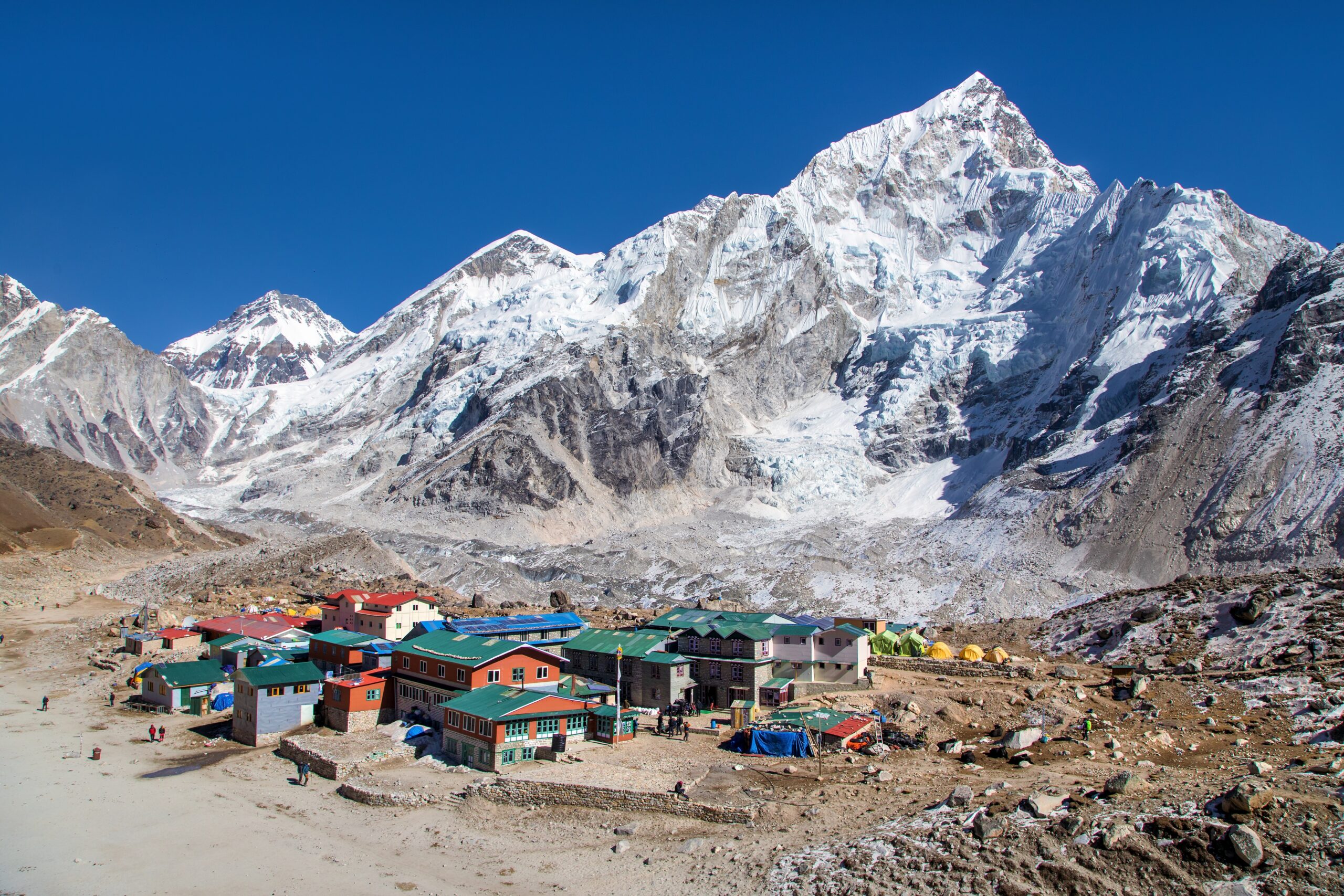
What Do Sherpas Do on Everest? The Complete Expedition Workforce
See who opens the Khumbu Icefall, fixes ropes, carries loads, stocks Camps I–IV, manages oxygen, guides clients and supports emergencies—and what the climber must still do personally.
How Sherpa Teams Support Everest Expeditions
Before clients move: Icefall Doctors establish the Khumbu route; a separate team fixes shared lines higher on Everest; high-altitude workers build and stock camps.
During rotations and summit day: climbing Sherpas manage loads, oxygen, pace, fixed-line movement, client condition and turnaround timing. The client must still arrive qualified, climb and descend under personal power, and accept a no-go decision.
Sherpa is an ethnic identity—not a universal job title
Sherpa with a capital S refers to a Himalayan ethnic group with deep roots in the Khumbu and surrounding regions. Not every Sherpa works in mountaineering, and not every Nepali mountain worker is ethnically Sherpa.
Use specific job titles—Icefall Doctor, Sirdar, climbing Sherpa, personal climbing Sherpa, porter, cook or mountain guide—and use the worker’s name whenever it is known.
Explore the Everest workforce
Everest Expedition Workforce Map
Click each zone to see the primary workforce, task, service type, hazard and client responsibility.
2026 Everest Route-Opening Tracker
A dated record of who opened each part of the route and when.
The spring route did not simply exist. A dangerous 30-metre serac delayed the Khumbu opening before the fixed-line teams completed the route to the summit.
Icefall team deployed
SPCC dispatched the 2026 Icefall Doctors toward Base Camp for refresher training and route work.
Route-fixing puja
The traditional ceremony preceded seasonal work through the Khumbu Icefall.
Khumbu route to Camp I
Nineteen Icefall Doctors crossed the delayed serac section, fixed ropes and ladders and reached Camp I.
Ropes staged at Camp II
EOAN reported summit-route ropes ferried to Camp II as the high-altitude fixing team advanced.
Summit fixed-line route
The rope-fixing team reached the summit at 10:25 a.m., completing the route from Base Camp to the top.
Main summit window
A record 274 climbers reached the summit from Nepal in one day, illustrating the congestion managed by expedition teams.
This tracker records spring 2026. The Icefall line, ladder placements, team assignments and opening dates change every season.

Who Does What on Everest?
Select a task to identify the most likely role and the limits of that job.
Everest Support-Level Decoder
Select the wording used in an expedition package. The decoder explains what it may mean and what must be confirmed in writing.
Eight Essential Everest Workforce Roles
The job title matters because the responsibility, altitude and risk are different.
Icefall Doctors
Build and maintain the seasonal ladder-and-rope route through the Khumbu Icefall.
Summit rope fixers
Install shared lines above Camp II through the Lhotse Face, South Col and summit route.
Sirdar
Coordinates Nepali staff, loads, rotations, camps and field communication.
Climbing Sherpa
Carries high-altitude loads and supports rotations, camps, oxygen and summit movement.
Personal climbing Sherpa
Supports one assigned client under a defined ratio and contract.
Mountain guide
Provides qualified climbing leadership, instruction and route decisions.
Kitchen and Base Camp team
Runs food, hydration, communications, storage and the recovery environment.
Porters and yak teams
Move approach freight below Base Camp through the Khumbu supply corridor.
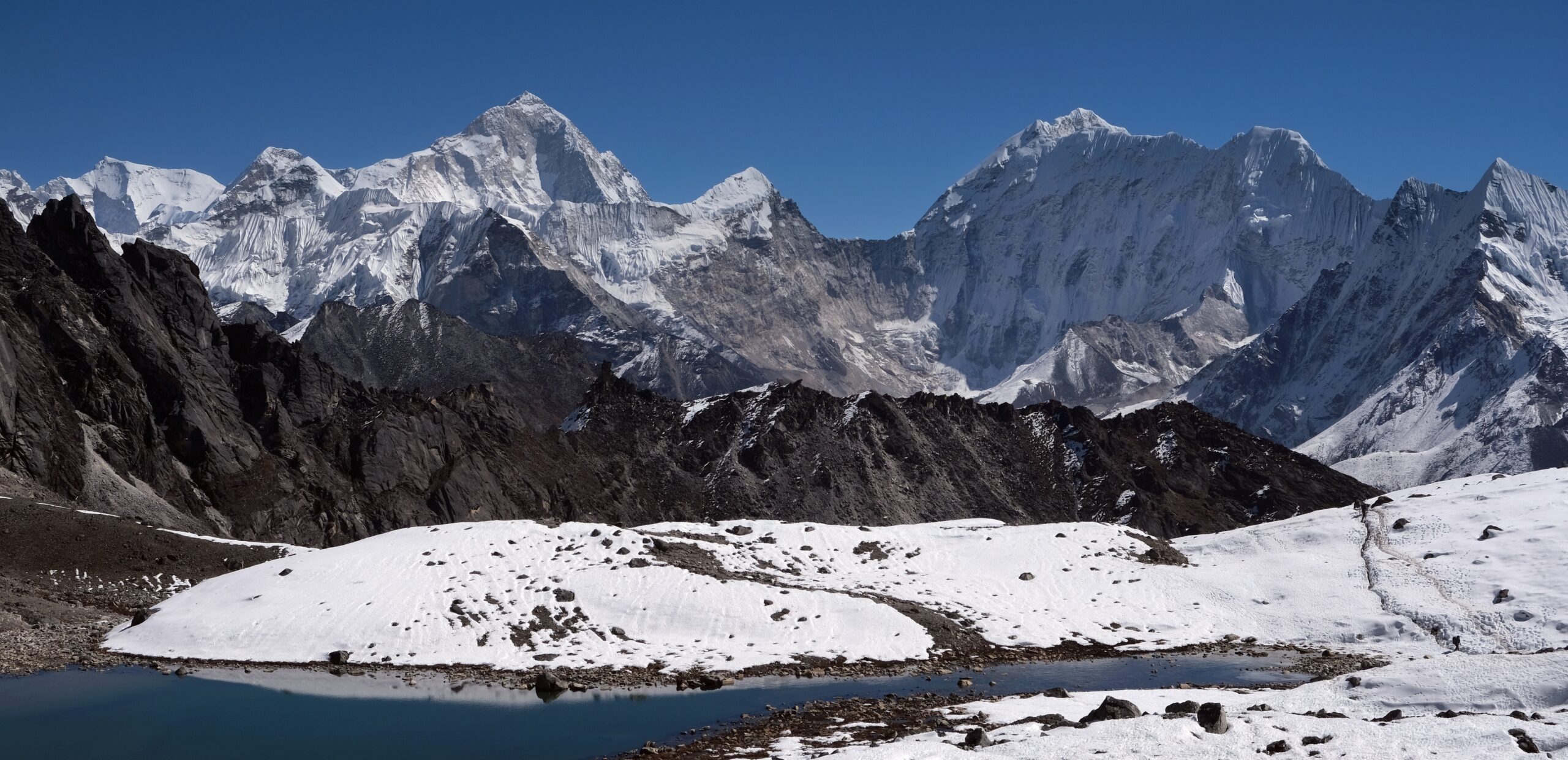
The 48-Hour Everest Summit-Push Timeline
Support is a continuous sequence of oxygen, pacing, observation and turnaround decisions—not one moment at the top.
Camp III to South Col
Client: Client climbs on fixed lines, regulates effort and communicates symptoms.
Sherpa / guide support: Sherpa team monitors pace, stages oxygen, manages Camp IV tents and checks equipment.
Rest at Camp IV
Client: Client eats, hydrates, dresses and protects mask, regulator and batteries.
Sherpa / guide support: Assigned staff review bottles, flow plan, weather, departure order and turnaround rules.
Night departure
Client: Client clips lines correctly and maintains an efficient, sustainable pace.
Sherpa / guide support: Climbing Sherpa observes movement, oxygen and temperature while managing queue decisions.
First major bottle-change zone
Client: Client reports symptoms and accepts reassessment.
Sherpa / guide support: Sherpa changes or checks oxygen, evaluates reserve and compares progress with turnaround time.
Final commitment check
Client: Client must still possess strength and coordination for the descent.
Sherpa / guide support: Guide/Sherpa team judges timing, weather, oxygen and crowding; summit proximity does not cancel a turnaround.
Short stop only
Client: Client limits time, protects hands and prepares immediately to descend.
Sherpa / guide support: Sherpa confirms oxygen, keeps the stop brief and initiates descent before deterioration accelerates.
Highest-risk fatigue phase
Client: Client descends under personal power and communicates problems early.
Sherpa / guide support: Sherpa manages pace, clipping, oxygen issues and emergency assistance where feasible.
Camp IV to Camp II / Base Camp
Client: Client continues descending rather than treating Camp IV as recovery.
Sherpa / guide support: Team coordinates oxygen, camp support, route timing and medical assessment.
Client Responsibility vs Sherpa-Team Responsibility
A clear boundary prevents the dangerous belief that purchased support replaces qualification.
| Responsibility | Client | Sherpa / expedition team |
|---|---|---|
| Arrive physically and technically prepared | Primary responsibility | Screen, advise and provide route-specific instruction |
| Open and maintain the Khumbu route | No | SPCC Icefall Doctors |
| Install shared ropes above Camp II | No | Dedicated rope-fixing team |
| Build and stock high camps | Limited, package-dependent | Primary high-altitude logistics role |
| Use fixed-line equipment correctly | Primary responsibility | Coach, supervise and intervene where feasible |
| Manage expedition oxygen supply | Understand personal system and report problems | Plan bottles, caches, carries, regulators and reserve |
| Monitor symptoms | Report honestly and early | Observe, assess and recommend descent |
| Mandatory turnaround | Must comply | Guide/Sirdar/leader authority should be explicit |
| Descend under personal power | Primary expectation | Support, pace and assist where feasible |
| Guarantee summit or rescue | Impossible | Impossible |
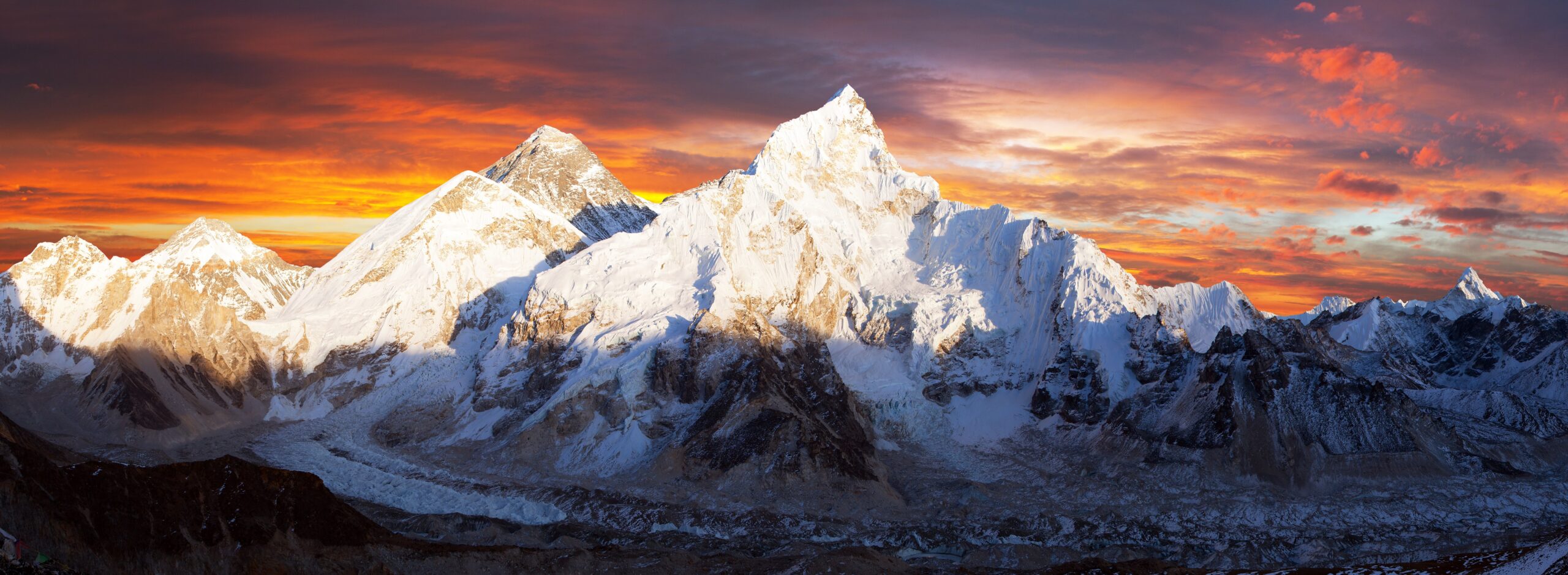
Everest Operator-Verification Email
Generate a message asking the operator to define staffing, oxygen, worker insurance and turnaround authority before you book.
How to Evaluate an Ethical Everest Operator
Price matters, but the staffing, insurance, oxygen and decision structure matter more.
Ask for the named Sirdar and expedition leadership, client-to-climbing-Sherpa ratio, rotation coverage, pay and summit bonuses, worker medical/life/rescue insurance, load policy, client and staff oxygen allocations, tip expectations, rescue coordination and mandatory turnaround authority.
A lower-cost operator may still be responsible, and a premium operator can still hide pooled staffing or thin oxygen margins. The test is whether the company clearly documents how people, oxygen and risk are managed.
For compensation detail, read The Sherpa Wage Economy. For company comparisons, continue to Everest Operators.
Everest Workforce and Expedition Planning
Everest route system
Complete Everest guideEverest routes guideInside an Everest seasonEverest rules and regulationsLabor, operators and safety
Sherpa wage economyEverest operatorsEverest death mapEverest summit-day failuresSherpas on Everest FAQ
Direct answers to the terminology, route and support questions climbers ask most often.
What do Sherpas do on Everest?
Depending on role, Sherpa and other Nepali mountain professionals open and maintain the Khumbu Icefall route, fix ropes higher on Everest, carry loads, build and stock high camps, manage oxygen, guide clients, coordinate staff, enforce turnaround decisions and support rescues.
Is Sherpa an ethnicity or a job?
Sherpa is an ethnic identity. Not every Sherpa works in mountaineering, and not every Nepali mountain worker is ethnically Sherpa. Expedition job titles describe different responsibilities.
Who fixes the ropes on Everest?
SPCC Icefall Doctors establish and maintain the route through the Khumbu Icefall toward Camp II. A separate high-altitude rope-fixing team works above Camp II toward the summit.
Are Sherpas just porters?
No. Porters usually move approach loads below Base Camp. High-altitude climbing Sherpas may work on ropes, camps, oxygen, client movement, route logistics and rescue support.
Do Sherpas carry climbers to the summit?
No. A client must climb and descend under personal power. Sherpa support can carry expedition loads and improve the safety margin, but it cannot replace fitness, experience or judgment.
What is an Everest Sirdar?
The Sirdar is the senior Nepali field leader who coordinates staff, loads, camps, rotations and communication with expedition leadership.
What does 1:1 Sherpa support mean?
It normally means one named climbing Sherpa is assigned primarily to one client. The contract should confirm whether the assignment covers every rotation, summit day, oxygen carries and replacement staffing.
How should climbers evaluate an ethical operator?
Ask for transparent staffing ratios, pay and bonus structure, worker medical and life insurance, load policy, oxygen allocations, rescue support and turnaround authority.
Key 2026 route sources
Understand the Workforce Before Comparing Operators
A safe contract should tell you who opens the route, who fixes the ropes, who is assigned to the client, how oxygen is allocated, who insures the workers and who has authority to turn the team around.
Decode my support packageGenerate operator questionsWas this helpful?
🏔Related peaks nearby
🧭Explore & compare
Global Summit Guide is an independent mountaineering resource founded in 2026. The team combines first-hand trekking and climbing experience with in-depth research and professional health and nutrition review to help climbers choose objectives, prepare properly, and stay safe.
Health, altitude, and nutrition content is reviewed by Taylor Ludlow (Registered Nurse) and Brigg Hoopes (Nutritionist).
What We Don't Know Yet
Mountain information changes quickly. This box explains the limits of what this page can responsibly promise.
- Guide-company prices, departure dates, guide ratios, included services, and cancellation rules can change without notice.
- Weather, snowpack, avalanche risk, road access, and route conditions can change quickly and may be different on your climbing dates.
- Route conditions, trailhead access, crevasse exposure, stream crossings, and rescue access may vary from published planning guidance.
- Gear requirements can change by season, route variation, weather window, personal cold tolerance, and guide-service requirements.
- Fitness and altitude response vary by person; no guide, itinerary, or training plan can guarantee acclimatization or summit success.
Verify current conditions with official land managers, guide services, local forecasts, and current route reports before booking or climbing.
Mountaineering, rock and ice climbing, glacier travel, and high-altitude activity are inherently dangerous and can result in serious injury or death. The information on Global Summit Guide is provided for general informational and educational purposes only and is not a substitute for professional instruction, qualified guiding, proper equipment, or your own judgment and experience.
Route conditions, weather, snowpack, permits, regulations, and hazards change constantly and may differ from what is described here. Details may be incomplete, out of date, or contain errors. Always verify current information with local authorities, certified guides, and official sources before making any decision in the mountains.
Nothing on this site is medical, legal, or financial advice. Our fitness, acclimatization, altitude, and nutrition content is general in nature; consult a qualified physician before beginning any strenuous exercise program or exposing yourself to high altitude.
You are solely responsible for your own safety and decisions. To the fullest extent permitted by law, Global Summit Guide and its team accept no liability for any loss, injury, damage, or expense arising from use of, or reliance on, this information. By using this site you acknowledge these risks and accept these terms.
Some links on this site may be affiliate links. If you buy through them we may earn a small commission at no extra cost to you; this never affects our recommendations.
Global Summit Guide recommendation path
Next Best Mountain to Research
Use these recommendations to continue the right planning path instead of stopping on one page.
Use current permit, weather, route, and operator information before booking or climbing.