
Expedition Pack Selection Guide: How to Choose a Mountaineering Pack
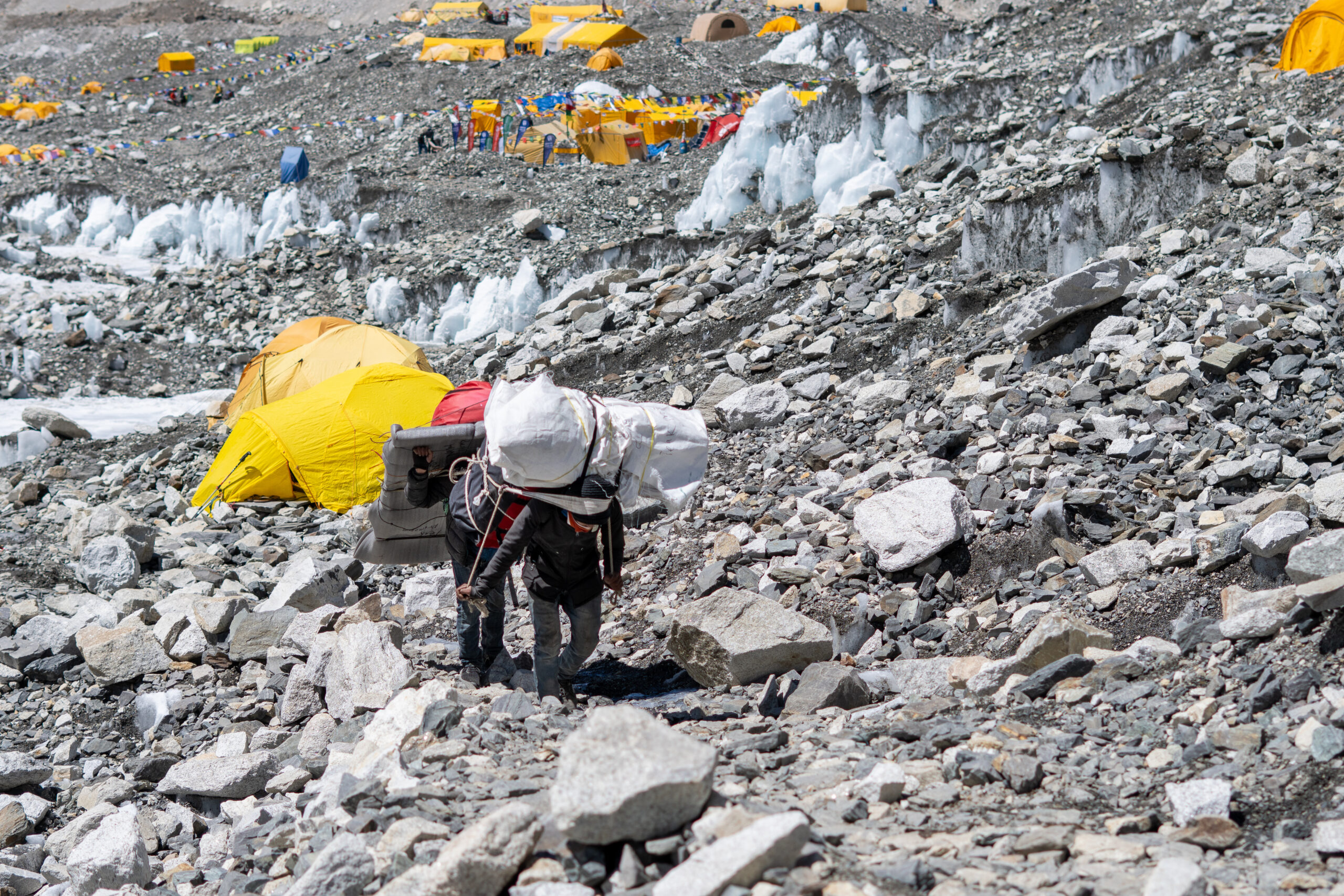
An expedition pack must do two things at once: carry a heavy approach load efficiently and remain stable when the trail becomes steep, snowy or technical. Choose the volume only after you know the support model, then fit the suspension to your torso and test it at the weight you will actually carry.
For Most Self-Supported Expeditions, 70–85 Liters Is the Heavy-Haul Sweet Spot; Pair It With a 30–50 Liter Summit Pack When the Route Demands Two Different Carry Jobs.
A large expedition pack needs a real frame, substantial hipbelt, adjustable fit and durable fabrics. Osprey Aether Pro 75, Gregory Baltoro 85/100 Pro and deuter Aircontact Core 70+10 represent the heavy-load side of the market. These are approach and hauling packs first.
Technical climbing requires a different architecture. Black Diamond Mission 55, Mammut Trion 50 and Black Diamond Speed 40 are narrower, simpler and easier to move with around ropes, axes and steep terrain. They give up some heavy-load comfort for alpine function.
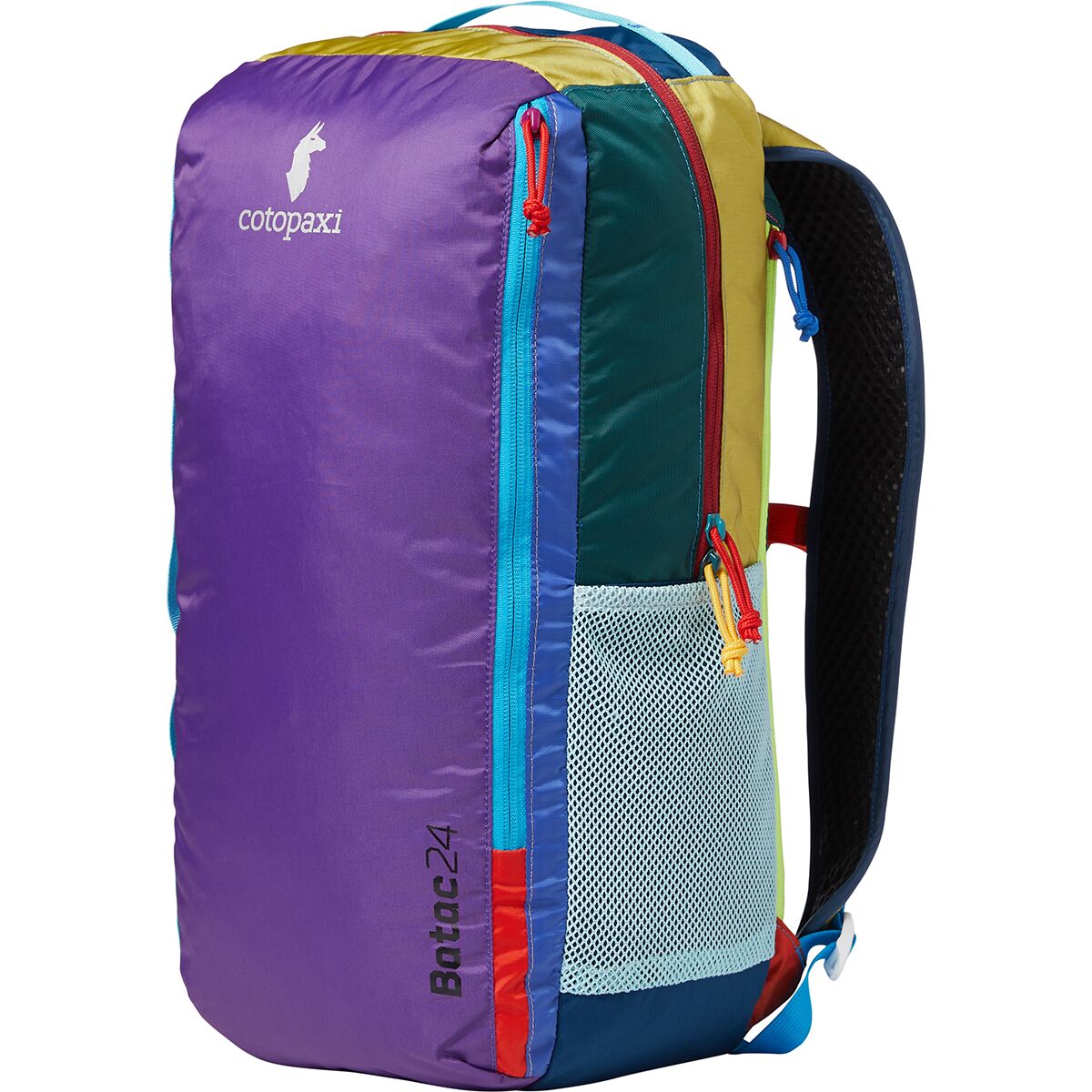
Cotopaxi Arenal 32L belongs in the secondary-pack conversation, not the heavy-haul category. Its frame sheet, adjustable torso and ice-axe / trekking-pole attachment make it useful for big hiking days or a supported summit push, but it is not a substitute for a 75–100 liter expedition hauler.
Match Pack Capacity to the Load You Personally Carry
The old guide’s six-tier volume framework remains useful, but support model matters more than mountain name. Porters, yaks, sleds, gear caches and guide-company duffel systems can dramatically change the pack you need.
Light summit day, acclimatization hike, supported trekking daypack.
Summit pack, technical climbing, cold day objective.
Alpine overnight, hut climbing, compact technical system.
Multi-day personal load with moderate food and winter equipment.
Heavy self-supported expedition approach and bulky cold-weather kit.
Extended unsupported haul, specialized expedition or very bulky system.
One Pack Hauls. The Other Climbs.
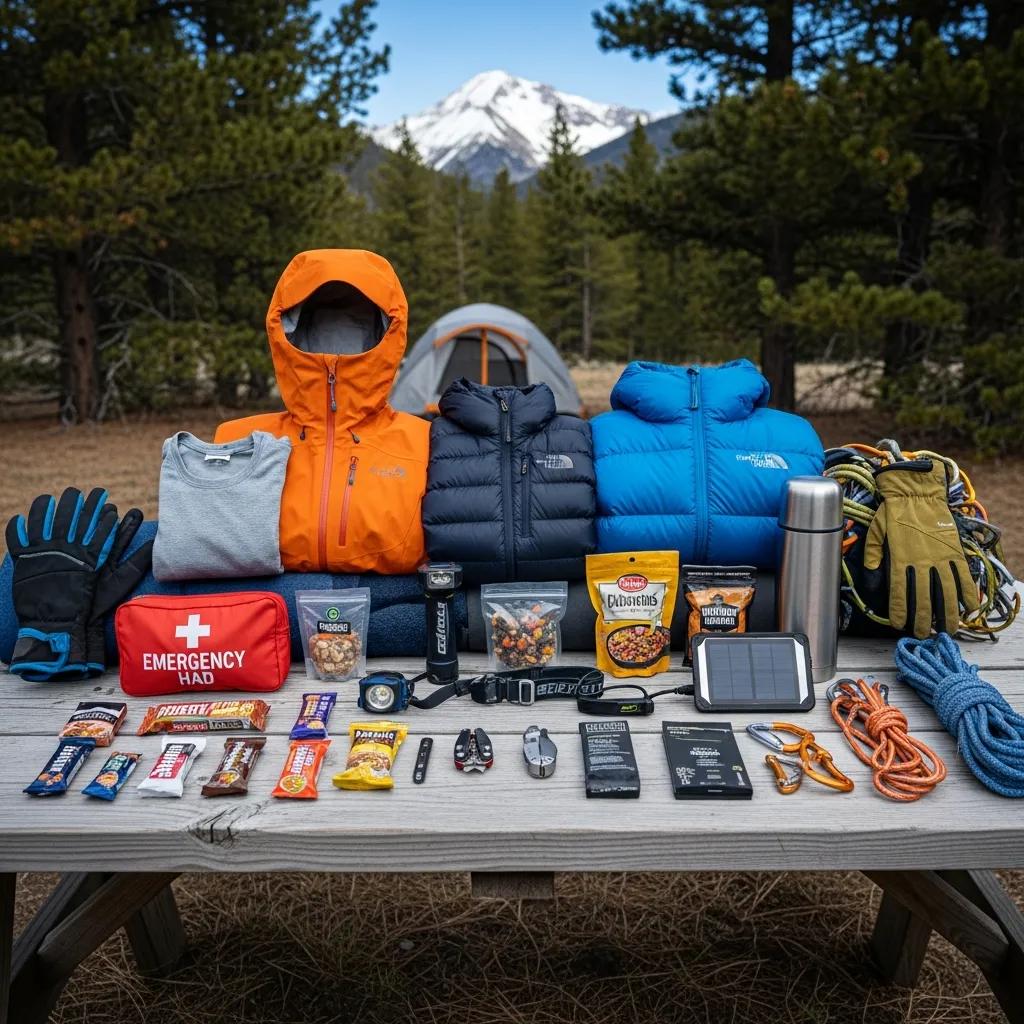
A two-pack system makes sense when the approach and summit day impose completely different loads. The main pack carries sleeping system, food, stove, bulky clothing and group equipment. The smaller pack carries water, layers, technical tools and emergency gear higher on the mountain.
This is common on self-supported or semi-supported expeditions, but it is not universal. Porters, animals, sleds, caches and guide-company logistics may replace the need for a huge personal approach pack.
Do not buy the summit pack until you know what the main pack already solves. A 32–40 liter second pack can be excellent when most bulky equipment stays at camp; technical climbers may prefer 40–55 liters when rope, hardware, helmet, axe or overnight gear comes higher.
Measure Torso Length, Then Fit at Real Expedition Weight
The existing page’s torso-fit lesson is worth keeping. Height alone does not tell you pack size.
Find C7
Tilt your head forward and locate the prominent vertebra at the base of the neck. This is the upper measurement point.
Find the Iliac Crest
Place your hands on the top of the hip bones and imagine a horizontal line across the back between the thumbs.
Measure the Torso
Measure along the curve of the spine from C7 to that iliac-crest line. Compare the measurement with the exact pack manufacturer’s sizing chart.
Set the Hipbelt
Center the padded belt over the iliac crest. Tighten it firmly enough to stabilize the load without creating pressure or restricting movement.
Set Harness + Lifters
Shoulder straps should wrap cleanly without major gaps. Bring the upper pack toward the body with the load lifters, then secure the sternum strap comfortably.
Walk With Real Weight
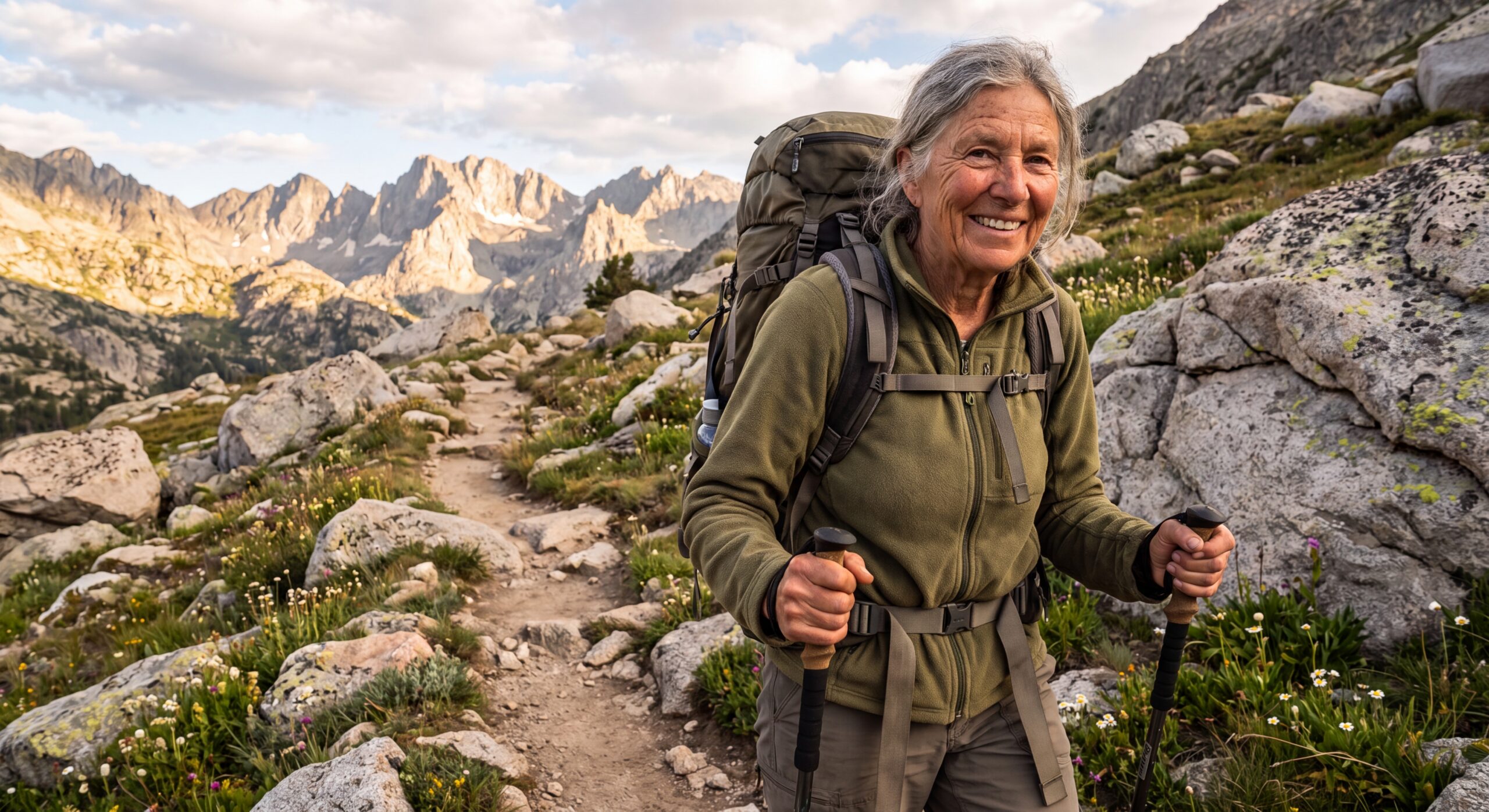
Load the pack to the expected trip weight and walk stairs, slopes and uneven ground. Fit problems that are invisible at 10 pounds become obvious at 45.
Heavy Loads Need Structure; Technical Movement Needs Restraint.
The ideal expedition pack is not the one with the stiffest frame. It is the pack whose frame matches the load without fighting the route.
70–100L expedition role
Perimeter frames, aluminum stays and substantial framesheets transfer bulky loads into a supportive hipbelt. Best for long approaches and self-supported hauling.
40–60L climbing role
Narrower packs keep the load close to the body and often allow the lid, framesheet or belt components to be stripped for climbing.
Light summit role
Useful only when the carried load is genuinely light. Comfort and control deteriorate quickly when a minimalist pack is overloaded.
Keep Dense Weight Close to the Spine and Prevent It From Moving.
The old three-zone loading rule still works as a planning framework, but route and tool access can modify the exact layout.
Soft + bulky
Sleeping bag, soft clothing and other low-density items can fill the bottom while helping prevent hard gear from shifting.
Dense + stable
Food, stove, fuel and other heavy objects stay close to the spine so the pack does not lever backward with every step.
Weather + emergency
Shell, gloves, first aid, headlamp and navigation belong where they can be reached without unpacking the entire expedition load.
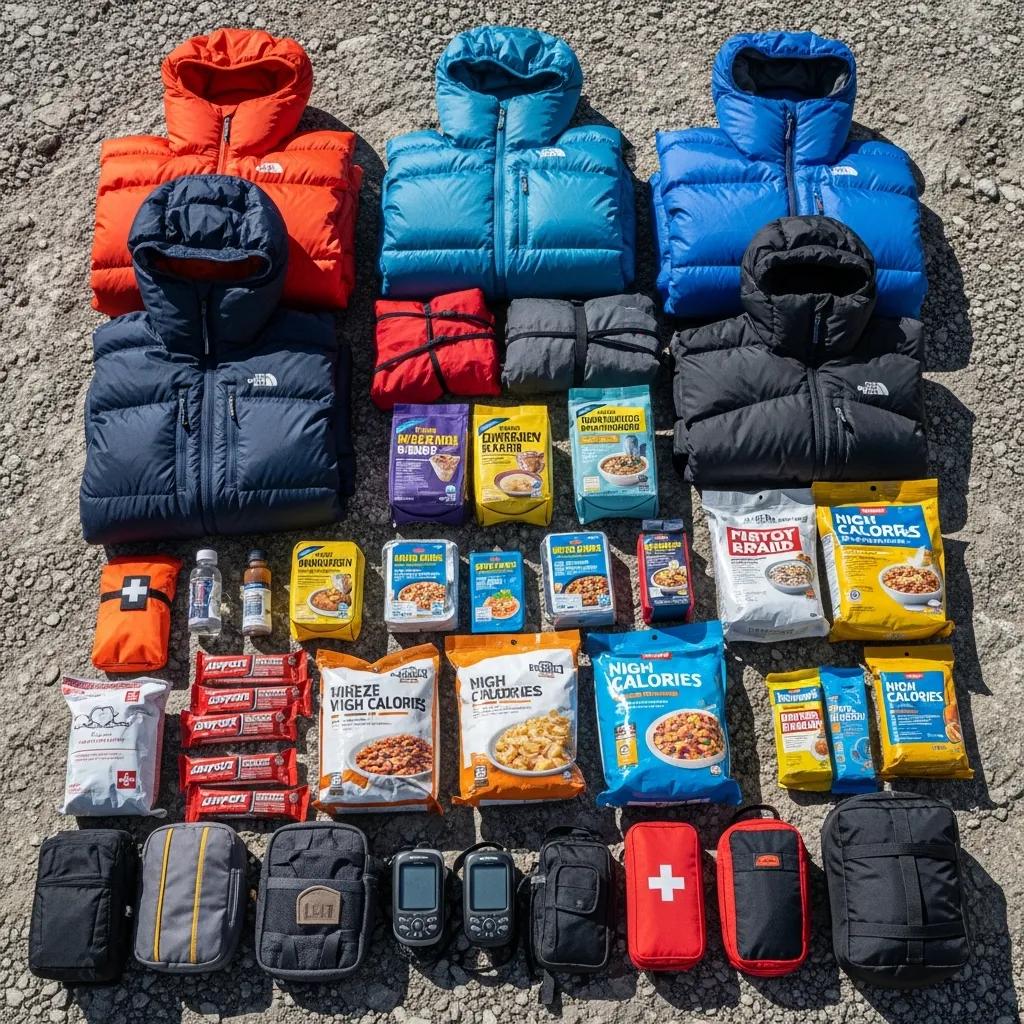
8 Packs That Define the Main Expedition Roles
These are role examples rather than a universal ranking. The heavy hauler, technical alpine pack and summit pack should not be judged by the same criteria.
Osprey Aether Pro 75
A streamlined heavy-load mountaineering pack with a customizable suspension and removable components.
- 75L in S/M
- 4.87 lb current S/M reference
- Removable lid, hipbelt pockets and compression straps
Gregory Baltoro 100 Pro
A large-capacity pack for extended self-supported trips and bulky four-season gear.
- 100L class
- 75 lb current max-carry specification
- FreeFloat suspension + perimeter frame
Gregory Baltoro 85 Pro
A slightly smaller heavy-haul option with dynamic hipbelt and rotating harness for sustained loaded approaches.
- 85L-class expedition role
- Current page lists 70 lb max carry
- Top / U-zip / bottom access
deuter Aircontact Core 70+10
A large trekking pack with adjustable back length, aluminum Y-frame and substantial hip support.
- 70L + expandable lid volume
- 2,460 g current reference
- 10–20 kg recommended load
Black Diamond Mission 55
A durable alpine pack aimed at mixed climbing, ice cragging and cold-weather technical objectives.
- 55L
- 1,743–1,834 g by size
- Strippable frame sheet / lid / hipbelt
Mammut Trion 50
A 50-liter alpine pack built around climbing, ski touring and mountaineering rather than giant approach loads.
- 50L
- 1,510 g current reference
- Two axe attachments + rope / pole carry
Black Diamond Speed 40
A lighter, narrower alpine pack that makes sense once the heavy approach load stays lower on the mountain.
- 40L
- 1,077–1,115 g by size
- Removable lid, waistbelt and frame sheet
Cotopaxi Arenal 32L
A technical hiking pack for large day objectives, supported summit days or minimalist overnights—not a primary expedition hauler.
- 32L
- 1,162 g
- Frame sheet + adjustable torso + axe / pole attachment
| Pack | Role | Volume | Best for | Primary trade-off |
|---|---|---|---|---|
| Osprey Aether Pro 75 | Technical heavy haul | 75L | Guides / mountaineers carrying heavy personal loads | Less organization than comfort-first trekking packs |
| Gregory Baltoro 100 Pro | Maximum haul | 100L class | Extended self-supported and very bulky loads | Large, heavy and unnecessary with strong porter support |
| Gregory Baltoro 85 Pro | Comfort haul | 85L class | Long approaches / heavy multi-day loads | Not streamlined for technical climbing |
| deuter Aircontact Core 70+10 | Trekking haul | 70+10L | Long trekking and moderate expedition loads | Manufacturer’s recommended load is lower than the heaviest expedition haulers |
| BD Mission 55 | Technical alpine | 55L | Cold technical climbs / alpine overnights | Less comfort for giant approach loads |
| Mammut Trion 50 | Technical alpine | 50L | Climbing, ski mountaineering, hut / compact expedition use | Too small for bulky unsupported expedition systems |
| BD Speed 40 | Summit / route | 40L | On-route climbing after the haul is complete | Not intended for heavy base-camp loads |
| Cotopaxi Arenal 32 | Supported summit / big day | 32L | Supported objectives, acclimatization and day use | Not an expedition hauler |
Shop Expedition, Alpine & Summit Packs
The Gear Ads plugin handles product outbound tracking. These blocks use established backpacks and daypacks tags rather than invented expedition-specific tags.
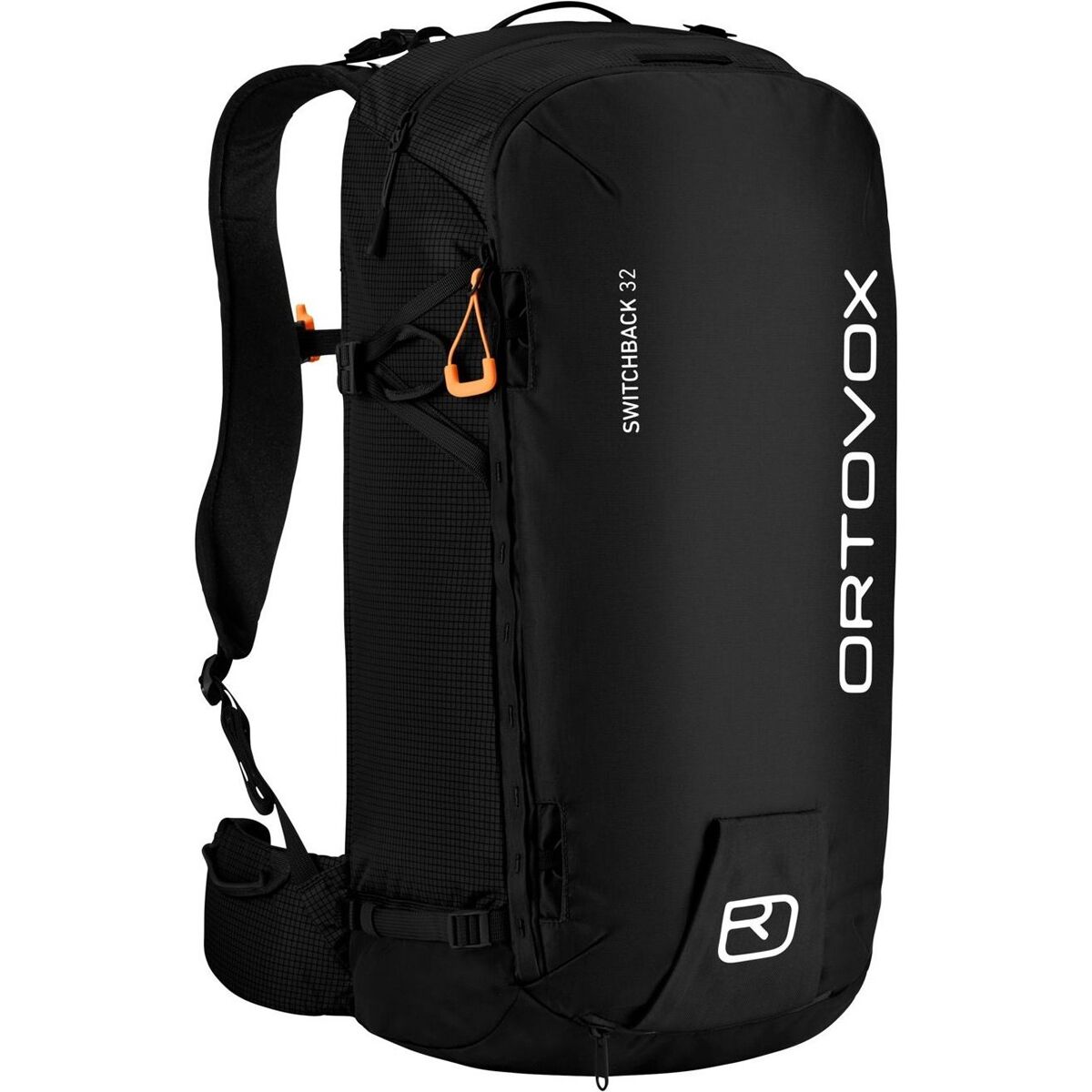
Current Expedition & Trekking Backpacks
Use this for heavy-haul and large trekking inventory. Gear Ads product links retain the page-level tracking handled by the plugin.
Current Expedition & Trekking Backpacks
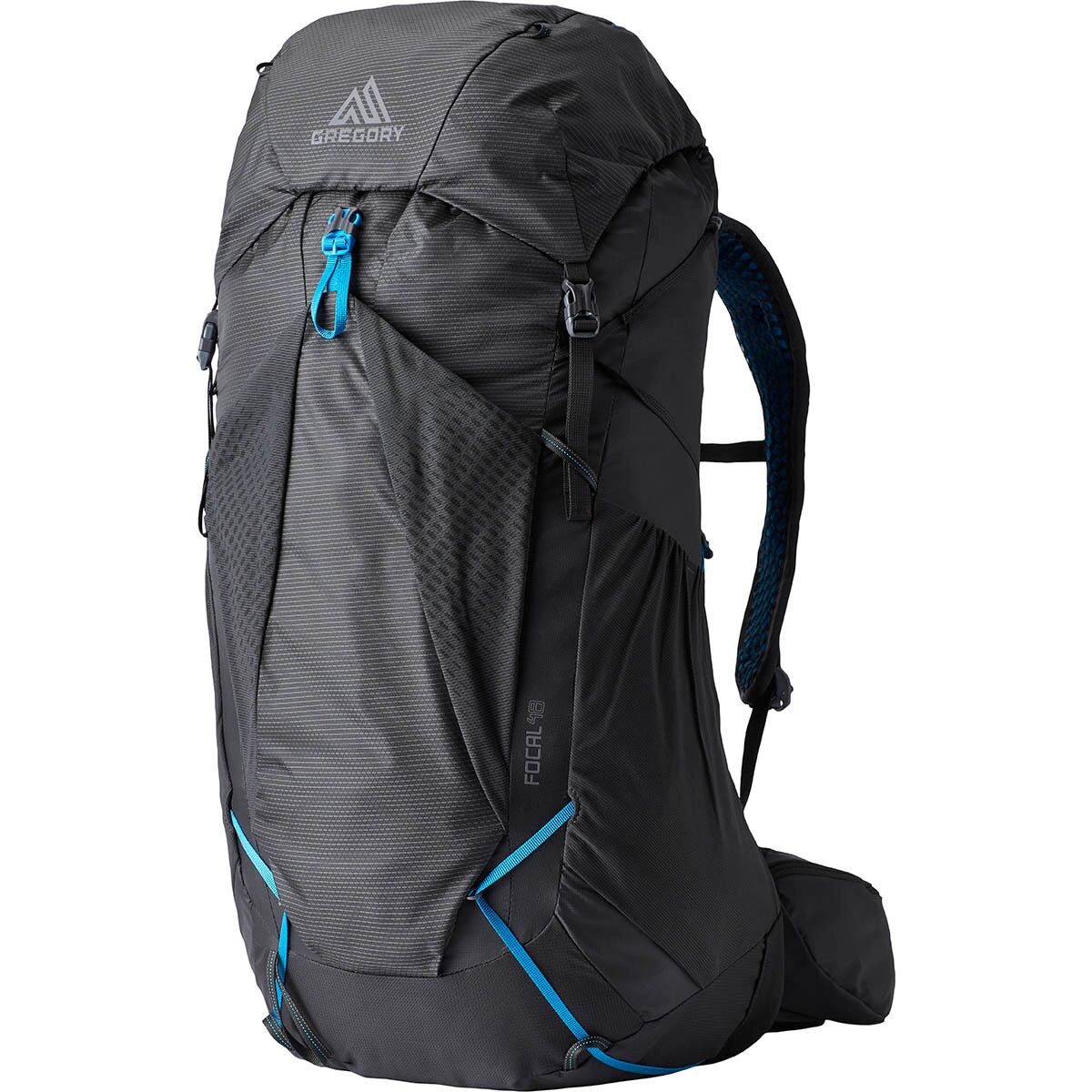
- Mountain HardwearMountain Hardwear AMG 75L Backpack$469.99Check price at Back Country (opens in a new tab)
- Osprey PacksOsprey Packs Downburst 36L Backpack – Men's$239.96
$319.95Check price at Back Country (opens in a new tab)
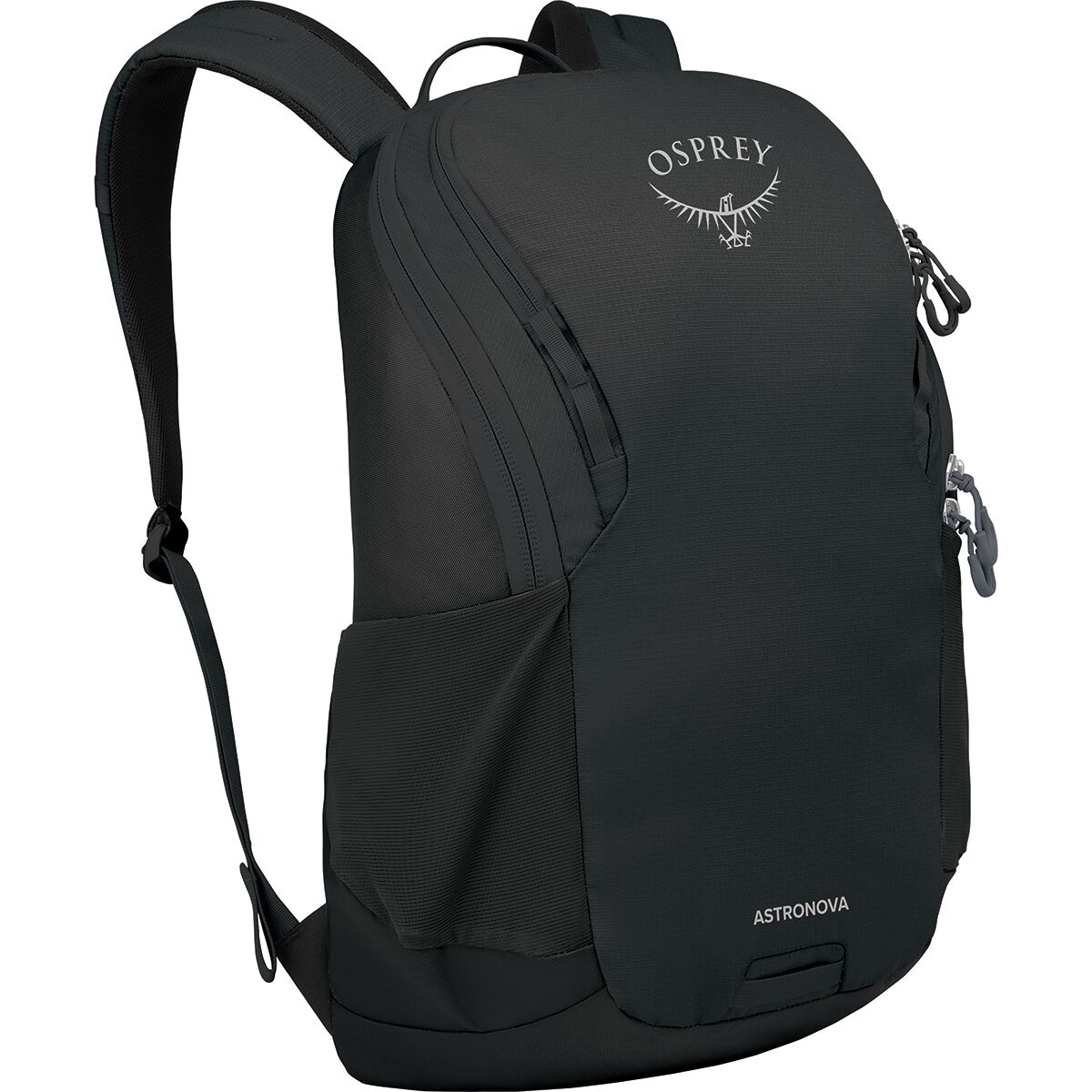
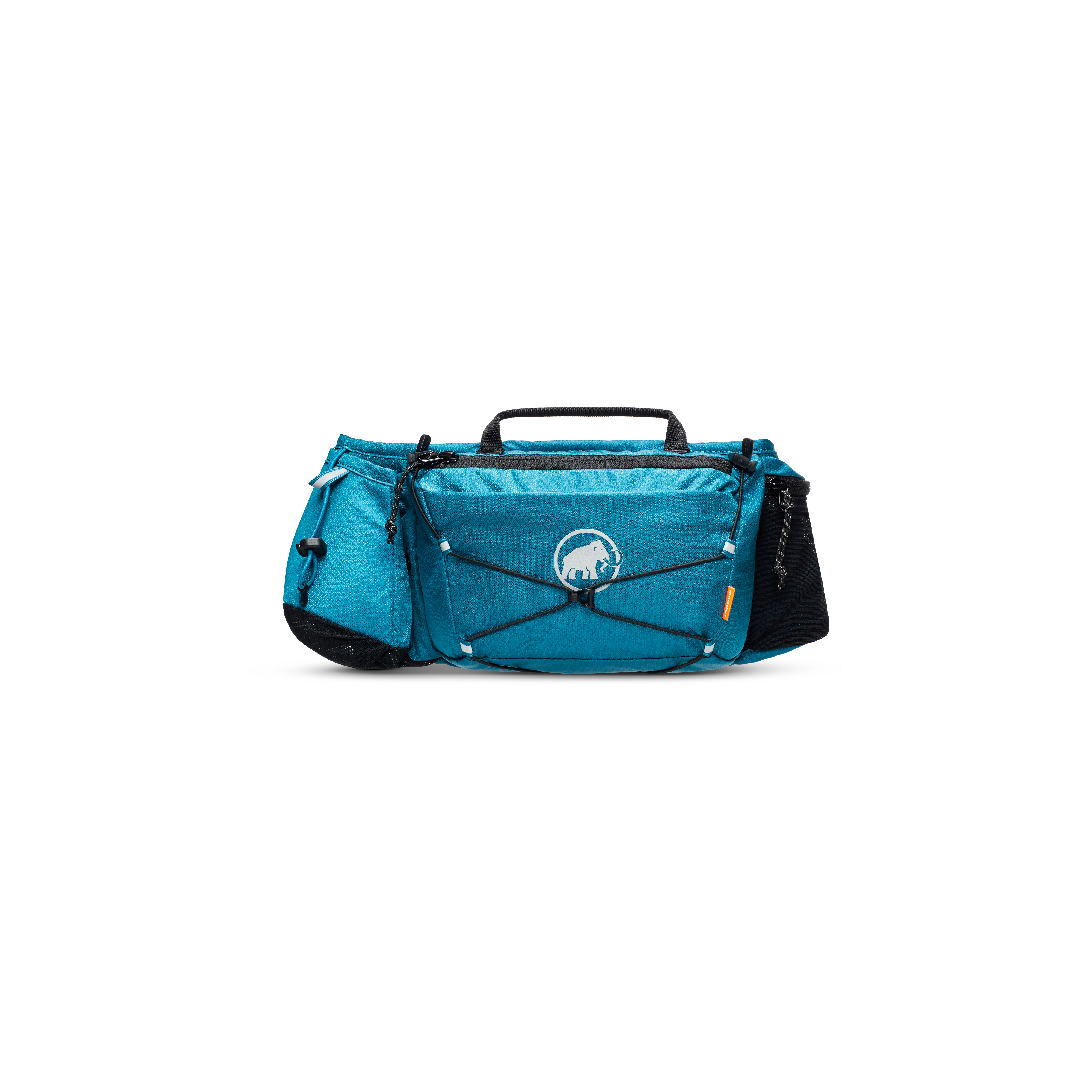
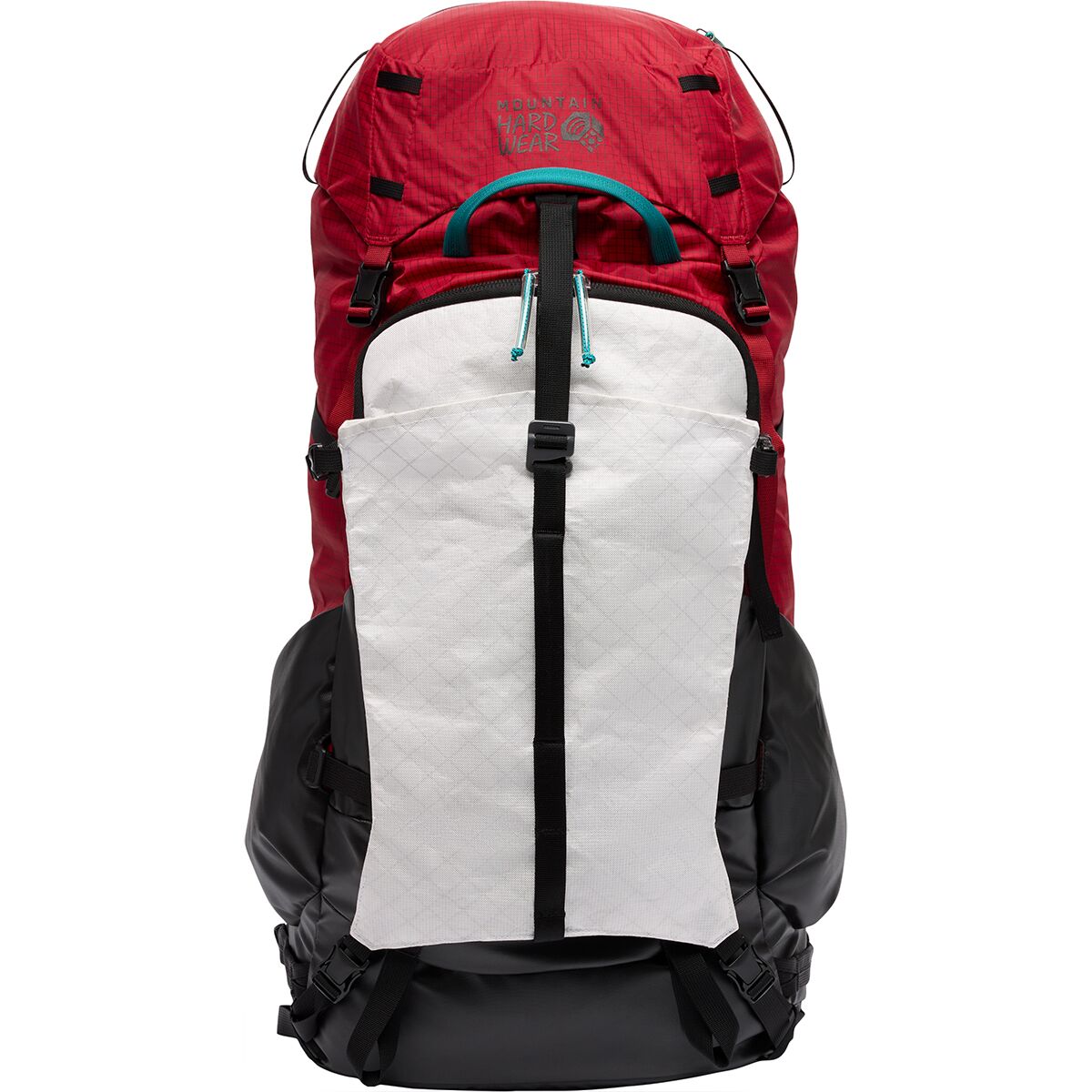
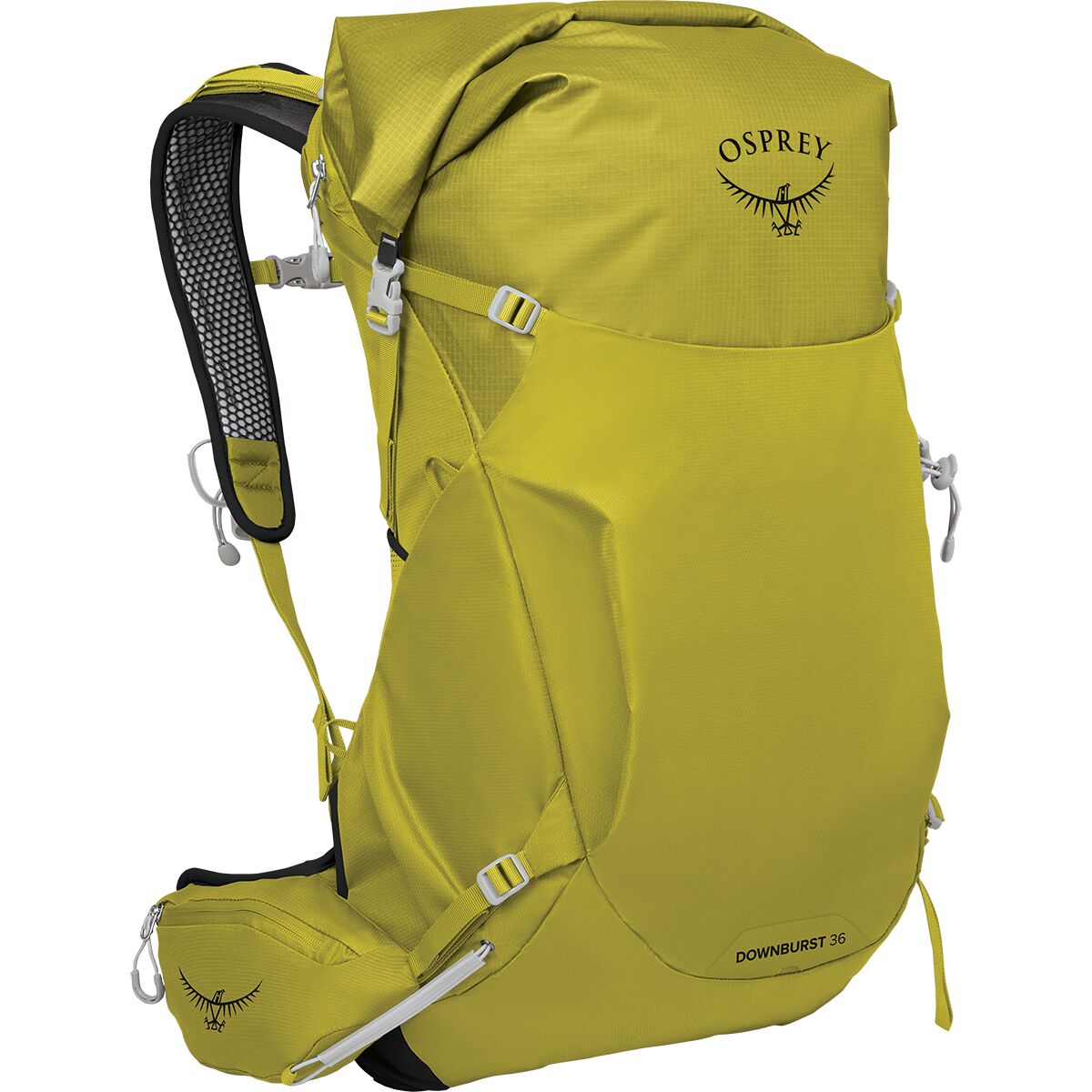
We may earn a commission if you buy through these links, at no extra cost to you. Affiliate disclosure
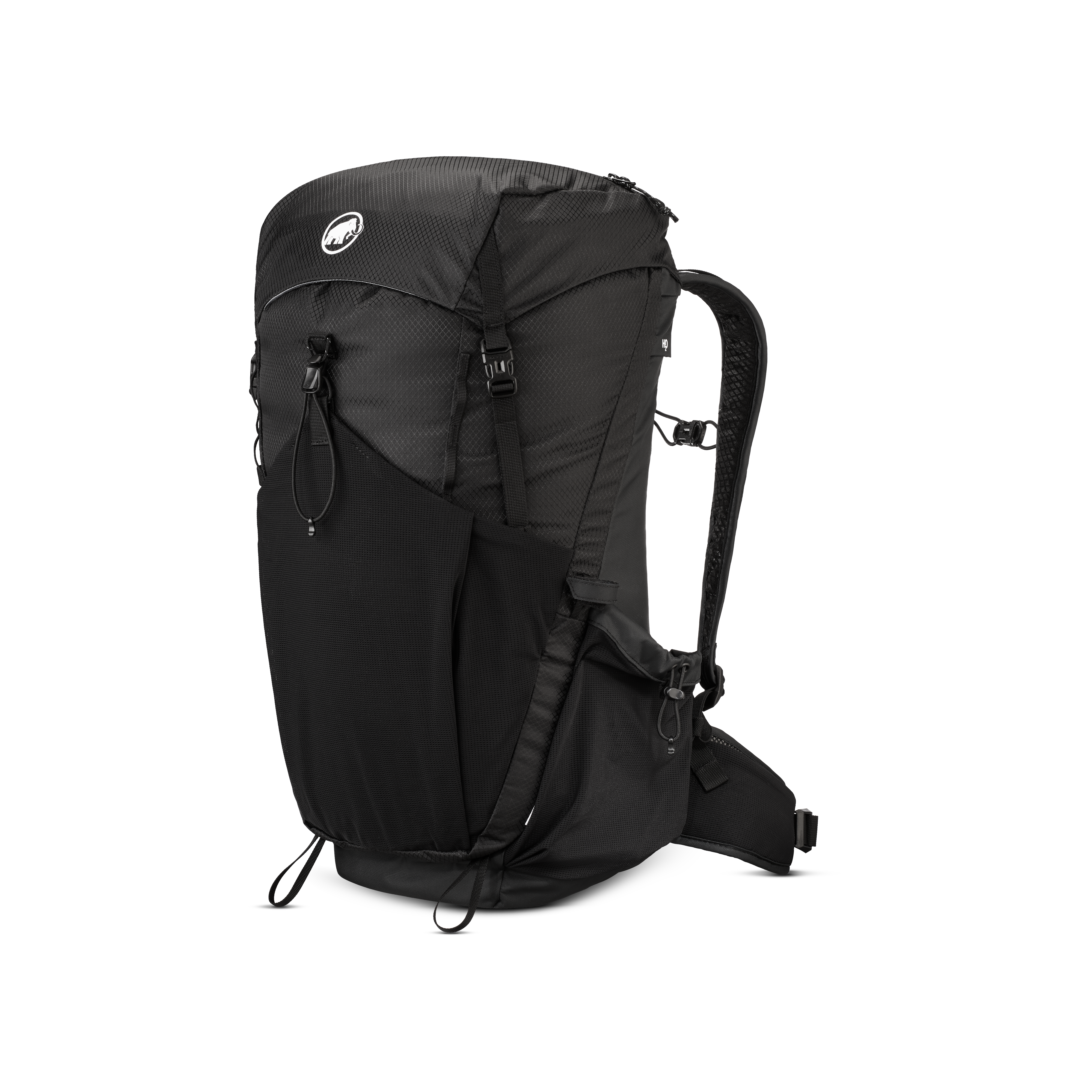
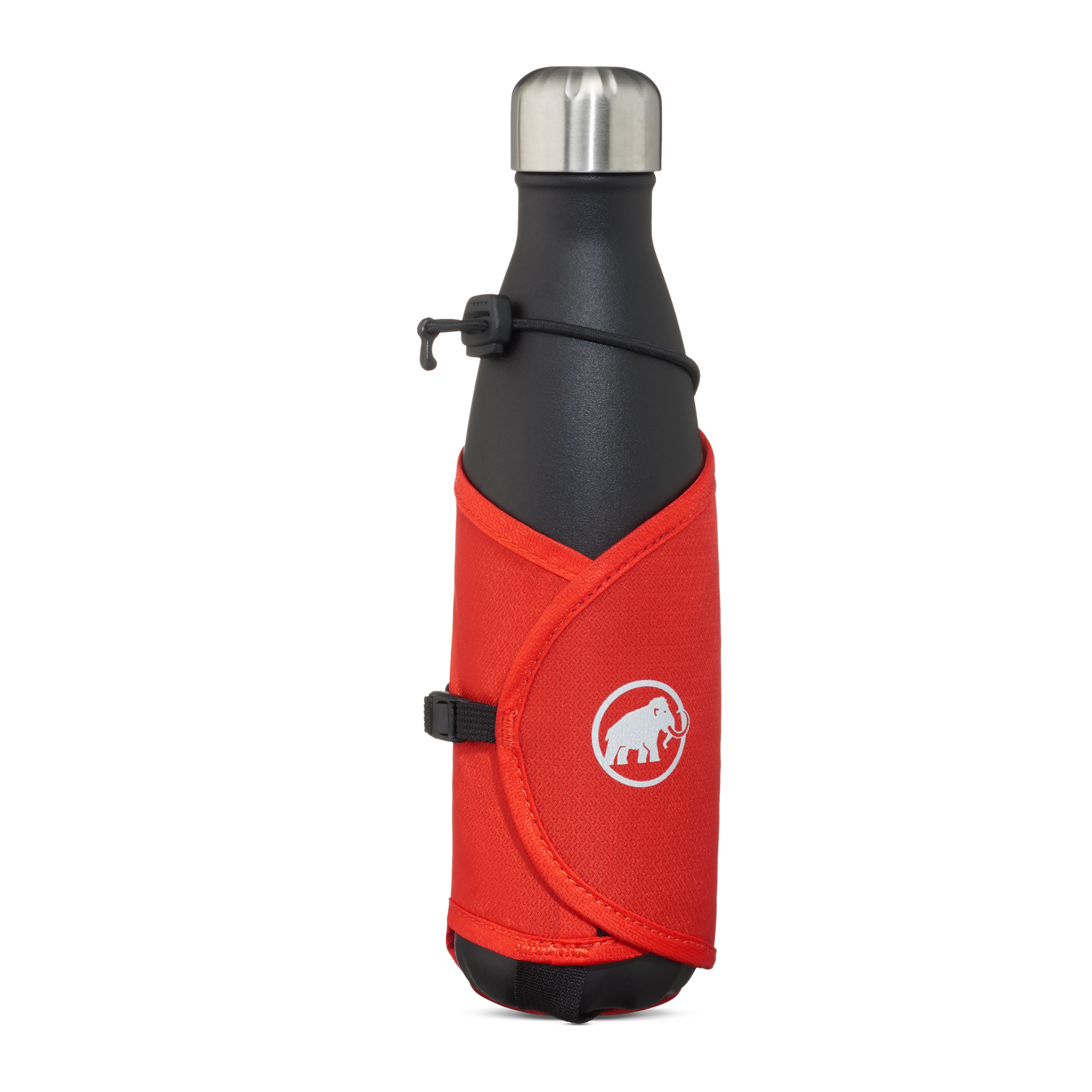
Current Mammut Packs
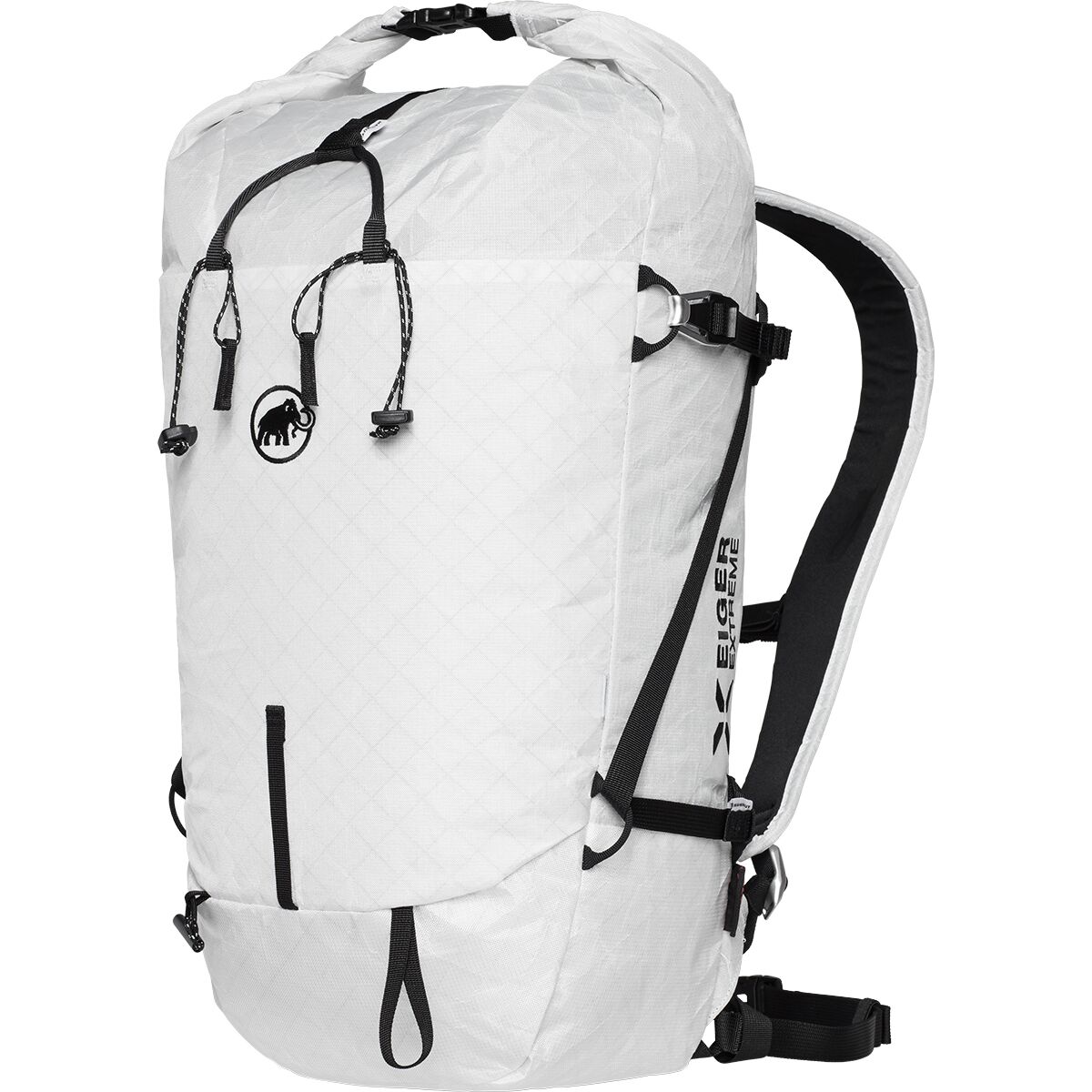
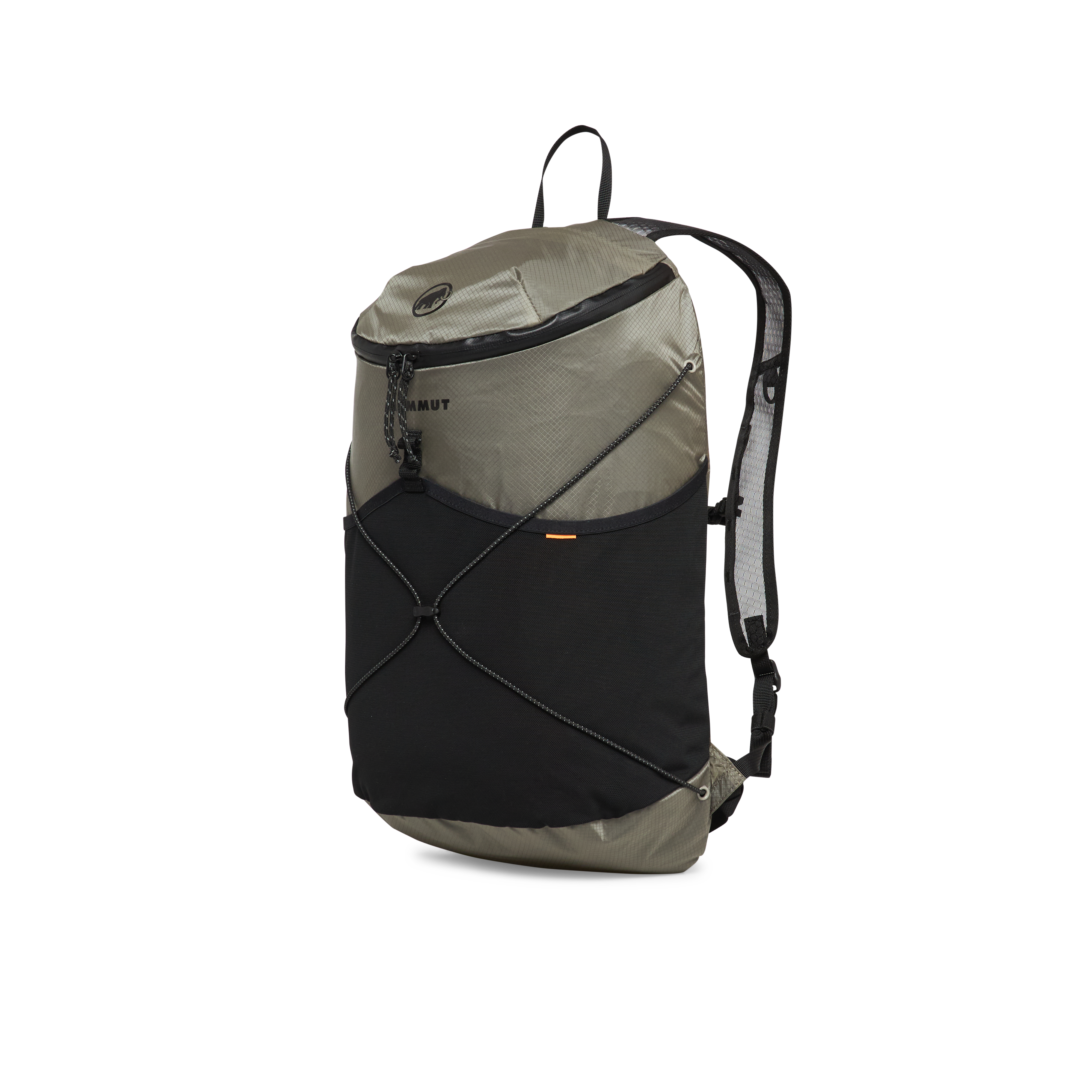
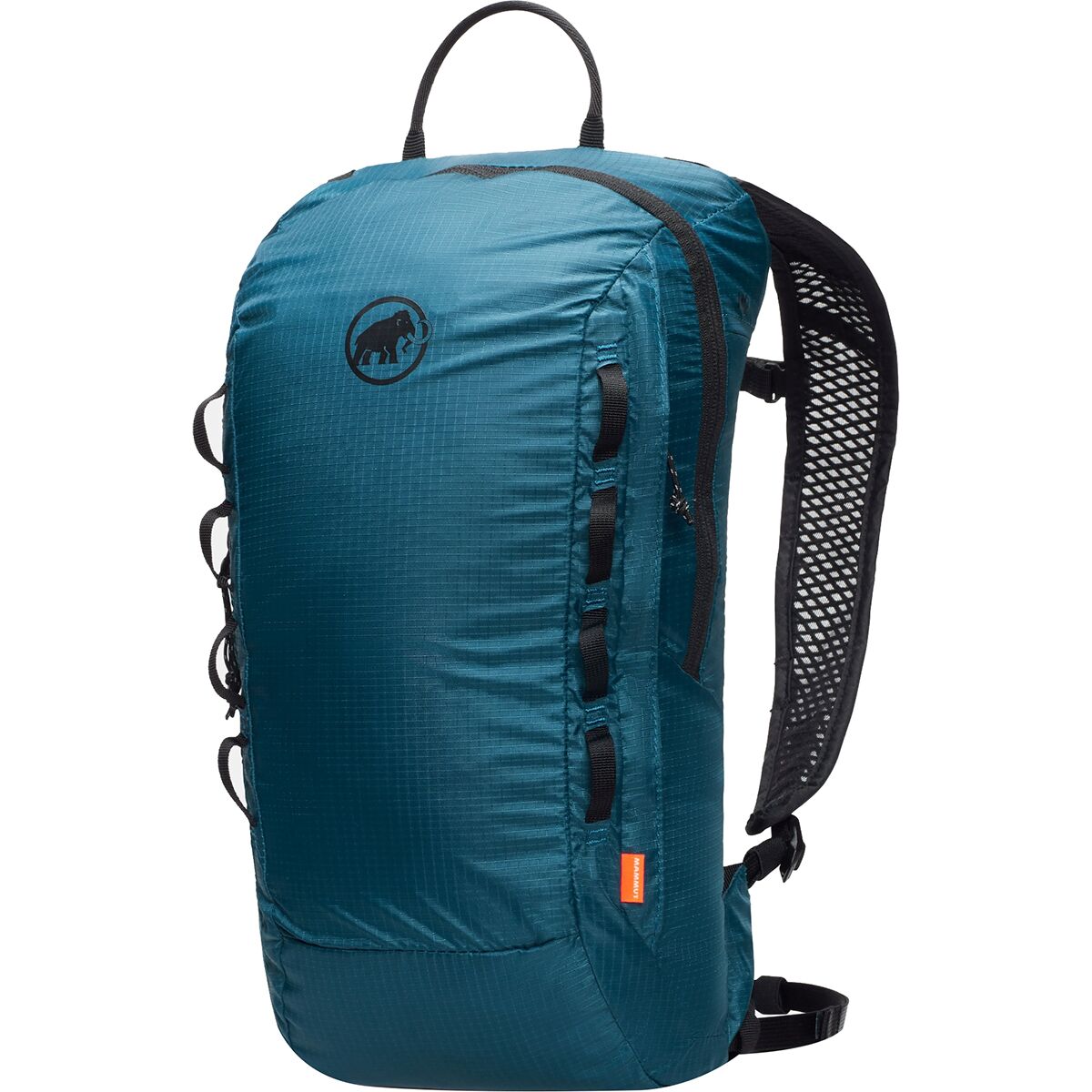
Use Mammut here for the technical alpine side of the decision—especially Trion-class packs—rather than pretending a 50-liter climbing pack replaces a true 80-liter expedition hauler.
Current Mammut Packs
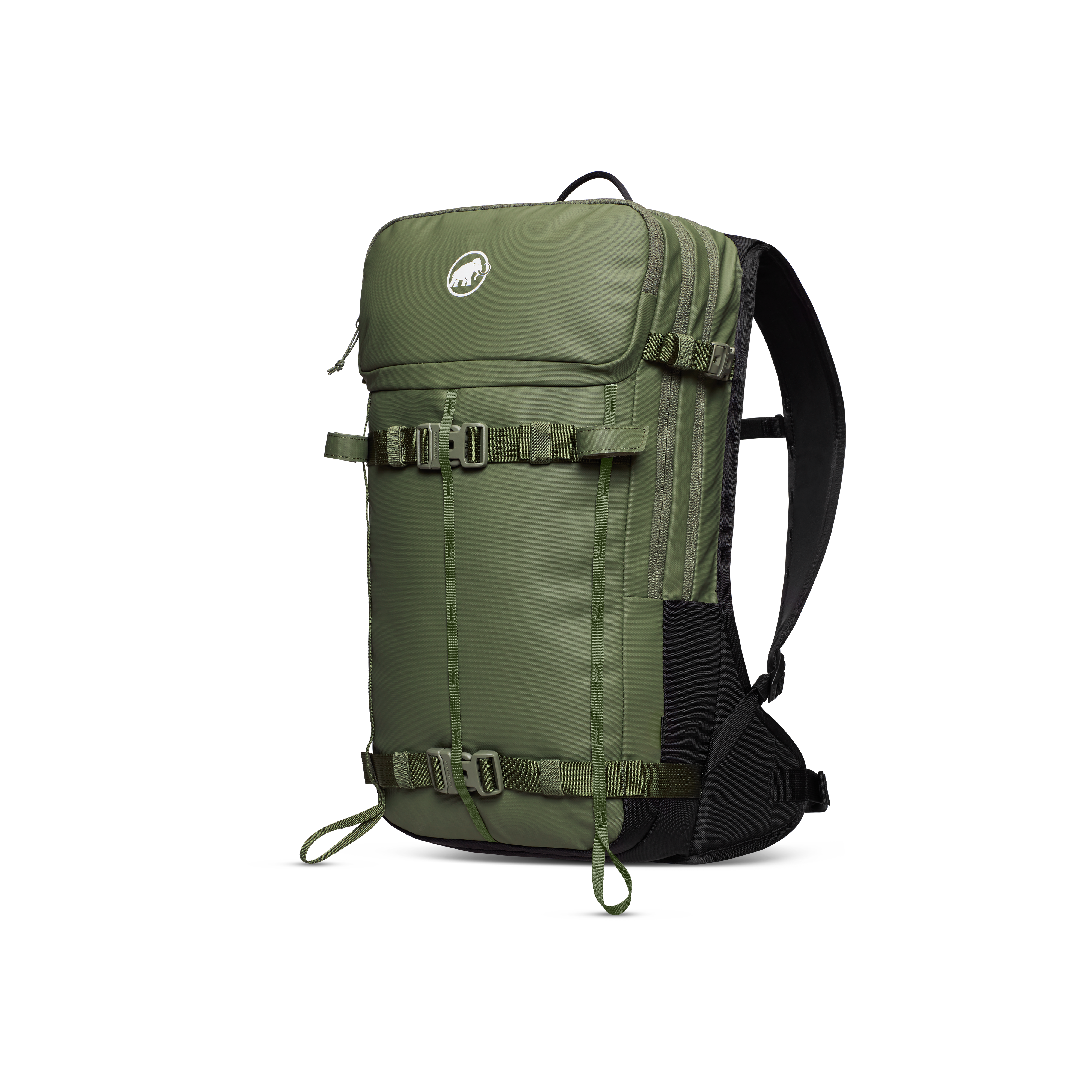
Current Cotopaxi Packs
Cotopaxi fits the supported-summit, acclimatization and big-day side of the two-pack strategy, with Arenal 32L as the most technical current hiking option.
Current Cotopaxi Packs



Do Not Discover Pack Fit on Day One of the Expedition.
Load the pack with the exact categories of gear you expect to carry and walk with it for progressively longer sessions. Stairs and steep hills expose hipbelt slip, shoulder pressure and pack sway faster than a flat walk.
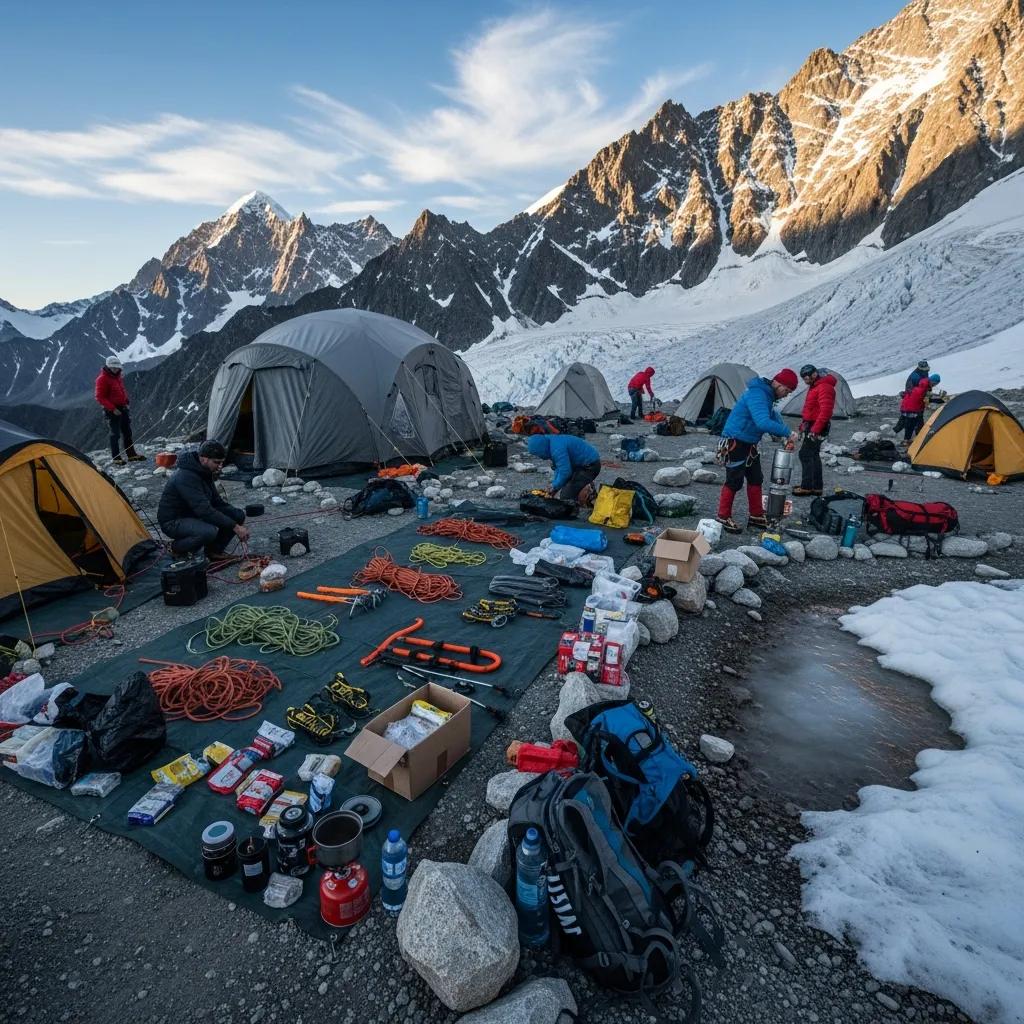
Practice removing and reattaching crampons, ice axe, poles, helmet and summit pack. Confirm that sharp gear cannot damage the pack or soft equipment. Practice retrieving shell, gloves, water and first aid without emptying the main compartment.
If the expedition uses duffels, sleds, porters or animals, rehearse the transfer. The pack system is partly a logistics system: know which gear stays with you, which moves separately and what happens if those two loads are separated.
What Changed From the Existing Expedition Pack Guide
The strongest education from the old page is retained, while outdated or overly universal model and mountain prescriptions are removed.
Rebuild methodology
The rebuild preserves the existing page’s torso-measurement process, frame discussion, six-volume framework, two-pack concept, five fit checkpoints and three-zone load organization.
It updates the model layer with current 2026 products: Osprey Aether Pro 75, Gregory Baltoro 85/100 Pro, deuter Aircontact Core 70+10, Black Diamond Mission 55 and Speed 40, Mammut Trion 50 and Cotopaxi Arenal 32L.
The two-pack section is deliberately reframed around support model and actual carried load rather than claiming that every climber on a named mountain needs the same pair of packs.
No fabricated testing or affiliate tracking: current specifications are research-based. Direct partner URLs are not invented; product tracking is left to the configured Gear Ads system unless a verified deeplink is supplied.
Expedition Pack Selection FAQ
What size pack do I need for an expedition?
The answer depends on support. Around 40–60 liters can work for technical alpine or hut-based trips, 65–85 liters covers many self-supported multi-day loads, and 90–100+ liters belongs to very bulky or extended unsupported systems.
Do I need two backpacks?
Sometimes. A large approach pack plus a lighter summit pack is useful when the approach load is much heavier than the climbing load. Porter-, animal- or sled-supported trips may use a different system.
How do I measure torso length?
Measure from the C7 vertebra at the base of the neck to the horizontal line across the top of the iliac crest. Then compare that number with the specific manufacturer’s sizing chart.
Is 50 liters enough for mountaineering?
Yes for many technical alpine trips, hut objectives and compact overnight systems. It is usually too small for a bulky self-supported expedition load.
Should the pack weight sit on my hips or shoulders?
A heavy-load pack should transfer substantial weight into a well-fitted hipbelt while the shoulder harness stabilizes the load. The exact balance varies by body, pack and terrain; avoid rigid percentage rules.
Are frameless packs suitable for expedition climbing?
Only when the load is genuinely light. They can work well as summit packs, but large unsupported loads usually need a frame and stronger suspension.
Is the Cotopaxi Arenal 32L an expedition pack?
It is better treated as a big-day, supported-summit or secondary pack. Its 32-liter volume is not intended to replace a 70–100 liter heavy-haul pack.
Build the Rest of the Expedition Loadout
Mountaineering & Hiking Gear Guide
Connect the pack to footwear, layers, technical equipment and camping systems.
Planning toolMountain Gear Planner
Build the gear list first, then size the pack around the actual load.
Smaller loadsBest Hiking Backpacks
Move down to 18–32 liter daypacks when the objective does not require expedition hauling.
Bulky insulationBest Sleeping Bags
Sleeping-bag bulk is one of the biggest drivers of expedition pack volume.
Sleep systemBest Sleeping Pads
Account for pad bulk, foam backup and winter redundancy before choosing liters.
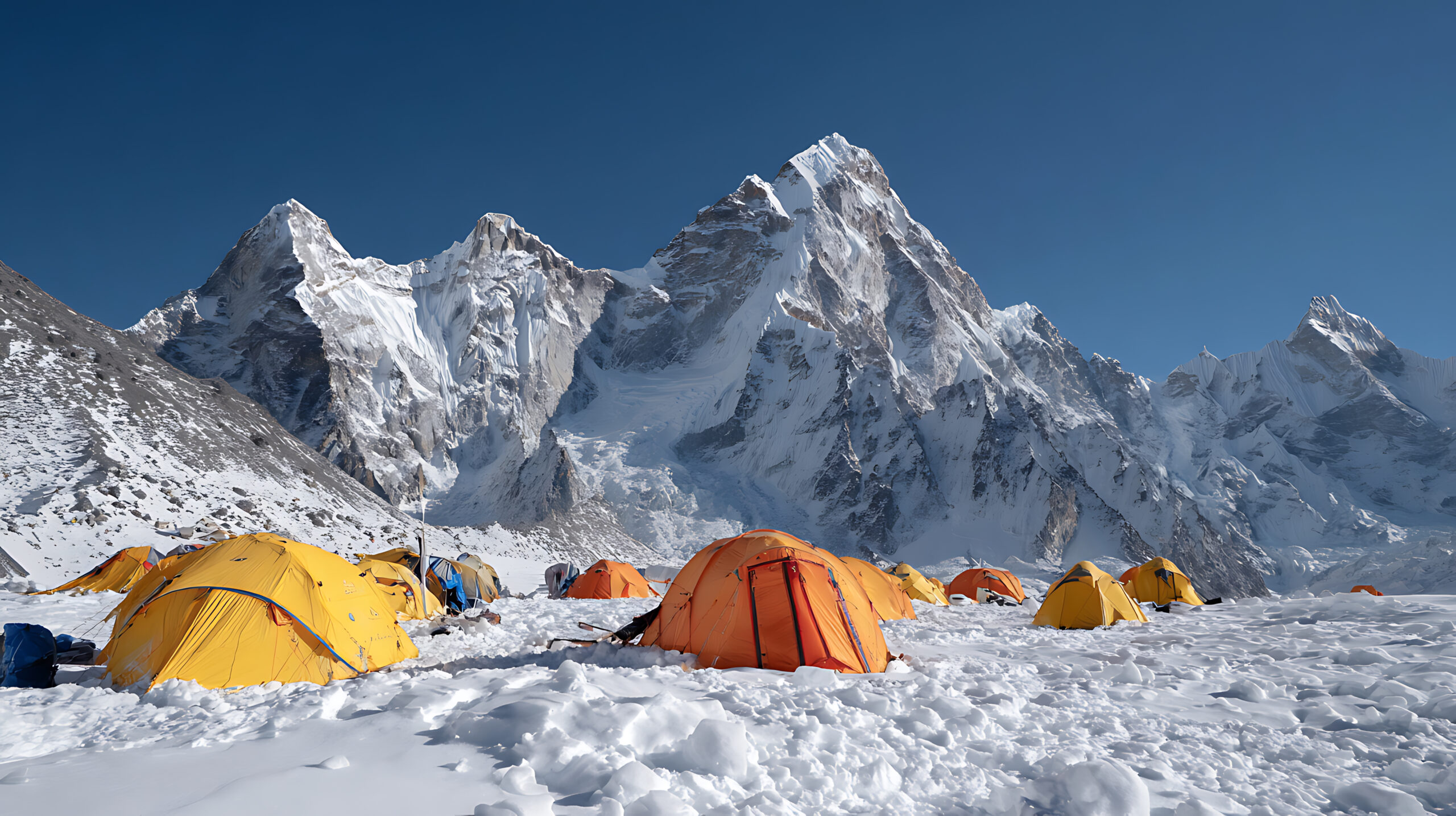
Camp systemExpedition Base Camp Tents
Understand which shelter components travel in personal packs versus group loads.
Deep recoveryMountain Weather for Climbers
Cold and storm exposure determine how much clothing and shelter volume enters the pack.
Deep recoveryGear Safety
Inspect buckles, frame, webbing, sharp-tool carry and repair supplies before departure.
Deep recoveryFinal 72-Hour Checklist
Do the final load audit after weather, route and group-gear assignments are known.

Choose the Load First. Choose the Pack Second.
Volume, suspension and weight all matter—but only in relation to the gear you personally carry. Build the expedition system, understand the logistics, then choose the pack that moves that load without compromising balance or fit.