
Last updated September 16, 2026

The Overdue Hiker Plan: what your family should do if you do not return
The most important safety tool in the mountains is not a gadget. It is a person at home who knows your plan and knows exactly when and how to call for help if you do not come back. This guide explains how to build that plan, gives you a free printable trip-plan template to fill in and leave with a trusted contact, and hands your family a step-by-step card for what to do if you become overdue, so the response is fast, calm, and correct at the moment it matters most.
Three parts, and it costs nothing.
An overdue-hiker plan is a written trip plan, a trusted responsible person who holds it, and a firm time at which, if you have not returned or checked in, they call for help.
When you are overdue, your contact should call 911 or the local county sheriff (the National Park Service inside a park), report an overdue hiker, and read out your plan. They should not wait too long hoping you turn up, and not go search alone.
Fill in the printable plan below, leave it with your person, and check in when you get back so no one raises a false alarm.
Why an overdue-hiker plan matters
The plan solves the single biggest weakness in backcountry safety: the gap between when you need help and when anyone knows to send it.
If you are injured, lost, or stranded and cannot call for help, the clock does not start until someone notices you are missing and reports it. That gap can be hours or days, and it is often the difference between a straightforward rescue in daylight and a prolonged search in worsening conditions. An overdue-hiker plan closes the gap. It guarantees that a specific person is expecting you back at a specific time, knows precisely where you went, and knows exactly what to do the moment you are overdue. It is free, it takes ten minutes, and it works even when your phone is dead, your satellite device has failed, or you are unable to reach either. This is the backstop behind every other piece of safety gear.
The three parts
A plan that works is simple enough that you will actually do it every trip. It has three components.
A written trip plan
The details a rescuer would need to find you: route and trailhead, timing, vehicle, group, gear and clothing colors, medical information, and the communication device you carry. Written down, not just mentioned in passing, so nothing is forgotten under stress. Use the template below.
A trusted responsible person
One reliable person who agrees to hold your plan, expect your return, and act if you are overdue. They must be reachable during your trip, understand the plan, and be willing to make the call even if they feel unsure. Pick someone steady, not someone who will panic or hesitate.
A firm raise-the-alarm time
The exact time at which, if you have not returned or checked in, your person calls for help. Set it as your expected return plus a sensible buffer, agreed in advance. The buffer avoids false alarms; the firm cutoff prevents the deadly habit of waiting too long out of hope.

Your printable trip plan
Who to call, and when
The right call at the right time is the whole point. Make sure your responsible person knows both.
In the United States, the simplest reliable action is to call 911 and report an overdue hiker. The dispatcher will route the call to whichever agency is responsible for search and rescue in that area. On most public land that is the county sheriff, who coordinates SAR; inside a national park it is the National Park Service; and land-management agencies such as the Forest Service or Bureau of Land Management may be involved depending on where you are. If you know the specific local sheriff or park dispatch number for your trip, put it on the plan as well, but 911 is the dependable default. Outside the United States, the responsible agency and emergency number differ by country, so confirm the correct contact for the areas you travel and write it on the plan.
The timing is just as important as the number. Your contact should act at the raise-the-alarm time you agreed, not before and not long after. Reporting too early, at the first sign of a slightly late return, risks a false alarm from a slow descent or a flat tire, which is why the buffer exists. But waiting too long is the far more common and more dangerous error: every hour lost after the cutoff is an hour of lost daylight and a wider area to search. When the cutoff passes with no contact, your person should make the call. Search and rescue would far rather stand down a false alarm than start a search half a day late.
They must not wait a day to see if you turn up, because early notification is what gives search and rescue the daylight and the smaller search area that save lives. And they must not drive out and search for you alone, because an untrained, worried person heading into the same terrain at night is exactly how a single emergency becomes two. Their job is to make the call and provide information, then stay reachable, not to mount a rescue.
What search and rescue needs
Responders need to know where to look and who they are looking for. Your trip plan answers both in one document.
When your contact calls, responders will ask for the information that lets them plan a search: your planned route and trailhead, your last known location and expected campsites, the make, model, color, and license plate of your vehicle and where it is parked, a physical description including the colors of your clothing and pack, how many people are in your party, your experience level, any medical conditions or medications, and what communication device you carry and its number. This is exactly the information in the printable plan above, which is the point of filling it in: instead of your family trying to recall details under stress, they can read the whole picture straight off the page. Bright clothing and gear colors, noted on the plan, help searchers spot you from a distance or from the air.
⚑ For your responsible person: what to do if they are overdue
- Confirm they are truly overdue. Check that the raise-the-alarm time has actually passed, and check your phone and messages for any check-in or delay notice you may have missed.
- Do not wait longer “just in case.” Once the cutoff has passed with no contact, acting early gives rescuers daylight and a smaller area. Delay is the most common mistake.
- Get the trip plan in front of you. You will read details from it during the call.
- Call 911 (or the local sheriff / park number on the plan). Say you are reporting an overdue hiker and give the location and land unit.
- Read out the plan. Route, trailhead, expected return, vehicle and plate, description and clothing colors, party size, medical information, and communication device.
- Stay reachable and do not go search alone. Keep your phone on for follow-up questions. Do not drive out to look yourself.
- Write down times and names. Note when you called and who you spoke with, in case of follow-up.
Before-you-go checklist
Run this every trip. It takes minutes and covers the whole system.
Overdue-hiker plan checklist
- Trip plan filled in completely, including vehicle and medical details
- A trusted, reachable responsible person has a copy
- Expected return time and raise-the-alarm time agreed and written down
- Check-in schedule agreed, and what a missed check-in means
- Correct emergency number for the area confirmed (911 or local)
- Clothing and gear colors noted for searchers
- Signed the trailhead register, if one exists
- Plan to report in the moment you are safely back, to cancel any alarm
Common mistakes
The plan fails in predictable ways. Avoid these and it works.
Telling no one, or only telling them vaguely. “I’m going hiking this weekend” is not a plan. Without a specific route and time, no one can help effectively.
No firm raise-the-alarm time. Without a hard cutoff, a worried contact waits and hopes, and the search starts dangerously late.
Choosing a contact who will not act. The responsible person must be willing to call 911 even when unsure. Pick someone steady and brief them clearly.
Changing plans without updating your contact. A last-minute change of trailhead or route sends searchers to the wrong place. Update your person before you start.
Relying only on a device. A satellite communicator can fail or be out of reach. The human backstop works when the electronics do not.
Forgetting to check out. Not reporting your safe return triggers false alarms and wastes rescue resources.
Overdue hiker plan FAQ
The questions hikers and families ask most.
What is an overdue hiker plan?
A simple system ensuring someone raises the alarm and knows what to do if you do not return on time: a written trip plan, a trusted responsible person who holds it, and a firm time at which they call for help. Most rescues start because someone reported a person overdue.
Who should my contact call?
In the US, call 911 and report an overdue hiker; dispatch routes it to the responsible agency, usually the county sheriff, or the National Park Service inside a park. Give the location, your trip plan, and your description. Outside the US, confirm the local emergency number.
When should they report me overdue?
At the raise-the-alarm time you set in advance: your expected return plus a sensible buffer. The buffer prevents false alarms; the firm cutoff prevents waiting too long. When it passes with no contact, they should act.
What does search and rescue need?
Your route and trailhead, last known location and campsites, vehicle make/model/color/plate and where parked, physical description and clothing colors, party size, experience, medical conditions, and communication device. A completed trip plan provides it all at once.
Should I leave a note on my dashboard?
A full itinerary on the dash can tip off a thief that your car is unattended for days. Better to leave the detailed plan with a trusted person and sign the trailhead register. Keep any in-car note minimal and out of sight.
Do I need a plan if I carry a satellite device?
Yes. Devices fail, batteries die, and injuries can stop you reaching them. The overdue plan is the backstop that works when you cannot press a button. Carry the device and keep the plan.
What should my contact actually do if I am overdue?
Confirm you are past the cutoff, check for missed check-ins, gather the plan, call 911 or the local sheriff to report an overdue hiker, read out the details, stay reachable, and not search alone. See the action card above.
Sources & notes
- Trip-planning and SAR guidance: standard search-and-rescue and land-management recommendations to leave a detailed plan with a responsible person and set a firm overdue time.
- Who coordinates rescue: in the US, county sheriffs coordinate SAR on most public land, the National Park Service within national parks, with other land-management agencies involved by jurisdiction; 911 routes to the correct one.
- International variation: the responsible agency and emergency number differ by country, so confirm the correct contact for your destination.
- Honest framing: practical safety guidance reviewed by Dawson Ludlow. This is general information, not a substitute for the specific procedures of the land managers and rescue services where you travel.
About Global Summit Guide
Global Summit Guide is an independent mountaineering resource. This guide and its printable plan are part of our Skills & Safety series and the Mountain Navigation cluster, alongside guides on reading topographic maps, whiteout navigation, and satellite communicators. Safety content is reviewed by Dawson Ludlow. Read more about the team and mission.
The Plan Works Only If Everyone Knows What the Trigger Means
The written itinerary is only half the system. The responsible person also needs a clear decision rule: what counts as a normal delay, what counts as a missed check-in, what specific event triggers an overdue report, and which agency or emergency number they will call. National Park Service trip-plan guidance recommends writing down when search and rescue should be initiated instead of leaving the decision to a worried family member in the moment.
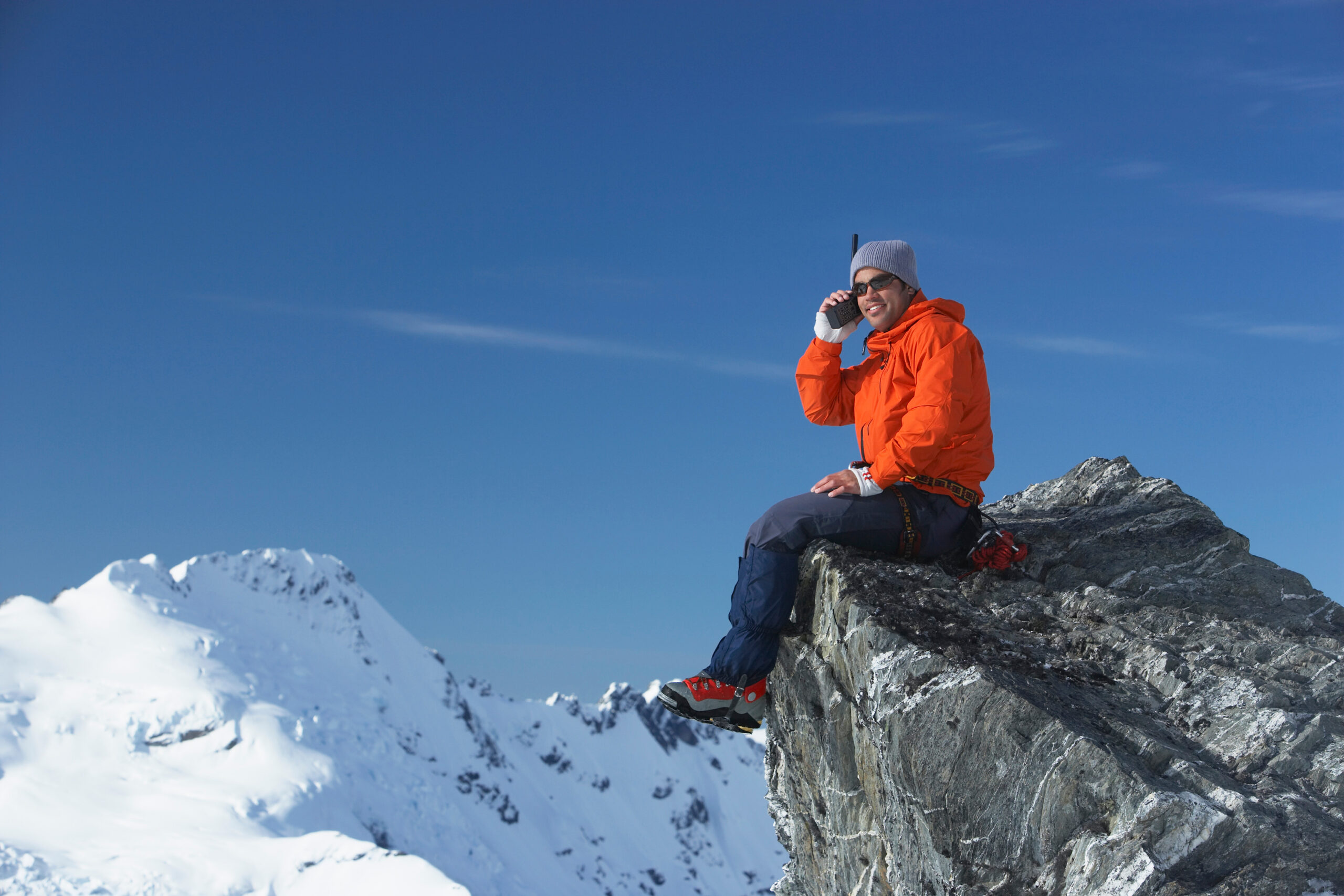
A Satellite Communicator Helps—but It Does Not Replace the Person at Home.
A two-way messenger or PLB can shorten the response when you can activate it. The overdue plan exists for the other cases: you are unconscious, separated from the device, the battery fails, terrain blocks transmission, or nobody realizes a routine check-in became an emergency.
Record the Device, Account Details and Check-In Expectations.
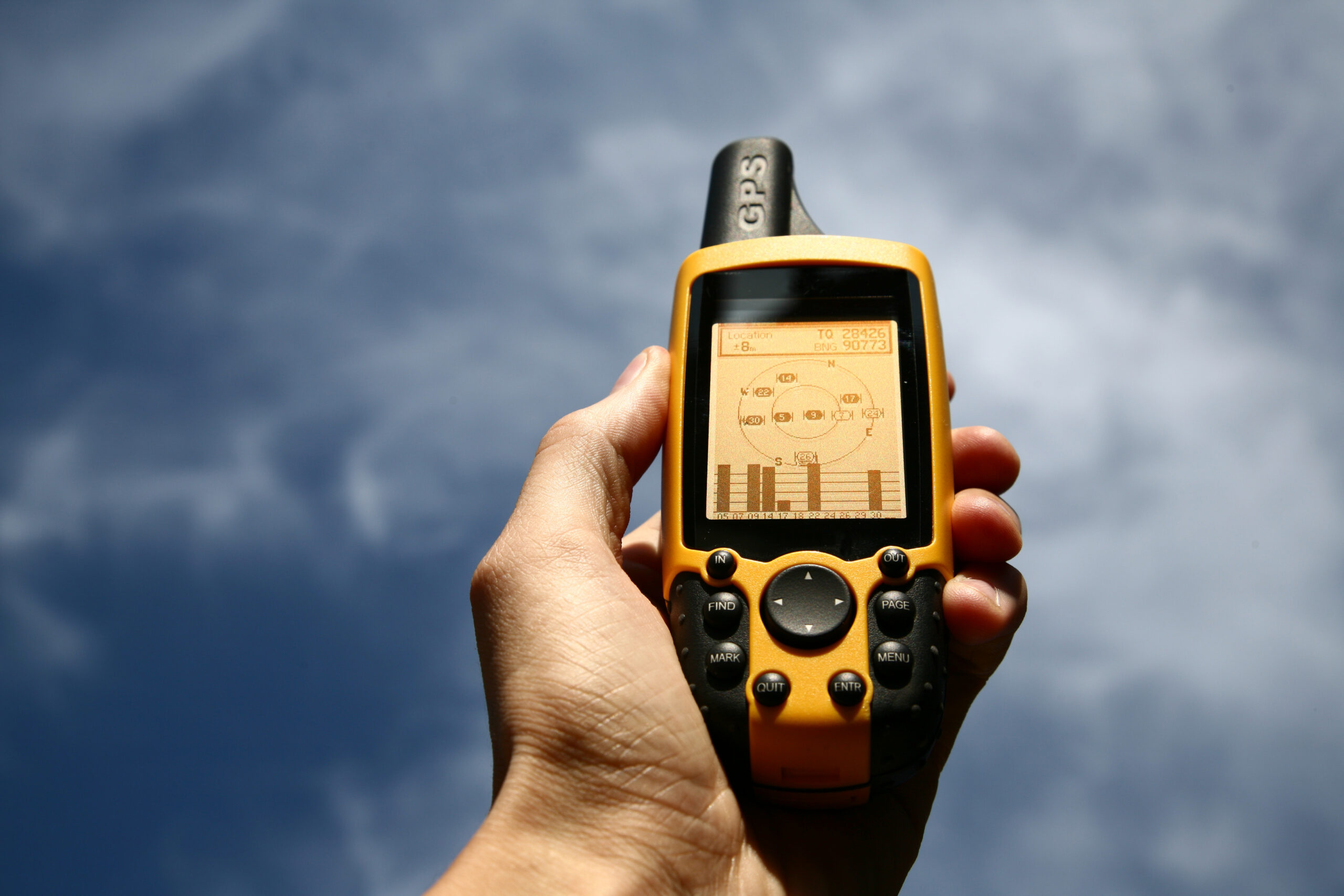
Write down the type of satellite communicator, PLB, radio or phone you carry and any identifying information the device provides. More important, tell your contact what a normal check-in looks like and what a missed check-in means on this specific trip.
“Hiking in the Mountains” Is Not Enough Detail.
Give your contact the exact trailhead, planned route, direction of travel, camps or turn-around points, likely alternates and the location of your vehicle. NPS backcountry trip-plan guidance specifically asks for route details, intended camps and the time at which the responsible person should initiate a search-and-rescue report.

Update the Plan Before You Disappear From Service.
Last-minute changes are one of the easiest ways to make a good trip plan useless. If you switch trailheads, choose a different peak or change the overnight route, send that update while you still have service. If you cannot update the responsible person, understand that searchers may begin with the original plan you left.

Weather Can Turn a Normal Delay Into a Search Problem Quickly.
A slow descent, wrong turn, injury or whiteout can all delay a hiker. The point of the pre-agreed overdue trigger is not to predict which one happened. It is to make sure the responsible person knows when uncertainty has become serious enough to report.
Four Rules That Remove Guesswork From the Emergency Contact Plan
Write the Trigger
Do not say “call if I am late.” Write the date, time and any check-in condition that activates the overdue report.
Allow Earlier Action for Evidence of Danger
If the contact receives an SOS, crash message, credible injury report or other evidence of immediate danger, they should not wait for the normal overdue time.
Call—Do Not Launch a Private Search
Report the situation and stay reachable. Do not create another missing or injured person by heading into unfamiliar terrain alone.
Close the Loop
When you return safely, notify your contact immediately. If an agency has already been called, make sure they receive the safe-return update too.
Searchable Details
Route, last known point, vehicle, party members, clothing and pack colors, communications, medical information and expected camps are more useful than vague trip descriptions.
Write the Local Number Into the Plan
911 is a U.S. default. Outside the United States, identify the destination’s emergency number and responsible rescue authority before departure.
The Core Plan Matches Current National Park Service Guidance
- NPS Hike Smart: leave trip information with a trusted person and do not rely on cell coverage alone.
- Yosemite Wilderness Safety: instruct your contact to call or text 911 if you are overdue.
- Gates of the Arctic Backcountry Trip Plan: include route, camps, party details, communications and a specific time to initiate search and rescue.
Emergency procedures vary by jurisdiction. Confirm the local number and land-management or rescue authority for every trip outside your normal area.
Was this helpful?
Global Summit Guide is an independent mountaineering resource founded in 2026. The team combines first-hand trekking and climbing experience with in-depth research and professional health and nutrition review to help climbers choose objectives, prepare properly, and stay safe.
Health, altitude, and nutrition content is reviewed by Taylor Ludlow (Registered Nurse) and Brigg Hoopes (Nutritionist).
What We Don't Know Yet
Mountain information changes quickly. This box explains the limits of what this page can responsibly promise.
- Permit availability, reservation windows, quotas, and official fee rules may change after this page is updated.
- Weather, snowpack, avalanche risk, road access, and route conditions can change quickly and may be different on your climbing dates.
- Route conditions, trailhead access, crevasse exposure, stream crossings, and rescue access may vary from published planning guidance.
- Total trip cost can change with flights, lodging, guide pricing, permits, gear rentals, transportation, and exchange rates.
- Gear requirements can change by season, route variation, weather window, personal cold tolerance, and guide-service requirements.
Verify current conditions with official land managers, guide services, local forecasts, and current route reports before booking or climbing.
Mountaineering, rock and ice climbing, glacier travel, and high-altitude activity are inherently dangerous and can result in serious injury or death. The information on Global Summit Guide is provided for general informational and educational purposes only and is not a substitute for professional instruction, qualified guiding, proper equipment, or your own judgment and experience.
Route conditions, weather, snowpack, permits, regulations, and hazards change constantly and may differ from what is described here. Details may be incomplete, out of date, or contain errors. Always verify current information with local authorities, certified guides, and official sources before making any decision in the mountains.
Nothing on this site is medical, legal, or financial advice. Our fitness, acclimatization, altitude, and nutrition content is general in nature; consult a qualified physician before beginning any strenuous exercise program or exposing yourself to high altitude.
You are solely responsible for your own safety and decisions. To the fullest extent permitted by law, Global Summit Guide and its team accept no liability for any loss, injury, damage, or expense arising from use of, or reliance on, this information. By using this site you acknowledge these risks and accept these terms.
Some links on this site may be affiliate links. If you buy through them we may earn a small commission at no extra cost to you; this never affects our recommendations.
Global Summit Guide recommendation path
Next Best Mountain to Research
Use these recommendations to continue the right planning path instead of stopping on one page.
Use current permit, weather, route, and operator information before booking or climbing.