
Last updated September 4, 2026
{ “@context”:”https://schema.org”, “@type”:”Article”, “@id”:”https://globalsummitguide.com/mountains-k2-climb-guide-pakistan-china/k2-gear-list-complete-equipment-guide/#article”, “headline”:”K2 Gear List: Complete 8,000m Expedition Equipment Checklist”, “description”:”K2 gear list for the Abruzzi Spur: 8,000m boots, down suit, -40°F sleep system, technical hardware, oxygen, pack strategy and a printable checklist.”, “author”:{ “@type”:”Person”, “name”:”Travis Ludlow”, “url”:”https://globalsummitguide.com/about/”, “jobTitle”:”Founder and Head of Research” }, “reviewedBy”:[ {“@type”:”Person”,”name”:”Walker Ludlow”,”jobTitle”:”Gear Review”}, {“@type”:”Person”,”name”:”Dawson Ludlow”,”jobTitle”:”Safety Review”} ], “publisher”:{ “@type”:”Organization”, “name”:”Global Summit Guide”, “url”:”https://globalsummitguide.com/”, “logo”:{ “@type”:”ImageObject”, “url”:”https://globalsummitguide.com/wp-content/uploads/2026/02/global-logo-new-2.png” } }, “datePublished”:”2026-06-15″, “dateModified”: “2026-09-04T09:16:42+00:00”, “mainEntityOfPage”:{ “@type”:”WebPage”, “@id”:”https://globalsummitguide.com/mountains-k2-climb-guide-pakistan-china/k2-gear-list-complete-equipment-guide/” }, “articleSection”:”K2 Expedition Gear”, “image”:[ “https://globalsummitguide.com/wp-content/uploads/2026/03/photo-1627896157734-4d7d4388f28b-scaled.jpeg”, “https://globalsummitguide.com/wp-content/uploads/2026/04/AdobeStock_1322150473-scaled.jpeg”, “https://globalsummitguide.com/wp-content/uploads/2026/03/AdobeStock_396067219-scaled.jpeg” ], “keywords”:[ “K2 gear list”, “K2 equipment checklist”, “K2 climbing gear”, “8,000m gear list”, “K2 boots”, “K2 sleeping bag”, “K2 down suit”, “K2 oxygen system” ], “about”:{ “@type”:”Mountain”, “name”:”K2″, “alternateName”:[“Chhogori”,”Mount Godwin-Austen”], “elevation”:”8611 m”, “url”:”https://globalsummitguide.com/mountains-k2-climb-guide-pakistan-china/”, “geo”:{ “@type”:”GeoCoordinates”, “latitude”:”35.8825″, “longitude”:”76.5133″ }, “containedInPlace”:{ “@type”:”Place”, “name”:”Karakoram, Gilgit-Baltistan, Pakistan” } } } { “@context”:”https://schema.org”, “@type”:”BreadcrumbList”, “itemListElement”:[ { “@type”:”ListItem”, “position”:1, “name”:”Home”, “item”:”https://globalsummitguide.com/” }, { “@type”:”ListItem”, “position”:2, “name”:”Mountains”, “item”:”https://globalsummitguide.com/mountains/” }, { “@type”:”ListItem”, “position”:3, “name”:”K2 Climbing Guide”, “item”:”https://globalsummitguide.com/mountains-k2-climb-guide-pakistan-china/” }, { “@type”:”ListItem”, “position”:4, “name”:”K2 Gear List” } ] } { “@context”:”https://schema.org”, “@type”:”ItemList”, “name”:”K2 Expedition Gear Checklist”, “numberOfItems”:8, “itemListElement”:[ {“@type”:”ListItem”,”position”:1,”name”:”8,000-metre expedition boots and foot system”}, {“@type”:”ListItem”,”position”:2,”name”:”Base, active insulation, shell and high-altitude down system”}, {“@type”:”ListItem”,”position”:3,”name”:”High-camp and Base Camp sleeping systems”}, {“@type”:”ListItem”,”position”:4,”name”:”Harness, crampons, ice axe, ascender, descender and personal hardware”}, {“@type”:”ListItem”,”position”:5,”name”:”Supplemental oxygen mask, regulator and cylinder plan”}, {“@type”:”ListItem”,”position”:6,”name”:”Gloves, goggles, headlamps and redundant summit-day essentials”}, {“@type”:”ListItem”,”position”:7,”name”:”Communications, medical, hygiene and repair equipment”}, {“@type”:”ListItem”,”position”:8,”name”:”Approach, Base Camp, rotation and summit packing system”} ] } { “@context”:”https://schema.org”, “@type”:”FAQPage”, “mainEntity”:[ { “@type”:”Question”, “name”:”What gear do you need to climb K2?”, “acceptedAnswer”:{ “@type”:”Answer”, “text”:”A K2 climber needs a complete 8,000-metre expedition system: expedition boots with removable liners, a high-altitude down suit or operator-approved insulation system, a high-camp sleeping bag meeting the operator’s minimum rating, a separate Base Camp sleep system when required, harness and fixed-line hardware, crampons, ice axe, helmet, glove and eye-protection systems, communications, medical and repair supplies, and an operator-approved supplemental-oxygen plan.” } }, { “@type”:”Question”, “name”:”What sleeping bag do you need for K2?”, “acceptedAnswer”:{ “@type”:”Answer”, “text”:”Madison Mountaineering’s published K2 list requires a high-camp sleeping bag rated to at least -40°F and a separate Base Camp bag rated to at least -20°F. Examples that genuinely carry a -40°F manufacturer rating include the Western Mountaineering Bison StormShield and Feathered Friends Snow Goose ES. The Bristlecone MF is rated -10°F and the Snowbunting ES is rated 0°F, so neither satisfies a -40°F requirement by itself.” } }, { “@type”:”Question”, “name”:”What boots are suitable for K2?”, “acceptedAnswer”:{ “@type”:”Answer”, “text”:”Use an operator-approved high-altitude expedition boot with an integrated gaiter, removable insulated liner and compatible automatic crampon welts. Current examples include the La Sportiva Olympus Mons S or Cube and the SCARPA Phantom 8000 Thermic HD. Fit, sock volume, liner drying, crampon compatibility and cold tolerance matter more than brand.” } }, { “@type”:”Question”, “name”:”How much does personal K2 gear cost?”, “acceptedAnswer”:{ “@type”:”Answer”, “text”:”A climber buying an entire new K2 system can easily spend roughly US$8,000 to $20,000 or more. The total depends on what is already owned, whether the operator provides oxygen or other equipment, and whether non-fit-critical items are rented. Boots, down insulation, sleeping systems and communications are usually the largest personal purchases.” } }, { “@type”:”Question”, “name”:”Does the K2 operator provide oxygen and tents?”, “acceptedAnswer”:{ “@type”:”Answer”, “text”:”Many commercial K2 packages provide group tents, fixed-rope infrastructure and a defined oxygen allocation, but inclusions vary. The climber must obtain a written list showing the number of cylinders, mask and regulator model, flow plan, spare equipment, high-altitude tents, personal sleeping equipment and charges for additional oxygen.” } }, { “@type”:”Question”, “name”:”Should you rent K2 gear?”, “acceptedAnswer”:{ “@type”:”Answer”, “text”:”Renting can reduce cost, but boots, harnesses, gloves, goggles and other fit-critical or hygiene-sensitive items should normally be owned and field-tested. A down suit or sleeping bag may be rented only when its exact model, rating, condition, fit, delivery date and replacement plan are confirmed well before the expedition.” } }, { “@type”:”Question”, “name”:”How should K2 gear be packed?”, “acceptedAnswer”:{ “@type”:”Answer”, “text”:”Separate equipment into hand luggage, approach-trek bags, Base Camp storage, rotation loads and the summit pack. Boots, prescription medication, summit gloves, goggles, headlamp and other expedition-ending items should travel in hand luggage where possible. Photograph, label and inventory every bag.” } }, { “@type”:”Question”, “name”:”What is the most common K2 gear mistake?”, “acceptedAnswer”:{ “@type”:”Answer”, “text”:”The most damaging mistake is arriving with equipment that has not been tested as one complete system. Boots must work with socks and crampons; the harness must fit over the down suit; goggles must seal with the oxygen mask; batteries must survive cold; and the sleeping bag and pads must work together.” } } ] } @import url(‘https://fonts.googleapis.com/css2?family=Outfit:wght@300;400;500;600;700&family=DM+Serif+Display:ital@0;1&display=swap’); .k25-page{ –navy:#091a2d; –navy2:#102e49; –blue:#245c8e; –gold:#d58a32; –gold2:#e7aa58; –cream:#f7f3e9; –line:#dfe6ec; –text:#122a44; –muted:#5e6f7c; –danger:#9d3328; –danger-bg:#f8e3df; –green:#2d6d4a; –green-bg:#eaf4ed; font-family:’Outfit’,sans-serif; color:var(–text); line-height:1.68; margin:0 auto; padding:0; } .k25-page *{box-sizing:border-box} .k25-page h1,.k25-page h2,.k25-page h3,.k25-page h4{ font-family:’DM Serif Display’,serif; font-weight:400; color:var(–navy); line-height:1.16; } .k25-page p{font-size:1.02rem;margin:0 0 1.08em} .k25-page a{color:var(–blue);text-decoration:none;border-bottom:1px solid #b9cad9} .k25-page a:hover{color:#b66b1e;border-bottom-color:#b66b1e} .k25-page code{font-size:.84em;background:#eef2f5;padding:2px 5px;border-radius:4px} .k25-hero{ overflow:hidden; border-radius:15px; background:var(–navy); color:#fff; margin-bottom:18px; } .k25-hero figure{margin:0;position:relative} .k25-hero img{ width:100%; height:455px; object-fit:cover; object-position:center; display:block; } .k25-hero figcaption{ position:absolute; left:0; right:0; bottom:0; padding:48px 22px 14px; color:#fff; font-size:.78rem; background:linear-gradient(to top,rgba(5,18,31,.95),transparent); } .k25-hero-copy{ padding:33px 39px; background:linear-gradient(135deg,#071724,#102e49 58%,#1d5274); } .k25-kicker{ color:var(–gold2); font-size:.8rem; font-weight:700; text-transform:uppercase; letter-spacing:1.7px; margin-bottom:10px; } .k25-hero h1{ color:#fff!important; font-size:2.05rem; margin:0 0 13px; } .k25-hero h1 em{color:var(–gold2);font-style:italic} .k25-hero p{color:#edf5fb;max-width:970px;margin:0;font-size:1.04rem} .k25-byline{ background:var(–cream); border:1px solid #e4d5af; border-radius:9px; padding:15px 20px; margin:18px 0; } .k25-byline-top{ display:flex; justify-content:space-between; flex-wrap:wrap; gap:10px 18px; } .k25-author{font-weight:700;color:var(–navy)} .k25-author a{border-bottom:none} .k25-meta{font-size:.82rem;color:#74684e} .k25-credentials{ margin-top:8px; padding-top:8px; border-top:1px solid #e4d5af; font-size:.84rem; color:#5e543e; font-style:italic; } .k25-verdict{ background:linear-gradient(135deg,var(–navy2),#1c4a6e); color:#fff; border:4px solid var(–gold); border-radius:14px; padding:28px 34px; margin:24px 0; box-shadow:0 8px 24px rgba(10,34,55,.25); } .k25-verdict h2{color:#fff!important;margin:0 0 11px!important;font-size:1.42rem!important} .k25-verdict p{color:#edf5fb;margin-bottom:9px} .k25-verdict strong{color:#ffd78f} .k25-tag{ display:inline-block; background:var(–gold); color:#071a2c; padding:4px 11px; border-radius:5px; text-transform:uppercase; letter-spacing:.6px; font-size:.75rem; font-weight:700; margin-bottom:10px; } .k25-stats{ display:grid; grid-template-columns:repeat(5,1fr); gap:11px; background:var(–navy); padding:20px; border-radius:11px; margin:22px 0; } .k25-stat{ background:#143453; border:1px solid var(–gold); border-radius:8px; padding:14px 9px; text-align:center; } .k25-stat strong{ display:block; color:var(–gold2); font-family:’DM Serif Display’,serif; font-size:1.08rem; line-height:1.08; } .k25-stat span{ display:block; color:#ecf4fa; font-size:.63rem; text-transform:uppercase; letter-spacing:.4px; margin-top:5px; } .k25-priority{ display:grid; grid-template-columns:repeat(3,1fr); gap:13px; margin:22px 0; } .k25-priority-card{ border:1px solid var(–line); border-top:5px solid var(–blue); background:#fff; border-radius:11px; padding:18px 19px; } .k25-priority-card.sleep{border-top-color:var(–gold)} .k25-priority-card.fit{border-top-color:var(–danger)} .k25-priority-card h3{font-size:1.08rem;margin:0 0 7px} .k25-priority-card p{font-size:.88rem;margin:0;color:#435566} .k25-warning,.k25-info,.k25-success{ padding:17px 21px; border-radius:8px; margin:21px 0; font-size:.94rem; } .k25-warning{background:var(–danger-bg);border-left:6px solid var(–danger)} .k25-info{background:#e7f0f8;border-left:6px solid var(–blue)} .k25-success{background:var(–green-bg);border-left:6px solid var(–green)} .k25-warning strong,.k25-info strong,.k25-success strong{ display:block; color:var(–navy); margin-bottom:5px; } .k25-toc{ background:var(–cream); border:1px solid #e4d5af; border-radius:10px; padding:19px 24px; margin:23px 0; } .k25-toc strong{ font-family:’DM Serif Display’,serif; color:var(–navy); font-size:1.1rem; } .k25-toc ol{ columns:2; column-gap:30px; padding-left:22px; margin:10px 0 0; } .k25-toc li{font-size:.9rem;margin-bottom:5px} .k25-section{ background:linear-gradient(135deg,var(–navy2),#1c4a6e); color:#fff; border-left:8px solid var(–gold); border-radius:12px; padding:26px 31px; margin:39px 0 22px; box-shadow:0 6px 18px rgba(18,42,68,.22); } .k25-section h2{color:var(–gold2)!important;font-size:1.62rem!important;margin:0 0 6px!important} .k25-section h2 em{color:#ffd78f;font-style:italic} .k25-section p{color:#edf5fb;margin:0;font-size:.95rem} .k25-content h3{font-size:1.22rem;margin:24px 0 8px} .k25-table-wrap{overflow-x:auto;margin:18px 0} .k25-table{ width:100%; min-width:680px; border-collapse:collapse; border:1px solid #e3d8bd; font-size:.86rem; } .k25-table th{ background:var(–navy); color:#fff; text-align:left; padding:11px 12px; font-size:.77rem; } .k25-table td{ padding:9px 12px; border-top:1px solid #eee5d2; vertical-align:top; color:#394c5e; } .k25-table tr:nth-child(even) td{background:#faf7ef} .k25-table td:first-child{font-weight:700;color:var(–navy)} .k25-phase-grid{ display:grid; grid-template-columns:repeat(2,1fr); gap:14px; margin:18px 0; } .k25-phase{ background:#fff; border:1px solid var(–line); border-top:5px solid var(–blue); border-radius:11px; padding:19px 20px; } .k25-phase:nth-child(2){border-top-color:var(–gold)} .k25-phase:nth-child(3){border-top-color:var(–green)} .k25-phase:nth-child(4){border-top-color:var(–danger)} .k25-phase h3{margin:0 0 7px;font-size:1.12rem} .k25-phase p{font-size:.88rem;margin:0 0 7px} .k25-phase ul{margin:0;padding-left:19px} .k25-phase li{font-size:.86rem;margin-bottom:4px} .k25-card{ background:#fff; border:1px solid var(–line); border-top:6px solid var(–gold); border-radius:12px; padding:22px 24px; margin:18px 0; } .k25-card-label{ display:inline-block; background:#f6ead6; color:#895515; font-size:.72rem; font-weight:700; text-transform:uppercase; letter-spacing:.7px; border-radius:5px; padding:3px 9px; margin-bottom:8px; } .k25-card h3{margin:0 0 7px} .k25-card ul{margin:8px 0 0;padding-left:20px} .k25-card li{font-size:.9rem;margin-bottom:5px} .k25-image{ margin:25px 0; border-radius:12px; overflow:hidden; border:1px solid var(–line); background:#fff; } .k25-image img{width:100%;height:auto;display:block} .k25-image figcaption{ padding:12px 17px; font-size:.82rem; color:#596979; font-style:italic; } .k25-checklist{ background:#fff; border:2px solid var(–navy2); border-radius:12px; padding:23px 25px; margin:26px 0; } .k25-checklist-header{ display:flex; justify-content:space-between; align-items:center; gap:15px; flex-wrap:wrap; margin-bottom:14px; } .k25-checklist h3{margin:0} .k25-print{ background:var(–gold); color:var(–navy)!important; border:0!important; border-radius:6px; padding:9px 14px; font-weight:700; cursor:pointer; } .k25-check-grid{ display:grid; grid-template-columns:repeat(2,1fr); gap:11px; } .k25-check-group{ background:#f7f9fb; border:1px solid var(–line); border-radius:8px; padding:14px 16px; } .k25-check-group h4{margin:0 0 7px;font-size:1rem} .k25-check-group ul{list-style:none;margin:0;padding:0} .k25-check-group li{font-size:.84rem;margin-bottom:5px;padding-left:20px;position:relative} .k25-check-group li:before{content:”□”;position:absolute;left:0;color:var(–blue);font-size:1rem;top:-1px} .k25-cluster{ background:linear-gradient(135deg,var(–cream),#fbf6ea); border:1px solid #e4d5af; border-radius:12px; padding:21px 24px; margin:25px 0; } .k25-cluster h3{margin:0 0 4px} .k25-cluster p{font-size:.9rem;margin:0 0 13px;color:#5e543e} .k25-cluster-grid{ display:grid; grid-template-columns:repeat(auto-fit,minmax(180px,1fr)); gap:10px; } .k25-cluster-grid a{ display:block; background:#fff; border:1px solid #e4d5af; border-radius:8px; padding:13px 14px; font-size:.84rem; font-weight:700; text-align:center; } .k25-cluster-grid a:hover{background:var(–navy2);color:#fff;border-color:var(–navy2)} .k25-faq{ background:var(–cream); border-radius:8px; padding:14px 18px; margin-bottom:10px; } .k25-faq h3{font-size:1.05rem;margin:0 0 7px} .k25-faq p{font-size:.93rem;margin:0} .k25-sources{ background:#f1f5f8; border:1px solid #cbd9e5; border-radius:10px; padding:21px 24px; margin:28px 0; } .k25-sources h3{margin:0 0 8px} .k25-sources ul{margin:8px 0 0;padding-left:20px} .k25-sources li{font-size:.87rem;margin-bottom:6px} .k25-authorbio{ display:flex; gap:21px; align-items:flex-start; background:linear-gradient(135deg,var(–cream),#fbf8f0); border:2px solid var(–gold); border-radius:12px; padding:25px 28px; margin:30px 0; } .k25-authorpic{ width:100px; height:100px; flex:0 0 100px; border-radius:50%; border:3px solid var(–gold); background:url(‘https://globalsummitguide.com/wp-content/uploads/2026/03/561db5f8-15bb-43d8-9eba-251a8c35f89f.jpg’) center/cover; } .k25-authorbio h3{margin:0 0 3px} .k25-role{color:#ad641b;font-weight:700;font-style:italic;font-size:.9rem;margin-bottom:7px} .k25-related{ background:var(–cream); border-radius:11px; padding:22px 24px; margin:26px 0; } .k25-related h3{margin:0 0 10px} .k25-related ul{columns:2;padding-left:20px;margin:0} .k25-related li{margin-bottom:8px} .k25-cta{ text-align:center; background:linear-gradient(135deg,var(–navy2),#1c4a6e); border:3px solid var(–gold); color:#fff; border-radius:14px; padding:32px 27px; margin-top:30px; } .k25-cta h3{color:var(–gold2);font-size:1.5rem;margin:0 0 10px} .k25-cta p{color:#edf5fb;max-width:750px;margin:0 auto 18px} .k25-button{ display:inline-block; color:#fff!important; background:#173c5f; border:2px solid var(–gold)!important; border-radius:6px; padding:12px 20px; margin:4px; text-decoration:none!important; font-weight:700; } .k25-button:hover{background:var(–gold);color:var(–navy)!important} @media(max-width:820px){ .k25-hero img{height:280px} .k25-hero-copy{padding:24px 20px} .k25-hero h1{font-size:1.5rem} .k25-stats{grid-template-columns:repeat(2,1fr)} .k25-priority,.k25-phase-grid,.k25-check-grid{grid-template-columns:1fr} .k25-toc ol,.k25-related ul{columns:1} .k25-section{padding:22px 20px} .k25-authorbio{flex-direction:column;align-items:center;text-align:center} } @media print{ .k25-hero,.k25-byline,.k25-verdict,.k25-stats,.k25-priority,.k25-toc, .k25-section,.k25-image,.k25-cluster,.k25-sources,.k25-authorbio, .k25-related,.k25-cta,.k25-print{display:none!important} .k25-page{font-family:Arial,sans-serif;color:#000} .k25-checklist{border:0;padding:0;margin:0} .k25-checklist-header{margin-bottom:8px} .k25-check-grid{grid-template-columns:1fr 1fr} .k25-check-group{break-inside:avoid;border:1px solid #999;background:#fff} }
K2 Gear List: Complete Expedition Equipment Checklist
A practical K2 gear list organized by expedition phase, operator responsibility and system compatibility. Start with the operator’s written requirements, then verify 8,000 m boots, summit insulation, a genuine −40°F high-camp sleeping bag, fixed-line hardware, oxygen, communications and a fully tested packing system.
Complete K2 Expedition Gear Guide: Essential Kit & Safety Gear
The non-negotiable foundation is compatible, field-tested equipment: expedition boots and automatic crampons; layers and a down suit or approved summit system; a high-camp sleeping bag that meets the operator’s minimum; harness and fixed-line hardware; redundant hand, eye and lighting systems; and a documented oxygen, communications and rescue plan.
Madison Mountaineering’s published K2 checklist requires a high-camp bag rated to at least −40°F and a separate Base Camp bag rated to at least −20°F. Those written requirements are more useful than an unsourced “best sleeping bag” list.
Operator list first
The selected K2 company controls required models, quantities, oxygen allocation, tent systems, pack sizes and inspection standards.
Ratings must be real
Verify the manufacturer’s published sleeping-bag rating. Similar product names can differ by 30–40°F.
Compatibility beats branding
Boots, socks, crampons, harness, down suit, mask, goggles and gloves must work together under realistic cold and fatigue.
The complete K2 equipment system
Every item belongs to a larger system and a specific phase of the expedition.
The strongest K2 gear list is not the longest product catalog. It tells a climber what must be personally owned, what the operator supplies, where the item will be used, what specification matters, how it interacts with other equipment and how it will be tested before Pakistan.
| System | Minimum planning standard | Failure mode to prevent |
|---|---|---|
| Feet | High-altitude expedition boots, removable liner, sock system and exact crampon compatibility | Frostbite, wet liners, heel lift, pressure points or crampon release |
| Body insulation | Base, active insulation, shell and operator-approved summit down system | Sweat accumulation, restricted movement or insufficient death-zone insulation |
| Sleep | High-camp and Base Camp bags meeting written ratings, plus inflatable and closed-cell pads where required | Loss of sleep, wet down, conductive heat loss and failed recovery |
| Climbing | Harness, helmet, ascender, descender, lanyard, carabiners, ice axe and crampons specified by operator | Inability to use fixed ropes safely with full layers and heavy gloves |
| Oxygen | Written cylinder allocation, flow plan, mask, regulator, spares and failure procedure | Mask leaks, frozen regulator, depleted cylinder or no contingency |
| Hands and eyes | Layered gloves, summit mitts, spare set, glacier glasses and two goggles where requested | Frostbite, snow blindness or fogging with mask and balaclava |
| Power and light | Two cold-rated headlamps, spare batteries, charging plan and protected devices | Darkness, frozen batteries or a single-point electronics failure |
| Medical and repair | Personal medication, operator-coordinated medical kit and field repair supplies | A minor breakage or health issue ending the expedition |
What the climber provides versus the operator
Never assume oxygen, high-altitude tents or personal hardware are included.
| Equipment | Usually personal | May be operator-provided | Question for the contract |
|---|---|---|---|
| Boots, socks and foot care | Yes | Rental may be offered | Must boots be inspected or approved before departure? |
| Down suit and personal layers | Yes | Rental sometimes available | Which suit configuration and fit are acceptable? |
| Sleeping bags and pads | Usually | Some rentals or camp bedding | Are two bags and two pads required? |
| Harness and personal hardware | Yes | Group rope and fixed-line material | Which ascender, descender and lanyard system is required? |
| High-altitude tents | Usually no | Commonly operator-provided | Is a personal tent space guaranteed at every camp? |
| Supplemental oxygen | Personal allocation | Commonly supplied within package | How many cylinders, at what capacity, and what do extras cost? |
| Mask and regulator | May be assigned personally | Often included | Is a spare mask or regulator staged on the route? |
| Satellite communications | Personal messenger recommended | Team radio and satellite system | What works above Base Camp and who monitors it? |
| Medical oxygen and group kit | Personal prescriptions | Normally expedition medical system | Who is medically responsible and what evacuation assets exist? |
Pack K2 gear by expedition phase
Gear should be retrievable when needed, not buried in one 100-kilogram inventory.
1. Travel and Baltoro approach
Keep the approach light and protect expedition-ending equipment.
- Trekking footwear and clothing
- Rain protection and sun system
- Approach sleeping setup as specified
- Water treatment and personal hygiene
- Boots, medication, goggles and summit gloves in hand luggage where possible
2. K2 Base Camp
Recovery, maintenance and redundancy for a multi-week expedition.
- Base Camp sleeping bag and pad
- Camp footwear and down booties
- Spare clothing, repair kit and drying system
- Charging, communications and personal medical supplies
- Clearly labeled rotation and summit caches
3. Acclimatization rotations
Test the exact high-altitude systems before the summit cycle.
- High-camp sleeping bag and pads
- Harness, ascender, descender and lanyard
- Crampons, ice axe, helmet and technical gloves
- Rotation clothing and high-altitude pack
- Mask and regulator testing when scheduled
4. Summit push
Minimal weight, full redundancy and no untested combinations.
- Down suit or approved summit insulation
- Summit boots, socks, crampons and spare foot-care supplies
- Oxygen system and failure plan
- Two headlamps, goggles, glacier glasses and hand systems
- Thermos, food, personal medication, radio and emergency insulation
K2 boots and the complete foot system
Fit, liner management and crampon compatibility matter more than a claimed temperature.
High-altitude expedition boots
- La Sportiva Olympus Mons S or Olympus Mons Cube: current high-altitude models with integrated gaiters and removable liners.
- SCARPA Phantom 8000 Thermic HD: designed for expeditions above 8,000 m, with removable liner and integrated heated-insole system.
- Other operator-approved models: acceptable only after confirming fit, liner drying, crampon compatibility and the operator’s current standard.
Do not publish an ambient temperature such as “rated to −40°C” unless the manufacturer provides it. Boot warmth varies with circulation, sock volume, moisture, altitude, pace, liner condition and individual cold tolerance.
| Foot-system check | Pass standard |
|---|---|
| Toe room | Toes do not strike the front while descending, even with the planned summit sock |
| Heel hold | No damaging lift during sustained uphill fixed-line movement |
| Circulation | Boot is not overfilled by thick socks or chemical warmers |
| Liner drying | Liner can be removed, slept with and dried without damaging electronics or insulation |
| Crampon fit | Exact boot and crampon tested together on snow, ice and rock with no release |
| Harness interaction | Crampons can be fitted and adjusted while wearing full clothing and gloves |
| Spare system | Extra socks, insoles, laces or BOA repair items and foot-care materials packed |
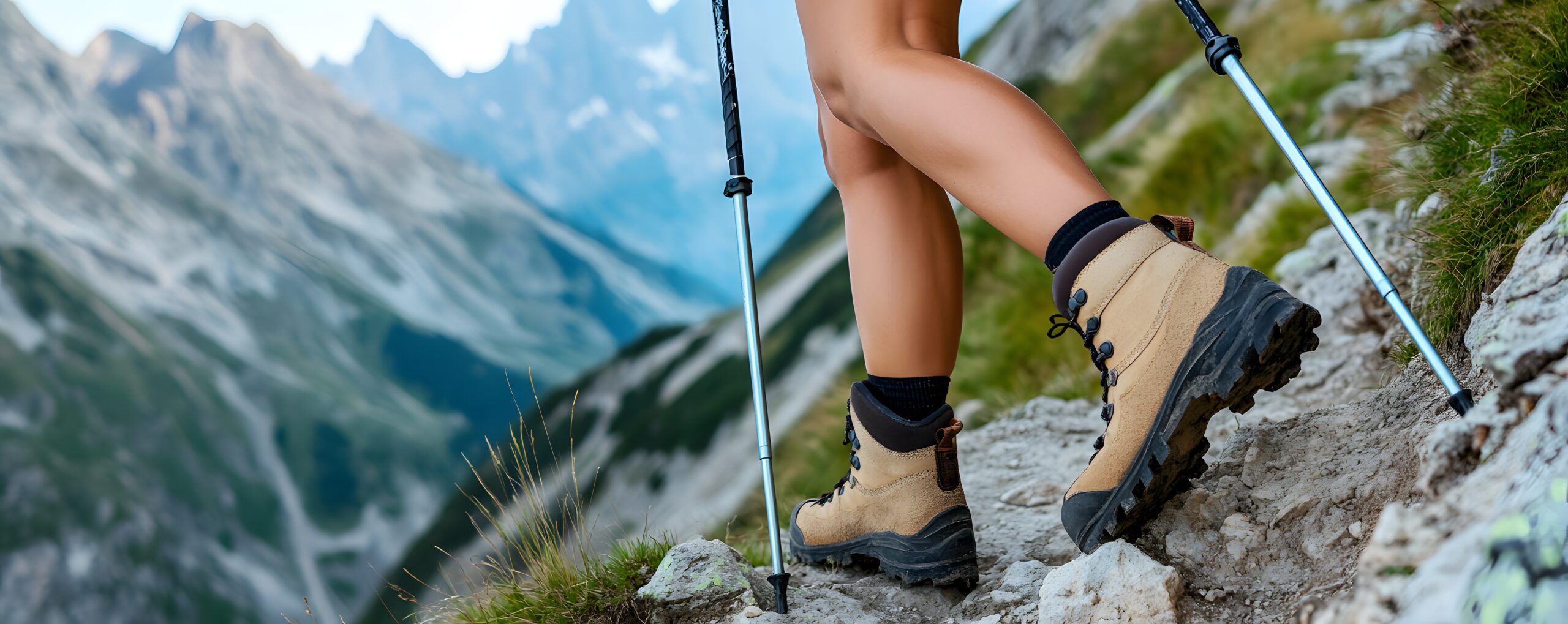
For fit principles and the differences between single, double and expedition boots, use the mountaineering boots guide and crampon compatibility guide.
Down suit and layering system
The summit suit cannot compensate for poor moisture management underneath it.
A complete K2 clothing system normally includes sun and approach layers, technical base layers, active insulation, wind and waterproof shells, heavy down for camps, and a full high-altitude down suit or the exact separate system approved by the operator.
| Layer | Purpose | Compatibility test |
|---|---|---|
| Base layers | Move moisture and remain comfortable for repeated use | No bunching under harness or boot cuff |
| Active insulation | Warmth while climbing without excessive sweat | Can vent while clipped to the fixed line |
| Shell | Wind, snow and spindrift protection | Fits over insulation and under harness where intended |
| High-altitude down | Camp survival and summit insulation | Harness, ascender, pockets, oxygen hose and sanitation zipper remain usable |
| Hand system | Liners, technical gloves, insulated gloves and summit mitts | Can operate carabiners, ascender, radio and oxygen controls |
| Face and eye system | Balaclava, face protection, glacier glasses and goggles | Seals with oxygen mask without fogging or exposed skin |
The high-altitude layering guide explains how to build the moisture, insulation and shell system underneath the final summit layer.
K2 sleeping bags, pads and recovery
Use the written operator minimum and the manufacturer’s real rating.
| Product example | Published rating | Correct use in this guide |
|---|---|---|
| Western Mountaineering Bison StormShield | −40°F / −40°C | Verified example meeting a −40°F operator minimum |
| Feathered Friends Snow Goose ES | −40°F / −40°C | Verified expedition example meeting a −40°F minimum |
| Mountain Hardwear Phantom Gore-Tex −40 | −40°F class | Named example on Madison Mountaineering’s K2 list |
| Western Mountaineering Bristlecone MF | −10°F / −23°C | Does not meet a −40°F minimum by itself |
| Feathered Friends Snowbunting ES | 0°F / −18°C | Does not meet a −40°F minimum by itself |
Temperature labels are not guarantees. A climber’s sleep system also includes pad insulation, clothing, tent occupancy, hydration, calories, wind exposure, condensation management and individual sleep temperature. Follow the operator’s exact bag and pad requirements.
Technical hardware for the Abruzzi Spur
Carry the operator’s personal fixed-line kit—not a generic rack for independent alpine climbing.
| Item | Selection standard | System test |
|---|---|---|
| Harness | Adjustable over every layer, including down suit | Can put on without removing boots or crampons when required |
| Ascender | Correct hand, glove-compatible and operator-approved | Works with lanyard length and heavy mittens |
| Descender | Operator-specified figure-eight or belay device | Can transition safely on the rope system used by the team |
| Safety lanyard | Exact configuration required by operator | Reaches anchors without excessive slack or shortness |
| Locking carabiners | Quantity and shapes specified by operator | Operate with gloves and do not cross-load in system |
| Crampons | Steel, fully compatible with exact boot | Field-tested on steep ice and mixed rock |
| Ice axe or tool | Length and technical shape matched to operator list | Carry system works with pack and fixed-line movement |
| Helmet | Certified, compatible with goggles, hood and headlamp | No pressure points after hours of use |
Use the dedicated ice axe guide, glacier hardware guide and K2 route comparison to understand why the Abruzzi Spur demands efficient fixed-line systems.
Supplemental oxygen, communications and power
The contract should specify the oxygen system as clearly as the climbing itinerary.
| Oxygen question | Written answer required |
|---|---|
| Cylinder allocation | Number, capacity, planned starting camp and cost of extra cylinders |
| Flow strategy | Sleeping, climbing and summit flow guidance—individualized by operator and medical plan |
| Mask and regulator | Exact model, fit session, hygiene, assigned serial equipment and spare availability |
| Staging | Where cylinders are cached and how reserve oxygen is protected |
| Failure procedure | Regulator freeze, mask leak, empty cylinder, lost cache and descent decision |
| Staff supply | Whether Sherpa or high-altitude staff oxygen is separate from the client allocation |
Most commercial K2 clients use supplemental oxygen, but operator practices vary. Remove claims that every climber uses a fixed number of cylinders or starts at one universal altitude unless the statement is tied to a named program.
Lighting and communications
- Two independent headlamps suitable for summit use
- Spare batteries protected against cold
- Team radio plus personally understood communication procedure
- Satellite messenger where allowed and supported
- Charging and cable redundancy at Base Camp
- Phone and navigation data available offline
- Every device operated while wearing summit gloves
Medical, hygiene and repair equipment
Small problems become expedition-ending problems without the correct personal supplies.
| Category | Personal planning items |
|---|---|
| Prescription medication | Full expedition quantity plus protected reserve, documentation and medical approval |
| Foot care | Blister materials, tape, skin protection, spare insoles and antifungal plan |
| Cold injury prevention | Hand and foot checks, spare gloves, chemical warmers only if tested and approved |
| Hydration | Wide-mouth bottles, insulated covers, thermos and drinking plan compatible with oxygen mask |
| Hygiene | Hand sanitizer, wipes, oral care, waste system and skin treatment |
| Repair | Boot-system spares, crampon parts, buckles, cord, tape, patches, sewing supplies and adhesive selected for cold |
| Documentation | Passport copies, permits, insurance, emergency contacts, prescriptions and bag inventory |
Coordinate medications and altitude protocols with a qualified physician and the expedition’s medical lead. A web checklist cannot safely prescribe high-altitude medication or replace an individualized medical plan.
K2 gear cost: buy, own or rent?
A planning range is useful only when the included categories are visible.
| Category | Planning range | Best cost strategy |
|---|---|---|
| 8,000 m boots and feet | $1,000–$1,900+ | Own; fit and liner familiarity are critical |
| Down suit and upper-body insulation | $1,500–$4,000+ | Own for multiple 8,000ers; carefully inspect rental |
| Sleeping bags and pads | $1,300–$3,000+ | Own or verified rental with exact rating and condition |
| Technical hardware | $700–$1,600+ | Own and standardize across training climbs |
| Hands, face and eyes | $600–$1,500+ | Own; fit and redundancy are personal |
| Packs and duffels | $500–$1,200+ | Own; match porter and operator limits |
| Electronics and communications | $500–$1,500+ | Own and practice cold-power management |
| Medical, hygiene and repair | $300–$1,000+ | Personalized; replace consumables before departure |
A climber purchasing every category new can easily spend approximately $8,000–$20,000 or more. The useful comparison is not new versus rented in the abstract. It is whether the equipment is fit-critical, condition-sensitive, familiar, available early enough to test and approved by the operator.
A K2 gear testing timeline
Every expedition-ending incompatibility should be discovered months before Pakistan.
9–12 months before
- Receive the operator’s current written list
- Choose boots and begin fit work
- Audit owned gear by category
- Plan a cold, glaciated training climb
6–9 months before
- Test boots, crampons, harness and fixed-line kit
- Purchase or reserve down suit and sleep system
- Build communications and charging system
- Resolve pack and duffel limits
3–6 months before
- Complete overnight cold-system tests
- Practice transitions in summit gloves
- Test mask, goggles, balaclava and hood together
- Weigh each expedition phase
Final 90 days
- Complete operator inspection
- Replace worn hardware and consumables
- Photograph and inventory every bag
- Place expedition-ending items in hand luggage
Printable K2 gear checklist
Use this as an audit sheet, then reconcile every line with the operator’s current list.
K2 expedition equipment audit
Travel and documents
- Passport, visa and permit copies
- Insurance and emergency contacts
- Prescriptions and medical documents
- Bag inventory and photographs
- Cash and payment plan
- Expedition-ending gear in hand luggage
Approach trek
- Trekking footwear and socks
- Approach layers and rain protection
- Sun hat, glacier glasses and sunscreen
- Trekking poles and daypack
- Approach sleeping equipment
- Water and hygiene system
Boot and foot system
- 8,000 m boots and removable liners
- Exact summit sock system
- Automatic crampons tested on boots
- Spare insoles and foot-care kit
- Boot repair parts or tool
- Camp footwear and down booties
Clothing and hands
- Base and active-insulation layers
- Waterproof and windproof shell
- High-altitude down suit or approved system
- Liner and technical gloves
- Insulated gloves and summit mitts
- Spare summit hand system
Sleeping systems
- High-camp bag meets operator minimum
- Base Camp bag meets operator minimum
- Inflatable pad
- Closed-cell pad
- Compression and waterproof sacks
- Bag repair and moisture-management plan
Personal climbing hardware
- Harness fits over down suit
- Helmet fits hood and headlamp
- Ascender and lanyard
- Descender or operator-specified device
- Locking carabiners and cords
- Ice axe or tool
Oxygen and summit interface
- Written cylinder allocation
- Mask and regulator model confirmed
- Mask fitted over face system
- Goggles do not fog with mask
- Spare and failure procedure understood
- Flow and cache plan reviewed
Light, power and communication
- Two summit-capable headlamps
- Cold-protected spare batteries
- Radio procedure understood
- Satellite messenger where applicable
- Base Camp charging system
- Duplicate cables and adapters
Eyes, face and hydration
- Glacier glasses
- Two goggles if operator requires
- Balaclava and face protection
- Wide-mouth bottles and covers
- Summit thermos
- Mask-compatible eating and drinking plan
Medical, hygiene and repair
- Prescription medication and reserve
- Personal first-aid items
- Blister and skin-care supplies
- Hygiene and waste supplies
- Cold-compatible tape, patches and adhesive
- Hardware, buckle and boot spares
Packs and baggage
- Operator-approved expedition pack
- Approach daypack
- Large lockable duffels
- Every bag labeled and weighed
- Rotation and summit caches separated
- Critical items distributed across bags
Final system test
- Full summit system worn together
- Crampons fitted with summit gloves
- Harness transitions completed
- Headlamp and radio used with mitts
- Overnight sleep system tested
- Operator approval documented
Continue through the K2 planning cluster
The gear page should support the parent K2 decision—not duplicate the route, weather, cost or training guides.
K2 gear FAQ
Direct answers to the product, cost, packing and operator questions behind the search demand.
What gear do you need to climb K2?
You need an operator-approved 8,000 m system covering boots and feet, summit insulation, high-camp and Base Camp sleeping equipment, fixed-line hardware, crampons and ice axe, gloves and goggles, oxygen, communications, medical and repair supplies, and separate approach, rotation and summit packing systems.
What sleeping bag is required?
Follow the operator’s written rating. Madison Mountaineering’s K2 list specifies at least −40°F for high camps and at least −20°F for Base Camp. The Bison StormShield and Snow Goose ES are genuine −40°F examples; the Bristlecone MF and Snowbunting ES are not.
What boots are suitable?
Use an approved high-altitude expedition boot with a removable liner, integrated gaiter and compatible crampon welts. Current examples include La Sportiva Olympus Mons S or Cube and SCARPA Phantom 8000 Thermic HD. Fit and system compatibility decide the final choice.
How much does personal gear cost?
Buying every category new can cost roughly $8,000–$20,000 or more. The total depends on existing equipment, rental choices and what the operator includes.
Does the operator provide oxygen?
Many commercial programs include a defined oxygen package, but the number of cylinders, mask, regulator, flow plan, spares and extra-cylinder cost must appear in writing.
Can K2 equipment be rented?
Some down suits and sleeping bags can be rented after model, rating, condition and fit are confirmed. Boots, gloves, goggles and other fit-critical systems should normally be personally owned and thoroughly tested.
How should gear be packed?
Separate travel, approach, Base Camp, rotation and summit equipment. Carry boots, medication, summit gloves, goggles and other expedition-ending items in hand luggage where possible. Label, photograph and inventory every bag.
What is the biggest gear mistake?
Testing items individually but never testing the complete summit configuration. The boot-crampon, suit-harness, mask-goggle, glove-hardware and sleep-system combinations must all work together.
Primary sources and verification
- Madison Mountaineering K2 equipment list — high-camp and Base Camp sleep ratings, pack and personal equipment requirements.
- Madison Mountaineering K2 expedition — current gear-list access and program context.
- Western Mountaineering Bristlecone MF — manufacturer rating of −10°F / −23°C.
- Western Mountaineering sleeping bags — Bison StormShield product and current catalog.
- Feathered Friends Snowbunting ES — manufacturer 0°F model.
- Feathered Friends Snow Goose ES — manufacturer −40°F expedition model.
- La Sportiva Olympus Mons S and Olympus Mons Cube — current high-altitude models.
- SCARPA Phantom 8000 Thermic HD — current 8,000 m expedition boot specifications.
Last reviewed: July 21, 2026. Product models, prices and operator lists change. Reconcile this page with the selected operator’s current written requirements before purchasing or renting equipment.
Take the operator checklist into every purchase
Do not buy a famous product because it appeared on a generic K2 list. Match every item to a written operator specification, verify the manufacturer’s real rating, test the complete system and document final approval.
K2 Main Guide K2 Training PlanWas this helpful?
🏔Related gear guides
🧭Explore & compare
Global Summit Guide is an independent mountaineering resource founded in 2026. The team combines first-hand trekking and climbing experience with in-depth research and professional health and nutrition review to help climbers choose objectives, prepare properly, and stay safe.
Health, altitude, and nutrition content is reviewed by Taylor Ludlow (Registered Nurse) and Brigg Hoopes (Nutritionist).
What We Don't Know Yet
Mountain information changes quickly. This box explains the limits of what this page can responsibly promise.
- Guide-company prices, departure dates, guide ratios, included services, and cancellation rules can change without notice.
- Weather, snowpack, avalanche risk, road access, and route conditions can change quickly and may be different on your climbing dates.
- Route conditions, trailhead access, crevasse exposure, stream crossings, and rescue access may vary from published planning guidance.
- Total trip cost can change with flights, lodging, guide pricing, permits, gear rentals, transportation, and exchange rates.
- Gear requirements can change by season, route variation, weather window, personal cold tolerance, and guide-service requirements.
Verify current conditions with official land managers, guide services, local forecasts, and current route reports before booking or climbing.
Mountaineering, rock and ice climbing, glacier travel, and high-altitude activity are inherently dangerous and can result in serious injury or death. The information on Global Summit Guide is provided for general informational and educational purposes only and is not a substitute for professional instruction, qualified guiding, proper equipment, or your own judgment and experience.
Route conditions, weather, snowpack, permits, regulations, and hazards change constantly and may differ from what is described here. Details may be incomplete, out of date, or contain errors. Always verify current information with local authorities, certified guides, and official sources before making any decision in the mountains.
Nothing on this site is medical, legal, or financial advice. Our fitness, acclimatization, altitude, and nutrition content is general in nature; consult a qualified physician before beginning any strenuous exercise program or exposing yourself to high altitude.
You are solely responsible for your own safety and decisions. To the fullest extent permitted by law, Global Summit Guide and its team accept no liability for any loss, injury, damage, or expense arising from use of, or reliance on, this information. By using this site you acknowledge these risks and accept these terms.
Some links on this site may be affiliate links. If you buy through them we may earn a small commission at no extra cost to you; this never affects our recommendations.
Global Summit Guide recommendation path
Next Best Mountain to Research
Use these recommendations to continue the right planning path instead of stopping on one page.
Use current permit, weather, route, and operator information before booking or climbing.