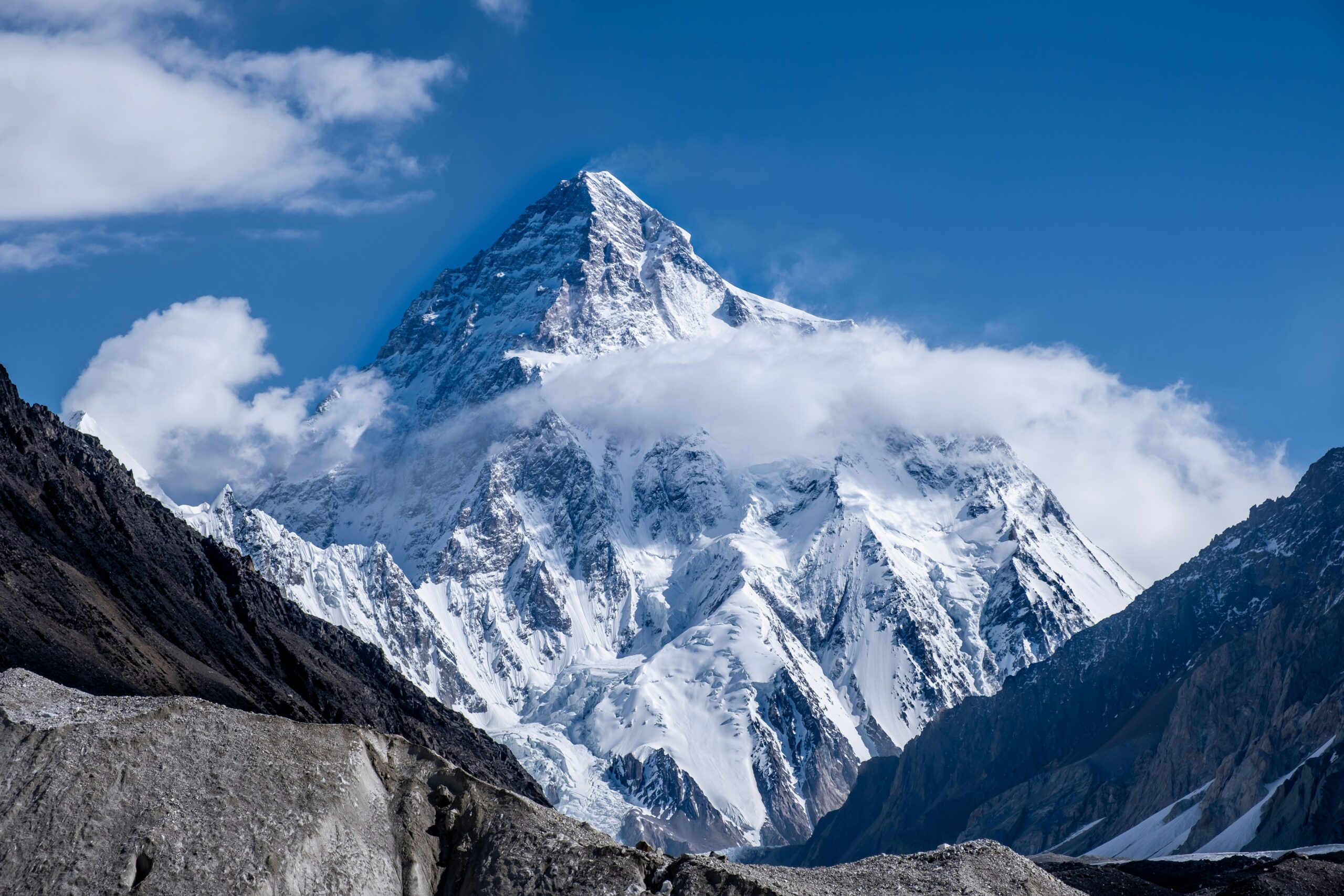
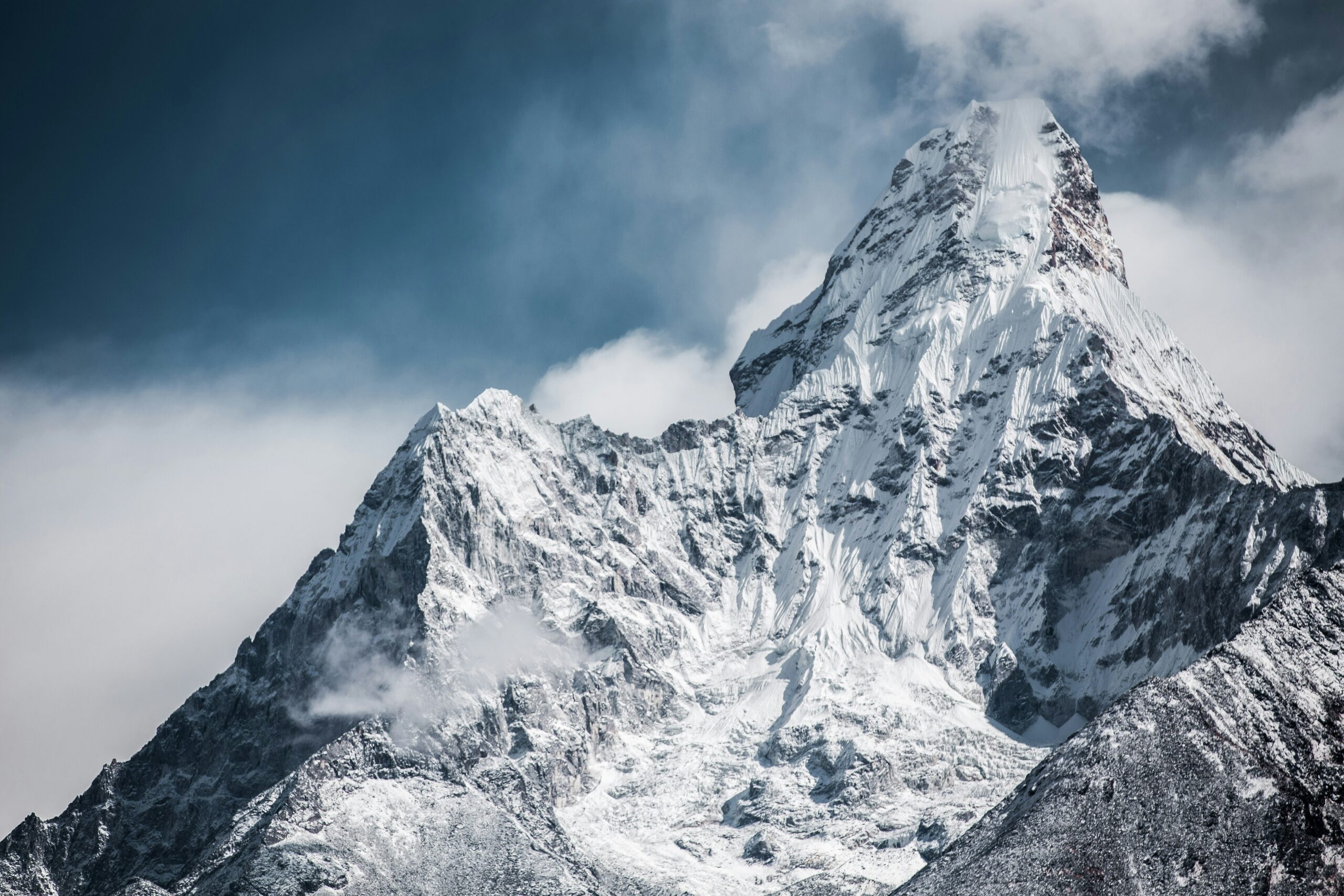
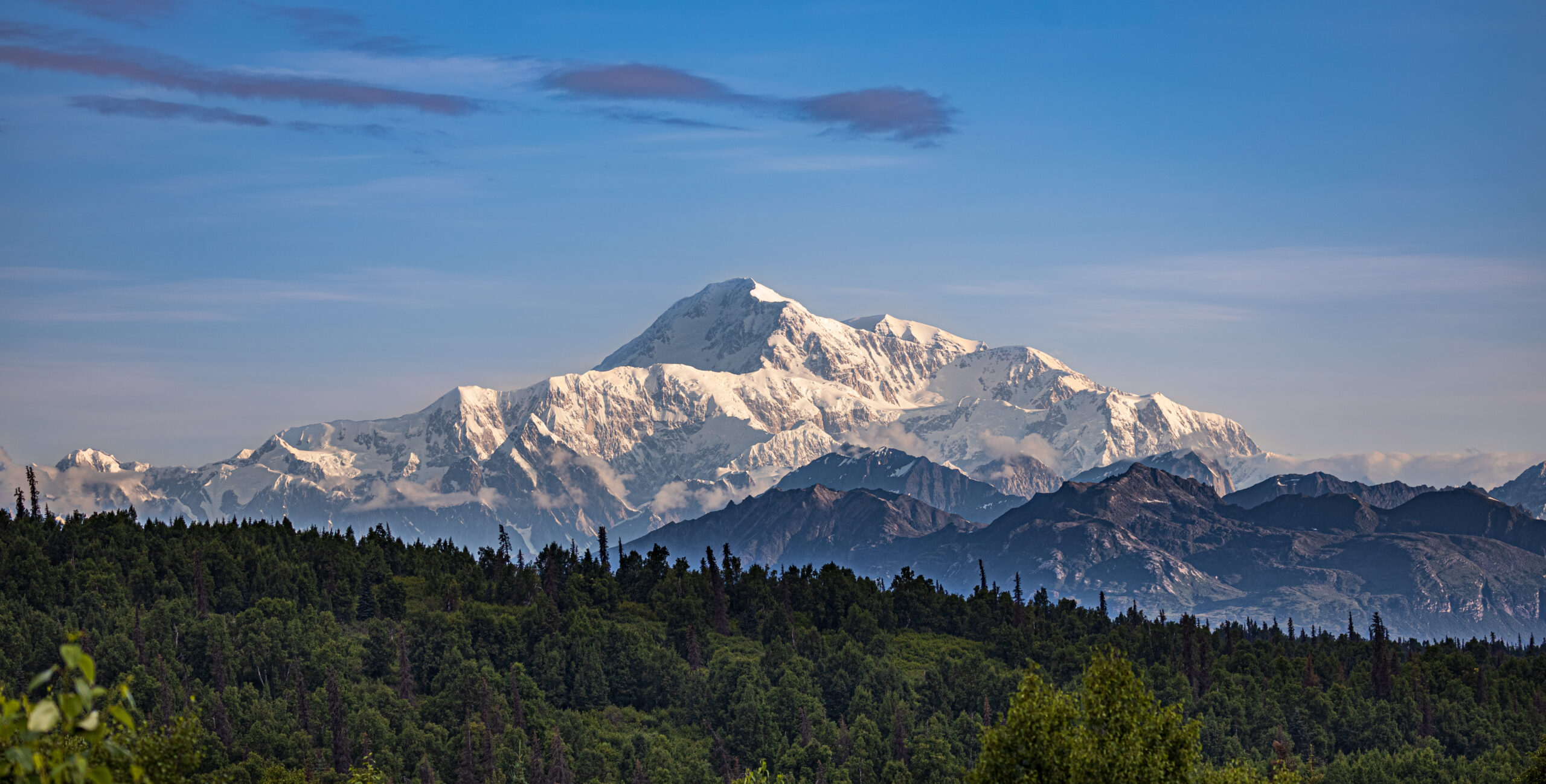
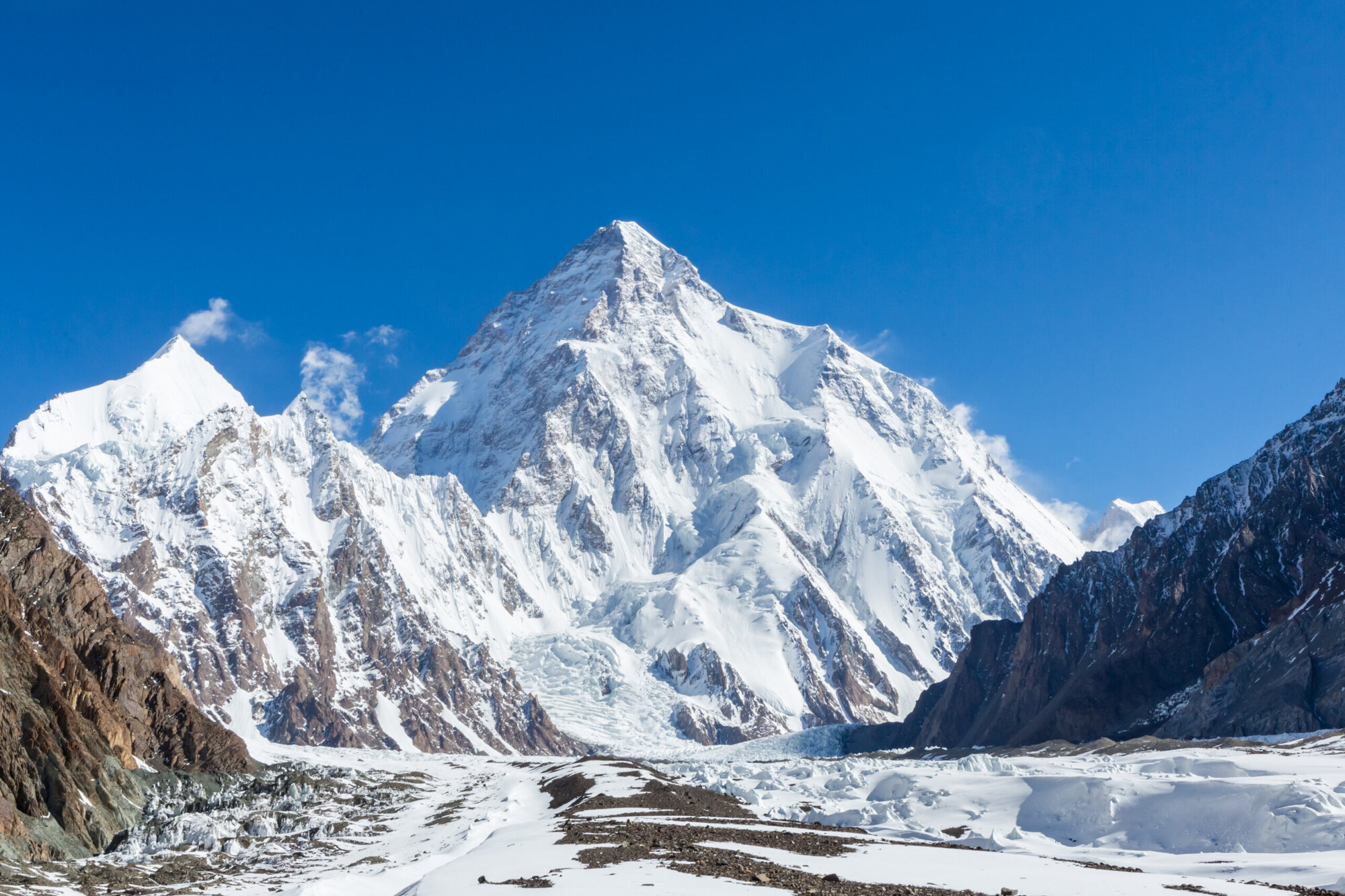
Global Summit Guide logo featuring mountain imagery, symbolizing hiking and mountaineering resources for trip planning and safety.

Tag: nanga parbat

  • Nanga Parbat 2026 Season Wrap: Summits, Records & Ski Descent

    Nanga Parbat in Pakistan, focus of the 2026 season wrap
    2026 season record · Pakistan · Diamir & Rupal · updated August 11

    Nanga Parbat 2026 Season Wrap: Who Summited & What Happened

    Nanga Parbat opened Pakistan’s 8,000-metre summer with a concentrated commercial summit wave, delivered a historic ski descent and a 14×8000 completion, then stayed active into August through an ambitious Rupal Face project.

    Major summit waves verifiedMilestones sourced separatelyCommercial + alpine season distinguishedUncertainty disclosed

    Published July 11, 2026 · Updated August 11, 2026 · By Travis Ludlow

    8,126 mNanga Parbat
    Jun 30First Major Summit Wave
    Jul 18K Summit Wave
    Jul 314×8000 Completion
    Jun 30Bargiel Ski Descent
    Aug 6Rupal Project Ends
    By Travis Ludlow · Global Summit Guide Research
    Season retrospective · not a live dispatch
    Why this page changed after July 11: the original wrap was published while confirmations were still arriving and before the late Rupal Face project had finished. This August 11 version treats the page as a retrospective 2026 season record, not an early-July live update.
    The direct answer

    What Defined Nanga Parbat’s 2026 Season?

    The commercial season was concentrated on the Kinshofer Route on the Diamir Face, with the key summit activity clustered around June 30 through July 3. The season included Pakistan’s first 8,000m summit wave of the summer, Andrzej Bargiel’s historic ski descent, Kili Pemba Sherpa’s completion of all fourteen 8,000ers, an oldest-woman summit record, and a later alpine-style Rupal Face attempt that continued into August.

    • Main commercial route: Kinshofer / Diamir Face.
    • Major summit period: June 30–July 3.
    • Historic ski event: Andrzej Bargiel summited June 30 and skied the mountain without supplemental oxygen.
    • 14×8000 milestone: Kili Pemba Sherpa completed all fourteen on July 3.
    • Season character: relatively quiet, warm and strongly shaped by heat, soft snow and route timing.
    The season in sequence

    Nanga Parbat 2026 Timeline

    The commercial Diamir season and the later Rupal alpine project were related by weather, but they were very different climbing operations.

    1

    Early June — a quieter Pakistan season takes shape

    Pakistan’s 8,000m summer was lighter than some recent years. Several large international outfitters had reduced or skipped Pakistan programs, while Seven Summit Treks, 8K Expeditions, Imagine Nepal and independent/alpine teams still fielded Nanga Parbat projects.

    2

    June — route fixing and heat become central

    Commercial teams worked the Diamir side and standard Kinshofer line. Warm conditions slowed progress at times and increased concern about soft snow, rockfall and lower-route timing.

    3

    June 30 — first major summit wave

    A Seven Summit Treks team reached 8,126m after seasonal rope-fixing work. The summit group included Tao Hu, Antonina Samoilova, Mindaugas Satkauskas, Abbas Ali Mehdi and Nepali guides, and was reported as Pakistan’s first 8,000m summit wave of the summer.

    4

    June 30 — Andrzej Bargiel skis Nanga Parbat

    Andrzej Bargiel summited with Janusz Golab and then descended the mountain on skis without supplemental oxygen. Reporting by Red Bull and ExplorersWeb described it as the first continuous ski descent of Nanga Parbat.

    5

    July 1 — 8K Expeditions summit wave

    8K Expeditions documented a large summit group that included Liliya Ianovskaia, Naoko Watanabe, Iryna Karagan, Saori Eragaki, Valentyn Sypavin, Pavlo Sydrenko, Danylo Yasnyuk, Muhammad Ali, Keizo Konishi and a team of Nepali high-altitude guides.

    6

    July 3 — Kili Pemba completes all 14 eight-thousanders

    Imagine Nepal reported Kili Pemba Sherpa on the summit with Lakpa Chhiri Sherpa and Wang Zhong. The ascent completed Kili Pemba’s set of all fourteen 8,000-metre peaks.

    7

    July–August — the Rupal project continues

    Marek Holecek and Tomas Petrecek pursued an alpine-style project on the Rupal Face after the main commercial summit wave. Warmth, rain, avalanches, meltwater and rock movement repeatedly complicated the line.

    8

    August 6 — Rupal project ends

    The pair’s annual project ended without a new route. This matters because it shows the 2026 Nanga Parbat season did not truly end when the Diamir commercial teams began leaving in early July.

    Documented summit waves

    Who Summited Nanga Parbat in 2026?

    The strongest public record is operator-by-operator rather than one centralized official final list.

    Date / waveOperator / projectDocumented climbersWhy it mattered
    June 30Seven Summit Treks / KinshoferTao Hu, Antonina Samoilova, Mindaugas Satkauskas, Abbas Ali Mehdi, Dawa Sherpa, Dendi Sherpa, Lakpa Temba SherpaReported as Pakistan’s first 8,000m summit wave of the 2026 summer
    June 30Andrzej Bargiel projectAndrzej Bargiel, summit with Janusz GolabSummit followed by historic continuous ski descent; no supplemental oxygen
    July 18K ExpeditionsLiliya Ianovskaia, Naoko Watanabe, Iryna Karagan, Saori Eragaki, Valentyn Sypavin, Pavlo Sydrenko, Danylo Yasnyuk, Muhammad Ali, Keizo Konishi and Nepali guidesLarge multinational commercial summit wave; included oldest-woman record claim
    July 3Imagine NepalKili Pemba Sherpa, Lakpa Chhiri Sherpa, Wang ZhongKili Pemba completed all fourteen 8,000m peaks

    This table intentionally does not claim to be the official final person-by-person total for the season. Operator posts, expedition dispatches and specialist reporting document the major summit waves well, but there is no single centralized public record that resolves every duplicate, spelling variant, guide role and late confirmation in one place.

    That distinction makes the page more useful, not less. Readers can see the best-documented summit events without Global Summit Guide pretending that a provisional tally is an audited registry.

    Nanga Parbat mountain range with snow-capped peaks and rugged terrain, illustrating high-altitude climbing challenges associated with 8,000m peaks.
    June 30 · one of the season’s defining stories

    Andrzej Bargiel Summited — Then Skied Nanga Parbat.

    The ski descent turned an already important summit day into one of the defining mountaineering stories of Pakistan’s 2026 summer.

    A different style from the commercial wave

    Why Bargiel’s Descent Belongs in the Season Record

    The achievement was not simply another summit on the Kinshofer traffic calendar.

    Andrzej Bargiel reached Nanga Parbat’s summit on June 30 with Janusz Golab and then descended the mountain on skis without supplemental oxygen. Red Bull described the descent as the first fully continuous ski line recorded on Nanga Parbat, while ExplorersWeb also reported the complete ski descent.

    The significance is partly stylistic. A commercial summit wave depends on fixed lines, team logistics and shared infrastructure; a high-altitude ski project must also solve snow quality, continuity, route transitions and descent timing. The same warm season that complicated climbing conditions could create both opportunities and hazards for a skier depending on aspect and hour.

    Do not let the ski story displace the route context.

    Use the Nanga Parbat route comparison and Nanga Parbat routes guide to understand how Diamir, Rupal and historic lines differ. This page owns the 2026 event record, not the technical route encyclopedia.

    Beyond the summit count

    Records and Milestones from 2026

    The season produced several achievements that matter independently of the raw number of successful climbers.

    14×8000

    Kili Pemba Sherpa

    Imagine Nepal reported Kili Pemba Sherpa on Nanga Parbat’s summit July 3 with Lakpa Chhiri Sherpa and Wang Zhong, completing all fourteen 8,000-metre peaks.

    Women’s age record

    Liliya Ianovskaia

    8K Expeditions and specialist reporting identified Ianovskaia as the oldest woman to summit Nanga Parbat during the July 1 wave. Sources differ on the exact age published, so this page preserves the record claim without forcing a disputed number.

    Ski mountaineering

    Andrzej Bargiel

    A no-supplemental-oxygen summit followed by a full ski descent added a major ski-mountaineering milestone to what otherwise might have been remembered mainly as a short commercial summit window.

    Climber preparing beneath Nanga Parbat during a high-altitude expedition
    Nanga Parbat’s commercial season is short, but the mountain can remain active after the main summit wave through independent, alpine-style and technical projects.
    The recurring 2026 theme

    Warm Conditions Changed the Character of the Season

    Heat showed up differently on the Diamir commercial route and the Rupal alpine project.

    Season signalDiamir / Kinshofer implicationRupal implication
    Warm temperaturesSoftening snow and greater attention to early movement on the lower mountainRain, meltwater and thawing rock/ice systems complicated a new-route project
    Rockfall / instabilityLower-route timing became more important as the day warmedRock movement added to avalanche and water hazards on steep terrain
    Short usable windowsCommercial teams concentrated summit activity into a small number of daysAlpine climbers needed a much longer stable sequence to commit to a major face
    Route styleFixed-line Kinshofer climbing allowed multiple teams to use the same openingNew-route climbing had no equivalent commercial infrastructure buffer

    For the evergreen climate and seasonal-planning question, move into the underlinked Nanga Parbat Weather guide. That page should own normal summer patterns, monsoon-edge uncertainty, temperature and forecast planning. This page should remain anchored to what actually happened in 2026.

    The commercial season was not the whole season

    The Rupal Face Project Continued into August

    This is the most important update missing from the original July 11 wrap.

    Marek Holecek and Tomas Petrecek established a separate alpine-style project on Nanga Parbat’s Rupal Face after the main Diamir summit wave. Their objective belonged to a different category from commercial Kinshofer climbing: a new-line problem on one of the world’s largest mountain faces.

    As the project developed, warm weather and unusual rain became major obstacles. Reporting described repeated avalanches, meltwater and rock movement. The conditions made it increasingly difficult to justify a committing push into terrain where retreat options could shrink rapidly.

    By August 6 the project had ended without a new route. That changes the season summary in an important way: the commercial Diamir season largely wound down in early July, but meaningful alpine activity on Nanga Parbat continued into August.

    Commercial season ≠ mountain season.

    That distinction is worth preserving on future season-wrap pages. A commercial summit list can be mostly settled while alpine-style, ski or new-route projects are still active elsewhere on the mountain.

    What carries forward

    What the 2026 Season Means for 2027 Planning

    A retrospective is most useful when it improves the next decision instead of merely listing names.

    Timing

    Early movement matters more in warm cycles

    Soft snow, rockfall and thaw-related instability can make predawn movement and conservative turnaround discipline increasingly important on lower exposed terrain.

    Route choice

    Diamir and Rupal are different sports

    The Kinshofer line can support coordinated commercial climbing; a Rupal new-route project requires a much larger stable-weather commitment and far fewer infrastructure assumptions.

    Operator system

    Rope fixing remains central to the commercial window

    The 2026 summit wave followed coordinated fixing and camp establishment. Climbers comparing 2027 companies should ask who fixes, who supports high camps and how the operator handles a short weather window.

    Training

    A short window punishes slow recovery

    A climber who needs too long to recover after rotations can miss the only viable summit period. The training target is not simply strength; it is repeatable high-altitude work and recovery.

    Forecasting

    Base Camp warmth is not a summit forecast

    The lower mountain and high mountain can respond differently. Teams need wind, snow and temperature information at the elevations that determine the summit decision.

    Decision discipline

    No summit is a normal outcome

    Nanga Parbat’s history and 2026 conditions reinforce the need to treat retreat as a legitimate expedition result when snow, heat, avalanche or timing removes the margin.

    Parent-child architecture

    The Nanga Parbat Planning Library

    This season-wrap URL owns the 2026 retrospective. The surrounding cluster owns evergreen planning questions.

    Parent guide

    Nanga Parbat Climb Guide

    Evergreen planning for the Killer Mountain: history, main routes, difficulty, access and expedition structure.

    Open guide →
    Orphan #1

    Nanga Parbat Operators

    A hard-orphan commercial child in the earlier audit. Compare expedition companies, support models and Pakistan logistics.

    Open guide →
    Orphan #2

    Nanga Parbat Weather

    The underlinked evergreen weather child: monsoon edge, summer heat, snow loading and timing by season.

    Open guide →
    Route comparison

    Nanga Parbat Route Comparison

    Diamir/Kinshofer vs Rupal vs Rakhiot: different hazards, styles and expedition systems.

    Open guide →
    Route atlas

    Nanga Parbat Routes

    Detailed Kinshofer, Rupal and historic route architecture.

    Open guide →
    Permits & logistics

    Nanga Parbat Permits & Logistics

    Pakistan permit, local operator and approach planning without mixing the season-wrap intent.

    Open guide →
    Difficulty

    Nanga Parbat Difficulty & Safety

    Objective hazards, Kinshofer Wall, descent risk and responsible readiness.

    Open guide →
    Equipment

    Nanga Parbat Gear List

    8,000m clothing, boots, technical kit, oxygen compatibility and redundancy.

    Open guide →
    Training

    Nanga Parbat Training Plan

    Prepare for long rotations, fixed lines, steep terrain, recovery and the compressed summit window.

    Open guide →
    Outcome data

    Nanga Parbat Summit Success Rate

    Understand modern and historical success before comparing a single season with the long record.

    Open guide →
    Risk data

    Nanga Parbat Death Rate

    Separate historical death-to-summit ratios from individual per-attempt risk.

    Open guide →
    8,000m collection

    All 14 Eight-Thousanders

    Place the 2026 Nanga Parbat milestones inside the wider 8,000m landscape.

    Open guide →
    Search-intent coverage

    Nanga Parbat 2026 Season FAQ

    These answers separate confirmed season events from the broader evergreen mountain guide.

    Who summited Nanga Parbat in 2026?

    Multiple teams reached the summit during the main commercial wave around June 30 to July 3. Documented summiters included climbers and guides from Seven Summit Treks, 8K Expeditions and Imagine Nepal. Because there is no single official centralized person-by-person season register, this page separates well-documented summit waves and milestone ascents from any claim of a final exhaustive total.

    What was the main Nanga Parbat route in 2026?

    Commercial teams primarily used the Kinshofer Route on the Diamir Face, the standard modern line on the western side of the mountain. The season also included a separate alpine-style project on the Rupal Face, which continued into August but ended without a new route.

    When were the main Nanga Parbat summits in 2026?

    The principal commercial summit activity clustered around June 30 through July 3. Seven Summit Treks reported Pakistan’s first 8,000-metre summit wave of the summer, 8K Expeditions documented a July 1 summit group, and Imagine Nepal’s Kili Pemba Sherpa, Lakpa Chhiri Sherpa and Wang Zhong summited on July 3.

    Did Andrzej Bargiel ski Nanga Parbat in 2026?

    Yes. On June 30, 2026, Andrzej Bargiel summited Nanga Parbat with Janusz Golab and then skied down the mountain without supplemental oxygen. Red Bull and ExplorersWeb described the descent as the first continuous ski descent of Nanga Parbat.

    Who completed all 14 eight-thousanders on Nanga Parbat in 2026?

    Kili Pemba Sherpa of Imagine Nepal reached Nanga Parbat’s summit on July 3, 2026, with Lakpa Chhiri Sherpa and Wang Zhong, completing all fourteen 8,000-metre peaks.

    Was there a Rupal Face attempt in 2026?

    Yes. Marek Holecek and Tomas Petrecek established an alpine-style project on the Rupal Face after the main commercial Diamir summit wave. Warm temperatures, rain, avalanches, meltwater and rock movement complicated the attempt, and the project ended in early August without a new route.

    What did the 2026 season reveal about Nanga Parbat conditions?

    Warm conditions were a recurring theme. Commercial teams on the Diamir side dealt with softening snow and increased lower-route instability, while the Rupal project later reported rain, avalanches, meltwater and rock movement. The season reinforced how strongly timing, route choice and early movement affect Nanga Parbat.

    Is this page the main Nanga Parbat climbing guide?

    No. This URL is the retrospective record of the 2026 season. The Nanga Parbat parent page owns evergreen route, history, difficulty and expedition planning; separate children cover weather, operators, permits, routes, training, gear and safety.

    Source hierarchy and uncertainty

    Methodology and Known Limits

    A season wrap needs stricter event verification than an evergreen mountain guide.

    How We Verified 2026

    • Operator summit announcements for commercial summit waves.
    • Imagine Nepal’s dated July 3 record for Kili Pemba Sherpa.
    • 8K Expeditions’ July 1 summit list and record announcement.
    • Specialist climbing reporting and Red Bull project reporting for Andrzej Bargiel.
    • Specialist climbing reporting for the late Rupal Face project.

    What Remains Imperfect

    • No single official centralized final person-by-person summit registry was located.
    • Operator spellings and guide-role labels can vary between reports.
    • Sources differ on Liliya Ianovskaia’s exact age, so we preserve the oldest-woman record claim without asserting one disputed number.
    • Weather descriptions are qualitative unless tied to a specific forecast archive.
    • Commercial season closure and all-mountain season closure occurred at different times.
    Confidence: high for the major summit waves, Bargiel’s ski descent, Kili Pemba’s 14×8000 completion and the existence/outcome of the Rupal project; medium for any claim of a complete final season-wide summit count because no single audited centralized list was found.
    The 2026 season was short—but not simple

    A Concentrated Diamir Summit Wave, a Historic Ski Descent, and a Rupal Project That Lasted into August.

    Use the season wrap as the historical record, then move into the Nanga Parbat parent, weather, route and operator pages for 2027 planning.

    Was this helpful?

    Yes
    No
    Thanks for your feedback!
  • What Is the Hardest Mountain in the World to Climb? (2026 Honest Answer)

    Mountain Collections · The Hardest Mountains · 2026 Edition

    What Is the Hardest Mountain in the World to Climb? (2026 Honest Answer)

    The answer is K2 — but only if you define “hardest” as the combination of altitude, technical difficulty, fatality rate, and weather. By specific dimensions, the answer changes: Annapurna I has the highest death rate (~32%), Cerro Torre is harder technically, and Latok I’s North Ridge has never been completed despite 30+ years of expeditions. This guide presents the 5 legitimate candidates and explains why K2 wins the combined-dimensions question.

    K2
    Combined-Dimensions Winner
    26%
    K2 Fatality Rate
    5 Candidates
    With Legitimate Claims
    4 Dimensions
    Of Mountain Difficulty

    The Direct Answer

    K2 (8,611m) on the Pakistan-China border is the most widely cited answer for the hardest mountain in the world to climb when “hardest” combines altitude, technical difficulty, fatality rate, and weather. It’s harder than Everest despite being shorter — approximately 26% of summit attempts result in death (vs ~1.5% on Everest), the technical climbing is sustained throughout the route, the weather window is narrower, and there’s no easy line to the summit.

    The question “what is the hardest mountain in the world to climb?” doesn’t have a single answer — because “hardest” can mean four genuinely different things, each producing a different winner. Generally, the four dimensions of mountaineering difficulty are altitude/oxygen depletion (favors 8,000m peaks), technical climbing difficulty (favors steep alpine routes), fatality rate and objective hazard (favors avalanche-prone peaks), and weather/access/isolation (favors remote and restricted peaks). Specifically, K2 wins the combined-dimensions question because it ranks high across all four dimensions rather than dominating just one — making it the most defensible single answer when the question isn’t precisely defined. Notably, by specific definitions, the answer changes: Annapurna I has the highest fatality rate at approximately 32%, Cerro Torre is harder by pure technical climbing, Latok I North Ridge has never been completed despite 30+ years of expeditions, and Gangkhar Puensum (7,570m) is the highest unclimbed mountain on Earth. This guide presents all 5 candidates with the data behind each claim.

    Key Takeaways

    • K2 (8,611m) is the combined-dimensions answer — harder than Everest despite being shorter, with ~26% fatality rate vs Everest’s ~1.5%.
    • Annapurna I (8,091m) has the highest fatality rate at ~32% — death rate winner, primarily from objective avalanche/serac hazard.
    • Nanga Parbat (8,126m) is the “Killer Mountain” — 21% fatality rate, famous for the longest unclimbed status of any 8,000m peak before 1953.
    • Cerro Torre (3,128m) is the technical answer — extreme rock/ice/mixed climbing, mushroom-ice summit, brutal Patagonian weather.
    • Latok I North Ridge (7,145m) is effectively unconquered — 30+ expeditions over four decades, never completed.
    • 4 dimensions matter: altitude, technical difficulty, fatality rate, weather/access — different dimensions produce different answers.
    • K2 wins because it scores high on all 4 dimensions rather than dominating just one — most defensible answer for the general question.
    • Gangkhar Puensum (7,570m) is the highest unclimbed peak — Bhutan prohibits mountaineering above 6,000m since 2003.
    • Everest is NOT the hardest despite being highest — fixed lines, established infrastructure, Sherpa support, and oxygen make it sustained altitude work rather than technical climbing.
    Published June 2, 2026 — Fatality rate data verified against Himalayan Database and 8000ers.com · K2 26% / Annapurna 32% / Nanga Parbat 21% current as of publication

    Why “Hardest” Is Genuinely Contested

    The question “what is the hardest mountain in the world to climb?” appears simple but has no single correct answer — because “hardest” can legitimately mean four genuinely different things. Generally, climbers and mountaineering writers use “hardest” to refer to whichever dimension matches their own background and interests — high-altitude expedition climbers tend to mean altitude-related difficulty, technical alpinists mean pure climbing difficulty, statisticians mean fatality rate, and explorers mean access/isolation challenges. Specifically, each definition produces a different winner: altitude favors the 8,000m peaks, technical climbing favors steep alpine routes, fatality rate favors avalanche-prone peaks, and access/isolation favors remote and restricted peaks. Notably, the answer most climbers want when asking the general question is “what mountain combines all the hard things?” — and that answer is K2. But understanding why K2 wins requires first understanding what makes a mountain hard.

    Majestic view of K2, the Savage Mountain, showcasing its snow-capped peak and surrounding rugged terrain under a clear blue sky, emphasizing the challenges climbers face in high-altitude conditions.
    K2: the combined-dimensions winner. Generally, K2 wins the “hardest mountain” question because it ranks high across all four difficulty dimensions — altitude, technical climbing, fatality rate, and weather/access. Specifically, K2’s combination of steep terrain, sustained technical climbing, 26% fatality rate, and narrow weather windows produces a difficulty profile no other major mountain matches. Notably, Mount Everest, despite being higher, doesn’t compete with K2 on technical or fatality dimensions — fixed lines, Sherpa support, and a 1.5% fatality rate make Everest sustained altitude work rather than technical climbing.

    The 4 Dimensions of Mountain Difficulty

    Before identifying the hardest mountain, climbers should understand the four distinct dimensions that contribute to difficulty. Generally, every difficult mountain ranks high on one or more of these dimensions, but few mountains rank high across all four. Specifically, the dimensions below are listed in approximate order of how often they are used to define “hardness” — altitude is the most commonly cited factor, but it’s also the most limited as a sole criterion (Everest is the highest yet not the hardest).

    1

    Altitude and Oxygen Depletion

    Favors the 8,000m peaks — but altitude alone doesn’t determine difficulty

    Altitude is the most commonly cited dimension of mountain difficulty because the physiological effects of oxygen depletion above 5,500m are dramatic and universal. Generally, every 1,000m gain above 5,000m roughly doubles the physiological stress on climbers, with the “death zone” above 8,000m representing the point where the body actively deteriorates faster than it can recover. Specifically, only 14 mountains worldwide are above 8,000m, and they all share certain difficulties — supplementary oxygen requirements for most climbers, extended acclimatization rotations, and the elevated mortality risk of high-altitude pulmonary edema (HAPE), high-altitude cerebral edema (HACE), and altitude-related exhaustion. Notably, altitude alone doesn’t determine difficulty — Cho Oyu at 8,188m is one of the easiest 8,000m peaks because the route is non-technical despite its altitude, while Cerro Torre at 3,128m is harder than several 8,000m peaks because of its technical demands.

    2

    Technical Climbing Difficulty

    Favors steep alpine routes — pure climbing demands separate from altitude

    Technical climbing difficulty refers to the pure climbing demands of a route — rock difficulty, ice climbing grades, mixed terrain demands, and the precision required to move efficiently over complex terrain. Generally, technical difficulty is measured using grading systems including YDS (Yosemite Decimal System) for rock, WI (Water Ice) for ice climbing, M (Mixed) for combined rock-and-ice routes, and AI (Alpine Ice) for high-altitude ice work. Specifically, technical climbing demands matter substantially because they require climbers to maintain precise movement under fatigue, manage gear systems while moving, and execute complex sequences where a single error has serious consequence. Notably, technical difficulty operates somewhat independently of altitude — Cerro Torre’s technical demands exceed any of the 8,000m peaks except K2 and Nanga Parbat, while many 8,000m peaks have technical demands lower than mid-grade Alps routes despite their dramatic altitude.

    3

    Fatality Rate and Objective Hazard

    Favors avalanche-prone peaks — death rate captures dangers climbers can’t fully manage

    Fatality rate captures the objective hazards that even skilled climbers cannot fully mitigate through preparation or judgment. Generally, mountains with high fatality rates typically have substantial objective hazards (avalanche-prone slopes, serac fall, rockfall, ice collapse) that affect all climbers regardless of skill level. Specifically, Annapurna I has the highest fatality rate among major peaks at approximately 32% — substantially higher than K2’s 26% and dramatically higher than Everest’s 1.5%. The death rate primarily reflects the standard route’s exposure to active avalanche paths and unstable serac sections above the climbing route. Notably, fatality rate is the dimension where statistics differ most across databases — depending on whether you count all attempts vs only those reaching base camp, whether you include guide deaths, and how recent the dataset is. Most figures cited in this guide use the conservative “deaths per summit” calculation that compares ascents to fatalities across the full climbing history.

    4

    Weather, Access, and Isolation

    Favors remote and restricted peaks — logistical challenge separate from climbing

    Weather, access, and isolation refer to the non-climbing logistics that make some mountains genuinely harder despite acceptable climbing characteristics. Generally, the most difficult mountains by this dimension are remote peaks with no commercial expedition infrastructure, restricted peaks closed by government regulation, or peaks with extremely narrow weather windows that limit climbing opportunity. Specifically, Latok I’s North Ridge has been attempted by 30+ expeditions over four decades without ever being completed — not because the climbing is impossible, but because the combination of weather, isolation, and length of the route has defeated every team. Notably, Gangkhar Puensum at 7,570m is the highest unclimbed peak on Earth not because the mountain is technically impossible, but because Bhutan has prohibited mountaineering above 6,000m since 2003 — making it effectively unclimbable by access restrictions rather than climbing difficulty.

    The 5 Mountains with Legitimate Claims

    The five mountains below have legitimate claims to being the hardest in the world, with each ranking highest by a specific definition of difficulty. Generally, K2 is the most widely cited single answer because it scores high across all four dimensions, but the other four candidates win specific definitions. Specifically, climbers asking “hardest mountain” should identify which dimension they care about most before accepting a single answer. Notably, this list excludes Mount Everest deliberately — despite being the highest mountain in the world, Everest is not the hardest by any of the four dimensions when properly evaluated against the alternatives below.

    1

    K2 (8,611m / 28,251 ft)

    Pakistan/China · The combined-dimensions winner · “The Savage Mountain”
    ★ Overall Winner

    K2 is the most widely cited answer to “what is the hardest mountain in the world to climb” — and the answer is well-supported by data across all four difficulty dimensions. Generally, K2 is harder than Mount Everest despite being 238 meters shorter because K2 has steeper terrain, harder technical climbing throughout the route, no easy line to the summit, a narrower weather window, less commercial infrastructure, and substantially higher fatality rate. Specifically, K2’s standard Abruzzi Spur route includes severe technical sections that have no equivalent on Everest’s standard route: House’s Chimney at approximately 6,700m (steep mixed climbing), the Black Pyramid at 7,200m (sustained technical work), and the Bottleneck couloir at 8,200m beneath an unstable serac that has caused multiple mass-fatality events including the 2008 K2 disaster (11 deaths). Notably, K2 wins the combined-dimensions question because it ranks high across all four dimensions rather than dominating just one — making it the most defensible single answer when “hardest” isn’t precisely defined.

    Altitude8,611m (2nd highest in world)
    Technical DifficultySevere (sustained throughout)
    Fatality Rate~26% of summit attempts
    Why It WinsHigh on all 4 dimensions
    2

    Annapurna I (8,091m / 26,545 ft)

    Nepal · Highest fatality rate of any major mountain at ~32%
    Deadliest

    Annapurna I has the highest fatality rate of any major mountain — approximately 32% of summit attempts result in death, substantially higher than K2’s 26% and dramatically higher than Everest’s 1.5%. Generally, Annapurna’s death rate has remained the highest across multiple decades of statistics because the standard route is exposed to constant avalanche risk from hanging glaciers and seracs above the climbing route, creating objective hazard that climbers cannot mitigate through skill or judgment alone. Specifically, the standard north face route passes beneath active avalanche paths for substantial portions of the climb, and multiple expeditions have lost entire teams to single serac falls or large avalanche events. Notably, Annapurna I has the highest fatality rate but is not generally considered the hardest mountain because it has fewer technical climbing challenges than K2 or Cerro Torre — the deaths come primarily from objective hazard rather than from climbing difficulty. Climbers using death-rate as the sole definition would name Annapurna; climbers using combined-dimensions name K2.

    Altitude8,091m (10th highest)
    Technical DifficultyModerate (objective hazard dominant)
    Fatality Rate~32% (highest of any major peak)
    Why It Wins (Sometimes)Death-rate definition
    3

    Nanga Parbat (8,126m / 26,660 ft)

    Pakistan · “The Killer Mountain” · 9th highest peak in the world
    Killer Mountain

    Nanga Parbat earned the nickname “The Killer Mountain” due to its history of high-profile fatalities during early climbing expeditions — including 31 deaths before the first successful summit by Hermann Buhl in 1953, when other 8,000m peaks were summited multiple times. Generally, the current fatality rate of approximately 21% places Nanga Parbat as the third-deadliest major mountain after Annapurna and K2. Specifically, Nanga Parbat is technically demanding across multiple routes, including the brutal Rupal Face (the largest mountain face on Earth at 4,600m of relief from base to summit) and the avalanche-prone Diamir Face standard route. Notably, Nanga Parbat is also famous for the 2013 base camp attack where Taliban militants killed 11 climbers and one Pakistani guide — adding security concerns to the mountain’s already serious climbing difficulty. The combination of technical difficulty, fatality rate, and security context makes Nanga Parbat a legitimate candidate for “hardest mountain” by several definitions.

    Altitude8,126m (9th highest)
    Technical DifficultySevere (Rupal Face especially)
    Fatality Rate~21%
    Why It Wins (Sometimes)Killer Mountain reputation + technical
    Snow-covered peak of Mount Everest under a cloudy sky, highlighting the challenges climbers face due to unpredictable weather conditions.
    Objective hazard vs technical difficulty. Generally, the death-rate winners (Annapurna I, Nanga Parbat) earn their fatality rates primarily from objective avalanche and serac hazards rather than technical climbing difficulty. Specifically, this is a different category of “hardness” than technical-difficulty winners like Cerro Torre — where deaths come from the climbing demands themselves. Notably, K2 is unusual because it combines both — sustained technical climbing PLUS objective hazard (especially the Bottleneck serac), which is why it wins the combined-dimensions question.
    4

    Cerro Torre (3,128m / 10,262 ft)

    Patagonia, Argentina · Pure technical difficulty winner · The Mushroom Summit
    Technical Winner

    Cerro Torre is widely considered the hardest mountain in the world by pure technical climbing difficulty, despite being only 3,128 meters tall — substantially shorter than the major 8,000-meter peaks. Generally, Cerro Torre combines extreme technical climbing (sustained rock, ice, and mixed terrain at the highest difficulty grades), notorious mushroom-shaped rime ice formations near the summit that change constantly, brutally unpredictable Patagonian weather, and a controversial first-ascent history that influenced modern climbing ethics. Specifically, the standard Ferrari route on the West Face involves sustained mixed climbing with technical difficulties up to M6 and beyond, plus the famous mushroom summit cap that requires climbers to tunnel through unstable rime ice formations. Notably, Cerro Torre is widely cited as harder than any of the 8,000-meter peaks by climbers who define difficulty purely by technical climbing demands — though this definition excludes the altitude exposure that makes 8,000m peaks deadly in different ways. Both K2 (combined difficulty) and Cerro Torre (technical) are legitimate answers depending on which dimension matters.

    Altitude3,128m (low — but irrelevant)
    Technical DifficultyExtreme (M7+ mixed climbing)
    Fatality RateHigh among attempts (data limited)
    Why It Wins (Sometimes)Pure technical difficulty
    5

    Latok I North Ridge (7,145m / 23,442 ft)

    Karakoram, Pakistan · Effectively unclimbed · 30+ failed expeditions in 40+ years
    Unfinished

    Latok I’s North Ridge has never been completed despite 30+ expeditions over four decades — making it the hardest unfinished mountaineering objective in current climbing terms. Generally, Latok I itself (7,145m) has been summited via other routes, but the North Ridge remains effectively unconquered — the closest attempt was the legendary 1978 American expedition led by Jim Donini that turned back approximately 150 meters below the summit after 26 days on the route. Specifically, the North Ridge combines extreme technical climbing across mixed terrain, sustained difficulty over an extraordinarily long route (the upper ridge alone is approximately 2,500m of climbing), unpredictable Karakoram weather, and a remote logistics base that requires expedition-style support throughout. Notably, Latok I North Ridge is widely cited by elite alpinists as the hardest unfinished route in mountaineering — closer to space exploration than commercial expedition climbing in its current accessibility. Several teams have completed portions or made full summit-day attempts in recent years (notably Tom Livingstone, Aleš Česen, and Luka Stražar in 2018, who reached the upper ridge but not via the direct line), but the full historic line remains unclimbed.

    Altitude7,145m (substantial)
    Technical DifficultyExtreme (sustained mixed terrain)
    Fatality RateMultiple deaths in attempts
    Why It Wins (Sometimes)Hardest unfinished objective

    Why K2 Wins the Overall Question

    Among the 5 legitimate candidates, K2 wins the general “hardest mountain in the world” question because it ranks high across all four difficulty dimensions rather than dominating just one. Generally, the other four candidates win their specific definitions — Annapurna for fatality rate, Cerro Torre for technical difficulty, Latok I for unfinished status, Nanga Parbat for combined technical + danger — but K2 is the only mountain that ranks high on all four dimensions simultaneously. Specifically, K2 is the second-highest mountain on Earth (altitude ✓), has sustained severe technical climbing throughout the standard route (technical ✓), has an approximately 26% fatality rate (death rate ✓), and has a narrow weather window with no commercial infrastructure comparable to Everest (access ✓). Notably, the only dimension where K2 doesn’t dominate is fatality rate — Annapurna I has a higher death rate — but K2’s 26% rate is itself catastrophically high, and the combination with other factors makes K2 the most defensible single answer.

    Snow-covered K2 mountain peak and surrounding landscape illustrating climbing difficulty and fatality rate.
    K2 is harder than Everest despite being lower. Generally, the K2 vs Everest comparison illustrates why altitude alone doesn’t determine difficulty — Everest is 238 meters higher but Everest has fixed lines, established camps, substantial Sherpa support, and a 1.5% fatality rate compared to K2’s 26%. Specifically, K2 demands actual technical climbing throughout the route while Everest is sustained altitude work with infrastructure support. Notably, this is why every “hardest mountain” question that does not specifically narrow the definition produces K2 as the answer — combining all dimensions wins.

    The Mountaineering Community’s General Agreement on K2. Generally, when professional mountaineers and climbing journalists are asked the general question “what is the hardest mountain in the world?”, K2 is the answer roughly 70-80% of the time. Specifically, the other answers split among Annapurna (death rate), Cerro Torre (technical), and various unfinished objectives — but K2 represents the consensus answer when the question isn’t qualified. Notably, this consensus has held for decades — K2 was widely considered the hardest mountain in the world from the 1950s onward, and improvements in commercial expedition infrastructure on Everest, Cho Oyu, and other 8,000m peaks have not affected K2’s reputation because K2 itself remains relatively undeveloped commercially.

    The 8 Honorable Mentions

    Beyond the top 5 candidates, several other mountains have legitimate claims to being among the hardest in the world. Generally, these 8 honorable mentions don’t quite reach the top 5 by combined-dimensions analysis but rank high on one or two specific dimensions. Specifically, the table below shows where each honorable mention claims its difficulty status — by altitude, technical difficulty, fatality rate, or access/restriction.

    MountainElevationCountryHardness Claim
    Gangkhar Puensum7,570mBhutanHighest unclimbed peak on Earth (restricted)
    Kangchenjunga8,586mNepal/India3rd highest, ~22% fatality rate
    Dhaulagiri I8,167mNepal~15% fatality rate, technical descent
    Makalu8,485mNepal/China~9% fatality, technical summit pyramid
    Mount Eiger (Mittellegi & North Face)3,967mSwitzerlandMost famous Alpine technical face
    Denali (West Buttress is moderate, others severe)6,190mUSA (Alaska)Extreme cold, expedition glacier, technical north routes
    Matterhorn (technical routes)4,478mSwitzerland/ItalyIconic technical climbing, frequent fatalities
    Muztagh Tower7,276mPakistanSustained technical alpine, rarely climbed

    Why these don’t make the top 5. Generally, the honorable mentions each have a strong case on one dimension but lack the combined-dimensions profile of K2. Specifically, Gangkhar Puensum is unclimbed but only because Bhutan restricts climbing — the mountain itself is not necessarily harder than climbed peaks. Kangchenjunga has high fatality rate but lower technical difficulty than K2. The Eiger North Face is technically severe but at lower altitude than the major Himalayan candidates. Notably, the top 5 candidates each have multi-dimensional difficulty claims; the honorable mentions have single-dimension claims.

    Common Mistakes Climbers Make Assessing Difficulty

    Avoid These Common Errors When Discussing “Hardest Mountain”

    1. Assuming altitude determines difficulty. Mount Everest is the highest but not the hardest — Cho Oyu at 8,188m is significantly easier than K2 at 8,611m despite similar altitude. Altitude is necessary but not sufficient for difficulty.
    2. Conflating “hardest” with “most dangerous.” Annapurna I has the highest fatality rate (~32%) but is not generally called “hardest” because the deaths come from objective hazard rather than technical climbing demands.
    3. Ignoring technical difficulty. Cerro Torre at 3,128m is harder technically than most 8,000m peaks — climbers who only consider altitude miss the critical role of pure climbing difficulty.
    4. Forgetting weather and access. Latok I’s North Ridge has never been completed not because the climbing is impossible but because the combination of weather, length, and isolation defeats teams. Logistics matter.
    5. Citing Everest as hardest. Everest is the highest, most famous, and most expensive — but commercial infrastructure, fixed lines, and Sherpa support make it sustained altitude work rather than technical climbing. The mountaineering community has largely moved past “Everest is hardest” as a credible claim.
    6. Mixing single-dimension and combined-dimensions answers. Different dimensions produce different winners. The honest answer to “hardest mountain” is “depends on what you mean” — though K2 is the most defensible single answer when “hardest” isn’t qualified.
    7. Ignoring how route choice affects difficulty. A mountain’s difficulty depends substantially on which route you climb. The standard Abruzzi Spur on K2 is hard; the West Ridge of K2 is harder. Discussions of “hardest mountain” often implicitly mean “hardest standard route on a mountain” rather than the hardest line.
    8. Treating fatality rate as fixed. Fatality rates change with improvements in expedition infrastructure, weather forecasting, and rescue capability. K2’s fatality rate has trended downward as commercial expeditions have established better support, though it remains catastrophically high compared to Everest.

    What We Don’t Know

    Honest limitations of any “hardest mountain” analysis

    Fatality rate data varies by source and methodology. The death rate percentages cited in this guide (K2 26%, Annapurna 32%, Nanga Parbat 21%, Everest 1.5%) reflect multi-source synthesis from the Himalayan Database, 8000ers.com, and operator-reported statistics. Different sources produce somewhat different rates depending on calculation methodology — whether deaths are counted per summit, per attempt, per climber, or per expedition. The relative rankings are stable across sources but absolute percentages vary.

    “Combined-dimensions difficulty” is partly subjective. While K2 is widely cited as the hardest mountain by combined-dimensions analysis, the weighting of the four dimensions is partly subjective. Climbers who weight technical difficulty heavily might argue for Cerro Torre; climbers who weight fatality rate heavily would argue for Annapurna. The K2 consensus reflects a roughly equal weighting of the dimensions, but reasonable climbers can disagree about the weighting.

    The candidate list is editorial selection. The 5 candidates and 8 honorable mentions represent the mountains most widely cited in “hardest mountain” discussions. Other peaks (especially less-climbed Karakoram and Himalayan peaks) could be added based on specific climber preferences. The list is not exhaustive.

    Difficulty changes over time. Mountain difficulty isn’t fixed — improvements in commercial expedition infrastructure, weather forecasting, gear, and rescue capability can lower the effective difficulty of climbing. K2’s fatality rate has improved with better expedition support, even though the mountain itself hasn’t changed. Future analysis might shift the rankings as conditions evolve.

    Some unclimbed peaks may be harder than K2 but unmeasurable. Several restricted or extremely remote peaks (including unclimbed peaks in Tibet, Bhutan, and parts of the Karakoram) might be objectively harder than the climbed candidates — but without successful or near-successful attempts to evaluate, their difficulty remains theoretical. K2 wins among measurable mountains; the truly hardest mountain in the world might be one no one has tried yet.

    Hardest Mountain FAQ

    What is the hardest mountain in the world to climb?

    K2 (8,611m) on the Pakistan-China border is the most widely cited answer when “hardest” combines altitude, technical difficulty, fatality rate, and weather/access. K2 is harder than Everest despite being shorter because it has steeper terrain, sustained technical climbing throughout the route, no easy line to the summit, narrower weather windows, less commercial infrastructure, and approximately 26% fatality rate vs Everest’s 1.5%. Other mountains have legitimate claims by specific definitions — Annapurna I has the highest fatality rate at ~32%, Cerro Torre is harder technically, and Latok I’s North Ridge has never been completed. K2 wins the combined-dimensions question.

    Is K2 really harder than Everest?

    Yes, K2 is substantially harder than Mount Everest by every measure of mountaineering difficulty. K2 has dramatically higher fatality rate (~26% vs ~1.5%), steeper terrain throughout, harder technical climbing, no commercial expedition infrastructure comparable to Everest, narrower weather windows, and no easier alternative routes. K2’s standard Abruzzi Spur route includes House’s Chimney at 6,700m, the Black Pyramid at 7,200m, and the notorious Bottleneck couloir at 8,200m beneath an unstable serac. Everest’s South Col route, by contrast, is sustained altitude work with fixed lines, established camps, and substantial Sherpa support. The mountaineering community broadly agrees K2 is harder.

    What mountain has the highest death rate?

    Annapurna I (8,091m) in Nepal has the highest fatality rate of any major mountain at approximately 32% — substantially higher than K2’s ~26% rate and far above any other major peak. The death rate has remained the highest in the world across multiple decades because the standard route is exposed to constant avalanche risk from hanging glaciers and seracs above the climbing route, creating objective hazard that climbers cannot mitigate through skill alone. Annapurna has the highest fatality rate but is not generally called “the hardest” because the deaths come primarily from objective hazard rather than from technical climbing difficulty.

    What is the hardest mountain to climb technically?

    Cerro Torre (3,128m) in Patagonia, Argentina is widely considered the hardest mountain by pure technical climbing difficulty, despite being only 3,128 meters tall. Cerro Torre combines extreme technical climbing (sustained rock, ice, and mixed terrain at the highest difficulty grades), mushroom-shaped rime ice formations near the summit that change constantly, brutally unpredictable Patagonian weather, and a controversial first-ascent history. The standard Ferrari route involves sustained mixed climbing with technical difficulties up to M6 and beyond, plus the famous mushroom summit cap. Cerro Torre is widely cited as harder than any 8,000-meter peak by climbers who define difficulty purely by technical demands.

    Are there mountains that have never been climbed?

    Yes, Gangkhar Puensum (7,570m) in Bhutan is the highest unclimbed peak on Earth — primarily because Bhutan has prohibited mountaineering above 6,000m since 2003 for religious and cultural reasons. Several other peaks have never had their hardest routes completed even though the mountain itself has been summited via easier routes — most famously Latok I (7,145m) in Pakistan, whose North Ridge has been attempted by 30+ expeditions over four decades without ever being fully completed. Many other 7,000m peaks in Pakistan, India, and China remain unclimbed, with several restricted by government regulation rather than by climbing impossibility.

    Why is K2 considered harder than higher mountains?

    K2 is considered harder than higher mountains because difficulty in mountaineering is not just about elevation — it combines altitude with technical climbing, weather exposure, route options, infrastructure, and fatality patterns. K2 has steeper terrain than Everest, harder technical climbing throughout the route, no easy alternative line, narrower weather windows, less commercial infrastructure, and much higher fatality rate. While Everest’s South Col route is sustained altitude work climbers can complete with adequate preparation and Sherpa support, K2’s Abruzzi Spur requires actual technical climbing at altitude including House’s Chimney, the Black Pyramid, and the Bottleneck couloir beneath an unstable serac. K2 ranks high on all four difficulty dimensions.

    Sources and Methodology

    Numbered Source References

    This analysis synthesizes mortality data, summit records, and technical difficulty assessments from multiple authoritative mountaineering databases and primary sources.

    1. The Himalayan Database. Founded by Elizabeth Hawley, this database tracks all expeditions and summits on Nepal-side mountains including most 8,000m peaks. Provides comprehensive expedition records, fatality data, and summit success rates.
    2. 8000ers.com (Eberhard Jurgalski). Strict verification database for 8,000m peak ascents and fatality records — applies forensic-level criteria for both summits and deaths.
    3. American Alpine Club (AAC) and Alpine Club (UK). Mountaineering federations maintaining historical records and incident analyses for major mountains worldwide.
    4. UIAA technical grading systems. International Federation of Mountain Climbing and Mountaineering (UIAA) — maintains technical grading standards including Alpine grades, WI/M/AI scales referenced throughout this analysis.
    5. Pakistan Alpine Club and Karakoram Club. Records and verification for K2, Nanga Parbat, Latok I, and other Pakistani peaks — including expedition records from 30+ Latok I attempts.
    6. Climbing journalism and trip reports. Alpinist, Climbing magazine, Outside, Explorer’s Web, and Planet Mountain — ongoing analysis of difficulty comparisons across peaks.
    7. Internal Global Summit Guide research. Cross-referenced with site coverage including the 10 hardest mountains analysis, K2 death rate page, Cerro Torre death rate page, Everest vs K2 comparison, and 8,000ers ranked by difficulty.

    Methodology note. Quarterly review cycle — next review September 2026.

    Continue Your Mountain Difficulty Research

    The Answer Depends on Your Definition — But K2 Wins Most Definitions

    Generally, the question “what is the hardest mountain in the world to climb?” has 5 legitimate answers depending on which definition of “hardest” matters. Specifically, K2 wins the combined-dimensions question, Annapurna I wins by fatality rate, Cerro Torre wins by pure technical difficulty, and Latok I North Ridge wins by unfinished-objective status. Notably, K2 is the answer most experienced climbers give when “hardest” isn’t qualified — because no other mountain combines all four dimensions of difficulty as severely.

    The 10 Hardest Mountains — Full Ranked List →

    Was this helpful?

    Yes
    No
    Thanks for your feedback!
  • Most Dangerous Mountains in the World (2026): Top 10 Ranked

    Majestic view of K2, the Savage Mountain, showcasing its snow-capped peak and surrounding rugged terrain under a clear blue sky, emphasizing the challenges climbers face in high-altitude conditions.
    Safety & risk · fatality-rate ranking · 2026 methodology

    Most Dangerous Mountains in the World: Fatality Rates, Death Tolls & Risk Ranked

    Annapurna I leads the widely cited historical death-to-summit rankings, while K2 combines extreme technical difficulty with one of mountaineering’s most severe hazard profiles. But “most dangerous” changes depending on whether you mean historical ratio, modern ratio, absolute deaths, or objective hazard.

    Death-to-summit ≠ attempt probabilityHistorical vs current separatedRate vs toll separatedUnrankable peaks labeled honestly

    Updated August 10, 2026 · Ranking framework refreshed · Safety/data cluster child

    Annapurna IHistorical ratio leader
    K2Danger + difficulty
    Mont BlancBroad total-toll leader
    4 metricsDefine dangerous
    Top 10Risk bands
    By Travis Ludlow · Founder & Head of Research
    Safety/data ranking · Ratios are descriptive, not personal odds
    The short answer

    There is no single “most dangerous mountain” until you define the metric.

    By widely cited historical death-to-summit ratio, Annapurna I is commonly placed first. K2 has long ranked near the top historically, but its famous 20–25% figure is outdated as a current ratio: Global Summit Guide’s closed-through-2025 K2 compilation is 92 deaths / 964 summits = 9.54%. By absolute deaths, Mont Blanc is generally cited as the largest broad historical toll because of enormous participation.

    • Historical ratio: Annapurna I.
    • Danger + difficulty: K2.
    • Broad total toll: Mont Blanc.
    • 8,000er total toll: Everest.
    • Hard to rank numerically: Cerro Torre and other elite low-traffic peaks.
    Statistical correction: death-to-summit ratio is not “the share of climbers who die attempting the mountain.” It is recorded deaths divided by recorded successful summits. Unsuccessful attempts are not in that denominator, so the percentage cannot be read as a personal probability.
    One phrase, four different questions

    What Does “Most Dangerous Mountain” Mean?

    Most ranking errors happen before the table begins: the writer never defines the denominator.

    01

    Historical death-to-summit ratio

    Recorded deaths divided by recorded successful summits. Useful as a historical risk band, but not a per-attempt probability.

    02

    Modern death-to-summit ratio

    A recent-period version that reflects better forecasting, fixed ropes, oxygen and logistics, but can swing sharply with small samples.

    03

    Absolute death toll

    The raw number of deaths. High-volume mountains can lead this measure even when the percentage is comparatively low.

    04

    Objective hazard

    Danger the climber cannot fully control: serac collapse, avalanche, rockfall, extreme weather and remoteness.

    This page ranks historical risk bands, not personal odds.

    That matches “most dangerous mountains ranked” intent while keeping the complete all-mountain data and methodology on the Death Rates by Mountain parent hub.

    Top 10 major mountains by widely cited historical risk band

    Most Dangerous Mountains Ranked by Death-to-Summit Ratio

    Use these as historical bands. Published values vary by source, cutoff year, summit verification and fatality-counting rules.

    RankMountainHistorical ratio bandPrimary hazard2026 context
    1Annapurna I~27–32% historical bandAvalanche, serac exposureHighest widely cited historical death-to-summit band among major 8,000ers; exact values vary as the summit denominator grows.
    2K2~20–25% historical reputationBottleneck serac, falls, stormsHistorical shorthand only. GSG’s closed-through-2025 K2 compilation gives 92 deaths / 964 summits = 9.54%.
    3Nanga Parbat~20% historical bandAvalanche, storms, huge reliefIts exceptionally deadly early history still shapes the reputation; modern ratios vary by cutoff.
    4Kangchenjunga~20% historical bandWeather, falls, remotenessA remote 8,000er with a long-standing high death-to-summit reputation.
    5Dhaulagiri I~15% historical bandAvalanche, weather, route exposureLower traffic means a small number of fatal seasons can move the cumulative ratio materially.
    6Manaslu~10% historical bandAvalanche, altitudeCommercial growth increased summit volume and changed the cumulative denominator.
    7Makalu~4–8% historical bandTechnical upper mountain, altitudeSerious 8,000m terrain with less support and traffic than Everest.
    8Denali~3–5% historical bandCold, altitude, crevasses, stormsLower altitude than the 8,000ers but severe Arctic weather and self-sufficiency.
    9Matterhorn~1–2% broad historical bandFalls, rockfall, stormsLarge climbing volume; route-finding and descent errors remain major accident drivers.
    10Everest~1% modern bandAltitude, icefall, weather, congestionHigh absolute death count, but enormous summit volume keeps the ratio far below the historical leaders.

    K2 shows why an old ratio can remain famous after it stops being current.

    K2’s historical 20–25% reputation explains its legacy, but the current K2 death-rate analysis uses a closed-through-2025 compilation of 92 deaths and 964 summits: 9.54%. The denominator expanded; the Bottleneck did not become easy.

    A ratio can fall while the mountain barely changes

    Historical vs Current Fatality Ratios

    Death-to-summit ratios are cumulative fractions. They change whenever deaths or successful summits change.

    That matters enormously on mountains with very few early summits. A disastrous season could dominate a ratio for decades. When modern expeditions later add hundreds of successful summits, the denominator grows and the cumulative percentage falls—even if the mountain still contains the same avalanche slopes, seracs, technical terrain and altitude.

    K2 is the clearest example. “One death for every four summits” was once a reasonable rough historical description. It is not the best current answer in 2026. The peak-specific K2 page now separates historical reputation from its current closed dataset.

    Why keep historical bands?

    They explain reputations and reveal long-run patterns. Annapurna, Nanga Parbat, Kangchenjunga, Dhaulagiri and K2 built their reputations when forecasting, communications, equipment and rescue capacity were much weaker.

    Why not replace every mountain with one current decimal?

    There is no single synchronized global database applying identical rules to every mountain and updating every denominator on the same date. Pretending otherwise would create false precision.

    Machapuchare's twin summit, snow-capped peaks and dramatic mountain scenery in the Annapurna region.
    Danger is not always measurable as a percentage

    Some mountains are too lightly climbed—or too poorly documented—for a clean fatality rate.

    Technical towers, remote faces and rarely attempted peaks may be objectively severe without having a trustworthy historical denominator. A responsible ranking labels that uncertainty instead of inventing a number.

    The mountain behind the number

    Why the Leaders Are So Dangerous

    Fatalities cluster differently depending on whether the dominant problem is avalanche, serac exposure, technical terrain, cold, altitude or descent.

    01 · Historical ratio leader

    Annapurna I

    Objective avalanche and serac exposure drive the reputation more than pure technical grade. Hazard can threaten even a strong team because it cannot simply be out-climbed.

    02 · Danger + difficulty

    K2

    Steep technical terrain, the Bottleneck serac, extreme altitude, severe weather and a committing descent stack together. K2 is the clearest overlap between “hardest” and “most dangerous.”

    03 · Lethal early history

    Nanga Parbat

    Its “Killer Mountain” reputation was forged before the first ascent, when dozens died on early expeditions. Huge relief, avalanche terrain and western-Himalaya storms remain central hazards.

    04 · Remote 8,000er

    Kangchenjunga

    Extreme altitude plus remoteness, weather and less industrialized support than Everest leave very little rescue margin high on the mountain.

    05 · Avalanche exposure

    Dhaulagiri I

    Avalanche-prone terrain and rapid weather changes combine with a smaller summit denominator, making fatal seasons disproportionately important in historical ratios.

    06 · Denominator warning

    Cerro Torre

    Cerro Torre can be exceptionally dangerous without supporting a defensible historical percentage. Its climber population is small and elite, and the attempt/summit record is incomplete.

    Rate and toll answer opposite questions

    Deadliest by Fatality Rate vs Deadliest by Total Deaths

    A low percentage of a huge climbing population can still produce a very large death toll.

    High Ratio, Lower Traffic

    Annapurna, K2, Nanga Parbat and Kangchenjunga historically produced high deaths relative to successful summits.

    • Smaller summit denominator
    • Extreme altitude
    • Hard rescue
    • Objective hazard dominates

    Lower Ratio, Huge Participation

    Mont Blanc, the Matterhorn and Everest attract vastly more climbers. Their percentages can be lower while their absolute tolls remain high.

    • Large denominator
    • Many ability levels
    • High route traffic
    • Long historical exposure

    Mont Blanc vs Annapurna is not a contradiction.

    “Annapurna has the highest historical ratio” and “Mont Blanc has killed more people” can both be true because they answer different questions. The Death Rates by Mountain hub keeps both metrics separate.

    False precision is worse than an incomplete ranking

    Dangerous Mountains We Cannot Rank Cleanly

    A numerical ranking needs a reliable fatality count and a reliable exposure denominator. Many famous technical mountains have neither.

    Cerro Torre is the clearest GSG example. Its climber population is tiny and elite, fatality documentation is incomplete, and no comprehensive all-history attempt/summit denominator exists. The directional conclusion—serious objective danger—is strong. A precise “X% fatality rate” is not.

    The same problem affects remote Patagonian towers, rarely climbed Himalayan faces and technical objectives where attempts are not centrally recorded. Some may be more dangerous on a particular route or season than a peak in the Top 10, but there is not enough consistent data to place them honestly in a percentage table.

    Read the exception, not just the ranking.

    The Cerro Torre Death Rate analysis explains why obvious danger does not automatically produce a defensible statistical rate.

    Deadliest is not hardest

    Danger vs Technical Difficulty

    Difficulty measures what the climber must do. Danger measures what can happen—even when the climber does things well.

    MountainWhy dangerousWhy difficultRelationship
    K2Serac, storms, altitude, descentSteep sustained technical 8,000m climbingHigh on both
    Annapurna IAvalanche and serac exposureSerious high-altitude mountaineeringObjective danger exceeds pure technical grade
    Cerro TorreWeather, rime ice, rock/ice fall, retreatElite technical alpinismHigh on both; weak denominator
    EverestAltitude, icefall, weather, congestionPhysiologically extreme; standard routes less technical than K2Huge toll, lower ratio
    MatterhornFalls, rockfall, route-finding, stormsFast exposed scrambling/climbingModerate grade, high consequence

    For technical rankings, use The 10 Hardest Mountains to Climb in the World and Eight-Thousanders Ranked by Difficulty.

    The useful question is what you can control

    Objective Hazard vs Controllable Risk

    A ranking becomes useful when it changes a decision—not when it simply produces a dramatic percentage.

    Objective Hazards

    • Serac collapse
    • Large avalanche release
    • Rockfall from warming terrain
    • Rapid high-altitude storms
    • Extreme cold and remoteness

    You can reduce exposure time or avoid conditions, but you cannot control the hazard itself.

    Controllable Risk

    • Progression and experience
    • Route and season selection
    • Operator/partner quality
    • Turnaround discipline
    • Acclimatization and fitness
    • Equipment and communication

    These do not make a dangerous mountain safe; they reduce avoidable layers of risk.

    For broader systems, use the Mountain Safety Guide and Mountain Accident Lessons.

    Two high-priority internal-link rescues

    Go Deeper on Annapurna Outcomes & Cerro Torre Risk

    These pages answer adjacent questions without stealing the core “most dangerous mountains” intent.

    Orphan rescue · Safety/data

    Annapurna Summit Success Rate

    Annapurna leads this page’s historical-ratio discussion. Its success-rate page answers the complementary question: how often climbers actually reach the summit, without confusing summit success with fatality ratio.

    Open Annapurna Summit Success Rate →
    Orphan rescue · Safety/data

    Cerro Torre Death Rate

    Cerro Torre is the ideal counterexample to a clean percentage ranking: elite climber population, incomplete records and no defensible all-history denominator despite obvious objective danger.

    Read the Cerro Torre fatality analysis →
    Direct search answers

    Most Dangerous Mountains FAQ

    The same denominator language is repeated here so Google sees one consistent statistical explanation.

    What is the most dangerous mountain in the world?

    By widely cited historical death-to-summit ratio among major mountains, Annapurna I is commonly placed at the top. If you mean total deaths, Mont Blanc is generally cited as having the largest broad historical toll because enormous numbers of people climb in the massif.

    Is K2 the most dangerous mountain?

    K2 is one of the most dangerous and difficult major mountains, but Annapurna I has generally held the higher widely cited historical ratio. K2’s old 20–25% figure is historical; GSG’s closed-through-2025 compilation gives 92 deaths / 964 summits, or 9.54%.

    What does mountain fatality rate mean?

    On this page, ranked historical figures are death-to-summit ratios: recorded deaths divided by recorded successful summits. They are not the probability that one climber dies on one attempt.

    Which mountain has killed the most people?

    Mont Blanc is widely cited as having the largest broad historical absolute toll, driven by centuries of climbing and very high participation. Exact all-time counts are uncertain because records span many routes and a long period.

    Why is Annapurna so dangerous?

    Its standard-route environment exposes climbers to major avalanche and serac hazards that cannot be fully controlled through skill alone. Objective hazard, altitude, weather and limited rescue margin all contribute.

    Why is K2 more dangerous than Everest?

    K2 has steeper technical climbing, a more committing descent, less infrastructure and the Bottleneck serac hazard. Everest has far more traffic and more total deaths, but much greater summit volume and commercial infrastructure.

    Is the deadliest mountain also the hardest?

    No. Fatality data and technical difficulty measure different things. K2 scores high on both, while Annapurna’s danger is driven heavily by objective hazard.

    Why isn’t Cerro Torre ranked with a percentage?

    A defensible fatality ratio needs a reliable numerator and denominator. Cerro Torre does not have a comprehensive historical record of all attempts, summits and deaths, so assigning a precise percentage would create false precision.

    Are modern climbers safer than early expeditions?

    Forecasting, equipment, communication, rescue coordination, fixed ropes and commercial logistics improved. Objective hazards such as seracs, avalanche terrain, rockfall and extreme altitude remain.

    How should I use these rankings?

    Use them to understand broad risk patterns and the type of hazard that dominates a mountain. Do not use a historical death-to-summit percentage as a personal probability or a substitute for route, weather, operator and experience analysis.

    Methodology, confidence & uncertainty

    How We Built This Ranking

    Mountaineering fatality data is good enough to identify risk bands, but not clean enough to justify universal decimal precision.

    Ranking rules

    • The Top 10 uses widely cited historical death-to-summit bands for major mountains.
    • Historical bands are explicitly labeled historical.
    • Peak-specific reconciled current numbers override old shorthand when available.
    • Absolute death toll stays separate from fatality ratio.
    • Technical difficulty stays separate from fatality ratio.
    • Peaks without a reliable denominator are not assigned invented percentages.

    Why sources disagree

    • Different cutoff years
    • Approach deaths vs on-mountain only
    • Support-worker inclusion rules
    • Repeat summits vs unique climbers
    • Corrected or disputed summit claims
    • Incomplete records on older or low-traffic peaks

    Confidence: high in the broad historical risk bands; medium in exact percentages and strict ordering when ranges overlap.

    Ownership boundary

    This ranking should not duplicate the complete methodology, all-mountain table or every peak profile from Death Rates by Mountain. Its job is to answer “What are the most dangerous mountains in the world?” and route readers into the deeper analysis.

    The metric must be honest before the ranking can be useful

    Annapurna Leads the Historical Ratio. K2 Best Combines Danger and Difficulty. Mont Blanc Leads the Broad Toll.

    Use the ranking to understand the kind of risk a mountain creates, then move into the complete death-rate data, peak-specific analysis and technical difficulty pages before making any climbing decision.

    Was this helpful?

    Yes
    No
    Thanks for your feedback!
  • The 14 peaks: complete list of all 8,000-meter mountains

    Mountain Lists / Eight-Thousanders

    The 14 peaks: complete list of all 8,000-meter mountains

    14
    Peaks above 8,000m
    8,849 m
    Everest high point
    8,027 m
    Shishapangma low
    < 50
    Climbers completed all 14
    Part of the Eight-Thousanders series This list summary supports our comprehensive 14 Eight-Thousanders complete guide covering routes, history, difficulty, and climbing logistics for every peak. Full guide →

    The 14 peaks — also called the eight-thousanders, the 14 summits, or simply “the 8000ers” — are the mountains on Earth above 8,000 meters in elevation. All 14 are in Asia, distributed across the Himalaya and Karakoram ranges through Nepal, Tibet (China), Pakistan, and the disputed Kashmir region. Climbing all 14 is one of the rarest achievements in mountaineering, accomplished by fewer than 50 climbers in history. This is the complete list with heights, locations, first ascents, and the relative difficulty climbers use to plan their progression. For detailed route guides on individual peaks, see our complete guide to every eight-thousander.

    The 14 peaks in order of height

    1

    Mount Everest

    Location: Nepal / Tibet · Range: Mahalangur Himalaya · First ascent: May 29, 1953 by Edmund Hillary and Tenzing Norgay
    8,849 m
    29,032 ft

    The highest point on Earth and the most-climbed eight-thousander. Standard routes via the South Col (Nepal) and the North Ridge (Tibet) operate as large commercial expeditions during the spring season. See our Everest route comparison.

    2

    K2

    Location: Pakistan / China (Kashmir disputed) · Range: Karakoram · First ascent: July 31, 1954 by Achille Compagnoni and Lino Lacedelli
    8,611 m
    28,251 ft

    “The Savage Mountain.” Second-highest peak in the world but widely considered the hardest of the eight-thousanders. The Abruzzi Spur is the standard route. See our K2 climb guide and K2 route comparison.

    3

    Kangchenjunga

    Location: Nepal / India (Sikkim) · Range: Himalaya · First ascent: May 25, 1955 by George Band and Joe Brown
    8,586 m
    28,169 ft

    The “Five Treasures of the Snow.” Third-highest peak in the world. The first ascent team stopped just short of the true summit out of respect for local religious beliefs — a tradition climbers have continued for decades.

    4

    Lhotse

    Location: Nepal / Tibet · Range: Mahalangur Himalaya · First ascent: May 18, 1956 by Ernst Reiss and Fritz Luchsinger
    8,516 m
    27,940 ft

    Shares the lower portion of Everest’s South Col route — the two peaks are often climbed back-to-back by guided expeditions. See our Lhotse climb guide.

    5

    Makalu

    Location: Nepal / Tibet · Range: Mahalangur Himalaya · First ascent: May 15, 1955 by Lionel Terray and Jean Couzy
    8,485 m
    27,838 ft

    The distinctive four-sided pyramid east of Everest. Considered one of the more technically demanding eight-thousanders despite its standard route. Lower commercial traffic than the nearby Everest-Lhotse-Cho Oyu peaks. See our Makalu permits and cost guide.

    6

    Cho Oyu

    Location: Nepal / Tibet · Range: Mahalangur Himalaya · First ascent: October 19, 1954 by Herbert Tichy, Joseph Jöchler, Pasang Dawa Lama
    8,188 m
    26,864 ft

    Widely considered the easiest of the eight-thousanders and the standard “first 8000er” for climbers progressing toward Everest. The Tibetan north side is the commercial route, though Chinese-side access has varied with geopolitics. See our Cho Oyu climb guide.

    7

    Dhaulagiri I

    Location: Nepal · Range: Himalaya · First ascent: May 13, 1960 by Kurt Diemberger, Peter Diener, Nawang Dorje, Nima Dorje, Albin Schelbert, Ernst Forrer
    8,167 m
    26,795 ft

    “The White Mountain.” Famous for being the first peak ever supported by aerial deposits during a first ascent. Lower commercial popularity than the eastern Nepalese giants but a regular target for serious climbers. See our Dhaulagiri climb guide.

    8

    Manaslu

    Location: Nepal · Range: Himalaya · First ascent: May 9, 1956 by Toshio Imanishi and Gyalzen Norbu
    8,163 m
    26,781 ft

    “Mountain of the Spirit.” Has become the most popular alternative to Cho Oyu as a first eight-thousander since Chinese-side access tightened. The autumn season sees substantial commercial traffic on the standard northeast route.

    9

    Nanga Parbat

    Location: Pakistan · Range: Western Himalaya · First ascent: July 3, 1953 by Hermann Buhl (solo final push)
    8,126 m
    26,660 ft

    “The Killer Mountain.” Westernmost of the eight-thousanders and historically one of the deadliest. The Diamir face is the standard route. See our Nanga Parbat route comparison.

    10

    Annapurna I

    Location: Nepal · Range: Himalaya · First ascent: June 3, 1950 by Maurice Herzog and Louis Lachenal
    8,091 m
    26,545 ft

    The first eight-thousander ever climbed (in 1950) and the one with the highest death rate of all 14 peaks. The standard north face route is heavily exposed to serac fall. Annapurna remains feared even among elite high-altitude mountaineers.

    11

    Gasherbrum I (Hidden Peak)

    Location: Pakistan / China · Range: Karakoram · First ascent: July 5, 1958 by Andy Kauffman and Pete Schoening
    8,080 m
    26,509 ft

    The 11th eight-thousander and the highest peak in the Gasherbrum massif. Climbed via the Japanese Couloir on the southwest face. Often combined with Gasherbrum II as a Karakoram double-summit expedition.

    12

    Broad Peak

    Location: Pakistan / China · Range: Karakoram · First ascent: June 9, 1957 by Marcus Schmuck, Fritz Wintersteller, Kurt Diemberger, Hermann Buhl
    8,051 m
    26,414 ft

    Named for its expansive summit ridge. The standard west face route shares base camp with K2, allowing acclimatization climbs for K2 expeditions. Considered one of the more accessible Karakoram eight-thousanders.

    13

    Gasherbrum II

    Location: Pakistan / China · Range: Karakoram · First ascent: July 7, 1956 by Fritz Moravec, Hans Willenpart, Sepp Larch
    8,035 m
    26,362 ft

    The most-climbed Karakoram eight-thousander and considered the easiest of the four Pakistani 8000ers. Shares the Gasherbrum base camp with GI, making it a logical companion peak for stronger parties.

    14

    Shishapangma

    Location: Tibet (China) · Range: Himalaya · First ascent: May 2, 1964 by Xu Jing and Chinese team of 10
    8,027 m
    26,335 ft

    The 14th and lowest eight-thousander. The only one located entirely in Tibet (China) with no Nepal or Pakistan border. Was the last 8000m peak first-ascended due to Chinese restrictions on foreign climbers. Has a true summit and a slightly lower central summit, which has caused confusion about valid ascents.

    Key facts about the 14 peaks

    The big-picture stats

    All 14 peaks are in Asia. All 14 are in either the Himalaya or the Karakoram. The tallest is Everest at 8,849 m. The shortest is Shishapangma at 8,027 m. The difference between the tallest and shortest is just 822 m. Fewer than 50 climbers have completed all 14. The first to do so was Reinhold Messner in 1986.

    StatisticDetail
    Total number of 8000m peaks14
    TallestMount Everest (8,849 m)
    ShortestShishapangma (8,027 m)
    First climbedAnnapurna I (1950)
    Last first-ascendedShishapangma (1964)
    Highest death rateAnnapurna I
    Considered easiestCho Oyu (with current access limitations: Manaslu)
    Considered hardestK2, Annapurna I, Nanga Parbat (debated)
    First to climb all 14Reinhold Messner (1986)
    Fastest known time all 14Nirmal Purja (6 months, 6 days, 2019)
    Climbers completed all 14Fewer than 50

    Where the 14 peaks are by country

    CountryNumber of 8000ersWhich ones
    Nepal (entirely or partially)8Everest, Kangchenjunga, Lhotse, Makalu, Cho Oyu, Dhaulagiri I, Manaslu, Annapurna I
    Pakistan (entirely or partially)5K2, Nanga Parbat, Gasherbrum I, Broad Peak, Gasherbrum II
    China / Tibet (entirely or partially)9Everest, K2, Lhotse, Makalu, Cho Oyu, Shishapangma, Gasherbrum I, Broad Peak, Gasherbrum II
    India (Kangchenjunga only)1Kangchenjunga (Sikkim side)
    Entirely in one country5Nepal: Dhaulagiri, Manaslu, Annapurna; Pakistan: Nanga Parbat; Tibet: Shishapangma

    The political geography matters because climbing permits, costs, and logistics depend heavily on which country issues the permit. Nepal hosts the most accessible permit regime for foreign climbers, particularly for Everest, Lhotse, Manaslu, and Annapurna. Pakistan offers lower-cost permits for the Karakoram peaks but more complicated visa logistics. Tibet (China) periodically tightens or loosens access for foreign expeditions, with Cho Oyu and Shishapangma typically requiring more advance planning. The full Everest-region context is in our Everest route comparison, and the K2 cost framework is in our K2 climb guide.

    The 14 peaks by climbing difficulty

    The order of difficulty among the eight-thousanders is debated and depends heavily on the chosen route and season. A widely-accepted general ordering for the standard commercial routes, from most accessible to most difficult:

    TierPeakWhy
    Most accessibleCho OyuGentle glaciated slopes, well-established route
    AccessibleManasluStandard commercial route, autumn season
    AccessibleEverest (commercial)Highly resourced but altitude-driven challenge
    ModerateLhotse, Gasherbrum IISolid commercial routes, manageable technical difficulty
    Moderate to hardBroad Peak, DhaulagiriMore objective hazards, less infrastructure
    HardMakalu, Shishapangma, Gasherbrum IGreater technical and route-finding demands
    Very hardKangchenjunga, Nanga ParbatLong, complex routes; high objective danger
    HardestK2, Annapurna IExtreme technical difficulty + high death rate

    This ordering is a general framework, not a strict ranking. Individual seasons can completely change the relative difficulty — a heavy snow year on Annapurna creates much higher avalanche risk, while an unusually dry year on Cho Oyu can expose ice that adds technical difficulty. The cumulative difficulty across all 14 peaks is what makes the full completion such a rare achievement. The broader hardest-mountains context is in our 10 hardest mountains to climb and the death-rate framework is in our death rates by mountain analysis.

    Notable climbers of the 14 peaks

    The list of climbers who have completed all 14 eight-thousanders is short and historically significant:

    • Reinhold Messner (Italy, 1986) — first to complete all 14, and first to do so without supplemental oxygen.
    • Jerzy Kukuczka (Poland, 1987) — second to complete, multiple new routes and winter ascents.
    • Erhard Loretan (Switzerland, 1995) — third to complete, exclusively without supplemental oxygen.
    • Edurne Pasaban (Spain, 2010) — first woman to complete all 14 (verification debated for some ascents).
    • Gerlinde Kaltenbrunner (Austria, 2011) — first woman to complete all 14 without supplemental oxygen.
    • Nirmal “Nims” Purja (Nepal, 2019) — fastest known time, all 14 in 6 months and 6 days. Featured in the documentary “14 Peaks: Nothing Is Impossible.”
    • Kristin Harila (Norway, 2023) — broke Purja’s speed record, all 14 in 92 days.

    The 14 peaks completion list grows slowly. Of those who have attempted it, most expeditions end on the harder peaks — particularly K2, Annapurna, and Nanga Parbat. The combination of cost (potentially over $500,000 USD for a complete tour), time commitment (most completers take 7-15 years), and survival probability (multiple climbers have died on their last few peaks) keeps the achievement rare even as commercial expedition support has expanded. The framework for understanding this scale of objective is in our top 50 technical mountaineering objectives.

    The peaks that just miss the list

    Several mountains exceed 8,000 m in elevation but are not counted in the standard 14 because they are considered subsidiary summits of larger massifs rather than independent peaks. The most commonly discussed of these “near-misses”:

    • Yalung Kang (8,505 m) — western summit of Kangchenjunga.
    • Lhotse Middle (8,410 m) — middle summit of the Lhotse massif.
    • Lhotse Shar (8,383 m) — eastern summit of the Lhotse massif.
    • Kangchenjunga South (8,494 m) — south summit of Kangchenjunga.
    • Kangchenjunga Central (8,482 m) — central summit of Kangchenjunga.
    • Broad Peak Central (8,011 m) — central summit of Broad Peak.

    The line between “independent peak” and “subsidiary summit” depends on topographic prominence — the elevation a peak rises above the lowest col that connects it to a higher peak. The standard threshold for an independent eight-thousander is roughly 500 m of prominence, which excludes the subsidiary summits above. If you used a stricter prominence threshold, the list could be smaller; with a looser threshold, several subsidiary summits would qualify. The 14 peaks list reflects the most widely accepted convention.

    ★ Eight-Thousanders Master Guide

    Routes, history, and difficulty for every peak

    The complete deep guide to all 14 eight-thousanders: route comparisons, first-ascent history, climbing logistics, and the broader Himalaya and Karakoram context.

    Read the full guide →

    How climbers progress toward the eight-thousanders

    The 14 peaks are not entry-level objectives. The standard progression that climbers follow before attempting any eight-thousander typically takes 5-15 years and includes a sequence of progressively harder mountains. The general framework:

    1. Foundational glaciated peaks: Cascade volcanoes (Hood, Rainier), Mexican volcanoes (Pico de Orizaba, Iztaccíhuatl). Framework in our mountaineering for beginners guide.
    2. First 5,000-meter peak: Mount Elbrus or Cotopaxi as the introduction to high-altitude glaciated climbing.
    3. First 6,000-meter peak: Aconcagua or Denali as the next step. See our Aconcagua season guide.
    4. First 7,000-meter peak: typically Aconcagua followed by a Himalayan 7000m peak like Spantik, Khan Tengri, or Mount Manaslu’s lower trekking peaks.
    5. First 8,000-meter peak: usually Cho Oyu or Manaslu. The introduction to true Himalayan expedition climbing.
    6. Everest and beyond: the standard high-volume commercial objective, followed by individual eight-thousanders pursued one at a time based on personal goals.

    Climbers pursuing the full 14 typically have completed several eight-thousanders before formally committing to the all-14 goal. The cost framework, training timeline, and broader expedition planning context that supports this progression is in our full eight-thousanders guide, with the next-step framework in our intermediate climbing guide.

    The bottom line on the 14 peaks

    The 14 eight-thousanders represent the highest mountains on Earth and the highest tier of mountaineering objectives. All 14 are in Asia, distributed across the Himalaya and Karakoram, with Nepal hosting the largest share. The list has been climbed in its entirety by fewer than 50 people in human history, with the first complete ascent by Reinhost Messner in 1986 and the current speed record held by Kristin Harila at 92 days. For climbers building toward 8,000-meter objectives, the standard progression starts with smaller glaciated peaks, builds through 5,000 to 7,000 meter mountains, and graduates to Cho Oyu or Manaslu as the first true eight-thousander. The full route framework, expedition logistics, and historical context for each peak is in our complete eight-thousanders guide.

    Frequently asked questions

    What are the 14 peaks?

    The 14 peaks, also called the eight-thousanders or 14 summits, are the mountains on Earth above 8,000 meters (26,247 feet) in elevation. All 14 are located in the Himalaya and Karakoram ranges of Asia, distributed across Nepal, China (Tibet), Pakistan, and the disputed Kashmir region. The 14 peaks in order of height are: Mount Everest, K2, Kangchenjunga, Lhotse, Makalu, Cho Oyu, Dhaulagiri I, Manaslu, Nanga Parbat, Annapurna I, Gasherbrum I, Broad Peak, Gasherbrum II, and Shishapangma.

    How many 8000m peaks are there?

    There are exactly 14 mountains on Earth above 8,000 meters in elevation. The number is fixed because it depends on the definition of what counts as an independent peak, which is generally measured by topographic prominence. Mountains like Lhotse Middle (8,410 m) or Yalung Kang (8,505 m) exceed 8,000 m in height but are considered subsidiary summits of larger massifs (Lhotse and Kangchenjunga respectively) and are not counted in the standard list of 14.

    Who climbed all 14 eight-thousanders first?

    Reinhold Messner of Italy became the first person to climb all 14 eight-thousanders in 1986 when he summited Lhotse on October 16. Messner climbed all 14 peaks without supplemental oxygen, which remains a defining accomplishment in mountaineering history. The second person to complete the list was Jerzy Kukuczka of Poland in 1987. As of the most recent counts, fewer than 50 climbers have completed the 14 eight-thousanders. The fastest known time for completing all 14 is held by Nirmal Purja, who climbed all 14 in 6 months and 6 days in 2019.

    What is the 14th peak?

    Shishapangma at 8,027 meters (26,335 feet) is the 14th and lowest of the eight-thousanders. Located entirely in Tibet (China), Shishapangma is the only 8000-meter peak not partially in Nepal or Pakistan. It was the last 8000-meter peak to be first ascended, summited by a Chinese team led by Xu Jing in 1964. The mountain has a true main summit and a slightly lower central summit, which has caused historical confusion in determining true ascents of the peak.

    How hard are the 14 peaks to climb?

    The 14 peaks range from technically moderate to extreme depending on route and conditions. The easier eight-thousanders for guided commercial ascents include Cho Oyu, Manaslu, and the trade routes on Everest, Lhotse, and Dhaulagiri. The harder ones for technical difficulty and death rate include K2, Annapurna I, Nanga Parbat, and Kangchenjunga. Annapurna I has the highest death rate of any 8000m peak, while Everest has the largest number of total deaths due to the volume of climbers. All 14 are serious objectives that require multi-week expeditions, significant prior altitude experience, and substantial financial investment.

    Where are the 14 eight-thousanders located?

    All 14 eight-thousanders are located in two adjacent mountain systems in Asia: the Himalaya and the Karakoram. The Himalayan eight-thousanders include Everest, Kangchenjunga, Lhotse, Makalu, Cho Oyu, Dhaulagiri I, Manaslu, Nanga Parbat, Annapurna I, and Shishapangma, distributed across Nepal, Tibet (China), and the western Himalaya in Pakistan. The Karakoram eight-thousanders are K2, Gasherbrum I, Broad Peak, and Gasherbrum II, all located in northern Pakistan and the disputed Kashmir region. No 8000m peaks exist outside this region of Asia.

    How much does it cost to climb an 8000-meter peak?

    Costs for climbing 8000-meter peaks vary dramatically by mountain, country, and service level. Mount Everest from Nepal currently ranges from roughly $45,000 to $130,000 per climber depending on operator and oxygen plan. Less popular peaks like Cho Oyu, Manaslu, and the Pakistani eight-thousanders typically range from $15,000 to $40,000. Permit fees alone range from $250 (Pakistan summer season) to over $11,000 (Everest South Side). Add international flights, equipment, training, and insurance for a full expedition budget.

    Was this helpful?

    Yes
    No
    Thanks for your feedback!
Language »