
Last updated September 16, 2026
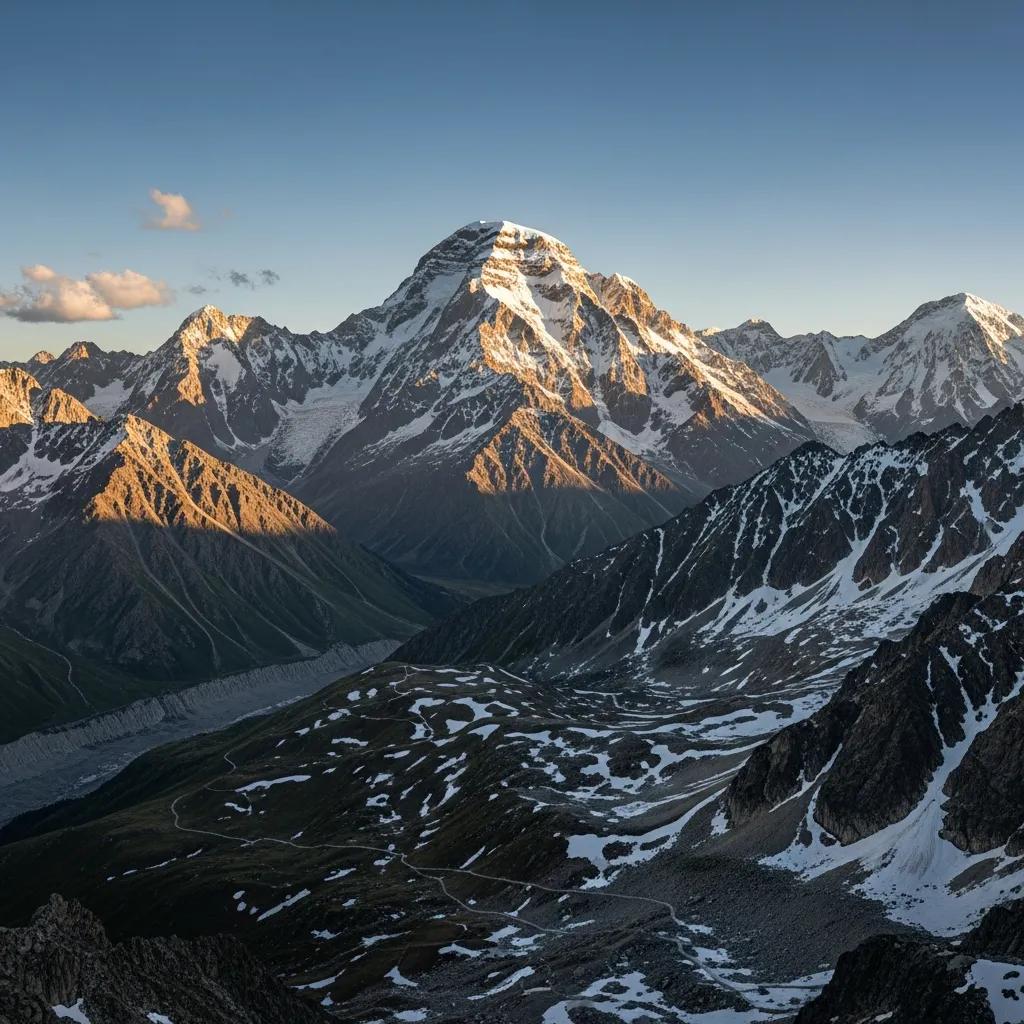
Nanga Parbat Routes: Diamir, Rupal, Rakhiot & Mazeno Explained
Nanga Parbat does not have two climbing routes. It has a complicated history of three huge faces, an enormous west-southwest ridge, historical expedition lines, modern variations and new alpine-style routes. The modern supported ascent generally follows the Diamir / Kinshofer system, but that is only one branch of a much larger route atlas.
What is the normal route on Nanga Parbat?
For a modern supported expedition, the answer is generally the Diamir Face / Kinshofer system. It is the line used by most commercial and supported teams.
But “the Kinshofer Route” is not a perfectly simple historical label. The 1962 second ascent established the first successful line on the Diamir side, and modern route diagrams commonly call that line and its present-day variation Kinshofer. Older mountaineering records, however, have used the name differently.
The Rupal Face is not one route. It contains the 1970 Messner Route, the Schell Route, the Anderson–House Central Pillar and other major lines.
The Rakhiot side holds Hermann Buhl’s historic 1953 first-ascent route, while the Mazeno Ridge is one of the longest and most serious ridge objectives ever completed on an 8,000-meter mountain.
The normal route used by most contemporary expeditions.
The 1953 route from the north/east side.
Several independent major routes—not one line.
Completed in full for the first time in 2012.
Nanga Parbat’s major climbing routes
This is not intended as an exhaustive list of every variant or attempt. It is the working atlas of the lines that matter most historically and for understanding the mountain today.
| Route / line | Aspect | First complete ascent | Character | Modern role |
|---|---|---|---|---|
| Diamir / modern Kinshofer system | West / northwest | Developed from the successful Diamir line of the 1960s; modern line uses variants | Mixed rock, ice, glacier and upper snow | Normal supported route |
| Rakhiot / Buhl Route | North / east-ridge system | 1953 | Long, complex historic route | Rarely used now |
| Messner Route | Rupal | 1970 | Huge south-southeast spur / face line | Elite objective; very rarely repeated |
| Schell Route | Rupal → Mazeno → Diamir | 1976 | Traversing route crossing onto upper mountain | Rare alpine expedition line |
| Messner Solo Route | Diamir | 1978 | Independent solo line | Historic alpine benchmark |
| Anderson–House Central Pillar | Rupal | 2005 | Direct technical alpine-style line | Elite technical benchmark |
| Mazeno Ridge | West-southwest ridge | 2012 | Extremely long high-altitude ridge traverse | Rare expedition-scale alpine objective |
| Aosta Valley Express | Diamir | 2022 | Technical lower variation to Kinshofer | Modern variation / speed-climbing history |
| Nezabudka | Northwest / Diamir | 2025 | New alpine-style line | Major modern new-route achievement |

The modern normal route lives on this side of the mountain.
The supported Kinshofer system crosses glacier terrain, steep mixed ground and a shifting high-camp network before reaching the broad upper mountain. The details are not frozen: route fixing, camp sites and the exact line change with conditions.
Diamir / Kinshofer route system
This is the route system most climbers mean today when they talk about climbing Nanga Parbat by the normal route.
Glacier + mixed barrier
Climbers leave the Diamir base area and move through glacier terrain toward the lower technical wall. Contemporary expeditions typically fix the major technical sections.
Kinshofer / Löw terrain
Historical accounts describe steep ice, difficult rock and major rope fixing on the lower mountain. The modern route uses this general barrier but exact lines and names vary between sources.
Bazhin terrain + summit slopes
Above the lower mixed climbing, the character changes toward high-altitude snow, wind exposure, avalanche terrain and a long summit-and-descent commitment.
Was this helpful?
🏔Related peaks nearby
🧭Explore & compare
Global Summit Guide is an independent mountaineering resource founded in 2026. The team combines first-hand trekking and climbing experience with in-depth research and professional health and nutrition review to help climbers choose objectives, prepare properly, and stay safe.
Health, altitude, and nutrition content is reviewed by Taylor Ludlow (Registered Nurse) and Brigg Hoopes (Nutritionist).
What We Don't Know Yet
Mountain information changes quickly. This box explains the limits of what this page can responsibly promise.
- Route conditions, trailhead access, crevasse exposure, stream crossings, and rescue access may vary from published planning guidance.
- Route conditions, snowpack, closures, and weather can change quickly after this page is updated.
- Permit rules, fees, quotas, and reservation windows may change between review cycles.
- Operator availability, pricing, guide ratios, and cancellation terms can change by season.
- Your fitness, altitude response, risk tolerance, and experience level may change what is safe or realistic.
Verify current conditions with official land managers, guide services, local forecasts, and current route reports before booking or climbing.
Mountaineering, rock and ice climbing, glacier travel, and high-altitude activity are inherently dangerous and can result in serious injury or death. The information on Global Summit Guide is provided for general informational and educational purposes only and is not a substitute for professional instruction, qualified guiding, proper equipment, or your own judgment and experience.
Route conditions, weather, snowpack, permits, regulations, and hazards change constantly and may differ from what is described here. Details may be incomplete, out of date, or contain errors. Always verify current information with local authorities, certified guides, and official sources before making any decision in the mountains.
Nothing on this site is medical, legal, or financial advice. Our fitness, acclimatization, altitude, and nutrition content is general in nature; consult a qualified physician before beginning any strenuous exercise program or exposing yourself to high altitude.
You are solely responsible for your own safety and decisions. To the fullest extent permitted by law, Global Summit Guide and its team accept no liability for any loss, injury, damage, or expense arising from use of, or reliance on, this information. By using this site you acknowledge these risks and accept these terms.
Some links on this site may be affiliate links. If you buy through them we may earn a small commission at no extra cost to you; this never affects our recommendations.
Global Summit Guide recommendation path
Next Best Mountain to Research
Use these recommendations to continue the right planning path instead of stopping on one page.
Use current permit, weather, route, and operator information before booking or climbing.
Explore Travel Options for Your Destination
Once your mountain, dates and route are taking shape, compare flights, hotels and other travel options that fit the trip.
Affiliate link. We may earn a commission at no additional cost to you.