Camino de Santiago Packing List: What to Carry and Leave Behind
Walk lighter and finish stronger. A practical Camino packing guide for the Frances, Portugues, Norte, Primitivo and Ingles, with a print-ready checklist, real gear comparisons and no unnecessary mountaineering equipment.

Carry one walking system, one dry system and almost nothing else.
For pilgrims staying in albergues or guesthouses, start with broken-in shoes, a fitted pack, two or three sets of clothing, a waterproof shell, foot care, basic sleep and wash items, water, documents and your phone. Spain Tourism recommends an ergonomic 35-40 L pack and keeping loads around 7 kg and no more than 10% of bodyweight. That is guidance, not a prescription for every traveler.
Footwear first
Walk for several training weeks in the exact shoes and socks you plan to use. Foot comfort outranks brand and waterproof labels.
Protect a dry set
Keep your sleeping clothes and socks dry inside a pack liner or dry bag, even when your outer pack cover leaks.
Remove duplicates
Daily town access and laundry make spare jackets, technical hardware, bulky toiletries and a camp kitchen unnecessary for most hosteled Caminos.
Scope: This is a walking-pilgrimage packing list, not a winter mountain-crossing or unsupported camping kit. Winter route closures, mountain snow, and individual medical needs require a different plan.

Fit matters more than a featured product.
Trail runners suit many pilgrims, while walking shoes or lighter boots may be more comfortable on wet or uneven stretches. If you are new to zero-drop footwear, transition slowly instead of introducing it on departure day. Choose a pack after loading all essentials, with enough room for water and rain protection.
A 30-35 L pack is efficient for compact clothing and albergue travel. A fitted 35-40 L pack can be more forgiving for cool-season layers. Use luggage transport if needed rather than forcing yourself to carry painful loads.
Explore hiking footwearTrekking pole techniqueSix decisions to make before buying more.
Test a full walking day
Wear the exact shoes, socks and backpack during a 15-25 km training walk. Check rubbing, pressure and shoulder discomfort before the trip.
Design a three-set clothing rotation
One set worn, one washed or drying, and a small backup. Choose quick-dry fabrics and a single weather-appropriate midlayer.
Waterproof what actually matters
Carry a rain shell plus internal dry protection for sleep clothes, phone and documents. A poncho is optional, not the only rain strategy.
Match your accommodation
Albergues may require a liner or sleeping bag. Private hotels normally provide bedding. Check lodging details before packing a full sleeping system.
Reduce toiletries and electronics
Use travel sizes, a small towel, phone and a compact charger. A large battery bank is optional where reliable overnight charging exists.
Verify route, season and stage logistics
Adjust water capacity, warm layers, poles and rain protection for the specific Camino route, month and expected daily distance.
The same pack does not mean the same priorities.
Camino Frances often emphasizes sun, road mileage and a few major climbs. Camino del Norte and Primitivo put more pressure on waterproofing and traction. Portuguese Coastal may reward breathable footwear; colder months demand insulation and careful accommodation planning.
Not climbing equipment: For standard walking conditions you do not need an axe, harness, climbing rope, crampons or heavy alpine boots. If exposed winter terrain calls for technical kit, reconsider the route and seek specialist local guidance.

Compare useful Camino gear, without overpacking.
These are actual product entries from the approved Backcountry affiliate feed, selected by category fit, not products that GSG claims to have personally field-tested. Buy only what fills a real gap in your own packing system.
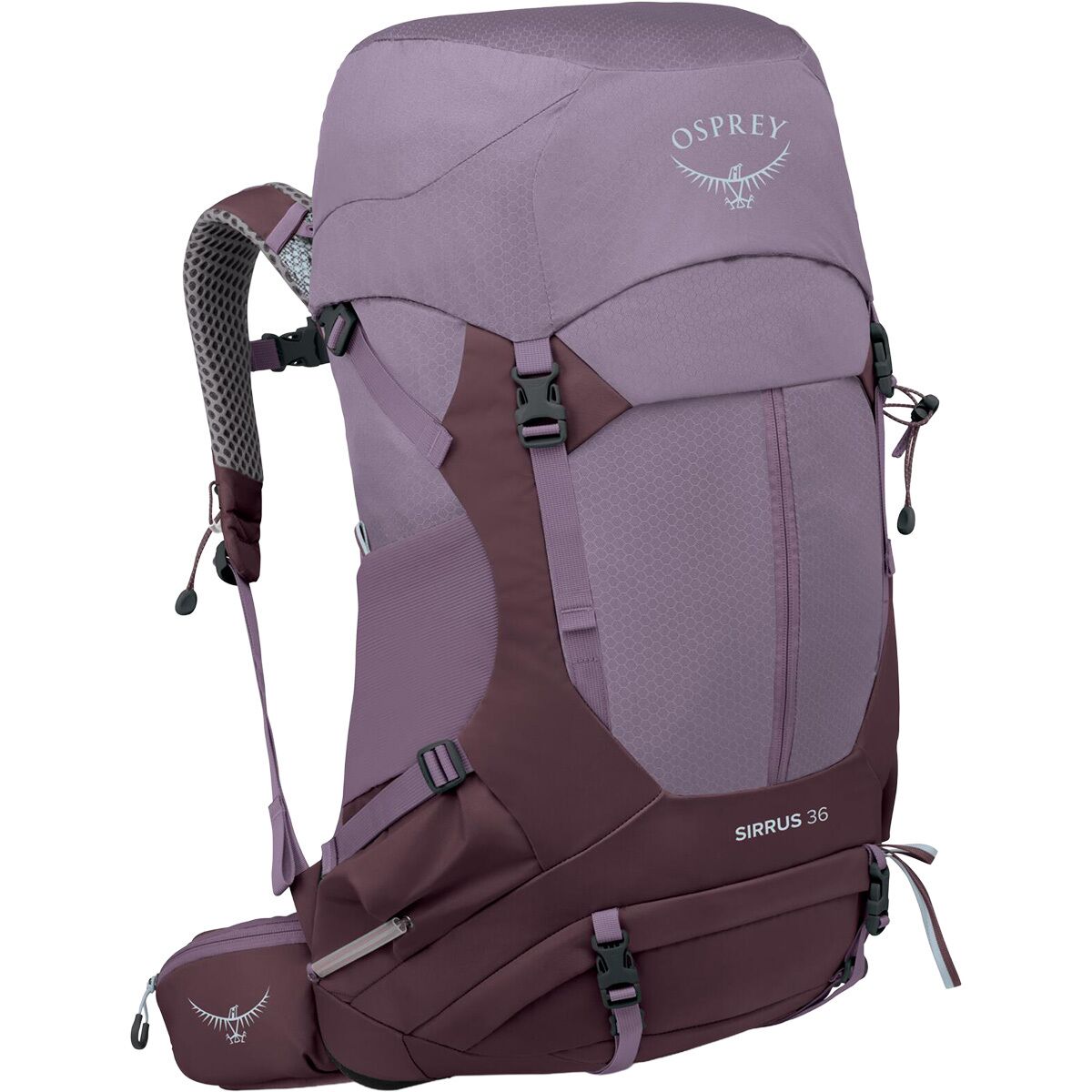
Osprey Packs Sirrus 36L Backpack – Women's Purple Dusk, One Size
Great for pilgrims needing structure and a supportive fit; try loaded before travel.
$239.96
Check at Backcountry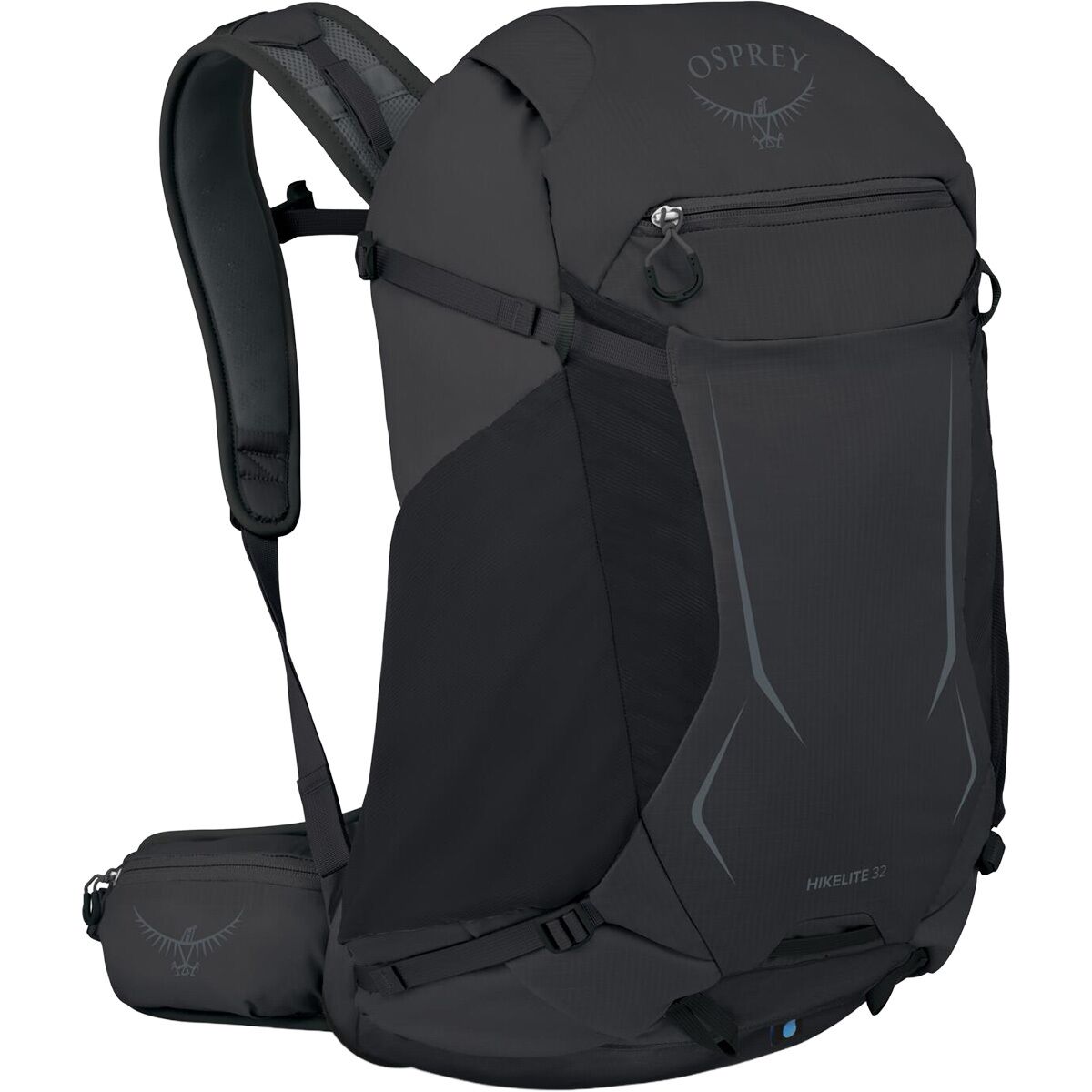
Osprey Packs Hikelite 32L Pack Raven Black, One Size
32L example for travelers with an efficient clothing system.
$175.01
Check at Backcountry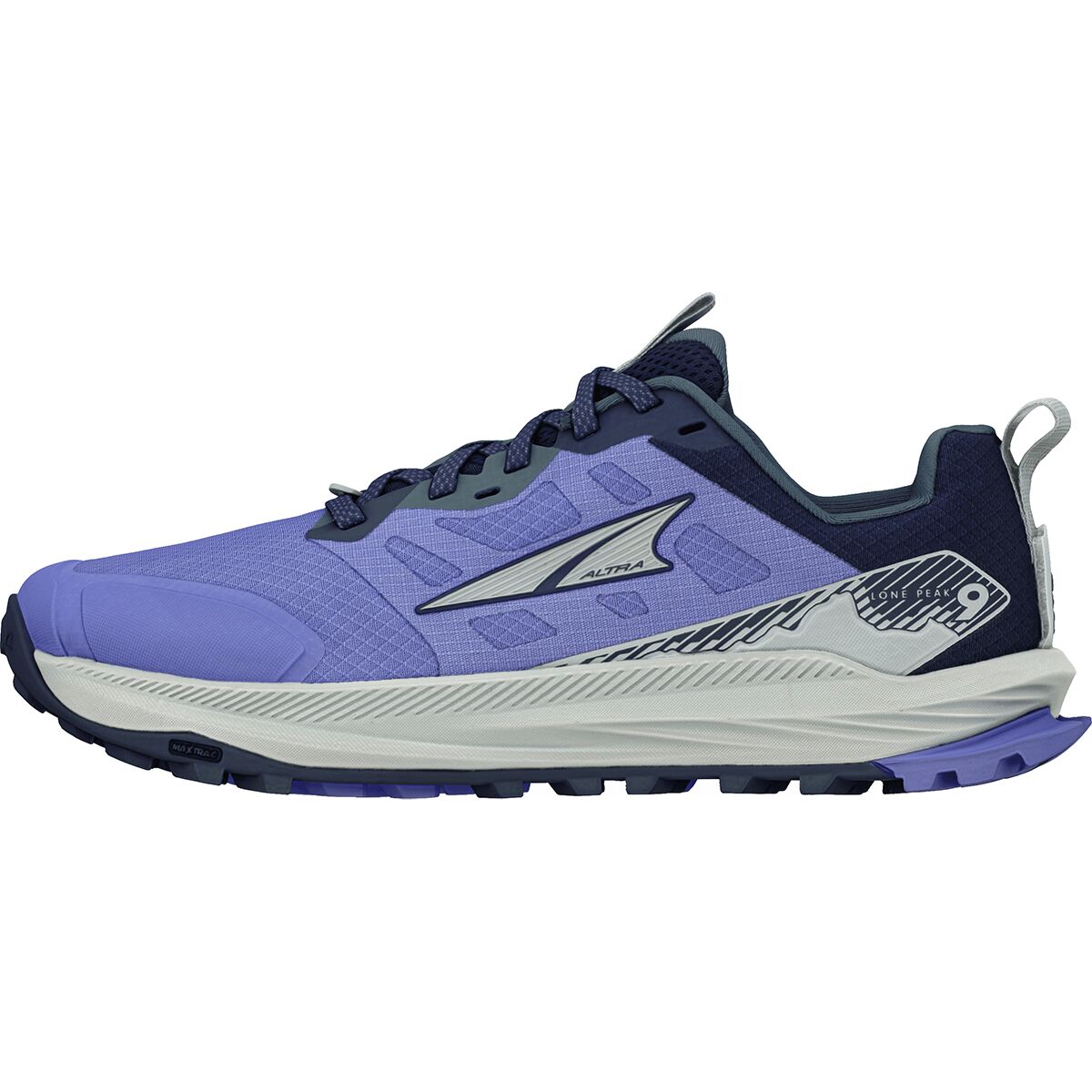
Altra Lone Peak 9 Trail Running Shoe – Women's Dark Blue, 8.0
Wide-feeling forefoot option; transition gradually to zero-drop footwear.
$144.95
Check at Backcountry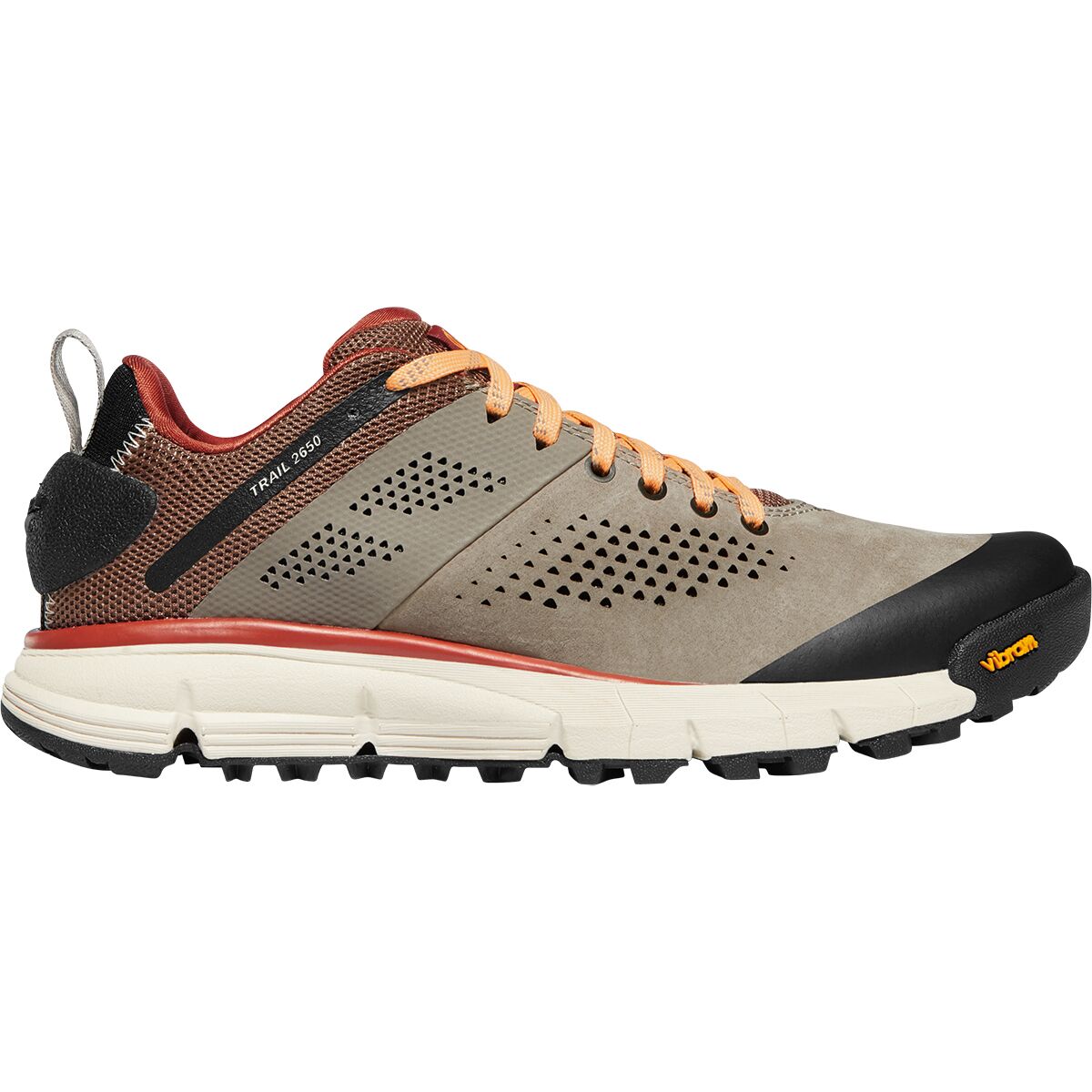
Danner Trail 2650 Hiking Shoe – Women's Desert Taupe/Picante, 7.0
Structured walking-shoe alternative for varied Camino surfaces.
$132.96
Check at Backcountry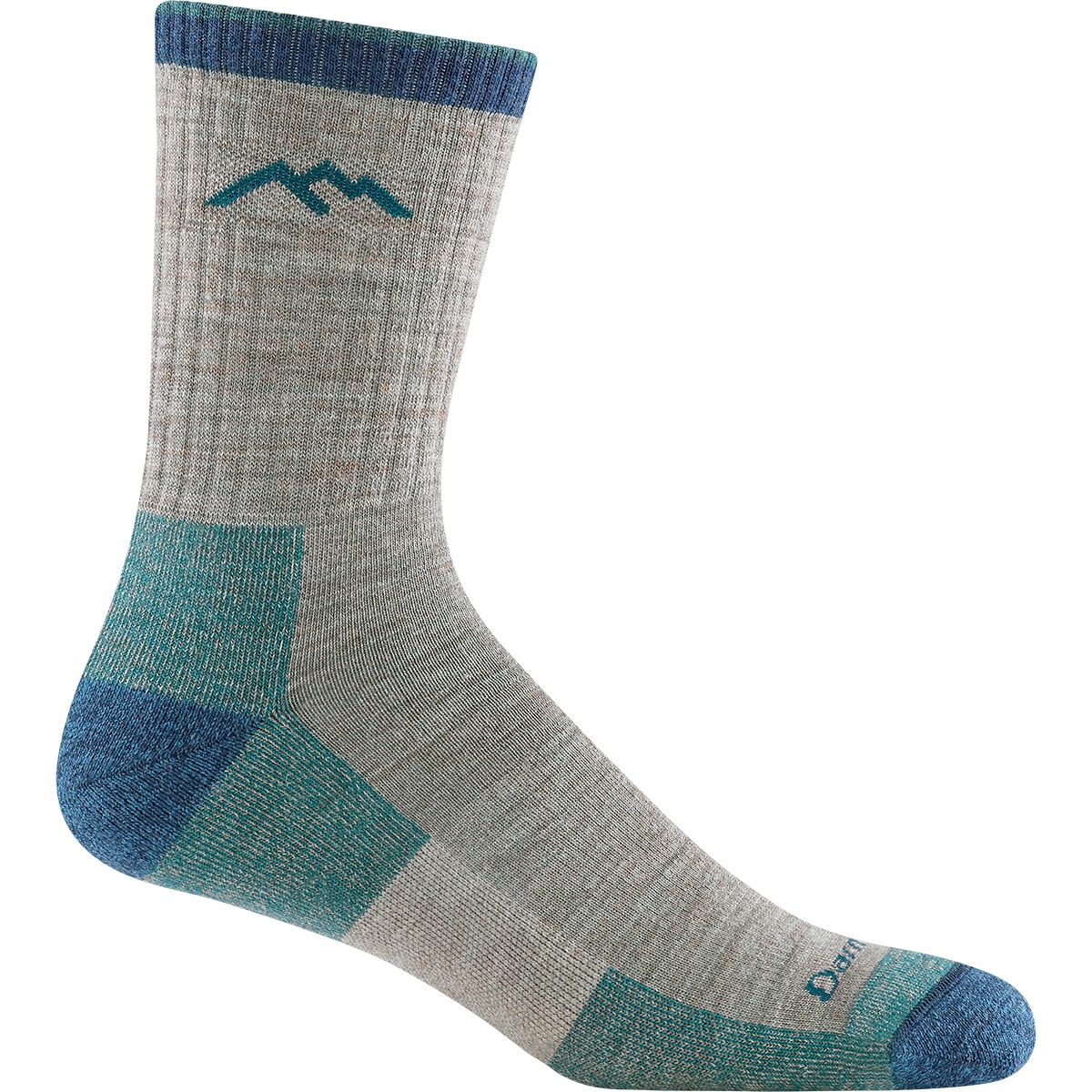
Darn Tough Hiker Micro Crew Cushion Sock Rye, M
Test sock thickness with your actual walking shoes.
$25.96
Check at Backcountry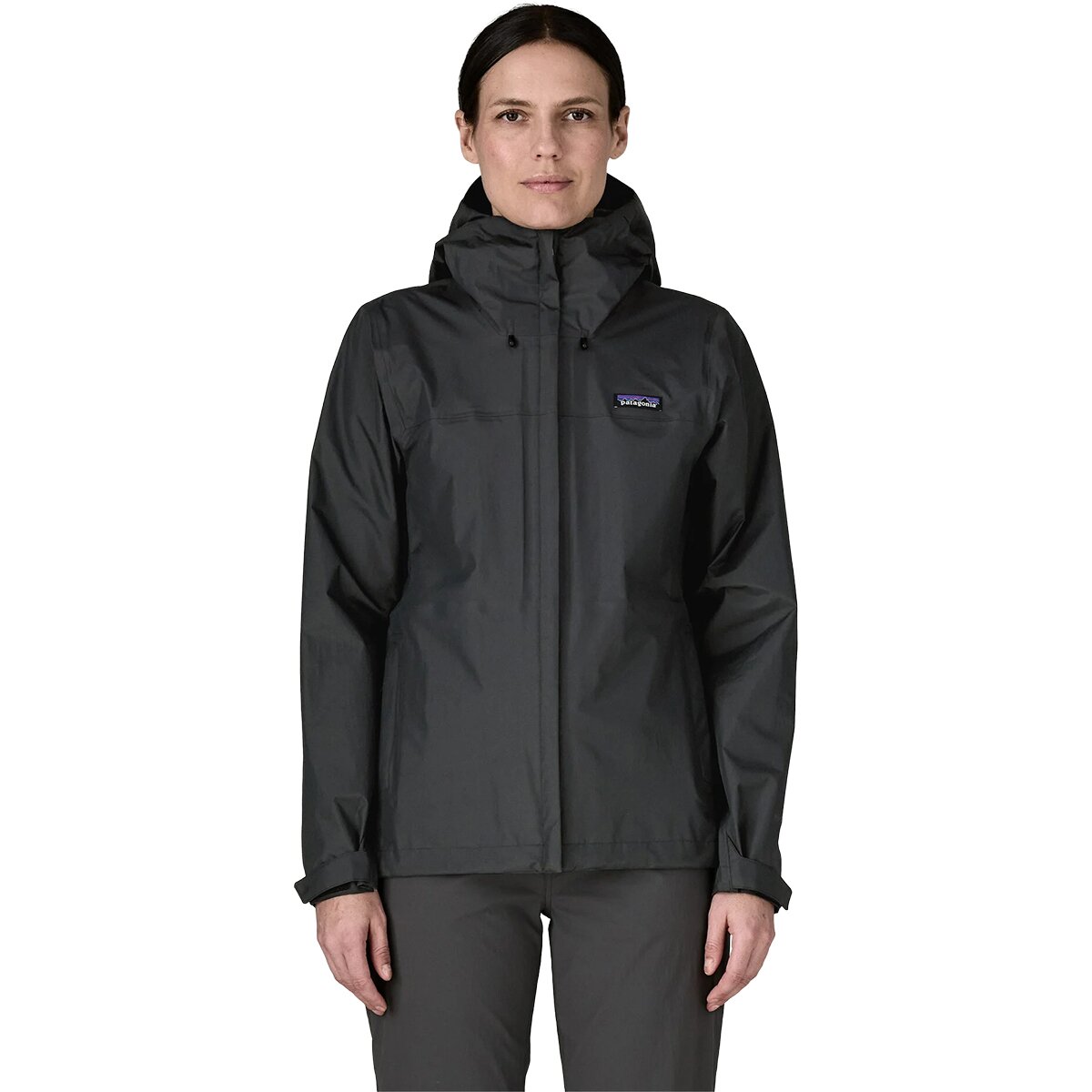
Patagonia Torrentshell 3L Jacket – Women's Black, L
A shell remains useful on warm-weather walks when storms arrive.
$189.01
Check at Backcountry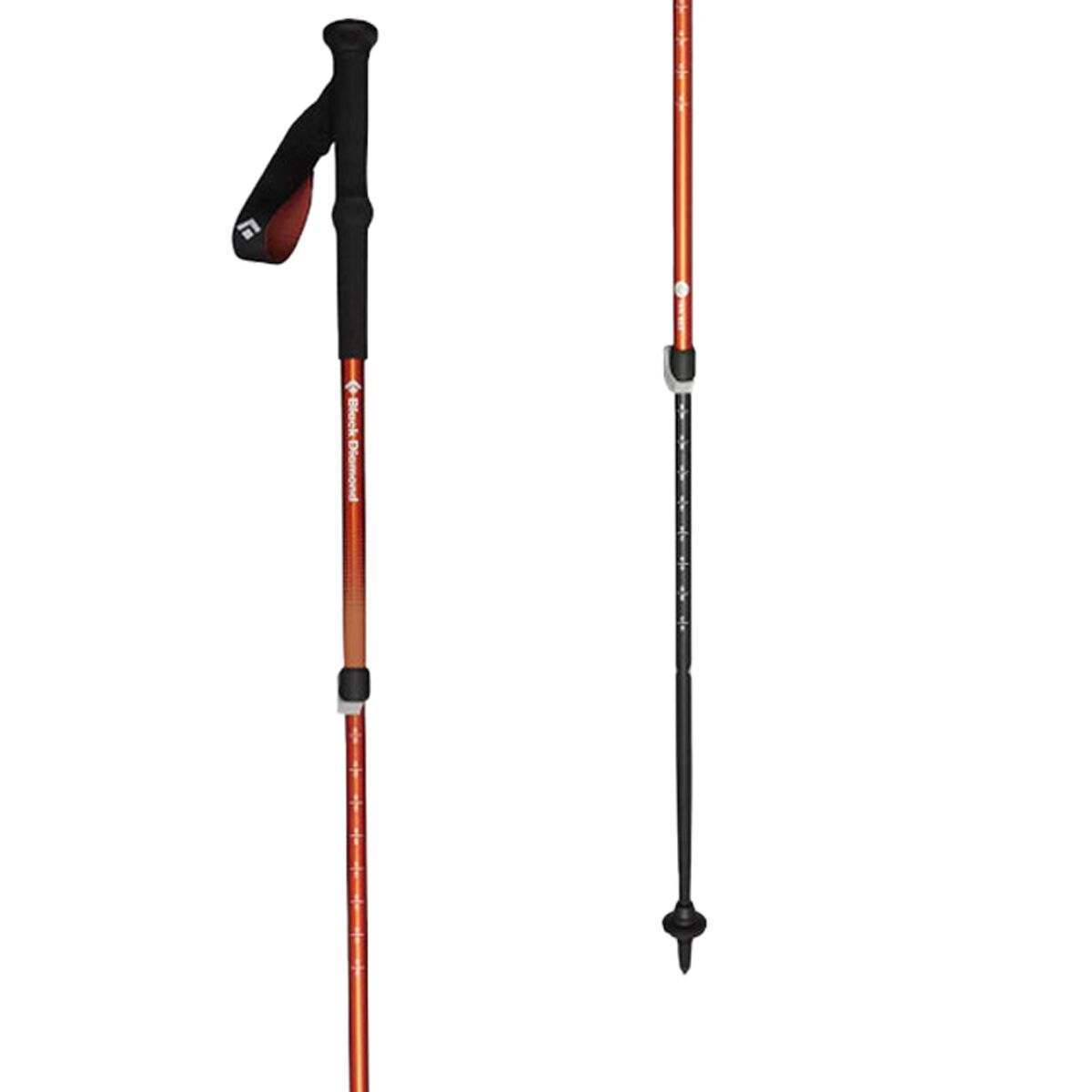
Black Diamond Trail Back Trekking Poles Burnt Sienna, One Size
Adjustable poles for long descents and rougher routes.
$99.96
Check at Backcountry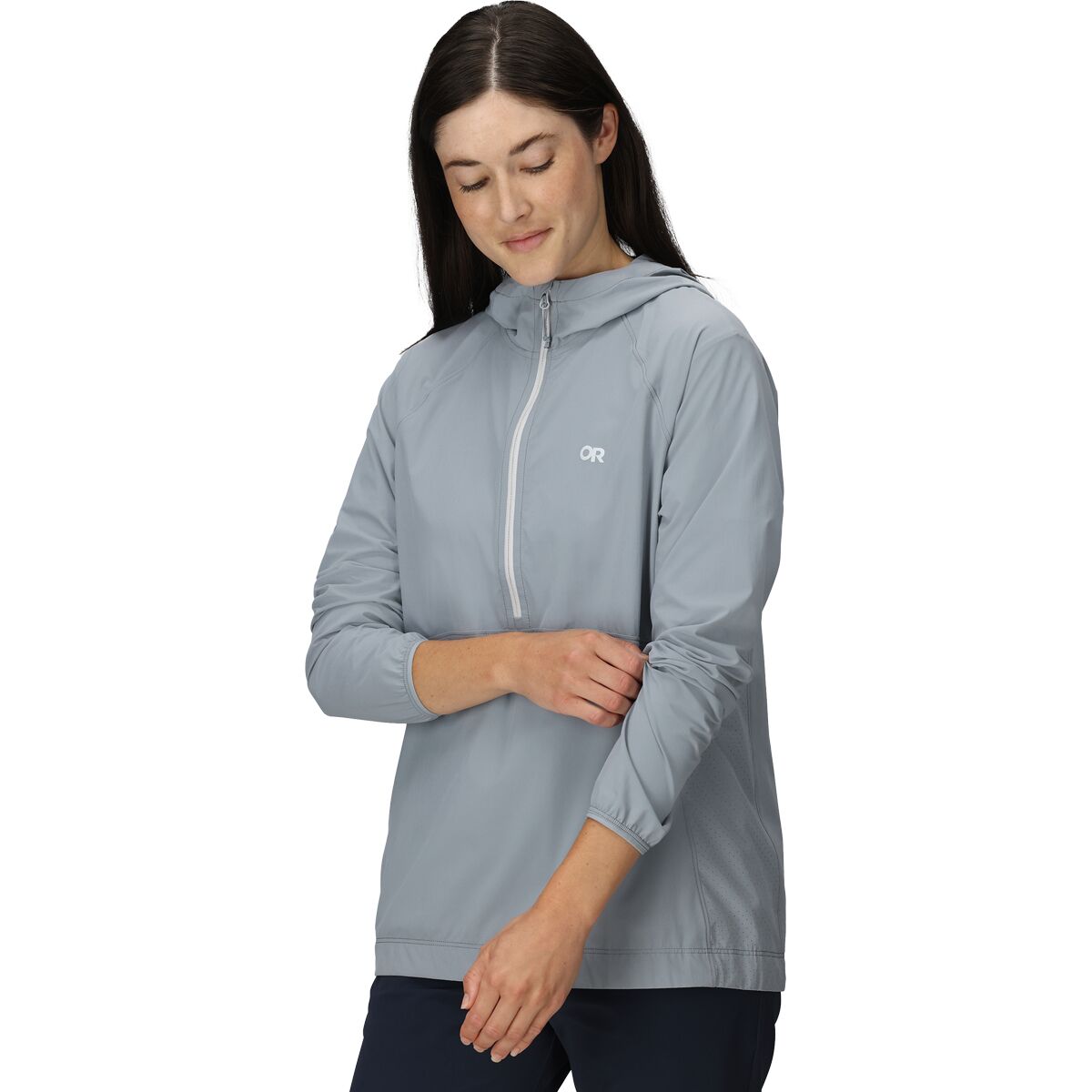
Outdoor Research Astroman Air Sun Hoodie – Women's Slate, L
A breathable alternative for exposed, sunny stages.
$114.96
Check at Backcountry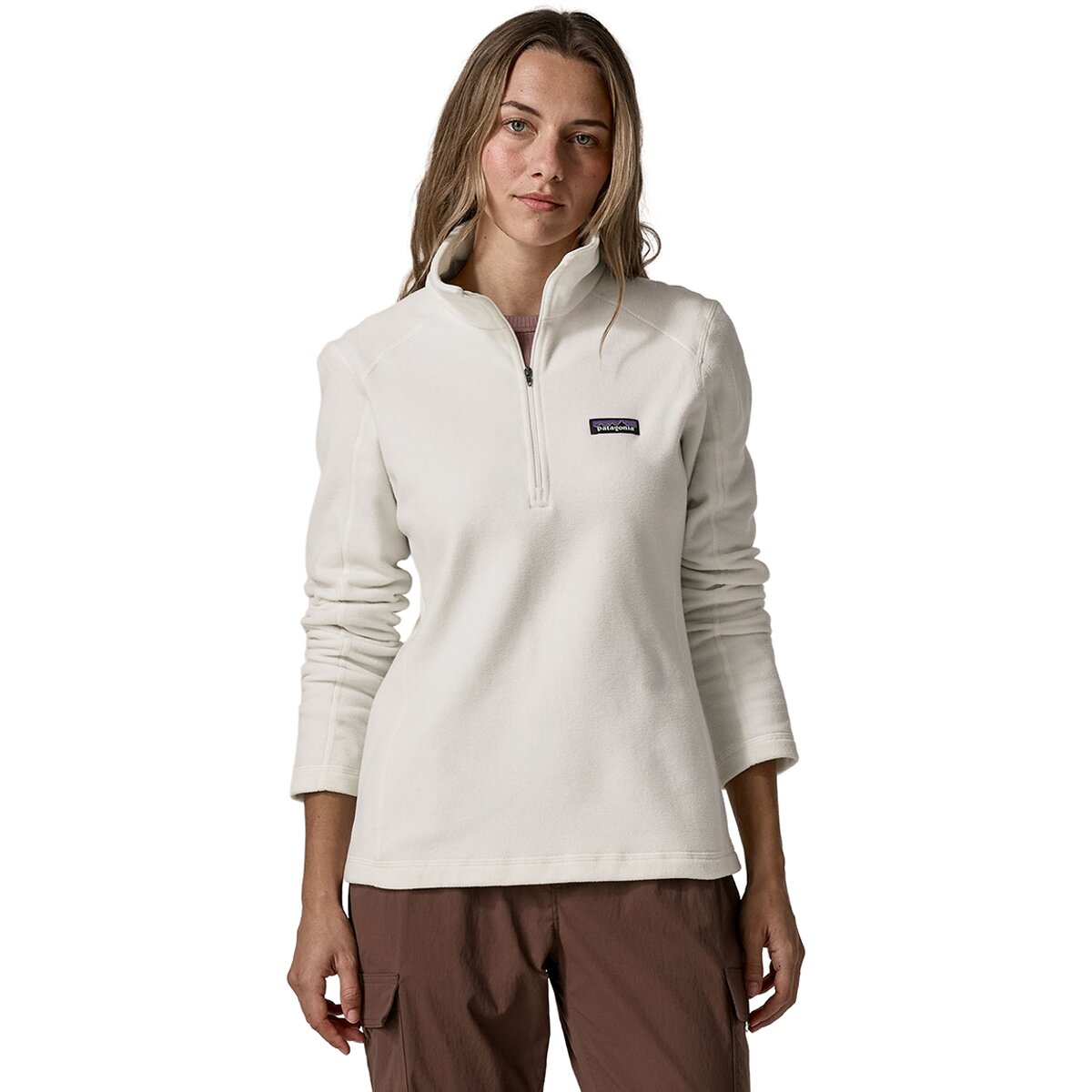
Patagonia Micro D 1/4-Zip Fleece Pullover – Women's Birch White, M
Simple light insulation for morning departures and cool evenings.
$79.01
Check at Backcountry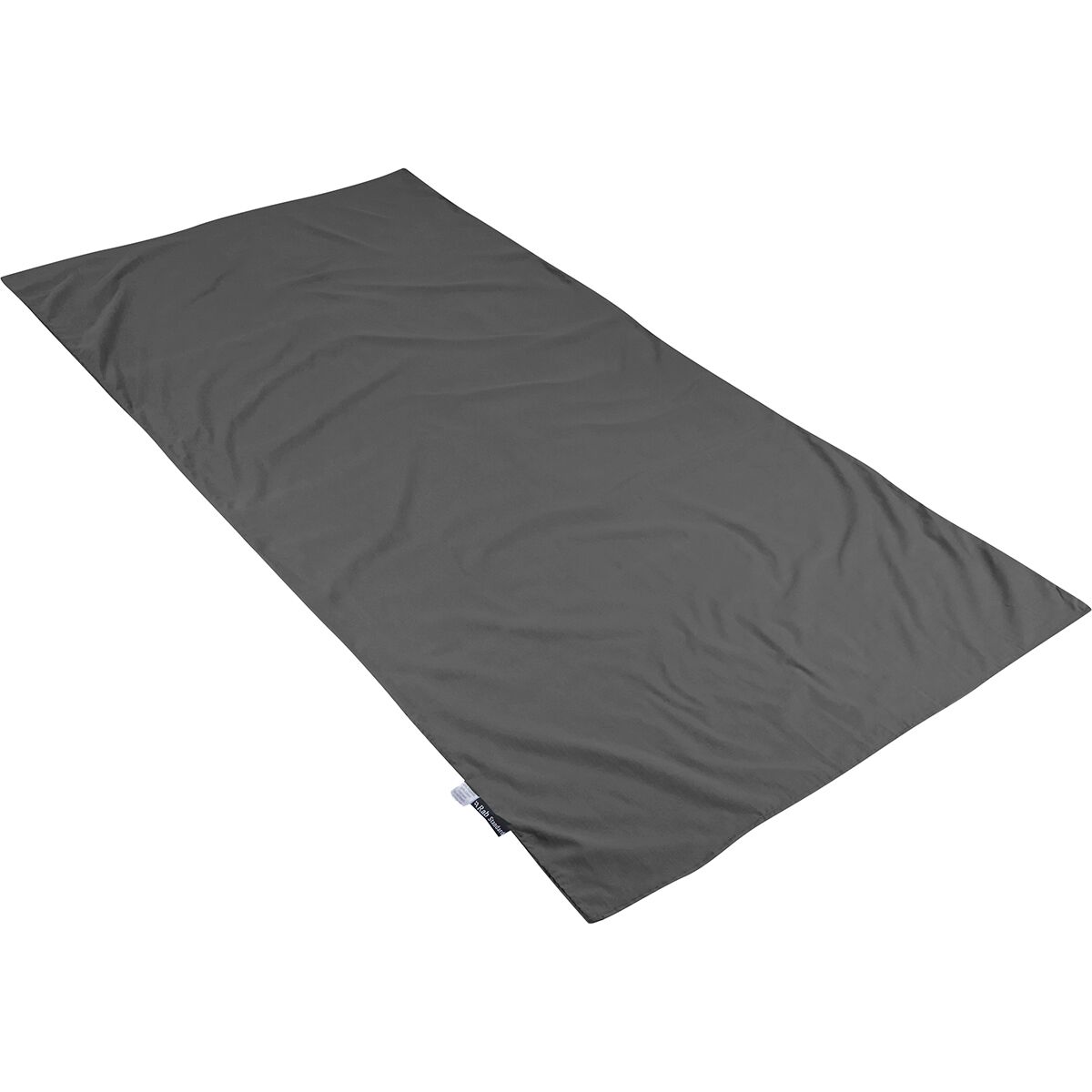
Rab Poly-Cotton Sleeping Bag Liner Slate, One Size
Light sleep barrier; verify whether your hostel requires a bag.
$30.00
Check at Backcountry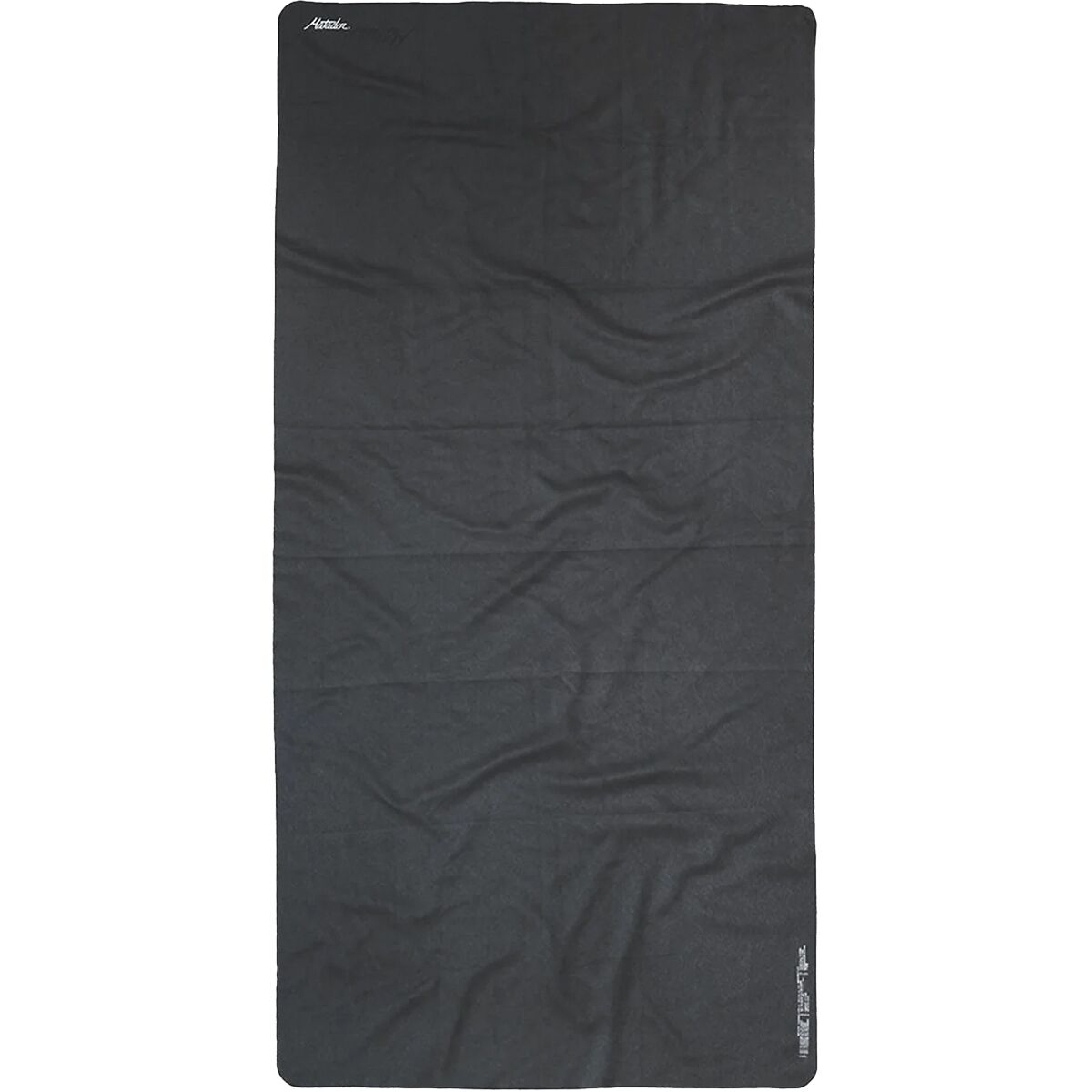
Matador Ultralight Travel Towel Charcoal, Large
Faster-drying and more compact than a cotton bath towel.
$39.00
Check at Backcountry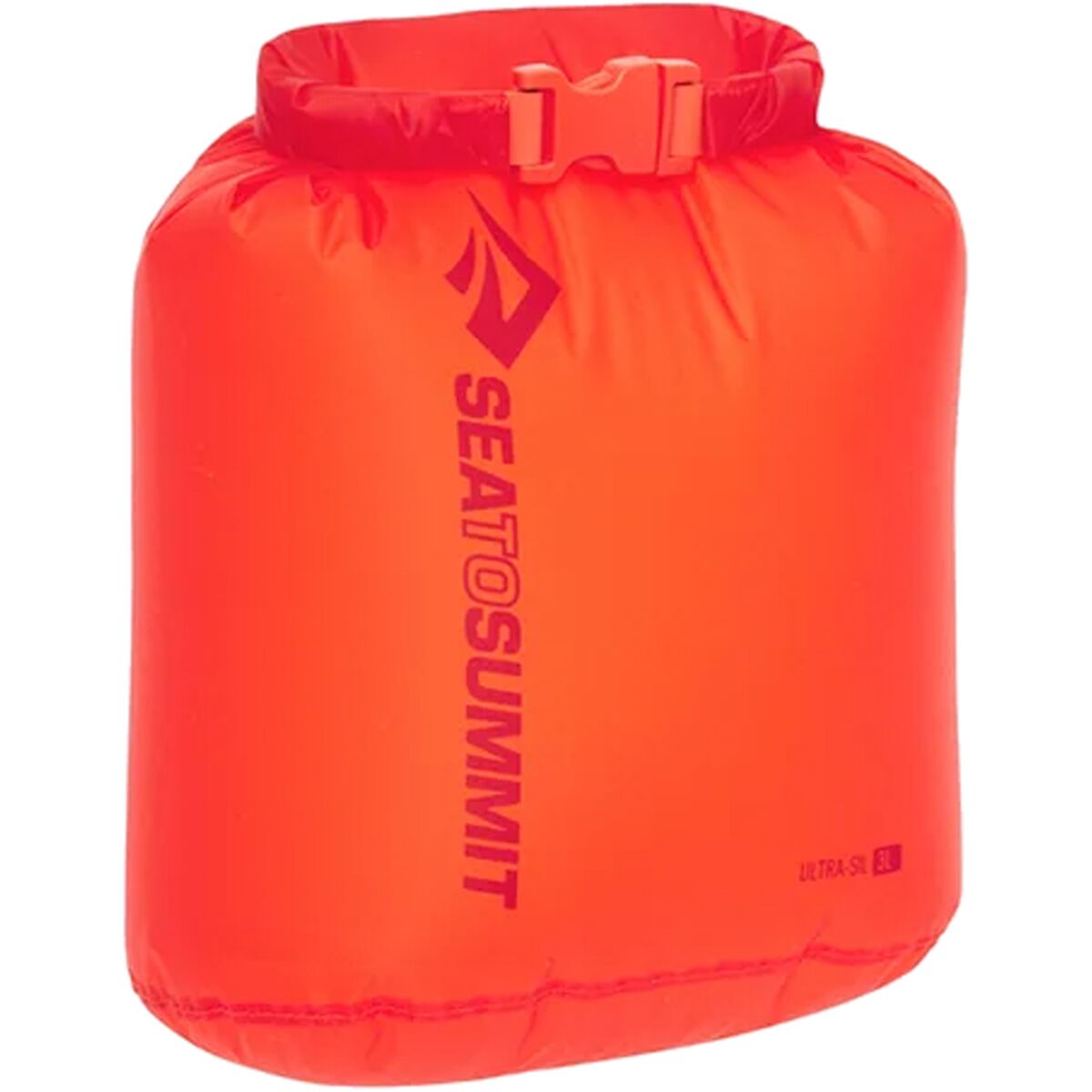
Sea To Summit Ultra-Sil Dry Bag Spicy Orange, 8L
Protect the one set of clothing that must stay dry.
$29.96
Check at Backcountry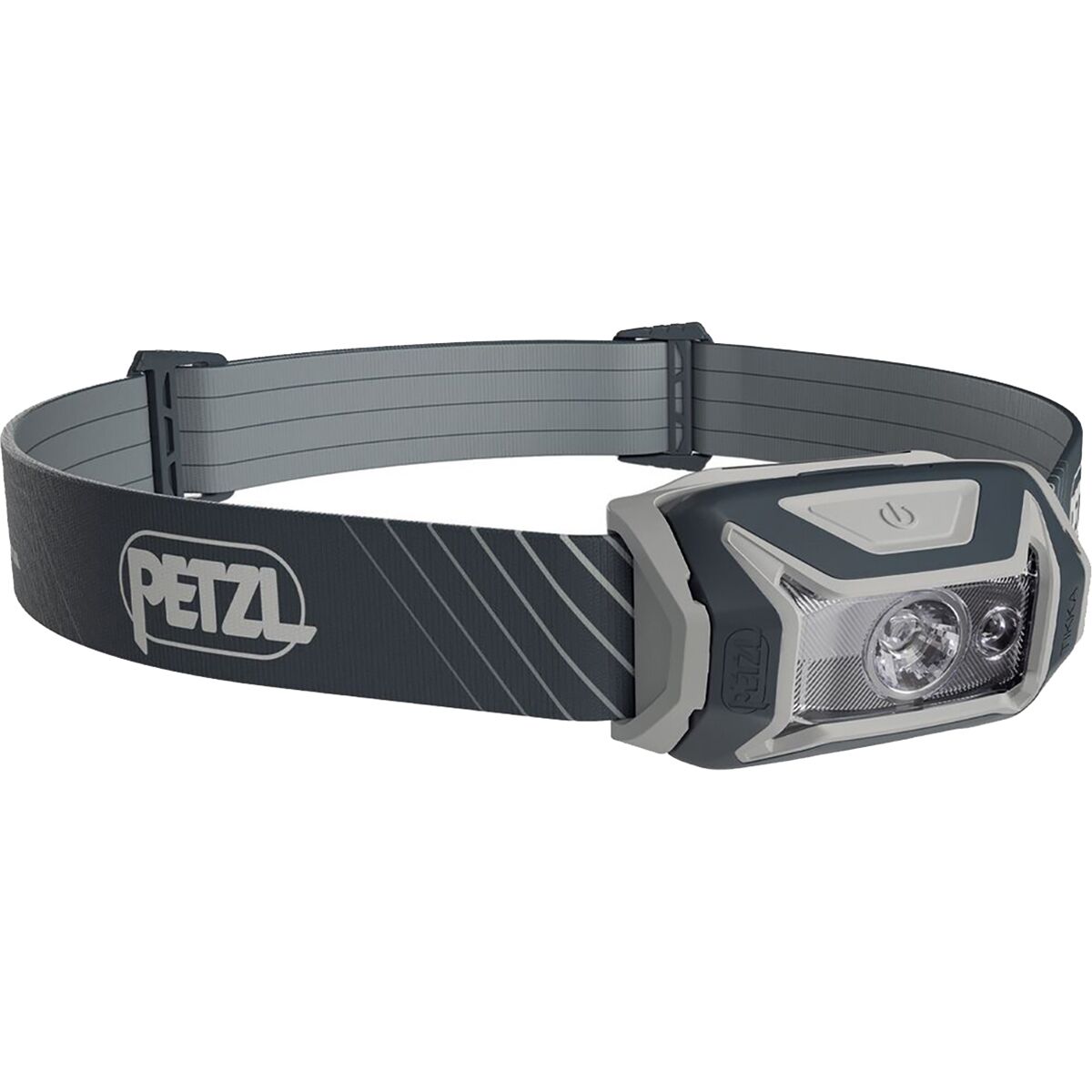
Petzl Tikka Core Headlamp Black, One Size
Useful for hostel bunkrooms or low-light starts; avoid unnecessary predawn walking.
$62.96
Check at Backcountry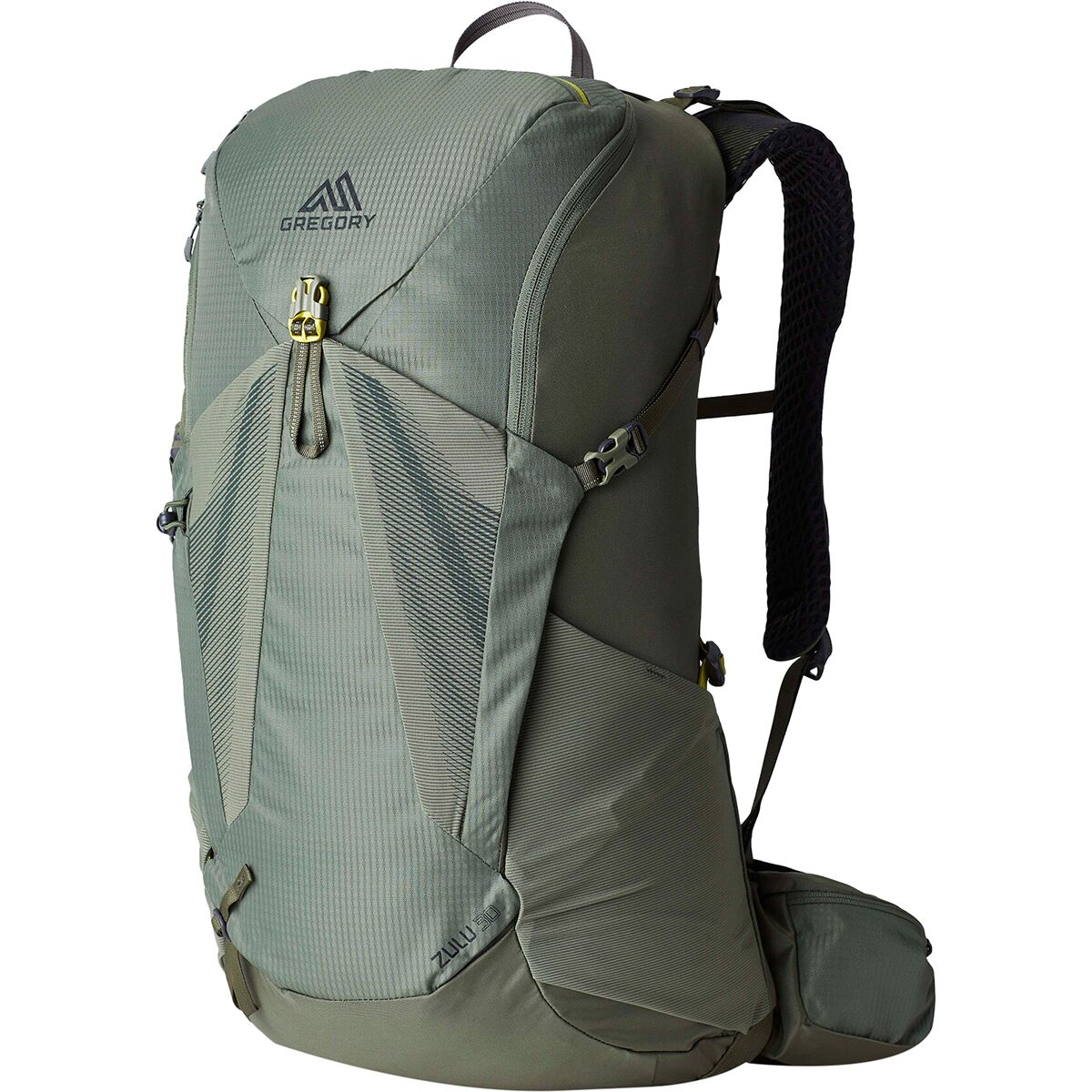
Gregory Zulu 30L Backpack Forage Green, M/L
A 30L option, but fit should dictate the decision.
$199.96
Check at BackcountryAffiliate disclosure: These are tracked Backcountry affiliate links; Global Summit Guide may earn a commission without additional cost to you. Prices and availability are November 10, 2026 feed snapshots, not live checkout guarantees. Read our affiliate disclosure.

Pack for laundry, not for the total number of walking days.
Most albergue-based pilgrims can rotate two or three tops, two walking bottoms or a walking and town option, three pairs of socks, three underwear sets, a rain shell and a small midlayer. Use a reliable wash-and-dry routine and avoid cotton items that stay wet.
For warm-season Camino Portugues, a light sun layer may outperform heavy fleece; for March or November Francés, warmer insulation and rain pants may be justified. Never remove medical necessities merely to hit an arbitrary pack-weight target.
Pack for a bunk, shower and washing line.
Use light recovery sandals, a compact towel, earplugs, small soap, clothes pegs, a sleeping liner or light bag as your actual accommodation requires, and a waterproof credential pouch. A tent, stove, large sleeping pad and heavy sleeping bag usually do not belong on a normal hosteled Camino.
Accommodation matters: Confirm the current hostel bedding policy. Some provide blankets, some expect a bag, and winter options may differ. Do not treat a lightweight liner as universally warm enough.

Make small changes, not a whole new gear list.
| Camino route | Primary packing emphasis | Common mistake |
|---|---|---|
| Frances | Sun protection, dry-sock rotation, poles for mountain sections | Packing five weeks of clothes |
| Portugues / Coastal | Cushioned road-walking shoes, shell, quick-dry layers | Overly stiff boots |
| Norte | Durable rain system, poles, accessible warmer layer | Assuming summer means dry |
| Primitivo | Hills, traction, poles, wet-weather protection | Buying alpine hardware for a walking route |
| Ingles | Small lightweight pack, rain shell, easy laundry | Packing like a month-long trip |
| Season | Adjustments | Verify before departure |
|---|---|---|
| December-February | Warm hat, gloves, insulating layer, reliable waterproofing | Winter hazards, closures and lodging availability |
| March-May | Light fleece, rain shell, cooler-weather sleep kit | Mountain-stage conditions and rainfall |
| June-August | Breathable shoes, sun protection, variable water capacity | Heat, exposure, accommodation demand |
| September-November | Add warmer and rain-ready layers as temperatures fall | Daylight hours, weather and hostel schedules |

Leave heavy gear behind without sacrificing essentials.
Nontechnical Camino pilgrims usually can skip expedition boots, tents, stoves, technical climbing equipment, thick cotton towels, multiple spare jackets, oversized chargers and more clothing than a simple laundry system requires.
Do not skip prescription medication, personally needed accessibility gear, documents, first aid, adequate water or weather protection merely to reach an arbitrary number. The right kit is the lightest appropriate kit.
Rent vs buy decisionsFoot care, navigation and documentation deserve accessible pockets.
Keep your credential, ID, card, cash and phone in a dry pouch, plus blister supplies you know how to use. Download offline route information, carry an emergency contact, and note the local emergency number. Use sufficient water capacity for the day, particularly on hot or less serviced stages.
In Spain, 112 is the general emergency number. Pack personal medications in accessible, labeled containers and carry relevant prescription information when crossing borders.

52-item Camino packing checklist
Check what you have packed, then print this section from the page. Optional and season-dependent items can be crossed out. The browser print dialog can also save the checklist as a PDF without downloading a separate file from GSG.
If WordPress disables on-page scripts, use your browser Print function (Ctrl+P / Command+P) and select these checklist pages.
Worn on walking days (8)
Packed clothing and rain (9)
Albergue and laundry (9)
Feet, first aid and safety (9)
Food, water, technology (8)
Documents and logistics (9)

Let the Camino shape the plan.
A small, tested kit leaves more attention for walking, people, landscape and the purpose of the journey. Confirm the route, accommodation, training, expected weather and credential requirements before setting out.
Explore pilgrimage guidesCompare long-distance walking gearQuick answers before you pack
What size backpack is best for the Camino de Santiago?
For most pilgrims staying in albergues or guesthouses, about 30-40 liters is practical. Choose by fit and actual packed volume rather than by a universal number.
How much should a Camino backpack weigh?
Spain Tourism recommends about 7 kg or less and no more than 10% of bodyweight. A 5-7 kg dry-gear target is a practical planning goal, but personal necessities and conditions come first.
Are trail runners or hiking boots better for the Camino?
Both can work. Broken-in trail runners and walking shoes suit many pilgrims, while lightweight boots can offer preferred support in wet or uneven conditions. Never start in untested footwear.
How many changes of clothes should I bring?
Two or three sets work well when you wash and dry items regularly. A spare dry sleep set is especially valuable in persistent rain.
Do I need a sleeping bag on the Camino?
Some albergues expect a sleeping bag, while others provide bedding or allow a liner in warm conditions. Verify the specific accommodation and season.
Do I need trekking poles on the Camino?
Not necessarily. They are helpful for long descents and hillier routes such as the Norte and Primitivo, particularly for pilgrims who already use them comfortably.
Should I pack a tent for the Camino?
Not for a typical hostel-based walk. A camping itinerary is a different trip and needs separate planning for legality, safety, shelter and overnight equipment.
What rain gear should I take?
A waterproof shell and internal pack liner are sound defaults. A poncho, rain pants or rain skirt may add comfort on wetter routes and seasons.
What is the most commonly overpacked item?
Extra clothing and bulky toiletries are frequent sources of unnecessary weight. Laundry access makes a small rotation more useful than a shirt for every day.
What documents do I need for the Camino?
Bring valid identification, your pilgrim credential, payment methods, relevant health and insurance information, and travel or lodging records appropriate to your route.
Next guides for a lighter, better Camino
How this packing guide was prepared
Our checklist retains the established GSG advice on light packs, clothing rotation, albergue logistics and route-specific needs. We checked pack size, luggage guidance and footwear against Spain Tourism and the Xunta de Galicia. Recommendations are general planning advice and do not replace local weather, access and accommodation checks. Products are catalog-selected examples, not field-tested awards. Updated November 10, 2026. For quotations, image attribution and licensing, see GSG media resources.