
Last updated March 17, 2026
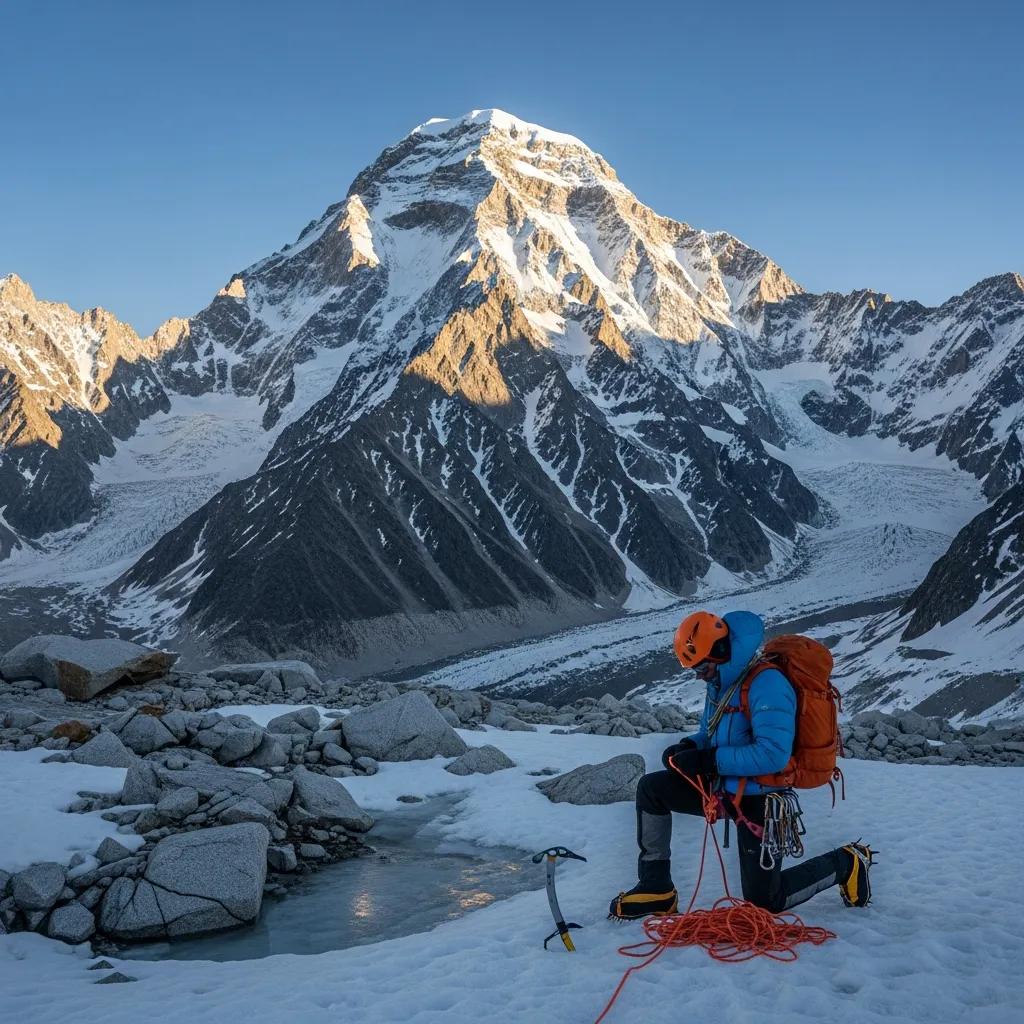
Nanga Parbat Training Plan: Comprehensive Preparation for Pakistan’s Killer Mountain Expedition
Climbing Nanga Parbat, known as Pakistan’s killer mountain, presents unique challenges that require meticulous preparation. This article delves into the essential training plan needed to tackle the physiological and environmental hurdles climbers face at high altitudes. Readers will learn about the physiological challenges of high altitude, the importance of acclimatization, and effective training regimens tailored for extreme conditions. As climbers prepare for this daunting expedition, understanding the risks of altitude sickness and the strategies to mitigate them becomes crucial. This guide will cover the physiological challenges, acclimatization strategies, training regimens, nutrition, gear selection, and safety protocols necessary for a successful ascent.
What Are the Physiological Challenges of High Altitude on Nanga Parbat?
High altitude presents several physiological challenges that climbers must overcome to succeed on Nanga Parbat. The primary issue is the significantly reduced oxygen levels, which can lead to decreased physical performance and increased fatigue. As climbers ascend, the body struggles to adapt to the lower oxygen availability, resulting in symptoms such as shortness of breath, dizziness, and impaired cognitive function. Additionally, the risk of altitude sickness, including Acute Mountain Sickness (AMS), High Altitude Cerebral Edema (HACE), and High Altitude Pulmonary Edema (HAPE), escalates as elevation increases. Understanding these challenges is vital for climbers to prepare adequately and implement effective strategies to mitigate risks.
How Does Acclimatization Reduce Altitude Sickness Risk on 8000M Peaks?
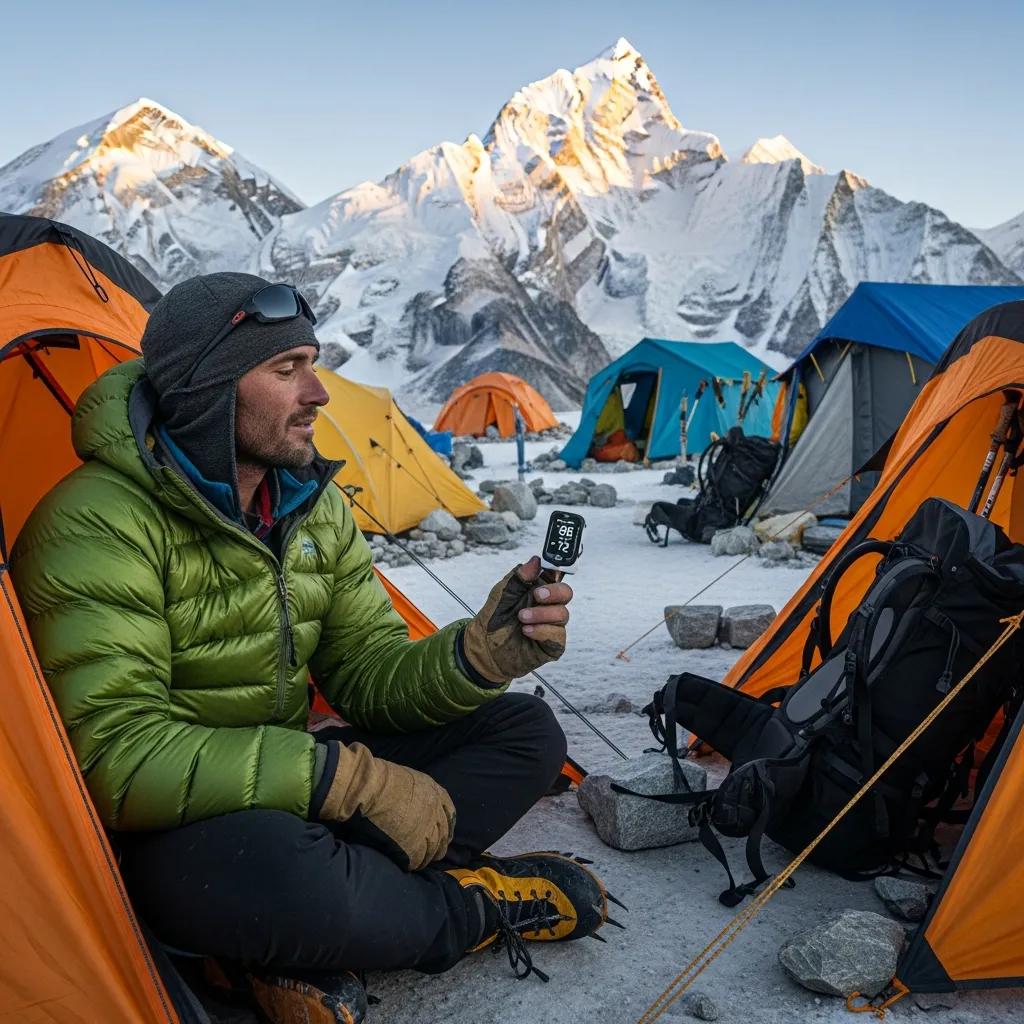
Acclimatization is the process through which the body adjusts to the reduced oxygen levels at high altitudes, significantly lowering the risk of altitude sickness. This adaptation involves a gradual increase in elevation, allowing the body to produce more red blood cells and enhance oxygen transport. Climbers should incorporate rest days into their ascent schedule, which is crucial for effective acclimatization. Symptoms of altitude sickness can manifest if climbers ascend too quickly without allowing their bodies to adjust. By understanding the importance of acclimatization, climbers can better prepare for the challenges posed by Nanga Parbat.
What Are the Key Symptoms and Prevention Strategies for Altitude-Related Illnesses?
Recognizing the symptoms of altitude-related illnesses is essential for climbers on Nanga Parbat. Key symptoms include:
- Acute Mountain Sickness (AMS): Headaches, nausea, and fatigue.
- High Altitude Cerebral Edema (HACE): Severe headaches, confusion, and loss of coordination.
- High Altitude Pulmonary Edema (HAPE): Shortness of breath, cough, and chest tightness.
To prevent these conditions, climbers should: climb K2
- Ascend gradually, allowing for proper acclimatization.
- Stay hydrated and maintain a balanced diet rich in carbohydrates.
- Monitor symptoms closely and descend immediately if severe symptoms occur.
Implementing these strategies can significantly reduce the risk of altitude-related illnesses during the expedition.
Further emphasizing the critical nature of understanding and preventing altitude-related conditions, research highlights the widespread clinical impact and various risk factors associated with high-altitude illnesses.
High-Altitude Illnesses: Physiology, Risk Factors, Prevention
High-altitude illnesses encompass the pulmonary and cerebral syndromes that occur in non-acclimatized individuals after rapid ascent to high altitude. The most common syndrome is acute mountain sickness (AMS) which usually begins within a few hours of ascent and typically consists of headache variably accompanied by loss of appetite, nausea, vomiting, disturbed sleep, fatigue, and dizziness. With millions of travelers journeying to high altitudes every year and sleeping above 2,500 m, acute mountain sickness is a wide-spread clinical condition. Risk factors include home elevation, maximum altitude, sleeping altitude, rate of ascent, latitude, age, gender, physical condition, intensity of exercise, pre-acclimatization, genetic make-up, and pre-existing diseases. At higher altitudes, sleep disturbances may become more profound, mental performance is impaired, and weight loss may occur. If ascent is rapid, acetazolamide can reduce the risk of developing AMS, although a number of h
High-altitude illnesses: physiology, risk factors, prevention, and treatment, 2011
How to Design an Effective High Altitude Mountaineering Training Regimen?
Designing an effective training regimen for high altitude mountaineering involves several key components. Climbers should focus on building both endurance and strength to prepare for the physical demands of Nanga Parbat. A well-rounded training plan includes: mountain collections.
- Aerobic Conditioning: Engage in activities like running, cycling, or swimming to enhance cardiovascular fitness.
- Strength Training: Incorporate weightlifting and bodyweight exercises to build muscle strength, particularly in the legs and core.
- Altitude Training: If possible, train at higher elevations to simulate the conditions of Nanga Parbat.
For climbers seeking additional support, Information Hub offers specialized training programs tailored for high altitude expeditions. These programs focus on acclimatization strategies and physical fitness requirements essential for a successful climb. Nepal trekking
To optimize preparation for such demanding expeditions, contemporary research underscores the importance of a structured and periodized approach to altitude training for elite endurance athletes.
Periodized Altitude Training for Elite Endurance Athletes
Published and field-based data strongly suggest that altitude training in elite endurance athletes should follow a long- and short-term periodized approach, integrating exercise training and recovery manipulation, performance peaking, adaptation monitoring, nutritional approaches, and the use of normobaric hypoxia in conjunction with terrestrial altitude.
Contemporary periodization of altitude training for elite endurance athletes: a narrative review, I Mujika, 2019
Which Endurance and Strength Exercises Prepare Climbers for Extreme Altitude?
To prepare for the extreme conditions of Nanga Parbat, climbers should incorporate specific endurance and strength exercises into their training regimen. Recommended exercises include:
- Running or Hiking: Builds cardiovascular endurance and leg strength.
- Squats and Lunges: Strengthen the lower body, crucial for climbing.
- Core Workouts: Planks and sit-ups enhance core stability, vital for maintaining balance on steep terrain.
These exercises not only improve physical fitness but also help climbers adapt to the strenuous demands of high-altitude climbing.
How to Structure Training Duration and Intensity for Nanga Parbat Expedition?
Structuring training duration and intensity is critical for climbers preparing for Nanga Parbat. A well-planned training schedule should include:
- Duration: Aim for at least 12-16 weeks of training leading up to the expedition.
- Intensity: Gradually increase the intensity of workouts, incorporating interval training to build stamina and strength.
- Rest Days: Schedule regular rest days to allow for recovery and adaptation.
Monitoring progress throughout the training period is essential to ensure climbers are adequately prepared for the challenges ahead.
What Is the Optimal 8000M Peak Acclimatization Schedule for Nanga Parbat?
An optimal acclimatization schedule for Nanga Parbat involves a strategic approach to elevation gain and rest. Climbers should follow the “climb high, sleep low” principle, which allows for gradual acclimatization while minimizing the risk of altitude sickness. A sample acclimatization schedule may include:
- Initial Ascent: Climb to a base camp at approximately 4,000 meters, spending several days acclimatizing.
- Higher Ascent: Ascend to 5,500 meters for a few days, then return to base camp to rest.
- Final Ascent: Gradually move to higher camps, ensuring adequate rest and monitoring for symptoms.
This structured approach helps climbers adapt effectively to the high-altitude environment of Nanga Parbat.
How to Implement Gradual Altitude Gain and Rest Days During Climb?
Implementing gradual altitude gain and rest days during the climb is crucial for successful acclimatization. Climbers should:
- Plan Daily Elevation Gains: Limit daily ascents to 300-500 meters to allow the body to adjust.
- Incorporate Rest Days: Schedule rest days every few days to facilitate recovery and adaptation.
- Monitor Symptoms: Keep a close watch on any signs of altitude sickness and be prepared to descend if necessary.
By following these guidelines, climbers can enhance their chances of a successful ascent while minimizing the risks associated with high-altitude climbing.
What Role Do Technology and Wearables Play in Monitoring Acclimatization?
Technology and wearables play a significant role in monitoring acclimatization during high-altitude expeditions. Devices such as pulse oximeters can provide real-time data on oxygen saturation levels, helping climbers assess their acclimatization status. Additionally, wearable fitness trackers can monitor heart rate and activity levels, offering insights into physical performance. This data allows climbers to make informed decisions about their ascent and adjust their training and acclimatization strategies accordingly.
Which Nutrition and Hydration Strategies Support Extreme Altitude Endurance Training?

Nutrition and hydration are critical components of training for extreme altitude endurance. Climbers should focus on:
- Hydration Plans: Aim to drink at least 3-4 liters of water daily to prevent dehydration.
- Caloric Intake: Increase caloric intake to meet the energy demands of high-altitude training, focusing on carbohydrates for sustained energy.
- Nutrient-Rich Foods: Incorporate foods high in vitamins and minerals to support overall health and performance.
These strategies help maintain energy levels and support the body’s adaptation to high-altitude conditions.
What Are the Essential Nutritional Components for High Altitude Climbers?
High altitude climbers require specific nutritional components to optimize performance and recovery. Essential nutrients include:
- Carbohydrates: Provide the primary source of energy for endurance activities.
- Proteins: Support muscle repair and recovery after strenuous workouts.
- Fats: Serve as a secondary energy source, particularly during prolonged exertion.
Incorporating these nutrients into a climber’s diet is vital for maintaining energy levels and overall health during the expedition.
How to Maintain Hydration and Energy Levels During Nanga Parbat Expedition?
Maintaining hydration and energy levels during the Nanga Parbat expedition is crucial for performance and safety. Climbers should: mountains
- Establish a Hydration Routine: Drink water regularly, even if not feeling thirsty, to prevent dehydration.
- Consume Energy-Dense Foods: Pack high-calorie snacks such as nuts, energy bars, and dried fruits for quick energy boosts.
- Monitor Energy Levels: Pay attention to signs of fatigue and adjust food intake accordingly.
By prioritizing hydration and nutrition, climbers can enhance their endurance and overall performance on the mountain.
What Gear and Safety Equipment Are Essential for Nanga Parbat Expedition Preparation?
Proper gear and safety equipment are essential for a successful Nanga Parbat expedition. Key items include:
- Clothing Layers: Insulated and moisture-wicking layers to regulate body temperature.
- Footwear: Sturdy mountaineering boots with good traction for stability on rocky terrain.
- Emergency Gear: First aid kits, communication devices, and navigation tools for safety.
Investing in high-quality gear ensures climbers are prepared for the extreme conditions they will face on Nanga Parbat.
Which Mountaineering Safety Equipment Ensures Climber Preparedness?
Safety equipment is vital for ensuring climber preparedness on Nanga Parbat. Essential items include:
- Navigation Tools: GPS devices and maps to aid in route planning and navigation.
- Emergency Gear: Avalanche beacons, ropes, and harnesses for safety during climbs.
- Weather Protection: Tents and sleeping bags designed for extreme weather conditions.
Having the right safety equipment can make a significant difference in the success and safety of the expedition.
How to Select and Maintain Gear for Extreme Weather and Terrain Conditions?
Selecting and maintaining gear for extreme weather and terrain conditions is crucial for climbers. Key considerations include:
- Layering Systems: Choose a layering system that allows for flexibility and adaptability to changing weather conditions.
- Regular Maintenance: Inspect gear regularly for wear and tear, ensuring all equipment is in good working condition.
- Emergency Readiness: Be prepared with backup gear and supplies in case of unexpected situations.
By following these guidelines, climbers can ensure their gear is reliable and effective during the expedition.
How Do Weather and Route Challenges Affect Training and Expedition Planning?
Weather and route challenges significantly impact training and expedition planning for Nanga Parbat. Climbers must consider:
- Best Season for Routes: Research the optimal climbing season to avoid adverse weather conditions.
- Tracking Forecasts: Stay updated on weather forecasts to make informed decisions about ascent plans.
- Go/No-Go Planning: Establish criteria for determining whether to proceed with the climb based on weather conditions.
Understanding these factors is essential for successful expedition planning and execution.
What Are the Typical Weather Patterns and Hazards on Nanga Parbat?
Nanga Parbat is known for its unpredictable weather patterns and hazards. Climbers should be aware of:
- Common Weather Patterns: Rapid changes in weather can occur, including sudden storms and temperature drops.
- Hazards to Be Aware Of: Avalanches, rockfalls, and crevasses pose significant risks during the climb.
- Planning for Weather Changes: Develop contingency plans to adapt to changing weather conditions.
Being prepared for these challenges can enhance climbers’ safety and success on the mountain.
How to Analyze and Prepare for Route Difficulties and Avalanche Risks?
Analyzing and preparing for route difficulties and avalanche risks is crucial for climbers on Nanga Parbat. Key strategies include:
- Choosing the Right Objective: Select routes that match the team’s skill level and experience.
- Monitoring Avalanche Risks: Stay informed about avalanche forecasts and conditions.
- Emergency Planning: Develop emergency response plans in case of an avalanche or other hazards.
By taking these precautions, climbers can enhance their safety and preparedness for the challenges ahead.
What Are the Best Practices for Safety and Risk Mitigation During Nanga Parbat Climb?
Implementing best practices for safety and risk mitigation is essential during the Nanga Parbat climb. Key practices include:
- Planning and Preparation: Thoroughly plan the route and gather necessary information before the climb.
- Acclimatization Strategies: Follow acclimatization protocols to reduce the risk of altitude sickness.
- Emergency Preparedness: Have a clear communication plan and emergency response strategies in place.
These practices can significantly enhance climbers’ safety and success during their expedition.
How to Develop Emergency Response Plans and Communication Protocols?
Developing emergency response plans and communication protocols is vital for climbers on Nanga Parbat. Key steps include:
- Shared Itinerary: Ensure all team members have a clear understanding of the climbing itinerary and objectives.
- Check-in Schedule: Establish regular check-in times to monitor each other’s safety and progress.
- Emergency Contact Numbers: Compile a list of emergency contacts and resources for quick access.
By implementing these protocols, climbers can enhance their safety and preparedness for unforeseen circumstances.
What Decision-Making Frameworks Enhance Safety in Extreme Altitude Expeditions?
Effective decision-making frameworks are crucial for enhancing safety in extreme altitude expeditions. Key considerations include:
- Acclimatization Strategy: Develop a clear acclimatization plan that includes rest days and gradual elevation gains.
- Decision Points: Identify critical decision points during the climb where the team must assess conditions and make informed choices.
- Conservative Decision-Making: Encourage a culture of conservative decision-making, prioritizing safety over summit attempts.
By following these frameworks, climbers can improve their safety and decision-making processes during the expedition.
How to Monitor Progress and Adapt Training Based on Latest Research?
Monitoring progress and adapting training based on the latest research is essential for climbers preparing for Nanga Parbat. Key strategies include:
- Using Metrics and Tools: Implement fitness tracking tools to monitor training progress and acclimatization effectiveness.
- Adapting Based on Research: Stay informed about the latest research in high-altitude training and nutrition to optimize preparation.
- Tracking Acclimatization: Regularly assess acclimatization status and adjust training plans accordingly.
By incorporating these strategies, climbers can enhance their training effectiveness and readiness for the expedition.
Which Metrics and Tools Track Fitness and Acclimatization Effectiveness?
Tracking fitness and acclimatization effectiveness is crucial for climbers preparing for Nanga Parbat. Recommended metrics and tools include:
- Pulse Oximeter Usage: Monitor oxygen saturation levels to assess acclimatization status.
- Monitoring Sleep Quality: Use sleep trackers to evaluate recovery and overall well-being.
- Symptom Tracking: Keep a log of any symptoms experienced during training and acclimatization.
These tools provide valuable insights into climbers’ fitness and readiness for the challenges of high-altitude climbing.
How to Incorporate Personalized Altitude Training and Nutrition Advances?
Incorporating personalized altitude training and nutrition advances is essential for climbers preparing for Nanga Parbat. Key considerations include:
- Personalized Training Plans: Develop training plans tailored to individual fitness levels and acclimatization needs.
- Nutrition Advancements: Stay informed about the latest advancements in nutrition for high-altitude performance.
- Monitoring Progress: Regularly assess training and nutrition effectiveness to make necessary adjustments.
By following these guidelines, climbers can optimize their preparation for the challenges of Nanga Parbat.
For more information on planning your next adventure, consider these resources.
To ensure you have the right equipment, selecting the right gear is crucial for climber preparedness on Nanga Parbat.
If you’re interested in exploring other peaks, consider these options.
For any questions or further assistance, you can contact us.
Conclusion
Preparing for the challenges of Nanga Parbat requires a comprehensive training plan that addresses physiological hurdles, acclimatization strategies, and essential gear selection. By understanding the risks of altitude sickness and implementing effective training and nutrition strategies, climbers can enhance their chances of a successful ascent. Equip yourself with the right knowledge and resources to tackle this formidable mountain. Explore our expert guides and training programs to ensure you’re fully prepared for your expedition.
Was this helpful?
🧭Explore & compare
Global Summit Guide is an independent mountaineering resource founded in 2026. The team combines first-hand trekking and climbing experience with in-depth research and professional health and nutrition review to help climbers choose objectives, prepare properly, and stay safe.
Health, altitude, and nutrition content is reviewed by Taylor Ludlow (Registered Nurse) and Brigg Hoopes (Nutritionist).
What We Don't Know Yet
Mountain information changes quickly. This box explains the limits of what this page can responsibly promise.
- Weather, snowpack, avalanche risk, road access, and route conditions can change quickly and may be different on your climbing dates.
- Gear requirements can change by season, route variation, weather window, personal cold tolerance, and guide-service requirements.
- Fitness and altitude response vary by person; no guide, itinerary, or training plan can guarantee acclimatization or summit success.
Verify current conditions with official land managers, guide services, local forecasts, and current route reports before booking or climbing.
Mountaineering, rock and ice climbing, glacier travel, and high-altitude activity are inherently dangerous and can result in serious injury or death. The information on Global Summit Guide is provided for general informational and educational purposes only and is not a substitute for professional instruction, qualified guiding, proper equipment, or your own judgment and experience.
Route conditions, weather, snowpack, permits, regulations, and hazards change constantly and may differ from what is described here. Details may be incomplete, out of date, or contain errors. Always verify current information with local authorities, certified guides, and official sources before making any decision in the mountains.
Nothing on this site is medical, legal, or financial advice. Our fitness, acclimatization, altitude, and nutrition content is general in nature; consult a qualified physician before beginning any strenuous exercise program or exposing yourself to high altitude.
You are solely responsible for your own safety and decisions. To the fullest extent permitted by law, Global Summit Guide and its team accept no liability for any loss, injury, damage, or expense arising from use of, or reliance on, this information. By using this site you acknowledge these risks and accept these terms.
Some links on this site may be affiliate links. If you buy through them we may earn a small commission at no extra cost to you; this never affects our recommendations.
Global Summit Guide recommendation path
Next Best Mountain to Research
Use these recommendations to continue the right planning path instead of stopping on one page.
Use current permit, weather, route, and operator information before booking or climbing.