<
Kang Yatse II
Kang Yatse II Climbing Guide (6,250 m / 20,505 ft): The Complete 2026 Markha Valley Route, Nimaling Base Camp & Ladakh Trekking Peak Guide | Global Summit Guide
Mountains · Asia · Updated April 2026

Climbing Kang Yatse II: The Complete 2026 Markha Valley Route, Nimaling Base Camp & Ladakh Trekking Peak Guide

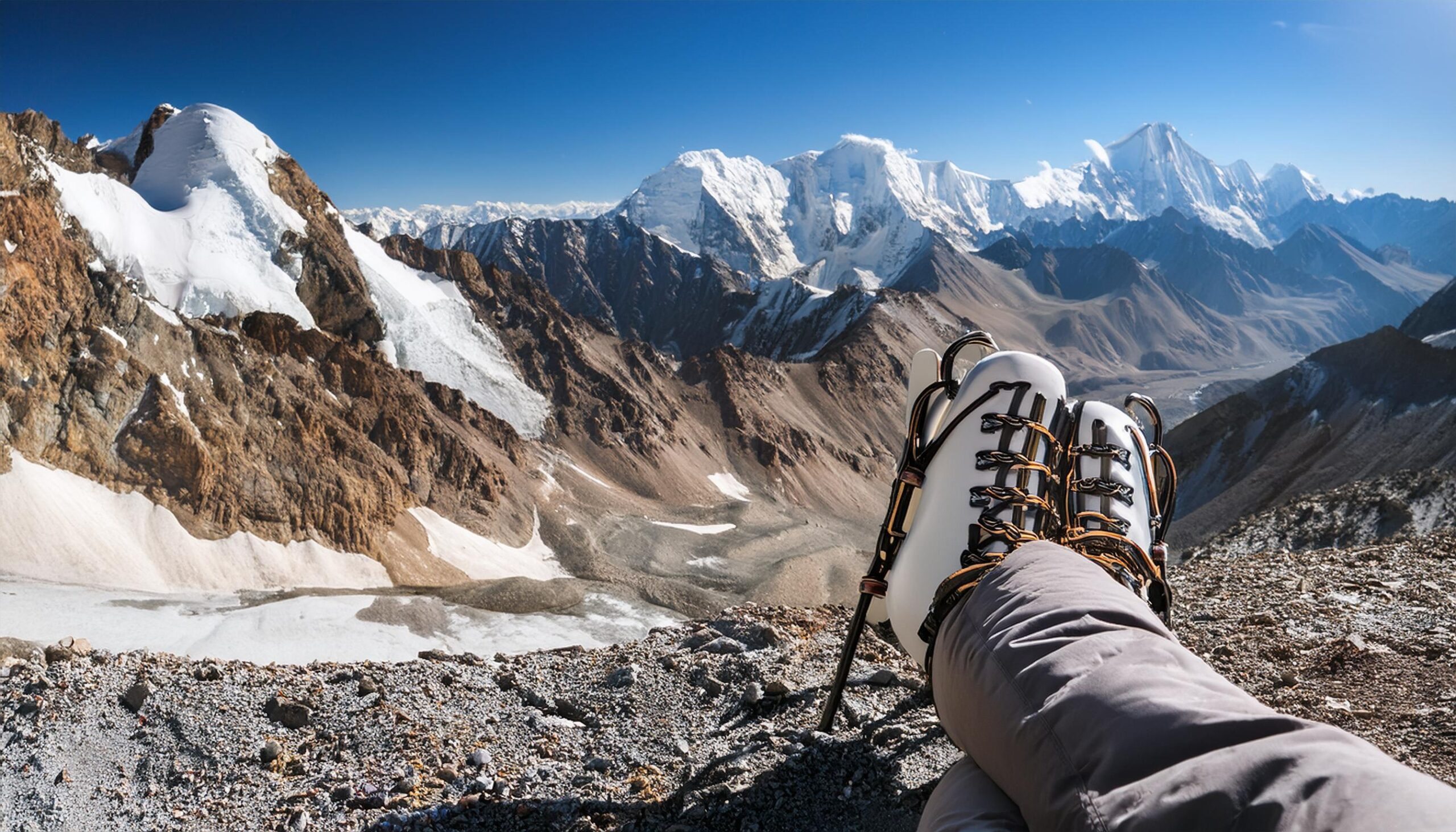
Kang Yatse II rises to 6,250 m (20,505 ft) above the dramatic Markha Valley, making it one of the most popular 6,000 m peaks in Ladakh. Furthermore, the iconic snow-capped western summit forms part of the legendary Kang Yatse twin-peak massif that dominates the Markha Valley skyline.

However, the peak’s significance extends well beyond its accessible elevation. Specifically, Kang Yatse II became the new “peak to climb” in Ladakh after Stok Kangri was officially closed. Subsequently, this mountain emerged as the standard introduction to high-altitude Himalayan mountaineering for climbers worldwide.

The mountain forms a dual-summit massif at the head of the Markha Valley. Moreover, Kang Yatse I reaches 6,400 m as the higher and more technically demanding summit while Kang Yatse II provides the accessible western summit. Additionally, the massif resembles a king’s throne when viewed from the valley floor.

Considered one of the most rewarding introductory 6,000 m peaks in the Indian Himalaya, Kang Yatse II offers Alpine PD grade climbing without vertical sections. Notably, the peak requires only basic mountaineering skills with crampons and ice axe for the final summit ridge. Most modern expeditions take 12-15 days from Leh including the classic Markha Valley acclimatization trek.

Kang Yatse II sits within Hemis National Park near Nimaling base camp at approximately 5,000 m. Additionally, the peak provides spectacular summit views including the Nun Kun and Zanskar ranges in the west and even the K2, Broad Peak, and Gasherbrum Massif in the far north on clear days. Furthermore, the local Buddhist communities consider Kang Yatse the protector of the Markha Valley region.

This complete 2026 guide covers verified route descriptions, current permit requirements, gear lists, hazard analysis, seasonal timing, costs across budget tiers, expedition history, and essential safety protocols. Furthermore, every detail reflects 2026 conditions confirmed through Indian Mountaineering Foundation, Ladakh administrative authorities, and registered Indian operators including White Magic, Adventure Pulse, KE Adventure, Boots & Crampons, Summit Routes, and Kandoo Adventures.

6,250 m
Western Summit · 20,505 ft
6,400 m
Kang Yatse I (Higher)
Alpine PD
Non-Technical
12-15
Expedition Days
Field Conditions Dashboard

Live Kang Yatse II Operations Center

Real-time location intelligence and Leh base region weather conditions

Kang Yatse II · Markha Valley
33.7833°N, 77.6500°E
Leh Region Weather
3,500 m / 11,483 ft
Loading current conditions…

Kang Yatse II stands as the most accessible 6,000 m peak in Ladakh, rising 6,250 meters above the dramatic Markha Valley in Hemis National Park, India. Furthermore, the iconic snow-capped western summit forms part of the legendary Kang Yatse twin-peak massif that dominates the Markha Valley skyline.

However, the peak’s significance extends well beyond its accessible elevation. Specifically, Kang Yatse II became the new “peak to climb” in Ladakh after Stok Kangri was officially closed. Subsequently, this mountain emerged as the standard introduction to high-altitude Himalayan mountaineering for climbers worldwide.

The mountain forms a dual-summit massif at the head of the Markha Valley. Moreover, Kang Yatse I reaches 6,400 m as the higher and more technically demanding summit while Kang Yatse II provides the accessible western summit at 6,250 m. Additionally, the massif resembles a king’s throne when viewed from the valley floor.

Despite ranking lower than its sister peak in elevation, Kang Yatse II commands respect through its sustained altitude challenges. Notably, the climb requires basic mountaineering skills with crampons and ice axe for the final summit ridge. Most modern expeditions take 12-15 days from Leh including the classic Markha Valley acclimatization trek.

Kang Yatse II sits within Hemis National Park near Nimaling base camp at approximately 5,000 m elevation. Additionally, the peak offers spectacular summit views including the Nun Kun and Zanskar ranges in the west and even K2, Broad Peak, and Gasherbrum Massif in the far north on clear days. Furthermore, the local Buddhist communities consider Kang Yatse the protector of the Markha Valley region.

First popularized as the standard Ladakh trekking peak after Stok Kangri’s closure, Kang Yatse II represents one of the most rewarding introductory 6,000 m summit experiences in the Indian Himalaya.

Editor’s Pick: Standard Markha Valley Approach

The standard approach via the classic Markha Valley trek remains the recommended route for most expeditions. Specifically, this approach provides perfect acclimatization through 6-7 days of trekking before summit attempt. Furthermore, the route passes through traditional Ladakhi villages including Skiu, Markha, Hankar, and Thachungtse. Additionally, the trek delivers spectacular views of the Zanskar range and Markha Valley culture. Notably, this remains the favored approach used by White Magic, Adventure Pulse, KE Adventure, Kandoo Adventures, and most international operators.

Critical Safety Warning: Altitude and Crevasse Hazards

Kang Yatse II remains a serious 6,250 m undertaking despite its non-technical character. Specifically, climbers must take time for proper acclimatization to avoid acute mountain sickness (AMS), HACE, and HAPE. Moreover, the final summit slopes contain crevasses covered with snow that require roping up for safety. Additionally, the upper terrain involves steeper ground around 35-40° on the glacier sections. Therefore, climbers must complete prior altitude experience above 5,000 m before attempting Kang Yatse II.

Methodology & sources

This guide consolidates information from the Indian Mountaineering Foundation (IMF), Ladakh administrative authorities, Hemis National Park management, registered Indian operators including White Magic Adventure, Adventure Pulse, White Expedition, KE Adventure, Kandoo Adventures, Boots & Crampons, Summit Routes, Happy Feet Mountaineers, and UFO Adventure Travel, plus verified expedition reports from international climbing operators. Additionally, all elevations, route grades, costs, and permit requirements reflect 2026 conditions confirmed through April 2026.

At a Glance: Kang Yatse II Essentials

Kang Yatse II presents specific characteristics among the major Ladakh trekking peaks. Furthermore, the following statistics summarize what climbers must prepare for. Specifically, every parameter below reflects 2026 conditions verified through Indian Mountaineering Foundation and registered Indian operators.

Western Summit
6,250 m
20,505 ft
Kang Yatse I
6,400 m
Higher technical summit
Range
Hemis National Park
Ladakh, India
Coordinates
33.78°N, 77.65°E
Markha Valley head
Base Camp
Nimaling 5,000 m
Plateau site
Grade
Alpine PD
Non-technical
Standard route
Markha Valley
Skiu approach
High camp
~5,400 m
On glacier
Best season
Jun-Sep
Jul-Sep optimal

Eight Reasons Climbers Choose Kang Yatse II

Kang Yatse II holds a unique position as the most popular first 6,000 m peak in Ladakh. Furthermore, the following reasons explain why aspiring mountaineers target this peak. Importantly, each motivation also carries an associated responsibility for safe execution at altitude.

01

The New Stok Kangri Replacement

Kang Yatse II became “the peak to climb” in Ladakh after Stok Kangri was officially closed. Furthermore, the closure made this mountain the new standard first 6,000 m objective for climbers worldwide.

02

Markha Valley Acclimatization

The classic Markha Valley approach provides the perfect acclimatization trek for climbing a 6,000 m mountain. Subsequently, the 6-7 day trek through traditional villages prepares the body for high altitude success.

03

Non-Technical Alpine PD Grade

The standard route involves no vertical climbing or fixed-rope sections. Specifically, this Alpine PD grade peak suits strong trekkers transitioning from trekking to mountaineering.

04

Spectacular K2 Summit Views

On a clear day from the Kang Yatse II summit you can see views as far as K2, Broad Peak, and the Gasherbrum Massif in the far north. Additionally, the panoramic views include the Nun Kun and Zanskar ranges in the west.

05

Hemis National Park Setting

Kang Yatse II rises within Hemis National Park, India’s largest national park. Notably, climbers might spot mountain deer, foxes, and the elusive snow leopards during the approach trek through the park.

06

Twin-Summit King’s Throne

The Kang Yatse massif resembles a king’s throne with its dual summits commanding the head of the Markha Valley. Specifically, the snow-clad twin peaks dominate the local landscape from many vantage points.

07

Affordable Ladakh Expedition

Kang Yatse II expeditions cost dramatically less than major Indian Himalaya climbs. Moreover, the peak offers genuine 6,000 m summit experience for USD 1,500-3,500 per person.

08

Local Protector Mountain

Local Buddhist communities consider Kang Yatse the protector of the Markha Valley region. Furthermore, this gives the climb cultural and spiritual significance beyond the physical summit achievement.


Who Can Climb Kang Yatse II

Kang Yatse II suits a broader range of climbers than most 6,000 m Himalayan peaks. Specifically, the standard route requires excellent fitness, prior high-altitude trekking experience above 4,000-4,500 m, and willingness to learn basic crampon and ice axe technique. Furthermore, no technical climbing background is required for the standard approach.

The standard route gains approximately 1,250 m from base camp to the summit. Therefore, a strong trekker comfortable with multi-day Markha Valley conditions has the foundation for Kang Yatse II. However, raw fitness alone will not protect against altitude effects, weather changes, or summit day demands at 6,250 m.

Beginners with prior trekking experience can attempt Kang Yatse II with proper guided support. Subsequently, the peak provides essential preparation for climbers planning future technical objectives like Kang Yatse I or Mt. Nun. Importantly, completing prior treks above 4,500 m provides essential preparation, though Kang Yatse II remains a serious 6,000 m undertaking.

For climbers seeking technical progression, Kang Yatse II builds critical skills. Moreover, the peak provides solid foundation for harder objectives like Bhagirathi III, Shivling, or 7,000 m Nun-Kun expeditions. Additionally, the experience of summit day at 6,250 m teaches crucial high-altitude fitness lessons applicable to future climbs.

Insight from Indian Mountaineering Foundation

The IMF emphasizes that all Kang Yatse II permits require coordination through registered Indian operators. Notably, established operators send experienced Ladakhi and Nepali guides who handle approach logistics and base camp infrastructure. Furthermore, the peak’s status as a trekking peak provides simplified permit procedures compared to higher Indian peaks. Therefore, partnering with experienced Indian operators provides essential support throughout the multi-week expedition for safe, successful Kang Yatse II climbs.


Kang Yatse II in Ladakh Trekking Peak Context

Kang Yatse II occupies a strategic position as the most popular first 6,000 m peak in Ladakh. Specifically, the peak rises within the Hemis National Park alongside other Ladakh climbing objectives. Additionally, the mountain stands as the natural successor to the now-closed Stok Kangri in attracting first-time 6,000 m climbers from around the world.

For climbers planning regional trips, Kang Yatse II pairs naturally with several nearby Ladakh peaks. Furthermore, Kang Yatse I (6,400 m) provides the next progression target for technically inclined climbers. Additionally, Mentok Kangri (6,250 m) offers another Ladakh trekking peak alternative. Moreover, Nun (7,135 m) and Kun (7,085 m) provide major technical progression objectives in the wider Ladakh region.

Six Ladakh Region Peaks

The Ladakh Region Companion Peaks

Kang Yatse II shares the Ladakh region with several other classic peaks. Furthermore, all six peaks below provide alternative or progression objectives accessible from Leh base.


Kang Yatse II History: From Local Protector to Global Trekking Peak

Kang Yatse II’s documented climbing history reflects significant chapters in Ladakh trekking peak development. Ultimately, the peak combines deep local cultural significance with modern status as the standard introduction to Himalayan mountaineering. Specifically, the mountain played a foundational role in establishing Ladakh as the premier destination for first 6,000 m climbs.

Pre-Modern Era: Local Buddhist Heritage

Local Buddhist communities have long considered Kang Yatse the protector of the Markha Valley region. Specifically, the dramatic snow-clad twin-peak massif inspires reverence among Ladakhi inhabitants. Additionally, the dominating presence of Kang Yatse over the Markha Valley made the mountain a natural focus of spiritual significance. Furthermore, Buddhist monasteries throughout the region include Kang Yatse views from prayer halls and gompas.

Hemis National Park Establishment

Hemis National Park was established to protect the unique high-altitude ecosystems of the Markha Valley region. Specifically, the park covers extensive territory including the Kang Yatse massif and surrounding peaks. Additionally, the protected area enables snow leopard conservation and traditional Changpa nomadic herder practices. Subsequently, the park designation has helped maintain authentic cultural and natural conditions for climbing expeditions.

Trekking Peak Era Begins

Kang Yatse II emerged as a designated Indian Mountaineering Foundation trekking peak with simplified permit procedures. Specifically, this designation distinguished the mountain from major expedition peaks requiring extensive bureaucracy. Additionally, the trekking peak status enabled commercial guided expeditions to develop the standard route. Furthermore, registered operators including Indian and international companies began offering structured Kang Yatse II programs.

Markha Valley Trek Becomes Classic

The Markha Valley trek became established as one of the most popular treks in Ladakh. Specifically, the route through Skiu, Markha, Hankar, Thachungtse, and Nimaling provides classic Himalayan cultural and natural experiences. Additionally, the trek served as ideal acclimatization for Kang Yatse II climbing attempts. Subsequently, combined trek-and-climb itineraries became the standard expedition format.

Stok Kangri Closure Era

The Stok Kangri closure dramatically increased Kang Yatse II’s popularity. Specifically, Stok Kangri had served as the standard first 6,000 m peak in Ladakh for decades. Additionally, the closure forced operators and climbers to seek alternatives at similar accessibility. Furthermore, Kang Yatse II emerged as the natural successor due to its non-technical character and Markha Valley acclimatization opportunity.

2020s: Surge in Popularity

Kang Yatse II climbing experienced dramatic growth throughout the 2020s. Specifically, the mountain attracted climbers from around the world seeking accessible first 6,000 m experiences. Additionally, multiple commercial operators including White Magic, Adventure Pulse, KE Adventure, Kandoo Adventures, and Boots & Crampons developed structured programs. Subsequently, the peak became the de facto introductory Indian Himalaya climb.

2024-2025: Continued Operator Expansion

Modern operators including White Expedition and Summit Routes added Kang Yatse II to their Ladakh portfolios. Specifically, programs feature 12-15 day itineraries with proper acclimatization protocols. Additionally, operators emphasize the peak’s Alpine PD grade and non-technical character to broader trekking audiences. Furthermore, the integration with Markha Valley cultural experiences attracts climbers seeking authentic Ladakhi adventure.

Current 2026 Status

Kang Yatse II currently stands as Ladakh’s most-climbed 6,000 m peak in 2026. Notably, the mountain hosts dozens of expedition teams each season from June through September. Additionally, the standard route via Markha Valley to Nimaling base camp continues attracting both Indian and international climbers. Furthermore, the peak’s reputation as a safe, accessible first 6,000 m objective remains central to its popularity.

Cultural Tourism Integration

Modern Kang Yatse II expeditions integrate Ladakhi cultural experiences. Specifically, programs include visits to Hemis Monastery, Shey Palace, Thiksey Monastery, and Lamayuru. Additionally, climbers experience traditional villages, Buddhist festivals, and Ladakhi cuisine throughout the expedition. Furthermore, this combination of physical challenge and cultural immersion distinguishes Kang Yatse II from purely climbing-focused expeditions elsewhere.


Climbing Routes on Kang Yatse II

Kang Yatse II features two main approach routes to the standard summit. Specifically, the Skiu approach via the full Markha Valley dominates climbing traffic. Furthermore, the Shang Sumdo approach via Kongmaru La offers a faster alternative. Additionally, all routes converge at Nimaling base camp before the summit push via the same high camp.

RouteApproachGradeLengthCampsStyle
Skiu Markha Valley (Standard)From Chilling/SkiuAlpine PD~12-15 days totalBC + High CampTrekking peak
Shang Sumdo ReverseVia Kongmaru LaAlpine PD~10-12 days totalBC + High CampFaster approach
Lhato Valley Quiet ApproachVia remote LhatoAlpine PD~14 days totalBC + High CampSolitude option
Kang Yatse I (Higher peak)From same base campTD technicalExtended programMultiple high campsProgression target
II
Faster Alternative Approach

Shang Sumdo Reverse Route via Kongmaru La

Faster approachAlpine PD gradeMarkha Gorge climb

The Shang Sumdo approach begins from the village of Shang Sumdo and steeply climbs up the Markha Gorge. Specifically, the route passes by the campsite of Chyuskirmo and Lartsa before climbing the Kongmaru La pass at 5,260 m. Additionally, this approach reaches Nimaling more quickly than the full Markha Valley trek but provides less acclimatization time.

This route demands excellent prior altitude conditioning. Furthermore, the rapid altitude gain requires climbers to arrive already well acclimatized from prior expeditions or extensive Leh acclimatization. Additionally, the Markha Gorge approach offers stunning scenery but skips the cultural village experiences of the standard route. Consequently, the Shang Sumdo approach suits experienced altitude climbers seeking time-efficient itineraries.

Route Stats
StartShang Sumdo
PassKongmaru La 5,260 m
Duration10-12 days total
StyleFaster/less acclimatized
III
Solitude Approach

Lhato Valley Approach — KE Adventure Route

Remote valley accessAlpine PD gradeQuiet alternative

The Lhato Valley approach uses the almost-unknown Lhato Valley for those seeking remarkable Ladakhi landscape in perfect solitude. Specifically, the trek through this remote valley sees very few visitors and the trails will not always be well defined. Additionally, the approach requires numerous stream and river crossings.

This route maintains significance for solitude-seeking climbers. Furthermore, the Lhato Valley provides further acclimatization while completely avoiding the popular Markha Valley crowds. Additionally, the approach was developed by KE Adventure as part of their unique Kang Yatse II program. Consequently, this route appeals to experienced trekkers preferring authentic remote Ladakhi experiences.

Route Stats
ApproachLhato Valley
Duration~14 days total
StyleRemote solitude
OperatorKE Adventure
IV
Progression Target Peak

Kang Yatse I — Higher Technical Sister Summit

6,400 m elevationTD technicalSame base camp

The Kang Yatse I higher summit shares the same Nimaling base camp as Kang Yatse II. Specifically, this 6,400 m peak provides the next progression target for technical Ladakh climbers. Additionally, the climb requires significantly more technical skill than Kang Yatse II.

This peak demands elite technical Alpine capabilities. Furthermore, the climb requires advanced ice climbing, mixed climbing, and Alpine-style execution. Additionally, climbers often complete Kang Yatse II first as preparation for the higher Kang Yatse I attempt. Consequently, the twin-peak combination offers natural progression for serious Ladakh climbers seeking technical challenges beyond the standard route.

Route Stats
Elevation6,400 m
GradeTD technical
StyleHigher technical sister
Base campSame as KY II

Kang Yatse II Access & Permits 2026

Kang Yatse II requires permits in 2026 from multiple Indian authorities. Specifically, all climbers need Indian Mountaineering Foundation permits, Hemis National Park permits, and Inner Line Permits for the restricted Ladakh region. Furthermore, the IMF treats Kang Yatse II as a designated trekking peak with simplified permit procedures compared to higher Indian peaks.

Critical: Kang Yatse II Permits Easier Than Major Peaks

Kang Yatse II permits as a trekking peak require simpler procedures than major Indian Himalayan peaks. Specifically, registered Indian operators handle the full permit coordination including Hemis National Park permits and Inner Line Permits. Additionally, the climbing season runs from June through September with optimal weather in July-September. Moreover, the trekking peak designation reduces lead time requirements compared to expedition peak protocols. Furthermore, this accessibility contributes significantly to the peak’s popularity as a first 6,000 m objective.

Required Documentation for 2026

  • IMF trekking peak permit: Indian Mountaineering Foundation simplified permit
  • Hemis National Park permit: Required for park access
  • Inner Line Permit (ILP): Required for restricted Ladakh region
  • Registered operator coordination: Required for all climbing expeditions
  • High-altitude insurance: Recommended including helicopter rescue coverage
  • Indian visa: Tourist visa for foreign climbers
  • Liaison Officer: May be assigned for foreign expeditions

2026 Permit Cost Breakdown

  • IMF Trekking Peak Fee: USD 100-300 per climber
  • Hemis National Park entry: USD 20-40 per climber
  • Inner Line Permit fees: USD 30-60 per climber
  • Registered operator base fees: USD 1,500-3,500 per climber for full program
  • High-altitude insurance: USD 200-500 per climber recommended
  • Tips and personal expenses: USD 200-400 per climber

Access Logistics from Delhi

Kang Yatse II is accessible from Delhi via flight or road. Specifically, expeditions typically fly from Delhi to Leh (3,500 m) — landing at one of the highest commercial airports in the world. Additionally, Leh requires 2-3 days mandatory acclimatization before any high-altitude activity. Moreover, the Markha Valley approach starts with a road transfer to Skiu or Chilling. Furthermore, alternative road routes from Manali or Srinagar take 2 days each. Consequently, plan total expedition time of 12-15 days from Leh arrival.


Kang Yatse II Climbing Costs in 2026

Kang Yatse II expedition costs vary based on guide service level and team size. Specifically, fully guided programs run USD 1,500-3,500 per person — dramatically less than major Indian Himalayan peaks. Furthermore, group rates with 6+ climbers reduce per-person costs significantly. Additionally, premium small team expeditions provide higher staff-to-climber ratios. All costs reflect 2026 conditions verified through registered Indian operators including White Magic, Adventure Pulse, KE Adventure, and Boots & Crampons.

I
Tier 1 — Group Expedition

Group Guided Markha Valley Expedition (6+ climbers)

USD 1,500-2,000 per personStandard 12-day programIncludes IMF permits

The most affordable Kang Yatse II expedition option involves group climbs with 6 or more climbers per registered Indian operator. Furthermore, costs include IMF trekking peak permits, Hemis National Park fees, registered operator services, climbing guides, support staff, food, and base camp logistics. Specifically, this tier provides solid value for clubs and larger teams attempting the standard Markha Valley route.

II
Tier 2 — Standard Guided

Standard Guided Expedition (4-5 climbers)

USD 2,000-2,800 per personStandard 12-15 day programHigher Sherpa ratio

Most international climbers select the standard guided expedition format for the Markha Valley route. Additionally, this tier provides personalized attention with experienced Ladakhi and Nepali guides used by operators like White Magic and Adventure Pulse. Specifically, the cost includes complete logistics from Leh reception through expedition completion. Furthermore, this represents the typical cost for serious Kang Yatse II attempts.

III
Tier 3 — Premium Service

Premium Small Team Expedition (2-3 climbers)

USD 2,800-3,500 per personHigher support ratioPremium service level

Premium small team expeditions provide higher staff-to-climber ratios for maximum support. Additionally, this tier includes priority weather forecasting, premium hotel accommodations in Leh, and enhanced base camp facilities. Notably, smaller teams move more efficiently through the Markha Valley. Consequently, this option suits experienced climbers seeking optimal support for personal Kang Yatse II success.

V
Tier 5 — Custom Combination

Custom Twin-Peak Kang Yatse II + I Expedition

USD 4,500-7,500+ per person18-22 day expeditionMaximum technical climb

Custom twin-peak expeditions combining Kang Yatse II and Kang Yatse I provide maximum value from a single Ladakh trip. Furthermore, climbers can attempt the easier western summit first as acclimatization before tackling the technical 6,400 m sister peak. Notably, this twin-peak combination uses the same Nimaling base camp infrastructure efficiently. Consequently, custom combinations suit experienced climbers seeking comprehensive Kang Yatse massif experiences.


Essential Gear for Kang Yatse II Expedition

Gear requirements for Kang Yatse II reflect a 6,250 m trekking peak with non-technical character. Specifically, the standard Markha Valley route requires basic mountaineering equipment plus comprehensive trekking gear. Furthermore, climbers should bring quality gear suitable for 12-15 day expedition conditions in Ladakh’s high-altitude desert environment. Additionally, every essential item below reflects current Indian Mountaineering Foundation standards for trekking peaks.

High-Altitude Boots (Mandatory)

  • Double-layer mountaineering boots rated for -15°C minimum
  • La Sportiva Nepal Cube GTX or Scarpa Mont Blanc
  • Compatible with semi-automatic crampons
  • Break in thoroughly before expedition

Climbing Hardware (Mandatory)

  • 12-point semi-automatic crampons
  • Basic ice axe (60-70 cm)
  • Climbing harness with adjustable leg loops
  • Helmet for moraine and rockfall protection

Trekking Equipment (Mandatory)

  • Comfortable trekking boots for valley sections
  • Trekking poles for steep descents
  • Daypack 30-40 L
  • Water bottles or hydration system

Down Jacket and Insulation

  • Heavy down jacket for summit night
  • 700-fill or higher down rating
  • Synthetic backup insulation layer
  • Down booties for camp use

Sleeping System

  • Sleeping bag rated to -15°C minimum
  • Foam sleeping mat (provided by most operators)
  • Inflatable sleeping pad for added warmth
  • Quality pillow for high-altitude rest

Clothing Layers

  • Base layer thermal tops and bottoms
  • Mid-layer fleece or soft shell
  • Waterproof shell jacket and pants
  • Glacier glasses and goggles

Navigation and Safety

  • GPS device or smartphone with offline maps
  • Topographic maps of Markha Valley region
  • Headlamp with multiple battery sets for early summit start
  • Personal first aid supplies

Personal and Medical

  • Diamox for altitude prophylaxis
  • Personal medications for full duration
  • Sunscreen SPF 50+ and lip protection
  • Toilet paper and personal hygiene items

Hazards on Kang Yatse II

Kang Yatse II presents hazards typical of accessible 6,000 m Himalayan trekking peaks. Specifically, the altitude and crevasse considerations account for most documented incidents. Furthermore, climbers must assess each hazard category honestly before any Kang Yatse II expedition.

Acute Mountain Sickness (AMS)

Kang Yatse II at 6,250 m presents serious acute mountain sickness risks. Specifically, the altitude exceeds the threshold for AMS, HACE, and HAPE in unacclimatized climbers. Furthermore, the rapid altitude gain from Leh airport to base camp demands careful acclimatization protocols. Moreover, climbers must spend 2-3 days minimum in Leh before any trek begins.

Crevasse Hazards on Summit Glacier

The summit approach traverses glacier terrain with crevasses covered by snow. Specifically, the glacier requires roping up before ascending to the summit ridge. Additionally, snow bridges become unstable during warm weather and afternoon melt cycles. Subsequently, climbers must travel as roped parties on the glacier sections with experienced guide support.

Loose Rock and Scree

The Kang Yatse II summit area is covered with loose rocks and uneven ground that test footing. Specifically, the moraines surrounding the glacier require careful navigation. Furthermore, the early-morning summit approach in darkness via headlamp adds difficulty to the loose terrain. Additionally, descending climbers face the same hazards on tired legs.

Cold and Wind Exposure

Summit day at 6,250 m exposes climbers to extreme cold and wind. Specifically, temperatures can drop to -10°C or lower during the midnight summit start. Additionally, strong winds at altitude amplify the cold significantly. Subsequently, climbers must dress appropriately with multiple insulation layers and protect exposed skin from frostbite.

Dehydration in Ladakh’s Dry Climate

Ladakh’s high-altitude desert environment presents serious dehydration risks. Specifically, the dry air increases water loss through respiration even without obvious sweating. Additionally, the cold temperatures mask thirst sensations. Therefore, climbers need to drink 4-5 liters of water daily throughout the expedition to maintain hydration.

Limited Communication and Rescue

The Markha Valley and base camp areas have limited mobile coverage. Specifically, only postpaid networks like BSNL and Airtel work in some sections. Additionally, climbers will be out of range for most communication networks during the trek. Subsequently, helicopter rescue from base camp is possible but takes time, requiring conservative decision-making throughout the expedition.


Safety Protocols for Kang Yatse II

Successful Kang Yatse II expeditions depend on proper acclimatization and disciplined execution. Furthermore, the most experienced Ladakhi guides emphasize that turning back is a victory when symptoms appear. Specifically, climbers should establish hard turnaround times and honor them regardless of summit proximity.

File detailed itineraries with both your registered Indian operator and embassy. Additionally, carry comprehensive satellite communications including InReach for emergency response since standard networks have limited coverage. Notably, Indian Air Force coordinates high-altitude rescue operations through Indian Mountaineering Foundation channels. Furthermore, knowing basic crevasse rescue and self-arrest techniques can mean the difference between minor incidents and serious outcomes at extreme altitude on the summit glacier.


When to Climb Kang Yatse II

Seasonal timing on Kang Yatse II determines both safety and success rates. Specifically, the Ladakh climate dominates climbing considerations with its short summer window. Furthermore, the climbing windows fall in summer months only, requiring careful attention to monthly conditions.

Early Summer (Late June)

Late June offers the start of the Kang Yatse II climbing season. Furthermore, snow conditions remain firm and stable from winter accumulation. Specifically, this period provides reliable weather windows for the Markha Valley trek. Additionally, daytime temperatures range from 15-25°C with nighttime temperatures of 2-5°C. Moreover, fewer expedition teams compete for base camp space during this early window.

Peak Season (July to August)

July and August represent the prime Kang Yatse II climbing season. Notably, stable weather often brings excellent climbing conditions. Subsequently, this period also rewards climbers with the warmest temperatures and longest daylight. Additionally, the Markha Valley becomes more crowded during this peak season. Furthermore, cultural activities including Hemis Festival typically occur during summer months.

Late Summer (September)

September provides excellent post-monsoon climbing conditions on Kang Yatse II. Specifically, the rains have ended and temperatures begin cooling. Additionally, autumn provides clearer Karakoram range views from the summit. Moreover, fewer climbers compete for base camp space as the season winds down. Subsequently, this represents the second-best window for Kang Yatse II attempts.

Winter (November to April)

Winter conditions effectively close Kang Yatse II to expedition activity. Furthermore, extreme cold and severe weather make any climbing impossible. However, the Markha Valley becomes inaccessible due to road closures and frozen rivers. Additionally, Leh weather alone drops to -25°C or lower in winter making logistics impractical.


Notable Expeditions and Climbs

Kang Yatse II’s modern climbing history features the dramatic shift from Stok Kangri’s closure to Kang Yatse II’s emergence as the standard Ladakh trekking peak. Furthermore, each notable development below contributed essential context to modern Kang Yatse II climbing practice. Specifically, the developments span the past decade of evolving Ladakh climbing culture.

Trekking Peak Designation

Pre-2020IMF Trekking Peak Status
Standard Status Established

Kang Yatse II received Indian Mountaineering Foundation designation as a trekking peak. Specifically, this status simplified permit procedures compared to expedition peaks. Additionally, it enabled commercial guided expeditions to develop the standard route as the introduction to Indian Himalaya mountaineering.

Markha Valley Route Standardization

2010sOperator Route Development
Classic Approach

Multiple Indian operators standardized the Skiu-to-Nimaling Markha Valley approach. Specifically, the 6-7 day trek through traditional villages became the recommended acclimatization protocol. Additionally, base camp at Nimaling around 5,000 m became the standard expedition launching point.

Stok Kangri Closure

2020Government Decision
Era of Change

The Indian government officially closed Stok Kangri to climbing. Specifically, this closure forced the climbing community to seek alternatives at similar accessibility. Additionally, Kang Yatse II emerged as the natural successor due to its non-technical character and Markha Valley acclimatization.

White Magic Adventure Standard Programs

2020-PresentIndian Operator Excellence
Commercial Success

White Magic Adventure established themselves as a leading Kang Yatse II operator. Specifically, the company offers structured 12-day programs with experienced guides. Additionally, their Ladakhi staff provide cultural insights alongside mountaineering expertise.

International Operator Expansion

2022-PresentKE Adventure, Kandoo Adventures
Global Recognition

International operators including KE Adventure and Kandoo Adventures added Kang Yatse II to their portfolios. Specifically, programs feature 15-18 day comprehensive itineraries with Western-style services. Additionally, this brought Kang Yatse II to global climbing audiences seeking accessible 6,000 m peaks.

2025-2026 Continued Growth

2025-2026Modern Operator Expansion
Sustained Popularity

Kang Yatse II continues attracting record numbers of climbers in 2025-2026 seasons. Specifically, operators like Adventure Pulse, White Expedition, Boots & Crampons, and Summit Routes added structured programs. Additionally, the peak’s reputation as a safe, accessible first 6,000 m objective remains central to its growth.


Planning Your 2026 Kang Yatse II Expedition

Successful Kang Yatse II planning combines logistics, training, and conditioning across multiple months. Furthermore, the following planning categories cover every essential element climbers must address. Additionally, each card represents a critical preparation area for any 2026 attempt.


Kang Yatse II Frequently Asked Questions

How tall is Kang Yatse II?

Kang Yatse II rises to 6,250 m (20,505 ft) in the Markha Valley region of Ladakh, India. Specifically, this peak forms the western summit of the Kang Yatse twin-summited massif. Furthermore, the higher Kang Yatse I stands at 6,400 m. Additionally, Kang Yatse II is just above the 20,000-foot barrier, making it ideal for first 6,000 m climbers. Moreover, the peak resembles a king’s throne when viewed from the Markha Valley.

Where is Kang Yatse II located?

Kang Yatse II sits in the Markha Valley of Hemis National Park in Ladakh, India. Specifically, the peak rises at the head of the Markha Valley as the dominant landscape feature. Additionally, the standard approach uses the classic Markha Valley trek from Leh. Furthermore, the mountain coordinates are approximately 33.7833°N, 77.6500°E. Moreover, the base camp at Nimaling sits at approximately 5,000 m elevation.

How difficult is climbing Kang Yatse II?

Kang Yatse II grades Alpine PD (Peu Difficile) for a non-technical first 6,000 m peak. Specifically, the standard route involves no vertical climbing or fixed-rope sections. Additionally, climbers need crampons and ice axe for the final snow slopes around 35-40°. Furthermore, the climb suits strong trekkers aiming for their first high-altitude summit. Moreover, expeditions typically take 12-15 days from Leh including acclimatization and Markha Valley trek.

What is the best time to climb Kang Yatse II?

The optimal climbing season runs from June through September. Specifically, July through September provides the best weather windows during the brief Ladakh summer. Additionally, daytime temperatures range from 15-25°C with nighttime temperatures of 2-5°C. Furthermore, expeditions must avoid winter months (November-April) due to extreme cold and impassable conditions. Moreover, the season aligns perfectly with peak Markha Valley trekking conditions.

Why has Kang Yatse II become more popular?

Kang Yatse II grew dramatically in popularity after Stok Kangri was closed. Specifically, the closure of Stok Kangri made Kang Yatse II “the peak to climb” in Ladakh as the new standard first 6,000 m objective. Additionally, the peak offers similar accessibility with less crowding than the famous Stok Kangri previously experienced. Furthermore, the Markha Valley provides the perfect acclimatization trek for climbing a 6,000 m mountain.

Do I need a permit to climb Kang Yatse II?

Yes, all Kang Yatse II climbers must obtain permits from the Indian Mountaineering Foundation (IMF) and Ladakh administrative authorities. Specifically, climbers also need Hemis National Park permits and Inner Line Permits for the restricted Ladakh region. Additionally, registered Indian operator coordination is mandatory for all expedition logistics. Furthermore, the IMF treats Kang Yatse II as a trekking peak with simplified permit procedures compared to higher Indian peaks.

What does Kang Yatse mean?

Kang Yatse (also spelled Kang Yatze or Kangyatse) refers to a snow-clad mountain in the Ladakhi language. Specifically, the name describes the dramatic snow-capped twin-summit massif. Additionally, the local Buddhist communities consider Kang Yatse as the protector of the Markha Valley region. Furthermore, the mountain dominates the views from much of the Markha Valley trek. Moreover, the twin summits resemble a king’s throne when viewed from below.

How much does it cost to climb Kang Yatse II in 2026?

Kang Yatse II expeditions cost USD 1,500-3,500 per person for fully guided programs. Specifically, the cost includes IMF permits, registered operator services, climbing guides, support staff, food, and base camp logistics. Additionally, group rates with 6+ climbers reduce per-person costs. Furthermore, premium small team expeditions provide higher staff-to-climber ratios for personalized support. Moreover, the cost reflects the affordable nature of Ladakh trekking peaks compared to major Himalayan expeditions.

What gear do I need for Kang Yatse II?

Essential equipment includes 6000 m mountaineering boots, 12-point crampons, basic ice axe, climbing harness, helmet, and 60 m rope (provided by operator). Additionally, climbers need full expedition gear including down jacket, sleeping bag rated to -15°C, headlamp, and personal trekking equipment. Furthermore, the standard route does not require technical rock or ice climbing equipment. Moreover, all gear must withstand extended Markha Valley trek conditions and snow climbing on summit day.

Can I see K2 from Kang Yatse II summit?

Yes, on a clear day from the Kang Yatse II summit you can see views as far as the K2, Broad Peak, and Gasherbrum Massif in the far north. Specifically, the panoramic summit views also include the Nun Kun and Zanskar ranges in the west. Additionally, the surrounding scenery of Tibet appears awe-inspiring. Furthermore, this combination of 8,000 m peak views makes Kang Yatse II one of the most rewarding summit panoramas in the Indian Himalaya.


Sources & Verified References

This Kang Yatse II climbing guide consolidates information from official Indian Mountaineering Foundation publications, Ladakh administrative authorities, Hemis National Park management, registered Indian operators including White Magic Adventure, Adventure Pulse, White Expedition, KE Adventure, Kandoo Adventures, Boots & Crampons, Summit Routes, Happy Feet Mountaineers, and UFO Adventure Travel, plus verified expedition reports from international climbing operators. Furthermore, every elevation, route grade, cost figure, and permit requirement reflects 2026 conditions confirmed through April 2026.

  • Indian Mountaineering Foundation (IMF) — Trekking peak permits and expedition coordination
  • Ladakh Administrative Authorities — Inner Line Permits and regional access
  • Hemis National Park Authority — Park access and conservation oversight
  • White Magic Adventure — Premier Indian operator with structured Kang Yatse II programs
  • Adventure Pulse — Comprehensive Markha Valley and Kang Yatse II expedition documentation
  • KE Adventure UK — International operator with Lhato Valley alternative approach
  • Kandoo Adventures — International expedition operator with detailed itineraries
  • Boots & Crampons — Modern Indian operator with structured 13-day programs
  • Summit Routes — Recent 13-day expedition programs from Leh
Updated: April 29, 2026 Verification: All 2026 conditions confirmed Coverage: Hemis National Park, Ladakh, India
Plan Your First 6,000m Peak Expedition

Plan Your 2026 Kang Yatse II Expedition with Confidence

Get personalized route advice, current IMF permit guidance, and connections to registered Indian operators with extensive Ladakh experience for your 2026 attempt. Furthermore, our planning specialists understand the Markha Valley acclimatization route and the Alpine PD summit day requirements for your Kang Yatse II success on the most popular first 6,000 m peak in Ladakh.

Request Custom Planning →

Language »