
Last updated March 3, 2026
Best Time to Climb Mount Everest: Season-by-Season Weather Guide for Safe Expedition Planning
Climbing Mount Everest is a formidable challenge that requires careful planning and an understanding of the mountain’s unique weather patterns. This comprehensive guide will explore the best times to climb Everest, focusing on the seasonal weather conditions that can significantly impact your expedition. Many climbers face difficulties in choosing the right time for their ascent, often leading to missed opportunities or dangerous situations. By understanding the distinct climbing seasons and their characteristics, you can make informed decisions that enhance your chances of a successful summit. This article will cover the distinct climbing seasons, monthly weather conditions, safety risks, planning strategies, and the latest climate trends affecting Everest expeditions.
What Are the Distinct Everest Climbing Seasons and Their Characteristics?
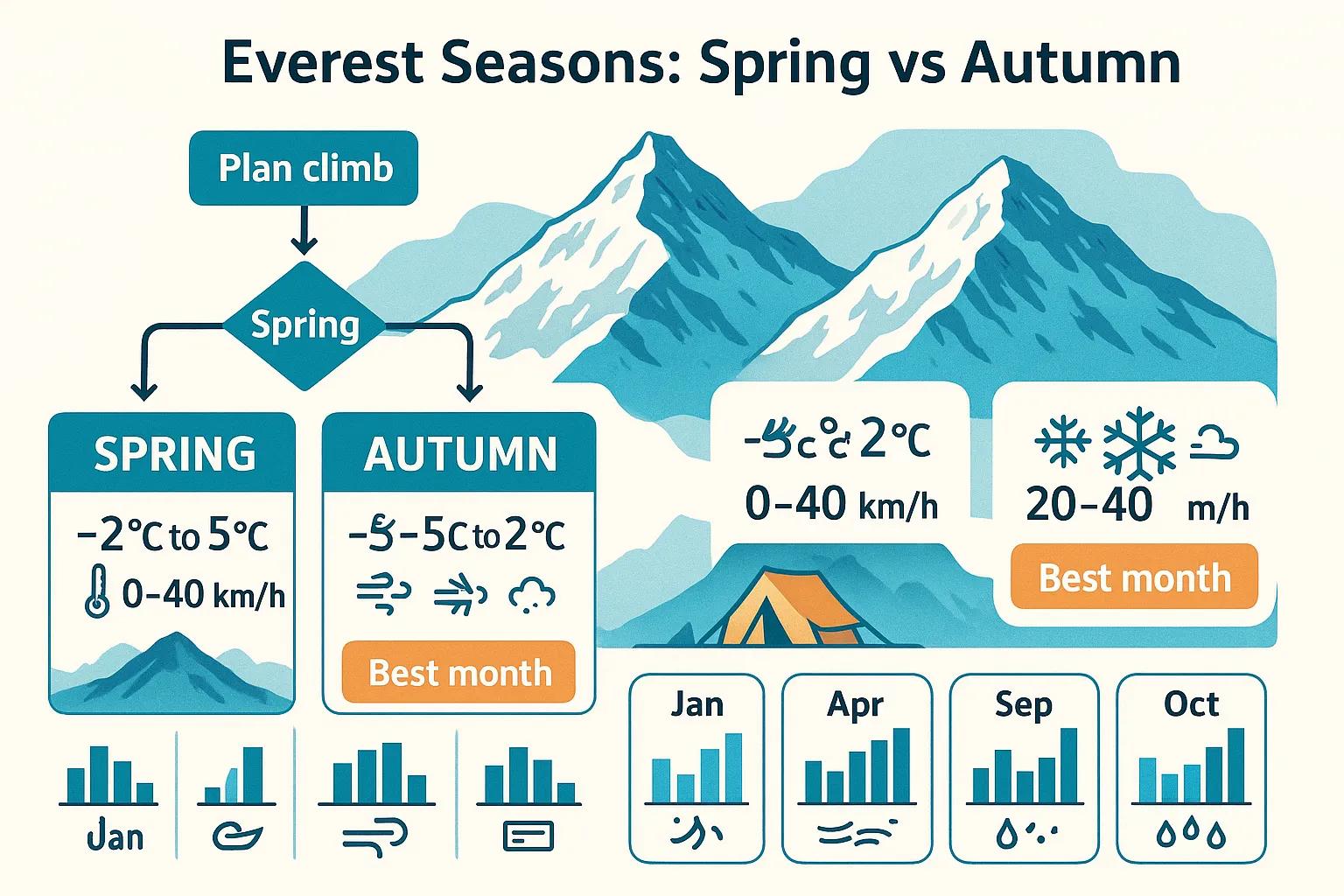
Mount Everest has two primary climbing seasons: spring and autumn. Each season presents unique weather patterns that climbers must understand to optimize their chances of success. Spring, typically from late April to early June, is favored for its relatively stable weather and warmer temperatures, making it the most popular time for summiting. Conversely, the autumn season, from late September to early November, offers a second chance for climbers but comes with more unpredictable weather conditions. Understanding these seasonal characteristics is crucial for effective expedition planning.
How Does the Spring Climbing Season Affect Weather and Summit Windows?
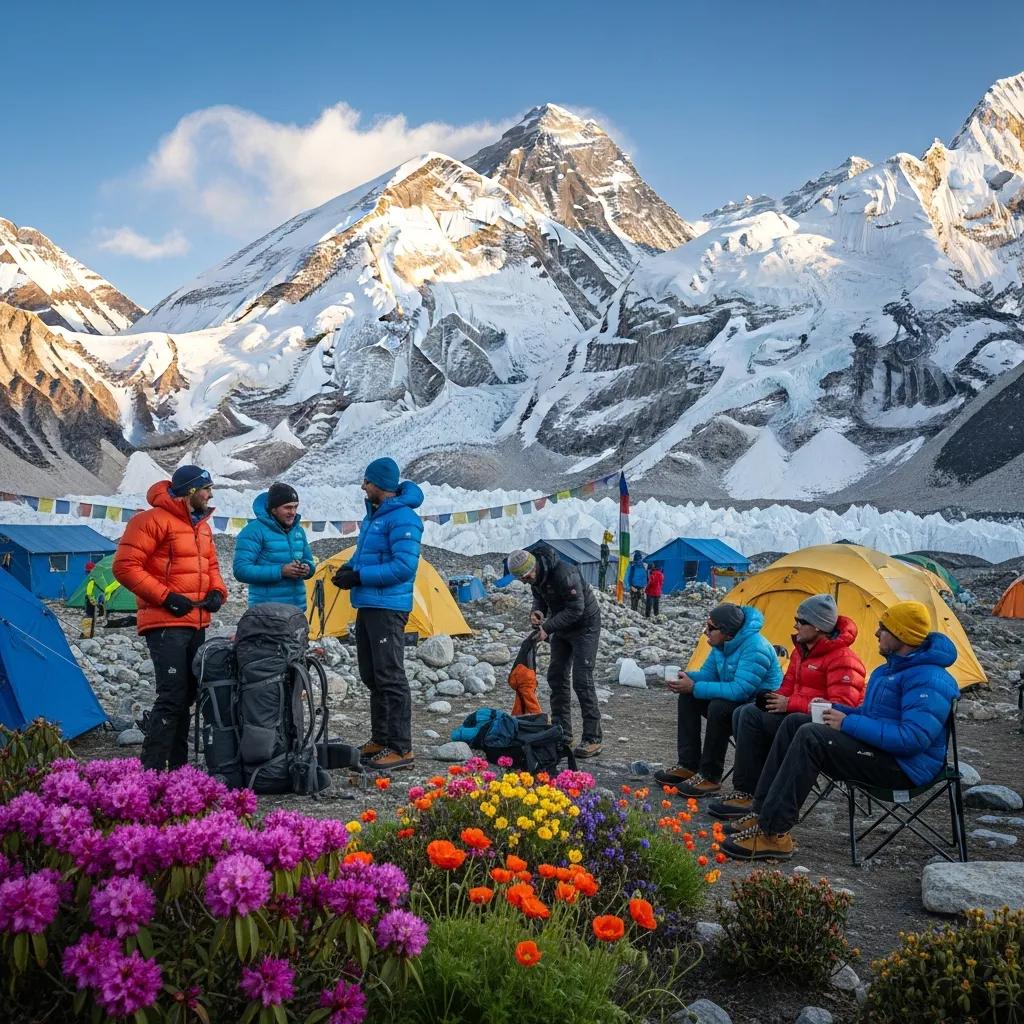
The spring climbing season on Everest is characterized by warmer temperatures and more stable weather patterns, which are essential for successful summits. During this period, climbers can expect average temperatures at Base Camp to range from -2°C to 5°C (28°F to 41°F). The jet stream typically shifts northward, reducing wind speeds and allowing for clearer skies. However, climbers must remain vigilant, as sudden storms can still occur, impacting summit windows. Tracking weather forecasts closely is vital during this season to identify optimal days for ascent.
What Weather Patterns Define the Autumn Climbing Season on Everest?
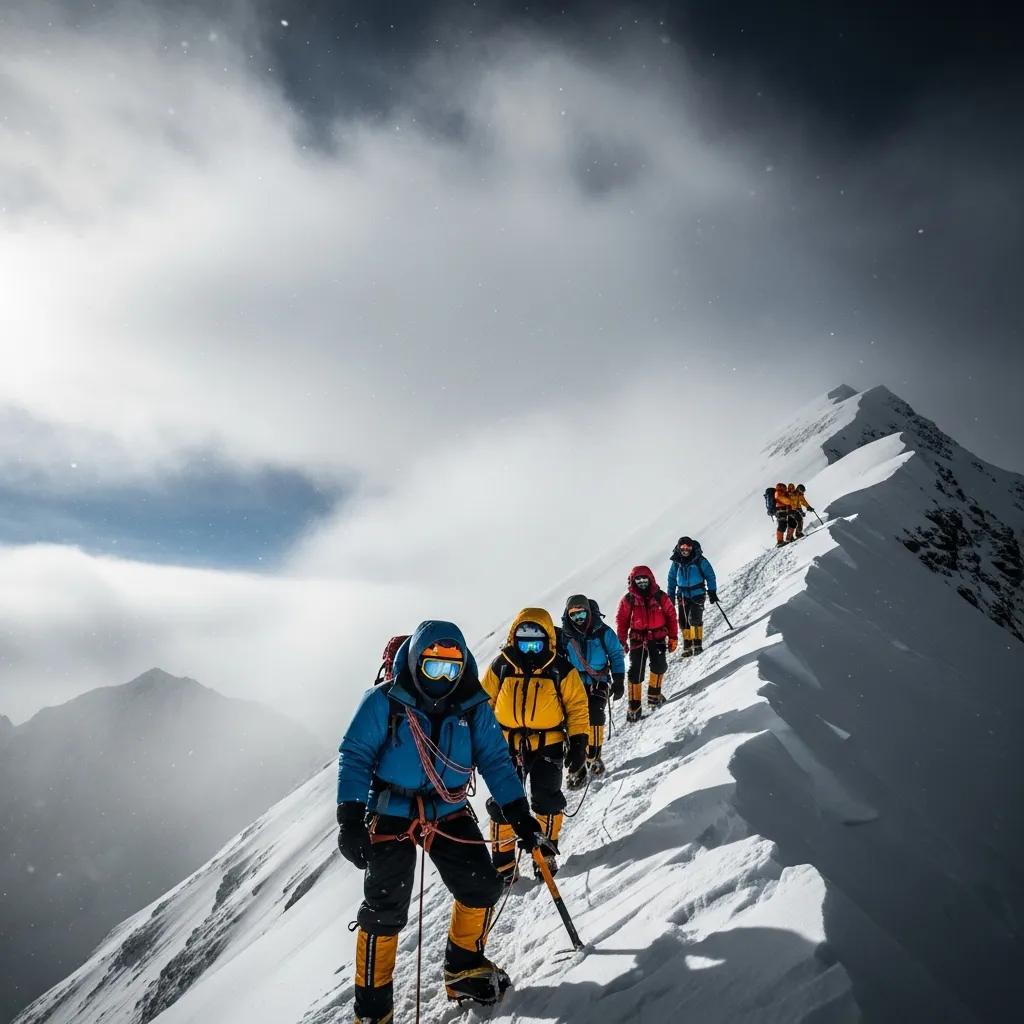
The autumn climbing season presents a different set of challenges for climbers. While temperatures are cooler, ranging from -5°C to 2°C (23°F to 36°F) at Base Camp, the weather is often less predictable. Climbers may encounter sudden snowfalls and increased wind speeds, which can complicate ascent plans. Understanding the typical weather conditions during this season is essential for climbers to prepare adequately and adjust their strategies accordingly. The autumn season can still offer successful summits, but climbers must be prepared for a wider range of weather scenarios.
How Do Monthly Weather Conditions Impact Mount Everest Expeditions?
Monthly weather variations on Everest can dictate the success of climbing expeditions. Understanding these variations is crucial for climbers to plan their ascents effectively. Key factors include temperature, wind speed, and precipitation, all of which can significantly affect climbing conditions.
This table illustrates the significant fluctuations in temperature, wind speed, and precipitation throughout the year. Climbers must consider these factors when planning their expeditions to ensure safety and success.
What Are the Typical Temperature and Wind Speeds Each Month?
Temperature and wind speed are critical factors that climbers must monitor closely. In January, temperatures can plummet to -20°C, with wind speeds reaching up to 50 km/h, making conditions extremely harsh. By April, temperatures begin to rise, providing a more favorable environment for climbing, with average temperatures around 0°C and wind speeds decreasing. May is often the peak month for summits, as temperatures can reach up to 10°C, and wind speeds are at their lowest. Understanding these monthly averages helps climbers prepare for the conditions they will face.
How Does Precipitation Vary Throughout the Year on Everest?
Precipitation patterns on Everest vary significantly throughout the year, impacting climbing routes and safety. During the winter months, heavy snowfall can create dangerous conditions, while spring typically sees lower precipitation levels, allowing for clearer climbing days. In contrast, autumn can bring unexpected snowfalls, which can hinder progress and increase risks. Climbers must be prepared for wet conditions, especially during the autumn season, and should plan their routes accordingly to avoid areas prone to heavy snowfall.
What Are the Key Safety Risks When Climbing Everest and How Can They Be Mitigated?
Climbing Everest presents several safety risks that climbers must be aware of to ensure a successful expedition. Altitude sickness, rapidly changing weather conditions, and the physical demands of the climb are significant concerns. Understanding these risks and implementing effective mitigation strategies is essential for climbers.
Which Weather-Related Hazards Should Climbers Prepare For?
Climbers should prepare for various weather-related hazards, including strong winds, sudden storms, and temperature drops. These factors can affect stability and increase the risk of altitude sickness. It is crucial for climbers to monitor weather forecasts and be ready to adjust their plans as conditions change. Proper gear, including windproof clothing and reliable shelter, can help mitigate these risks.
What Are Essential Risk Management and Safety Protocols for Everest Climbers?
Effective risk management and safety protocols are vital for climbers on Everest. Key protocols include acclimatization strategies, establishing clear decision points, and emergency planning. Climbers should ascend gradually to allow their bodies to adjust to the altitude, and they must have a go/no-go plan based on real-time weather conditions. Regular health monitoring and communication with team members are also essential for ensuring safety during the climb.
How Should Climbers Plan Their Everest Expedition Based on Seasonal Weather Data?
Planning an Everest expedition requires careful consideration of seasonal weather data. Climbers must identify the best season for their chosen route and track forecasts leading up to their expedition. This strategic approach can significantly enhance the likelihood of a successful summit.
What Are the Permit and Timing Considerations for Each Climbing Season?
Climbers must obtain the necessary permits to climb Everest, which can vary depending on the season. The timing of these permits is crucial, as they can affect success rates. For example, permits for the spring season are typically issued in advance, while autumn permits may have different requirements. Understanding local regulations and timing strategies is vital for climbers to navigate the permitting process effectively.
How Does Acclimatization Protocol Vary With Seasonal Conditions?
Acclimatization is a critical aspect of climbing Everest, and protocols can vary based on seasonal conditions. In spring, climbers may have more stable weather, allowing for gradual ascents and better acclimatization opportunities. In contrast, autumn climbers may need to adjust their protocols to account for unpredictable weather and potential delays. Monitoring health and adjusting ascent plans accordingly is essential for ensuring climbers’ safety and success.
What Are the Latest Climate Trends Affecting Everest Climbing Seasons?
Recent climate trends have begun to alter traditional climbing windows on Everest. Understanding these changes is crucial for climbers to adapt their strategies and ensure safety during their expeditions.
How Has Climate Variability Altered Traditional Summit Windows?
Climate variability has made traditional summit windows less predictable. Climbers may find that the optimal times for summiting are shifting, with weather patterns becoming increasingly erratic. This unpredictability necessitates a flexible approach to expedition planning, as climbers must be prepared to adapt to changing conditions.
What Recent Data From 2023-2026 Inform Current Expedition Planning?
Recent data from 2023-2026 indicates that climbers should be aware of the increasing variability in weather patterns. Studies show that the frequency of extreme weather events is rising, which can impact climbing conditions. This data underscores the importance of thorough preparation and real-time monitoring of weather conditions to enhance safety and success rates during expeditions.
Which Resources and Tools Enhance Real-Time Weather Monitoring for Everest Climbers?
Real-time weather monitoring is essential for climbers on Everest. Utilizing the right resources and tools can significantly improve decision-making and safety during expeditions.
How Can Climbers Use Weather Forecasts and Interactive Charts Effectively?
Climbers can enhance their planning by utilizing weather forecasts and interactive charts. These tools provide valuable insights into current conditions and help climbers anticipate changes. By understanding how to interpret these forecasts, climbers can make informed decisions about their ascent and adjust their plans as necessary. For more information, visit the global summit guide.
What Structured Data and Semantic Markups Support Accurate Weather Information?
Structured data and semantic markups play a crucial role in delivering accurate weather information. By utilizing these technologies, climbers can access reliable data that enhances their understanding of current conditions. Accurate weather information is vital for climbers to make informed decisions and ensure their safety during expeditions.
Frequently Asked Questions
What Should Climbers Know About Altitude Sickness on Everest?
Altitude sickness is a significant risk for climbers on Everest, as it can occur at elevations above 2,500 meters (8,200 feet). Symptoms include headaches, nausea, and dizziness, which can escalate to more severe conditions like High Altitude Pulmonary Edema (HAPE) or High Altitude Cerebral Edema (HACE). To mitigate these risks, climbers should ascend gradually, allowing their bodies to acclimatize. Staying hydrated and recognizing early symptoms are crucial for safety. If symptoms worsen, descending to a lower altitude is essential for recovery.
How Can Climbers Prepare for Equipment Needs on Everest?
Proper equipment is vital for a successful Everest expedition. Climbers should invest in high-quality gear, including insulated clothing, mountaineering boots, and technical climbing equipment. Additionally, they should carry essential items like oxygen tanks, first aid kits, and communication devices. It’s also important to test gear in similar conditions before the climb to ensure reliability. Regular maintenance and checks of equipment can prevent failures during critical moments, enhancing safety and performance on the mountain.
What Role Does Team Dynamics Play in Climbing Everest?
Team dynamics are crucial for a successful Everest expedition. Effective communication, trust, and collaboration among team members can significantly impact decision-making and safety. Climbers should establish clear roles and responsibilities within the team, ensuring everyone understands their tasks. Regular team meetings to discuss strategies and concerns can foster a supportive environment. Additionally, having a shared goal and mutual respect can enhance morale, which is essential for enduring the physical and mental challenges of the climb.
What Are the Environmental Considerations for Climbers on Everest?
Climbers must be aware of the environmental impact of their expeditions on Everest. The increasing number of climbers has led to concerns about waste management and preservation of the mountain’s ecosystem. Climbers should follow Leave No Trace principles, ensuring they pack out all waste and minimize their footprint. Additionally, respecting local regulations and guidelines helps protect the fragile environment. Awareness of the ecological challenges facing Everest can encourage climbers to adopt sustainable practices during their expeditions.
How Can Climbers Stay Informed About Changing Weather Conditions?
Staying informed about changing weather conditions is essential for climbers on Everest. Utilizing reliable weather apps, satellite communication, and local forecasts can provide real-time updates. Climbers should also establish a communication plan with their support teams to receive timely information. Engaging with experienced guides who understand the mountain’s weather patterns can further enhance safety. Regularly checking weather updates allows climbers to make informed decisions and adjust their plans accordingly to ensure a safer ascent.
What Are the Psychological Challenges Climbers Face on Everest?
The psychological challenges of climbing Everest can be as daunting as the physical ones. Climbers often face stress, anxiety, and fatigue, which can impact decision-making and performance. Mental preparation is crucial; climbers should develop coping strategies to manage stress, such as visualization techniques and mindfulness practices. Building a strong support network within the team can also provide emotional resilience. Recognizing the mental aspects of climbing can help climbers maintain focus and motivation throughout their expedition.
When Is the Best Month to Climb Mount Everest?
The best month to climb Mount Everest is generally May, as it offers the most favorable weather conditions for summiting. During this time, temperatures are warmer, and wind speeds are lower, providing climbers with the best chance for a successful ascent. However, climbers should still be prepared for sudden weather changes and monitor forecasts closely.
How Does Weather Affect the Success and Safety of Everest Expeditions?
Weather plays a critical role in the success and safety of Everest expeditions. Unpredictable weather conditions can lead to dangerous situations, including altitude sickness and exposure to extreme temperatures. Climbers must be prepared for these challenges and have contingency plans in place to ensure their safety throughout the climb.
Conclusion
Understanding the seasonal weather patterns of Mount Everest is essential for climbers aiming for a successful summit. By carefully planning your expedition around the best climbing seasons and monitoring real-time weather data, you can significantly enhance your chances of safety and success. Equip yourself with the right knowledge and tools to navigate the challenges of this formidable mountain. Start your journey by exploring our comprehensive resources on Everest climbing today.
Was this helpful?
🏔Related peaks nearby
🧭Explore & compare
Global Summit Guide is an independent mountaineering resource founded in 2026. The team combines first-hand trekking and climbing experience with in-depth research and professional health and nutrition review to help climbers choose objectives, prepare properly, and stay safe.
Health, altitude, and nutrition content is reviewed by Taylor Ludlow (Registered Nurse) and Brigg Hoopes (Nutritionist).
What We Don't Know Yet
Mountain information changes quickly. This box explains the limits of what this page can responsibly promise.
- Weather, snowpack, avalanche risk, road access, and route conditions can change quickly and may be different on your climbing dates.
- Route conditions, snowpack, closures, and weather can change quickly after this page is updated.
- Permit rules, fees, quotas, and reservation windows may change between review cycles.
- Operator availability, pricing, guide ratios, and cancellation terms can change by season.
- Your fitness, altitude response, risk tolerance, and experience level may change what is safe or realistic.
Verify current conditions with official land managers, guide services, local forecasts, and current route reports before booking or climbing.
Mountaineering, rock and ice climbing, glacier travel, and high-altitude activity are inherently dangerous and can result in serious injury or death. The information on Global Summit Guide is provided for general informational and educational purposes only and is not a substitute for professional instruction, qualified guiding, proper equipment, or your own judgment and experience.
Route conditions, weather, snowpack, permits, regulations, and hazards change constantly and may differ from what is described here. Details may be incomplete, out of date, or contain errors. Always verify current information with local authorities, certified guides, and official sources before making any decision in the mountains.
Nothing on this site is medical, legal, or financial advice. Our fitness, acclimatization, altitude, and nutrition content is general in nature; consult a qualified physician before beginning any strenuous exercise program or exposing yourself to high altitude.
You are solely responsible for your own safety and decisions. To the fullest extent permitted by law, Global Summit Guide and its team accept no liability for any loss, injury, damage, or expense arising from use of, or reliance on, this information. By using this site you acknowledge these risks and accept these terms.
Some links on this site may be affiliate links. If you buy through them we may earn a small commission at no extra cost to you; this never affects our recommendations.
Global Summit Guide recommendation path
Next Best Mountain to Research
Use these recommendations to continue the right planning path instead of stopping on one page.
Use current permit, weather, route, and operator information before booking or climbing.
Search Flights, Hotels & Rental Cars
Have the mountain or destination picked? Use Expedia to compare the flights, lodging and rental cars that fit your actual trip dates. For mountain travel, consider arriving early enough for delays and adding a buffer night after the climb before a fixed flight home.
Compare current flight, hotel and car options.
Affiliate disclosure: Global Summit Guide may earn a commission if you book through this link, at no additional cost to you.