web analytics

Tag: peak bagging

  • How Many 14ers Are in Colorado? 58 Named Peaks + Full List

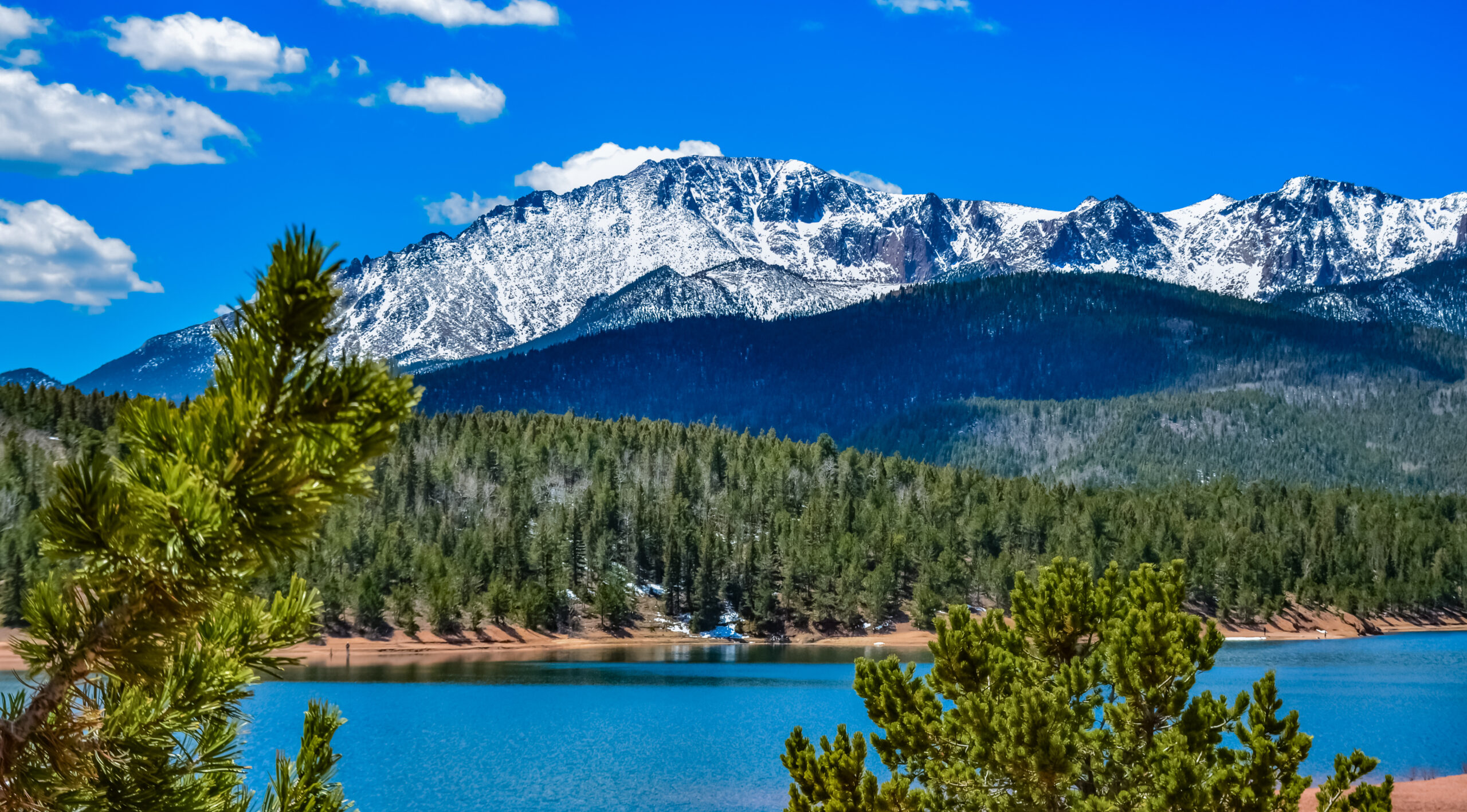
    Colorado Rocky Mountains and a high alpine landscape representing Colorado's fourteeners
    Colorado · Fourteeners · Current Count & List

    How Many 14ers Are in Colorado? 58 Named, 53 Ranked

    Colorado has 58 named fourteeners. Of those, 53 are ranked under the 300-foot prominence convention used by 14ers.com, while the Colorado Mountain Club uses a 54-peak minimum for its official list-completer program. Get the answer first, then see the five named-but-unranked peaks and the complete current 58-peak list.

    58 named peaks verified53 ranked peaksCMC 54 standard checkedCurrent LiDAR-based elevations

    Updated August 24, 2026 · Count cross-check: 14ers.com + Colorado Mountain Club + Colorado Geological Survey

    58Named 14ers
    53Ranked 14ers
    54CMC completer minimum
    7Range groups
    The direct answer

    Colorado has 58 named 14ers. The 53 and 54 counts answer different questions.

    For the broad question “How many 14ers are in Colorado?” the clearest answer is 58 named peaks above 14,000 feet. 14ers.com currently ranks 53 peaks using its 300-foot prominence convention. Separately, the Colorado Mountain Club requires a 54-peak minimum for its official Summit Completer recognition. Treat those as three labeled list conventions—not competing claims about how many mountains physically exist.

    58 meansNamed peaks above 14,000 ft
    53 means300+ ft prominence / ranked
    54 meansCMC completer minimum
    5 meansNamed but currently unranked
    Do not mix list systems. The current 14ers.com page shows 58 named peaks, 53 ranked peaks and five named peaks below its ranking threshold. The Colorado Mountain Club maintains its own 54-peak completer tradition. This guide reports each source on its own terms instead of trying to turn them into one universal “official” list.
    One state · three useful numbers

    Why Colorado 14er Counts Are 53, 54 or 58

    Most conflicting answers are not really conflicts. They are using different definitions of what belongs on a completion list.

    Most useful public answer

    58 Named 14ers

    14ers.com currently states that Colorado is home to 58 named peaks above 14,000 feet. This is the cleanest answer to the broad search query “how many 14ers are in Colorado?”

    See the complete 58 →
    Topographic / ranked list

    53 Ranked 14ers

    Colorado’s long-used ranking convention requires at least 300 feet of prominence. Fifty-three of the 58 named summits currently meet that threshold.

    See the five that do not →
    Colorado Mountain Club

    54-Peak Completer Standard

    The CMC says 54 fourteeners are required for its official list-completer recognition, while also accepting people who pursue larger lists such as 55 or 58 after completing the minimum.

    Which number should you use? →

    The practical rule

    If you are writing a trivia answer, travel guide or general Colorado mountain article, say 58 named 14ers and immediately add that 53 are ranked. If you are talking about CMC completer recognition, say 54 minimum. That wording resolves the ambiguity instead of pretending one tradition has erased the others.

    The five-peak difference

    The Five Named Colorado 14ers That Are Not Ranked

    These summits are on the 58 named-peak list but do not currently meet the 300-foot prominence threshold used for ranking.

    PeakElevationProminenceRange
    Mount Cameron14,248 ft152 ftMosquito Range
    El Diente Peak14,175 ft264 ftSan Juan Mountains
    Challenger Point14,086 ft264 ftSangre de Cristo
    North Eolus14,042 ft212 ftSan Juan Mountains
    Conundrum Peak14,037 ft225 ftElk Mountains

    This is where many older pages are now wrong. North Maroon Peak used to appear on many unranked lists, while Challenger Point sometimes appeared as ranked. Current 14ers.com data reverses that older pairing: North Maroon is ranked, and Challenger is one of the five named-but-unranked peaks.

    The total still remains 53 ranked + 5 named/unranked = 58 named peaks.
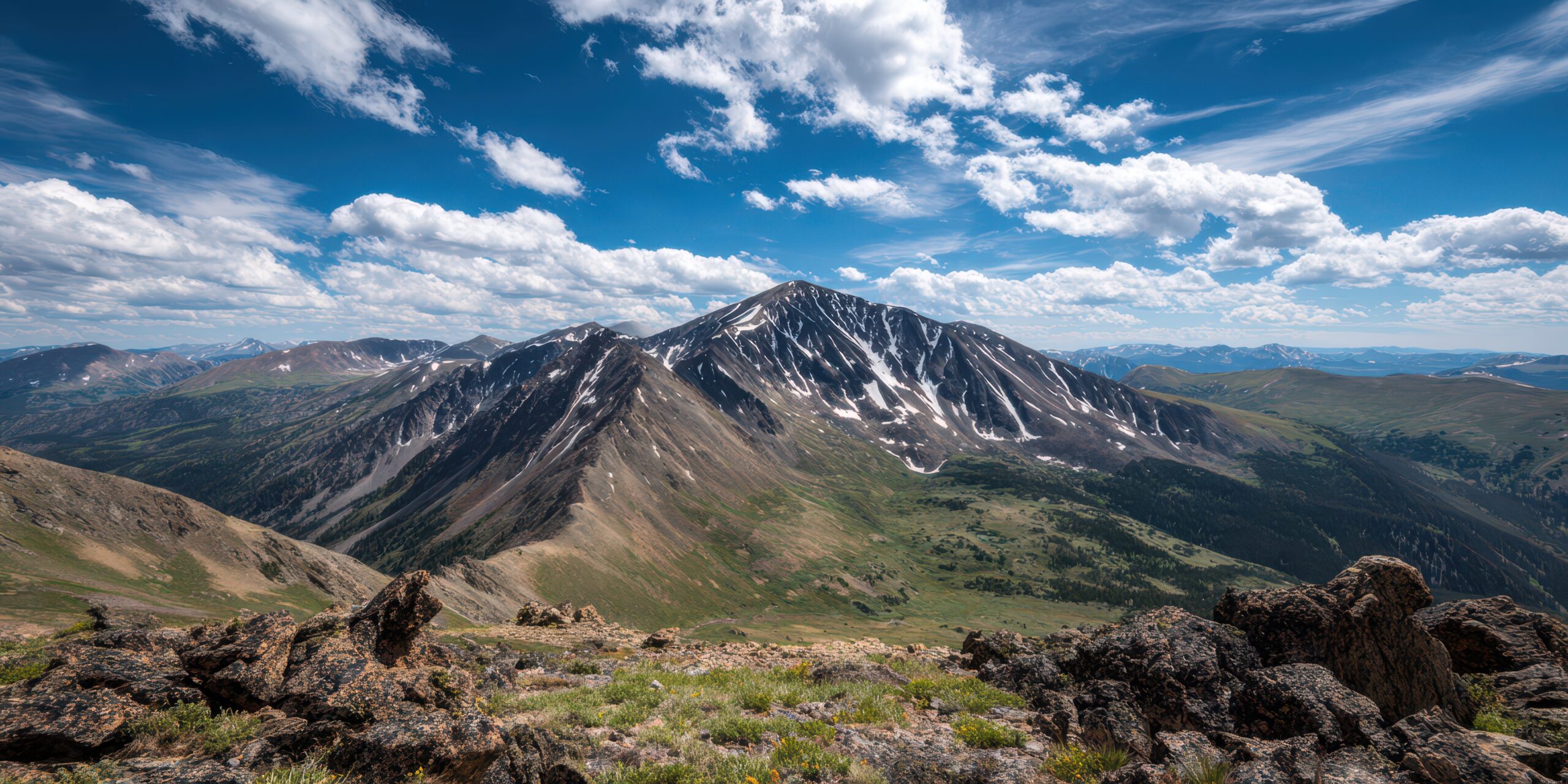
    Colorado high mountain terrain in the Rocky Mountains representing the state's fourteeners
    The list is simple once the rule is visible

    58 named summits. 53 ranked peaks. Five named summits below 300 feet of prominence.

    The key is not choosing a favorite number. It is telling readers which definition each number represents.

    Corrected distribution

    Colorado’s 58 Named 14ers by Mountain Range

    The current 58-peak distribution is seven range groups. This corrects an older version of this page that misplaced several Mosquito Range peaks in the Front Range.

    RangeNamed 14ersHighestElevationCount detail
    Sawatch Range15Mount Elbert14,438 ft15 ranked
    San Juan Mountains14Uncompahgre Peak14,318 ft12 ranked + 2 named/unranked
    Sangre de Cristo10Blanca Peak14,350 ft9 ranked + Challenger Point
    Elk Mountains7Castle Peak14,274 ft6 ranked + Conundrum Peak
    Front Range6Grays Peak14,275 ft6 ranked
    Mosquito Range5Mount Lincoln14,293 ft4 ranked + Mount Cameron
    Tenmile Range1Quandary Peak14,272 ft1 ranked
    Range-count check: 15 + 14 + 10 + 7 + 6 + 5 + 1 = 58. The Sawatch Range has the largest concentration. The Front Range has six named 14ers in this grouping—not nine.
    Current named-peak inventory

    Complete List of All 58 Colorado 14ers

    Sorted from highest to lowest using the current elevations displayed by 14ers.com. Five rows are marked “Named / unranked.”

    #PeakElevationRangeStatus
    1Mount Elbert14,438 ftSawatch RangeRanked
    2Mount Massive14,427 ftSawatch RangeRanked
    3Mount Harvard14,424 ftSawatch RangeRanked
    4Blanca Peak14,350 ftSangre de CristoRanked
    5La Plata Peak14,344 ftSawatch RangeRanked
    6Uncompahgre Peak14,318 ftSan Juan MountainsRanked
    7Crestone Peak14,299 ftSangre de CristoRanked
    8Mount Lincoln14,293 ftMosquito RangeRanked
    9Grays Peak14,275 ftFront RangeRanked
    10Castle Peak14,274 ftElk MountainsRanked
    11Quandary Peak14,272 ftTenmile RangeRanked
    12Torreys Peak14,272 ftFront RangeRanked
    13Mount Antero14,271 ftSawatch RangeRanked
    14Mount Blue Sky14,268 ftFront RangeRanked
    15Longs Peak14,259 ftFront RangeRanked
    16Mount Wilson14,256 ftSan Juan MountainsRanked
    17Mount Cameron14,248 ftMosquito RangeNamed / unranked
    18Mount Shavano14,230 ftSawatch RangeRanked
    19Mount Belford14,202 ftSawatch RangeRanked
    20Mount Princeton14,200 ftSawatch RangeRanked
    21Mount Yale14,200 ftSawatch RangeRanked
    22Crestone Needle14,196 ftSangre de CristoRanked
    23Mount Bross14,178 ftMosquito RangeRanked
    24El Diente Peak14,175 ftSan Juan MountainsNamed / unranked
    25Kit Carson Peak14,167 ftSangre de CristoRanked
    26Maroon Peak14,163 ftElk MountainsRanked
    27Mount Oxford14,158 ftSawatch RangeRanked
    28Tabeguache Peak14,158 ftSawatch RangeRanked
    29Mount Sneffels14,155 ftSan Juan MountainsRanked
    30Mount Democrat14,154 ftMosquito RangeRanked
    31Capitol Peak14,138 ftElk MountainsRanked
    32Pikes Peak14,109 ftFront RangeRanked
    33Snowmass Mountain14,105 ftElk MountainsRanked
    34Windom Peak14,089 ftSan Juan MountainsRanked
    35Mount Eolus14,087 ftSan Juan MountainsRanked
    36Challenger Point14,086 ftSangre de CristoNamed / unranked
    37Mount Columbia14,075 ftSawatch RangeRanked
    38Missouri Mountain14,071 ftSawatch RangeRanked
    39Humboldt Peak14,068 ftSangre de CristoRanked
    40Mount Bierstadt14,066 ftFront RangeRanked
    41Sunlight Peak14,061 ftSan Juan MountainsRanked
    42Handies Peak14,058 ftSan Juan MountainsRanked
    43Ellingwood Point14,057 ftSangre de CristoRanked
    44Mount Lindsey14,055 ftSangre de CristoRanked
    45Culebra Peak14,053 ftSangre de CristoRanked
    46Mount Sherman14,043 ftMosquito RangeRanked
    47North Eolus14,042 ftSan Juan MountainsNamed / unranked
    48Little Bear Peak14,041 ftSangre de CristoRanked
    49Redcloud Peak14,037 ftSan Juan MountainsRanked
    50Conundrum Peak14,037 ftElk MountainsNamed / unranked
    51Pyramid Peak14,029 ftElk MountainsRanked
    52San Luis Peak14,023 ftSan Juan MountainsRanked
    53North Maroon Peak14,022 ftElk MountainsRanked
    54Wetterhorn Peak14,021 ftSan Juan MountainsRanked
    55Wilson Peak14,021 ftSan Juan MountainsRanked
    56Mount of the Holy Cross14,007 ftSawatch RangeRanked
    57Huron Peak14,006 ftSawatch RangeRanked
    58Sunshine Peak14,004 ftSan Juan MountainsRanked

    Showing all 58 named Colorado 14ers.

    Elevation note: this table intentionally follows the current elevation values displayed by 14ers.com. Older USGS-era lists and legacy articles often differ by a few feet—for example, Mount Elbert is commonly quoted as 14,440 feet, while the current 14ers.com list displays 14,438 feet.
    Why older lists do not always match

    Survey Data and List Traditions Can Change the Details Without Changing the Broad Answer

    Elevation, prominence and list-completion traditions are separate layers. That is why older guidebooks can show different elevations or different “must-climb” sets.

    Colorado 14er data spans decades of map elevations, survey revisions, LiDAR work and climbing-community conventions. You will still see familiar legacy numbers such as Mount Elbert at 14,440 feet, while the current 14ers.com list displays 14,438 feet.

    For the current broad count, the sources are unusually consistent: 14ers.com and the Colorado Geological Survey both state that Colorado has 58 named peaks above 14,000 feet. 14ers.com separately displays 53 ranked peaks under its prominence convention. The Colorado Mountain Club maintains a 54-peak completer standard rooted in its own climbing tradition.

    That is why this page labels 58 named / 53 ranked / 54 CMC minimum rather than calling any one of those numbers the only valid answer in every context.
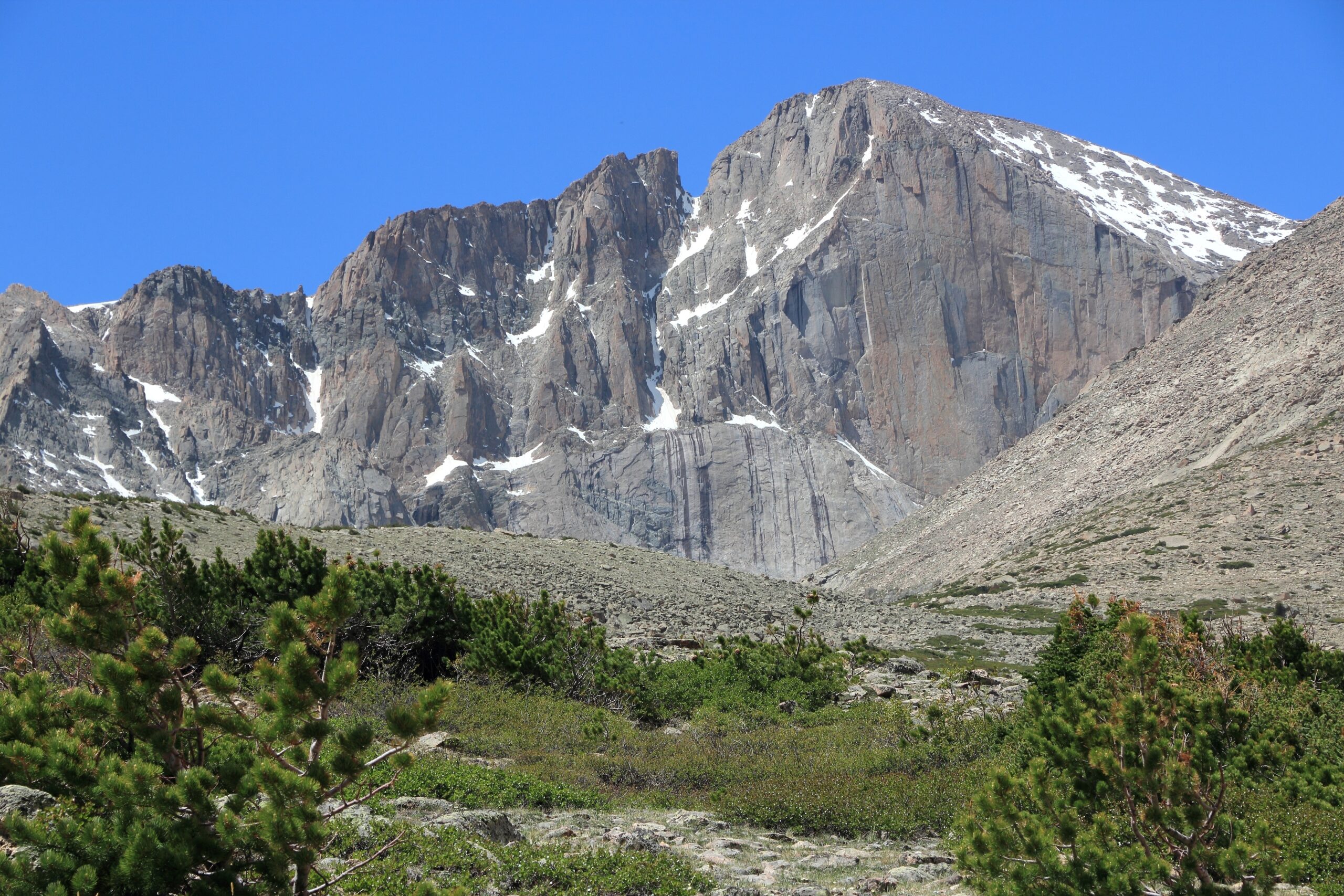
    Longs Peak in Rocky Mountain National Park, one of Colorado's ranked fourteeners
    Counting is not climbing

    This page answers the list question. The Colorado 14ers master guide owns route planning.

    That separation keeps search intent clean: use this page for the count, rankings and current inventory; use the master guide to choose which mountain to climb next.

    Use the right number

    Which Colorado 14er List Should You Use?

    The best answer depends on what you are actually trying to do.

    General question

    Use 58

    For “How many 14ers are in Colorado?” or “Give me the complete named list,” 58 is the clearest answer. Add the 53-ranked note to prevent confusion.

    Topographic ranking

    Use 53

    For prominence-based peak ranking, independent-summit comparisons and a strict 300-foot rule, use the 53 currently ranked peaks.

    CMC completion

    Use 54 Minimum

    If your goal is Colorado Mountain Club list-completer recognition, use the CMC’s own current standard and verify its rules before submitting a completion.

    Planning to climb them?

    Do not use this count page as a route guide. Move to the Colorado 14ers master guide for progression, route difficulty, season, access and trip planning. That page and this one should support each other rather than compete for the same intent.

    Climber Journey · Choose → Prepare → Plan

    The Count Is Reference Data. Your Next Decision Is Which 14er Fits You.

    If this is your first Colorado 14er, move from the number to mountain selection: choose a route class you already understand, check altitude readiness, then verify weather, access and permits on the mountain-specific page. If you are collecting the full list, use the Colorado 14ers master guide for progression rather than treating all 58 peaks as interchangeable checkboxes.

    Dream→Choose→Prepare→Plan→Book→Climb
    Data methodology

    Sources & How This List Was Audited

    The rebuild separates named-peak count, topographic ranking and club-completion rules so each source is used for what it actually governs.

    Primary sources checked August 24, 2026

    Editorial rule: when older map elevations or older prominence classifications disagree with the current list, this page labels the current source and explains the change rather than silently mixing generations of data.

    Colorado 14er count questions

    Frequently Asked Questions

    Short answers designed to match the exact questions searchers ask about the Colorado fourteener count.

    How many 14ers are in Colorado?

    Colorado has 58 named peaks above 14,000 feet on the widely used 14ers.com named-peak list. Of those, 53 currently satisfy Colorado's commonly used 300-foot prominence rule and are ranked.

    Why do some lists say Colorado has 53 14ers?

    The 53 count includes only ranked peaks with at least 300 feet of topographic prominence above the connecting saddle to a higher peak. Five named 14ers on the 58-peak list fall below that threshold.

    Why does the Colorado Mountain Club use 54?

    The Colorado Mountain Club currently recognizes 54 fourteeners as the minimum required for its official list-completer recognition. It also accepts climbers who pursue larger lists such as 55 or 58, provided the 54-peak minimum is completed.

    What are the five unranked Colorado 14ers?

    The current five named but unranked 14ers on 14ers.com are Mount Cameron, El Diente Peak, Challenger Point, North Eolus and Conundrum Peak.

    Is North Maroon Peak a ranked 14er?

    Yes. Current 14ers.com data ranks North Maroon Peak at number 48 of 53. LiDAR-based prominence work changed its status from older lists that treated it as unranked.

    What is the highest 14er in Colorado?

    Mount Elbert is Colorado's highest 14er. The current 14ers.com LiDAR-based list displays it at 14,438 feet; older maps and guides often show 14,440 feet.

    What is the lowest ranked 14er in Colorado?

    Sunshine Peak is currently the lowest of Colorado's 53 ranked 14ers on the 14ers.com list, displayed at 14,004 feet.

    How many Colorado mountain ranges contain named 14ers?

    Using the range groupings shown by 14ers.com, the 58 named peaks are spread across seven groups: Sawatch, San Juan, Sangre de Cristo, Elk, Front, Mosquito and Tenmile.

    58 is the answer. Choosing is the next step.

    Know the Count. Then Pick the 14er That Fits Your Current Level.

    Use this URL as the reference for 58 named, 53 ranked and the 54-peak CMC standard. For difficulty, progression and route planning, move to the Colorado 14ers master guide and save the right objective in My Climb.

    US peaks · Colorado 14ers

    Colorado’s 14ers: The Complete Peakbagging Cluster

    The full 14er list is the starting point. Compare the range, go deeper on the marquee peaks, or set it in the wider hiking picture.

    Was this helpful?

    Yes
    No
    Thanks for your feedback!
  • SoCal Six Pack of Peaks training plan: a 12-week schedule for the Southern California challenge

    SoCal <a href="https://globalsummitguide.com/six-pack-of-peaks/">Six Pack of Peaks</a> Training Plan: 12-Week Schedule for the Southern California Challenge | Global Summit Guide
    Training Plans / Southern California

    SoCal Six Pack of Peaks training plan: a 12-week schedule for the Southern California challenge

    6 peaks
    In the SoCal series
    11,503 ft
    San Gorgonio high point
    12 weeks
    Pre-season prep
    ~22 mi
    Hardest day
    ★ Part of the Six Pack series This training plan supports our master Six Pack of Peaks guide, covering the full challenge route, peak-by-peak difficulty, and the broader Southern California progression. Six Pack of Peaks guide →

    The SoCal Six Pack of Peaks is the best structured hiking challenge in Southern California, and it is the gateway from weekend day-hiking into real mountain objectives. Six peaks from 5,710 feet to 11,503 feet, ranging from a moderate 14-mile day at Mount Wilson to a genuinely tough 19-to-22-mile San Gorgonio push. Completing all six in a single hiking season requires real preparation. This is the 12-week training plan we recommend before your first peak: weekly mileage progression, elevation gain targets, the gear that matters, and the realistic timeline for going from “I hike sometimes” to “I just finished San Gorgonio.”

    What is the SoCal Six Pack of Peaks and why it matters

    The SoCal Six Pack of Peaks is a structured hiking challenge covering six prominent Southern California summits, originally organized by the Six-Pack of Peaks Challenge community and now one of the most popular regional peak-bagging series in the United States. The peaks span the San Gabriel, San Bernardino, and San Jacinto ranges, with elevations from 5,710 feet up to 11,503 feet. Each peak is non-technical (no climbing, no exposure, no ropes), but the combination of distance, elevation gain, and altitude makes the harder peaks a real fitness test. The full challenge framework, peak-by-peak route details, and difficulty progression sit in our complete Six Pack of Peaks guide.

    The six peaks in the original SoCal series, easiest to hardest:

    1. Mount Wilson (5,710 ft) — 14 miles round trip, ~4,500 ft gain via Sturtevant trail. The introduction peak.
    2. Cucamonga Peak (8,859 ft) — 12 miles, ~4,300 ft gain. Wilderness permit required.
    3. Mount San Antonio / Mount Baldy (10,064 ft) — 11 miles, ~3,900 ft gain via Ski Hut trail. First 10,000-footer.
    4. San Bernardino Peak (10,649 ft) — 16 miles, ~4,700 ft gain from Angelus Oaks.
    5. San Jacinto Peak (10,834 ft) — 11 miles, ~2,400 ft gain from the tramway (or 21 miles, ~10,000 ft from Idyllwild for the full effort).
    6. San Gorgonio Mountain (11,503 ft) — 19-22 miles, ~5,500 ft gain. The crown jewel and the real test.

    The reason this challenge works as a training progression is that each peak is meaningfully harder than the one before it. Mount Wilson is the warm-up, Baldy is your first real altitude exposure, San Gorgonio is the peak you remember for the rest of your life. The fitness, route-finding, and weather-management skills you build on these peaks translate directly to next-step objectives like Mount Whitney, Mount Hood, or international mountains like Kilimanjaro. We cover that step-up framework in our mountaineering for beginners guide and in our best beginner mountains progression.

    Who this 12-week plan is for

    Honest fitness baseline check

    This plan is designed for hikers who can comfortably complete an 8-mile day hike with 2,000 feet of elevation gain right now. If you can do that without being wrecked the next day, 12 weeks is enough to get you ready for all six peaks. If you cannot, you need 6-12 weeks of base building first: shorter weekly hikes (3-5 miles), basic strength training, and consistent walking volume before starting the structured plan.

    The plan assumes you are starting roughly 14 weeks before your target first peak (Mount Wilson), with weeks 11 and 12 serving as a taper. It also assumes you have access to a local hill or trail with 1,000+ feet of gain you can use repeatedly. Most SoCal hikers train on the front-range trails: Eaton Canyon, Mount Wilson Toll Road, Echo Mountain, Bailey Canyon, or the Mount Lukens trails for those in the LA Basin; or the foothill trails near Claremont, Redlands, or Riverside for those further inland.

    Phase 1: building the base (Weeks 1-4)

    Weeks
    1-4

    Foundation: weekly volume and habit

    Building from 8 to 14 weekly miles
    Phase 14 weeks

    The first four weeks are about establishing the rhythm: three sessions per week minimum, one long weekend hike, no heroics. The goal is consistent volume, not intensity. Most hikers blow up Phase 1 by going too hard in week 1 and either injuring themselves or losing motivation by week 3. Keep the weekday sessions easy.

    Weekly structure:

    • 2 weekday sessions, 45-60 minutes each: brisk walking with light pack (5-8 lbs), ideally on rolling terrain or a stair climber.
    • 1 strength session, 30-40 minutes: bodyweight squats, lunges, step-ups, planks. Focus on legs and core.
    • 1 long weekend hike, building from 4 miles in week 1 to 8 miles by week 4, with 800-1,500 feet of elevation gain.

    Total weekly volume by week 4: 12-14 miles, 2,000-2,500 feet of elevation gain. If your weekday weeknight schedule does not allow three midweek sessions, two is the floor. Skipping the long weekend hike is not negotiable.

    Phase 2: elevation gain (Weeks 5-8)

    Weeks
    5-8

    Elevation focus: vertical, vertical, vertical

    Long hikes climbing 2,500-4,000 ft
    Phase 24 weeks

    This is where the plan gets serious. The thing that separates SoCal hikers who finish the Six Pack from those who burn out on Mount Baldy is elevation tolerance. Distance is meaningless if you cannot grind out 4,000 feet of gain in a single day. Phase 2 builds that specifically.

    Weekly structure:

    • 2 weekday sessions, 60 minutes: now with a 10-15 lb pack. One session should be hill-focused (stairmaster, hill repeats, or steep trail) rather than flat walking.
    • 1 strength session, 40-50 minutes: progress to weighted squats and lunges, add deadlifts if you know the form. Calf raises become important here.
    • 1 long weekend hike: 8 miles in week 5 → 12 miles by week 8, with elevation gain progressing from 2,000 ft to 4,000 ft.

    The key Phase 2 test hike: by week 7 or 8, you should be able to complete a 10-mile hike with 3,500-4,000 feet of gain at a steady pace. This is roughly the Mount Wilson via Sturtevant pace. If you cannot do this comfortably, extend Phase 2 by 2 weeks before progressing.

    The Phase 2 test

    If you can hike Mount Wilson via the Sturtevant trail at a steady pace, summit, and descend without being destroyed for two days afterward, you are ready for Phase 3. If Wilson breaks you, the plan needs more time. There is no shame in extending the build.

    Phase 3: peak simulation (Weeks 9-10)

    Weeks
    9-10

    Peak-day simulation

    14-16 mile hikes, 4,500-5,500 ft gain
    Phase 32 weeks

    The final two build weeks before your taper. The goal is to do at least one hike that is genuinely close to your hardest peak day: distance, elevation, total time on feet. For Six Pack hikers, this means a 14-16 mile hike with 4,500-5,500 feet of elevation gain. The Mount Baldy via Bear Canyon loop, the San Bernardino Peak Divide Trail, or the Cucamonga + Etiwanda double work well as simulation hikes.

    Weekly structure:

    • 2 weekday sessions, 60-75 minutes: full pack weight (15-20 lbs), one steep session, one tempo.
    • 1 strength session: maintenance, not progression. Avoid heavy days within 4 days of your simulation hike.
    • 1 simulation hike: 14-16 miles, 4,500-5,500 ft gain, carrying the full pack you will use on peak days.

    What this proves: simulation hikes test the cumulative fatigue that breaks people on the long peaks. Mile 12 of a 16-mile day is what gets you to mile 18 of a 22-mile San Gorgonio day. If you can do 16 miles with 5,000 feet of gain in Phase 3, you can do San Gorgonio. The mountain weather decisions that affect peak-day timing are in our mountain weather guide for climbers.

    Phase 4: taper and first peak (Weeks 11-12)

    Weeks
    11-12

    Taper and Mount Wilson

    Volume drops 30-40%, peak readiness
    Phase 42 weeks

    The taper is the part everyone gets wrong. After 10 weeks of building, the instinct is to keep pushing through week 11 and 12. Don’t. Drop volume by 30-40 percent in the two weeks before your first peak. Your fitness is already in the bank. The taper lets your legs, ankles, and tendons recover so you arrive fresh.

    Week 11:

    • 2 short weekday hikes (45 min each, light pack)
    • 1 strength session (light, maintenance only)
    • 1 weekend hike, 6-8 miles with 1,500 ft gain — moderate, not hard

    Week 12 (peak week):

    • 2 easy 30-minute walks (Monday and Wednesday)
    • Complete rest Thursday and Friday
    • Saturday: Mount Wilson via Sturtevant — your first peak
    Mount Wilson summit — your first peak

    Mount Wilson via Sturtevant is 14 miles round trip with about 4,500 feet of gain. If you have completed the 12-week plan, you will summit comfortably. The peak itself is anticlimactic (a working observatory with parking lots, vending machines, and tourists who drove up the road), but the descent gives you the confidence that the next five peaks are achievable.

    12-week volume summary at a glance

    WeekLong hike milesLong hike elev. gainTotal weekly milesPack weight
    Week 14 mi800 ft~8 mi5 lbs
    Week 25 mi1,000 ft~9 mi5 lbs
    Week 36 mi1,200 ft~11 mi8 lbs
    Week 48 mi1,500 ft~14 mi8 lbs
    Week 58 mi2,000 ft~16 mi10 lbs
    Week 610 mi2,800 ft~18 mi12 lbs
    Week 710 mi3,500 ft~20 mi12 lbs
    Week 812 mi4,000 ft~22 mi15 lbs
    Week 914 mi4,500 ft~24 mi15 lbs
    Week 1016 mi5,000+ ft~25 mi18 lbs
    Week 11 (taper)6-8 mi1,500 ft~14 mi10 lbs
    Week 12 (PEAK)14 mi Wilson4,500 ft~18 mi15 lbs

    Gear that makes the Six Pack noticeably easier

    You can hike the SoCal Six Pack in trail runners and a daypack. Most hikers do. But four pieces of gear meaningfully improve the experience, particularly for the longer peaks (San Bernardino, San Jacinto Idyllwild route, and San Gorgonio).

    Trekking poles. The descents from Baldy, San Bernardino, and San Gorgonio are 5,000-foot knee destroyers. Poles take 20-30% of the downhill load off your knees. They also help on the steep climbs. The full breakdown is in our snow travel gear guide which covers poles in context.

    A properly sized daypack. 25-35 liters with a real hipbelt. The peak days require 3 liters of water, layers, food, a first aid kit, and a headlamp. Anything smaller and you start leaving things behind. A solid daypack that distributes weight to your hips (not your shoulders) is the single most-underrated piece of Six Pack gear.

    Layered clothing for elevation. San Gorgonio at 11,503 feet can be 40°F at the summit when it is 75°F at the trailhead. A light insulation layer and a wind shell are mandatory for the high peaks. The layering framework is in our mountaineering for beginners guide.

    Sturdy footwear with ankle support. Trail runners work for Wilson and Cucamonga. For Baldy, San Bernardino, San Jacinto, and San Gorgonio, a more supportive hiking shoe or low-cut boot reduces ankle fatigue significantly. Most local hikers run a hybrid: trail runners for the easy peaks, supportive hikers for the long days.

    Gear weight realistic targets

    Day pack target weight: 15-18 lbs for the long peaks (water is the dominant weight). Cutting below 12 lbs requires sacrificing safety margin on layers, food, or first aid. Cutting above 22 lbs slows you down measurably. Most experienced Six Pack hikers carry 15-17 lbs total at the trailhead and finish with 8-10 lbs after drinking water through the day.

    Recommended peak order across the season

    The easiest-to-hardest order is the standard progression. Each peak builds on the fitness and confidence of the one before. Most hikers spread the six peaks across 6-10 weeks of the active hiking season:

    1. Week 12: Mount Wilson — the warm-up. Confirms your training worked.
    2. Week 14: Cucamonga Peak — first wilderness permit. Similar effort to Wilson but at higher elevation.
    3. Week 16: Mount Baldy — first 10,000-footer. The altitude becomes noticeable above 9,000 feet.
    4. Week 19: San Bernardino Peak — first long day with real altitude. 16 miles is a step up.
    5. Week 22: San Jacinto Peak — choose your route. Tramway start is the friendly option. Idyllwild is the hard option.
    6. Week 26: San Gorgonio Mountain — the crown. 19-22 miles, 11,503 feet, and the test of everything you have built.

    This puts San Gorgonio in late August or September, which is the ideal window: trail snow-free, monsoon thunderstorm risk diminishing, and the cooler high-country temperatures making the long day manageable. Avoid attempting San Gorgonio in July when the heat at lower elevations makes the round trip miserable. The mountain weather framework that drives these timing decisions is in our mountain weather guide.

    After the Six Pack: what comes next

    The SoCal Six Pack is one of the cleanest training progressions in North America for hikers wanting to step up to mountaineering. The fitness, gear familiarity, weather decision-making, and confidence you build during the challenge are foundational for bigger objectives. The natural next steps depend on whether you want to stay non-technical or progress into mountaineering proper.

    Stay non-technical: Mount Whitney (14,505 ft) via the standard trail is the obvious next objective. 22 miles, 6,100 ft gain, permit-required. If you finished San Gorgonio, you can finish Whitney with another 8-12 weeks of training focused on altitude tolerance. From Whitney the progression goes to higher non-technical mountains: Kilimanjaro (19,341 ft) which we cover in our Kilimanjaro training plan, and eventually Aconcagua (22,841 ft).

    Progress into mountaineering: Mount Hood, Mount Adams, or Mount Shasta in the Pacific Northwest introduce snow travel, crampons, and ice axe skills. Mount Rainier is the standard graduation peak that requires real glacier travel and roped climbing. The progression framework for this path is in our best beginner mountains guide and our intermediate climbing guide.

    ★ Six Pack of Peaks Master Guide

    The full Six Pack route guide

    Peak-by-peak route details, difficulty rankings, trailhead access, and the broader Southern California progression. Everything you need to plan all six summits.

    Read the full guide →

    The bottom line on Six Pack training

    The SoCal Six Pack of Peaks is finishable for any moderately active hiker willing to put in 12 weeks of structured preparation. The peaks themselves are not technical. The challenge is the cumulative volume: 4,500 to 5,500 feet of elevation gain in a single day is what separates hikers who finish the challenge from hikers who quit at Mount Baldy. The 12-week plan above is the realistic on-ramp. Build your base in Phase 1, add elevation in Phase 2, simulate peak days in Phase 3, and taper smart in Phase 4. Six peaks across one season, in order, with the Mount Wilson warm-up confirming you are ready and San Gorgonio standing as the test you have earned.

    Frequently asked questions

    How long does it take to complete the SoCal Six Pack of Peaks?

    Most hikers complete the SoCal Six Pack of Peaks across one hiking season, typically April through November, with one peak per month. Aggressive hikers finish in 6 to 8 weeks by stacking two peaks on long weekends. The challenge has no time limit and no required order. The training plan we recommend is 12 weeks of preparation before your first peak, then one peak every 2 to 4 weeks during the season.

    What are the six peaks in the SoCal Six Pack?

    The original SoCal Six Pack of Peaks is Mount Wilson (5,710 ft), Cucamonga Peak (8,859 ft), Mount San Antonio also called Mount Baldy (10,064 ft), San Bernardino Peak (10,649 ft), San Jacinto Peak (10,834 ft), and San Gorgonio Mountain (11,503 ft). The official challenge organized by Six-Pack of Peaks has expanded with additional regional series, but the original SoCal list is these six. Mount Wilson is the easiest and San Gorgonio is the hardest by a meaningful margin.

    How fit do you need to be for the SoCal Six Pack of Peaks?

    You need to be able to hike 12 to 20 miles in a day with 3,000 to 5,000 feet of elevation gain. That is the San Gorgonio standard, which is the hardest of the six. If you can comfortably hike 8 miles with 2,000 feet of gain right now, 12 weeks of progressive training will get you ready. If you are starting from scratch (not currently active), plan on 16 to 20 weeks of base building before starting this 12-week plan.

    What order should I climb the SoCal Six Pack of Peaks in?

    Easiest to hardest is the standard progression: Mount Wilson, Cucamonga, Mount Baldy, San Bernardino Peak, San Jacinto, San Gorgonio. This builds your fitness and confidence as you go. The peaks also align roughly with elevation, so doing them in order gives you a natural acclimatization curve. The hardest peak (San Gorgonio) is best attempted in late summer or early fall when you have full season fitness and the trail is reliably snow-free.

    How much weekly mileage do I need for SoCal Six Pack training?

    The 12-week plan builds from 8 weekly miles in week 1 to 22 to 25 weekly miles by week 10, with the long weekend hike progressing from 4 miles to 14 to 16 miles. Total weekly elevation gain builds from roughly 1,000 feet in week 1 to 5,000 to 6,000 feet by week 10. The two taper weeks before your first hard peak drop volume by 30 to 40 percent to arrive fresh.

    Is the Six Pack of Peaks Challenge worth doing?

    For Southern California hikers wanting a structured progression toward bigger mountain objectives, yes. The challenge takes you from a moderate day hike (Mount Wilson) up to a genuinely difficult one-day mountain (San Gorgonio at 11,503 feet and 19 to 22 miles round trip depending on route). The fitness, route-finding, and weather-management skills you build are foundational for next-step objectives like Mount Whitney, Mount Hood, or international peaks like Kilimanjaro and Aconcagua.

    When is the best time of year for the SoCal Six Pack of Peaks?

    April through November for the lower peaks (Wilson, Cucamonga, Baldy). The high peaks (San Bernardino, San Jacinto, San Gorgonio) are best from June through October when the trails are snow-free. Winter ascents are possible but require crampons, ice axe, and winter mountaineering skills above 9,000 feet. Most challenge completers finish their six peaks between May and October in a single calendar year.

    Training · Southern California

    The SoCal Six-Pack of Peaks Training Plan

    The Six-Pack is a superb real-world training ladder. See the challenge, the California peaks and the wider plans below.

    Was this helpful?

    Yes
    No
    Thanks for your feedback!
Language »