
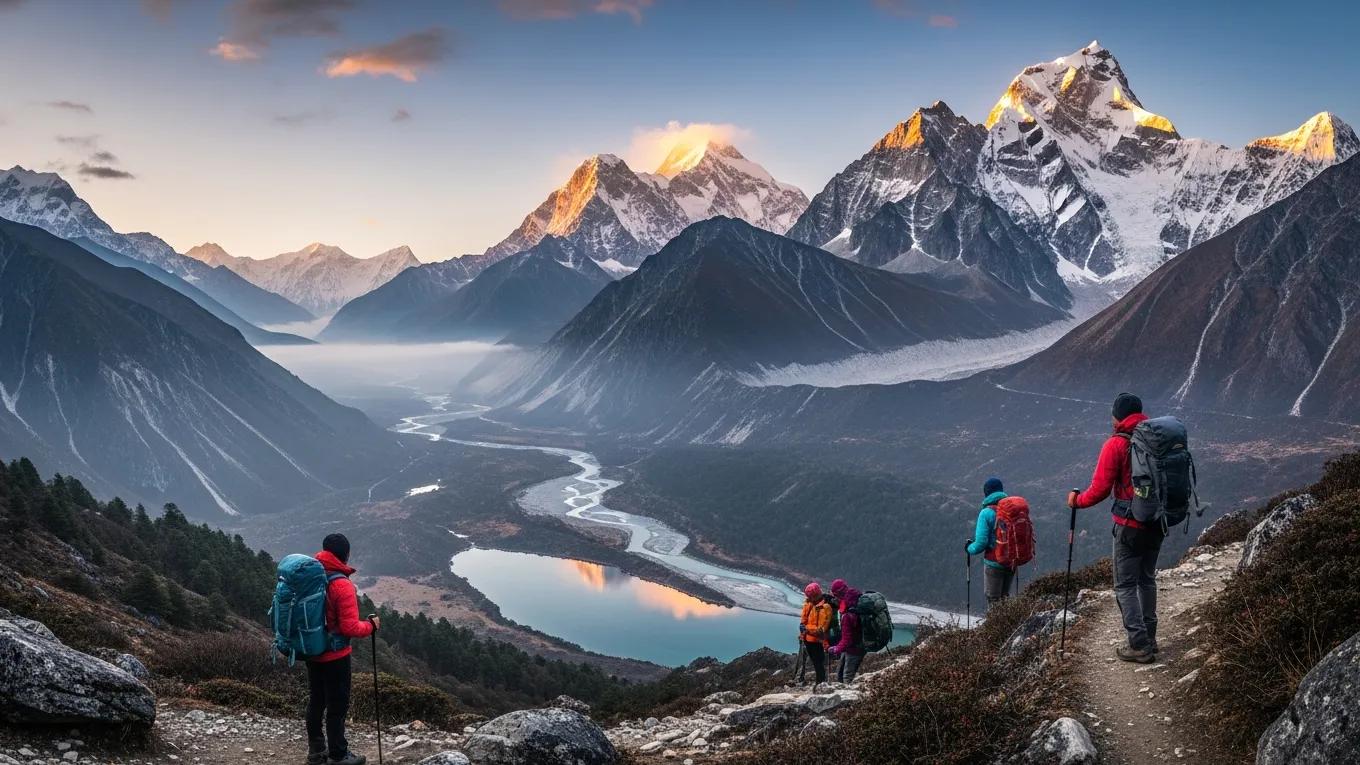
Himalaya Trekking Peaks: How to Choose Objectives and Plan Routes for Safe and Successful Expeditions
By Travis Ludlow, Global Summit Guide
Trekking in the Himalayas is a high-value experience with complex logistics and real safety demands. This guide breaks the planning process into clear, practical steps: choosing peaks by skill level, preparing physically and with gear, obtaining permits, and selecting qualified operators. Follow the checklists and decision points here to reduce risk and improve outcomes on your expedition.
Use this guide as a framework rather than a prescriptive itinerary. Each route varies by season, local regulation and current trail condition; adapt the general steps to your chosen valley and consult local authorities or experienced guides to confirm specifics before travel. Emphasise conservative decision-making at every stage—when in doubt, choose a safer option.
Which Are the Best Trekking Peaks in the Himalayas for Different Skill Levels?
The Himalayas include routes suitable for beginners through to advanced trekkers. Match each route’s difficulty and time commitment to your fitness, experience, and available days before you commit.
Beginners often choose Everest Base Camp for a manageable ascent with strong support infrastructure. The Annapurna Circuit suits intermediate trekkers who can handle longer days and varied terrain. The Langtang Valley Trek is described here as a higher-demand option for experienced trekkers; verify route specifics and altitude when planning.
When selecting between these and other routes, consider secondary factors such as daily elevation gain, the availability of accommodation (tea houses versus camping), and the ease of emergency evacuation. For example, routes with regular villages tend to provide more rapid access to help than long, isolated approaches.
How to Compare Himalaya Trekking Routes: Key Factors and Route Selection Guide
Compare routes using a consistent set of factors: terrain type, technical difficulty, total duration, and available support. Use these to rank options against your skills and time.
- Terrain : Assess the type of terrain you will encounter, including steep ascents, rocky paths, and river crossings.
- Difficulty : Evaluate your physical fitness and experience level to choose a route that matches your capabilities.
- Duration : Consider how much time you can dedicate to the trek, as some routes require more days than others.
- Support Services : Check for the availability of guides, porters, and accommodation along the route.
Use a simple decision matrix: list routes, score them against the factors above, and pick the route with the best overall fit for safety and success.
A practical scoring approach is to assign 1–5 values for each factor and add them to generate a total score. Weight the categories to reflect your priorities—for example, give safety and support a higher weight if you have limited altitude experience. Document the assumptions you make so you can revisit choices if conditions or your fitness change.
What Are the Essential Preparation Steps for a Himalaya Trek?
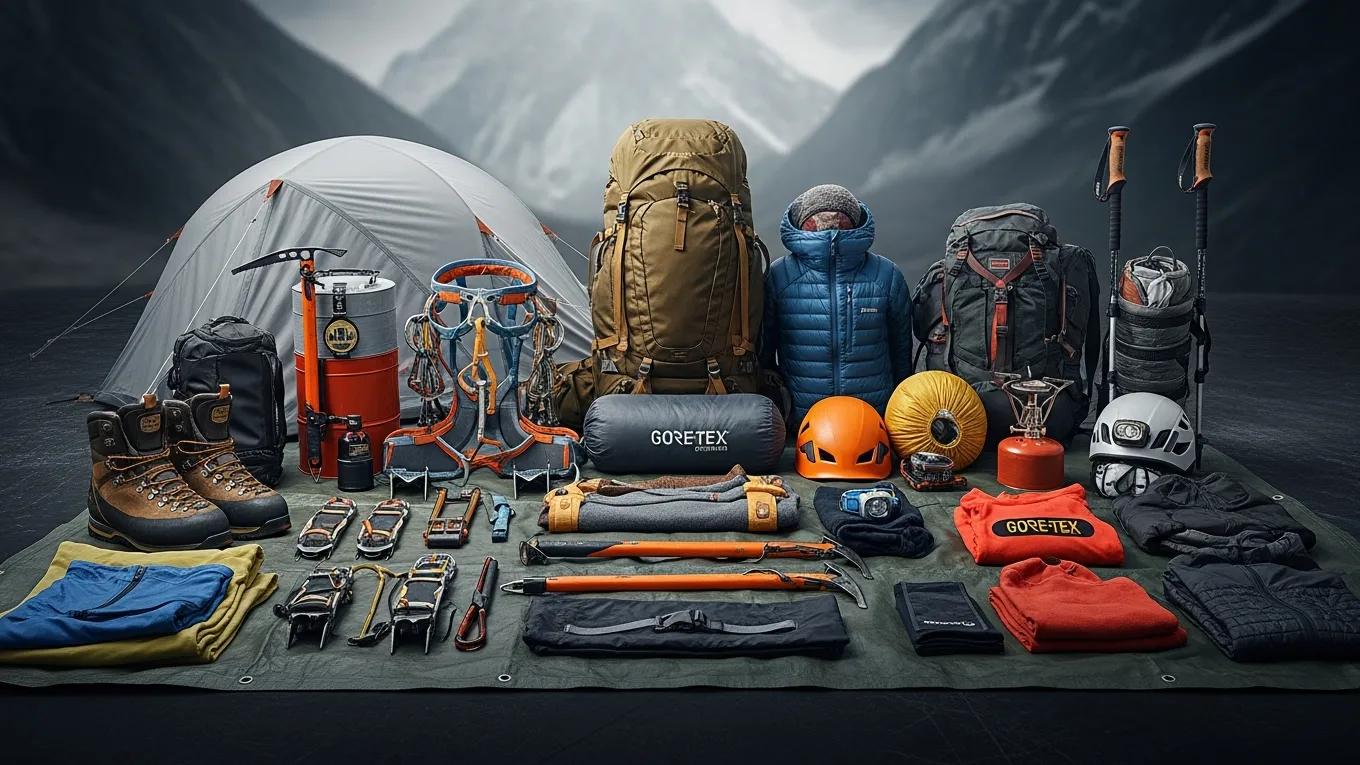
Preparation reduces risk. Focus on improving fitness, choosing appropriate kit, and having emergency plans before you reach high altitude.
- Physical Training : Engage in a fitness regimen that includes cardiovascular exercises, strength training, and hiking practice to build endurance.
- Gear Selection : Invest in high-quality trekking gear, including boots, clothing, and equipment suitable for varying weather conditions.
- Emergency Preparedness : Familiarize yourself with first aid procedures and carry a well-stocked first aid kit.
Build a training plan with progressive hikes, test all gear on multi-day walks, and prepare an emergency kit and evacuation plan tailored to your route.
Practical training suggestions: include at least one long hike per week that simulates the load and duration you expect on trek days, gradually increase pack weight and elevation gain, and include interval cardio sessions to improve recovery on steep sections. If possible, train on terrain similar to the route—rocky trails and stair climbs are better preparation than treadmill-only workouts.
Gear checklist refinements: break system components into categories—footwear and socks, layered clothing for temperature control, sleep system, navigation and communication tools (map, compass, satellite or local SIM options), and a compact repair kit. Pack items you can share with a partner (e.g., stove fuel, some repair tools) if you are travelling in a small group.
What Permits and Regulations Must You Know for Himalaya Trekking?
Most Himalayan treks require permits and adherence to local regulations that protect both trekkers and the environment. Confirm requirements early.
- Types of Permits : Common permits include the TIMS (Trekkers’ Information Management System) card and national park entry permits.
- Application Process : Permits can typically be obtained through trekking agencies or local authorities, often requiring identification and a fee.
- Compliance Guidelines : Adhere to local regulations regarding waste disposal, wildlife protection, and cultural respect to minimize your impact on the environment.
Check permit lists for your exact route, allow time for applications, and budget permit fees into your trip costs to avoid last-minute issues.
Beyond permits, consider the environmental and ethical impacts of travel: respect local communities, follow waste-management rules, and choose operators who apply minimum-impact practices.
Administrative tips: keep digital and paper copies of all permits and identification, register your planned itinerary with local authorities where possible, and confirm whether permits must be shown at checkpoints along the route. In some regions permit offices have set opening times and blackout dates—plan accordingly.
Himalayan Adventure Tourism: Types, Impacts & Ethical Codes
This paper summarises types of adventure tourism in the Himalayas and traces the development of mountaineering and trekking. It lists environmental impacts such as trail erosion, rubbish on routes, and declining water quality, and describes management responses like codes of conduct and minimum-impact measures.
Adventure tourism in the Himalayas, T Stott, 2019
How to Choose Reliable Trekking Operators and Guided Expedition Services?
A competent operator reduces operational risk. Vet providers against clear safety, experience, and transparency criteria before booking.
- Reputation and Experience : Research the operator’s history, client reviews, and safety records to gauge their reliability.
- Safety Protocols : Ensure the operator follows established safety protocols, including emergency response plans and first aid training for guides.
- Transparency in Pricing : Look for operators who provide clear pricing structures without hidden fees.
Check references, ask for sample itineraries and emergency plans, and confirm guide qualifications before you commit to an operator.
Proper management—training for guides, clear permit systems, and community engagement—supports both safety and the long-term sustainability of trekking operations.
Suggested vetting checklist: request written emergency and evacuation procedures, verify guide licences or training certificates, ask about recent incidents and how they were handled, confirm insurance coverage for staff and clients, and request references from recent clients who completed similar routes. Red flags include evasive answers about past incidents, unclear insurance, and poor record-keeping.
Himalayan Trekking Management: Training, Permits & Protection
The study highlights the need for mountain awareness through adequate training and guiding. It recommends supporting local livelihoods so tourism augments existing options while minimising negative impacts. It also stresses effective protection through management regimes and gives worldwide examples of mountain tourism management, including permit and cost data for the ‘seven summits’.
Mountaineering and trekking tourism management: A global perspective, C Cater, 2019
What Services Do Himalaya Trekking Operators Typically Offer?
Operators provide logistical support that reduces planning burden: guides, porters, accommodation booking, and emergency procedures tailored to the route.
- Guide-to-Client Ratios : Operators typically maintain a low guide-to-client ratio to ensure personalized attention and safety.
- Logistics Management : Comprehensive planning and management of transportation, accommodation, and meals throughout the trek.
- Safety and Rescue Planning : Operators should have established protocols for emergency situations, including evacuation plans.
Confirm what services are included, who is responsible for evacuation, and how additional costs are handled to avoid surprises in the field.
Typical package variations: full-service packages cover transfers, permits, guides, porters, accommodation and meals; semi-supported options might provide guides and key logistics while clients carry their own daypack; independent bookings allow more flexibility but require you to manage permits and emergency contacts. Match the package to your experience and tolerance for logistical responsibility.
How to Evaluate Operator Safety Records and Customer Reviews?
Operator safety records and client feedback reveal operational standards. Use them to verify claims and spot patterns that matter for your safety.
- Investigating Operator History : Research the operator’s track record regarding safety incidents and their response to emergencies.
- Checking Certifications : Verify that the operator holds necessary certifications and licenses from relevant authorities.
- Client Feedback Analysis : Read reviews from previous clients to gain insights into their experiences and the operator’s reliability.
Cross-check reviews with accident reports, ask operators for safety references, and favour providers with transparent incident-reporting and training policies.
How to read reviews: look for recurring comments—consistent praise for guides and logistics is positive; multiple mentions of delayed evacuations or poor communication are warning signs. Contact recent reviewers when possible to clarify context and outcomes. Balance one-off negative reviews against the overall trend.
What Are the Latest Safety Protocols and Acclimatization Guidelines for Himalaya Treks?
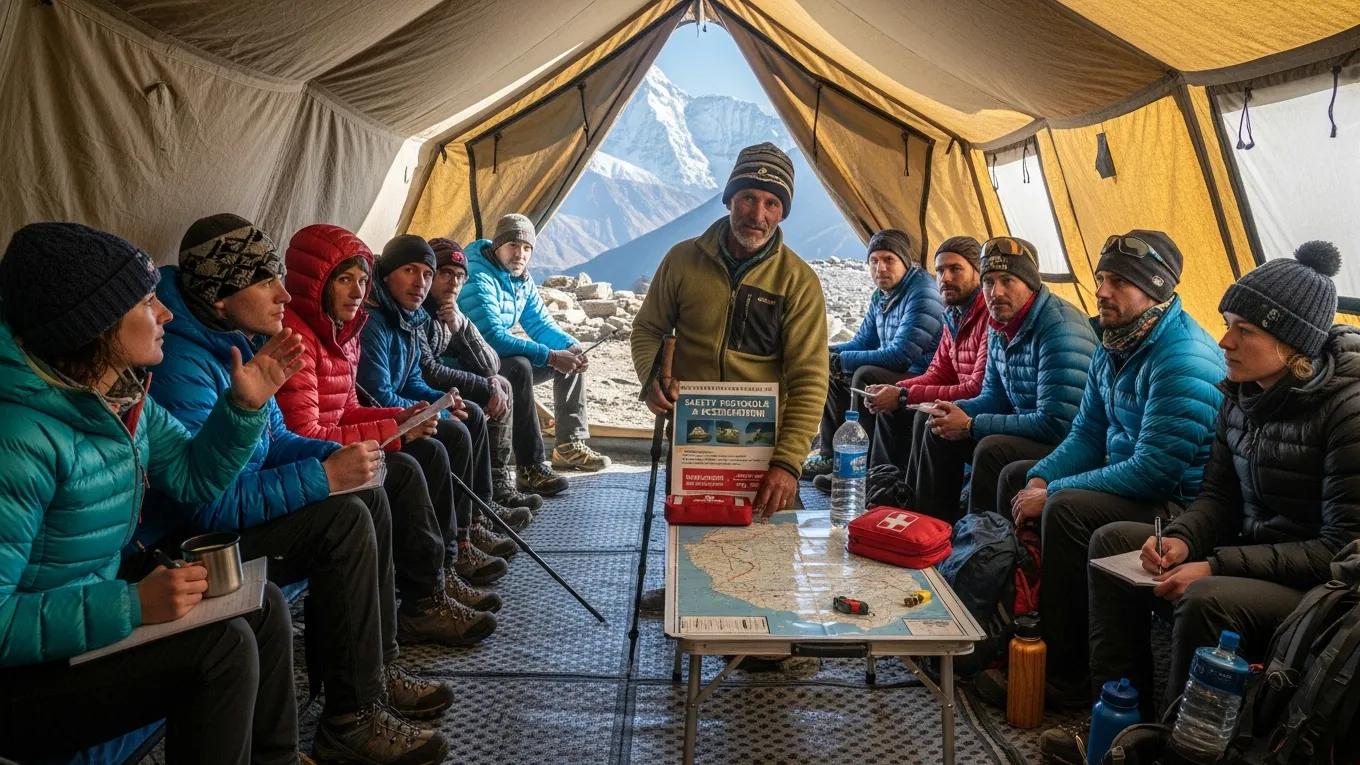
Recent best practice focuses on routine health checks, clear emergency response plans, and planned acclimatization days built into itineraries.
- Health Checks and Guidelines : Regular health assessments should be conducted to monitor trekkers’ well-being, especially at high altitudes.
- Emergency Preparedness : Operators should have clear emergency procedures in place, including access to medical facilities and evacuation plans.
- Acclimatization Strategies : Gradual ascent and proper hydration are essential to prevent altitude sickness, with recommended acclimatization days factored into the itinerary.
Build acclimatisation days into your plan, monitor symptoms daily, and confirm the operator’s evacuation and medical links before departure.
Sample acclimatisation approach: limit daily sleeping elevation gains where possible, include a rest day after two to three days of ascent, and use active rest (short, moderate walks) on acclimatisation days rather than total bed rest. Explicitly plan for an earlier descent if symptoms appear rather than pushing to a fixed summit day. mountaineering
How to Recognize and Prevent Altitude Sickness During Your Trek?
Altitude sickness is common above 2,500–3,000 m. Early recognition and conservative decisions are the most effective prevention strategies.
- Symptoms to Watch For : Common symptoms include headaches, nausea, dizziness, and fatigue.
- Preventive Measures : Ascend gradually, stay hydrated, and consider medications to mitigate symptoms.
- Recommended Acclimatization Strategies : Incorporate rest days into your itinerary to allow your body to adjust to higher altitudes.
Stop ascent if symptoms appear, descend when symptoms worsen, and follow established guidelines for HAPE/HACE recognition and evacuation.
Recent studies detail risk factors for altitude illness and reinforce that preventative planning—rate of ascent, acclimatisation, and prophylactic measures—reduces incidence.
Practical measures in the field: keep a written symptom log for each member of the party, use simple checklists for daily health checks (sleep quality, headache presence, nausea, balance), and ensure a nominated leader has clear authority to change plans for medical reasons. If using medications suggested by a medical professional, combine these with conservative pacing rather than relying on drugs alone.
High Altitude Sickness Risks for Himalayan Trekkers
High-elevation travel carries measurable health risks, including acute mountain sickness and more severe conditions. This case-control study from Mustang district assessed factors such as ascent rate, medical history, and prophylactic medicine use using structured questionnaires and standard assessment tools. Data were analysed statistically to identify associated risk factors, with ethical approval and participant consent obtained.
Risk factors associated with high altitude sickness among travelers: A case control study in Himalaya district of Nepal, L Wagle, 2025
How to Use Peak Comparison Tables and Interactive Maps for Trek Planning?
Peak tables and interactive maps streamline route choices. Use them to compare objective data and to update plans when conditions change.
- Benefits of Interactive Maps : These tools provide real-time updates on trail conditions, weather, and route options, helping you make informed decisions.
- Using Peak Comparison Tables : Tables can help you compare different trekking peaks based on difficulty, duration, and required permits, streamlining your planning process.
- Real-Time Updates for Planning : Access to current information allows you to adjust your plans based on changing conditions or personal preferences.
Combine a static comparison table for initial planning with live-map checks in the lead-up to departure to confirm trail status, weather, and logistics.
Practical tool guidance: use reputable mapping sources for elevation profiles and waypoints, cross-check weather forecasts for both the route and lower access points, and set up alerts for major changes. If using mobile mapping apps, download offline map tiles and waypoints so you can navigate without continuous connectivity.
What Are Emerging Trends and Statistics in Himalaya Trekking for 2025-2026?
Recent data show shifts in permit volumes, safety practices, and regulatory frameworks that affect route access and operator requirements.
- Permit Numbers and Popularity Changes : Recent data indicates a steady increase in trekking permits issued, reflecting growing interest in Himalayan adventures.
- New Safety Measures : Operators are adopting enhanced safety protocols, including improved communication systems and emergency response training.
- Regulatory Impacts on Trekking : Changes in regulations are influencing trekking routes and permit requirements, necessitating awareness among trekkers.
Track official permit statistics and operator advisories for your intended season so you can anticipate access changes and safety expectations.
How to adapt: build contingency time into itineraries, retain flexible flight and accommodation bookings where possible, and choose operators with clear change and refund policies. If a preferred route becomes restricted, identify alternative valleys with similar characteristics and discuss transfer options with your operator early.
Frequently Asked Questions
What should I pack for a trek in the Himalayas?
Pack to cover variable weather and long days. Essentials: sturdy trekking boots, layered clothing, waterproof jacket, warm sleeping bag, first aid kit, hydration system, energy snacks, trekking poles, and a reliable backpack. Add sun protection (sunglasses, sunscreen) and a headlamp. Test pack weight on training hikes.
Suggested organization: keep daily essentials in an accessible daypack (water, snacks, raincover, warm layer, basic first aid, map), store spare layers and heavier items in the main bag carried by a porter if available, and separate essential documents (permits, identification, emergency contacts) in a waterproof pouch worn on your person.
How can I ensure my safety while trekking in the Himalayas?
Reduce risk by trekking with trained guides or a competent group, monitoring health for altitude symptoms, and following a clear emergency plan. Carry a stocked first aid kit, check weather forecasts, and keep communication lines open with your operator. Make conservative decisions when conditions or health are uncertain.
Additional safety steps: brief the whole team on daily objectives and escape routes, agree on a turnaround time for summit days, maintain regular check-ins with your operator or base contact, and carry a compact set of emergency supplies (thermal blanket, whistle, repair tape). Know the location of the nearest medical facility and evacuation options for the route you choose.
What is the best time of year to trek in the Himalayas?
Optimal seasons are late spring (March–May) and autumn (September–November) when weather is generally stable and visibility is good. Spring offers blooms; autumn gives clearer mountain views. Winter treks are possible but require specialist gear and experience.
Seasonal planning: consider monsoon patterns and local microclimates—valleys on different sides of major ranges may have substantially different conditions in the same month. For high passes, plan buffer days either side of expected crossing dates to allow for weather delays.
How do I choose the right trekking peak for my skill level?
Assess fitness, prior high-altitude experience, and tolerance for long days. Beginners often start with routes like Everest Base Camp; intermediate trekkers can choose the Annapurna Circuit; advanced trekkers should select more demanding routes such as the Langtang Valley Trek as described here. Confirm route details and acclimatisation needs with a guide.
Ask yourself practical questions: Can you comfortably hike eight hours on uneven terrain? Have you slept above 3,000 m before? Are you comfortable navigating minor technical sections? Honest answers to these will help place you in the appropriate category.
What are the environmental impacts of trekking in the Himalayas?
Trekking can cause trail erosion, waste problems, and disturbance to wildlife. Reduce impact by following Leave No Trace principles: stay on designated trails, pack out rubbish, and use eco-conscious operators. Support local conservation and community-led initiatives when possible.
When choosing services, prefer operators that pay fair wages to local staff, follow proper waste disposal procedures, and contribute to community projects. Small changes—using refillable water bladders, carrying reusable cutlery, and minimising single-use plastics—collectively reduce the burden on remote settlements.
What are the common health risks associated with high-altitude trekking?
Primary risks include altitude sickness (headache, nausea, fatigue), dehydration, hypothermia, and falls. Minimise risk by ascending slowly, staying hydrated, and carrying appropriate medications. Recognise signs of HAPE (pulmonary oedema) and HACE (cerebral oedema); these require immediate descent and medical care.
Health preparation: consult a travel or high-altitude medical professional if you have chronic conditions, get vaccinations recommended for the region, and carry copies of prescriptions. Ensure any team members with known conditions have clear management plans that are shared with the group leader.
Conclusion
A safe Himalayan trek requires clear planning: choose routes that match your skills, prepare physically and with appropriate gear, secure permits, and work with reputable operators. Prioritise acclimatisation and emergency planning. Use the checklists and decision steps in this guide to make measurable choices that improve safety and trip success.
Final checklist before departure: confirm permits and copies, verify guide and operator credentials, review the daily itinerary and evacuation plan with the whole group, test communication equipment, and ensure everyone understands basic altitude-sickness recognition and who to contact in an emergency. With planning and conservative decision-making you increase the likelihood of a safe and rewarding Himalayan experience.