
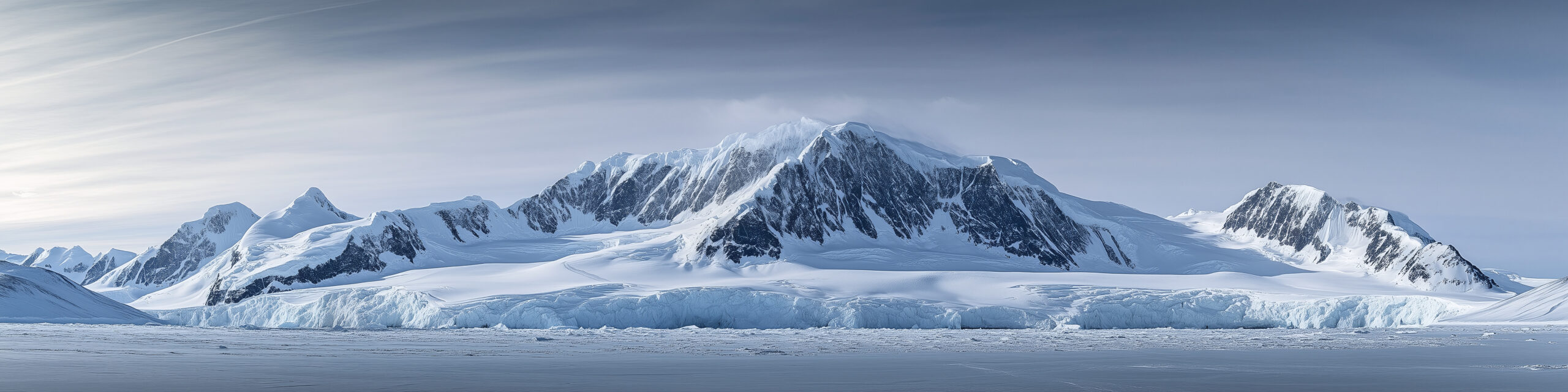
Mountaineering in Antarctica: A Guide to the Frozen Continent’s Peaks
By Travis Ludlow, Global Summit Guide
Mountaineering in Antarctica presents a unique blend of breathtaking beauty and formidable challenges. This guide aims to equip adventurers with essential knowledge about climbing the frozen continent’s peaks, including preparation, safety, and the best routes. As climbers face extreme weather conditions and rugged terrains, understanding the intricacies of Antarctic mountaineering becomes crucial. This article will delve into the essential preparation steps, safety considerations, and equipment recommendations necessary for a successful expedition. Additionally, we will explore the key mountain ranges, the logistics of planning an expedition, and the latest trends in Antarctic mountaineering.
Comprehensive Guide to Mountaineering in Antarctica
Mountaineering in Antarctica is characterized by its extreme conditions and stunning landscapes. Climbers must navigate unpredictable weather, icy terrains, and high altitudes, making thorough preparation essential. The continent is home to some of the world’s highest peaks, including Mount Vinson, which stands at 16,050 feet. Understanding the unique challenges of Antarctic mountaineering, such as acclimatization and route selection, is vital for a successful climb. This guide will provide insights into the necessary steps to prepare for an expedition, ensuring climbers are well-equipped to tackle the frozen wilderness.
Essential Preparation
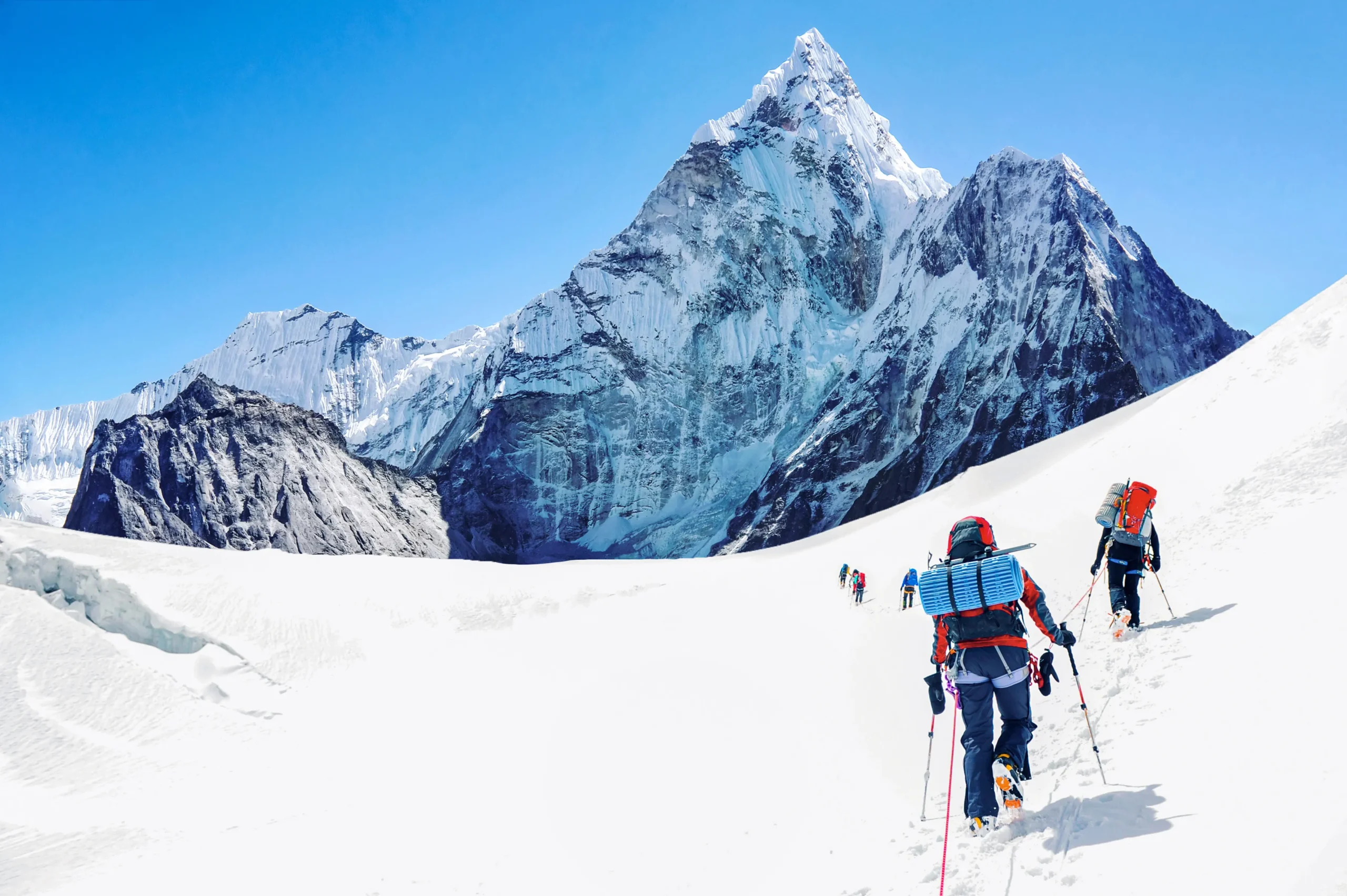
Preparation for an Antarctic expedition involves several critical steps to ensure safety and success. Climbers should focus on the following aspects:
- Physical Conditioning: Building endurance and strength is essential for tackling the demanding climbs in Antarctica. Regular cardiovascular and strength training can help climbers prepare for the physical challenges ahead.
- Route Selection: Choosing the right route is crucial. Climbers should research various paths, considering factors such as difficulty, weather conditions, and personal experience.
- Permit Requirements: Obtaining the necessary permits is a vital step in planning an Antarctic expedition. Climbers must comply with regulations set forth by the Antarctic Treaty and other governing bodies.
Understanding the specific physical demands of such environments, including the challenges posed by heavy equipment and difficult terrain, is crucial for effective preparation.
Physical Demands & Equipment in High-Altitude Cold Environments
Ten representatives of the Institute of Human Performance were integrated into a marine battalion during a high altitude cold weather training operation for the purpose of gathering descriptive and objective information about the types of physical performance tasks encountered by marine infantryment MOS 0311. Sustained marches, under varified atmospheric conditions, weighted with awkward personal protective equipment approaching 70 of ones body weight, was identified as the overriding physical task in this environment. Unpacked snow, and grades of 10-15 were routinely encountered. An ability to maintain a line of march for periods of four to six hours were not uncommon. The arduous nature of this task was confounded by frequent falling into deep snow while wearing snow shoes and having to reestablish an upright position.
Physical Performance Tasks Required of US Marines Operating in a High Altitude Cold Weather Environment., 1982
For those looking to enhance their preparation, Information Hub offers comprehensive resources on trip planning, gear advice, and vetted operator listings relevant to Antarctic climbs.
Safety Considerations
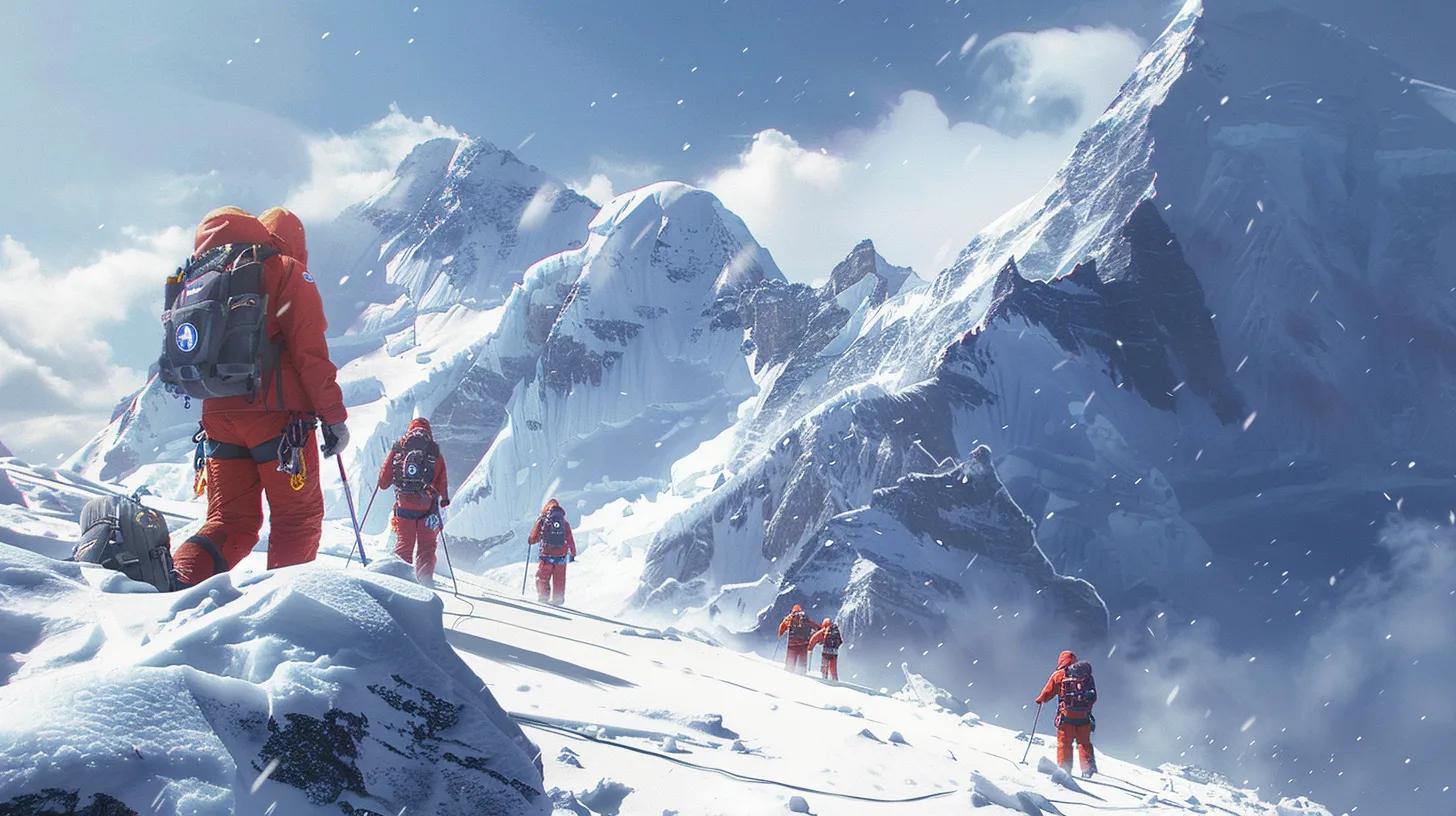
Safety is paramount in Antarctic mountaineering, where conditions can change rapidly. Climbers should adhere to the following safety protocols:
- Emergency Preparedness: Having a well-thought-out emergency plan is essential. This includes knowing evacuation routes and having communication devices on hand.
- Acclimatization Techniques: Gradually acclimatizing to high altitudes can prevent altitude sickness. Climbers should spend time at intermediate elevations before attempting higher peaks.
- Regular Drills for Safety: Conducting regular safety drills can prepare climbers for emergencies, ensuring everyone knows their roles and responsibilities.
To enhance safety, climbers should consider investing in high-quality safety gear, such as avalanche beacons and first aid kits, which can be sourced from Information Hub’s recommended equipment lists.
Best Routes
Antarctica offers several popular climbing routes, each with its unique challenges and rewards. Notable routes include:
- Vinson Massif Route: This is the most common route to the summit of Mount Vinson, known for its stunning views and technical challenges.
- Mount Erebus Climbing Challenges: Climbing Mount Erebus, an active volcano, presents unique hazards, including volcanic gases and unstable ice.
Understanding the specifics of each route can help climbers choose the best path for their skills and experience level.
Equipment Recommendations
When preparing for an Antarctic expedition, selecting the right equipment is crucial. Recommended gear includes:
- Clothing Layers for Extreme Conditions: Climbers should invest in high-quality, insulated clothing that can withstand sub-zero temperatures.
- Technical Gear Essentials: Ice axes, crampons, and harnesses are vital for navigating icy terrains safely.
- Navigation and Communication Tools: GPS devices and satellite phones are essential for maintaining communication and ensuring safe navigation in remote areas.
To ensure climbers have the best equipment, Information Hub provides detailed recommendations and resources for sourcing high-quality mountaineering gear.
The reliability of mountaineering equipment in extreme polar conditions is paramount, often requiring specialized testing and evaluation.
Mountaineering Equipment Testing in Polar Environments
1. Pursuant to a request from US Army Natick Laboratories, the Arctic Institute of North America carried out testing and evaluation of certain commercially available mountaineering equipment, considered by the project investigator to be the best available on the commercial market today. This equipment was tested under varying climatic conditions and extremes in the St. Elias Mountains of the southwestern Yukon Territory, Canada. Tests were carried out in the low altitude forested region near Kluane Lake, in the medium altitude alpine environment of the central St. Elias Mountains, and in the severe high altitude polar environment of Canadas highest mountain, Mt. Logan.
Mountaineering Equipment Evaluation, 1972
What Are the Key Antarctic Mountain Ranges and Their Characteristics?
Antarctica is home to several prominent mountain ranges, each with distinct features and climbing challenges. Understanding these ranges is essential for climbers planning their expeditions.
Which Peaks Define Antarctica’s Mountain Landscape?
The Antarctic landscape is defined by several key peaks, including:
- Mount Vinson: The highest peak in Antarctica, known for its challenging climbs and extreme weather conditions.
- Mount Tyree: The second-highest peak, offering a less-traveled but equally rewarding climbing experience.
- Mount Erebus: An active volcano that presents unique challenges due to its volcanic activity and ice formations.
What Are the Elevations and Climbing Difficulties of Major Antarctic Mountains?
The elevations and climbing difficulties of major Antarctic mountains vary significantly. Here’s a comparison of some notable peaks:
This table illustrates the varying challenges climbers may face when attempting to summit these iconic peaks.
How to Plan a Successful Mountaineering Expedition in Antarctica?
Planning a successful mountaineering expedition in Antarctica requires careful consideration of several factors. Climbers should focus on:
- Research and Itinerary Creation: Thorough research on routes, weather patterns, and potential hazards is essential for creating a comprehensive itinerary.
- Setting Clear Goals: Defining personal and group goals can help maintain focus and motivation throughout the expedition.
- Physical Preparation: Ensuring all team members are physically prepared for the challenges ahead is crucial for safety and success.
What Permits and Regulatory Approvals Are Required for Antarctic Climbs?
Climbers must navigate a complex web of regulations when planning expeditions in Antarctica. Key considerations include:
- Permit Application Process: Understanding the application process for permits is essential. Climbers should familiarize themselves with the requirements set by the Antarctic Treaty and other governing bodies.
- Environmental Regulations: Adhering to environmental regulations is crucial for preserving the pristine Antarctic ecosystem. Climbers must follow guidelines to minimize their impact on the environment.
What Are the Essential Timelines and Logistics for Expedition Preparation?
Effective expedition preparation involves careful planning of timelines and logistics. Key considerations include:
- Transportation Options: Understanding the available transportation options to and from Antarctica is essential for planning.
- Accommodation Considerations: Climbers should research accommodation options, including base camps and lodges, to ensure a comfortable stay before and after climbs.
What Are the Detailed Guidelines for Climbing Mount Vinson?
Climbing Mount Vinson requires adherence to specific guidelines to ensure safety and success. Key aspects include:
- Route Details for Vinson: The most common route is the Vinson Normal Route, which is recommended for climbers with moderate to high experience.
- Safety Protocols Specific to Vinson: Climbers should be aware of the unique safety protocols associated with climbing Vinson, including weather monitoring and emergency procedures.
What Are the Established Routes and Their Difficulty Levels on Mount Vinson?
Mount Vinson offers several established routes, each with varying difficulty levels:
This table highlights the different routes available for climbers, allowing them to choose based on their skill level.
What Safety Protocols and Environmental Considerations Should Climbers Follow?
Climbers must adhere to strict safety protocols and environmental considerations while on Mount Vinson:
- Emergency Preparedness: Having a solid emergency plan in place is crucial for ensuring safety during the climb.
- Leave No Trace Principles: Following Leave No Trace principles helps protect the fragile Antarctic environment, ensuring it remains pristine for future generations.
Which Gear and Safety Equipment Are Recommended for Polar Mountaineering?
Selecting the right gear and safety equipment is vital for successful polar mountaineering. Recommended items include: gear safety.
- Clothing Specifications: Insulated, waterproof clothing is essential for protection against extreme cold and wet conditions.
- Technical Equipment Needs: Essential gear includes ice axes, crampons, and climbing harnesses to navigate icy terrains safely.
What Are the Specifications for Cold-Weather Climbing Gear in Antarctica?
Cold-weather climbing gear must meet specific specifications to ensure safety and comfort. Key considerations include:
- Insulation Requirements: Gear should provide adequate insulation to protect against sub-zero temperatures.
- Waterproofing Standards: All clothing and equipment should be waterproof to prevent hypothermia and frostbite.
How to Select and Use Safety Equipment for Antarctic Expeditions?
Selecting and using safety equipment correctly is crucial for ensuring climber safety. Key guidelines include:
- Essential Gear for Safety: Climbers should carry essential safety gear, including first aid kits and communication devices.
- Maintenance and Checks: Regularly checking and maintaining equipment ensures it functions correctly during expeditions.
How to Choose and Contact Reliable Antarctic Expedition Operators?
Choosing a reliable expedition operator is crucial for a successful Antarctic climb. Key criteria include:
- Experience and Reputation: Operators should have a proven track record of successful expeditions in Antarctica.
- Safety Protocols: Ensure that the operator follows strict safety protocols to protect climbers during their journey.
What Criteria Define Vetted and Experienced Antarctic Climbing Operators?
When selecting an expedition operator, consider the following criteria:
- Guide-to-Client Ratio: A lower ratio ensures personalized attention and safety during climbs.
- Certifications and Safety Planning: Operators should have the necessary certifications and a solid safety plan in place.
Where to Find Operator Listings and How to Initiate Expedition Bookings?
Finding reliable expedition operators can be done through various resources:
- Online Resources for Operator Listings: Websites dedicated to mountaineering often provide listings of vetted operators.
- Booking Tips and Considerations: When initiating bookings, consider factors such as group size, experience level, and safety protocols.
For those seeking assistance with trip planning, Global Summit Guide offers resources to help you prepare.
What Are the Latest Trends and Safety Updates for Antarctic Mountaineering?
As of the most recent information, several trends and updates are shaping the landscape of Antarctic mountaineering. Key points include:
- Recent Trends in Polar Tourism: An increase in interest in polar tourism has led to more climbers seeking expeditions in Antarctica.
- Safety Updates for Climbers: New safety protocols and gear advancements are continually being developed to enhance climber safety.
What Are the Recent Statistics on Antarctic Expedition Permits and Participation?
Recent statistics indicate a growing interest in Antarctic expeditions, with an increase in permits issued for climbers. This trend reflects the rising popularity of polar mountaineering among adventure enthusiasts.
Which Advances in Gear Technology and Safety Protocols Should Climbers Know?
Advancements in gear technology and safety protocols are crucial for modern climbers. Key developments include:
- Innovations in Climbing Gear: New materials and designs are enhancing the performance and safety of climbing gear.
- Updates in Safety Protocols: Continuous improvements in safety protocols are helping to reduce risks associated with Antarctic expeditions.
To ensure you have the right gear and safety equipment, consult resources like Global Summit Guide.
When considering your next adventure, remember that Global Summit Guide offers comprehensive information on various mountains.
For those interested in connecting with fellow mountaineers or seeking expert advice, Global Summit Guide’s contact page provides a means to get in touch.