
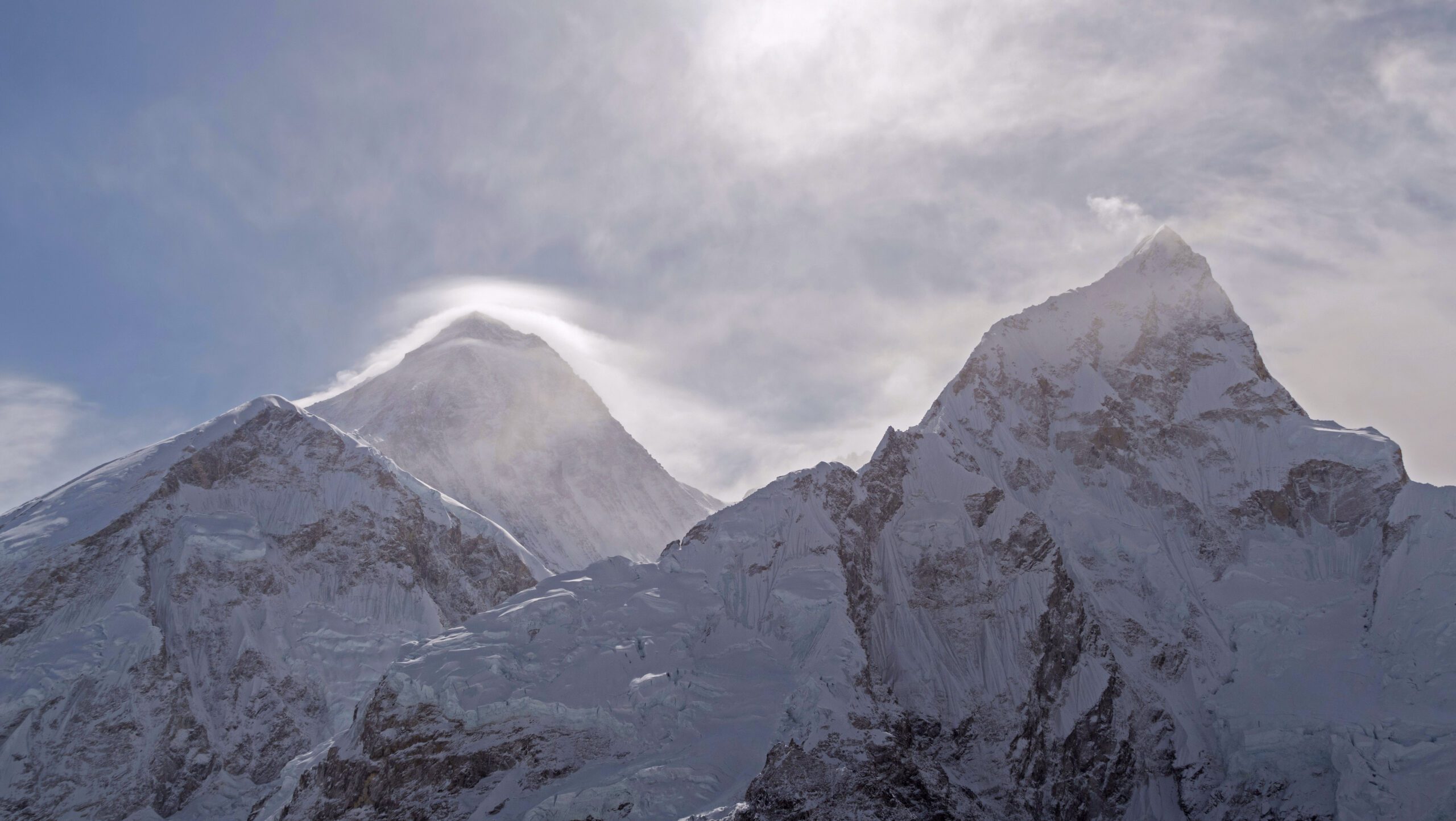
Are You Ready to Climb Everest? CTSS Prerequisites & Readiness
Climbing the Seven Summits does not treat Everest as a first mountaineering objective. CTSS publishes a clear entry bar: meaningful high-altitude experience, proven crampon and glacier competence, fixed-line confidence, steep-terrain comfort, Everest-specific fitness and the mental resilience to function inside a long expedition.
Everest readiness is easy to oversimplify. A climber can be exceptionally fit and still lack the altitude résumé, fixed-line repetition or expedition judgment CTSS expects. Another climber can have several big summits but still arrive physically underprepared for repeated long carries and summit-day effort.
CTSS solves that problem by separating readiness into different categories. Its published prerequisites do not ask only whether you have climbed a famous mountain. They ask whether you have performed at serious altitude, used the systems Everest requires, trained specifically enough for the workload and shown the temperament to function inside a team for weeks.
This page is designed to answer one question: does your current résumé meet the CTSS Everest entry bar? It does not replace a training program, progression plan or operator comparison. Those are linked where the next decision belongs.
Global Rescue membership and travel insurance are separate products. High-altitude climbers should verify current altitude, activity and evacuation terms before departure.
CTSS Does Not Accept Beginner Everest Climbers.
If you have not yet demonstrated high-altitude performance and technical mountaineering competence, the next step is not simply “train harder for Everest.” It is to build the missing experience first. CTSS states that Everest climbers should have at least 7,000 m altitude experience, proven familiarity with crampons, glaciers and fixed lines, comfort on steep exposed rock and ice, and a well-rounded climbing résumé.
Fitness is a separate gate. CTSS also expects a long, mountain-specific build and the ability to tolerate back-to-back long days. Cardiovascular fitness alone does not replace the climbing résumé.
Five Gates Have to Be Open at the Same Time.
A climber can be excellent in one category and still be underprepared overall. CTSS separates experience, technical competence, physical capacity and expedition mindset rather than treating “fit” as a synonym for “ready.”
Altitude
Real experience high enough to know how you function when sleep, appetite, pace and recovery deteriorate.
Technical
Confident cramponing, glacier travel, fixed-line movement and comfort on steep exposed rock and ice.
Fitness
Mountain-specific aerobic durability, weighted uphill capacity and back-to-back long-day resilience.
Mindset
Patience, adaptability, stress regulation and the ability to tolerate weeks of uncertainty and downtime.
Team
Humility, communication, guide deference and the ability to support teammates under pressure.
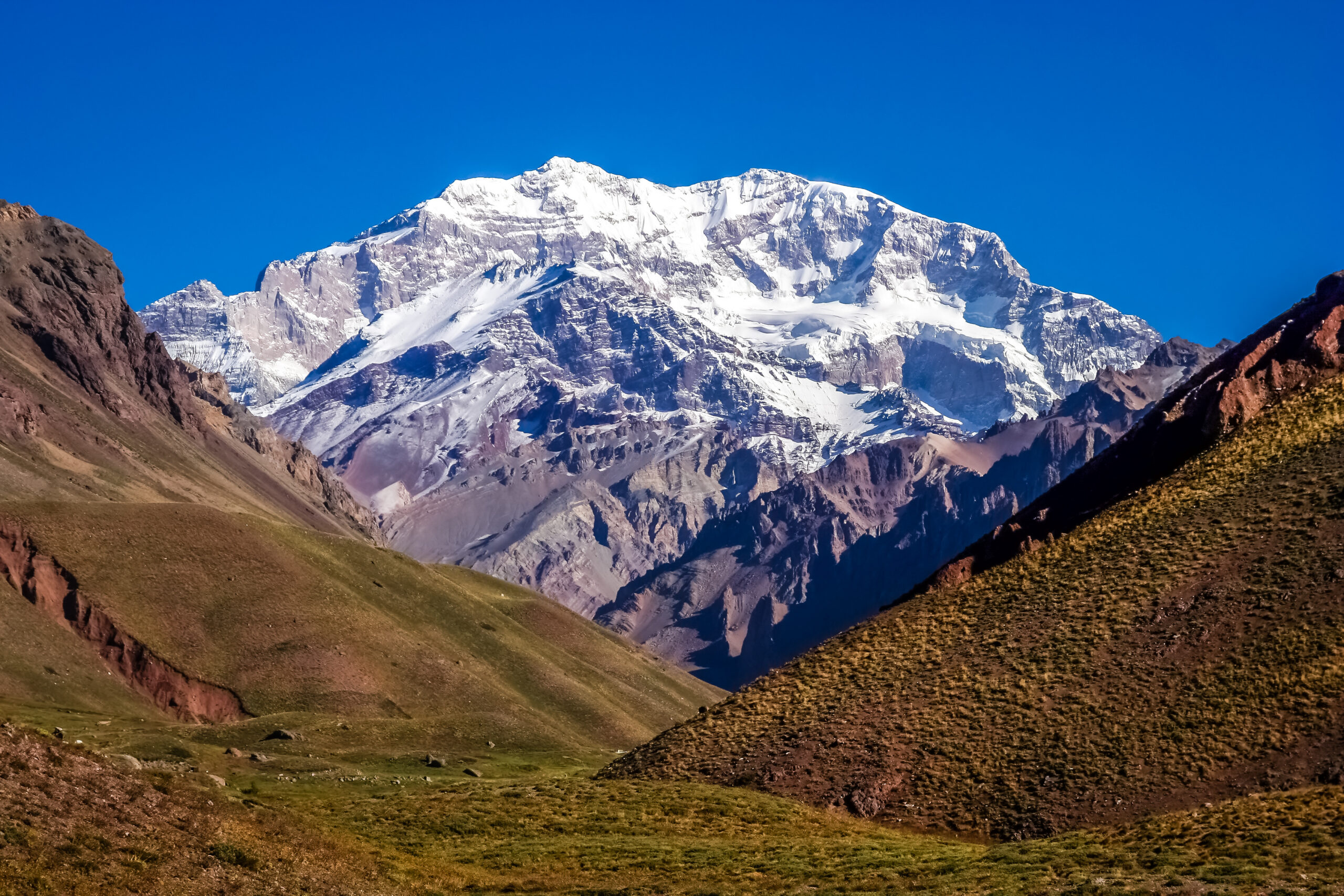
CTSS Wants Proof Above the Trekking Zone.
CTSS publishes a baseline of at least 7,000 m of altitude experience. It specifically notes that a summit of Aconcagua is sufficient for this requirement. The important idea is not the exact name of the mountain—it is demonstrated performance at serious altitude.
That means you have already learned something about your own pacing, appetite, sleep, recovery, cold tolerance, decision-making and symptom response where small mistakes become much more expensive.
“I Have Used Crampons” Is Not the Same as Technical Readiness.
CTSS asks for familiarity, confidence and proven experience—not first exposure on the expedition. Everest adds altitude, cold, gloves, fatigue, congestion and consequential terrain to systems that should already feel routine.
| CTSS requirement | What “ready” should mean in practice | What does not prove readiness by itself |
|---|---|---|
| Cramponing | Efficient movement on firm snow and ice, including while tired and wearing expedition footwear. | One introductory snow climb or a single skills day. |
| Glacier experience | Comfort functioning in roped glaciated terrain and understanding the team’s movement/rescue system. | Walking near a glacier or trekking on non-glaciated terrain. |
| Fixed-line climbing | Repeated use of an ascender, attachment system and transitions under supervision until the process is calm and repeatable. | Watching a video or practicing once indoors. |
| Exposure | Remaining deliberate on steep rock/ice and exposed traverses when the terrain feels consequential. | General hiking confidence on trails. |
| Climbing résumé | A broad enough history that your guides can see repeated evidence—not a single lucky summit. | One large peak without supporting technical progression. |
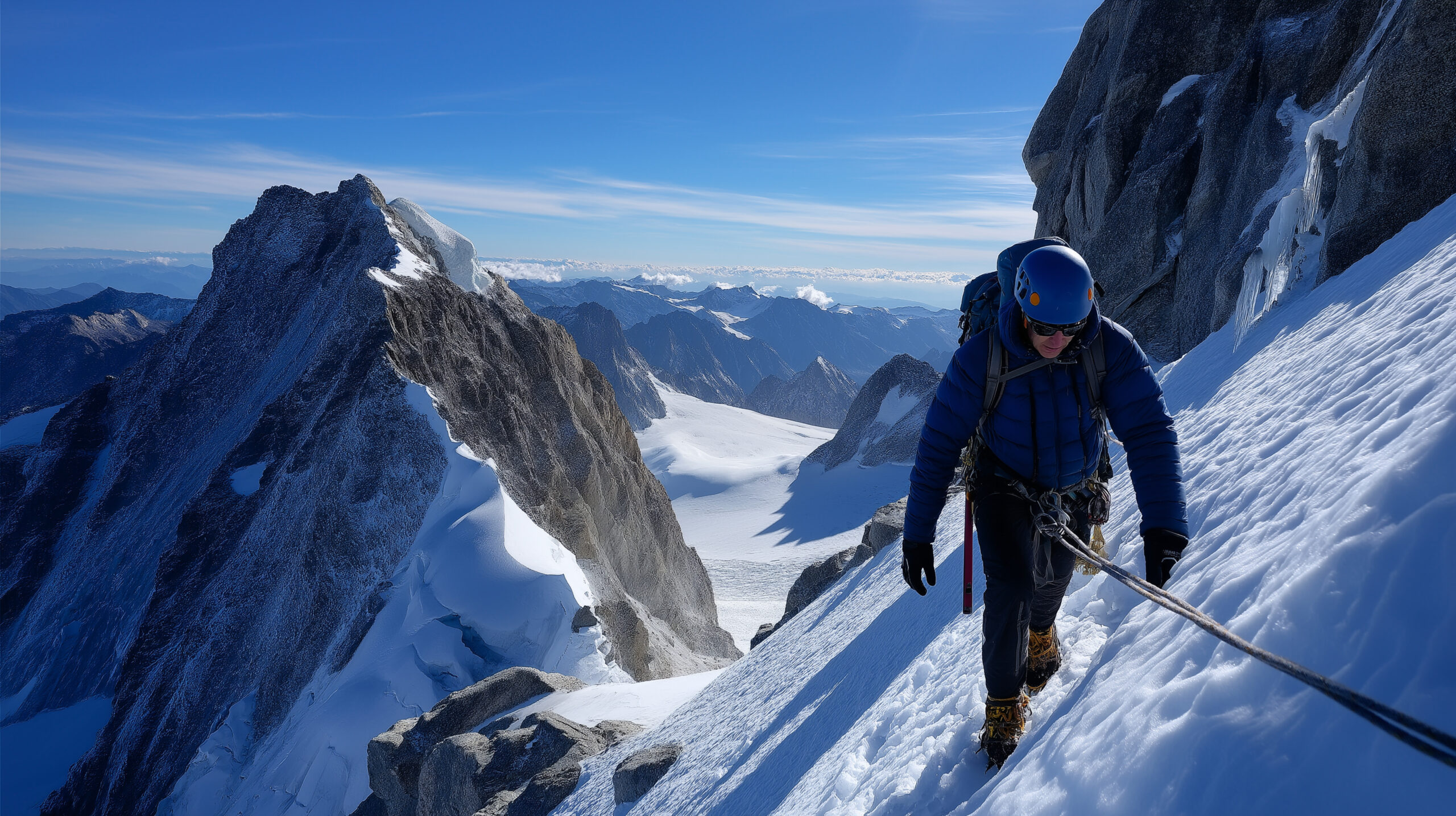
CTSS Is Looking for Competence You Can Still Execute When Cold, Hypoxic and Fatigued.
The Everest environment amplifies ordinary errors. The goal before arrival is not merely to understand the hardware—it is to have enough repetition that movement systems remain disciplined when your attention is degraded.
CTSS Publishes a Concrete Physical Bar.
CTSS recommends beginning Everest-specific training 9–12 months before departure, having enough time to train 5–6 days per week, and building toward long mountain days that resemble expedition work rather than general gym fitness.
- Be comfortable hiking about 1,500 vertical feet per hour with a 20 lb pack.
- Prepare for 10+ hour mountain days, including back-to-back efforts.
- Emphasize high-volume, lower-intensity endurance rather than making every workout hard.
- Make training increasingly specific to uphill movement, load carriage and recovery.
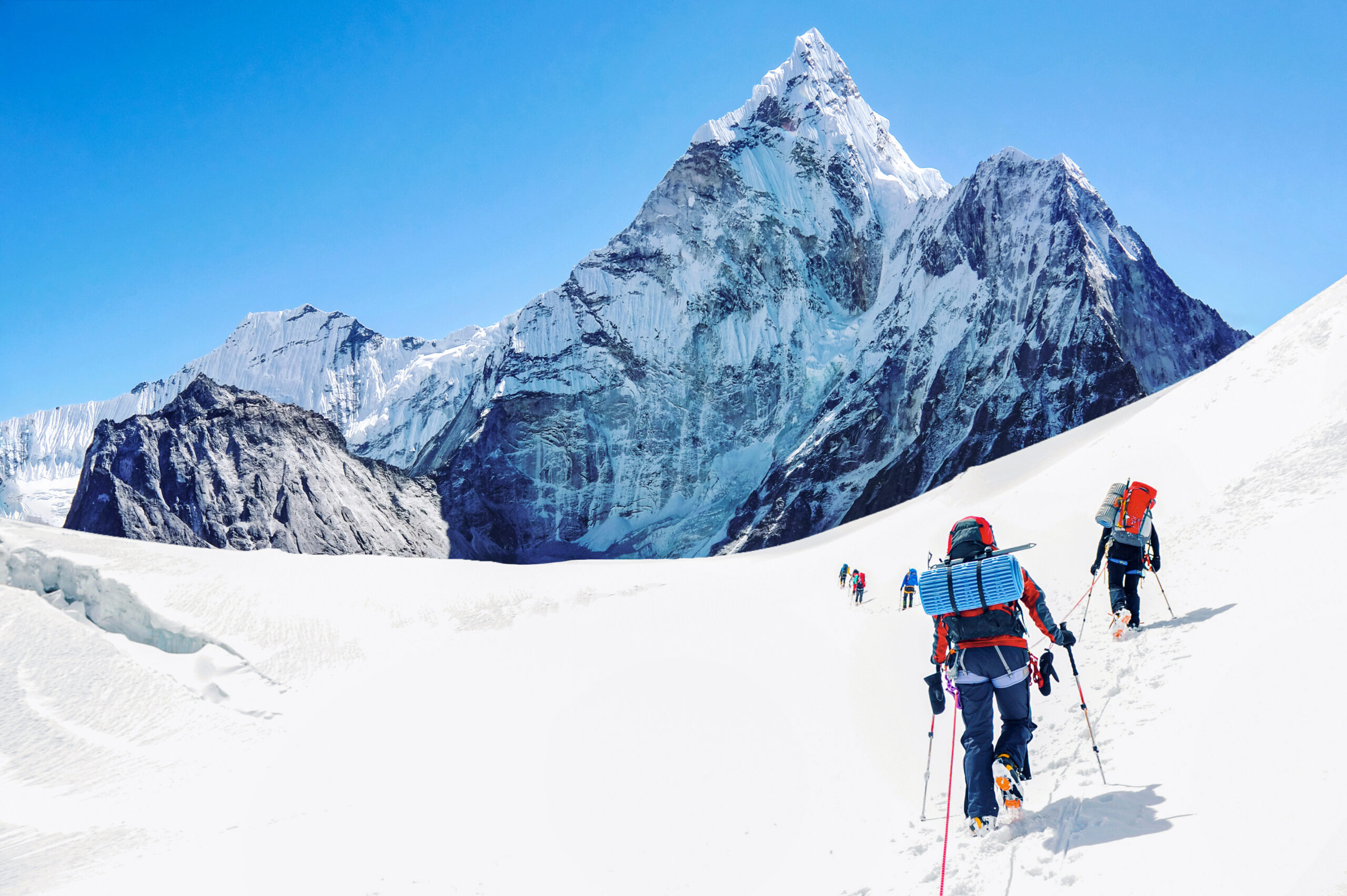
CTSS Treats Expedition Temperament as a Prerequisite.
Everest is a long campaign, not a continuous climb. CTSS explicitly asks clients to be ready for stress, monotony, uncertainty, guide direction and the social reality of living inside an expedition team for weeks.
Work, family and travel commitments have to accommodate the full schedule and uncertainty around weather.
CTSS warns that extended waiting can feel monotonous. Boredom tolerance is part of expedition readiness.
Even experienced climbers must be willing to receive and follow direction from the expedition leadership.
Everest adds uncertainty, fatigue, altitude, crowding and weather. CTSS expects clients to manage their response.
Problems become harder when clients hide fatigue, symptoms, fear or equipment issues from their guides.
CTSS explicitly calls for supportive, humble, respectful and considerate behavior under pressure.
Can You Answer “Yes” Without Explaining Away the Gaps?
This is not an admission decision—CTSS makes that call after reviewing your experience. It is a useful way to decide whether contacting the company about an Everest summit program makes sense now or after another progression season.
| Readiness question | CTSS-published basis | If your answer is “not yet” |
|---|---|---|
| Have I performed well at approximately 7,000 m? | CTSS asks for at least 7,000 m altitude experience and explicitly accepts Aconcagua. | Choose a progression objective that tests altitude without stacking unnecessary new technical difficulty. |
| Can I use crampons confidently on real mountain terrain? | CTSS asks for proven crampon familiarity and confidence. | Get guided snow/ice mileage and repeat the skill until it is routine. |
| Do I have glacier and fixed-line experience? | Both are named prerequisites. | Build supervised glacier and fixed-line experience before Everest. |
| Am I comfortable on steep exposed rock and ice? | CTSS specifically names exposure and steep terrain. | Choose progression climbs where exposure is real but the overall objective remains manageable. |
| Can I sustain long uphill days with a training pack? | CTSS publishes the 1,500 vertical ft/hour with 20 lb benchmark and 10+ hour mountain-day expectation. | Use the dedicated Everest training plan rather than adding random intensity. |
| Can I train consistently for 9–12 months? | CTSS recommends a long Everest-specific build and 5–6 training days per week. | Delay the expedition rather than compressing the final preparation. |
| Can I function well inside a team for weeks? | CTSS asks for patience, communication, humility and adaptability. | Gain more expedition experience where weather delays and shared decisions are part of the process. |
Three Types of Experience CTSS Is Really Looking For.
The specific mountains can vary, but the résumé should show altitude, technical systems and expedition behavior—not simply a list of famous names.
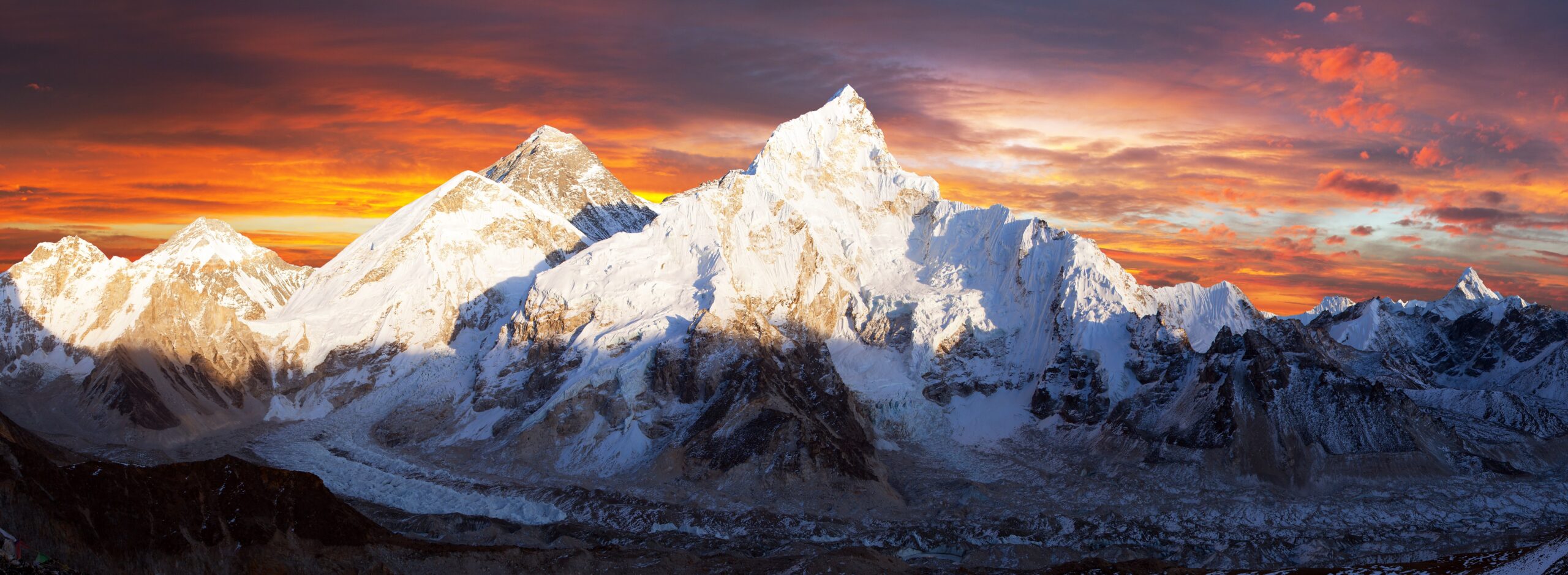
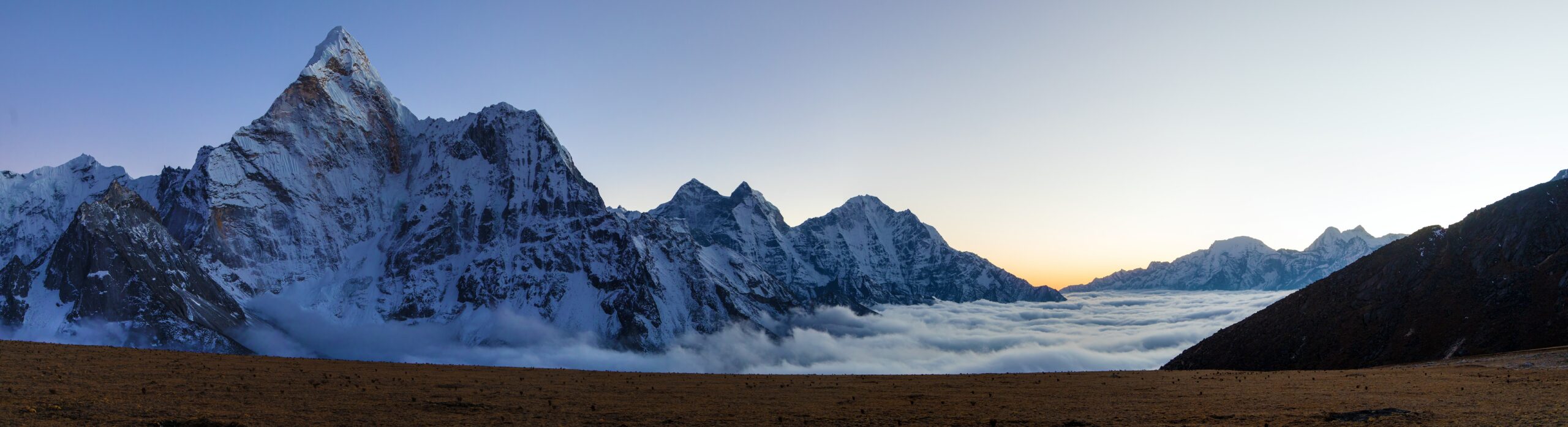
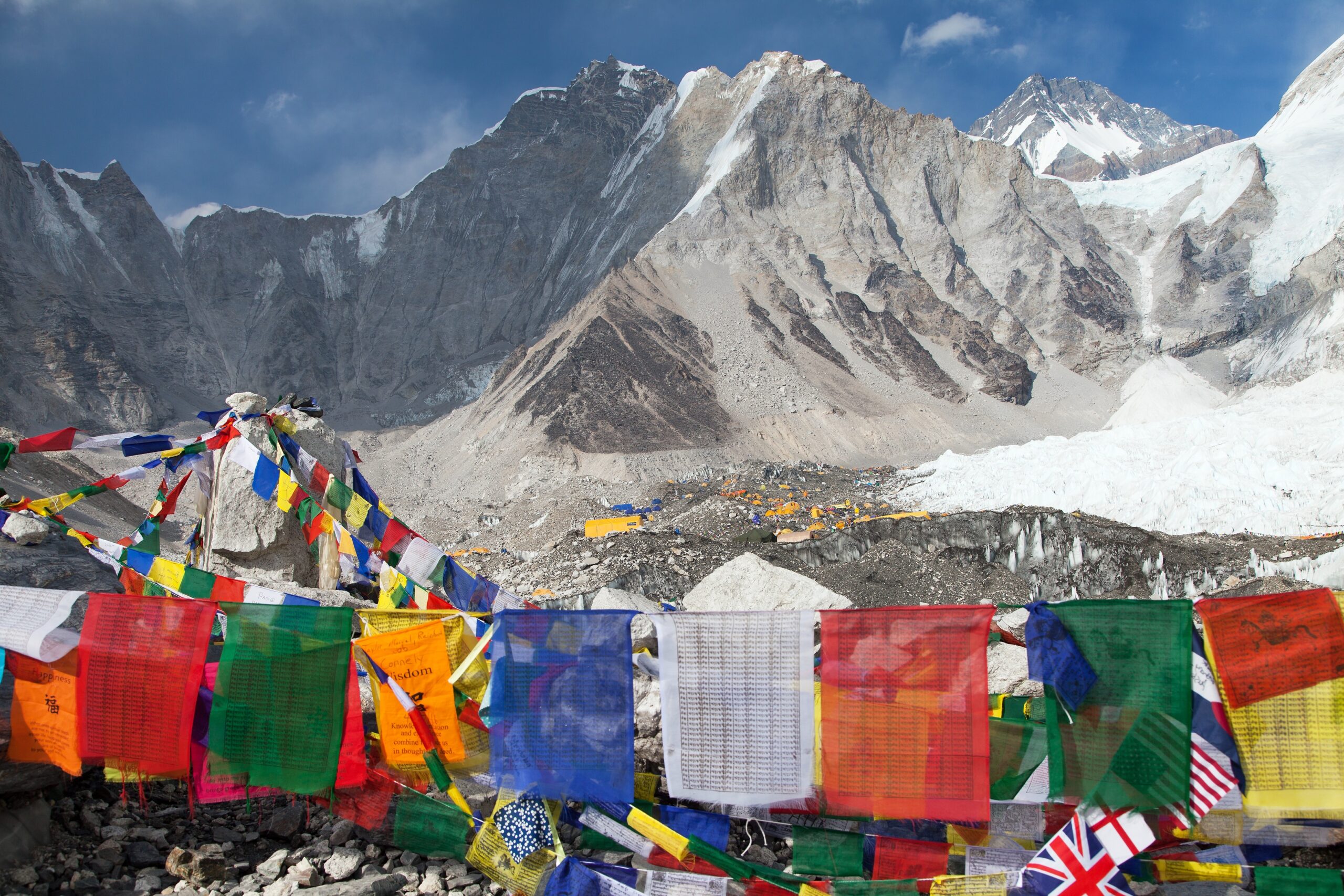
Everest Readiness Gets Tested Across the Khumbu.
On the South Col route, the skills CTSS asks for are not abstract. Climbers move through the Khumbu Icefall, across the Western Cwm and onto fixed lines above Camp 2 toward the Lhotse Face.
A climber who reaches Nepal still needing to learn basic crampon movement, fixed-line transitions or expedition self-management is trying to close the wrong gap in the wrong place.
Compare Everest Operators
Do Not Solve Every Weakness With Another Workout.
The next move depends on the missing gate. Fitness problems need training; technical problems need instruction and mileage; altitude problems need appropriate high-altitude objectives; expedition-behavior problems need more time in real expedition environments.
- Altitude gap: choose a progression climb that tests high-altitude performance.
- Technical gap: build fixed-line, crampon and glacier mileage under qualified instruction.
- Fitness gap: use a long Everest-specific training plan rather than compressing the build.
- Expedition gap: choose an objective long enough to test recovery, patience and team behavior.
Build the Missing Layer Before Everest.
These three supporting resources deepen the exact gaps this page identifies without taking over the CTSS-specific prerequisite intent.
Readiness Comes Before Program Selection.
This page owns CTSS’s Everest prerequisite and readiness bar. The connected pages answer what CTSS offers, how to train, and how CTSS compares inside the wider Everest operator market.
A Faster Everest Program Does Not Lower the Prerequisite Bar.
CTSS describes speed-ascent programs as options for qualified climbers using advanced pre-acclimatization and customized logistics. They are not a shortcut around experience. If the standard Everest prerequisites are still a stretch, compressing the expedition timeline is not the next step.
Where the CTSS Readiness Standards Come From
This page separates CTSS’s own published requirements from Global Summit Guide’s editorial routing and interpretation.
CTSS Everest Training & Prerequisites
Primary source for the published experience, technical, fitness and mindset requirements used on this page.
Read CTSS source →CTSS Everest Camp 2 / Camp 3
Primary source for CTSS’s statement that its Camp 3 climb satisfies the 7,000 m Everest prerequisite and provides Everest-route familiarity.
Read CTSS source →CTSS Everest Programs
Primary program hub for current Everest support models, expedition options and program-level information.
Read CTSS source →CTSS Everest Readiness Questions
The shortest answers to the prerequisite questions climbers ask before contacting an operator.
Does CTSS accept beginner climbers on Everest?
No. CTSS explicitly states that it does not accept beginner climbers on its Everest programs.
What altitude experience does CTSS require?
CTSS publishes a baseline of at least 7,000 m of altitude experience and specifically states that a summit of Aconcagua is sufficient.
Is Everest Base Camp enough?
No. Everest Base Camp is valuable altitude trekking experience, but CTSS’s Everest summit prerequisites separately require advanced climbing experience, crampon competence, glacier and fixed-line experience, and comfort on steep exposed terrain.
How fit should I be?
CTSS recommends 9–12 months of specific training, enough schedule capacity for 5–6 training days per week, comfort hiking around 1,500 vertical feet per hour with a 20 lb pack, and preparation for repeated mountain days of 10 hours or more.
Does CTSS Camp 3 satisfy the 7,000 m prerequisite?
Yes. CTSS states that its Everest Camp 3 climb, reaching approximately 7,500 m, satisfies the 7,000 m Everest prerequisite.
Can elite fitness make up for limited mountaineering experience?
No. CTSS lists technical competence and altitude experience separately from physical conditioning. Everest-specific fitness should sharpen an experienced climber, not replace the climbing résumé.