

Europe vs USA: Where to Do Your First Long Trail
Europe and the United States can deliver completely different versions of the same idea. In Europe, a long trail may connect villages, mountain huts, inns and trains. In the United States, the classic thru-hike often centers on camping, resupply, wilderness and weeks or months of continuity. Neither model defines an entire continent—but the distinction is a useful place to begin.
Choose the Trail System Before You Choose the Famous Trail.
Look toward Europe when you want your first long walk to fit inside a normal vacation and prefer the option of sleeping in huts, inns or hotels, eating in villages and using public transportation.
Look toward the United States when the experience you want is specifically backpacking-based: carrying a shelter, sleeping outside most nights, managing resupply and staying continuously on a large trail for weeks or months.
Then choose the individual trail. Europe contains remote wilderness. America contains highly supported trails. Geography alone never tells the entire story.
Europe vs USA Long-Distance Trails
These are broad patterns found on many famous routes—not rules that apply to every trail on either continent.
| Planning factor | Many European classics | Major U.S. thru-hikes |
|---|---|---|
| Typical first-trip scale | Often several days to two weeks. | Can range widely, but the famous Triple Crown routes require several months. |
| Sleeping | Huts, refuges, inns, hotels, hostels, campsites or a mixture. | Camping is central; the A.T. adds an extensive shelter system. |
| Food | Village meals, refuge meals, local shops and shorter carries are common on supported routes. | Food is normally carried between trail towns and resupply points. |
| Transportation | Rail and bus networks can simplify access on many established trails. | Airports may be far from termini; shuttles, hitches and road access often matter. |
| Pack weight | Can be substantially lighter when shelter, bedding and meals are provided. | Often includes shelter, sleep system, food storage and several days of food. |
| Reservations | Beds may dictate the itinerary on popular hut routes. | Backcountry permits and quotas may dictate start date or specific areas. |
| Waymarking | Many major routes are strongly waymarked, although standards vary by country. | Established trails are mapped and marked, but wilderness navigation remains important. |
| Town interaction | Can happen every day on village-to-village routes. | Often happens every several days during resupply. |
| Wilderness continuity | Varies enormously from Alpine villages to Icelandic and Scandinavian wilderness. | Often a defining feature, especially on PCT and CDT sections. |
| Primary planning question | Can I secure the right accommodation and transportation? | Can I sustain the weather, food, camping and resupply system for the entire journey? |
Which Long-Trail Style Sounds More Like Your Trip?
This is about fit, not superiority. The same hiker may prefer a European hut route one year and a U.S. wilderness thru-hike the next.
You Want Walking Without Full Expedition Logistics
Europe’s developed long-walking culture creates many routes where the trail remains physically demanding while some of the overnight logistics are outsourced to huts, inns and towns.
- You have one or two weeks rather than several months.
- You would rather sleep in a bed than carry a tent.
- You like restaurants, villages and local culture during a hike.
- Public transportation is part of the appeal.
- You want to learn consecutive-day walking before full backpacking.
- You are comfortable booking accommodation ahead on popular routes.
You Want Backpacking to Be Part of the Point
The American thru-hiking model is especially strong for hikers who want to live out of a backpack, camp repeatedly and connect large landscapes through one continuous journey.
- You already enjoy multi-day backpacking.
- You want camping to be the normal overnight system.
- You want to carry several days of food at a time.
- Long wilderness sections sound appealing rather than inconvenient.
- You are interested in weeks or months of trail continuity.
- You want a stronger self-supported thru-hiking experience.

You Can Spend a Week in Serious Mountains Without Carrying a Tent.
That is one of the biggest differences for a first long trail. On selected European routes, huts, refuges and village lodging remove the shelter and sleep system from your backpack. The walking can remain difficult; the logistics simply become different.
There Is No Single European Trail Model
Alpine refuge routes, British long walks, Spanish pilgrimages, French GR routes and Nordic wilderness trails solve overnight logistics in completely different ways.
West Highland Way
The 96-mile route can usually be walked in about a week. Inns, hotels, campsites and baggage services combine with trains and buses at several points along the corridor.
Tour du Mont Blanc
Nearly 170 kilometres around the Mont Blanc massif combine major mountain passes with refuges, villages and valley transportation. Accommodation reservations can become the central planning problem.
Camino Francés
The Camino emphasizes towns, hostels, food and cultural interaction. Spain’s official tourism guidance notes abundant accommodation and highly visible waymarking along the route.
Alta Via 1
Rifugi let hikers spend repeated days high in the Dolomites without carrying a complete camping system. The tradeoff is that bed availability can lock in daily stages.
Laugavegur
Europe can also feel remote. Iceland’s Highlands bring exposed weather, river crossings and limited services despite a route short enough to complete in several days.
GR10
At roughly 1,100 kilometres, the GR10 demonstrates why Europe should not be reduced to short hut holidays. This is a genuine multi-week mountain journey using refuges, gîtes, villages and camping.
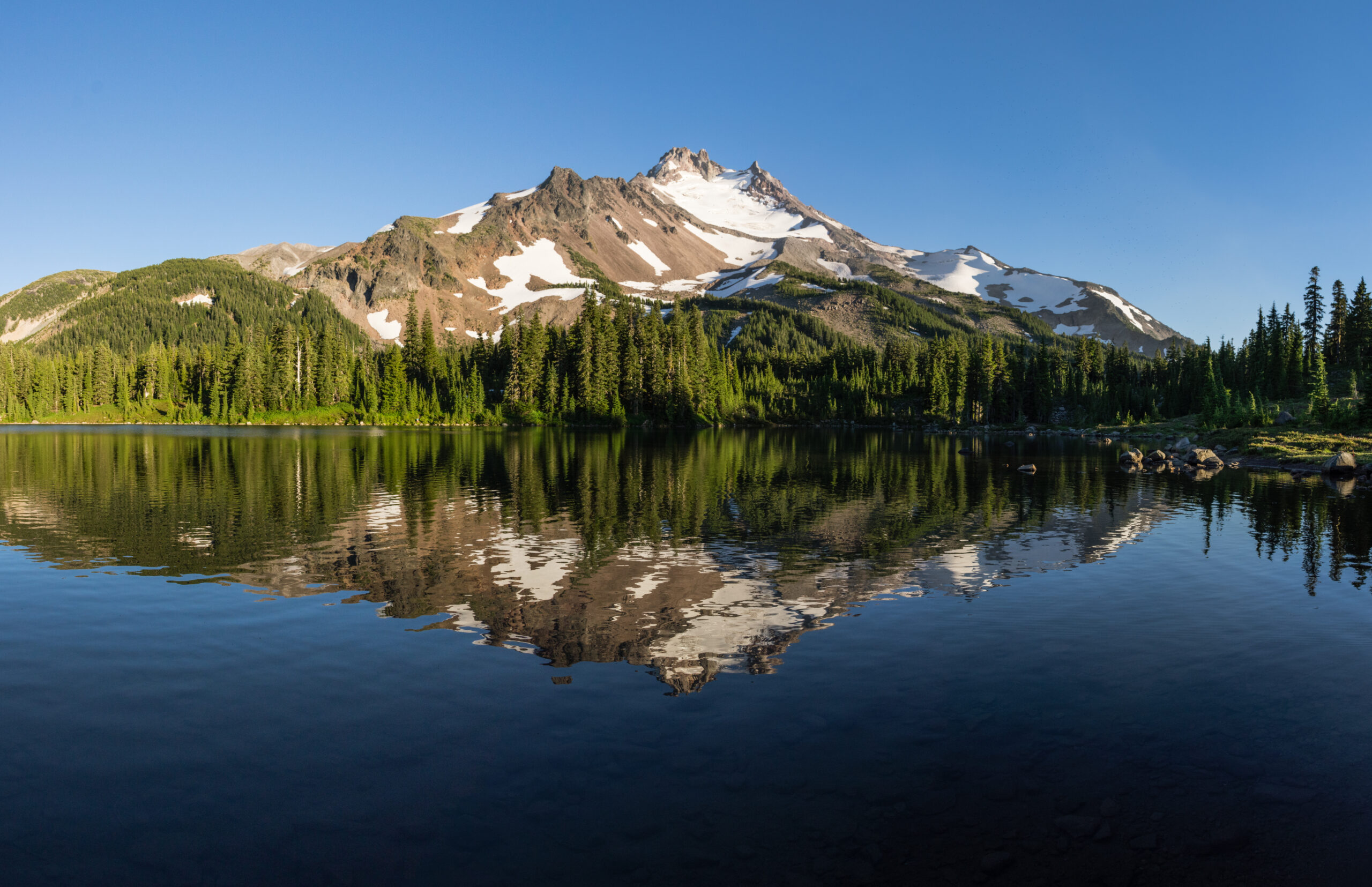
The Classic American Model Is a Backpacking Journey First.
America’s National Scenic Trails include enormous continuous routes designed to connect public lands, landscapes and communities. The Pacific Crest Trail, Appalachian Trail and Continental Divide Trail form the Triple Crown of Hiking.
Most hikers on these routes repeatedly camp, carry days of food and leave the trail periodically for resupply. The challenge is not only walking the distance. It is keeping a lightweight mobile household functioning for months.
The amount of wilderness varies dramatically. The A.T. has a dense shelter and trail-community network. CDTC describes the CDT as the most remote and rugged of the Triple Crown trails.
The Triple Crown Is Not One Experience Either
PCT, A.T. and CDT share the thru-hiking model, but their infrastructure and remoteness are very different.
Pacific Crest Trail
Long graded miles through desert, Sierra Nevada and Cascades. Permits, water, snow, wildfire and repeated resupply define the logistics.
Appalachian Trail
The A.T. combines rugged tread with an unusual density of shelters, roads and trail communities. It is still a camping-based long-distance backpacking journey.
Continental Divide Trail
Longer food carries, alternate routes, remote access and navigation independence make the CDT a different planning project from either the PCT or A.T.

The Appalachian Trail Can Move From Backcountry Shelter to Trail Town Again and Again.
More than 250 shelters and frequent road crossings give the A.T. an infrastructure level that does not fit the stereotype of an entirely remote American wilderness trail. Yet hikers still need their own shelter and backpacking system.
Where Do You Want to Sleep?
The overnight system determines pack weight, reservation strategy, budget and how independent the trip feels.
| Overnight model | Typical planning effect | Trail examples |
|---|---|---|
| Mountain hut | Less overnight gear; beds and meal reservations may control daily stages. | Tour du Mont Blanc, Alta Via 1. |
| Inn-to-inn | Small pack possible; accommodation availability and daily destination matter. | West Highland Way, many Camino itineraries. |
| Huts + camping | More independence while retaining infrastructure at selected stops. | Laugavegur and other mixed European routes. |
| Shelters + tent | Carry full sleep system but use established overnight nodes when available. | Appalachian Trail. |
| Backcountry camping | Maximum independence with heavier responsibility for campsite, water and food storage. | PCT, CDT and many western U.S. trails. |
Europe Can Shift Calories From Your Pack to the Next Village.
On supported European routes, breakfast and dinner may be available at lodging, with cafes, markets or refuges appearing during the day. That can sharply reduce the amount of food carried.
Major U.S. thru-hikes usually require hikers to leave towns with several days of food. Resupply becomes a repeating system of grocery stores, mailed boxes, road crossings, hitches and trail-town chores.
This is one reason the same daily walking mileage can feel like a different trip: food for the next four or five days can weigh several pounds.
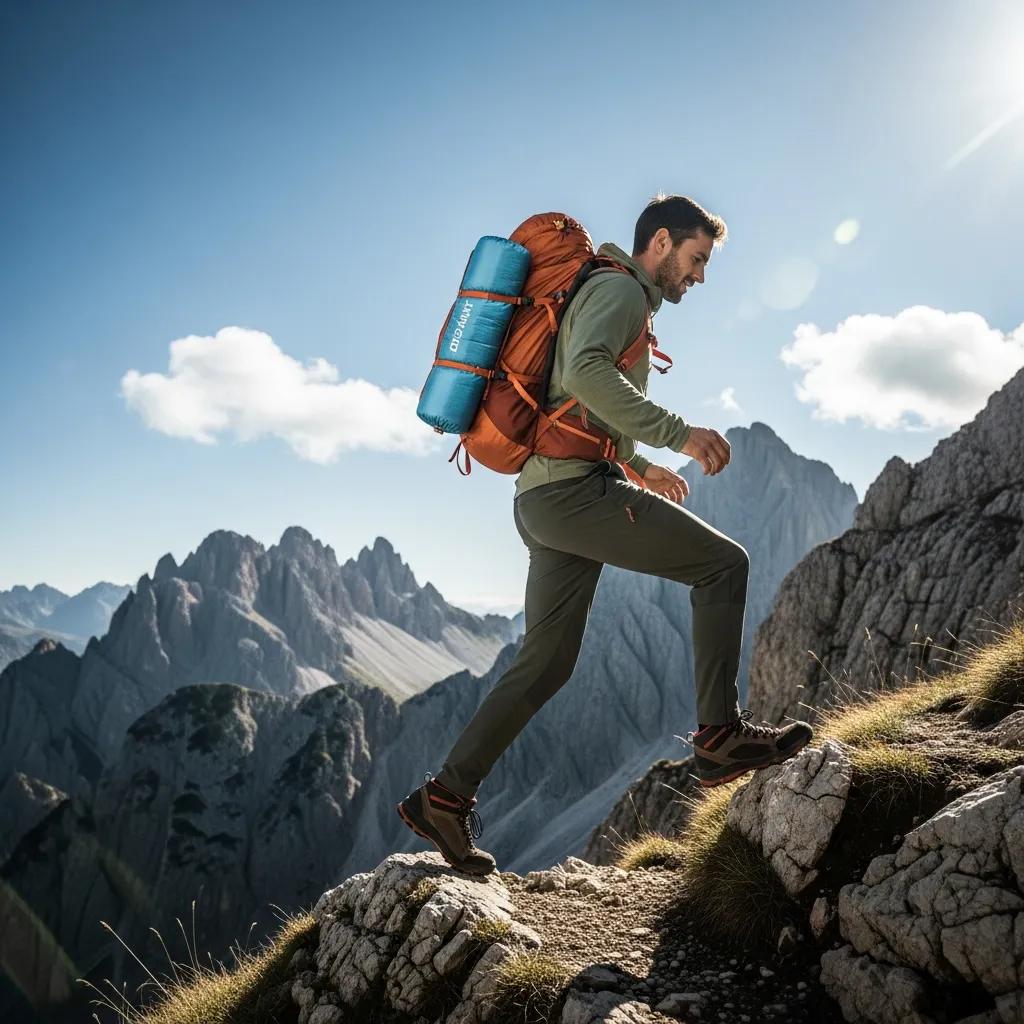
Europe Often Lets the Trail Plug Into Public Transportation
This can be a major advantage on a first international walking trip, but it still needs to be checked route by route.
Train & Bus Corridor
Milngavie has regular rail service from Glasgow, Fort William connects back by rail and coach, and several intermediate communities also have train or bus access.
Connected Villages
Official Lechweg information notes that communities along the route are linked by public buses, and a car is unnecessary for the walk itself.
Trailheads Need Solving
Airports and long-distance transportation usually get you only part of the way. Terminus shuttles, local transit and trailhead access often become separate planning tasks.
The Bureaucracy Changes—It Does Not Disappear.
European walkers may organize beds. American thru-hikers may organize wilderness permits. Both can become itinerary constraints.
Hut Reservations
Popular refuge routes can require booking beds well before the hike, reducing day-to-day itinerary flexibility.
Camping Rules Vary
Wild-camping law and protected-area rules differ by country and region. Never assume a continent-wide rule.
Wilderness Permits
Some trails cross multiple permit areas. PCTA offers a long-distance permit for qualifying continuous PCT trips of 500 or more miles.
Food & Camping Rules
Bear-canister rules, campsite restrictions, fires and permits can change as a hiker crosses different land jurisdictions.
Europe Can Cost More Per Day—and Less for the Entire Project
The meaningful comparison is total trip cost, not simply the nightly price of a hut versus a campsite.
| Cost category | European supported trail | U.S. thru-hike |
|---|---|---|
| Accommodation | Frequent paid huts, inns or hotels can create a high daily rate. | Backcountry camping may cost little most nights, with town lodging periodically. |
| Food | Restaurants and hut meals can cost more but reduce pack weight. | Groceries and trail food dominate between town restaurant stops. |
| Equipment | Lodge-based trips may not require a tent, pad or full cooking system. | A complete backpacking system is normally required. |
| Transportation | International airfare may be substantial, but public transit can simplify local movement. | Domestic travel may be cheaper for U.S. hikers, although remote trailheads add shuttle costs. |
| Duration | Many classic routes fit into one or two weeks. | A Triple Crown thru-hike creates four to seven months of trail spending. |
| Time away from work | Often fits inside standard vacation leave. | A season-long thru-hike can create a major income or career cost. |

A Seven-Day Long Trail and a Five-Month Thru-Hike Should Not Be Compared Only by Scenery.
One fits inside annual leave and can be planned around booked beds. The other becomes a temporary lifestyle involving resupply, weather progression, repeated camping and months away from home. Decide which scale you want before choosing the famous name.
Your Calendar Can Narrow the Continent Immediately
There are exceptions in every category, but time is one of the fastest ways to move from thousands of possibilities to a useful shortlist.
| Time available | European examples | U.S. examples | What you are learning |
|---|---|---|---|
| 4–7 days | Laugavegur, Great Glen Way sections, Camino sections. | Sections of established National Scenic Trails. | Consecutive-day walking, foot care and recovery. |
| 1–2 weeks | West Highland Way, Tour du Mont Blanc, Alta Via 1. | Wonderland Trail and shorter wilderness routes. | Full multi-day rhythm and weather management. |
| 3–6 weeks | Longer GR sections or GR10 segments. | Long Trail, Colorado Trail, substantial PCT/A.T. sections. | Resupply, equipment wear and extended recovery. |
| 4–7 months | Only Europe’s longest routes or linked trail systems reach this scale. | PCT, Appalachian Trail and CDT become central options. | Season-long thru-hiking as a temporary lifestyle. |
Reduce the Number of New Skills You Must Learn at Once
A first long trail becomes more manageable when only one or two parts of the experience are unfamiliar.
Use Lodging
Learn pacing and recovery on an inn-to-inn route before adding a full overnight backpacking system.
Add Duration
Move toward a longer U.S. section or complete shorter American thru-hike rather than changing every variable.
Choose Waymarking
Let daily walking teach the lesson rather than combining it with difficult route-finding.
Complete Something
A one-week end-to-end trail can teach more than one arbitrary week in the middle of a five-month objective.
Two Regions, Very Different Trail Networks
Europe compresses many major long trails into dense transport and settlement networks. America’s famous thru-hikes stretch across a continent-sized country and multiple wilderness systems.
TMB, Alta Via 1 and Haute Route combine mountain passes with staffed accommodation and valley access.
West Highland Way and Camino-style routes integrate communities directly into the journey.
PCT and CDT cross enormous landscapes where camping and resupply are foundational skills.
The A.T. combines backcountry travel with shelters, roads, hostels and a dense trail-community culture.
Verify the Individual Trail Once You Choose the Region
Europe and the United States contain too many legal systems, trail organizations and land managers for one continent-wide rulebook.
Europe vs USA Long-Trail FAQ
The region can narrow the planning model, but the final choice should always be made trail by trail.
Are long-distance trails easier to organize in Europe or the USA?
Many well-known European trails simplify local transportation, lodging and meals by passing through villages or using hut networks. Major American thru-hikes often require more camping, resupply and wilderness logistics. Individual trails can reverse that pattern, so compare the exact route rather than relying only on the continent.
Can I hike long-distance trails in Europe without camping?
Yes. Tour du Mont Blanc, Alta Via 1, West Highland Way and many Camino itineraries can be planned around huts, refuges, inns, hostels or hotels. Other European trails have a stronger camping or wilderness character.
Do I need to camp on American long-distance trails?
Camping is central to many large American trails. Appalachian Trail shelters do not remove the need for a personal shelter because they can fill and regulations vary. PCT and CDT hikers normally rely heavily on backcountry camping.
Which region works well for a one-week first long trail?
Europe contains an unusually large number of complete routes that fit into roughly one week, including West Highland Way and Great Glen Way. The United States also has shorter complete routes and many excellent sections, but the famous Triple Crown trails themselves are multi-month commitments.
Are European trails all hut-to-hut?
No. Europe includes refuge routes, inn-to-inn walks, wilderness routes, pilgrimages, GR trails and camping-based journeys. Scotland, Iceland, Corsica and the Alps alone represent several substantially different trail cultures.
Are U.S. trails more remote than European trails?
Some major U.S. routes are exceptionally remote. CDTC describes the Continental Divide Trail as the most remote and rugged Triple Crown trail. The Appalachian Trail is a clear counterexample because it has extensive shelters, road crossings and trail communities.
Is Europe cheaper than hiking in the USA?
Not necessarily. Huts, hotels and restaurant meals can produce a high daily cost in Europe. A U.S. backpacker may spend much less on many individual nights, but a five-month thru-hike has months of food, transportation, town spending and possibly lost income.
Which region should I choose if I have never backpacked?
A lodging-based European route can let you learn consecutive-day hiking without simultaneously learning tents, sleeping systems, cooking and wilderness food storage. Another option is to begin with a shorter U.S. section and learn backpacking gradually before attempting a full thru-hike.
Choose the Style First. Then Choose the Route.
If huts, villages and public transport sound right, move into the Europe collection. If camping, resupply and continuous wilderness sound right, move into the American thru-hike collection.
Decide What You Want Waiting at the End of the Walking Day.
A refuge meal and a bed in an Alpine valley. An inn in a Scottish village. A pilgrim hostel in Spain. A tent beside the PCT. An Appalachian shelter. A remote campsite on the Continental Divide. Once you know which of those sounds like the trip you want, the map gets much smaller.