web analytics

Tag: CTSS

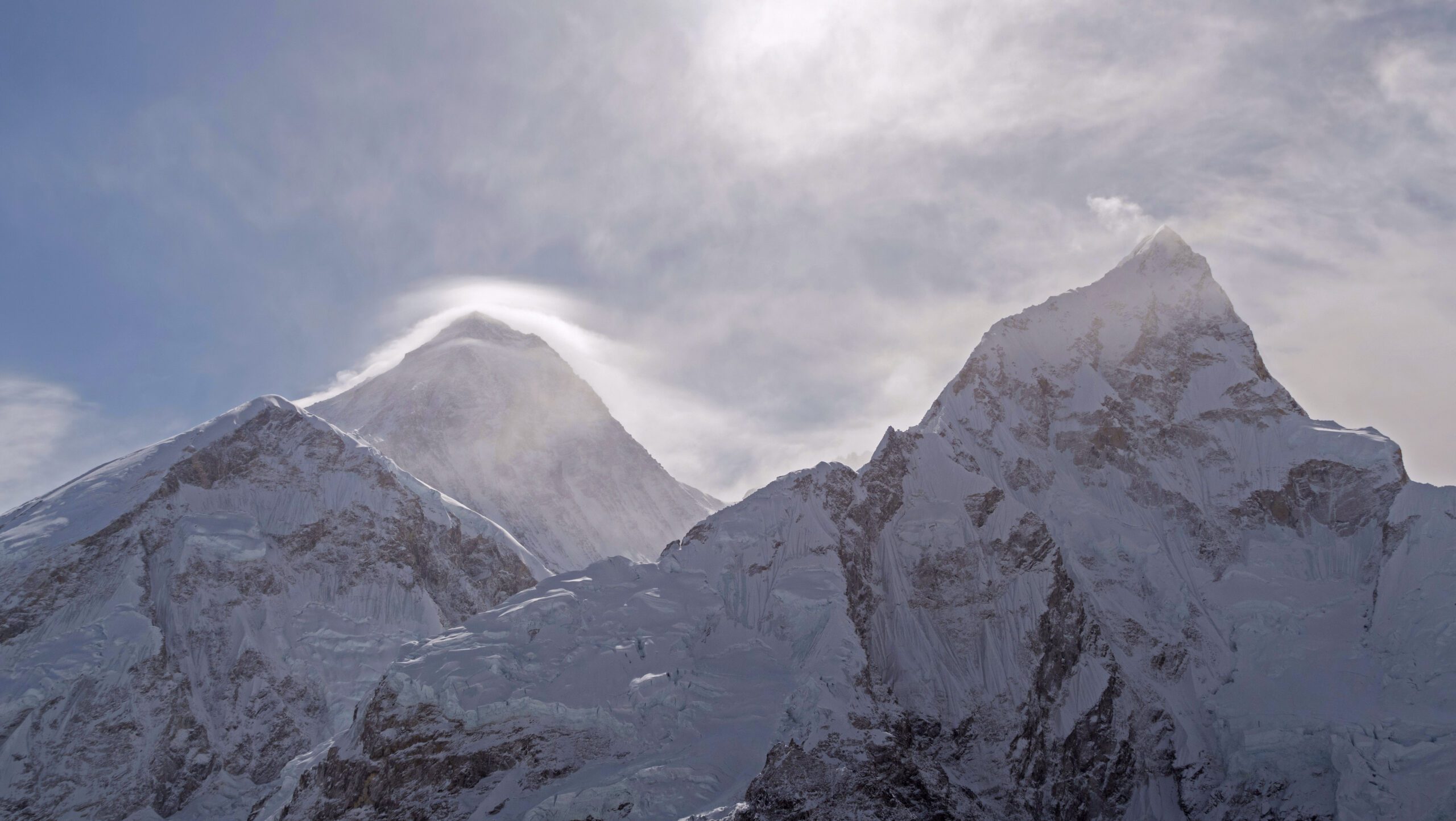
  • Mount Everest and Nuptse at sunrise in Nepal
    Home › CTSS › Everest Prerequisites
    CTSS Everest Readiness · Experience · Skills · Fitness · Mindset

    Are You Ready to Climb Everest? CTSS Prerequisites & Readiness

    Climbing the Seven Summits does not treat Everest as a first mountaineering objective. CTSS publishes a clear entry bar: meaningful high-altitude experience, proven crampon and glacier competence, fixed-line confidence, steep-terrain comfort, Everest-specific fitness and the mental resilience to function inside a long expedition.

    CTSS primary-source requirements used 7,000 m altitude benchmark technical systems separated from fitness updated September 29, 2026
    Partnership disclosure: This article is part of a sponsored editorial pilot with Climbing the Seven Summits (CTSS). CTSS may provide source material and factual corrections, but Global Summit Guide retains editorial control. Sponsorship does not determine rankings, operator scores or conclusions.

    Everest readiness is easy to oversimplify. A climber can be exceptionally fit and still lack the altitude résumé, fixed-line repetition or expedition judgment CTSS expects. Another climber can have several big summits but still arrive physically underprepared for repeated long carries and summit-day effort.

    CTSS solves that problem by separating readiness into different categories. Its published prerequisites do not ask only whether you have climbed a famous mountain. They ask whether you have performed at serious altitude, used the systems Everest requires, trained specifically enough for the workload and shown the temperament to function inside a team for weeks.

    This page is designed to answer one question: does your current résumé meet the CTSS Everest entry bar? It does not replace a training program, progression plan or operator comparison. Those are linked where the next decision belongs.

    Global Rescue · GSG Safe Travel Partner Everest readiness also includes a rescue and evacuation plan.

    Global Rescue membership and travel insurance are separate products. High-altitude climbers should verify current altitude, activity and evacuation terms before departure.

    Review Global Rescue Options →
    The direct answer

    CTSS Does Not Accept Beginner Everest Climbers.

    If you have not yet demonstrated high-altitude performance and technical mountaineering competence, the next step is not simply “train harder for Everest.” It is to build the missing experience first. CTSS states that Everest climbers should have at least 7,000 m altitude experience, proven familiarity with crampons, glaciers and fixed lines, comfort on steep exposed rock and ice, and a well-rounded climbing résumé.

    Fitness is a separate gate. CTSS also expects a long, mountain-specific build and the ability to tolerate back-to-back long days. Cardiovascular fitness alone does not replace the climbing résumé.

    7,000 m+CTSS altitude-experience benchmark; Aconcagua is explicitly accepted
    9–12 moCTSS recommended Everest-specific training runway
    5–6 daysweekly training commitment CTSS says climbers should have time for
    10+ hrlong mountain days CTSS says climbers should be prepared to repeat
    The CTSS admission logic

    Five Gates Have to Be Open at the Same Time.

    A climber can be excellent in one category and still be underprepared overall. CTSS separates experience, technical competence, physical capacity and expedition mindset rather than treating “fit” as a synonym for “ready.”

    Gate 1

    Altitude

    Real experience high enough to know how you function when sleep, appetite, pace and recovery deteriorate.

    Gate 2

    Technical

    Confident cramponing, glacier travel, fixed-line movement and comfort on steep exposed rock and ice.

    Gate 3

    Fitness

    Mountain-specific aerobic durability, weighted uphill capacity and back-to-back long-day resilience.

    Gate 4

    Mindset

    Patience, adaptability, stress regulation and the ability to tolerate weeks of uncertainty and downtime.

    Gate 5

    Team

    Humility, communication, guide deference and the ability to support teammates under pressure.
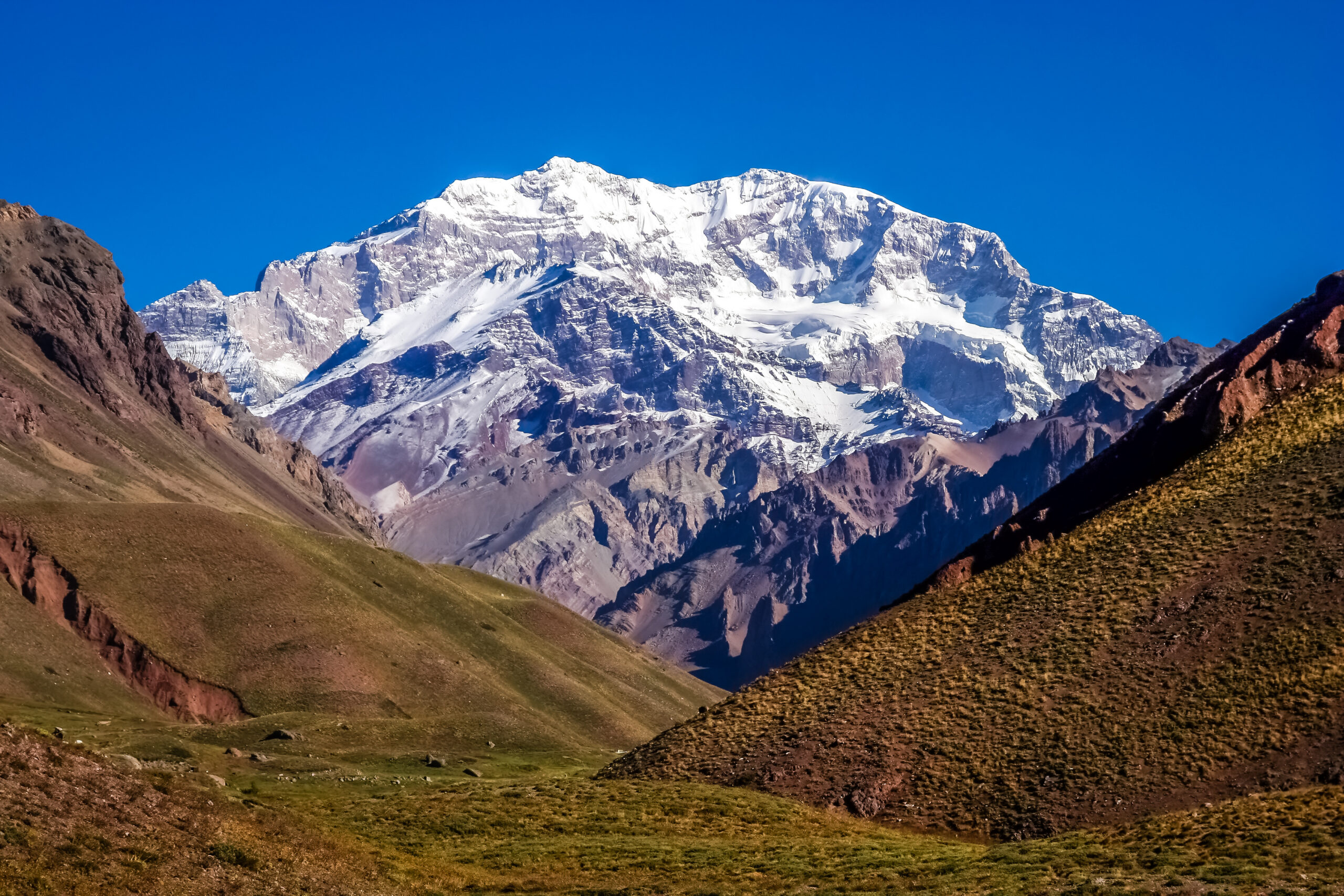
    Aconcagua in Argentina, an accepted CTSS Everest altitude prerequisite
    Gate 1 · altitude experience

    CTSS Wants Proof Above the Trekking Zone.

    CTSS publishes a baseline of at least 7,000 m of altitude experience. It specifically notes that a summit of Aconcagua is sufficient for this requirement. The important idea is not the exact name of the mountain—it is demonstrated performance at serious altitude.

    That means you have already learned something about your own pacing, appetite, sleep, recovery, cold tolerance, decision-making and symptom response where small mistakes become much more expensive.

    Useful bridge: CTSS states that its Everest Camp 3 climb reaches about 7,500 m and satisfies the company’s 7,000 m Everest prerequisite. It also gives future Everest climbers direct experience with the Khumbu Icefall, Western Cwm and Lhotse Face.
    Gate 2 · technical competence

    “I Have Used Crampons” Is Not the Same as Technical Readiness.

    CTSS asks for familiarity, confidence and proven experience—not first exposure on the expedition. Everest adds altitude, cold, gloves, fatigue, congestion and consequential terrain to systems that should already feel routine.

    CTSS requirementWhat “ready” should mean in practiceWhat does not prove readiness by itself
    CramponingEfficient movement on firm snow and ice, including while tired and wearing expedition footwear.One introductory snow climb or a single skills day.
    Glacier experienceComfort functioning in roped glaciated terrain and understanding the team’s movement/rescue system.Walking near a glacier or trekking on non-glaciated terrain.
    Fixed-line climbingRepeated use of an ascender, attachment system and transitions under supervision until the process is calm and repeatable.Watching a video or practicing once indoors.
    ExposureRemaining deliberate on steep rock/ice and exposed traverses when the terrain feels consequential.General hiking confidence on trails.
    Climbing résuméA broad enough history that your guides can see repeated evidence—not a single lucky summit.One large peak without supporting technical progression.
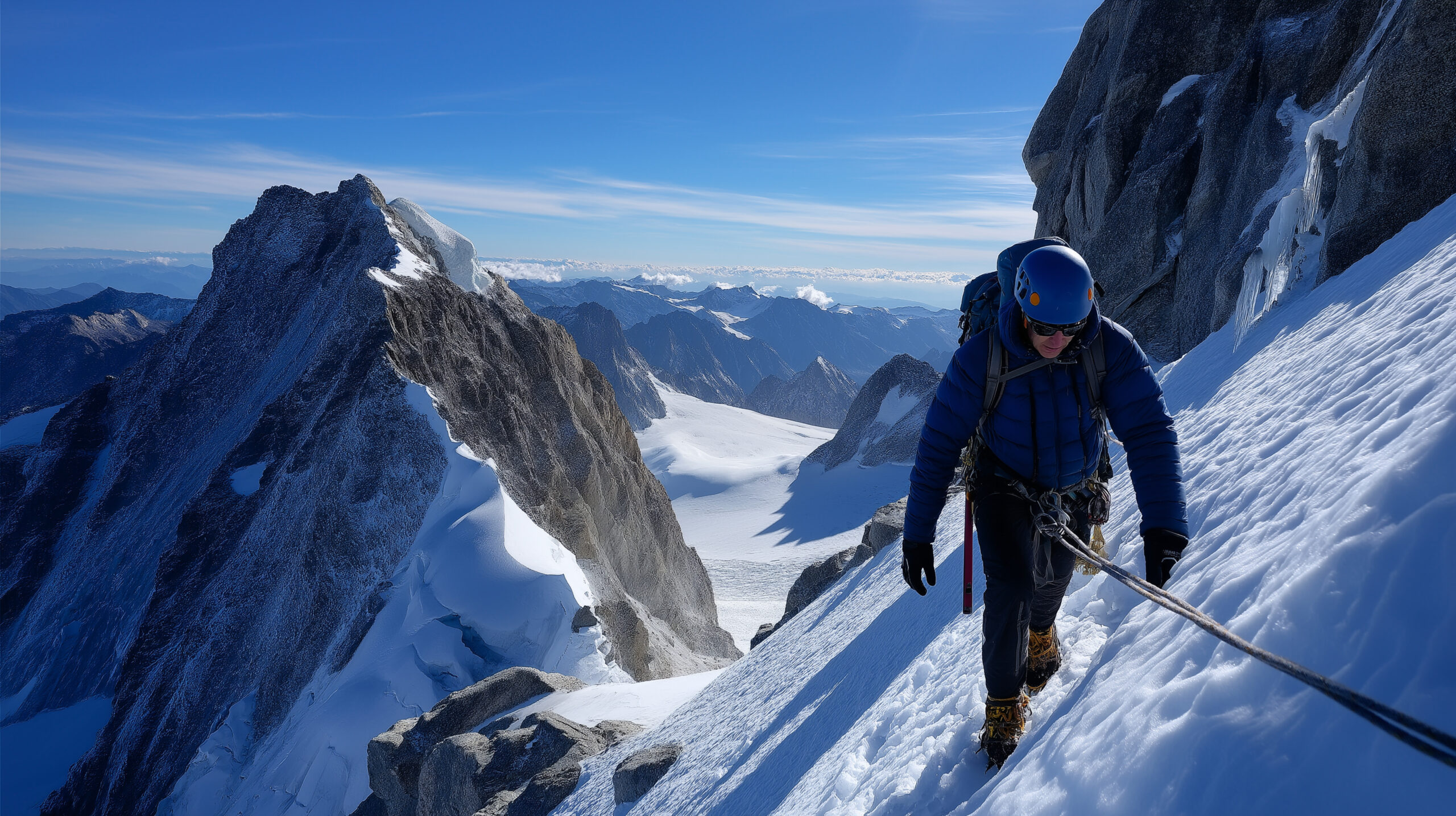
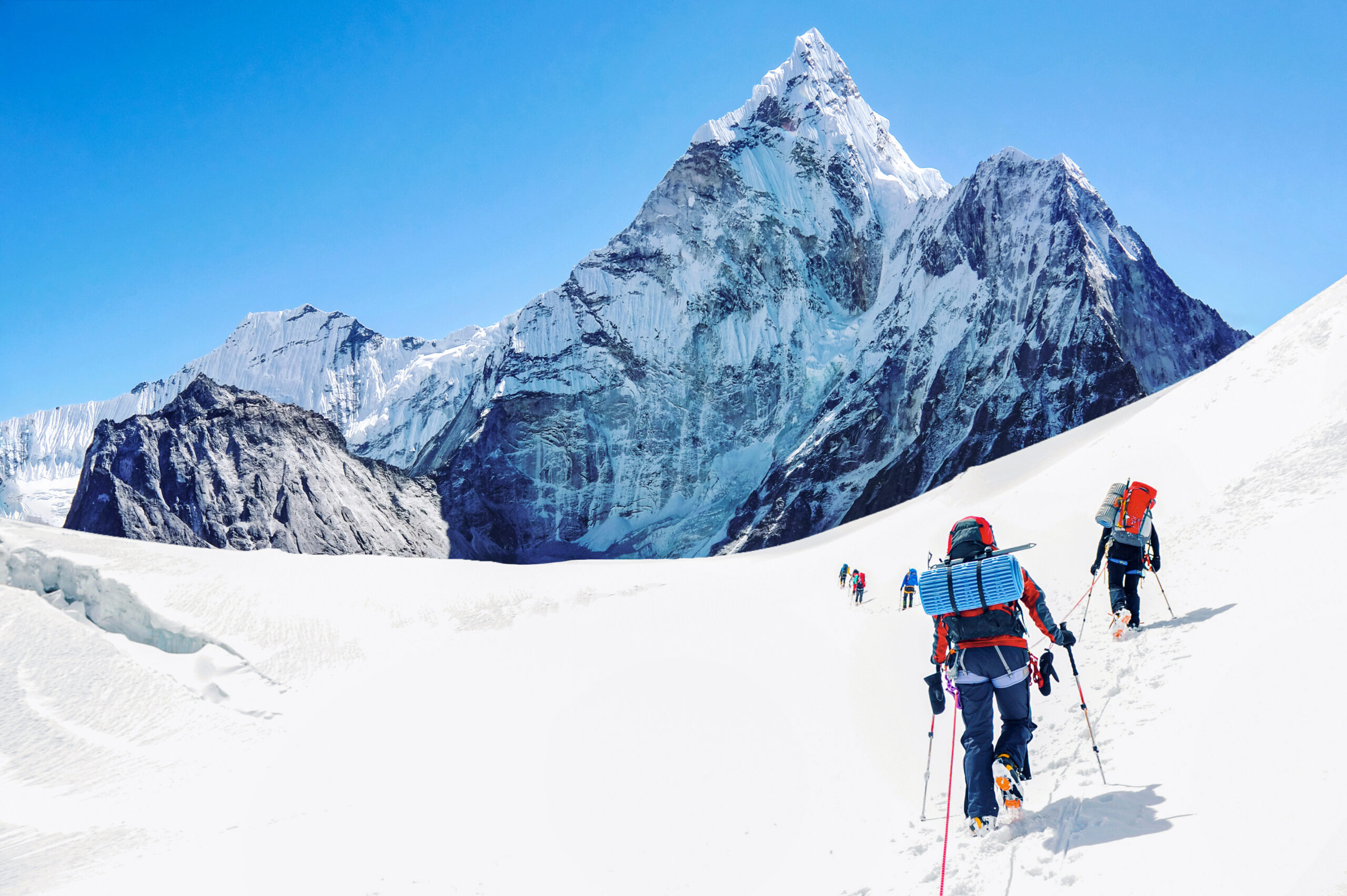
    High-altitude mountaineer using crampons and a fixed rope on steep snow
    Everest is not where basic fixed-line skills should become automatic

    CTSS Is Looking for Competence You Can Still Execute When Cold, Hypoxic and Fatigued.

    The Everest environment amplifies ordinary errors. The goal before arrival is not merely to understand the hardware—it is to have enough repetition that movement systems remain disciplined when your attention is degraded.

    Gate 3 · Everest-specific fitness

    CTSS Publishes a Concrete Physical Bar.

    CTSS recommends beginning Everest-specific training 9–12 months before departure, having enough time to train 5–6 days per week, and building toward long mountain days that resemble expedition work rather than general gym fitness.

    • Be comfortable hiking about 1,500 vertical feet per hour with a 20 lb pack.
    • Prepare for 10+ hour mountain days, including back-to-back efforts.
    • Emphasize high-volume, lower-intensity endurance rather than making every workout hard.
    • Make training increasingly specific to uphill movement, load carriage and recovery.
    This page does not own the workout program. Once the experience and technical gates are realistic, use the dedicated Global Summit Guide Everest training plan for the 12-month physical build.
    High-altitude Everest climbers working together near the summit
    Gates 4 & 5 · mindset and team behavior

    CTSS Treats Expedition Temperament as a Prerequisite.

    Everest is a long campaign, not a continuous climb. CTSS explicitly asks clients to be ready for stress, monotony, uncertainty, guide direction and the social reality of living inside an expedition team for weeks.

    1
    Be ready for a long expedition window.

    Work, family and travel commitments have to accommodate the full schedule and uncertainty around weather.

    2
    Be patient with Base Camp downtime.

    CTSS warns that extended waiting can feel monotonous. Boredom tolerance is part of expedition readiness.

    3
    Defer to guide judgment.

    Even experienced climbers must be willing to receive and follow direction from the expedition leadership.

    4
    Regulate stress.

    Everest adds uncertainty, fatigue, altitude, crowding and weather. CTSS expects clients to manage their response.

    5
    Communicate openly.

    Problems become harder when clients hide fatigue, symptoms, fear or equipment issues from their guides.

    6
    Make the team better.

    CTSS explicitly calls for supportive, humble, respectful and considerate behavior under pressure.

    A practical pre-application audit

    Can You Answer “Yes” Without Explaining Away the Gaps?

    This is not an admission decision—CTSS makes that call after reviewing your experience. It is a useful way to decide whether contacting the company about an Everest summit program makes sense now or after another progression season.

    Readiness questionCTSS-published basisIf your answer is “not yet”
    Have I performed well at approximately 7,000 m?CTSS asks for at least 7,000 m altitude experience and explicitly accepts Aconcagua.Choose a progression objective that tests altitude without stacking unnecessary new technical difficulty.
    Can I use crampons confidently on real mountain terrain?CTSS asks for proven crampon familiarity and confidence.Get guided snow/ice mileage and repeat the skill until it is routine.
    Do I have glacier and fixed-line experience?Both are named prerequisites.Build supervised glacier and fixed-line experience before Everest.
    Am I comfortable on steep exposed rock and ice?CTSS specifically names exposure and steep terrain.Choose progression climbs where exposure is real but the overall objective remains manageable.
    Can I sustain long uphill days with a training pack?CTSS publishes the 1,500 vertical ft/hour with 20 lb benchmark and 10+ hour mountain-day expectation.Use the dedicated Everest training plan rather than adding random intensity.
    Can I train consistently for 9–12 months?CTSS recommends a long Everest-specific build and 5–6 training days per week.Delay the expedition rather than compressing the final preparation.
    Can I function well inside a team for weeks?CTSS asks for patience, communication, humility and adaptability.Gain more expedition experience where weather delays and shared decisions are part of the process.
    The résumé is broader than one summit

    Three Types of Experience CTSS Is Really Looking For.

    The specific mountains can vary, but the résumé should show altitude, technical systems and expedition behavior—not simply a list of famous names.
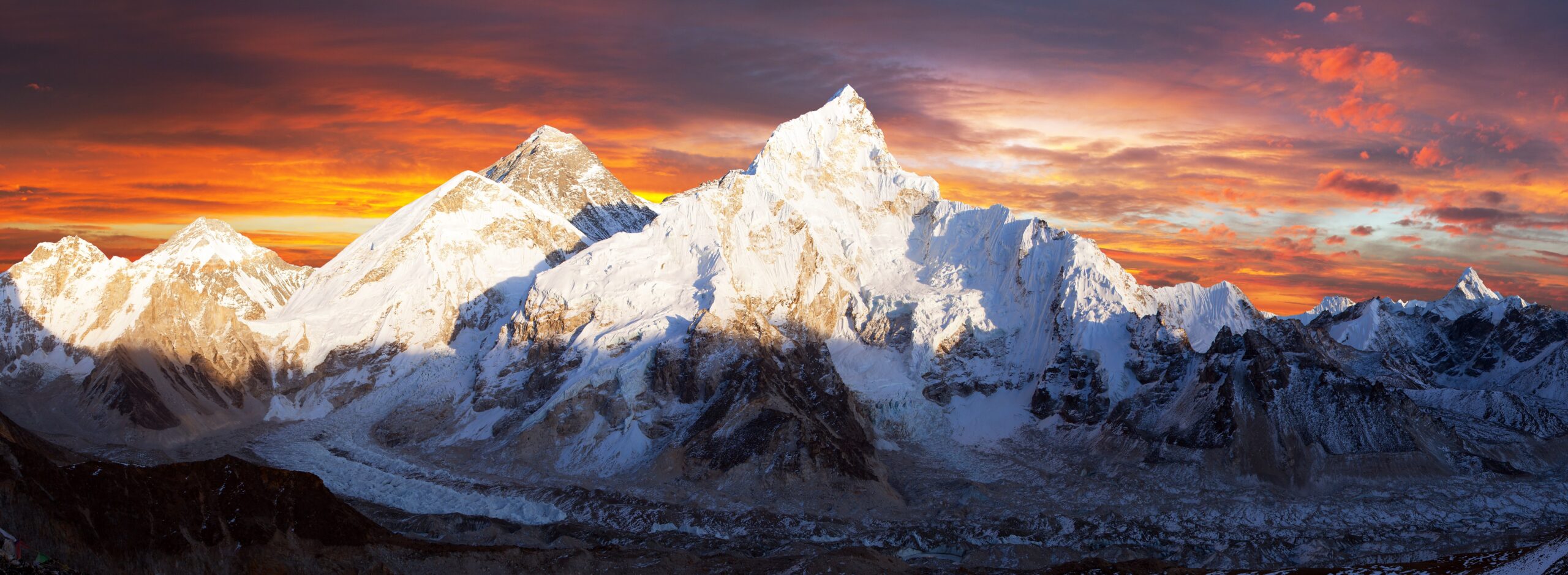
    Mount Everest at sunset from the Khumbu region
    High AltitudeExperience where pace, sleep, appetite and recovery change meaningfully.
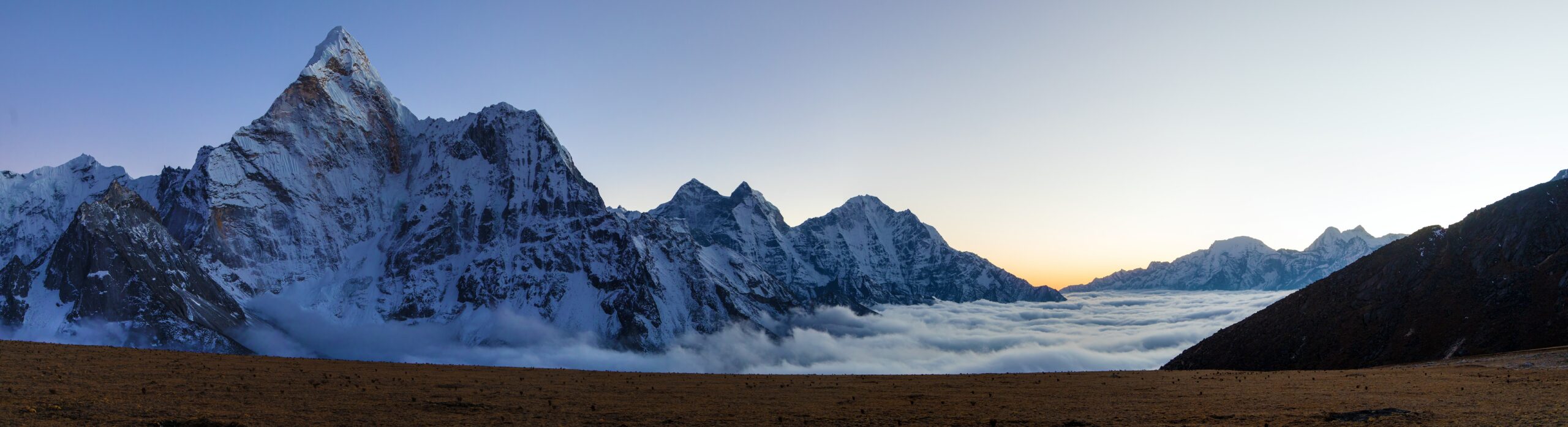
    Ama Dablam in Nepal, a technical progression objective
    Technical ProgressionMountains that require real crampon, rope and exposure management.
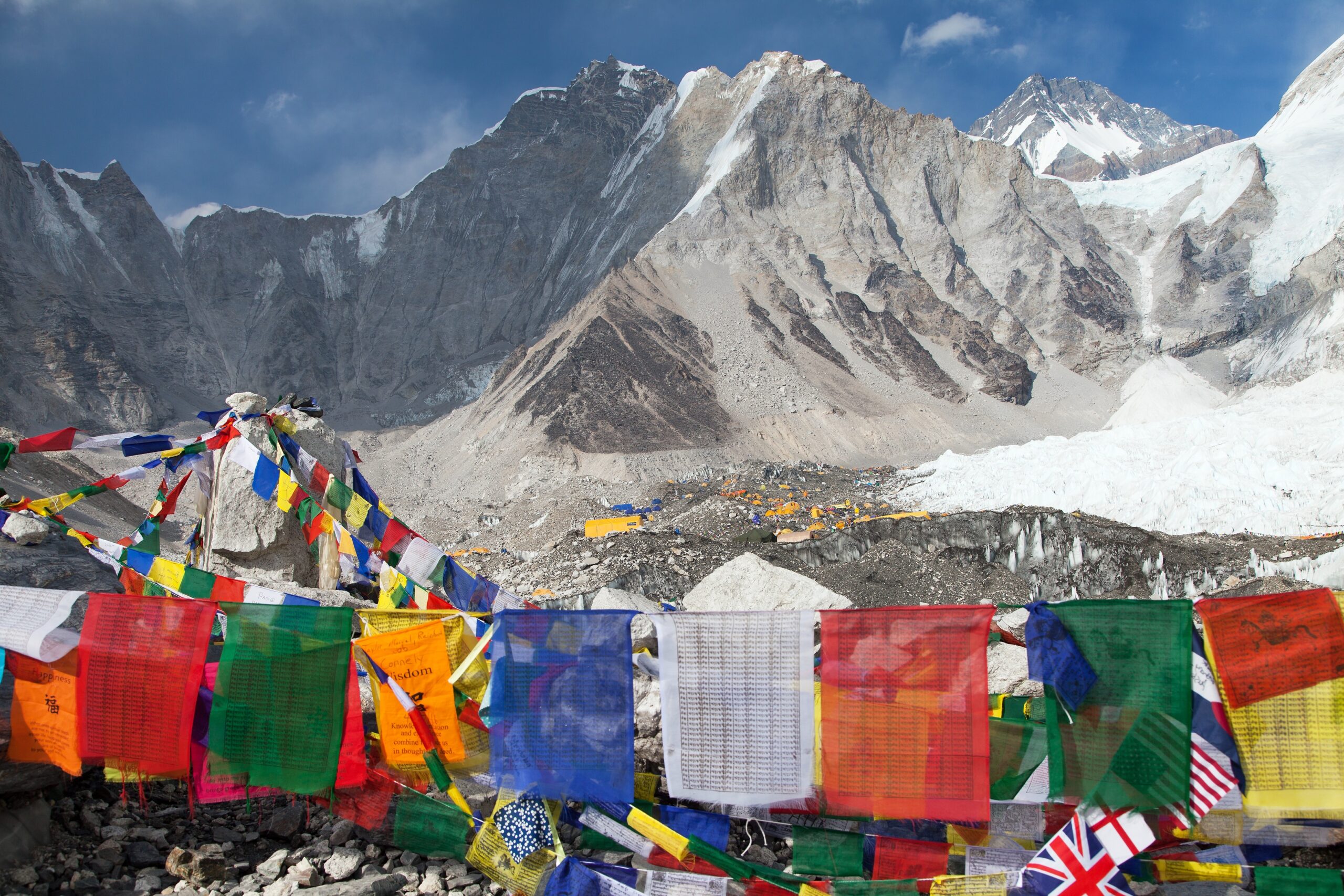
    Everest Base Camp tents and prayer flags in Nepal
    Expedition LivingRepeated days of waiting, recovering, communicating and making conservative decisions.
    Where the prerequisite becomes real

    Everest Readiness Gets Tested Across the Khumbu.

    On the South Col route, the skills CTSS asks for are not abstract. Climbers move through the Khumbu Icefall, across the Western Cwm and onto fixed lines above Camp 2 toward the Lhotse Face.

    A climber who reaches Nepal still needing to learn basic crampon movement, fixed-line transitions or expedition self-management is trying to close the wrong gap in the wrong place.

    Compare Everest Operators
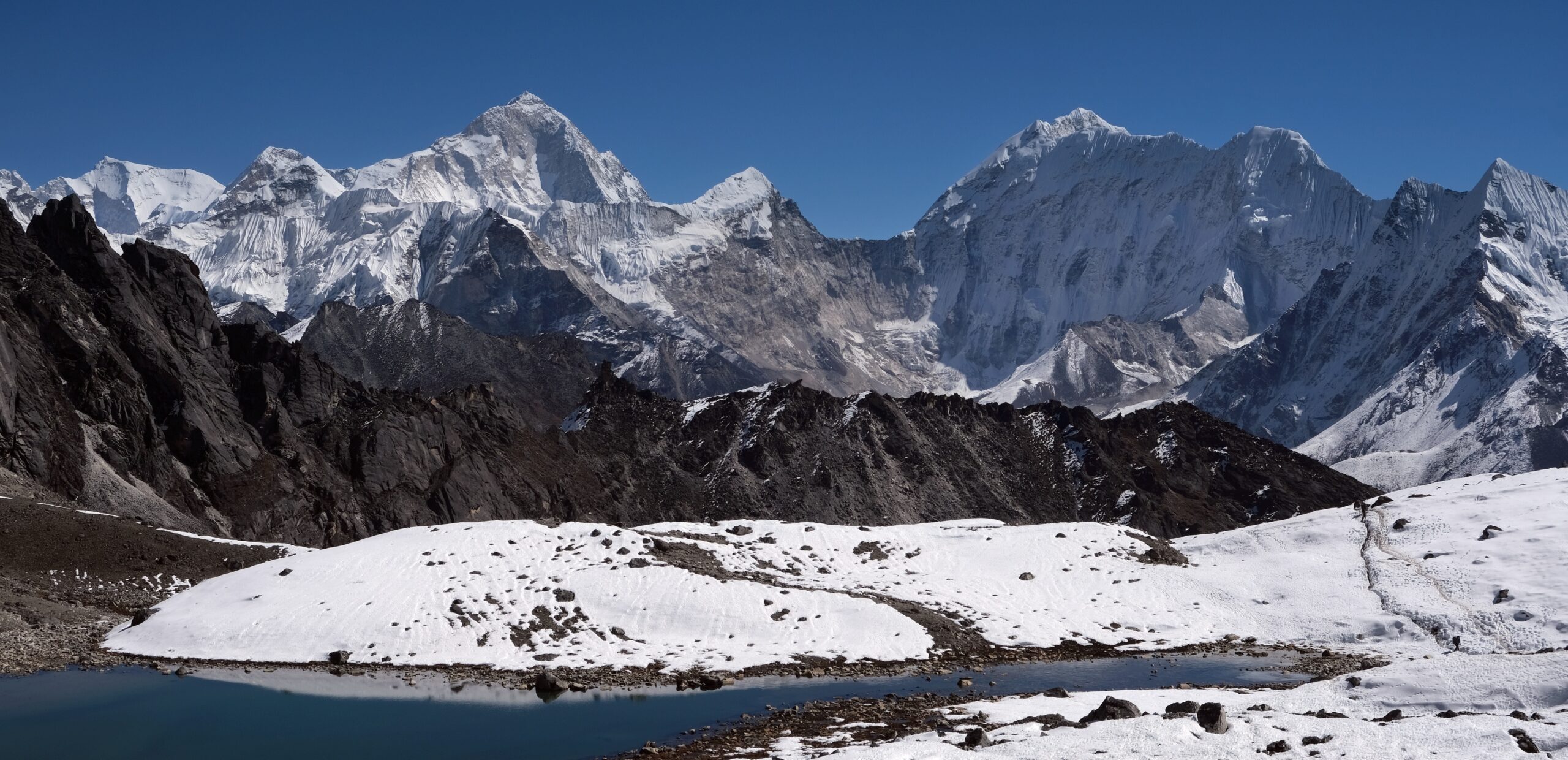
    High Himalayan terrain near the Everest region in Nepal
    If one gate is still closed

    Do Not Solve Every Weakness With Another Workout.

    The next move depends on the missing gate. Fitness problems need training; technical problems need instruction and mileage; altitude problems need appropriate high-altitude objectives; expedition-behavior problems need more time in real expedition environments.

    • Altitude gap: choose a progression climb that tests high-altitude performance.
    • Technical gap: build fixed-line, crampon and glacier mileage under qualified instruction.
    • Fitness gap: use a long Everest-specific training plan rather than compressing the build.
    • Expedition gap: choose an objective long enough to test recovery, patience and team behavior.
    CTSS offers a direct conversation path: its prerequisite page invites climbers who are unsure about their résumé to contact the company so it can evaluate their experience and help identify an appropriate progression.
    A note on speed ascents

    A Faster Everest Program Does Not Lower the Prerequisite Bar.

    CTSS describes speed-ascent programs as options for qualified climbers using advanced pre-acclimatization and customized logistics. They are not a shortcut around experience. If the standard Everest prerequisites are still a stretch, compressing the expedition timeline is not the next step.

    Primary sources

    Where the CTSS Readiness Standards Come From

    This page separates CTSS’s own published requirements from Global Summit Guide’s editorial routing and interpretation.

    CTSS Everest Training & Prerequisites

    Primary source for the published experience, technical, fitness and mindset requirements used on this page.

    Read CTSS source →

    CTSS Everest Camp 2 / Camp 3

    Primary source for CTSS’s statement that its Camp 3 climb satisfies the 7,000 m Everest prerequisite and provides Everest-route familiarity.

    Read CTSS source →

    CTSS Everest Programs

    Primary program hub for current Everest support models, expedition options and program-level information.

    Read CTSS source →
    FAQ

    CTSS Everest Readiness Questions

    The shortest answers to the prerequisite questions climbers ask before contacting an operator.

    Does CTSS accept beginner climbers on Everest?

    No. CTSS explicitly states that it does not accept beginner climbers on its Everest programs.

    What altitude experience does CTSS require?

    CTSS publishes a baseline of at least 7,000 m of altitude experience and specifically states that a summit of Aconcagua is sufficient.

    Is Everest Base Camp enough?

    No. Everest Base Camp is valuable altitude trekking experience, but CTSS’s Everest summit prerequisites separately require advanced climbing experience, crampon competence, glacier and fixed-line experience, and comfort on steep exposed terrain.

    How fit should I be?

    CTSS recommends 9–12 months of specific training, enough schedule capacity for 5–6 training days per week, comfort hiking around 1,500 vertical feet per hour with a 20 lb pack, and preparation for repeated mountain days of 10 hours or more.

    Does CTSS Camp 3 satisfy the 7,000 m prerequisite?

    Yes. CTSS states that its Everest Camp 3 climb, reaching approximately 7,500 m, satisfies the 7,000 m Everest prerequisite.

    Can elite fitness make up for limited mountaineering experience?

    No. CTSS lists technical competence and altitude experience separately from physical conditioning. Everest-specific fitness should sharpen an experienced climber, not replace the climbing résumé.
    Was this helpful?

    Yes
    No
    Thanks for your feedback!
  • High Himalayan mountains representing the decision of choosing an Everest expedition operator
    Everest Operator Research · 2027 Planning Guide

    How to Choose an Everest Expedition Operator in 2027

    Everest operators can sell radically different levels of guidance, Sherpa support, oxygen, medical coverage and autonomy on the same mountain. The right comparison is not simply company versus company. It is the exact expedition program versus the needs and experience of the climber buying it.

    Guide structure Sherpa support Oxygen strategy Safety systems Track record Complete cost Contract terms
    In partnership with Climbing the Seven Summits (CTSS)
    Direct answer

    Choose the expedition system, not just the operator name.

    Before paying an Everest deposit, compare seven things in writing: who is actually guiding you, how much Sherpa support you receive, the oxygen plan, emergency and medical systems, relevant expedition record, the complete trip cost, and the cancellation/turnaround rules.

    A premium reputation by itself is not enough. Neither is a low price, a high summit count or a polished website. The important question is what the specific program provides when conditions become difficult at altitude.

    Partnership disclosure: This article is part of a sponsored editorial pilot with Climbing the Seven Summits. CTSS can provide source material and factual corrections, but Global Summit Guide retains editorial control. Sponsored relationships do not change the evaluation framework used on this site.
    7 decision categories to compare before booking
    1 exact program matters more than the company name alone
    Written guide, oxygen, rescue and cancellation details should be confirmed
    Fit the strongest operator for one climber may be wrong for another
    Start with the product

    Two Climbers Can Hire the Same Company and Buy Very Different Expeditions.

    Everest programs range from logistics-heavy options for highly independent climbers to team-guided expeditions and private one-to-one arrangements. Comparing only the logo on the jacket hides many of the differences that matter most high on the mountain.

    When people ask which Everest company is “best,” they are often combining several different questions. Do they need a Western or international guide climbing with them? Do they want a personal Sherpa? How much high-altitude experience do they already have? How much oxygen is available? How much independence do they want? What happens if a summit attempt is delayed?

    The better approach is to break the expedition into its component systems and compare each one. That makes it possible to distinguish genuine differences from marketing language—and to determine whether a particular program actually matches the climber.

    The seven tests

    What to Compare Before Choosing an Everest Operator

    These categories are designed to work across Western-led, Nepali-led, hybrid, rapid-ascent and private Everest programs.

    01

    Guide Structure & Ratios

    “Guided” can mean very different things. Determine whether an international or Nepali guide is actually climbing with your group, how many clients each guide is responsible for and whether that ratio changes above the South Col.

    Ask: Who is the named expedition leader? What is the maximum number of clients per guide? Where will that guide normally be positioned during the summit push?
    02

    Sherpa Support

    Determine whether your climbing Sherpa is assigned personally or shared, when that support begins and whether the same person climbs with you during rotations and the summit bid.

    Ask: Is support 1:1 on summit day? Who carries oxygen? Does personal support begin at Base Camp, Camp 2 or only during the summit push?
    03

    Oxygen Strategy

    Do not settle for “oxygen included.” Ask for the number of bottles, normal climbing flow rates, sleeping strategy, regulator and mask system, spare equipment and contingency supply.

    Ask: How many bottles are allocated to me? How many are allocated to my Sherpa? What happens after a delay or aborted summit attempt?
    04

    Safety, Weather & Rescue

    A good Everest system connects weather forecasting, communications, medical decisions, oxygen, rescue planning and conservative turnaround judgment instead of treating each as a separate feature.

    Ask: Who receives forecasts? Who has final turnaround authority? What medical support exists at Base Camp and higher on the route?
    05

    Track Record & Transparency

    Summit totals sound impressive but can be misleading without context. Look for recent expedition activity, named leaders, client denominators, consistent Sherpa leadership and an honest explanation of unsuccessful seasons.

    Ask: How many clients started, how many summited and what happened to those who did not? Was the same leadership team involved?
    06

    Complete Cost

    The advertised expedition fee is not the final Everest budget. Flights, personal equipment, insurance, gratuities, communications, hotels, medical expenses and optional oxygen can materially change the total.

    Ask: What will I realistically spend from home departure to home return—not merely what appears on the expedition invoice?
    07

    Contract & Turnaround Rules

    Everest deposits are large and expedition decisions can be affected by weather, illness, route closure and government restrictions. Read the cancellation and transfer rules before sending money.

    Ask: What is refundable, transferable or recoverable? Who decides when a climb ends? What costs continue after an evacuation?
    +

    Prerequisites Still Matter

    Strong expedition logistics cannot substitute for an inadequate climbing background. Operators should screen experience rather than simply accept anyone able to pay the fee.

    Next: Our dedicated CTSS readiness article examines the experience and preparation standards separately so this guide can stay focused on operator selection.
    Technical high mountain terrain illustrating the systems required on an Everest expedition
    Price is not a safety score

    A More Expensive Expedition Must Explain What the Premium Actually Buys.

    Higher pricing can support more guides, additional oxygen, private logistics, stronger medical resources or greater redundancy. But price alone proves none of those things. Compare the published system behind the price.

    Normalize the comparison

    What an Everest Operator Should Be Able to Tell You

    Use the same questions with every company. If one operator publishes a detail and another does not, mark the second answer “not publicly specified” until the operator confirms it directly.

    CategoryWhat to obtainWeak answerUseful answer
    Guide structureNamed leaders, maximum team size, guide-to-client ratio“World-class guides”Named guide plus actual client responsibility
    Sherpa supportWhen support begins and summit-day assignment“Full Sherpa support”1:1 or shared arrangement clearly defined
    OxygenBottles, flow, masks, regulators and backup plan“Oxygen included”Exact allocation and operating strategy
    WeatherForecast source, decision process and communications“Daily forecasts”Who receives them and who makes the call
    MedicalBase Camp resources, high-altitude response and evacuation protocol“Medical support available”Specific staffing and escalation process
    Track recordRecent client outcomes with denominatorsLarge lifetime summit numberClients started versus clients summited
    CostIncluded, excluded and likely extra expensesSingle headline feeComplete-cost worksheet
    ContractCancellation, transfer, weather and evacuation termsVerbal assurancesWritten policy before deposit
    Worked example

    How CTSS Looks Through This Framework

    CTSS is useful as a worked example because it publishes unusually detailed information about several of the variables climbers should investigate. That does not remove the need for individual due diligence.

    The lesson is not “copy CTSS.” The lesson is to ask every company for this level of specificity before comparing programs.

    Guide structure CTSS publicly distinguishes between different degrees of independent, Sherpa-led, team-guided and private support rather than describing every client as receiving the same expedition product.
    Experience screening CTSS publishes different experience expectations depending on the degree of independence and supervision involved. The more autonomous the program, the stronger the expected climbing background.
    Oxygen detail CTSS states that its standard strategy allocates eight bottles to the climber and three to the Sherpa, with planned climbing flow rates of 3 L/min or more and lower flow while sleeping during the summit bid.
    Guide oxygen CTSS states that its guides climb on supplemental oxygen, a detail worth asking every Everest operator to clarify.
    Published safety information CTSS maintains separate material explaining oxygen, communications, weather, rescue and logistics rather than placing every safety claim inside a sales summary.
    Signals to investigate

    Everest Operator Red Flags

    None of these automatically proves that an operator is unsafe. They are reasons to stop, ask more questions and obtain clearer information.

    No Named Guide

    The company describes an elite guide team but cannot tell you who is scheduled to lead your expedition.

    No Ratio

    “Western guided” or “Sherpa supported” is used without explaining how many climbers each guide or Sherpa may be responsible for.

    Vague Oxygen Claims

    Oxygen is advertised as included but the bottle allocation, flow strategy or backup system is not explained.

    Summit Numbers Without Context

    Large historical summit counts are promoted without distinguishing guides, Sherpas and clients or showing how many climbers attempted.

    Pressure to Pay Quickly

    A large deposit is requested before you have received the detailed inclusions, exclusions and cancellation terms.

    Weak Screening

    An operator appears more interested in whether you can pay than whether your climbing history matches the program.

    Before the deposit

    15 Questions to Ask an Everest Operator

    Send essentially the same questions to every operator on your shortlist. Consistent questions produce comparable answers.

    01
    Who is scheduled to lead my expedition?Ask for the actual leader rather than the company founder unless that person is climbing.
    02
    What is the maximum client-to-guide ratio?Clarify whether it changes during rotations or the summit push.
    03
    Will I have a personal climbing Sherpa?Ask when the assignment begins and whether the Sherpa stays with you throughout the summit bid.
    04
    How many oxygen bottles are allocated?Separate your supply from the bottles allocated to guides or Sherpas.
    05
    What flow rates do you normally plan?Ask about climbing, sleeping and summit-day use.
    06
    What oxygen backup exists?Ask about spare regulators, masks and contingency bottles.
    07
    Do the guides climb on oxygen?The answer affects how the guide may perform and assist at extreme altitude.
    08
    Who provides your weather forecasting?Then ask who interprets it and makes summit-window decisions.
    09
    What medical resources exist at Base Camp?Clarify evacuation decision-making and communications higher on the mountain.
    10
    What experience do you require from me?A meaningful screening process is part of expedition risk management.
    11
    How did your most recent Everest teams perform?Ask for climbers who started, climbers who summited and reasons for turnarounds.
    12
    What is not included in the expedition fee?Insurance, equipment, flights, tips and optional services can materially change total cost.
    13
    What happens after an evacuation?Understand who pays for transport, treatment and additional accommodation.
    14
    What happens if the route or mountain closes?Government action and route conditions can disrupt an expedition.
    15
    What are the cancellation and transfer rules?Read the written contract before paying the deposit.
    Do not leave rescue planning until last

    Insurance and evacuation coverage are part of operator selection.

    Ask the operator exactly what rescue and medical coverage you must purchase, the altitude limits required and how evacuation coordination works. A policy name alone is not enough—the specific benefits and exclusions matter.

    Global Rescue Partnership
    Route context

    Where the South-Side Everest Expedition Takes Place

    Most commercial Nepal expeditions approach Everest through the Khumbu and climb the South Col route. Operator systems must function from Kathmandu logistics through Base Camp, the Khumbu Icefall, upper camps and summit day.

    Build the rest of the decision

    Three Questions That Need Their Own Research

    Operator choice is only one part of an Everest plan. Readiness, weather and insurance deserve independent investigation.

    Are You Physically Ready?

    Everest preparation should be built around long-duration aerobic capacity, uphill movement, strength, recovery and the ability to perform repeatedly over a long expedition.

    Everest Training Plan →

    What Can Mountain Weather Change?

    Wind, precipitation, jet-stream movement and short summit windows can determine whether the strongest expedition system gets a usable opportunity.

    Mountain Weather for Climbers →

    What Insurance Do You Actually Need?

    High-altitude rescue, evacuation, medical treatment and trip interruption are separate issues. Verify policy limits against your expedition contract.

    Mountaineering Insurance Guide →

    Compare Everest Operators Side by Side

    Once you understand the framework, use the full Everest operator comparison to examine the current program structures offered by major companies.

    Everest Operator Comparison →
    Everest operator FAQ

    Questions Climbers Ask Before Choosing a Company

    These answers are decision frameworks, not endorsements of a particular operator or a substitute for evaluating your own readiness.

    What should I look for in an Everest expedition operator?

    Start with guide structure, Sherpa support, oxygen strategy, safety and medical systems, recent track record, complete trip cost and the written cancellation contract. Compare the exact program rather than the company name alone.

    Is a Western-guided Everest expedition safer?

    The guide’s nationality alone does not establish safety. More useful questions are experience, certification where applicable, guide-to-client responsibility, Sherpa depth, oxygen strategy, decision-making authority and how the team handles emergencies.

    Should every Everest climber have a personal Sherpa?

    Support models vary with experience and program design. A highly experienced climber may intentionally choose more autonomy, while another climber may value continuous one-to-one support. What matters is understanding exactly what the chosen program provides.

    How much oxygen should an Everest operator provide?

    There is no single number that replaces a complete oxygen strategy. Ask about bottle allocation, planned flow rates, sleeping use, guide and Sherpa oxygen, spare masks and regulators, delays and backup supply.

    Does the operator with the highest summit rate automatically have the best program?

    No. Summit statistics can be affected by client screening, weather, route conditions, team composition and how the denominator is calculated. Treat summit results as one part of a broader evaluation.

    Is the cheapest Everest expedition necessarily less safe?

    No. Price alone is not a safety measurement. Lower-cost programs may provide greater climber autonomy, while higher-cost programs may include additional guides, oxygen, private services or logistics. Compare what the specific fee actually buys.

    When should I choose my Everest operator?

    Begin researching well before the intended climbing season so there is time to assess prerequisites, train, acquire equipment, arrange insurance and understand payment deadlines. Do not allow deposit timing to replace proper due diligence.

    The decision before the expedition

    Make Every Operator Answer the Same Questions.

    Everest is complicated enough without comparing vague marketing claims. Normalize the programs. Put the guide structure, Sherpa support, oxygen, safety systems, track record, cost and contract side by side. Then decide which expedition structure matches your experience and goals.

    Was this helpful?

    Yes
    No
    Thanks for your feedback!
Language »