
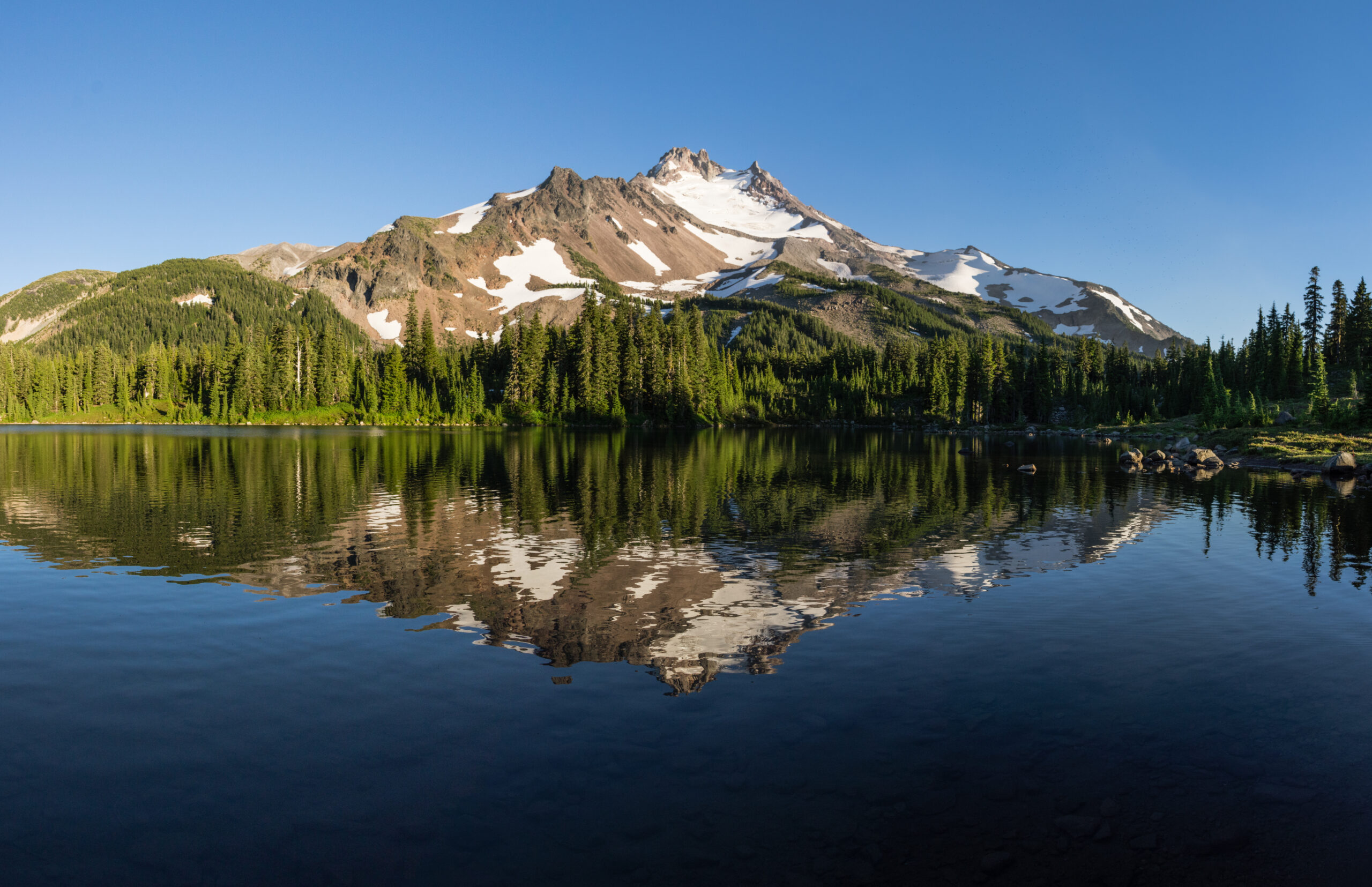
The Triple Crown of Hiking, Explained
The Triple Crown of Hiking means completing three of America’s defining long-distance trails: the Appalachian Trail, Pacific Crest Trail and Continental Divide Trail. Together, their current published lengths add up to roughly 7,954 miles—about 12,800 kilometres.
The Triple Crown Is AT + PCT + CDT.
Complete the Appalachian Trail, the Pacific Crest Trail and the Continental Divide Trail in their entirety and you have completed what the long-distance hiking community calls the Triple Crown of Hiking.
The achievement does not require hiking all three in one year—or even hiking each one in a single continuous thru-hike. ALDHA-West recognizes completions built through thru-hikes, section hikes or flip-flops.
What matters is completing the entire length of all three trail journeys.
A.T.: repeated steep climbing, rocks, roots, humidity, rain and relentless day-to-day terrain.
PCT: desert water, Sierra snow, long western wilderness and a season controlled by heat and winter.
CDT: high elevation, remoteness, route choices, water, navigation and the least finished trail corridor of the three.
One Name for Three Enormous Walking Journeys
The Triple Crown is not one organized race or one continuous route. It is a long-distance hiking achievement built by completing three separate trails.
Appalachian Trail
Georgia to Maine through 14 states and the mountain systems of the eastern United States.
Pacific Crest Trail
Mexico to Canada through California, Oregon and Washington via the desert, Sierra Nevada and Cascade Range.
Continental Divide Trail
Mexico to Canada through New Mexico, Colorado, Wyoming, Idaho and Montana along the Rocky Mountains.
Triple Crowner
Hikers who complete the entirety of all three may apply for ALDHA-West’s Triple Crown of Hiking recognition.
Same Achievement. Three Very Different Experiences.
Completing one does not mean you have already solved the other two. Each trail rewards a different mix of physical conditioning, logistics and backcountry judgment.

Appalachian Trail
The A.T. is the shortest of the three by mileage but should not be confused with an easy introduction. Rocks, roots, mud, steep climbing and repeated elevation changes create a demanding walking rhythm.
Its dense network of roads, trail towns and more than 250 backcountry shelters gives it substantially more infrastructure than many western long trails.
Pacific Crest Trail
The PCT creates an enormous environmental progression: Southern California desert, Sierra Nevada, volcanic Oregon and the Cascade Range of Washington.
The walking tread is often comparatively efficient, but the seasonal equation is severe. Desert heat, scarce water, mountain snow, stream crossings and autumn weather all have to fit into one hiking window.

Continental Divide Trail
The CDT is the longest of the three using current published figures and follows the Continental Divide through the Rocky Mountains.
CDTC describes it as the most remote and rugged of the Triple Crown trails. Route choices, water, weather, navigation and remote access all play a larger role.
AT vs PCT vs CDT
Mileage is only the beginning. Trail character, weather, infrastructure and navigation change the experience completely.
| Factor | Appalachian Trail | Pacific Crest Trail | Continental Divide Trail |
|---|---|---|---|
| Current length | 2,197.9 miles | 2,655.84 miles | Approximately 3,100 miles |
| States | 14 | 3 | 5 |
| Typical full thru-hike | About 6 months | About 5 months | About 5–7 months |
| Landscape | Eastern forests and Appalachian mountains | Desert, Sierra Nevada and Cascades | Rocky Mountains and Continental Divide |
| Trail tread | Often steep, rocky, rooted and muddy | Often graded for sustained walking | Highly variable with alternates and incomplete corridor sections |
| Navigation | Strongly established corridor | Established tread, complicated by snow and closures | Greater route-choice and navigation responsibility |
| Resupply | Frequent | Generally every several days with some remote stops | Towns often farther apart and farther from trail |
| Social structure | Dense shelter and trail-town culture | Strong northbound seasonal community | Smaller and more dispersed long-distance community |
| Major timing problem | Spring cold and reaching Maine before late autumn | Desert heat, Sierra snow and northern winter | New Mexico timing, Colorado snow and northern mountain season |
| Permit model | No single trail-wide permit; local permits apply | Long-distance permit available for qualifying 500+ mile continuous trips | No single trail-wide permit; multiple local permits apply |

The A.T. Can Teach Endurance. The PCT Can Teach Seasonal Strategy. The CDT Can Demand Greater Independence.
The value of the Triple Crown is not simply accumulating miles. Finishing all three means repeatedly adapting the same long-distance hiking fundamentals to very different terrain, climates and logistics.
A Seasonal Race Between Desert Heat and Northern Winter
PCTA’s January 2026 GIS update places its latest best estimate of the PCT at 2,655.84 miles.
A typical thru-hike takes around five months. Most northbound hikers begin in April or early May, then attempt to reach Canada before major autumn storms shut down mountain travel.
Between those two points are some of the largest seasonal transitions in American hiking: Southern California’s dry mountains, the Sierra Nevada, volcanic Oregon and the North Cascades.
The Shortest Triple Crown Trail Can Still Feel Relentless.
ATC’s official 2026 mileage is 2,197.9 miles from Springer Mountain, Georgia, to Katahdin in Maine.
A typical complete thru-hike takes around six months. Despite lower elevations than the western trails, the A.T. repeatedly climbs and descends rugged eastern mountains.
Its defining logistical advantage is infrastructure. Hundreds of access points, frequent trail communities and more than 250 backcountry shelters create a very different long-distance ecosystem from the western trails.
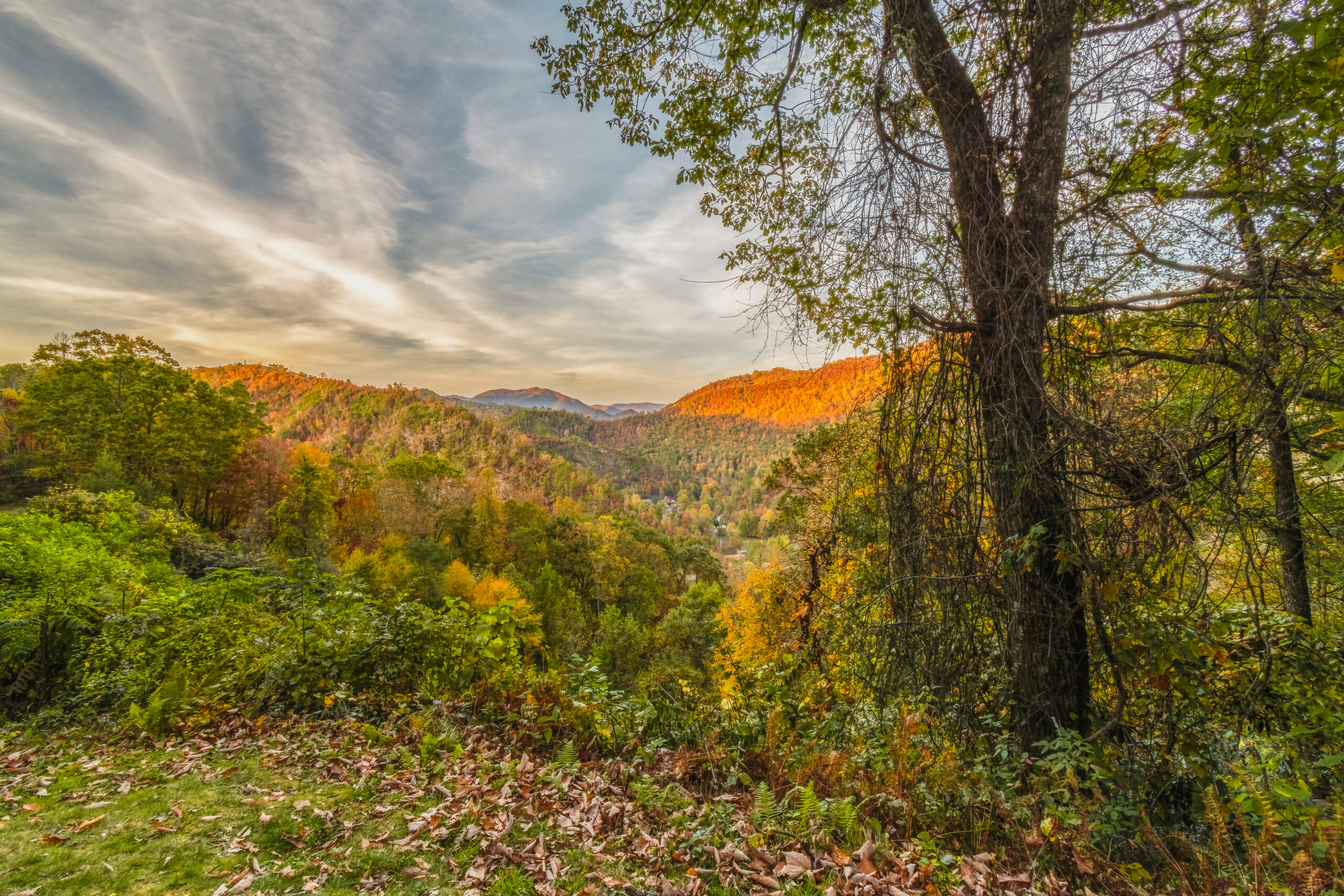
The Triple Crown’s Longest and Most Remote Route
CDTC describes the CDT as a roughly 3,100-mile National Scenic Trail running from Mexico to Canada through New Mexico, Colorado, Wyoming, Idaho and Montana.
The organization gives a typical complete thru-hiking window of roughly five to seven months.
Unlike a trail with one completely finished footpath, the CDT remains a developing corridor. CDTC currently reports approximately 160 miles still incomplete, which is one reason current maps, alternates and land-management information matter so much.
Every Trail Changes. The Core Systems Stay With You.
Triple Crown hiking demands far more than the ability to walk long distances.
Endurance
Sustain repeated walking days while managing feet, recovery, nutrition and minor problems before they become major ones.
Gear Systems
Carry shelter, sleep, clothing, water and electronics with enough reliability to function for months.
Resupply
Continuously recalculate food, town access and future mileage as trail conditions and pace change.
Weather & Route Decisions
Snow, fire, water, storms, heat and closures can change the safe route even when the original itinerary looked perfect.
What Actually Counts Toward the Triple Crown?
ALDHA-West’s rules are intentionally focused on completing the trails, not on how quickly or in what style the miles were accumulated.
Complete All Three Trails in Their Entirety.
ALDHA-West says completion should represent terminus-to-terminus footsteps across the Appalachian Trail, Pacific Crest Trail and Continental Divide Trail.
Temporary detours happen because of wildfire, washouts and other closures. Hikers can return later to complete sections they were legitimately unable to walk.
Recognition uses the honor system. ALDHA-West does not investigate or independently verify each mile.
Thru-Hiking
Completing each route as a continuous long-distance journey counts.
Section Hiking
Hikers may complete one or more trails through sections over multiple trips or years.
Flip-Flopping
Direction changes or multi-leg completion can count as long as the entire trail is ultimately completed.

The Triple Crown Can Be a Three-Year Project—or a Multi-Decade One.
Someone with the freedom to complete three full thru-hikes can build the Triple Crown quickly. Another hiker may accumulate the same trail miles through annual sections over many years. The recognition is based on completion, not the calendar.
Three Complete Thru-Hikes Mean Roughly a Year and a Half of Walking
Add the organizations’ typical thru-hiking time ranges and the scale becomes clear even before training, recovery and time between trails are counted.
| Trail | Typical complete thru-hike | Main seasonal constraint |
|---|---|---|
| Appalachian Trail | About 6 months | Balance a spring start against reaching Maine before severe autumn conditions. |
| Pacific Crest Trail | About 5 months | Fit desert heat, Sierra snow and the Cascades before winter. |
| Continental Divide Trail | About 5–7 months | Coordinate New Mexico, Colorado snow and northern Rocky Mountain timing. |
| Combined hiking time | Roughly 16–18 months | Not including recovery, training or the years between separate trail attempts. |
The Triple Crown Is Easier to Understand as a Progression
You do not need to decide today that you will complete all three. Experience on one trail can tell you whether the larger project is something you actually want.
Learn Backpacking
Make shelter, sleep, water, navigation and food systems routine on shorter trips.
Complete a Long Section
Test feet, recovery, resupply, weather and the mental rhythm of walking for weeks.
Complete One Major Trail
Learn what several months of continuous long-distance hiking actually asks from your body and life.
Choose the Next Challenge
Use the strengths and weaknesses exposed by trail one to decide whether another Triple Crown route makes sense.
What Changes From Trail to Trail?
The backpack may look similar, but several major systems must be rebuilt for each trail.
| System | A.T. | PCT | CDT |
|---|---|---|---|
| Water | Generally abundant, although treatment remains essential. | Major dry stretches in Southern California. | Long dry stretches and variable source quality in parts of the route. |
| Snow | Early and late-season concern. | Central to Sierra and northern timing. | Central to Colorado and northern-route strategy. |
| Navigation | Strongly defined corridor and blazing. | Established tread, with snow or closures complicating travel. | More alternates, incomplete segments and route-choice decisions. |
| Resupply | Dense trail-town network. | Regular but sometimes remote. | Greater town distance and transportation planning. |
| Weather | Rain, humidity, cold and storms. | Heat, snow, wildfire and large temperature variation. | High elevation, storms, snow, heat and exposure. |
| Trail culture | Shelters, hostels and frequent social contact. | Strong seasonal hiking community with larger wilderness gaps. | Smaller population and greater independence. |

Gear, Food, Recovery, Weather, Navigation. Solve Them Repeatedly.
The physical mileage is enormous, but the practical challenge is repetition: thousands of mornings when the same small systems still need to work.
The Three Trails Span the United States From East to West
The A.T. follows the Appalachians. The PCT follows the western mountain corridor. The CDT follows the spine of the Rocky Mountains.
Georgia to Maine through the Appalachians and 14 eastern states.
Mexico to Canada through California, Oregon and Washington.
Mexico to Canada along the Rocky Mountains through five states.
Completing all three exposes a hiker to an extraordinary cross-section of American mountain landscapes.
Official Triple Crown and Trail Organizations
Mileage, regulations, closures and trail alignments change. These organizations should be the starting point for current planning.
Triple Crown of Hiking FAQ
The formal requirement is simpler than the physical challenge: eventually complete all three trails.
What is the Triple Crown of Hiking?
It is the achievement of completing the Appalachian Trail, Pacific Crest Trail and Continental Divide Trail in their entirety. ALDHA-West provides formal Triple Crown of Hiking recognition.
How many miles is the Triple Crown?
Using current published figures, the A.T. is 2,197.9 miles, the PCT has a current best estimate of 2,655.84 miles and the CDT is approximately 3,100 miles. Together that is roughly 7,954 miles, or about 12,800 kilometres. Exact total mileage changes as the trails change.
Do I have to thru-hike all three trails?
No. ALDHA-West says thru-hikes, section hikes and flip-flop approaches can all count. The requirement is completion of the trails in their entirety rather than one required style.
Do I have to complete the Triple Crown in a certain number of years?
No overall timetable is required by ALDHA-West. Hikers may complete the three trails across multiple seasons or many years.
Does the order matter?
No. There is no required sequence for the Appalachian Trail, Pacific Crest Trail and Continental Divide Trail.
Who recognizes Triple Crown hikers?
The American Long Distance Hiking Association-West, known as ALDHA-West, recognizes hikers who report completing all three trails. The award is based on the honor system.
How many recognized Triple Crowners are there?
ALDHA-West reports that 806 Triple Crown of Hiking awards had been recognized as of the 2025 awards ceremony. Not every person who completes all three necessarily applies for the award.
How long would three complete thru-hikes take?
Typical published durations are about six months for the A.T., five months for the PCT and five to seven months for the CDT. That implies roughly 16 to 18 months of actual trail time if each were completed as a separate typical thru-hike, before time between hikes is counted.
Is the CDT a completed trail?
Not entirely. CDTC currently reports that approximately 160 miles of the corridor remain incomplete. Current official maps and route information should therefore be used when planning CDT travel.
Three Trails. Three Planning Systems. One Connected Project.
Move from the explainer into the full North America hub, then open the individual trail guides and planning tools as your project becomes more specific.
You Do Not Hike 7,954 Miles at Once.
You learn to carry a backpack. You finish a section. You solve your first resupply. You walk through bad weather. You complete one trail. Then you decide whether another one is calling. The Triple Crown is the result of those smaller decisions repeated across three extraordinary American landscapes.