
Last updated April 12, 2026
Nanga Parbat Acclimatization Guide: Essential Steps for Safe High-Altitude Climbing
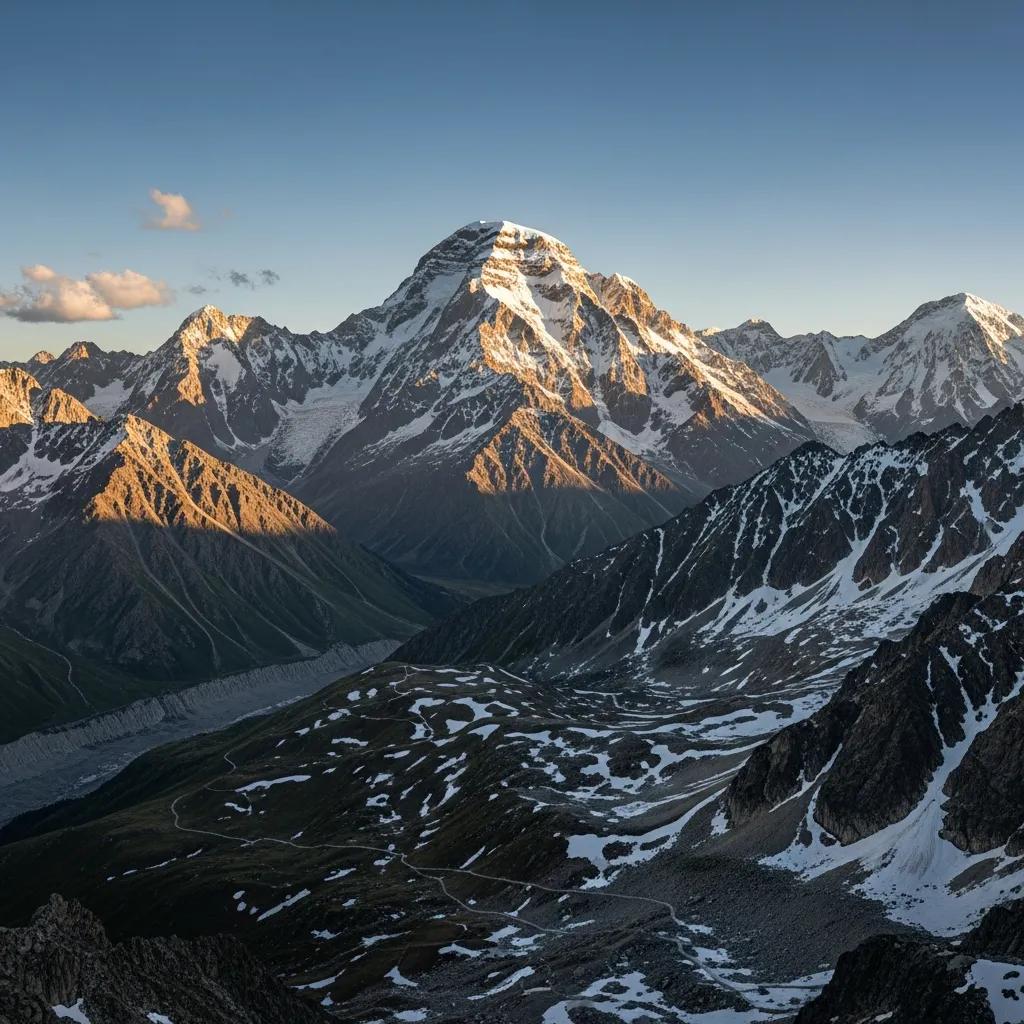
Climbing Nanga Parbat, one of the highest peaks in the world, presents unique challenges that require careful acclimatization to ensure safety and success. This guide will provide you with essential steps and insights into acclimatization techniques, the physiological effects of high altitude, and best practices for managing altitude sickness. Understanding these factors is crucial for climbers aiming to conquer this formidable mountain. Throughout this article, you will learn about the key challenges of acclimatizing on Nanga Parbat, how to recognize and manage acute mountain sickness (AMS), and the optimal acclimatization schedule to follow. By preparing adequately, you can enhance your chances of a safe and successful ascent.
What Are the Key Challenges of Acclimatizing on Nanga Parbat?
Acclimatizing on Nanga Parbat involves several key challenges that climbers must navigate to avoid serious health risks. The primary challenge is the high altitude, which can lead to altitude sickness due to reduced oxygen levels. Climbers also face unpredictable weather conditions that can hinder their progress and increase the risk of hypothermia. Additionally, physical preparation is essential, as climbers must be in peak condition to handle the strenuous demands of the ascent. Understanding these challenges is vital for developing effective acclimatization strategies.
How Does High Altitude Affect the Human Body?
High altitude significantly impacts the human body, primarily by reducing the availability of oxygen. As altitude increases, the air pressure decreases, leading to lower oxygen levels in the bloodstream. This condition can result in decreased physical performance, as the body struggles to deliver sufficient oxygen to muscles and organs. Symptoms of altitude sickness, such as headaches, nausea, and fatigue, can manifest as the body attempts to adapt to these changes. Acclimatization is crucial, as it allows the body to adjust to lower oxygen levels, improving overall performance and reducing the risk of severe altitude-related illnesses.
What Are the Specific Risks of Altitude Sickness on Nanga Parbat?
Climbers on Nanga Parbat face specific risks associated with altitude sickness, which can manifest in various forms. The most common type is Acute Mountain Sickness (AMS), characterized by symptoms such as headaches, dizziness, and nausea. More severe conditions include High Altitude Cerebral Edema (HACE) and High Altitude Pulmonary Edema (HAPE), both of which can be life-threatening. Recognizing these risks and understanding their symptoms is essential for climbers to take timely action and seek medical assistance when necessary.
How to Recognize and Manage Acute Mountain Sickness Symptoms?
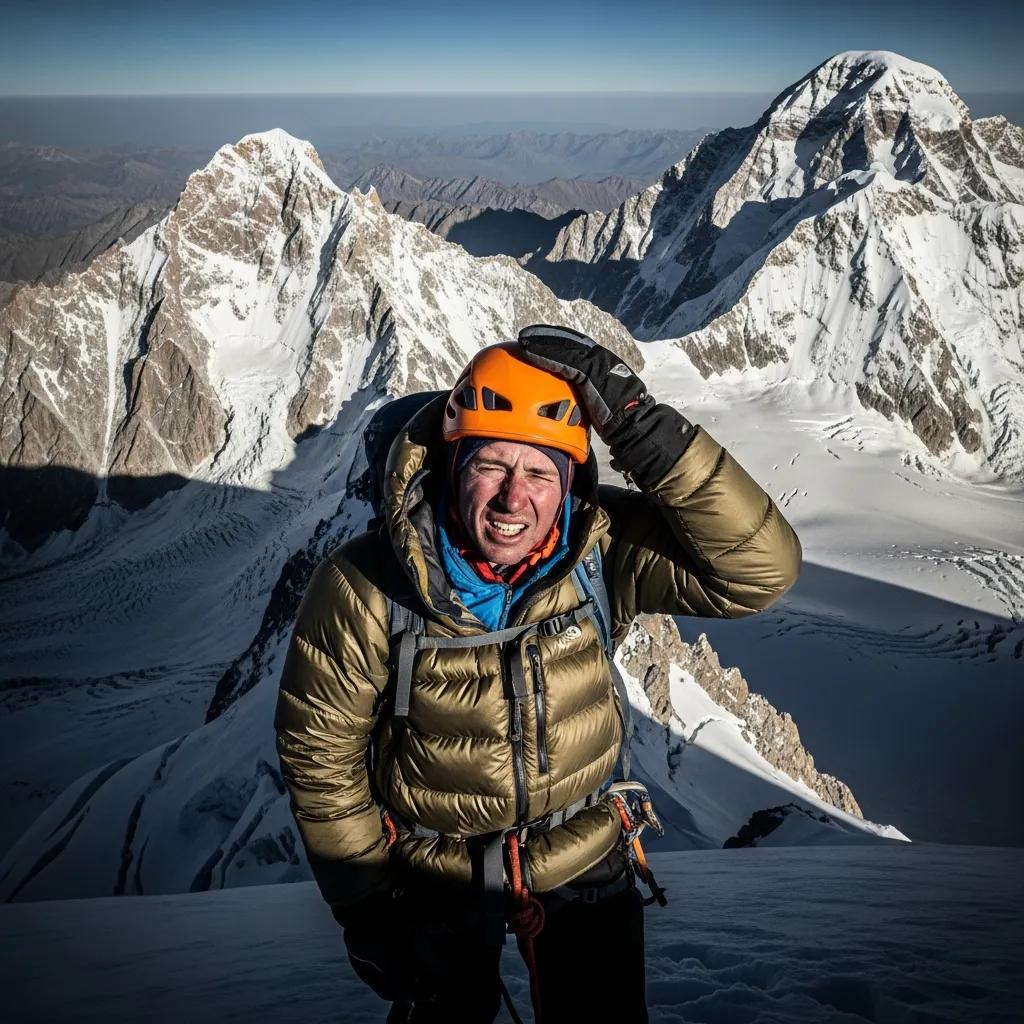
Recognizing and managing AMS symptoms is critical for climbers on Nanga Parbat. Key symptoms of AMS include:
- Headache: Often the first sign, it can range from mild to severe.
- Nausea and Vomiting: These symptoms can lead to dehydration and further complications.
- Dizziness and Fatigue: A general feeling of weakness can hinder climbing performance.
To manage these symptoms, climbers should descend to a lower altitude, hydrate adequately, and rest. If symptoms persist or worsen, seeking medical attention is crucial to prevent progression to more severe conditions.
What Are the Common Symptoms of AMS at High Altitude?
Common symptoms of AMS at high altitude include:
- Severe Headache: A persistent headache that does not respond to typical pain relief methods.
- Nausea and Vomiting: These symptoms can lead to dehydration and exacerbate other issues.
- Dizziness and Fatigue: A feeling of extreme tiredness that can impair climbing ability.
Understanding these symptoms allows climbers to take proactive measures to address them before they escalate into more serious conditions.
When to Seek Emergency Treatment for Altitude-Related Illnesses?
Climbers should seek emergency treatment for altitude-related illnesses when they experience severe symptoms, such as:
- Persistent Severe Headache: If it does not improve with rest or medication.
- Confusion or Loss of Coordination: Indicating potential HACE.
- Shortness of Breath at Rest: A sign of possible HAPE.
Immediate descent and medical intervention are critical in these situations to prevent life-threatening complications.
What Is the Optimal Acclimatization Schedule for Climbing Nanga Parbat?
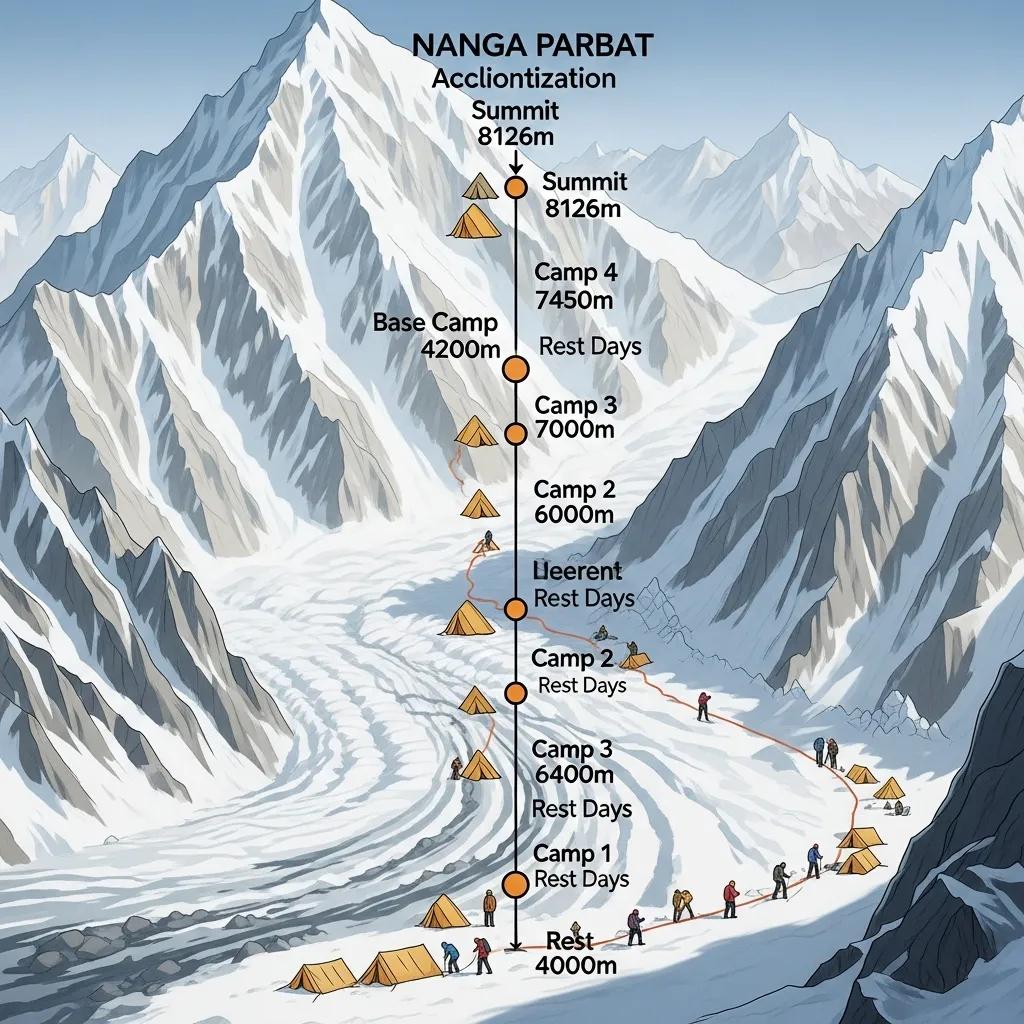
An optimal acclimatization schedule is essential for climbers aiming to summit Nanga Parbat safely. This schedule typically includes gradual elevation gains, allowing the body to adjust to decreasing oxygen levels. Climbers should plan for rest days at strategic points to facilitate recovery and adaptation. Initial ascent recommendations suggest climbing to a maximum of 1,000 feet (approximately 300 meters) per day, followed by a rest day every three days. This approach helps mitigate the risks of altitude sickness and enhances overall climbing performance.
How to Plan a Step-by-Step Acclimatization Timeline?
Planning a step-by-step acclimatization timeline involves several key steps:
- Initial Ascent: Begin with a gradual ascent, limiting elevation gain to 1,000 feet (approximately 300 meters) per day.
- Rest Days: Incorporate rest days every three days to allow for recovery.
- Monitoring Symptoms: Keep track of any AMS symptoms and adjust the plan accordingly.
This structured approach ensures climbers can adapt effectively to the altitude while minimizing health risks.
What Are Best Practices for Rest and Gradual Elevation Gain?
Best practices for rest and gradual elevation gain include:
- Daily Elevation Limits: Limit ascent to 1,000 feet (approximately 300 meters) per day to allow for proper acclimatization.
- Importance of Rest Days: Schedule rest days to facilitate recovery and adaptation.
- Monitoring Health: Regularly assess physical condition and symptoms to make necessary adjustments.
These practices are crucial for maintaining health and performance during the climb.
Which Gear and Equipment Support Effective Acclimatization?
Having the right gear and equipment is vital for effective acclimatization on Nanga Parbat. Essential gear includes:
- Oxygen Systems: Supplemental oxygen can be crucial for climbers at extreme altitudes.
- Climbing Gear: High-quality climbing equipment ensures safety and efficiency.
- Medical Supplies: Carrying medications for altitude sickness can be lifesaving.
Investing in appropriate gear enhances climbers’ ability to acclimatize and respond to altitude-related challenges.
What Emergency Protocols Should Climbers Follow on Nanga Parbat?
Climbers should establish emergency protocols to ensure safety on Nanga Parbat. Key protocols include:
- Emergency Planning: Develop a clear plan for descent in case of altitude sickness.
- Communication Strategies: Ensure all team members have a means of communication for emergencies.
- Evacuation Procedures: Familiarize yourself with evacuation routes and procedures in case of severe illness.
These protocols are essential for maintaining safety and preparedness during the climb.
How to Respond to Severe Altitude Sickness Symptoms?
Responding to severe altitude sickness symptoms requires immediate action. Key steps include:
- Recognizing Severe Symptoms: Identify symptoms such as confusion, severe headache, or shortness of breath.
- Immediate Descent: Descend to a lower altitude as quickly as possible.
- Seeking Medical Help: Contact medical professionals for assistance if symptoms do not improve.
Timely response can prevent serious complications and ensure climbers’ safety.
What Are Recommended Evacuation and Medical Support Procedures?
Recommended evacuation and medical support procedures include:
- Evacuation Planning: Have a clear plan for descending in case of severe altitude sickness.
- Medical Support Resources: Identify nearby medical facilities and resources available for climbers.
- Communication During Emergencies: Ensure all team members can communicate effectively in case of an emergency.
These procedures are vital for ensuring climbers receive timely medical attention when needed.
How to Integrate Recent Research and Best Practices into Your Climb?
Integrating recent research and best practices into your climb involves staying informed about the latest findings on altitude sickness and acclimatization techniques. Climbers should regularly review current studies and adapt their strategies based on new insights. This proactive approach enhances safety and effectiveness during the ascent.
What Are the Latest Findings on Altitude Sickness Prevention?
Recent findings on altitude sickness prevention emphasize the importance of gradual acclimatization and hydration. Studies suggest that maintaining proper hydration levels can significantly reduce the risk of AMS. Additionally, recent research highlights the effectiveness of certain medications in preventing altitude sickness, providing climbers with more options for managing their health during high-altitude climbs.
How to Use Structured Data and Resources for Trip Planning?
Using structured data and resources for trip planning involves gathering relevant information about routes, weather conditions, and available support services. Climbers should utilize various resources, including guidebooks, online forums, and local expertise, to create a comprehensive plan. This preparation ensures climbers are well-equipped to handle the challenges of Nanga Parbat. For more detailed trip planning, consider consulting experienced guides.
To further enhance your safety and preparedness, consider exploring gear and safety guidelines specific to high-altitude climbing. Proper equipment and knowledge are crucial for a successful and safe ascent.
When planning your climb, remember that understanding the mountain environment is key. Mountains like Nanga Parbat present unique challenges that require careful consideration and preparation.
For any inquiries or further assistance, feel free to contact us. We are here to help you plan your next adventure.
Was this helpful?
🏔Related peaks nearby
🧭Explore & compare
Global Summit Guide is an independent mountaineering resource founded in 2026. The team combines first-hand trekking and climbing experience with in-depth research and professional health and nutrition review to help climbers choose objectives, prepare properly, and stay safe.
Health, altitude, and nutrition content is reviewed by Taylor Ludlow (Registered Nurse) and Brigg Hoopes (Nutritionist).
What We Don't Know Yet
Mountain information changes quickly. This box explains the limits of what this page can responsibly promise.
- Weather, snowpack, avalanche risk, road access, and route conditions can change quickly and may be different on your climbing dates.
- Fitness and altitude response vary by person; no guide, itinerary, or training plan can guarantee acclimatization or summit success.
- Route conditions, snowpack, closures, and weather can change quickly after this page is updated.
- Permit rules, fees, quotas, and reservation windows may change between review cycles.
- Operator availability, pricing, guide ratios, and cancellation terms can change by season.
Verify current conditions with official land managers, guide services, local forecasts, and current route reports before booking or climbing.
Mountaineering, rock and ice climbing, glacier travel, and high-altitude activity are inherently dangerous and can result in serious injury or death. The information on Global Summit Guide is provided for general informational and educational purposes only and is not a substitute for professional instruction, qualified guiding, proper equipment, or your own judgment and experience.
Route conditions, weather, snowpack, permits, regulations, and hazards change constantly and may differ from what is described here. Details may be incomplete, out of date, or contain errors. Always verify current information with local authorities, certified guides, and official sources before making any decision in the mountains.
Nothing on this site is medical, legal, or financial advice. Our fitness, acclimatization, altitude, and nutrition content is general in nature; consult a qualified physician before beginning any strenuous exercise program or exposing yourself to high altitude.
You are solely responsible for your own safety and decisions. To the fullest extent permitted by law, Global Summit Guide and its team accept no liability for any loss, injury, damage, or expense arising from use of, or reliance on, this information. By using this site you acknowledge these risks and accept these terms.
Some links on this site may be affiliate links. If you buy through them we may earn a small commission at no extra cost to you; this never affects our recommendations.
Global Summit Guide recommendation path
Next Best Mountain to Research
Use these recommendations to continue the right planning path instead of stopping on one page.
Use current permit, weather, route, and operator information before booking or climbing.