
Last updated August 6, 2026
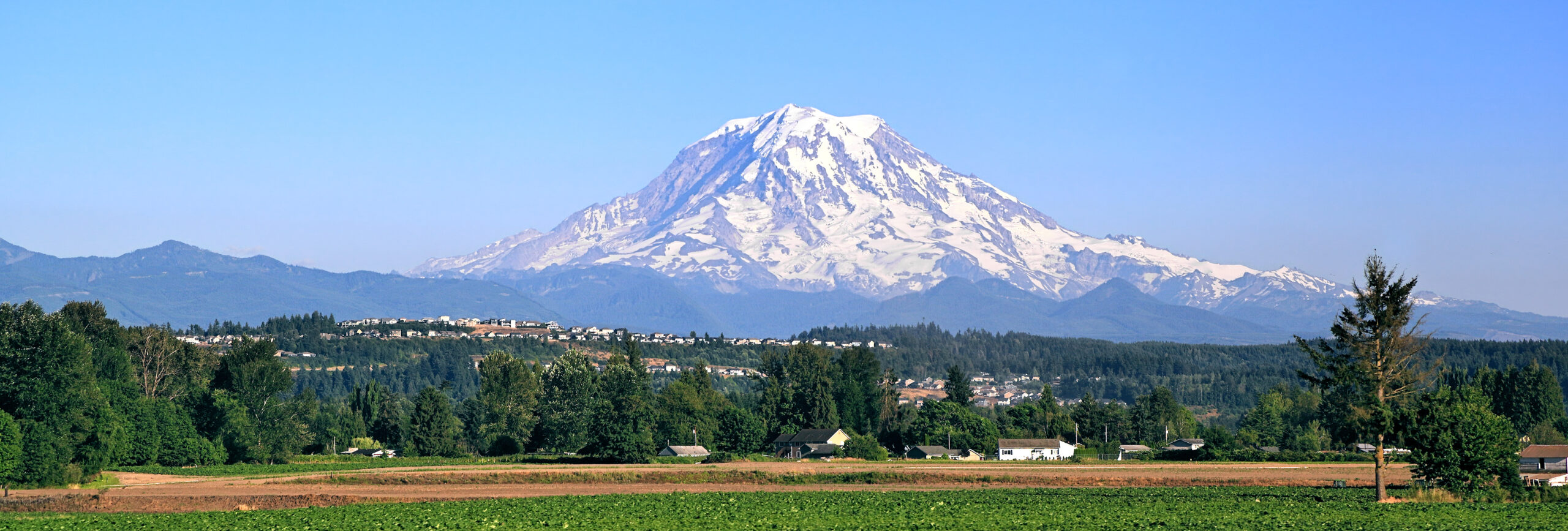
Mount Rainier Climbing Guide: Routes, Permits, Cost & Preparation
Rainier is the standard American glacier classroom: more than 9,000 feet of gain, active crevasses, a midnight summit push, Pacific weather and a long roped descent. This parent guide helps you decide whether the mountain fits, choose a route and move into every detailed child resource.
Updated August 6, 2026 · Safety review: Dawson Ludlow · Medical review: Taylor Ludlow, RN
Rainier is a serious glacier climb, not a walk-up 14er.
Most first-time climbers use the Disappointment Cleaver from Paradise through Camp Muir. Expect technical glacier travel, loaded movement, a midnight summit start, an 8-to-12-hour summit-day round trip from high camp and a descent that remains consequential after the crater rim.
- Best first route: Disappointment Cleaver / Ingraham corridor.
- Best broad window: late June through mid-July.
- Official 2026 fee: $82 per person per climb.
- Independent baseline: functional glacier-rope and rescue competence.
- Current success data: no official NPS percentage after 2018.
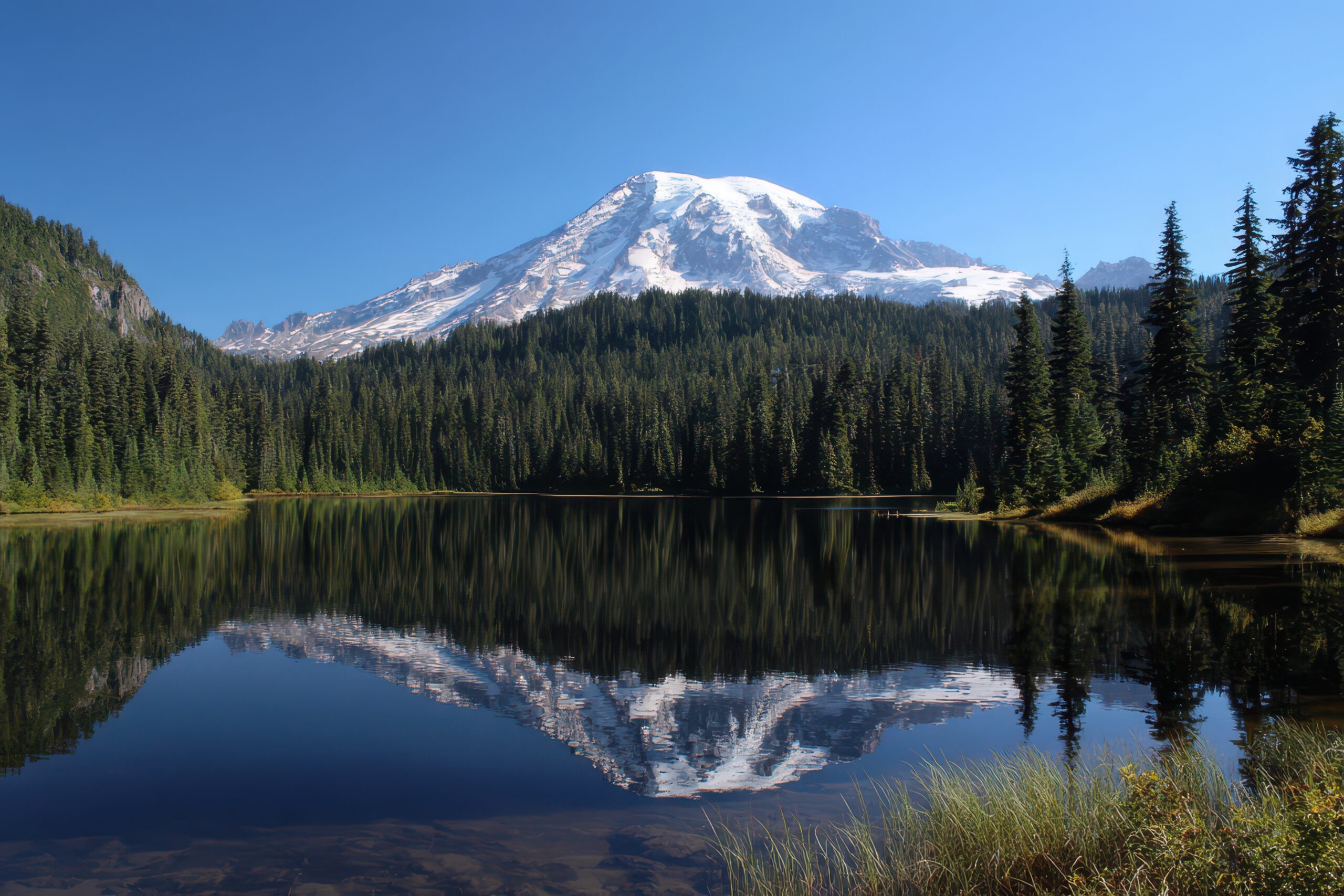

Is Mount Rainier Right for You?
Rainier is entry-level only relative to larger expeditions. It still requires loaded endurance, technical snow movement, glacier systems and conservative judgment.
Carry 35–50 lb Uphill
Build toward five to seven hours of loaded climbing while retaining a controlled descent.
Test: recover well enough to train againCrampons and Ice Axe
Efficient movement and arrest response must function outside a parking-lot demonstration.
Test: firm snow under fatigueRope-Team Competence
Independent teams need spacing, arrest, communication and real crevasse-rescue contribution.
Test: team can operate a rescueTurn Around Early
Weather, pace, route condition, symptoms or team performance can end the climb.
Test: no summit-cost pressure| Requirement | Recommended Baseline | Not Ready Yet If… |
|---|---|---|
| Loaded-pack fitness | 5,000 vertical feet with 35–50 lb and controlled descent | A long unweighted hike leaves you unable to train for days. |
| Summit endurance | Remain functional for 8–12 hours after sleeping at altitude | Pacing, eating or coordination collapses late in long days. |
| Snow travel | Efficient cramponing and ice-axe use | You have never practiced on real snow terrain. |
| Glacier travel | Rope-team movement and rescue contribution | Your independent team cannot operate a rescue system. |
| Altitude plan | Prior experience near or above 10,000 ft when practical | You dismiss worsening headache, nausea or coordination loss. |
| Decision quality | Turn around for route, weather, pace or teammate concerns | The deposit or travel schedule would pressure you upward. |
For most first-time climbers, the strongest pathway is lower Cascade snow experience, a formal glacier course or Mount Baker climb, and then a three-to-five-day instructional Rainier program. The objective is not to be pulled to a summit. It is to leave with transferable systems.
The DC is a corridor—not a permanent trail.
Ladders, traverses, snow bridges and upper-mountain lines can move substantially within one season. Current ranger and guide information belongs inside the route decision.
Choose the Route That Matches the Team
The Disappointment Cleaver is the standard. Emmons is longer and quieter. Kautz and Liberty Ridge belong to different technical categories.
Disappointment Cleaver / Ingraham Direct
- Paradise and Camp Muir access
- Most guide infrastructure
- Changing glacier line and ladders
- Three- to four-day common format
Choose the DC when training, guide access and established high-camp systems matter most.
Best for: first Rainier climb and guided clientsEmmons–Winthrop
- White River and Camp Schurman
- Longer approach and more open glacier travel
- Fewer crowds and tented expedition feel
- Three- to five-day common format
It is not easier; the challenge is distributed through a longer approach and sustained independent systems.
Best for: experienced teams and Denali preparationKautz Glacier
- Steeper snow and ice
- High bivouac and fewer fixed systems
- More technical transitions
- Three- to five-day programs
The Kautz belongs after glacier competence and confidence on steeper terrain are already established.
Best for: climbers beyond standard routesLiberty Ridge
- Remote north-side approach
- Committing ridge and objective hazard
- Limited retreat and rescue options
- Four- to six-day common format
Liberty Ridge is a major North American alpine route, not a crowd-avoidance alternative.
Best for: advanced alpinists onlyUse the complete routes guide for all major lines and the DC versus Emmons comparison for the main first-climb choice.
Standard Disappointment Cleaver Profile
Every section must be reversed during descent. Reaching the crater rim is not the same as reaching Columbia Crest, and neither ends the climb.
5,400 ft
Trailhead, registration and the start of the 4,600-foot climb to Muir.
10,080 ft
High camp, skills review and rest before the summit launch.
~11,200 ft
Higher tent camp used by some guide programs.
~12,800 ft
Transition to upper-glacier snow slopes and changing route construction.
14,410 ft
The true summit after entering the crater rim.
Paradise to Camp Muir
Climb roughly 4,600 vertical feet through the Muir Snowfield while carrying overnight equipment. This first day exposes inadequate conditioning quickly.
Midnight summit start
Cross the Cowlitz Glacier and Cathedral Gap, move through the Ingraham system and climb the Cleaver before continuing across the upper mountain.
Crater rim to Columbia Crest
Continue only when time, weather, route, team condition and descent margin remain acceptable.
Descent to Paradise
Maintain rope discipline, fueling and concentration through glacier terrain and the long Muir Snowfield return. The descent is often the most fatigue-sensitive phase.
The summit is not the finish.
A team that consumes all of its time, food, coordination or weather margin reaching Columbia Crest has planned only half the climb.
Mount Rainier Permits and Fees
Climbing registration, wilderness capacity and in-person activation are separate requirements.
| Requirement | 2026 Amount / Rule | Planning Note |
|---|---|---|
| Climbing fee | $82 per person per climb, all ages | Pay online through Pay.gov before arriving. |
| Wilderness permit | $12 per person per night; age 15 and younger free | Applies to overnight climbing zones and high camps. |
| Reservation fee | $6 per trip | Non-refundable Recreation.gov application fee. |
| Summer registration | In person; no self-registration | Bring proof of payment and trip details. |
| Walk-up capacity | Roughly half held for walk-up | Registration may begin 24 hours before the climb. |
| Minimum party | Normally two people | Solo authorization is a separate application and is not automatic. |
The climbing fee is not an annual $52, $66 or $73 pass. The official 2026 fee is $82 per person per climb. Use the permits and logistics child guide for reservation timing, ranger stations, camps and trailhead planning.
Best Time to Climb Mount Rainier
A strong month cannot rescue a poor forecast, deteriorated route or unprepared team.
Snow Coverage
Colder bridges and selected technical routes; unsettled spring storms and avalanche cycles.
Strong Balance
Guide operations established, long daylight and generally good route coverage.
Best Broad Window
Strong first-climb period, with crowding and warm-weather route change.
Condition-Dependent
Warmer lower mountain, wider crevasses and increased rock or ice exposure.
Late-Season Risk
Fewer crowds, shorter days and routes that may deteriorate or close.
Cross-check the NOAA summit point forecast, NWS Seattle forecast discussion, NPS climbing information, current ranger reports and avalanche information when active. Use the weather and best-season guide for the full decision workflow.
Rainier can produce winter conditions in summer.
Crevasses, seracs, rockfall, wind, whiteout, altitude and fatigue compound. The correct turnaround often occurs before any single factor becomes dramatic.
Difficulty, Hazards and Turnaround Decisions
The standard route is accessible because systems exist. It remains serious because those systems sit on an active glacier mountain.
Crevasses and Bridges
Hidden openings can widen rapidly. Rope systems reduce consequence only when spacing, arrest and rescue are real.
Icefall and Seracs
Timing and route selection reduce exposure but cannot eliminate unstable ice.
Rockfall and Warming
Retreating snow can expose loose rock and change the Cleaver and technical routes.
Wind and Whiteout
Pacific systems can remove visibility and make navigation, warmth and rescue difficult.
Rapid Elevation Gain
Sea-level climbers can experience headache, nausea, reduced pace and coordination problems.
Descent Under Fatigue
Small errors become consequential when the team is cold, behind schedule and depleted.
Turn around when the descent margin is shrinking.
Worsening weather, slow rope-team pace, missed timing, progressing symptoms, route difficulty beyond the team or an assumption that descent will be easier are sufficient reasons to stop.
Training, Glacier Skills and Acclimatization
A fast runner may still struggle with steep snow, a heavy pack, cold transitions, altitude and a long descent.
| Preparation Area | Useful Benchmark | How to Build It |
|---|---|---|
| Aerobic base | Several hours of steady uphill movement without redlining | Endurance hiking, stairs and zone-based cardio. |
| Loaded climbing | 5,000 vertical feet with 35–50 lb | Progressive weighted hikes without sudden load jumps. |
| Back-to-back durability | Strong second day after a long first day | Weekend blocks and planned recovery. |
| Snow and crampons | Efficient movement on firm snow | Formal instruction and lower Cascade objectives. |
| Glacier systems | Rope travel, rescue contribution and communication | Glacier course or guided training climb. |
| Fueling | Eat and drink consistently despite cold and low appetite | Practice exact summit foods on long training days. |
Follow the training and nutrition blueprint, then use the acclimatization guide to plan arrival and Camp Muir pacing.
Rainier Gear and Camp Systems
The parent identifies categories. The child packing guide owns quantities, brands, rentals and final pack organization.
Glacier Equipment
Mountaineering boots, compatible crampons, ice axe, helmet, harness, rope and rescue components.
Match gear to route and teamLayering System
Base layers, active insulation, substantial warm layer, waterproof shells, multiple gloves and eye protection.
Pack for summer winterSleep and Shelter
Cold-rated sleeping system, insulated pad, stove, shelter where required and waste systems.
Confirm operator inclusionsNavigation and Fuel
Headlamp, reserve power, map, GPS, communication and a mechanical eating and drinking plan.
Test everything before RainierUse the complete gear list for layering logic, rental decisions and summit-pack organization.
Guided vs Independent Rainier
Three concession guide services operate regular programs. Additional companies may hold current limited guided-mountaineering authorizations.
| Question | Guided Program | Independent Team |
|---|---|---|
| Best fit | First Rainier climb or limited glacier résumé | Practiced glacier systems and route assessment |
| Route information | Frequent guide and ranger condition flow | Team must collect and interpret current data |
| Skills | Programs teach or refresh basics, but fitness remains personal | Skills must work under fatigue and cold before arrival |
| Schedule | Fixed dates can reduce weather flexibility | Potential flexibility, subject to permits |
| Cost | Leadership, instruction and some logistics included | Lower cash cost, higher equipment and responsibility burden |
The three concession services are Rainier Mountaineering, International Mountain Guides and Alpine Ascents International. The NPS also maintains a current list of limited guided-mountaineering CUA holders. Use the operator comparison and verify authorization before booking.
Cost, Time and Summit-Data Limits
Current official fees can be precise. Current summit probability cannot.
| Budget Item | Planning Range | What Changes It |
|---|---|---|
| NPS climbing fee | $82 per person per climb | Fixed official 2026 fee. |
| Wilderness permit | $12 per person per night + $6 reservation | Nights, ages and party size. |
| Standard guided climb | Commonly several thousand dollars | Operator, actual mountain days, camps, transport and inclusions. |
| Gear rental or purchases | $150–$2,000+ | Owned equipment and technical kit needs. |
| Travel and lodging | $500–$2,500+ | Origin, vehicle, Ashford or Seattle lodging and buffer days. |
| Independent trip | Several hundred dollars beyond owned gear | Permits, food, transport and shared group equipment. |
The NPS annual table no longer reports successful-summit totals after 2018. Historical data often clustered near one-half of registered climbers, but any modern 54%, 57% or guided-versus-independent figure is an editorial model rather than a current official NPS statistic. The dedicated success analysis should own the model and explain its date range.
Consistency correction for the cluster
Update every Rainier child, comparison and operator page to the official $82 climbing fee and clearly separate historical NPS data from current editorial estimates.
What to Climb Before and After Rainier
The summit proves glacier and endurance capability. It does not automatically prove major altitude, expedition self-sufficiency or technical alpine mastery.
| Progression Stage | Objective | Capability Built |
|---|---|---|
| Snow foundation | Mount St. Helens, Adams or selected Hood conditions | Movement on snow, axe and crampon familiarity, long ascent. |
| Glacier introduction | Mount Baker guided course or climb | Rope-team travel, crevasse systems and glacier camp. |
| Major glacier peak | Mount Rainier | Heavy pack, route movement, altitude, weather and long descent. |
| Altitude direction | Aconcagua or Pico de Orizaba | Higher sleeping elevations and altitude response. |
| Expedition direction | Denali preparation and Denali | Cold, sled hauling, multiweek camps and self-sufficiency. |
| Technical direction | Kautz, Liberty Ridge or Alaska alpine routes | Steeper and more committing climbing. |
Start with What to Climb Before Rainier. After the climb, use Best Peaks After Rainier and the three-peak progression comparison.
Tahoma, Rainier and the Mountain’s Story
The practical guide comes first, but Indigenous significance and climbing history belong in the parent.
The mountain commonly called Mount Rainier is known as Tahoma and by related names in Indigenous traditions. Its watersheds and landscapes are culturally significant to the Puyallup, Nisqually, Yakama, Muckleshoot, Cowlitz, Squaxin Island and other peoples whose connections long predate Euro-American mapping and recreation.
George Vancouver applied the name Mount Rainier in 1792. Hazard Stevens and Philemon Beecher Van Trump completed the first widely accepted recorded ascent in 1870, with Sluiskin providing crucial local assistance. Fay Fuller became the first woman recorded to summit in 1890. The national park was established in 1899.
Commercial guiding, especially through the Whittaker family and Rainier Mountaineering, helped establish Rainier as America’s most influential glacier-training peak. The 1981 ice-avalanche disaster that killed eleven climbers remains central to understanding objective hazard on a popular route.
Glacier retreat is changing crevasses, snow bridges, rock exposure, seracs and route construction. Current ranger information is therefore not an optional final check; it is part of the route itself.
The Mount Rainier Planning Library
The parent owns the broad climb decision. Each child investigates one narrower intent in depth.
All Mount Rainier Routes
Disappointment Cleaver, Emmons-Winthrop, Kautz, Liberty Ridge and more than twenty named lines.
Open detailed guide →PermitsPermits & Logistics
2026 fees, wilderness permits, reservations, ranger registration, camps and trailheads.
Open detailed guide →WeatherWeather & Best Season
Month-by-month route windows, summit weather, forecasts and route-season tradeoffs.
Open detailed guide →EquipmentMount Rainier Gear List
Glacier equipment, layering, camp systems, summit pack and rentals.
Open detailed guide →SafetyDifficulty & Safety
Crevasses, icefall, rockfall, weather, altitude and turnaround decisions.
Open detailed guide →AltitudeAcclimatization Guide
Arrival timing, pacing, Camp Muir exposure and symptom decisions.
Open detailed guide →MedicalRainier Medical Guide
Altitude illness, hypothermia, frostbite, heat illness and emergency planning.
Open detailed guide →GuidesMount Rainier Operators
RMI, IMG, Alpine Ascents and currently authorized limited-trip alternatives.
Open detailed guide →DataSummit Success Analysis
Historical NPS data, editorial modeling, weather effects and methodology limits.
Open detailed guide →RiskMount Rainier Death Rate
Fatality context, glacier hazards and why a low historical rate does not mean low consequence.
Open detailed guide →Route decisionDC vs Emmons
Standard-route infrastructure versus a quieter, longer glacier expedition.
Open detailed guide →ProgressionRainier Progression Plan
A staged path from hiking fitness to glacier-ready climber.
Open detailed guide →Training & Nutrition
Loaded-pack endurance, periodization, summit fueling and recovery.
→What to Climb Before Rainier
The glacier progression ladder from snow climbs to rope-team competence.
→Best Peaks After Rainier
Choose the next objective by altitude, expedition systems, cold or technical skill.
→Rainier vs Denali
Training peak versus major Alaska expedition.
→Aconcagua vs Denali vs Rainier
Compare the major North American progression choices.
→Mount Baker vs Rainier
First glacier-training peak versus a larger Cascade objective.
→Mount Whitney vs Rainier
High-altitude hiking versus technical glacier climbing.
→Expedition Budget Calculator
Build the complete guided or independent Rainier trip budget.
→Mount Rainier FAQ
Conditions, route lines, prices and guide authorization should be verified again for the actual climbing date.
How high is Mount Rainier?
Mount Rainier’s Columbia Crest is 14,410 feet (4,392 metres). It is Washington’s highest mountain and the most heavily glaciated peak in the contiguous United States.
Is Mount Rainier a technical climb?
Yes. Every normal summit route crosses active glaciers. The standard Disappointment Cleaver route is not elite technical climbing, but cramponing, ice-axe use, rope-team travel, crevasse awareness and rescue competence are fundamental.
What is the standard route?
The Disappointment Cleaver and Ingraham Direct corridor from Paradise through Camp Muir is the standard and most heavily guided route. The exact glacier line changes during the season.
How much is the 2026 climbing fee?
The National Park Service lists the 2026 climbing fee as $82 per person per climb for all ages. Payment is completed online before arriving, and climbers still register at the park.
How much is the wilderness permit?
In 2026, the wilderness permit costs $12 per person per night. Individuals 15 and younger are free. Advance reservations also carry a $6 per-trip Recreation.gov application fee.
When is the best time to climb?
Late June through mid-July is the strongest general recommendation for many first-time and guided climbers. Earlier snow can improve bridge coverage; later summer can bring wider crevasses, rockfall and route deterioration.
How long does a Rainier climb take?
Standard programs commonly take three to five advertised days. Compare actual days and nights on the mountain because orientation and off-mountain training can be included in the advertised duration.
Do I need a guide?
A guide is not legally required for a qualified independent team. Climbers without functional glacier travel, crevasse-rescue and route-assessment skills should use an authorized guide or complete formal instruction first.
What is Rainier’s summit success rate?
There is no current official NPS summit-success percentage because the park stopped collecting successful-summit totals after 2018. Historical records often approximated half of registered climbers; current figures must be labeled as editorial analysis.
Can a fit beginner climb Rainier?
A physically strong beginner to glacier mountaineering can use an instructional guided program, but Rainier should not be a first mountain or first loaded ascent. Build hiking endurance, snow movement and mountain judgment first.
Sources, Methodology and Known Limits
Official administrative facts and changing commercial or route data are treated differently.
How This Guide Was Built
- 2026 climbing fee and registration: Mount Rainier National Park.
- 2026 wilderness permit fees and reservation structure: NPS permit pages.
- Route architecture: NPS route briefs, ranger reporting and guide systems.
- Guide authorization: current NPS concession and CUA pages.
- Success history: official NPS tables through the last year that included successful summits.
- Medical and altitude material: conservative educational review.
Verify Before Climbing
- Current route and camp status.
- Current NOAA and NWS forecast stack.
- Climbing-fee receipt, wilderness permit and ranger activation.
- Operator authorization and exact mountain-day itinerary.
- Gear list against the route and camp system.
- Personal health, medications and emergency plan.
What We Do Not Know Yet
- The NPS does not publish a current official summit-success percentage.
- Glacier lines and ladders can change within days.
- Guide prices, ratios, camps and availability change between departures.
- Weather and rescue capability vary by location and hour.
- No online guide can evaluate personal glacier competence or medical fitness.
Confidence: High for official 2026 fees, elevation and established route structure; medium for commercial pricing and current route operations; deliberately limited for personal success probability.

Research-led mountain architecture with explicit limits
Travis Ludlow develops Global Summit Guide’s parent–child clusters, progression systems and operator comparisons. Dawson Ludlow provides safety and altitude review; Taylor Ludlow, RN, reviews medical and altitude content. The team does not claim a Rainier summit and labels the page accordingly.
Read the team background and editorial standards →Choose the Route. Verify the Conditions. Protect the Descent.
For most first-time climbers, the next decision is an instructional DC program or a glacier-skills objective such as Mount Baker—not a race to secure the earliest Rainier date.
Was this helpful?
🏔Related peaks nearby
🧭Explore & compare
Global Summit Guide is an independent mountaineering resource founded in 2026. The team combines first-hand trekking and climbing experience with in-depth research and professional health and nutrition review to help climbers choose objectives, prepare properly, and stay safe.
Health, altitude, and nutrition content is reviewed by Taylor Ludlow (Registered Nurse) and Brigg Hoopes (Nutritionist).
What We Don't Know Yet
Mountain information changes quickly. This box explains the limits of what this page can responsibly promise.
- Permit availability, reservation windows, quotas, and official fee rules may change after this page is updated.
- Guide-company prices, departure dates, guide ratios, included services, and cancellation rules can change without notice.
- Weather, snowpack, avalanche risk, road access, and route conditions can change quickly and may be different on your climbing dates.
- Route conditions, trailhead access, crevasse exposure, stream crossings, and rescue access may vary from published planning guidance.
- Total trip cost can change with flights, lodging, guide pricing, permits, gear rentals, transportation, and exchange rates.
Verify current conditions with official land managers, guide services, local forecasts, and current route reports before booking or climbing.
Mountaineering, rock and ice climbing, glacier travel, and high-altitude activity are inherently dangerous and can result in serious injury or death. The information on Global Summit Guide is provided for general informational and educational purposes only and is not a substitute for professional instruction, qualified guiding, proper equipment, or your own judgment and experience.
Route conditions, weather, snowpack, permits, regulations, and hazards change constantly and may differ from what is described here. Details may be incomplete, out of date, or contain errors. Always verify current information with local authorities, certified guides, and official sources before making any decision in the mountains.
Nothing on this site is medical, legal, or financial advice. Our fitness, acclimatization, altitude, and nutrition content is general in nature; consult a qualified physician before beginning any strenuous exercise program or exposing yourself to high altitude.
You are solely responsible for your own safety and decisions. To the fullest extent permitted by law, Global Summit Guide and its team accept no liability for any loss, injury, damage, or expense arising from use of, or reliance on, this information. By using this site you acknowledge these risks and accept these terms.
Some links on this site may be affiliate links. If you buy through them we may earn a small commission at no extra cost to you; this never affects our recommendations.
Global Summit Guide recommendation path
Next Best Mountain to Research
Use these recommendations to continue the right planning path instead of stopping on one page.
Use current permit, weather, route, and operator information before booking or climbing.
Search Flights, Hotels & Rental Cars
Have the mountain or destination picked? Use Expedia to compare the flights, lodging and rental cars that fit your actual trip dates. For mountain travel, consider arriving early enough for delays and adding a buffer night after the climb before a fixed flight home.
Compare current flight, hotel and car options.
Affiliate disclosure: Global Summit Guide may earn a commission if you book through this link, at no additional cost to you.