
Last updated April 13, 2026
Annapurna I Acclimatization Guide: Best Practices and Safety Tips for High Altitude Trekking
Trekking in high-altitude regions like Annapurna I presents unique challenges that require careful acclimatization to ensure safety and enjoyment. This guide provides essential insights into acclimatization practices, safety tips, and the physiological effects of altitude on the body. Understanding how to acclimatize effectively can significantly reduce the risk of altitude sickness, allowing trekkers to fully appreciate the breathtaking landscapes and experiences that Annapurna I has to offer. In this article, we will explore best practices for acclimatization, essential safety tips, key challenges faced during the trek, and the necessary gear for a successful expedition. Additionally, we will delve into recent research and expert recommendations to enhance your acclimatization experience.
Best Practices for Acclimatization
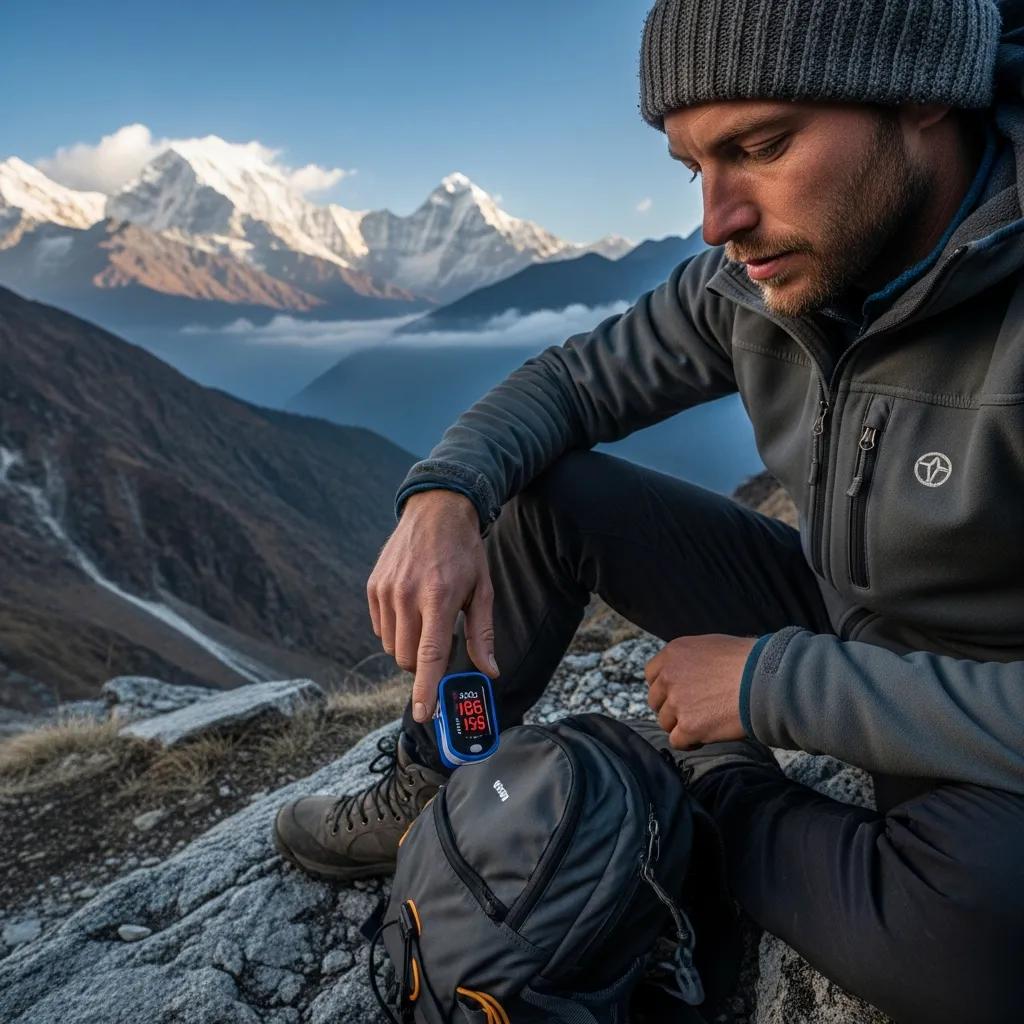
Effective acclimatization is crucial for high-altitude trekking, particularly on Annapurna I, where elevations can exceed 8,000 meters. To optimize your acclimatization process, consider the following best practices:
- Spend Extra Days at Key Elevations: Gradually ascending and allowing your body to adjust to higher altitudes is essential. Plan to spend additional days at critical elevations to enhance your acclimatization.
- Stay Active During Acclimatization Days: Engage in light activities such as short hikes or walks to promote circulation and help your body adapt to the altitude.
- Monitor Health Regularly: Keep track of any symptoms of altitude sickness and be proactive in addressing them. Regular health checks can help identify issues before they escalate.
For those seeking more comprehensive acclimatization strategies, Information Hub offers tailored advice and resources to support your journey.
Essential Safety Tips
Safety is paramount when trekking at high altitudes. Here are some essential safety tips to keep in mind:
- Emergency Planning: Always have a plan in place for emergencies, including evacuation routes and communication methods.
- Navigation Skills: Familiarize yourself with the terrain and navigation tools to avoid getting lost in challenging conditions.
- Know the Symptoms of Altitude Sickness: Understanding the signs of altitude sickness can help you respond quickly and effectively.
By prioritizing safety, trekkers can enjoy their adventure while minimizing risks associated with high-altitude environments.
What Are the Key Challenges of Acclimatizing on Annapurna I?
Acclimatizing on Annapurna I presents several challenges that trekkers must navigate to ensure a successful journey. The primary challenges include:
- Reduced Oxygen Levels: As altitude increases, the availability of oxygen decreases, making it harder for the body to function optimally.
- Physiological Changes: The body undergoes various physiological changes, including increased heart rate and altered breathing patterns, to adapt to lower oxygen levels.
- Symptoms of Altitude Sickness: Trekkers may experience symptoms such as headaches, nausea, and fatigue, which can hinder their ability to continue.
How Does High Altitude Affect the Human Body During Trekking?
High altitude significantly impacts the human body, primarily due to decreased oxygen availability. As altitude increases, the body must work harder to deliver oxygen to vital organs. This can lead to physiological changes such as:
- Increased Heart Rate: The heart pumps faster to circulate oxygen more efficiently.
- Shortness of Breath: Breathing becomes more labored as the body struggles to obtain sufficient oxygen.
- Fluid Retention: The body may retain fluids, leading to swelling and discomfort.
Understanding these effects is crucial for trekkers to manage their health effectively during the expedition.
What Are the Common Symptoms of Acute Mountain Sickness?
Acute Mountain Sickness (AMS) can affect trekkers at high altitudes, and recognizing its symptoms is vital for timely intervention. Common symptoms include:
- Severe Headaches: Often one of the first signs of AMS, headaches can range from mild to debilitating.
- Nausea and Vomiting: Many individuals experience gastrointestinal distress as their bodies adjust to altitude.
- Dizziness and Fatigue: A general sense of fatigue and dizziness can indicate that the body is struggling to acclimatize.
Being aware of these symptoms allows trekkers to take appropriate action, such as descending to a lower altitude or seeking medical assistance.
What Is the Optimal Acclimatization Schedule for Annapurna I Trekkers?
An effective acclimatization schedule is essential for minimizing the risk of AMS. A recommended schedule includes:
- Day 1-2: Arrive at a base camp (e.g., Pokhara) and spend time acclimatizing at lower elevations.
- Day 3-5: Gradually ascend to higher camps, spending at least one extra day at each key elevation.
- Day 6-7: Engage in light activities and monitor health closely, allowing the body to adjust.
This structured approach helps ensure that trekkers can adapt to the altitude safely and effectively.
How Can Trekkers Prevent and Treat Acute Mountain Sickness?
Preventing and treating AMS is crucial for a successful trek. Here are some strategies:
- Recognizing Symptoms: Be vigilant about monitoring for AMS symptoms and take them seriously.
- Preventive Measures: Gradual ascent, staying hydrated, and maintaining a balanced diet can help mitigate the risk of AMS.
- Treatment Options: If symptoms arise, descending to a lower altitude and resting are the most effective treatments. In some cases, medications may be necessary.
By implementing these strategies, trekkers can significantly reduce their risk of AMS and enjoy their journey.
What Are Effective AMS Prevention Techniques and Medications?
Several techniques and medications can aid in preventing AMS:
- Gradual Ascent: Ascending slowly allows the body to acclimatize effectively.
- Stay Hydrated: Drinking plenty of fluids helps maintain optimal hydration levels, which is crucial at high altitudes.
- Consult Healthcare Professionals: Before embarking on a trek, consult with healthcare providers about potential medications, such as acetazolamide, which can help prevent AMS.
These preventive measures are essential for ensuring a safe and enjoyable trekking experience.
How to Recognize and Respond to AMS Symptoms During the Trek?
Recognizing and responding to AMS symptoms promptly can save lives. Key steps include:
- Monitor Symptoms: Keep a close eye on how you feel and be aware of any changes in your health.
- Rest and Hydrate: If symptoms develop, take time to rest and drink fluids to help alleviate discomfort.
- Descend if Necessary: If symptoms worsen, descending to a lower altitude is the most effective way to relieve AMS.
Being proactive in recognizing and addressing AMS symptoms is vital for a successful trek.
Which Gear and Equipment Are Essential for Safe Acclimatization on Annapurna I?
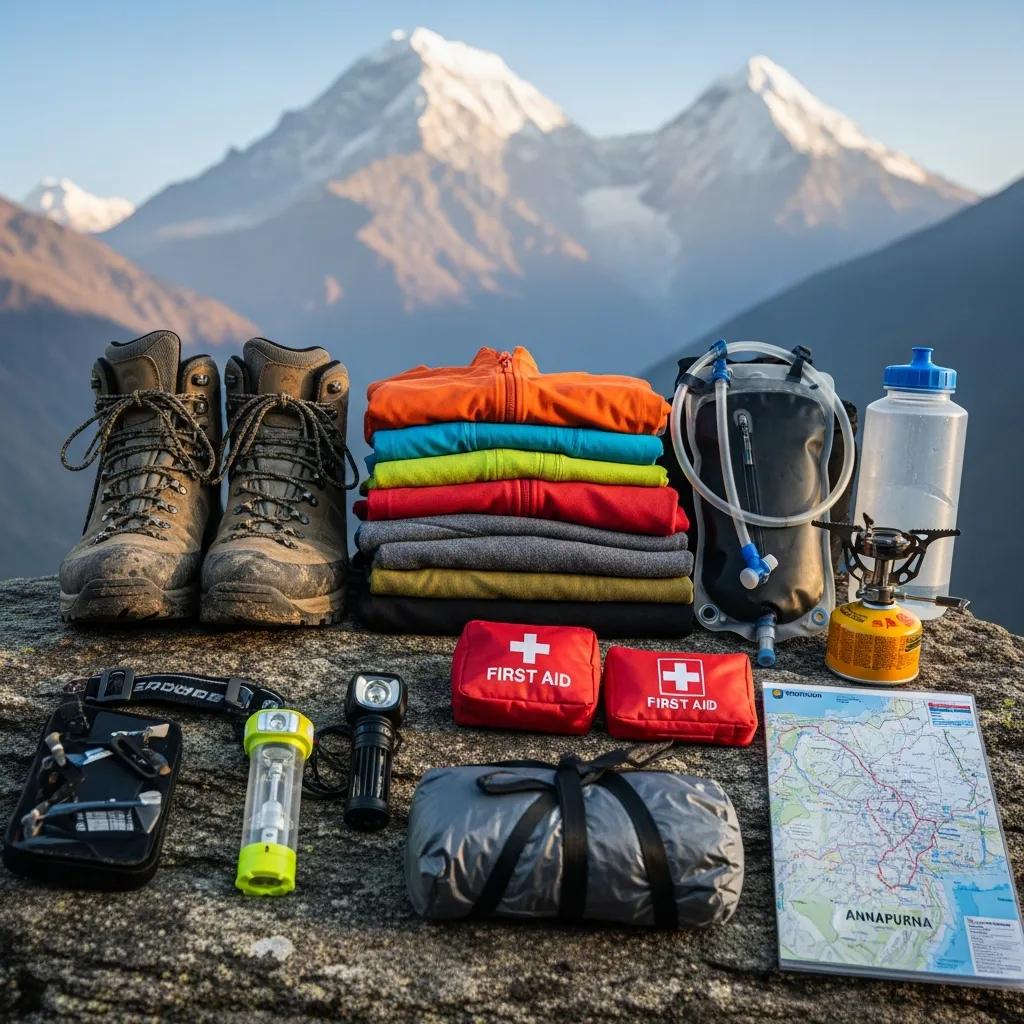
Having the right gear is crucial for safe acclimatization on Annapurna I. Essential equipment includes:
- Sturdy Trekking Boots: Proper footwear is vital for navigating rugged terrain.
- Clothing Layers: Dressing in layers allows trekkers to adapt to changing weather conditions.
- Hydration Systems: Staying hydrated is essential, so a reliable hydration system is necessary.
Investing in quality gear can significantly enhance the trekking experience and ensure safety.
What Trekking Gear Supports Altitude Sickness Prevention?
Certain trekking gear can help prevent altitude sickness by ensuring comfort and safety:
- Insulated Sleeping Bag: A good sleeping bag helps maintain body heat during cold nights.
- Sunglasses and Sunscreen: Protecting against UV rays is crucial at high altitudes where the sun’s intensity increases.
- First Aid Kit: A well-stocked first aid kit is essential for addressing minor injuries and health issues.
These items are vital for maintaining health and comfort during the trek.
How to Choose Safety Equipment for High Altitude Conditions?
Selecting the right safety equipment is essential for high-altitude trekking. Consider the following guidelines:
- Climbing Gear Essentials: Ensure you have the necessary climbing gear, including harnesses and ropes, for safety.
- Durability and Performance: Choose equipment that can withstand harsh conditions and provide reliable performance.
- Brand Reliability: Opt for reputable brands known for their quality and safety standards.
By carefully selecting safety equipment, trekkers can enhance their overall safety and preparedness.
What Recent Research and Expert Tips Enhance Annapurna I Acclimatization?
Recent studies and expert recommendations provide valuable insights into effective acclimatization strategies. Key findings include:
- Acetazolamide’s Role in AMS Prevention: Research indicates that acetazolamide can significantly reduce the risk of AMS when taken before and during high-altitude exposure.
- Benefits of Pre-Acclimatization Training: Engaging in pre-acclimatization training can enhance physical fitness and improve the body’s ability to adapt to altitude.
One specific area of research focuses on hypoxia conditioning as a method for pre-acclimatization.
Hypoxia Conditioning for High-Altitude Pre-Acclimatization
Main purposes of pre-acclimatization by hypoxia conditioning (HC) are the prevention of high-altitude illnesses and maintenance of aerobic exercise performance. However, robust evidence for those effects or evidence-based guidelines for exposure strategies, including recommendations to ensure safety, are largely lacking. Therefore, we summarize the current knowledge on the physiology of acclimatization to hypoxia and HC with the aim to derive implications for pre-acclimatization strategies before going on high-altitude treks and expeditions.
Efficacy of low-dose acetazolamide (125 mg BID) for the prophylaxis of acute mountain sickness: a prospective, double-blind, randomized, placebo-controlled trial, B Basnyat, 2003
These insights can help trekkers prepare more effectively for their journey.
How Does Acetazolamide Aid in AMS Prevention According to 2024-2026 Studies?
Acetazolamide is a medication that has shown promise in preventing AMS. Key points from recent studies include:
- Mechanism of Action: Acetazolamide works by increasing ventilation and improving oxygenation at high altitudes.
- Dosage Recommendations: Studies suggest a dosage of 125-250 mg taken twice daily for optimal results.
- Study Findings: Research indicates that acetazolamide significantly reduces the incidence of AMS among trekkers.
Further research supports the effectiveness of specific dosages in preventing AMS.
Low-Dose Acetazolamide for AMS Prevention
The objective of this study was to determine the efficacy of low-dose acetazolamide (125 mg twice daily) for the prevention of acute mountain sickness (AMS).
Efficacy of low-dose acetazolamide (125 mg BID) for the prophylaxis of acute mountain sickness: a prospective, double-blind, randomized, placebo-controlled trial, B Basnyat, 2003
Understanding the role of acetazolamide can help trekkers make informed decisions about their health.
What Are the Benefits of Pre-Acclimatization Training for Trekkers?
Pre-acclimatization training offers several benefits for trekkers:
- Prevention of Altitude Illness: Training can enhance the body’s ability to adapt to altitude, reducing the risk of AMS.
- Improved Aerobic Performance: Engaging in aerobic exercises can boost overall fitness levels, making the trek more manageable.
- Training Methods: Incorporating high-intensity interval training and endurance exercises can prepare the body for the demands of high-altitude trekking.
Studies have further demonstrated how prior exposure to high altitude can significantly improve a trekker’s performance and reduce the incidence of altitude sickness.
Benefits of Prior Altitude Exposure for Trekkers
In mountaineers, recent altitude exposure has been shown to improve climbing performance and clinical outcomes during re-exposure to high altitude. Trekkers with recent altitude exposure (re-acclimatizers, RA;n= 20) walked 20% faster (p< 0.01), reported lower acute mountain sickness scores (9 ± 8 vs. 15 ± 13;p= 0.02), and used less medication to treat headache (p< 0.05) compared to trekkers with no recent altitude exposure (initial acclimatisers, IA;n= 30). On Gokyo Ri, SpO2was significantly higher in RA than IA trekkers (85 ± 6 vs. 78 ± 6;p= 0.01). These data indicate improved functional outcomes and physiological compensation for hypoxia in RA.
Acclimatisation in trekkers with and without recent exposure to high altitude, PB Laursen, 2012
These training methods can significantly enhance a trekker’s experience and safety.
How to Integrate Safety Protocols and Emergency Planning in Annapurna Expeditions?
Integrating safety protocols and emergency planning is essential for successful Annapurna expeditions. Key strategies include:
- Emergency Contact Cards: Carrying emergency contact information can facilitate quick communication in case of an emergency.
- Evacuation Plans: Establish clear evacuation routes and procedures to follow in case of altitude sickness or other emergencies.
- Scenario Planning: Prepare for various scenarios, including severe weather or medical emergencies, to ensure readiness.
By implementing these safety measures, trekkers can enhance their preparedness for unexpected situations.
What Are Best Practices for Monitoring Health and Altitude Symptoms?
Monitoring health and altitude symptoms is crucial for ensuring safety during high-altitude trekking. Best practices include:
- Know the Symptoms: Familiarize yourself with the signs of altitude sickness and other health issues.
- Regular Monitoring: Conduct regular health checks to assess your condition and that of your fellow trekkers.
- Hydration and Nutrition: Maintain proper hydration and nutrition to support overall health during the trek.
These practices can help trekkers stay healthy and safe throughout their journey.
How to Prepare for Emergency Evacuation and Medical Support?
Preparing for emergencies during treks is vital for safety. Key steps include:
- Emergency Procedures: Establish clear procedures for responding to medical emergencies, including who to contact and how to communicate.
- Communication Tools: Carry reliable communication tools, such as satellite phones or radios, to stay connected in remote areas.
- Training and Preparation: Engage in training for first aid and emergency response to ensure readiness for any situation.
By preparing for emergencies, trekkers can enhance their safety and confidence during their expedition.
What Are the Most Frequently Asked Questions About Annapurna I Acclimatization?
Addressing common questions about acclimatization can help trekkers prepare effectively. Key concerns include:
- Recognizing Symptoms of Altitude Sickness: Understanding the signs of AMS is crucial for timely intervention.
- Effective Prevention Methods: Implementing gradual ascent and hydration strategies can significantly reduce the risk of AMS.
How to Address Common Concerns About Altitude Sickness Prevention?
To address concerns regarding altitude sickness, consider the following strategies:
- Gradual Ascent Importance: Ascending slowly allows the body to acclimatize effectively, reducing the risk of AMS.
- Hydration Strategies: Staying well-hydrated is essential for maintaining health at high altitudes.
- Consulting Healthcare Professionals: Seek advice from healthcare providers about altitude sickness prevention and treatment options.
By following these guidelines, trekkers can enhance their safety and enjoyment while exploring Annapurna I.
To ensure you’re fully prepared for your trek, consider visiting Global Summit Guide’s trip planning resources for comprehensive advice.
Understanding the challenges is the first step. For more insights, Global Summit Guide’s mountain guides offer detailed information on various peaks.
Proper gear is essential for a safe trek. Global Summit Guide’s gear and safety section provides valuable advice on selecting the right equipment.
For any further questions or personalized advice, don’t hesitate to contact Global Summit Guide.
Was this helpful?
🏔Related peaks nearby
🧭Explore & compare
Global Summit Guide is an independent mountaineering resource founded in 2026. The team combines first-hand trekking and climbing experience with in-depth research and professional health and nutrition review to help climbers choose objectives, prepare properly, and stay safe.
Health, altitude, and nutrition content is reviewed by Taylor Ludlow (Registered Nurse) and Brigg Hoopes (Nutritionist).
What We Don't Know Yet
Mountain information changes quickly. This box explains the limits of what this page can responsibly promise.
- Weather, snowpack, avalanche risk, road access, and route conditions can change quickly and may be different on your climbing dates.
- Route conditions, trailhead access, crevasse exposure, stream crossings, and rescue access may vary from published planning guidance.
- Gear requirements can change by season, route variation, weather window, personal cold tolerance, and guide-service requirements.
- Fitness and altitude response vary by person; no guide, itinerary, or training plan can guarantee acclimatization or summit success.
Verify current conditions with official land managers, guide services, local forecasts, and current route reports before booking or climbing.
Mountaineering, rock and ice climbing, glacier travel, and high-altitude activity are inherently dangerous and can result in serious injury or death. The information on Global Summit Guide is provided for general informational and educational purposes only and is not a substitute for professional instruction, qualified guiding, proper equipment, or your own judgment and experience.
Route conditions, weather, snowpack, permits, regulations, and hazards change constantly and may differ from what is described here. Details may be incomplete, out of date, or contain errors. Always verify current information with local authorities, certified guides, and official sources before making any decision in the mountains.
Nothing on this site is medical, legal, or financial advice. Our fitness, acclimatization, altitude, and nutrition content is general in nature; consult a qualified physician before beginning any strenuous exercise program or exposing yourself to high altitude.
You are solely responsible for your own safety and decisions. To the fullest extent permitted by law, Global Summit Guide and its team accept no liability for any loss, injury, damage, or expense arising from use of, or reliance on, this information. By using this site you acknowledge these risks and accept these terms.
Some links on this site may be affiliate links. If you buy through them we may earn a small commission at no extra cost to you; this never affects our recommendations.
Global Summit Guide recommendation path
Next Best Mountain to Research
Use these recommendations to continue the right planning path instead of stopping on one page.
Use current permit, weather, route, and operator information before booking or climbing.