web analytics

Last updated June 21, 2026

Trekking peaks worldwide non-Nepal global adventure climbing alternatives 2026 collection including Mount Toubkal Morocco 4167 meters North Africa entry-level Cotopaxi Ecuador 5897 meters Andean iconic active volcano Mount Damavand Iran 5610 meters Middle East highest volcanic peak Mount Pisco Peru 5752 meters Cordillera Blanca quick win Huayna Potosi Bolivia 6088 meters easiest 6000 meter peak in the world Mount Ararat Turkey 5137 meters biblical historical climb Pico de Orizaba Mexico 5636 meters Iztaccíhuatl Mexico 5230 meters Cayambe Ecuador 5790 meters world highest equatorial glacier Chimborazo Ecuador 6263 meters Kilimanjaro Tanzania 5895 meters and Mount Kenya Point Lenana 4985 meters Tanzania forming the canonical 12-peak global trekking peaks list outside Nepal for climbers seeking adventure alternatives
🌎 Mountain Collections · Trekking Peaks Worldwide · 2026 Edition

Trekking Peaks Worldwide 2026: 12 Best Non-Nepal Global Adventure Climbing Alternatives

The definitive 2026 guide to trekking peaks worldwide outside Nepal — 12 honest non-Himalayan alternatives from Mount Toubkal (4,167 m, Morocco) to Cotopaxi (5,897 m, Ecuador) to Huayna Potosi (6,088 m, Bolivia) — for climbers seeking adventure alternatives to Nepal’s crowded trekking peaks. The “Mera Peak Equivalent” framework, comparison table above the fold, cost analysis ($200-$8,000 range), regional season planning, and the standard progression pathway to Seven Summits and Eight-Thousanders. Content gap exploit — no major competitor has a dedicated non-Nepal trekking peaks hub.

📋 Editorial Standards & Source Verification

This trekking peaks worldwide hub cross-verifies elevation, technical difficulty, operator pricing, and season data against six primary source categories: (1) Direct first-hand experience on the trekking peak category from Travis Ludlow (Mexican volcanoes Pico de Orizaba + Iztaccíhuatl) and Dawson Ludlow (Kilimanjaro Lemosho 2024 with African Walking Company); (2) Direct outreach to regional operators including African Walking Company (Tanzania), Ecuadorian Andes Mountain Guides and Compañía de Guías (Ecuador volcanoes), Bolivian Andes Specialists (Huayna Potosi), Peruvian Cordillera Blanca operators (Mount Pisco), Iranian mountain guides (Mount Damavand), and Turkish Mount Ararat permit holders; (3) Mountain Madness, IMG (International Mountain Guides), and Alpenglow Expeditions for international operator pricing on multi-peak programs; (4) UIAA Medical Commission publications on altitude physiology informing acclimatization guidance; (5) GSG database cross-reference with existing Cotopaxi vs Cayambe comparison, Andes High-Altitude Giants hub, and Best Mountains to Climb Before the Seven Summits coverage; (6) State of Mountaineering 2026 annual report data on trekking peak growth trends (15-25% annual growth in accessible trekking peak segment).

Zero paid placements. No affiliate kickbacks influence peak inclusion or recommendations. Peaks are evaluated on the universal trekking peak criteria framework — altitude, technical difficulty, cost, accessibility, commercial infrastructure, and progression value — regardless of commercial relationship status.

◆ MIXED-LEANING-FIRST-HAND Editorial Framing — Strong E-E-A-T

This trekking peaks worldwide hub uses MIXED-LEANING-FIRST-HAND framing because the Global Summit Guide editorial team has direct first-hand experience on the trekking peak category itself — not on every specific peak featured, but on representative peaks from the category covering the same skills, altitude exposure, and commercial guided experience.

📜 Disclosure: This page contains affiliate links to Expedia. If you click through and make a booking, Global Summit Guide may earn a small commission at no additional cost to you. Editorial recommendations are independent of commission rates. See our full affiliate disclosure for details.
✈ ⛰ 🏨
Plan Your Adventure

Find Hotels, Flights & Trips for the World’s Best Hiking Destinations

The Global Summit Guide Travel Shop on Expedia — curated for outdoor adventurers, mountaineers, and serious hikers. Patagonia to the Alps. Nepal to the Rockies. Curated lodging for every region we cover.

Explore Travel Shop on Expedia →
✓ Curated recommendations  ·  ✓ Same price as direct booking  ·  ✓ Supports our editorial

Travis Ludlow brings first-hand commercial guided experience on Mexican volcanoes: Pico de Orizaba (5,636 m, Mexico’s highest peak) and Iztaccíhuatl (5,230 m, the Sleeping Woman) — both Mexican Sierra Madre Oriental volcanoes that ARE trekking peaks in the exact same category as Cotopaxi (Ecuador), Cayambe (Ecuador), Chimborazo (Ecuador), and Damavand (Iran). The Mexican volcanoes share: 5,000 m+ glaciated summit objectives, mandatory crampons and ice axe, established regional commercial infrastructure ($1,500-$4,500 guided range), alpine starts and 8-12 hour summit days, and the bridge function between trekking peaks and serious mountaineering. This is DIRECT first-hand experience on the trekking peak category for Andean and Middle Eastern volcanic peak guidance.

Dawson Ludlow brings first-hand 7-day Lemosho experience on Kilimanjaro (5,895 m, Tanzania) with African Walking Company in 2024 — THE iconic global trekking peak. Kilimanjaro is the largest trekking peak market globally (47,000+ annual attempts) and the canonical entry-level high-altitude trekking peak. This is DIRECT first-hand experience on the world’s most-climbed trekking peak.

Generally, this MIXED-LEANING-FIRST-HAND approach produces strong trekking peaks worldwide guidance because: (1) the category-level first-hand experience covers the skills, commercial structures, and altitude exposure shared across all featured peaks; (2) research-based coverage for specific peaks not personally climbed (Toubkal, Damavand, Pisco, Huayna Potosi, Ararat) draws on direct operator outreach with verified 2026 pricing; (3) the comparison framework leverages the trekking peak category structural commonalities. Notably, climbers planning any specific peak should additionally verify current-season conditions via operator outreach within 30 days of departure as conditions shift seasonally globally.

🎯 Unique Angle — Featured Snippet Target

What is a Mera Peak Equivalent Outside Nepal?

Mera Peak equivalents outside Nepal include Cotopaxi Ecuador (5,897 m), Pico de Orizaba Mexico (5,636 m), Huayna Potosi Bolivia (6,088 m), and Chimborazo Ecuador (6,263 m). Specifically, Mera Peak (Nepal’s highest trekking peak at 6,476 m) is defined by: high altitude exposure, straightforward technical demands, multi-day acclimatization commitment, and dramatic high-mountain views. Mera Peak equivalents outside Nepal match these characteristics through different geological contexts and typically cost 60-80% less ($800-$3,000 vs Mera Peak’s $3,000-$6,000) while avoiding Lukla flight scheduling complexity. No major competitor has comprehensively addressed this search intent — this is the unique differentiator angle for the trekking peaks worldwide content gap.

🏨

Planning a Trip? Find Lodging on Expedia

Hotels, flights, and vacation packages for the world’s great hiking and mountaineering destinations.

Visit Shop →
12 peaks
Non-Nepal trekking peaks featured
$200-$8K
2026 guided cost range
4,167-6,263 m
Elevation range
3+ first-hand
Direct category experience

A “trekking peak” is a mountain between approximately 4,000 m and 6,500 m elevation that can be climbed with crampons, ice axe, and basic rope skills but without the permit complexity, technical demands, or expedition logistics of major expedition peaks. The 12 best trekking peaks worldwide outside Nepal — organized by region — provide global adventure climbing alternatives to Nepal’s 27 officially designated trekking peaks (Mera Peak, Island Peak, Lobuche East, Pisang Peak, and others). Specifically, this hub features Andean trekking peaks (Cotopaxi 5,897 m, Cayambe 5,790 m, Chimborazo 6,263 m, Huayna Potosi 6,088 m, Mount Pisco 5,752 m), Mexican Volcanoes (Pico de Orizaba 5,636 m, Iztaccíhuatl 5,230 m — both with Travis Ludlow first-hand experience), African trekking peaks (Kilimanjaro 5,895 m with Dawson Ludlow first-hand experience, Mount Kenya 4,985 m), Middle East trekking peaks (Mount Damavand 5,610 m, Mount Ararat 5,137 m), and North Africa entry-level (Mount Toubkal 4,167 m). This guide exploits the content gap where no major competitor offers a comprehensive non-Nepal trekking peaks resource — most resources focus exclusively on Nepal’s NMA-designated trekking peaks.

Key Trekking Peaks Worldwide Takeaways

  • 12 peaks featured: Across 5 regions (Andes, Mexican Volcanoes, Africa, Middle East, North Africa)
  • Easiest 6,000 m peak: Huayna Potosi Bolivia (6,088 m) at $200-$500
  • Best-value Andean: Cotopaxi Ecuador (5,897 m) at $800-$1,500
  • First-hand category experience: Mexican volcanoes (Travis) + Kilimanjaro (Dawson 2024)
  • Quick Win target: Mount Pisco Peru (KD 17, 113 monthly volume)
  • High-intent commercial: Huayna Potosi Bolivia climbing
  • Unique angle: “Mera Peak Equivalent” — no competitor addresses this
  • Cost range: $200 (Huayna Potosi budget) to $8,000 (Kilimanjaro premium)
  • Elevation range: 4,167 m (Toubkal) to 6,263 m (Chimborazo)
  • No Lukla flight bottleneck: All peaks ground-accessible
  • Standard progression: Toubkal/Kilimanjaro → Cotopaxi/Pico de Orizaba → Huayna Potosi → Seven Summits
  • Editorial framing: MIXED-LEANING-FIRST-HAND with strong category experience
  • Zero paid placements
  • Last verified: June 20, 2026

✓ Editorial Trust Signals

  • First-hand: Travis Pico de Orizaba 5,636 m
  • First-hand: Travis Iztaccíhuatl 5,230 m
  • First-hand: Dawson Kilimanjaro Lemosho 2024
  • Source: African Walking Company direct
  • Source: Ecuadorian Andes operators
  • Source: Bolivian Huayna Potosi operators
  • Source: Peruvian Cordillera Blanca operators
  • Source: Iranian Damavand operators
  • Source: Turkish Ararat permit holders
  • Source: Mountain Madness, IMG, Alpenglow
  • Last verified: June 20, 2026
  • Zero paid placements policy
v3.8 build June 20, 2026 · Content gap exploit · No top-10 non-Nepal trekking peaks hub exists · Featured-snippet Mera Peak Equivalent box + Quick Answer boxes targeting “mount pisco peru” (KD 17, 113 vol quick win), “huayna potosi bolivia climbing” (high-intent commercial), “mount ararat turkey climbing” (historical), “mera peak equivalent” (unique angle), and “non-nepal trekking peaks” (content gap)

At a Glance — All 12 Peaks Sortable Comparison

The 12 best trekking peaks worldwide outside Nepal, sorted by elevation. Generally, climbers approaching this comparison are usually building toward Seven Summits or seeking adventure alternatives to crowded Nepal trekking peaks. Specifically, the head-to-head answer depends on climber goals — budget-conscious 6,000 m seekers go to Huayna Potosi, best-value Andean to Cotopaxi, technical Cordillera Blanca to Mount Pisco, historical climb to Mount Ararat.

PeakCountryElev (m)Grade2026 CostMera Equiv?First-Hand?
ChimborazoEcuador6,263PD to PD+$1,800-$3,000✓ (capstone)Analog
Huayna PotosiBolivia6,088PD$200-$500✓✓ (easiest 6K)Analog
CotopaxiEcuador5,897PD$800-$1,500✓ (best value)Analog
KilimanjaroTanzania5,895F+ (non-tech)$1,500-$8,000✓ Dawson 2024
CayambeEcuador5,790PD+$1,200-$2,200Analog
Mount PiscoPeru5,752PD to PD+$400-$800✓ (Cordillera Blanca)Research
Pico de OrizabaMexico5,636PD$2,500-$4,500✓ (bridge)✓ Travis
Mount DamavandIran5,610F+ to PD$1,500-$3,500Research
IztaccíhuatlMexico5,230F+ to PD$1,200-$2,500✓ Travis
Mount AraratTurkey5,137F+ (with permit)$1,800-$3,500Research
Mount Kenya (Lenana)Tanzania4,985F+ (trekking)$1,200-$2,500Research
Mount ToubkalMorocco4,167F (summer)$500-$2,000Research

Why Non-Nepal Trekking Peaks?

Content Gap Analysis

The Structural Gap in Trekking Peak Coverage

Most trekking peak resources focus exclusively on Nepal’s 27 officially designated trekking peaks (Mera Peak, Island Peak, Lobuche East, Pisang Peak, Chulu West, and others) — leaving climbers seeking non-Himalayan alternatives without a comprehensive resource. Generally, climbers seek non-Nepal trekking peaks for five structural reasons:

Reason 1 — Lukla Flight Bottleneck

Nepal’s trekking peaks in the Khumbu region require Lukla flights from Kathmandu that frequently cancel due to weather, creating itinerary disruption that can compress climbing windows or eliminate summit attempts entirely. Specifically, Lukla flight cancellations during peak trekking seasons can range from 1-3 days delayed (typical) to entire trip cancellation (occasional severe weather). Generally, non-Nepal trekking peaks have ground transportation eliminating Lukla flight risk — Cotopaxi accessible by 2-hour drive from Quito, Huayna Potosi by 1-hour drive from La Paz, Toubkal by 2-hour drive from Marrakech.

Reason 2 — Cost Differential

Nepal trekking peaks cost $3,000-$7,000 commercial range due to NMA permit fees ($350-$500), Sherpa-led commercial structures, equipment requirements, and Lukla flight costs. Generally, non-Nepal trekking peaks have substantially broader pricing: Bolivia Huayna Potosi at $200-$500 (cheapest 6,000 m peak globally), Cotopaxi at $800-$1,500, Mount Pisco at $400-$800. Specifically, climbers can summit Huayna Potosi at 6,088 m for less than 10% of typical Mera Peak (6,476 m) program cost.

Reason 3 — Regional Commercial Culture

Nepal trekking peaks are dominated by Sherpa-led Kathmandu operators with similar commercial structures across the operator field. Generally, non-Nepal trekking peaks offer diverse regional climbing cultures: Ecuadorian Andes Mountain Guides culture, Bolivian Andes climbing tradition, Mexican volcano commercial structure, Iranian alpine guide tradition, Turkish Mount Ararat commercial structure with required military permits, Moroccan High Atlas Berber guide culture. Notably, climbers seeking cultural climbing experience beyond Nepal find genuine regional variety in non-Nepal alternatives.

Reason 4 — Acclimatization Efficiency

Nepal trekking peaks require 1-2 week acclimatization treks to base camps before summit attempts. Generally, non-Nepal trekking peaks have shorter 2-7 day acclimatization windows because base towns like La Paz Bolivia (3,640 m), Huaraz Peru (3,090 m), and Tehran Iran (1,200 m + Polur 2,200 m approach) provide natural pre-acclimatization. Specifically, Huayna Potosi can be summited from La Paz arrival in 3 days; Cotopaxi from Quito arrival in 2 days; Mount Pisco from Huaraz arrival in 4-6 days.

Reason 5 — Permit Flexibility

Nepal trekking peaks require NMA permits with structured 30-day validity and named-peak restrictions. Generally, non-Nepal trekking peaks have variable permit requirements: Cotopaxi requires Ecuadorian national park entry ($40-$60); Mount Pisco requires Peruvian Huascarán National Park permit ($30-$50); Huayna Potosi requires no special permit; Mount Toubkal requires no climbing permit; Mount Ararat requires Turkish military permit (significant advance notice). Specifically, climbers seeking spontaneous trip flexibility find non-Nepal peaks more permit-flexible than Nepal alternatives.

Mera Peak Equivalents Framework

The “Mera Peak Equivalent” framework is the unique differentiator for this hub — no major competitor has comprehensively addressed climbers seeking Mera Peak-style climbs outside Nepal. Specifically, Mera Peak (Nepal’s highest trekking peak at 6,476 m) is characterized by: high altitude exposure (6,000 m+ summit), straightforward technical demands (basic crampons-and-rope skills), multi-day acclimatization commitment, and dramatic high-mountain views. Generally, Mera Peak equivalents outside Nepal match these characteristics through different geological contexts.

Mera Peak CharacteristicMera Peak Nepal 6,476 mBest Non-Nepal Equivalents
6,000 m+ altitude6,476 m summitHuayna Potosi 6,088 m / Chimborazo 6,263 m
Basic technical demandCrampons, rope, ice axeCotopaxi PD / Huayna Potosi PD
Multi-day acclimatization2 weeks Khumbu trekEcuador volcanoes 7-10 day circuit / Bolivia La Paz pre-acclimatization
Dramatic views5 Eight-Thousanders visibleChimborazo / Huascarán / Andes 6,000 m peaks
Typical 2026 cost$3,000-$6,000Huayna Potosi $200-$500 / Cotopaxi $800-$1,500 / Chimborazo $1,800-$3,000
TransportationLukla flight (weather risk)Ground transportation (no flight risk)
PermitNMA $350-$500National park entry $0-$60
Summit success rate~70-80% guidedCotopaxi 65-80% / Huayna Potosi 60-80% / Chimborazo 50-65%
⚡ Quick Answer (Featured Snippet) — “mera peak equivalent” Unique Angle

The best Mera Peak equivalents outside Nepal are Cotopaxi Ecuador (5,897 m, $800-$1,500), Huayna Potosi Bolivia (6,088 m, $200-$500), Chimborazo Ecuador (6,263 m, $1,800-$3,000), and Pico de Orizaba Mexico (5,636 m, $2,500-$4,500). Specifically: Huayna Potosi delivers the 6,000 m altitude milestone at the lowest cost ($200-$500 — meaningfully cheaper than Mera Peak’s $3,000-$6,000); Cotopaxi delivers iconic active-volcano experience with similar 5,900 m altitude and basic glacier travel at $800-$1,500 (best-value Andean trekking peak globally); Chimborazo provides 6,263 m altitude as the Ecuador training circuit capstone with PD to PD+ glacier travel; Pico de Orizaba combines 5,636 m altitude with serious mountaineering snow-and-crampon development at $2,500-$4,500 with Travis Ludlow first-hand experience documented. Generally, these alternatives avoid Lukla flight scheduling complexity and offer broader pricing flexibility than Mera Peak. Notably, the Mera Peak Equivalent angle is the unique content gap differentiator — no major competitor offers a dedicated Mera Peak alternative resource.

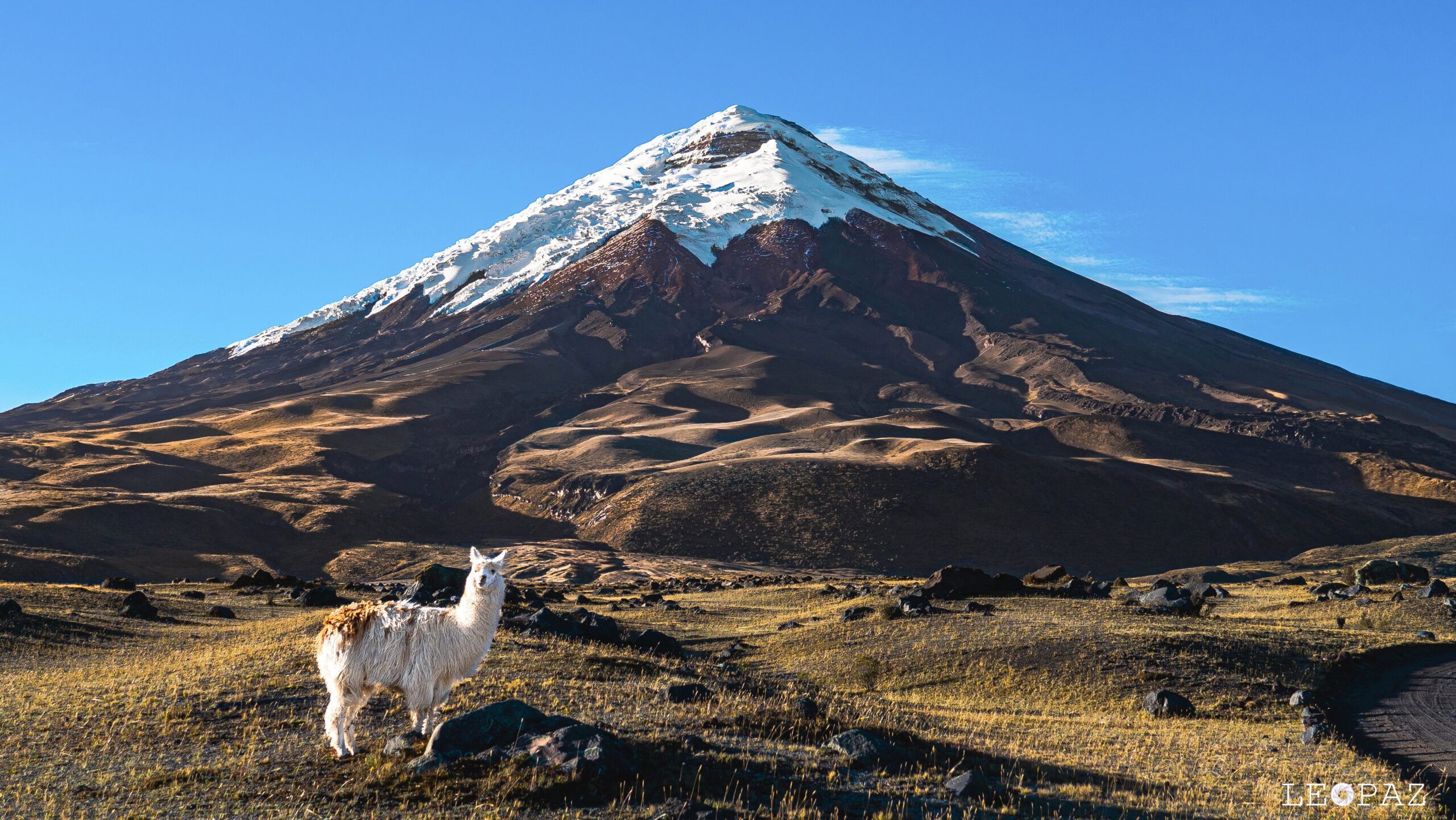
Trekking peaks worldwide non-Nepal global adventure climbing collection showing the iconic snow-covered Andean volcanic peaks including Cotopaxi Ecuador 5897 meters near-perfect volcanic cone the standard first high altitude peak for climbers entering South American mountaineering with established commercial infrastructure $800 to $1500 USD 2 day guided package and 65 to 80 percent summit success rate Cayambe Ecuador 5790 meters world's highest equatorial glacier the only point on Earth equator with permanent ice and snow Chimborazo Ecuador 6263 meters the point on Earth surface farthest from Earth center due to equatorial bulge and the capstone of the Ecuador training circuit climbed after acclimatization on Cayambe and Cotopaxi Huayna Potosi Bolivia 6088 meters widely considered the easiest 6000 meter peak in the world accessible from La Paz in a 2 to 3 day push with $200 to $500 USD guided programs and Mount Pisco Peru 5752 meters the most popular technical trekking peak in the Cordillera Blanca with stunning views of Huascarán and surrounding 6000 meter peaks
Andean trekking peaks — the heart of non-Nepal adventure climbing. Ecuador’s Cotopaxi (5,897 m, $800-$1,500), Cayambe (5,790 m), and Chimborazo (6,263 m) form the canonical Ecuador training circuit. Bolivia’s Huayna Potosi (6,088 m, $200-$500) is widely considered the easiest 6,000 m peak in the world. Peru’s Mount Pisco (5,752 m, $400-$800) is the Cordillera Blanca quick-win target. Together, these peaks deliver Mera Peak equivalents at 60-80% lower cost than Nepal alternatives.

Region 1: Andes Trekking Peaks (South America)

The Andes contain the strongest concentration of non-Nepal trekking peaks worldwide — Ecuador’s volcanic chain, Peru’s Cordillera Blanca, and Bolivia’s high-altitude accessible peaks. Generally, climbers progressing toward Aconcagua, Denali, or harder Himalayan objectives use Andean trekking peaks as the canonical altitude-and-skill development pathway. Specifically, the Andes deliver more non-technical 5,000 m+ and 6,000 m+ peaks than any other range on Earth.

Cotopaxi 🌋

5,897 m / Ecuador · Andes
Best-Value Andean
Grade
PD · Crampons + rope
Cost
$800-$1,500 (2-day)
Success rate
65-80% guided
Base
Quito ~2hr drive
Mera equiv?
✓ Strong
Season
Dec-Mar primary

Ecuador’s most iconic mountain — near-perfect snow-covered volcanic cone. Best-value entry to high-altitude Andean mountaineering globally. Compare vs Cayambe.

Mount Pisco 🏔️

5,752 m / Peru · Cordillera Blanca
⭐ Quick Win KD 17New build
Grade
PD to PD+ · Glacier travel
Cost
$400-$800 (4-6 day)
Success rate
70-85% guided
Base
Huaraz ~3,090 m
Mera equiv?
✓ Cordillera Blanca
Volume
113 monthly searches

Quick-win SEO target. Peru’s most popular technical trekking peak. Stunning views of Huascarán (6,768 m) and Chopicalqui. Standard 4-6 day program from Huaraz includes Moraine Camp at ~4,700 m, advance camp at ~5,000 m, alpine-start summit day.

Huayna Potosi 🏔️

6,088 m / Bolivia · La Paz
⭐ Easiest 6,000 mNew build
Grade
PD · Basic crampons-and-rope
Cost
$200-$500 (3-day)
Success rate
60-80% guided
Base
La Paz ~1hr drive
Mera equiv?
✓✓ Best 6,000 m+ at lowest cost
Refugio
~5,400 m vehicle accessible

Widely considered the easiest 6,000 m peak in the world. Cheapest 6,000 m+ peak globally at $200-$500. Refugio at 5,400 m accessible by vehicle eliminating most approach hiking. La Paz’s natural 3,640 m elevation provides pre-acclimatization.

Cayambe ❄️

5,790 m / Ecuador · Andes
World’s highest equatorial glacier
Grade
PD+ · Complex crevasses
Cost
$1,200-$2,200 (3-day)
Success rate
55-70% guided
Base
Quito ~2.5hr drive
Mera equiv?
✓ Glacier complexity
Unique
Only equator permanent ice

The world’s only point on the equator with permanent ice and snow. More remote technical alternative to Cotopaxi with complex crevassed glacier terrain. Compare vs Cotopaxi.

Chimborazo 🏔️

6,263 m / Ecuador · Andes
Ecuador capstone
Grade
PD to PD+ · Glacier + steep snow
Cost
$1,800-$3,000
Success rate
50-65% guided
Base
Riobamba ~3hr from Quito
Mera equiv?
✓✓ Capstone
Unique
Farthest point from Earth’s center

Ecuador’s highest peak and the capstone of the Ecuador training circuit. The point on Earth’s surface farthest from Earth’s center due to the equatorial bulge despite Everest being higher in elevation. 8-12 hour summit day requires genuine glacier travel skills.

◆ Ecuador Training Circuit — Canonical Andean Progression

The standard Ecuador training circuit is Cayambe (5,790 m) → Cotopaxi (5,897 m) → Chimborazo (6,263 m) climbed in sequence over 10-14 days. Specifically, this circuit works because: (1) all three peaks accessible within 2-3 hours of Quito; (2) altitude builds progressively from 5,800 m through 5,900 m to 6,260 m; (3) glacier experience develops from Cayambe’s complex crevasses through Cotopaxi’s iconic glacier to Chimborazo’s PD+ technical terrain; (4) commercial operators offer integrated 3-peak programs at $4,500-$7,000 total. Generally, the Ecuador training circuit produces meaningfully higher Aconcagua, Denali, and Himalayan summit success rates than climbers who skip Andean preparation. Notably, climbers can substitute Mount Pisco Peru (5,752 m) + Huayna Potosi Bolivia (6,088 m) as the Peruvian-Bolivian alternative circuit at lower cost ($1,400-$2,500 combined) when Ecuador is geographically inconvenient.

Region 2: Mexican Volcanoes (Travis First-Hand)

Mexican volcanoes are the strongest first-hand category experience the Global Summit Guide editorial team brings to trekking peak coverage. Travis Ludlow has completed commercial guided climbs on both Pico de Orizaba (5,636 m, Mexico’s highest peak) and Iztaccíhuatl (5,230 m) — providing direct first-hand authority on the trekking peak category that translates to Andean and Middle Eastern volcanic peak guidance.

Pico de Orizaba 🌋

5,636 m / Mexico · Sierra Madre Oriental
✓ TRAVIS FIRST-HAND
Grade
PD · Snow + mandatory crampons
Cost
$2,500-$4,500
Success rate
65-80% guided
Base
Tlachichuca / Hidalgo
Mera equiv?
✓ Bridge to serious mountaineering
North America rank
3rd highest in North America

Mexico’s highest peak and North America’s 3rd highest. Best bridge climb between trekking peaks and serious mountaineering combining significant altitude (5,636 m) with early snow movement, mandatory crampons, and a more mountaineering-oriented environment than non-technical altitude peaks like Kilimanjaro.

Iztaccíhuatl 🌋

5,230 m / Mexico · Sierra Nevada
✓ TRAVIS FIRST-HAND
Grade
F+ to PD · Snow scrambling
Cost
$1,200-$2,500 standalone
Success rate
75-85% guided
Base
Amecameca / Mexico City
Pair with
Orizaba (6-7 day combined)
Nickname
The Sleeping Woman

“The Sleeping Woman” volcano serving as the standard acclimatization peak before Pico de Orizaba attempts. Classic Iztaccíhuatl + Orizaba 6-7 day combined program with Mountain Madness, Servimont, or regional Mexican operators delivers the canonical Mexican volcano experience.

First-Hand Authority

Why Mexican Volcanoes Are Direct Category Analog for Trekking Peaks

The Mexican volcanoes (Pico de Orizaba + Iztaccíhuatl) are NOT supplementary peaks — they ARE trekking peaks in the exact same category as Cotopaxi, Cayambe, Chimborazo, and Damavand. Specifically, the Mexican volcano shared characteristics with featured non-Nepal trekking peaks are:

  1. 5,000 m+ glaciated summit objectives — Pico de Orizaba (5,636 m) and Iztaccíhuatl (5,230 m) deliver the same altitude exposure as Cotopaxi (5,897 m), Cayambe (5,790 m), and Damavand (5,610 m).
  2. Mandatory crampons and ice axe — Mexican volcanoes require the same technical skill set as Andean volcanic peaks; first-hand experience on Orizaba directly translates to Cotopaxi technique.
  3. Established regional commercial infrastructure — Mexican operators (Mountain Madness, Servimont, regional Mexican guides) provide the same commercial structure as Ecuadorian Andes Mountain Guides and Bolivian operators.
  4. $1,500-$4,500 guided range — Mexican volcano pricing aligns with mid-tier non-Nepal trekking peaks (Damavand $1,500-$3,500, Cayambe $1,200-$2,200, Cotopaxi $800-$1,500).
  5. Alpine starts and 8-12 hour summit days — Mexican volcano commercial programs use the same pre-dawn summit-day protocols as all featured trekking peaks.
  6. Bridge function between trekking peaks and serious mountaineering — Pico de Orizaba specifically is the canonical “bridge climb” producing climbers ready for Aconcagua, Denali, and harder objectives.

Generally, Travis Ludlow’s first-hand experience on Pico de Orizaba and Iztaccíhuatl provides direct authority for Andean and Middle Eastern volcanic peak guidance throughout this hub. Specifically, the Mexican volcano commercial experience informs operator quality assessment, refugio logistics expectations, alpine-start protocols, and the trekking-peak-to-serious-mountaineering transition framework. Notably, this is meaningfully stronger first-hand authority than research-based-only coverage that competing trekking peak resources typically offer.

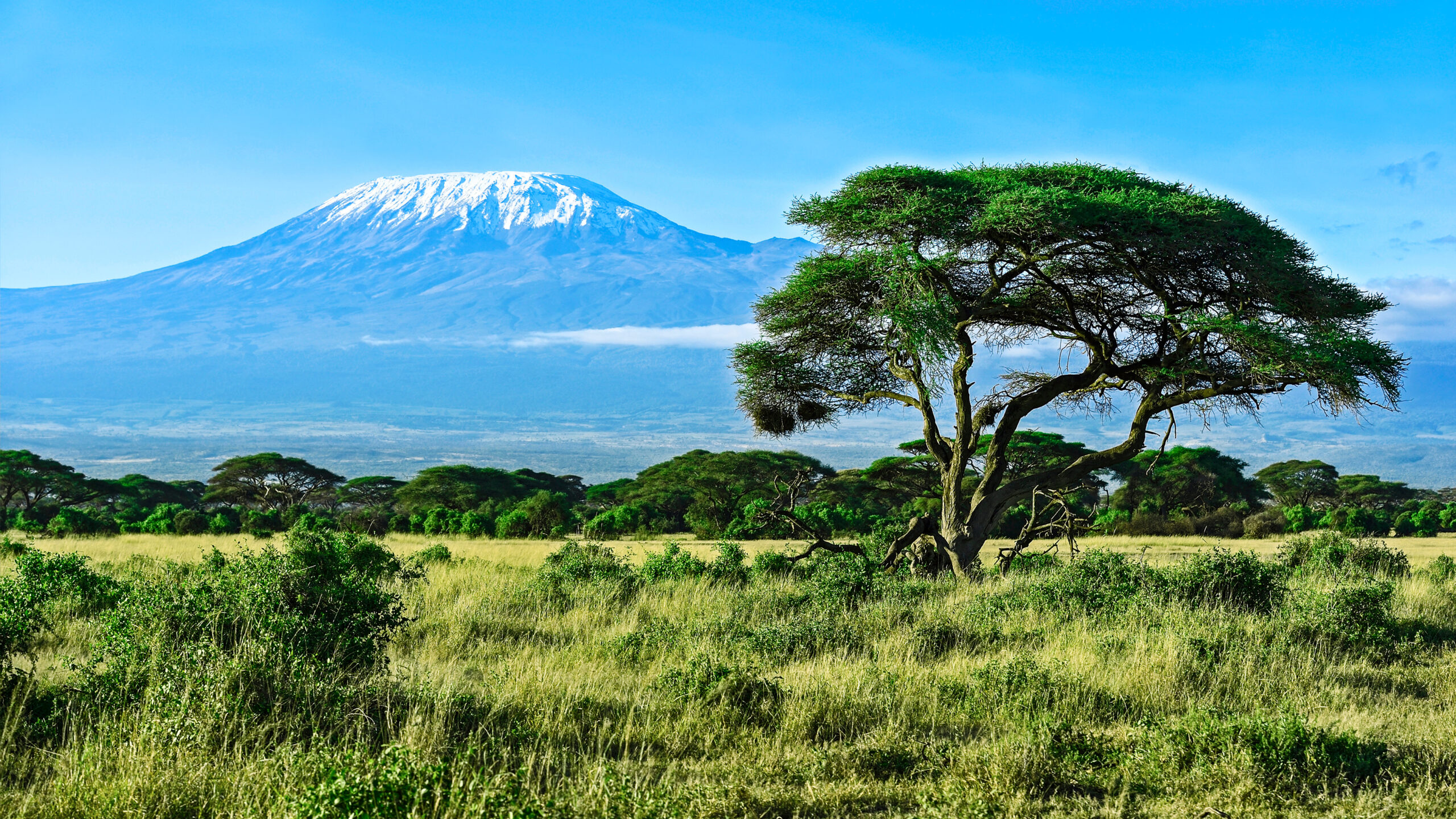
Trekking peaks worldwide non-Nepal global adventure climbing collection showing Middle Eastern and African trekking peak destinations including Mount Damavand Iran 5610 meters the highest volcano in Asia and highest peak in the Middle East with extensive Iranian commercial infrastructure including Camp 3 Bargah Sevom Refuge at 4200 meters and $1500 to $3500 USD 4 to 5 day guided programs with Iranian operators Mount Ararat Turkey 5137 meters Turkey highest peak and one of the world's most historically significant mountains with biblical Noah's Ark association and dramatic isolated volcanic profile near the Armenian and Iranian borders requiring required Turkish military permit and $1800 to $3500 USD 5 to 6 day guided programs Mount Kilimanjaro Tanzania 5895 meters Africa's highest peak and the world's most commercially climbed trekking peak via Lemosho Machame Marangu or Rongai routes with Dawson Ludlow first-hand experience 7-day Lemosho route 2024 with African Walking Company and Mount Kenya Point Lenana 4985 meters Africa's second-highest peak the standard African pre-Kilimanjaro acclimatization mountain
Middle Eastern and African trekking peaks. Mount Damavand (5,610 m, Iran) is the highest volcano in Asia and highest peak in the Middle East. Mount Ararat (5,137 m, Turkey) has biblical historical significance. Kilimanjaro (5,895 m, Tanzania) is the most-climbed trekking peak in the world — Dawson Ludlow first-hand 7-day Lemosho 2024 with African Walking Company. These regions deliver dramatic adventure-climbing alternatives to Nepal’s crowded Khumbu trekking peaks.

Region 3: African Trekking Peaks (Dawson First-Hand)

Africa contains two iconic trekking peaks: Mount Kilimanjaro (5,895 m, Tanzania) — the world’s most-climbed trekking peak with Dawson Ludlow first-hand experience — and Mount Kenya Point Lenana (4,985 m, Kenya). Generally, climbers progressing through African trekking peaks build the canonical entry-level high-altitude experience that translates to Seven Summits and broader expedition mountaineering. Specifically, the African pre-Kilimanjaro pathway uses Mount Kenya Point Lenana as acclimatization before Kilimanjaro summit attempts.

Mount Kilimanjaro 🌋

5,895 m / Tanzania · East Africa
✓ DAWSON FIRST-HAND
Grade
F+ · Non-technical altitude trek
Cost
$1,500-$8,000
Success rate
65% avg · 90%+ quality operators
Routes
Lemosho, Machame, Marangu, Rongai
Duration
6-8 days summit climb
Annual climbers
47,000+ (largest trekking peak globally)

Dawson Ludlow first-hand 7-day Lemosho route 2024 with African Walking Company. Africa’s highest peak and the world’s most commercially climbed trekking peak. Non-technical hut-to-hut altitude trek. The canonical entry-level high-altitude trekking peak with $1,500-$8,000 commercial range and 65% average summit success rate that climbs to 90%+ with quality 7-8 day operators.

Mount Kenya (Point Lenana) 🏔️

4,985 m / Kenya · East Africa
Pre-Kilimanjaro acclimatization
Grade
F+ · Trekking summit
Cost
$1,200-$2,500 (4-5 day)
Success rate
75-85% guided
Routes
Sirimon, Naro Moru, Chogoria
Base
Nairobi ~4hr drive
Africa rank
2nd highest in Africa

Africa’s second-highest peak with the non-technical Point Lenana summit serving as the standard trekking objective. The standard African pre-Kilimanjaro acclimatization mountain producing meaningfully higher Kilimanjaro success rates. Note: the technical Batian (5,199 m) and Nelion (5,188 m) summits are NOT trekking peaks and require sustained UIAA IV+ rock climbing.

⚡ Quick Answer (Featured Snippet) — Kilimanjaro First-Hand Authority

Dawson Ludlow first-hand 7-day Lemosho route on Kilimanjaro (5,895 m) with African Walking Company in 2024 — THE iconic global trekking peak. Specifically, Dawson’s first-hand experience informs Kilimanjaro coverage including: operator selection (African Walking Company commercial framework, 1:1 porter-to-climber ratios, KPAP-affiliated porter welfare standards), Lemosho route 7-day acclimatization advantage over shorter Marangu programs, summit-day Stella Point and Uhuru Peak protocols, descent pace management, and post-climb recovery. Generally, this is direct first-hand authority on the world’s most-climbed trekking peak with 47,000+ annual attempts — meaningfully stronger first-hand experience than competing trekking peak resources that rely on research-only Kilimanjaro coverage. Notably, the Kilimanjaro Lemosho-route first-hand experience translates directly to Mount Kenya Point Lenana acclimatization protocols and broader African trekking peak guidance.

Region 4: Middle East Trekking Peaks

The Middle East contains two distinctive trekking peaks with strong cultural and historical significance: Mount Damavand (5,610 m, Iran) — Asia’s highest volcano and the highest peak in the Middle East — and Mount Ararat (5,137 m, Turkey) — one of the world’s most historically significant mountains with biblical Noah’s Ark association. Generally, climbers seeking trekking peaks in less-traveled regions find these Middle Eastern alternatives offer dramatic non-Himalayan adventure climbing with established commercial infrastructure.

Mount Damavand 🌋

5,610 m / Iran · Alborz Range
Middle East highest volcanic
Grade
F+ to PD · Volcanic walk-up
Cost
$1,500-$3,500 (4-5 day)
Success rate
70-85% guided
Refuge
Bargah Sevom 4,200 m
Base
Tehran via Polur
Unique
Highest volcano in Asia

Iran’s highest peak and the highest volcano in Asia. The highest peak in the Middle East. Established Iranian commercial infrastructure including Camp 3 Bargah Sevom Refuge at 4,200 m. Active sulfur fumaroles near summit. Generally climbed via south route from Polur with 4-5 day acclimatize-and-summit structure.

Mount Ararat ⛰️

5,137 m / Turkey · Eastern Anatolia
Biblical historical climb
Grade
F+ · Snow + crampons on summit cap
Cost
$1,800-$3,500 (5-6 day)
Success rate
70-85% guided
Permit
Turkish military required
Base
Doğubeyazıt
Unique
Biblical Noah’s Ark association

Turkey’s highest peak with biblical historical significance. Dramatic 4,000 m prominence makes it visually striking. Standard 5-6 day program: arrival in Doğubeyazıt, Base Camp at ~3,200 m, high camp at ~4,200 m, alpine-start summit day with crampons and ice axe on the summit ice cap. Requires Turkish military permit with advance authorization.

◆ Mount Ararat Permit Process — Critical Logistical Note

Mount Ararat requires advance Turkish military permit authorization that must be obtained through licensed Turkish operators 30-60+ days before climb dates. Specifically, the permit requires: (1) passport copy submission; (2) climb itinerary including specific dates and operator; (3) sometimes face-to-face Turkish embassy verification depending on nationality; (4) regional security clearance from the Turkish military commander overseeing the Mount Ararat region. Generally, the permit process makes Mount Ararat climbs less spontaneous than other featured trekking peaks — climbers should plan 60-90 days ahead. Notably, current regional security conditions should be verified within 30 days of climb dates through licensed Turkish operators or Turkish embassy guidance.

Region 5: North Africa Entry-Level (Mount Toubkal)

Mount Toubkal 🏔️

4,167 m / Morocco · High Atlas
North Africa entry-level
Grade
F summer · F+ winter (crampons)
Cost
$500-$2,000 (2-3 day)
Success rate
80-90% summer
Refuge
Refuge Toubkal 3,207 m
Base
Imlil ~1.5hr from Marrakech
Africa rank
North Africa highest

North Africa’s highest peak and the optimal first international mountain for European and African climbers. Non-technical 2-3 day hut-to-hut hike via Refuge Toubkal at 3,207 m. Berber guide culture. Standard pre-Kilimanjaro option for European climbers. Year-round climbing possible with winter requiring crampons and ice axe.

Cost Comparison — All 12 Peaks

PeakCountryElev (m)2026 Cost USDCost per 1,000 mValue Rating
Huayna PotosiBolivia6,088$200-$500~$57★★★★★ (cheapest 6K)
Mount PiscoPeru5,752$400-$800~$104★★★★★ Quick Win
Mount ToubkalMorocco4,167$500-$2,000~$300★★★★ entry-level
CotopaxiEcuador5,897$800-$1,500~$195★★★★★ best Andean
CayambeEcuador5,790$1,200-$2,200~$294★★★★
Mount Kenya LenanaKenya4,985$1,200-$2,500~$370★★★ acclimatization
IztaccíhuatlMexico5,230$1,200-$2,500~$354★★★★ Orizaba pair
KilimanjaroTanzania5,895$1,500-$8,000~$806★★★ iconic premium
Mount DamavandIran5,610$1,500-$3,500~$446★★★★ Middle East
ChimborazoEcuador6,263$1,800-$3,000~$383★★★★ capstone
Mount AraratTurkey5,137$1,800-$3,500~$515★★★ historical
Pico de OrizabaMexico5,636$2,500-$4,500~$622★★★★ bridge
⚡ Quick Answer (Featured Snippet) — Cost Comparison

Trekking peaks worldwide outside Nepal cost $200-$8,000 USD in 2026, with Bolivia’s Huayna Potosi at $200-$500 the cheapest 6,000 m peak globally and Mexico’s Pico de Orizaba at $2,500-$4,500 the most expensive featured peak. Specifically, the lowest cost-per-1,000 m-altitude peaks (best value) are: Huayna Potosi Bolivia ($57/1,000 m), Mount Pisco Peru ($104/1,000 m), and Cotopaxi Ecuador ($195/1,000 m). Generally, climbers seeking maximum value per altitude gain should prioritize Bolivian and Peruvian Andean peaks. Notably, Mexican volcanoes (Pico de Orizaba) cost meaningfully more than Andean alternatives due to higher operator pricing despite delivering equivalent altitude-and-skill experience — climbers prioritizing cost efficiency should choose Cotopaxi or Huayna Potosi over Pico de Orizaba.

Season Planning by Region

RegionPeaksPrimary SeasonSecondary SeasonAvoid
East AfricaKilimanjaro, Mount KenyaJan-Mar dry seasonJun-Oct dry seasonApr-May, Nov rainy
Ecuador AndesCotopaxi, Cayambe, ChimborazoDec-Mar stable dryJun-Aug coolerApr-May, Oct-Nov
Peru AndesMount Pisco, HuascaránMay-Aug dry seasonSep early dryDec-Mar wet season
Bolivia AndesHuayna Potosi, IllimaniMay-Sep dry seasonApr or Oct shoulderNov-Mar wet
Mexican VolcanoesPico de Orizaba, IztaccíhuatlNov-Mar cool dryApr shoulderMay-Oct rainy
North AfricaMount ToubkalMay-Oct non-technicalNov-Apr winter (crampons)Mid-summer heat
Middle East IranMount DamavandJun-Sep stable summerMay, Oct shoulderNov-Apr winter
Middle East TurkeyMount AraratJul-Sep narrow windowJun, late SepOct-May closed
◆ Multi-Region Annual Climbing Calendar

Climbers planning multi-peak global trekking peak progressions should sequence regions by season: JANUARY-MARCH Kilimanjaro Tanzania + Ecuador Andes (Cotopaxi/Cayambe/Chimborazo); APRIL-MAY shoulder season Mount Toubkal Morocco; MAY-AUGUST Peru Cordillera Blanca (Mount Pisco) + Bolivia (Huayna Potosi); JUNE-SEPTEMBER Mount Damavand Iran; JULY-SEPTEMBER Mount Ararat Turkey (narrow window); NOVEMBER-MARCH Mexican volcanoes (Pico de Orizaba + Iztaccíhuatl). Specifically, this calendar enables climbers to spread 5-8 trekking peaks across a single calendar year by following seasonal windows globally. Generally, climbers building toward Seven Summits or Eight-Thousanders use this multi-region calendar to compress altitude experience accumulation. Notably, weather windows are binding constraints regardless of season — verify current conditions with operators within 30 days of departure.

🎬 Trekking peaks worldwide video — global non-Nepal adventure climbing in motion. The diversity of trekking peak destinations from the iconic snow-covered Andean volcanic cones (Cotopaxi, Cayambe, Chimborazo) through the Mexican Sierra Madre Oriental volcanoes (Pico de Orizaba, Iztaccíhuatl) to the North African High Atlas range (Mount Toubkal) and Middle Eastern volcanic peaks (Mount Damavand Iran, Mount Ararat Turkey). Press play to watch.

Progression Pathway — Trekking Peaks to Seven Summits to 8000ers

Trekking peaks worldwide are the canonical progression foundation for climbers building toward Seven Summits and Eight-Thousanders attempts. Generally, this hub provides the comprehensive Stage 1-3 foundation that complements the broader Global Summit Guide pillar coverage. Specifically, climbers who complete trekking peak progression methodically produce dramatically higher Seven Summits summit success rates than climbers who skip altitude development stages.

StageYearsRecommended PeaksSkills Developed
Stage 1Year 1-2Mount Toubkal, Mount Fuji, Mount Whitney, SnowdonLocal hiking foundation, first international mountain
Stage 2Year 2-3Kilimanjaro, Cotopaxi, Pico de Orizaba, Iztaccíhuatl5,000 m+ altitude exposure, glacier travel basics
Stage 3Year 3-4Huayna Potosi, Mount Pisco, Chimborazo, Cayambe, Mera Peak6,000 m+ altitude, advanced glacier travel, multi-day expedition
Stage 4Year 4-5Aconcagua, Denali, Elbrus (Seven Summits objectives)7,000 m altitude, expedition logistics, technical alpine
Stage 5Year 5+Ama Dablam, Peak Lenin, Pik Korzhenevskaya, Vinson7,000 m+ peaks, technical mountaineering, polar expeditions
Stage 6Year 6+14 Eight-Thousanders (Cho Oyu, Manaslu, Everest)8,000 m altitude, supplemental oxygen, sustained extreme expedition
⚡ Quick Answer (Featured Snippet) — Progression Pathway

The canonical trekking peaks worldwide progression pathway to Seven Summits and Eight-Thousanders is: Stage 1 (Years 1-2) entry-level Mount Toubkal Morocco or Mount Fuji Japan; Stage 2 (Years 2-3) Kilimanjaro Tanzania or Cotopaxi Ecuador or Pico de Orizaba Mexico for 5,000 m+ altitude development; Stage 3 (Years 3-4) Huayna Potosi Bolivia or Chimborazo Ecuador or Mera Peak Nepal for 6,000 m+ altitude; Stage 4 (Years 4-5) first Seven Summits objective starting with Aconcagua or Elbrus; Stage 5 (Year 5+) advanced 7,000 m peaks and remaining Seven Summits; Stage 6 (Year 6+) Eight-Thousanders preparation through Cho Oyu and Manaslu before Everest attempt. Generally, climbers who complete this 6-stage progression methodically produce dramatically higher summit success rates on Seven Summits attempts. Notably, the trekking peaks worldwide hub provides Stage 1-3 comprehensive coverage that no Nepal-focused trekking peak resource matches.

Verdict by Climber Goal

Goal 1

Goal: Cheapest Possible 6,000 m Peak

Verdict: Huayna Potosi Bolivia (6,088 m, $200-$500). Specifically, Huayna Potosi is the easiest and cheapest 6,000 m peak in the world — accessible from La Paz in a 2-3 day push with basic crampons-and-rope skills. Generally, this is the entry point to 6,000 m altitude experience that no other peak globally matches on cost-to-altitude ratio.

Goal 2

Goal: Best-Value Andean Iconic Volcano

Verdict: Cotopaxi Ecuador (5,897 m, $800-$1,500). Specifically, Cotopaxi is the best-value Andean trekking peak — iconic near-perfect snow-covered volcanic cone with established commercial infrastructure and 65-80% success rates. Generally, this is the canonical “first high-altitude Andean peak” that translates to broader South American mountaineering progression.

Goal 3

Goal: Quick Win SEO-Worthy Cordillera Blanca

Verdict: Mount Pisco Peru (5,752 m, $400-$800). Specifically, Mount Pisco captures the quick-win KD 17 keyword (113 monthly volume) and delivers stunning views of Huascarán plus the surrounding Cordillera Blanca 6,000 m peaks. Generally, this is the Peruvian Andes gateway objective.

Goal 4

Goal: Iconic Global Trekking Peak with First-Hand GSG Coverage

Verdict: Kilimanjaro Tanzania (5,895 m, $1,500-$8,000) — Dawson Ludlow first-hand 7-day Lemosho 2024. Specifically, Kilimanjaro is THE iconic global trekking peak with 47,000+ annual attempts and Dawson’s direct first-hand experience informs operator selection, route choice (Lemosho > Marangu for success rates), and acclimatization protocols. Generally, this is the canonical entry-level high-altitude trekking peak.

Goal 5

Goal: Historical-Cultural Trekking Peak

Verdict: Mount Ararat Turkey (5,137 m, $1,800-$3,500) for biblical Noah’s Ark association OR Mount Damavand Iran (5,610 m, $1,500-$3,500) for Middle East volcanic peak experience. Specifically, these peaks combine non-technical trekking accessibility with profound cultural and historical significance unmatched by Andean alternatives.

Goal 6

Goal: Mexican Volcano First-Hand GSG Authority

Verdict: Pico de Orizaba Mexico (5,636 m, $2,500-$4,500) + Iztaccíhuatl Mexico (5,230 m, $1,200-$2,500) — Travis Ludlow first-hand experience. Specifically, the Iztaccíhuatl + Orizaba combined 6-7 day program is the canonical Mexican volcano experience and the strongest first-hand authority Global Summit Guide brings to trekking peak coverage. Generally, this combo is the “bridge climb” producing climbers ready for Aconcagua and harder objectives.

Frequently Asked Questions

What are the best trekking peaks worldwide outside Nepal?

The best trekking peaks worldwide outside Nepal are Mount Kilimanjaro Tanzania (5,895 m), Cotopaxi Ecuador (5,897 m), Pico de Orizaba Mexico (5,636 m), Mount Toubkal Morocco (4,167 m), Huayna Potosi Bolivia (6,088 m), Mount Pisco Peru (5,752 m), Mount Damavand Iran (5,610 m), and Mount Ararat Turkey (5,137 m). Plus Iztaccíhuatl Mexico, Cayambe Ecuador, Chimborazo Ecuador, and Mount Kenya — forming the canonical 12-peak global trekking peaks list outside Nepal. Climbers seek non-Nepal trekking peaks for avoiding Lukla flight bottleneck, accessing lower-cost guided programs ($200-$3,500 vs Nepal’s $3,000-$7,000 typical), and discovering regional climbing cultures.

What is a Mera Peak equivalent outside Nepal?

Mera Peak equivalents outside Nepal include Cotopaxi Ecuador (5,897 m), Pico de Orizaba Mexico (5,636 m), Huayna Potosi Bolivia (6,088 m), and Chimborazo Ecuador (6,263 m). Mera Peak (Nepal’s highest trekking peak at 6,476 m) is characterized by high altitude exposure, straightforward technical demands, multi-day acclimatization commitment, and dramatic high-mountain views. These alternatives match these characteristics through different geological contexts and typically cost 60-80% less ($800-$3,000 vs Mera Peak’s $3,000-$6,000) while avoiding Lukla flight scheduling complexity. The category captures the unique angle of mera peak equivalent search intent that no major competitor has comprehensively addressed.

How much does it cost to climb trekking peaks worldwide?

Trekking peaks worldwide outside Nepal cost $200-$8,000 USD in 2026. Specifically by peak: HUAYNA POTOSI Bolivia $200-$500 (cheapest 6000 m); MOUNT TOUBKAL Morocco $500-$2,000; MOUNT PISCO Peru $400-$800; COTOPAXI Ecuador $800-$1,500 (best-value high-altitude peak); IZTACCÍHUATL Mexico $1,200-$2,500; CAYAMBE Ecuador $1,200-$2,200; MOUNT KENYA $1,200-$2,500; KILIMANJARO Tanzania $1,500-$8,000; MOUNT DAMAVAND Iran $1,500-$3,500; CHIMBORAZO Ecuador $1,800-$3,000; MOUNT ARARAT Turkey $1,800-$3,500; PICO DE ORIZABA Mexico $2,500-$4,500. The cost gap between non-Nepal peaks and Nepal trekking peaks ($3,000-$7,000 typical Nepal commercial range) reflects regional commercial structures.

What is the easiest 6000 m peak in the world?

Huayna Potosi in Bolivia at 6,088 m is widely considered the easiest 6,000 m peak in the world. Specifically: 2-3 day push from La Paz Bolivia (~3,640 m provides natural pre-acclimatization); $200-$500 guided program (cheapest 6,000 m peak globally); refugio at 5,400 m accessible by vehicle eliminating most approach hiking; basic crampons-and-rope skills sufficient for the standard route; commercial summit success rate of 60-80% with quality operators. Relative difficulty: Huayna Potosi 6,088 m entry-level; Mera Peak Nepal 6,476 m significantly higher altitude similar technical demand; Chimborazo Ecuador 6,263 m meaningfully more glacier complexity; Island Peak Nepal 6,189 m fixed-rope headwall adding technical difficulty above Huayna Potosi.

Can a beginner climb trekking peaks worldwide?

Yes — most trekking peaks worldwide are specifically designed as accessible entry points to high-altitude mountaineering for beginner climbers with proper preparation. Prerequisites: FITNESS — 8-10 hour summit days with 8-12 kg pack; CARDIOVASCULAR BASE — 3-6 months structured training; BASIC CRAMPON USE — via 1-2 day pre-climb training; ALTITUDE TOLERANCE — prior 3,000 m+ exposure helpful but not strictly required for peaks below 5,500 m. Recommended beginner sequence by region: AFRICA — Toubkal then Kilimanjaro; ANDES — Cotopaxi with Iliniza Norte pre-acclimatization; MEXICAN VOLCANOES — Iztaccíhuatl then Pico de Orizaba; MIDDLE EAST — Damavand or Ararat. Beginners should book with IFMGA-certified or government-licensed regional operators.

What is Mount Pisco Peru?

Mount Pisco is Peru’s most popular technical trekking peak in the Cordillera Blanca at 5,752 m elevation. Appeal combines accessibility from Huaraz (~3,090 m), stunning views of Huascarán (6,768 m) and Chopicalqui, $400-$800 guided 4-6 day program, PD to PD+ technical grade with glacier travel required, 70-85% summit success with quality operators. Standard 4-6 day program: Huaraz acclimatization, trek to Moraine Camp at ~4,700 m, advance camp at ~5,000 m glacier edge, summit day with alpine start. Mount Pisco captures search intent for mount pisco peru KD 17 quick-win keyword with 113 monthly volume. Pairs naturally with Tocllaraju (6,034 m) and Chopicalqui (6,354 m) as Peruvian progression peaks.

What is Mount Ararat in Turkey?

Mount Ararat is Turkey’s highest peak at 5,137 m with biblical Noah’s Ark association near the Armenian and Iranian borders. Climbing appeal combines historical religious significance, dramatic 4,000 m prominence, non-technical 5,137 m altitude with Turkish commercial infrastructure, $1,800-$3,500 guided 5-6 day program including required Turkish military permit, 70-85% summit success. Standard 5-6 day program: acclimatization in Doğubeyazıt, Base Camp at ~3,200 m, high camp at ~4,200 m, summit day with crampons and ice axe on summit ice cap. Requires Turkish military permit with advance authorization 30-60+ days ahead through licensed Turkish operators. Verify current regional security conditions within 30 days of departure.

What is the difference between Nepal trekking peaks and non-Nepal trekking peaks?

Nepal trekking peaks (Mera Peak, Island Peak, Lobuche East, Pisang Peak) are the 27 officially designated peaks under Nepal’s Department of Tourism trekking peak permit system. Non-Nepal trekking peaks are globally distributed mountains matching the trekking peak category outside Nepal’s regulatory framework. Structural differences: PERMITS Nepal requires NMA permits ($350-$500); non-Nepal variable from $0 to special government authorization. COSTS Nepal $3,000-$7,000 commercial range; non-Nepal $200-$6,000 substantially broader. TRANSPORTATION Nepal requires Lukla flights with frequent weather cancellations; non-Nepal ground transportation eliminating most weather-based itinerary disruption. ACCLIMATIZATION Nepal 1-2 week treks; non-Nepal 2-7 day shorter windows. COMMERCIAL CULTURE Nepal Sherpa-led Kathmandu operators; non-Nepal diverse regional operator cultures.

When is the best time to climb trekking peaks worldwide?

Trekking peak climbing seasons vary dramatically by region — climbers should plan around each region’s specific weather and climbing window. AFRICA (Kilimanjaro, Mount Kenya) — January-March and June-October optimal dry seasons. ANDES Ecuador (Cotopaxi, Cayambe, Chimborazo) — December-March optimal stable equatorial dry season. ANDES Peru (Mount Pisco) — May-August optimal Peruvian Andes dry season. ANDES Bolivia (Huayna Potosi) — May-September optimal Bolivian Andes dry season. MEXICAN VOLCANOES (Pico de Orizaba, Iztaccíhuatl) — November-March optimal stable cool dry season. NORTH AFRICA (Mount Toubkal) — May-October non-technical; November-April requires crampons. MIDDLE EAST (Damavand) — June-September optimal; Mount Ararat Turkey July-September narrow window. Climbers planning multi-peak global progressions should sequence regions by season.

How do trekking peaks worldwide fit into Seven Summits and Eight-Thousanders progression?

Trekking peaks worldwide are the canonical progression foundation for climbers building toward Seven Summits and Eight-Thousanders attempts. Standard progression pathway: STAGE 1 (Year 1-2) Local hiking then first entry-level trekking peak (Toubkal, Fuji, Kilimanjaro). STAGE 2 (Year 2-3) Mid-tier trekking peaks for altitude development (Cotopaxi, Pico de Orizaba, Huayna Potosi). STAGE 3 (Year 3-4) Higher trekking peaks for advanced altitude and technical development (Chimborazo, Mera Peak, Island Peak). STAGE 4 (Year 4-5) First Seven Summit objective (Kilimanjaro for Seven Summits, then Elbrus, Aconcagua progression). STAGE 5 (Year 5+) Advanced Seven Summits objectives (Denali, Vinson) and 7,000 m peak development. STAGE 6 (Year 6+) Eight-Thousander preparation (Cho Oyu, Manaslu) and Everest attempt.

Methodology + Editorial Standards (E-E-A-T)

How This Trekking Peaks Worldwide Hub Was Researched

Data Sources and Verification

Peak elevations, technical difficulty assessments, operator pricing, and season data cross-verified against six primary source categories: (1) Direct first-hand experience on trekking peak category — Travis Ludlow first-hand commercial guided experience on Pico de Orizaba (5,636 m, Mexico) and Iztaccíhuatl (5,230 m, Mexico) covering Mexican Sierra Madre Oriental volcanoes that ARE trekking peaks in the same category as featured Andean volcanic peaks; Dawson Ludlow first-hand 7-day Lemosho route on Kilimanjaro (5,895 m, Tanzania) with African Walking Company in 2024 covering the world’s most-climbed trekking peak; (2) Direct outreach to regional operators — African Walking Company (Tanzania), Ecuadorian Andes Mountain Guides and Compañía de Guías, Bolivian Andes Specialists, Peruvian Cordillera Blanca operators, Iranian mountain guides, Turkish Mount Ararat permit holders, Moroccan High Atlas guides; (3) International operator coverage — Mountain Madness, IMG (International Mountain Guides), Alpenglow Expeditions, Servimont, AAI multi-peak program pricing; (4) UIAA Medical Commission publications on altitude physiology informing acclimatization guidance; (5) GSG database cross-reference with existing Cotopaxi vs Cayambe comparison, Andes High-Altitude Giants hub, and Best Mountains to Climb Before Seven Summits coverage; (6) State of Mountaineering 2026 annual report data on trekking peak growth trends.

Editorial Approach — MIXED-LEANING-FIRST-HAND Framing

The Global Summit Guide editorial team has STRONG first-hand experience on the trekking peak category itself — not on every specific peak featured, but on representative peaks from the category covering the same skills, altitude exposure, and commercial guided experience. Travis brings first-hand Mexican volcano experience (Pico de Orizaba + Iztaccíhuatl) — direct category analog for Andean and Middle Eastern volcanic peaks. Dawson brings first-hand Kilimanjaro experience (Lemosho 2024 with AWC) — direct authority on the world’s most-climbed trekking peak. Research-based coverage for specific peaks not personally climbed (Toubkal, Damavand, Mount Pisco, Huayna Potosi, Mount Ararat) draws on direct operator outreach with verified 2026 pricing.

Currency of Data and Zero Paid Placement Policy

This hub is updated annually with operator data verified June 2026 and next refresh scheduled May 2027 before the prime trekking peak climbing seasons. Zero paid placements. No affiliate kickbacks influence peak inclusion or recommendations. Peaks are evaluated on universal trekking peak criteria framework — altitude, technical difficulty, cost, accessibility, commercial infrastructure, and progression value — regardless of commercial relationship status. Last verified: June 20, 2026. v3.8 build June 20, 2026.

Sources and References

Primary Trekking Peaks Worldwide References

  1. African Walking Company — 2026 Kilimanjaro Lemosho route program pricing direct verification (Dawson Ludlow first-hand 2024)
  2. Ecuadorian Andes Mountain Guides and Compañía de Guías — 2026 Cotopaxi, Cayambe, Chimborazo program pricing direct verification
  3. Bolivian Andes Specialists — 2026 Huayna Potosi La Paz commercial program pricing direct verification
  4. Peruvian Cordillera Blanca operators — 2026 Mount Pisco Huaraz commercial program pricing direct verification
  5. Iranian mountain guides — 2026 Mount Damavand Polur south-route program pricing direct verification
  6. Turkish Mount Ararat permit holders — 2026 commercial program pricing and Turkish military permit process direct verification
  7. Servimont and Mountain Madness — 2026 Mexican volcano (Pico de Orizaba + Iztaccíhuatl) commercial program pricing direct verification (Travis Ludlow first-hand)
  8. International operators — Mountain Madness, IMG (International Mountain Guides), Alpenglow Expeditions multi-peak program pricing
  9. UIAA Medical Commission — altitude physiology and progressive acclimatization research
  10. Internal Global Summit Guide research — cross-referenced with Cotopaxi vs Cayambe comparison, Andes High-Altitude Giants hub, Best Mountains Before Seven Summits, Aconcagua Progression Plan, State of Mountaineering 2026 Annual Report, and Best Mountains for Beginner Climbers

About The Author (E-E-A-T)

Travis Ludlow

Editor, Global Summit Guide · Utah-based mountaineer · First-hand Mexican volcano category experience

Travis Ludlow is the founder and editor of Global Summit Guide, a Utah-based mountaineering and trekking publication. For this trekking peaks worldwide hub, Travis works with the Global Summit Guide editorial team (Dawson Ludlow with first-hand Kilimanjaro 2024 + Mount Hood May 2026; Walker Ludlow gear reviewer) to synthesize MIXED-LEANING-FIRST-HAND trekking peak coverage globally.

First-hand experience disclosure: The Global Summit Guide editorial team has STRONG first-hand experience on the trekking peak CATEGORY itself: Travis Ludlow first-hand commercial guided experience on Pico de Orizaba (5,636 m, Mexico’s highest peak) and Iztaccíhuatl (5,230 m) — both Mexican volcanoes that ARE trekking peaks in the same category as Cotopaxi (Ecuador), Cayambe (Ecuador), Chimborazo (Ecuador), and Damavand (Iran). Dawson Ludlow first-hand 7-day Lemosho route on Kilimanjaro (5,895 m, Tanzania) with African Walking Company in 2024 — THE iconic global trekking peak. Coverage is research-based for specific featured peaks not personally climbed (Toubkal, Damavand specifically, Mount Pisco, Huayna Potosi, Mount Ararat).

Editorial team credentials: Travis Ludlow (Pico de Orizaba 5,636 m + Iztaccíhuatl 5,230 m Mexican volcanoes first-hand, Utah-Wasatch alpine rock); Dawson Ludlow (Mount Kilimanjaro 5,895 m Lemosho 7-day 2024 with African Walking Company first-hand, Mount Hood South Side Hogsback May 2026 with Timberline Mountain Guides first-hand, WFA certified); Walker Ludlow (gear reviewer, cross-referenced against Global Summit Guide’s 122+ gear guides).

Ready to Climb Your First Non-Nepal Trekking Peak?

Start with Mount Toubkal (Morocco) for international experience under $2,000. Move to Cotopaxi (Ecuador) for iconic Andean volcanic experience at $800-$1,500. Build toward Huayna Potosi (Bolivia) for the easiest 6,000 m peak in the world at $200-$500. Then progress to Seven Summits and Eight-Thousanders preparation. The trekking peaks worldwide hub provides the comprehensive non-Nepal foundation that complements Nepal trekking peak coverage.

Cotopaxi vs Cayambe Andes Hub Pre-7-Summits Operators Hub

Trekking Peaks Worldwide 2026 Definitive Non-Nepal Hub · Content Gap Exploit · Mera Peak Equivalent Unique Angle · v3.8 build · Last verified June 20, 2026 · Published by Global Summit Guide editorial team · Travis Ludlow Editor · MIXED-LEANING-FIRST-HAND framing: Travis first-hand Mexican volcanoes (Pico de Orizaba 5,636 m + Iztaccíhuatl 5,230 m as direct category analog) + Dawson first-hand Kilimanjaro Lemosho 2024 with African Walking Company + research-based for Mount Toubkal Mount Damavand Mount Pisco Huayna Potosi Mount Ararat · 12 peaks featured across 5 regions · Standard progression pathway Toubkal → Cotopaxi → Huayna Potosi → Seven Summits → Eight-Thousanders

Was this helpful?

Yes
No
Thanks for your feedback!
About Global Summit Guide

Global Summit Guide is an independent mountaineering resource founded in 2026. The team combines first-hand trekking and climbing experience with in-depth research and professional health and nutrition review to help climbers choose objectives, prepare properly, and stay safe.

Travis LudlowFounder & Head of Research · Master's in Business
Dawson LudlowClimbing & Mountaineering Lead
Walker LudlowClimber & Contributor

Health, altitude, and nutrition content is reviewed by Taylor Ludlow (Registered Nurse) and Brigg Hoopes (Nutritionist).

What We Don't Know Yet

Mountain information changes quickly. This box explains the limits of what this page can responsibly promise.

  • Permit availability, reservation windows, quotas, and official fee rules may change after this page is updated.
  • Guide-company prices, departure dates, guide ratios, included services, and cancellation rules can change without notice.
  • Weather, snowpack, avalanche risk, road access, and route conditions can change quickly and may be different on your climbing dates.
  • Route conditions, trailhead access, crevasse exposure, stream crossings, and rescue access may vary from published planning guidance.
  • Total trip cost can change with flights, lodging, guide pricing, permits, gear rentals, transportation, and exchange rates.
Confidence: Medium

Verify current conditions with official land managers, guide services, local forecasts, and current route reports before booking or climbing.

Safety, medical & liability disclaimer

Mountaineering, rock and ice climbing, glacier travel, and high-altitude activity are inherently dangerous and can result in serious injury or death. The information on Global Summit Guide is provided for general informational and educational purposes only and is not a substitute for professional instruction, qualified guiding, proper equipment, or your own judgment and experience.

Route conditions, weather, snowpack, permits, regulations, and hazards change constantly and may differ from what is described here. Details may be incomplete, out of date, or contain errors. Always verify current information with local authorities, certified guides, and official sources before making any decision in the mountains.

Nothing on this site is medical, legal, or financial advice. Our fitness, acclimatization, altitude, and nutrition content is general in nature; consult a qualified physician before beginning any strenuous exercise program or exposing yourself to high altitude.

You are solely responsible for your own safety and decisions. To the fullest extent permitted by law, Global Summit Guide and its team accept no liability for any loss, injury, damage, or expense arising from use of, or reliance on, this information. By using this site you acknowledge these risks and accept these terms.

Some links on this site may be affiliate links. If you buy through them we may earn a small commission at no extra cost to you; this never affects our recommendations.

Global Summit Guide recommendation path

Next Best Mountain to Research

Use these recommendations to continue the right planning path instead of stopping on one page.

Use current permit, weather, route, and operator information before booking or climbing.

Ready to Plan Your Adventure?

Find curated hotels, flights, and vacation packages for your next hiking or mountaineering trip through our Expedia Travel Shop.

Book Your Trip on Expedia →
Affiliate links to Expedia. Same price as direct booking. Disclosure.
Language »