
Last updated June 27, 2026
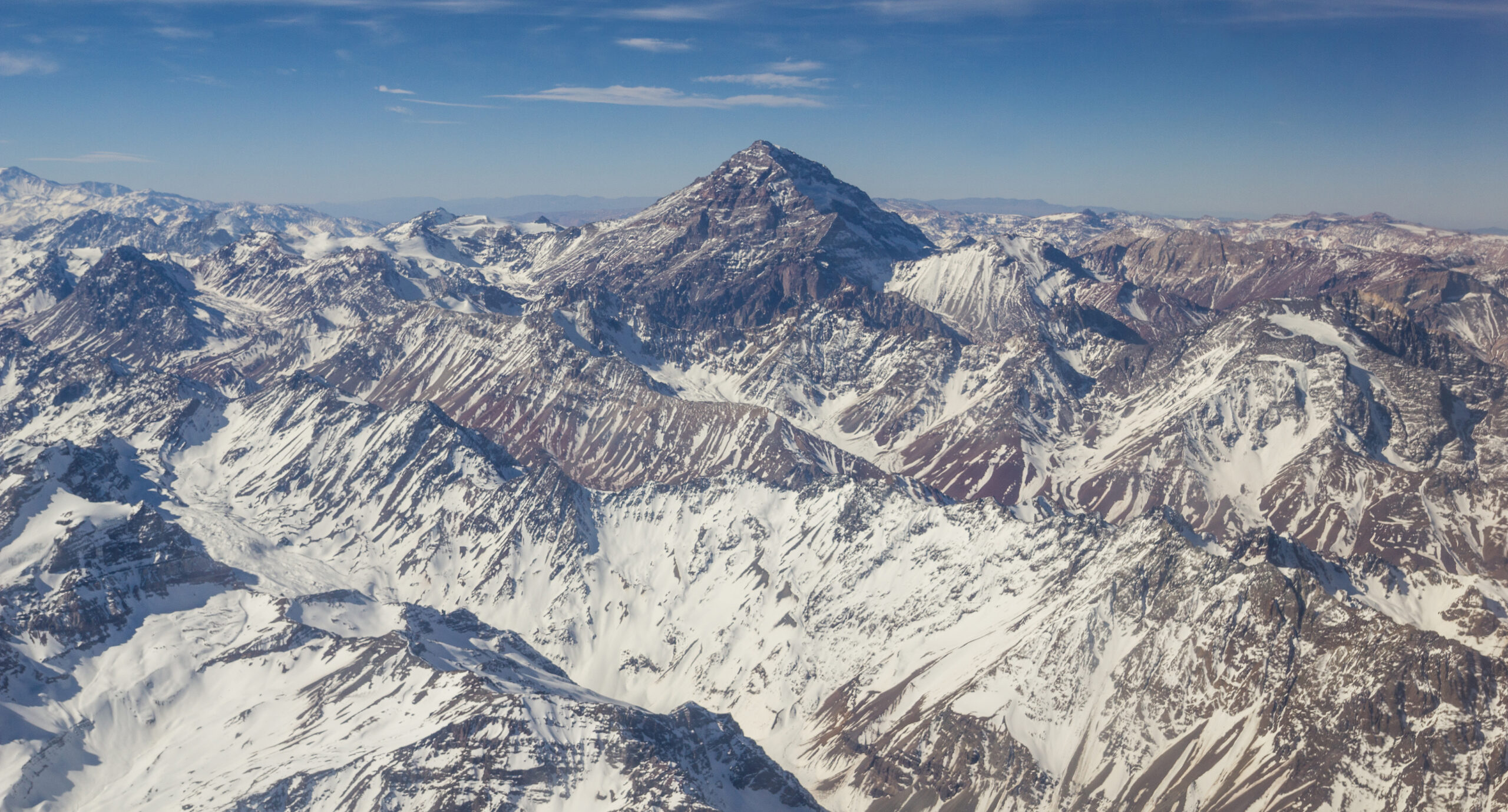
Aconcagua Training Plan
How to prepare your body, lungs, and mind for the highest peak in the Americas. The four training pillars, a month-by-month timeline, a weekly template, the altitude experience you actually need, and the mistakes that end most attempts before summit day.
This Aconcagua training plan cross-references five source categories: (1) published preparation guidance from established Aconcagua operators including Argentine specialists and international guide services; (2) altitude-physiology research on acclimatization, AMS, HAPE, and HACE; (3) AMGA-certified introductory and intermediate mountaineering curricula for the technical skills; (4) first-hand high-altitude training and climbing experience on 5,000 m-plus peaks within the team; and (5) internal Global Summit Guide synthesis across our Aconcagua climb guide, progression plan, and broader high-altitude training coverage. Elevations reflect published survey data; verify current permit, weather, and operator details within 2-4 weeks of departure.
◆ RESEARCH-BASED Editorial Framing
Aconcagua has not been climbed first-hand by the Global Summit Guide editorial team. Travis Ludlow’s high-altitude experience tops out near 5,600 m on Pico de Orizaba (5,636 m) and Iztaccihuatl (5,230 m), with Dawson Ludlow adding Kilimanjaro (5,895 m). Aconcagua’s 6,961 m summit sits a full tier above that – extreme altitude where the atmospheric pressure is roughly 40% of sea level, comparable to Everest’s South Col.
What we can speak to first-hand is the training methodology for high-altitude objectives up to that ceiling: building an aerobic base, carrying load on consecutive days, and the acclimatization process on 5,000 m-plus peaks. All Aconcagua-specific route, weather, and success-rate figures below reflect authoritative external sources rather than personal summit reporting. Confirm conditions and permit rules with your operator and Aconcagua Provincial Park before committing.
How Do You Train for Aconcagua?
Train across four pillars over at least 4-6 months: a deep aerobic base, progressive pack-loaded carrying, real altitude experience, and basic technical skills. Build long uphill hikes carrying 20 lb rising toward the 45-50 lb you may carry between camps, add leg and posterior-chain strength for the brutal descents, and string together back-to-back full days to simulate the grind. Above all, climb at least one 5,000 m-plus peak first – confirmed altitude tolerance is the single biggest predictor of summiting. Aconcagua is non-technical but extreme: success comes from physiology and preparation, not ropework.
📑 Contents
- Why Aconcagua Demands Real Training
- The 4 Training Pillars
- The Month-by-Month Timeline
- A Sample Training Week
- Altitude: The Make-or-Break Variable
- Technical Skills You’ll Need
- Gear to Train With
- Mental Prep & Summit Day
- Common Training Mistakes
- Where This Fits: The Aconcagua Path
- Methodology
- FAQ
- About the Author
Why Aconcagua Demands Real Training
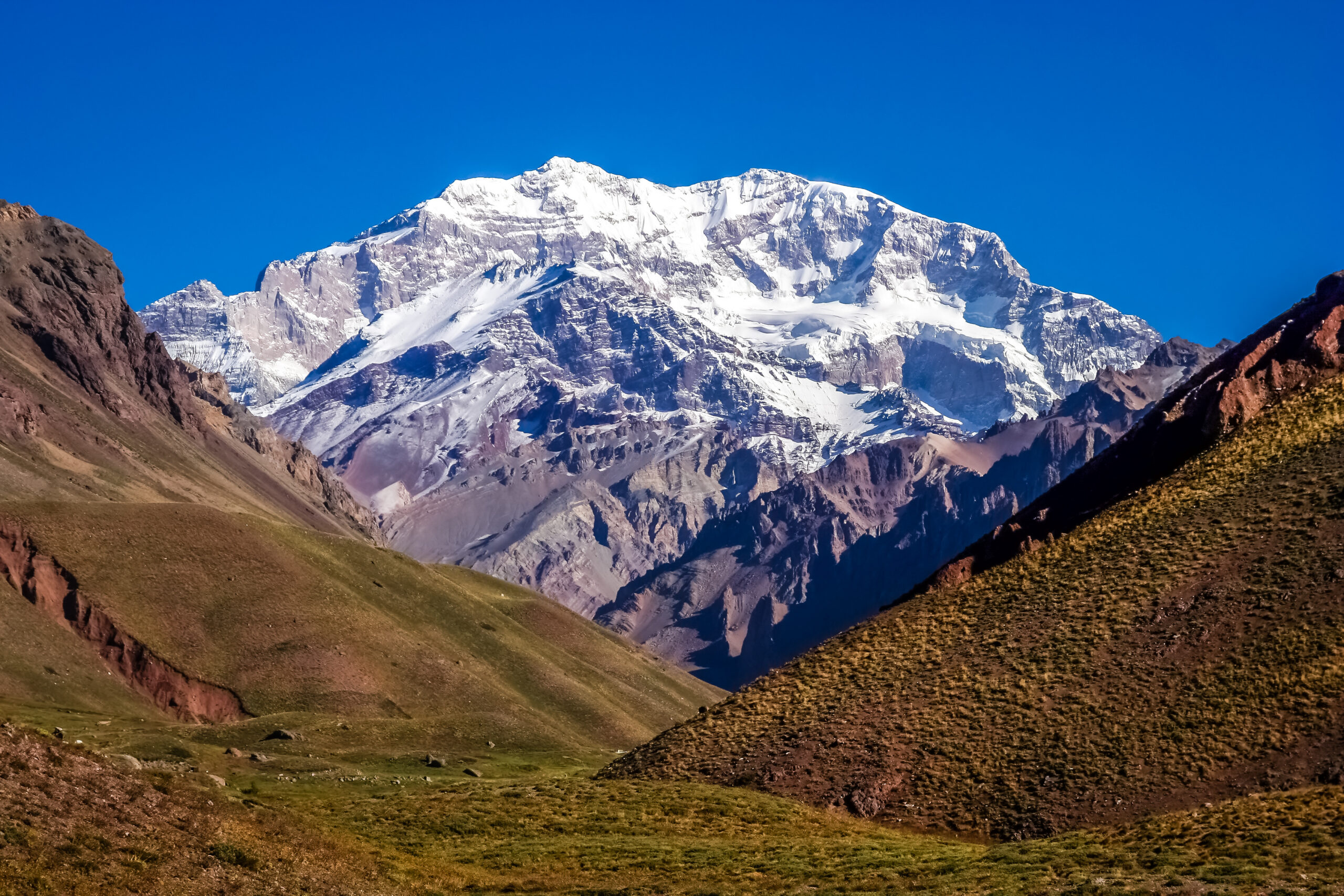
Aconcagua is sold as a “non-technical” climb, and on the Normal Route that’s true – no roped climbing, no crevassed glacier travel, no rock moves. That reputation badly undersells the mountain. At 6,961 m the summit sits in extreme-altitude territory where atmospheric pressure is roughly 40% of sea level, comparable to Everest’s South Col. The difficulty isn’t the moves; it’s doing long days, in brutal cold and wind, carrying heavy loads, in air that’s starving you of oxygen.
A typical expedition runs 18-21 days. Carry days between camps can mean 45-50 lb on your back without porters. Summit day starts around 2-3 a.m. from roughly 5,900 m and runs 6-10 hours of relentless uphill in thin air. The Viento Blanco (white wind) routinely produces 80-150 km/h winds, and summit temperatures with windchill fall to -15°C to -40°C. Overall summit rates sit near 30-40% – and most of those failures trace back to preparation and acclimatization, not the terrain.
- Aconcagua rewards endurance and altitude tolerance far more than strength or speed – train for long days under load.
- Carry weight on consecutive days: build from ~20 lb toward the 45-50 lb you may carry between camps.
- Climb at least one 5,000 m-plus peak first. Confirmed altitude performance is the biggest predictor of summiting.
- The Normal Route is non-technical, but crampon and ice-axe competence pays off in ice and weather.
- Most failures are preparation and acclimatization failures – both are entirely within your control.
The Plan: Four Pillars, One Summit
Effective Aconcagua preparation rests on four pillars trained together, not in isolation. Build all four and the mountain becomes a question of weather and patience rather than fitness.
The 4 Training Pillars
Deep Aerobic Base
Your cardiovascular system is the engine that carries you to 6,961 m. Build it with long, steady efforts – hikes, running, cycling, swimming, and stair sessions – emphasizing duration over intensity. The benchmark to aim for: comfortably climbing roughly 1,200 ft per hour for 2-3 hours with a 40 lb pack. A strong aerobic base also helps your body cope with thin air, though it never replaces real acclimatization.
Strength & Load Carrying
Aconcagua demands heavy, repeated carries. Start pack-loaded hikes around 20 lb and build progressively toward 45-50 lb over several months so the weight is familiar, not a shock. Pair this with leg and posterior-chain strength – squats, deadlifts, step-downs, split squats – to protect the knees on 13,000 ft of cumulative descent. Add core and upper-body work for hours under a loaded pack. Never run with a heavy pack; save load for hiking and stairs.
Real Altitude Experience
This is the pillar most climbers skip – and the most expensive mistake on the mountain. Climbers who arrive without a prior 18,000 ft / 5,000 m-plus summit fail at roughly twice the rate of those who have one. Before Aconcagua, climb at least one high-altitude peak: Pico de Orizaba, Chimborazo, Cotopaxi, or Kilimanjaro for pure altitude. Fitness has almost no bearing on who gets altitude sickness – only real exposure builds the data you need.
Technical Skills & Mental Grit
The Normal Route needs no ropework, but icy stretches and savage weather reward climbers who already own basic skills: crampon walking, ice-axe self-arrest, and managing camp in cold, high wind. Just as important is the mental side – the long, cold, oxygen-starved summit-day grind where your brain manufactures reasons to quit. Rehearse discomfort in training and commit to a turnaround time before you start.
The Month-by-Month Timeline
This timeline assumes a fit-hiker baseline and a goal climb in the December-February austral-summer window. Layer it on top of any altitude climbs you’re slotting in (Pillar 3), which often need their own 9-18 month lead time.
| Phase | Time out | Focus | Key sessions |
|---|---|---|---|
| 1. Base | 6-4 months | Aerobic engine, injury-proofing, hiking volume | Long steady hikes; 3-4 cardio sessions/week; foundational strength |
| 2. Build | 4-2 months | Load carrying, leg strength, vertical gain | Weekly weighted hike (build 20→40 lb); stair repeats with pack; heavy squats/deadlifts |
| 3. Specific | 2-1 months | Back-to-back days, peak load, descent durability | Two big days each weekend; carries near 45-50 lb; downhill volume for the knees |
| 4. Taper | Final 2-3 weeks | Recover, sharpen, arrive rested | Reduce volume ~40-50%; keep intensity light; logistics, gear checks, mental rehearsal |
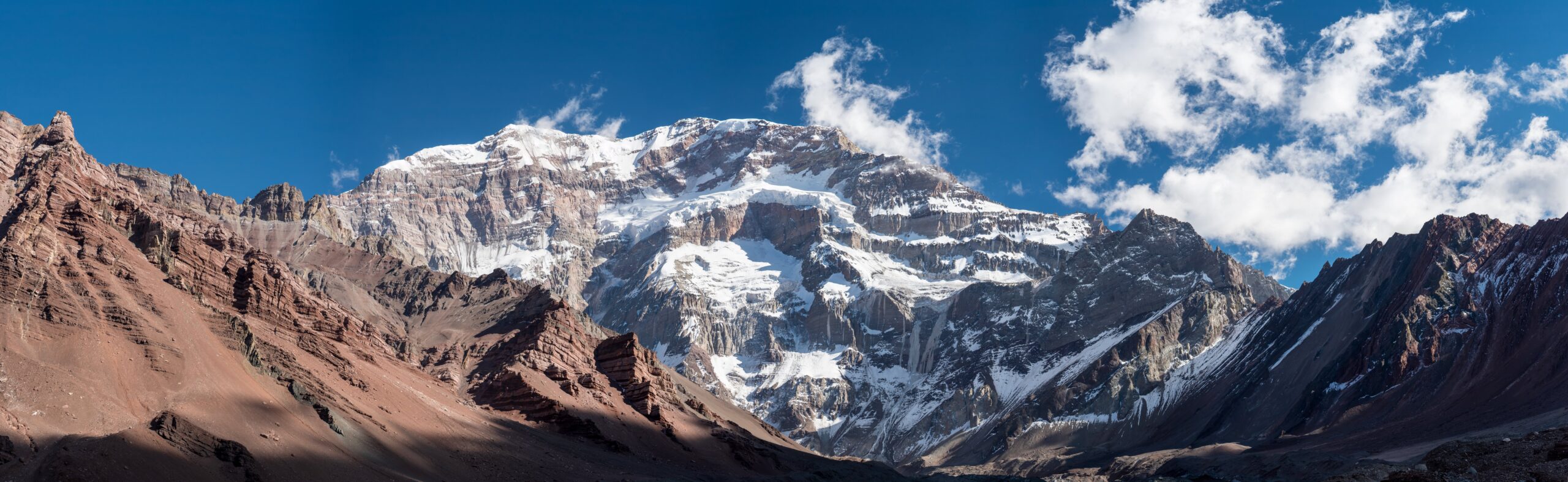
A Sample Training Week (Build Phase)
One workable structure for the Build phase. Adjust around your schedule, recovery, and any altitude trips – consistency across the week matters more than any single session.
| Day | Session |
|---|---|
| Monday | Rest or easy mobility and core |
| Tuesday | Stair or hill repeats with a 25-35 lb pack, 45-60 min |
| Wednesday | Lower-body strength: squats, deadlifts, step-downs, split squats |
| Thursday | Steady aerobic session (run, bike, or swim), 45-75 min |
| Friday | Rest, light core, and stretching |
| Saturday | Long weighted hike with vertical gain, build pack toward 40 lb |
| Sunday | Second back-to-back day: moderate hike on tired legs, lighter pack |
On Aconcagua you’ll drink at least four quarts of water a day, and dehydration drives many altitude problems. Practice steady hydration on long training days so it’s a habit, not an afterthought. Pair this with the broader mountaineering fitness standards and run the numbers in the fitness assessment checklist.
Altitude: The Make-or-Break Variable
You cannot train altitude tolerance at sea level. Fitness has almost no correlation with who gets altitude sickness – only graded exposure builds the adaptation and the self-knowledge you need. The most important thing you can do for your Aconcagua odds is climb a real high-altitude peak first and learn how your body performs above 5,000 m.
Climbers who arrive without prior 18,000 ft / 5,000 m-plus experience fail at roughly twice the rate of those who have it – often turning back high on the mountain after thousands of dollars and weeks invested. Learn how altitude affects you somewhere cheaper and closer to rescue. Know the early signs of AMS, HAPE, and HACE, and act on them immediately. Read altitude acclimatization explained before you go.
| Prep peak | Elevation | What it builds |
|---|---|---|
| Pico de Orizaba, Mexico | 5,636 m | First real altitude + crampon/ice-axe intro on the Jamapa Glacier |
| Iztaccihuatl, Mexico | 5,230 m | Altitude with scrambling; common Orizaba warm-up |
| Cotopaxi, Ecuador | 5,897 m | Basic glacier travel + altitude on a short itinerary |
| Chimborazo, Ecuador | 6,263 m | A genuine 6,000 m test before Aconcagua |
| Kilimanjaro, Tanzania | 5,895 m | Pure altitude tolerance (porter-supported – add weighted training) |
Technical Skills You’ll Need
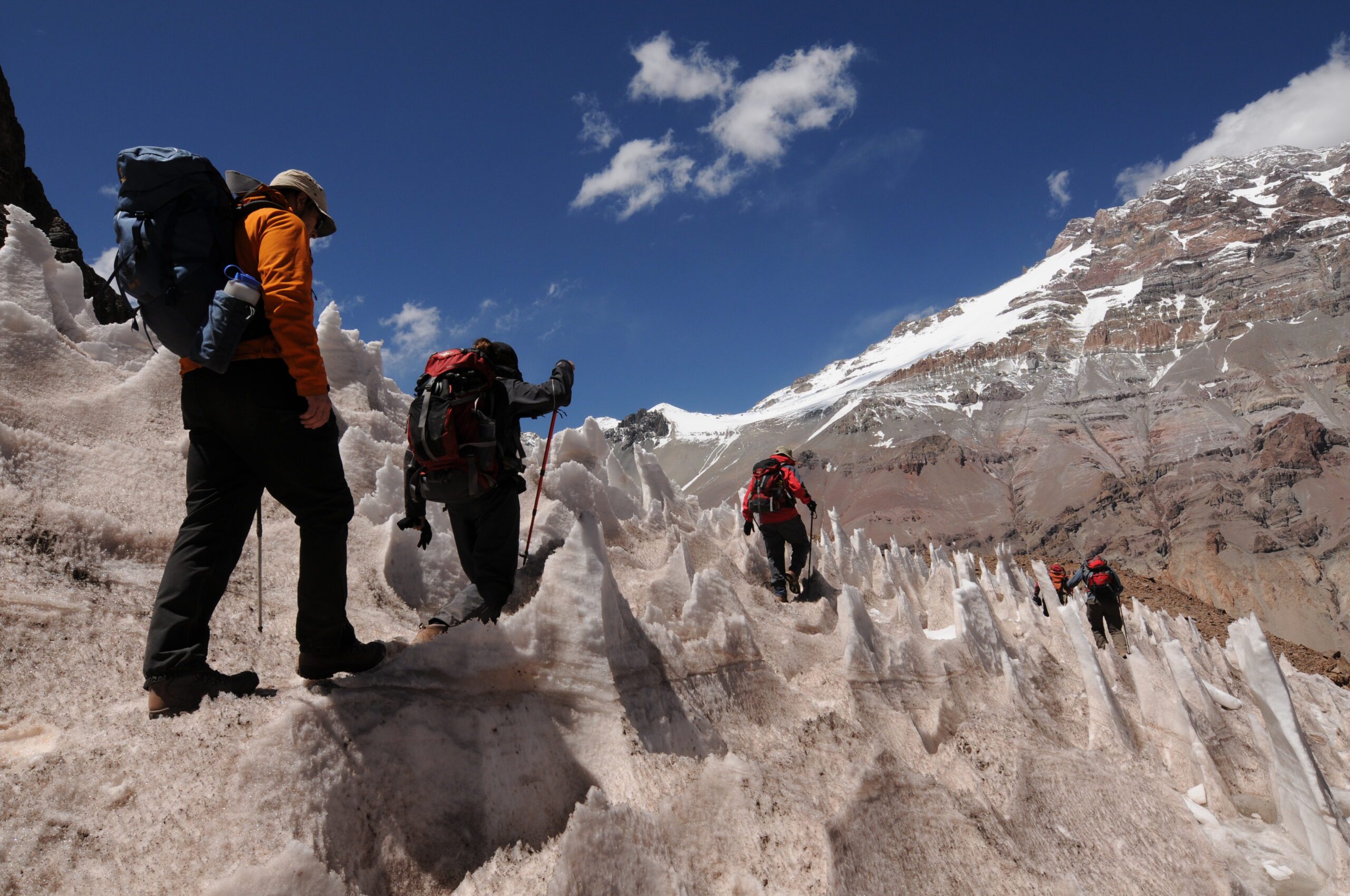
The Normal Route is non-technical, but Aconcagua is cold, high, and frequently icy. The following skills aren’t summit prerequisites on the standard line, yet every one of them makes you safer and raises your odds when conditions turn – and they’re mandatory on the Polish Glacier and 360 routes.
- Crampon walking on moderate snow and ice. Get comfortable on firm slopes before you arrive. See our how-to-use-crampons guide and crampons buyer’s guide.
- Ice axe use and self-arrest for steeper, harder snow. Practice until it’s reflexive – read the ice-axe self-arrest technique guide and the ice axe guide.
- Cold-weather camp craft – pitching and anchoring a tent in high wind, melting snow, managing layers, and sleeping warm at 5,000 m-plus.
- Layering and thermoregulation for -15°C to -40°C windchill. Study the high-altitude layering guide.
- Basic fixed-line and rope-team awareness if you choose a more technical route. The crevasse-rescue basics and first glacier climb guides cover the fundamentals.
Gear to Train With
Train in the gear you’ll climb in. Break in boots, dial in your pack fit, and learn your layering system long before the mountain – the expedition is not the place to discover a hotspot or a pack that doesn’t sit right under 45 lb.
- Boots: the double or insulated mountaineering boots you’ll summit in – broken in over many loaded hikes.
- Pack: your expedition pack, loaded progressively so 45-50 lb feels familiar.
- Layering system: base, mid, insulation, and shell – tested in cold and wind. See the layering guide.
- Crampons & ice axe: practice on snow before the trip – the boots guide covers crampon compatibility.
- Trekking poles: essential for protecting knees over thousands of feet of descent.
Mental Prep & Summit Day
Summit day is where preparation meets reality. You’ll wake around 2-3 a.m. after broken sleep near 5,900 m, in deep cold, already tired, facing 6-10 hours of grinding uphill through thin air where the summit never seems to get closer. Your oxygen-starved brain will produce compelling arguments to turn around. Mental toughness isn’t innate – it’s trained, by deliberately practicing discomfort and by deciding your limits in advance.
The most important decision on summit day is made before it begins: your turnaround time. Commit to it at base camp and honor it regardless of how close the summit looks. The mountain will still be there next season; the goal is a safe round trip, not a one-way summit. Accepting that summiting is never guaranteed is part of being properly prepared – reaching the top is never more important than your safety or your team’s.
Common Training Mistakes
| Mistake | Why it ends climbs |
|---|---|
| Skipping altitude experience | The single most expensive error – climbers discover their ceiling on the mountain and fail at roughly double the rate. |
| Training cardio without load | A fit runner with an untrained back and legs still struggles under 45-50 lb on consecutive days. |
| Ignoring the descent | Thousands of feet of downhill wreck unprepared knees – posterior-chain and downhill volume matter. |
| Compressing the timeline | Cramming preparation into too few weeks raises injury risk and lowers summit odds versus a steady build. |
| Rushing acclimatization | Choosing a short itinerary to save days is a leading cause of failure – choose the longer, well-acclimatized option. |
Where This Fits: The Aconcagua Path
This training plan is one piece of preparing for Aconcagua. Pair it with route selection, permits, operator choice, and a longer-term progression toward the peak.
Methodology + Editorial Standards
How This Guide Was Built
Source Categories
This Aconcagua training plan cross-references five source categories: (1) published preparation guidance from established Aconcagua operators, both Argentine specialists and international services; (2) altitude-physiology research on acclimatization and altitude illness; (3) AMGA-certified mountaineering course curricula for technical skills; (4) first-hand high-altitude training and climbing on 5,000 m-plus peaks within the team; and (5) internal Global Summit Guide synthesis across our Aconcagua climb guide, progression plan, and high-altitude training coverage.
Editorial Approach – RESEARCH-BASED
Aconcagua has not been summited first-hand by the Global Summit Guide team. Our first-hand altitude ceiling is roughly 5,600 m (Pico de Orizaba, Iztaccihuatl, Kilimanjaro). All Aconcagua-specific route, weather, pack-weight, and success-rate figures reflect authoritative external sources; the training methodology reflects our first-hand experience preparing for and climbing high-altitude peaks up to that ceiling.
Data Currency
Elevation figures reflect published survey data (Aconcagua 6,961 m / 22,837 ft). Summit-rate and pack-weight ranges reflect operator and guide-service publications. Permit rules, weather, and pricing change – verify current details with Aconcagua Provincial Park and your operator within 2-4 weeks of departure.
Update Cycle
This plan is reviewed annually. Next scheduled review: June 2027, ahead of the December-February austral-summer climbing season.
Frequently Asked Questions
How long does it take to train for Aconcagua?
Plan for at least 4-6 months of focused training if you already have a fit-hiker baseline, and longer if you’re building from a lower starting point. The intensive block is roughly 12-18 weeks layered on top of an existing aerobic base. Beyond fitness, most climbers also need 12-18 months to acquire the altitude experience – at least one 5,000 m-plus peak – that Aconcagua effectively requires.
How fit do you need to be to climb Aconcagua?
You should be able to carry a 40-50 lb pack on mountainous terrain for multiple days in a row, and comfortably climb roughly 1,200 ft per hour for 2-3 hours with a 40 lb pack. Aconcagua is a long-duration endurance event at extreme altitude, so deep aerobic capacity and strong, durable legs matter far more than raw speed or strength.
Do you need prior experience to climb Aconcagua?
The Normal Route is non-technical – no roped climbing or crevassed glacier travel – so no rock or ice climbing background is required. What is effectively required is prior altitude experience: climbers who arrive without a previous 18,000 ft / 5,000 m-plus summit fail at roughly twice the rate of those who have one. Basic crampon and ice-axe competence is valuable for icy stretches and weather.
What is the best training for Aconcagua?
The most effective training combines four pillars: a deep aerobic base, pack-loaded carrying with progressive weight, back-to-back full days to simulate the grind between camps, and at least one real altitude climb. Specificity wins – long uphill hikes with a heavy pack on varied terrain beat gym cardio every time.
How much weight will I carry on Aconcagua?
Without porters, expect 45-50 lb between camps on carry days, dropping to a lighter summit-day pack. With porter support, loads typically fall to 30-35 lb. Train by starting around 20 lb and building progressively toward your expected carry weight over several months so the load is familiar rather than a shock.
What altitude peaks should I climb before Aconcagua?
The most-recommended prep peaks are Pico de Orizaba (5,636 m) and Iztaccihuatl (5,230 m) in Mexico, Chimborazo (6,263 m) and Cotopaxi (5,897 m) in Ecuador, and Mount Baker as a glacier-skills introduction. Kilimanjaro (5,895 m) builds altitude tolerance but not load-carrying, so pair it with weighted training. The goal is confirmed performance above 5,000 m before committing to Aconcagua.
Is Aconcagua harder than Kilimanjaro?
Yes – substantially. Aconcagua is over 1,000 m higher, far colder, windier, and demands heavy self-supported load carrying that Kilimanjaro’s porter system removes. Summit day is a longer, more brutal effort in thinner air. View Aconcagua as a final physical test before Denali rather than an easy step up after Kilimanjaro.
What is the summit success rate on Aconcagua?
Overall summit rates run roughly 30-40%, with most failures driven by inadequate preparation, rushed acclimatization, and weather rather than the route’s technical difficulty. Climbers on longer, well-acclimatized itineraries who arrive with prior altitude experience and solid training summit at meaningfully higher rates.
About The Author
Continue Your Aconcagua Research
Ready to Build Toward the Stone Sentinel?
Train the four pillars, log a real 5,000 m-plus summit, and arrive rested. Start with the full climb guide and the progression plan to map your path to the highest peak in the Americas.
Read the Aconcagua Climb Guide → See the Progression Plan →Was this helpful?
🏔Related training
🧭Explore & compare
Global Summit Guide is an independent mountaineering resource founded in 2026. The team combines first-hand trekking and climbing experience with in-depth research and professional health and nutrition review to help climbers choose objectives, prepare properly, and stay safe.
Health, altitude, and nutrition content is reviewed by Taylor Ludlow (Registered Nurse) and Brigg Hoopes (Nutritionist).
What We Don't Know Yet
Mountain information changes quickly. This box explains the limits of what this page can responsibly promise.
- Weather, snowpack, avalanche risk, road access, and route conditions can change quickly and may be different on your climbing dates.
- Route conditions, trailhead access, crevasse exposure, stream crossings, and rescue access may vary from published planning guidance.
- Gear requirements can change by season, route variation, weather window, personal cold tolerance, and guide-service requirements.
- Fitness and altitude response vary by person; no guide, itinerary, or training plan can guarantee acclimatization or summit success.
Verify current conditions with official land managers, guide services, local forecasts, and current route reports before booking or climbing.
Mountaineering, rock and ice climbing, glacier travel, and high-altitude activity are inherently dangerous and can result in serious injury or death. The information on Global Summit Guide is provided for general informational and educational purposes only and is not a substitute for professional instruction, qualified guiding, proper equipment, or your own judgment and experience.
Route conditions, weather, snowpack, permits, regulations, and hazards change constantly and may differ from what is described here. Details may be incomplete, out of date, or contain errors. Always verify current information with local authorities, certified guides, and official sources before making any decision in the mountains.
Nothing on this site is medical, legal, or financial advice. Our fitness, acclimatization, altitude, and nutrition content is general in nature; consult a qualified physician before beginning any strenuous exercise program or exposing yourself to high altitude.
You are solely responsible for your own safety and decisions. To the fullest extent permitted by law, Global Summit Guide and its team accept no liability for any loss, injury, damage, or expense arising from use of, or reliance on, this information. By using this site you acknowledge these risks and accept these terms.
Some links on this site may be affiliate links. If you buy through them we may earn a small commission at no extra cost to you; this never affects our recommendations.
Global Summit Guide recommendation path
Next Best Mountain to Research
Use these recommendations to continue the right planning path instead of stopping on one page.
Use current permit, weather, route, and operator information before booking or climbing.