
Last updated October 5, 2026

What to Climb Before Mont Blanc: The Best Preparation Peaks
You do not need to collect a fixed number of 4,000-meter summits before Mont Blanc. You need evidence that crampons, roped glacier movement, altitude, long alpine days, mixed terrain and turnaround judgment are no longer new problems. The best preparation peak is therefore the one that exposes your biggest remaining gap.
If You Choose Only One Preparation Peak, Make It Gran Paradiso.
Gran Paradiso (4,061 m) gives most first-time Mont Blanc climbers the best combination of relevant preparation: a hut-based alpine trip, crampon travel, roped glacier movement, a real 4,000-meter summit, an early start and enough duration to reveal fitness and equipment problems.
But Gran Paradiso is not a qualification certificate. A climber who already has strong glacier experience may gain more from a higher-altitude calibration peak such as Breithorn or Allalinhorn, a longer hut-based outing such as Bishorn, or a Chamonix technical check such as Pointes Lachenal.
The staffed 2026 season at Tête Rousse and Goûter has ended. FFCAM now operates its unguarded-period reservation system. For the normal Goûter Route, climbers continue to need the required named refuge reservation and proof of identity where the prefectural rules apply. 2027 staffed dates and logistics should be verified when published. This page owns preparation peaks; use the Mont Blanc logistics page for the current reservation system.
Choose the Mountain That Tests What You Do Not Know Yet
The useful question is not “How many peaks have I climbed?” It is “Which Mont Blanc problem have I not yet solved somewhere easier?”
Basic ice-axe movement, crampon efficiency, roped glacier travel and alpine transitions in forgiving terrain.
See how altitude affects pace, hydration, appetite and decision-making while using actual glacier systems.
Efficient access to genuine 4,000-meter terrain without a huge approach day.
Longer glacier travel, steady snow movement and pacing above 4,000 meters.
Long approach, hut systems, early start, glacier travel and a real multi-day Alpine workload.
More consequential terrain, transitions between snow and rock, route judgment and technical efficiency.
Let a guide evaluate movement, exposure, rope systems, pace and altitude response immediately before the Mont Blanc phase.
Mont Blanc Is a Moderate Technical Climb With Serious Consequences
The normal route’s grade can make the mountain sound easier than the complete climbing day feels.
Efficient crampon technique
You should already be comfortable walking for hours in crampons without repeatedly catching points, tripping or losing efficiency on firm snow.
Roped travel is familiar
Guided clients should move effectively as part of a rope team. Independent climbers need a much stronger glacier-navigation and rescue standard.
You can move when the trail disappears
The Goûter approach includes rocky, exposed and occasionally awkward terrain. Mont Blanc should not be your first experience moving off a comfortable hiking trail.
You know how 4,000 m changes you
Prior altitude does not immunize you against AMS, but it gives you evidence about pace, hydration, appetite and performance.
You still move well late in the day
Mont Blanc is not about setting a fast first-hour pace. It is about retaining efficient movement after many hours at altitude.
You can abandon an expensive summit
Grand Couloir conditions, high wind, altitude symptoms, pace or snow conditions can remove the margin after months of preparation.
Physical programming belongs in the Mont Blanc Training & Nutrition Guide .

Your First Preparation Peak Does Not Need to Be 4,000 Meters.
A lower Alpine objective where crampons, rope-team movement and transitions are the main lesson can be more valuable than surviving a higher summit while the guide manages every system.
Six Peaks That Build Different Parts of Mont Blanc Readiness
You do not need all six. Select the smallest number that closes the genuine gaps in your background.
| Objective | Elevation | Best for | What it teaches | What it does not prove |
|---|---|---|---|---|
| Aiguille du Tour | ~3,540 m | First Alpine glacier objective | Crampons, rope movement, glacier terrain, hut / alpine rhythm. | 4,000 m altitude tolerance or Mont Blanc endurance. |
| Gran Paradiso | 4,061 m | Best all-around preparation peak | Glacier travel, first 4,000er, early start, hut logistics, sustained summit day. | Grand Couloir exposure or the full Mont Blanc altitude jump. |
| Breithorn | 4,164 m | Fast altitude calibration | Glacier rope system, crampons, immediate high altitude, equipment check. | Long-day endurance— the lift removes most approach. |
| Allalinhorn | 4,027 m | Glacier pacing at 4,000 m | Snow travel, sustained crampon movement, glacier route awareness, altitude. | A full hut-to-summit endurance test if using lift-assisted access. |
| Bishorn | ~4,151 m | Longer hut-based commitment | Long approach, Cabane de Tracuit, glacier summit, multi-day fatigue management. | Significant technical rock climbing. |
| Weissmies | ~4,017 m | Late-stage progression | More serious glacier / ridge movement, route transitions and stronger Alpine judgment. | That Mont Blanc conditions will be acceptable. |
Start here when the missing skill is glacier movement rather than altitude.
Use a Lower Peak to Learn Without Stacking Every Problem at Once
Aiguille du Tour sits in the Mont Blanc massif and is commonly used as an introductory Alpine objective. It allows a climber to experience crampons, glacier travel, roped movement, high-hut logistics and an alpine start without immediately adding Mont Blanc’s altitude and duration.
This is especially useful for hikers who are already very fit but whose glacier experience is limited. Fitness is not the missing ingredient in that profile; efficient movement is.

Gran Paradiso Combines the Most Mont Blanc-Relevant Skills Without Requiring Mont Blanc-Level Commitment.
Glacier, hut, early start, crampons, altitude and a genuine summit day all arrive in one manageable package.
The strongest single named preparation climb for most first-time Mont Blanc candidates.
Why Gran Paradiso Works So Well
The normal ascent gives a climber genuine glaciated 4,000-meter experience without making hard technical climbing the central challenge. That leaves mental bandwidth for the systems Mont Blanc actually needs: crampon rhythm, rope-team pace, early starts, hut recovery and altitude management.
It also exposes equipment mistakes. Boots that blister, gloves that cannot operate carabiners, poor fueling or a layering system that leaves you soaked are much better discovered here than on the Bosses Ridge.
Global Summit Guide therefore keeps Gran Paradiso as the default answer to “If I climb one peak before Mont Blanc, what should it be?”

Breithorn Gives You 4,164 Meters Efficiently—which Is Both Its Strength and Its Limitation.
The cable car removes most of the approach, making the Breithorn excellent for testing altitude, equipment and glacier movement without destroying the legs.
Very useful when glacier systems already exist and the main unknown is how you operate above 4,000 meters.
Use Breithorn to Test Altitude—not to Prove Mont Blanc Fitness
The Swiss Alpine Club grades the normal route F, I and currently lists roughly 370 m of ascent in around 1 hour 45 minutes to 2 hours 15 minutes under suitable conditions.
That makes Breithorn unusually efficient. A climber can test crampons, rope movement, glacier eyewear, gloves and altitude response without accumulating a giant approach day.
But that same efficiency means a Breithorn summit says very little about whether you can still move strongly after eight or ten hours. Pair it with long mountain days elsewhere.

Allalinhorn Is Useful When You Need More Time Moving in Crampons at 4,000 Meters.
It remains an accessible Alpine 4,000er, but the value lies in efficient glacier travel and snow movement— not simply adding another summit to a list.
Useful after the basic rope system is understood and you want more efficient movement at genuine altitude.
Use It to Consolidate Technique
Allalinhorn is another relatively accessible Swiss 4,000er. The normal route places the climber on genuine glacier terrain and requires steady crampon movement at altitude.
It can be a logical second high Alpine objective after a first skills-focused glacier climb. The ideal outcome is not simply reaching the summit: it is reaching the summit while your movement remains smooth, controlled and efficient.

Bishorn Adds the Long Hut Approach That Breithorn Cannot Give You.
The normal route is one of the easier Swiss 4,000ers, but the trip structure creates a much better test of multi-day endurance and recovery.
A strong choice when you already understand glacier movement but need a bigger Alpine workload.
The Correct Normal-Route Base Is Cabane de Tracuit
The Swiss Alpine Club lists Bishorn’s normal northwest-flank route from Cabane de Tracuit, graded F, with roughly 895 m of ascent and a published ascent time of about 2½–3 hours.
The reason Bishorn becomes a useful Mont Blanc preparation objective is the complete trip rather than the summit grade. Reaching the high hut requires a substantial approach, after which the climber has to recover, sleep, start early and perform again on glaciated terrain.
That makes Bishorn a better test of Alpine logistics and recovery than another lift-assisted summit.
Choose this when you need a more substantial Alpine test rather than simply more altitude.
A Better Technical Progression Choice Than Weisshorn
Weissmies can add more serious glacier, snow, ridge and mixed-terrain experience while remaining a logical progression objective for climbers building toward Mont Blanc.
Depending on route, it can test transitions between snow and rock, crampon efficiency, exposure and longer technical movement. That makes it useful for a climber whose endurance and altitude are already proven but whose Alpine movement still needs depth.
This is very different from using the Weisshorn as a prerequisite. The Weisshorn normal route is itself an advanced classic and should not be inserted into a beginner Mont Blanc checklist.

Current Chamonix Programs Use Smaller Local Objectives to Check the Client Before Mont Blanc.
Aiguilles Crochues and Pointes Lachenal can reveal movement, exposure, technical and acclimatization problems while there is still time to choose a different objective.
Use the Last Preparation Days to Confirm Readiness—not Create It
Current local guide programs give us a useful model for what the final days should accomplish.
Aiguilles Crochues · 2,840 m
Chamonix Guides uses the Crochues traverse as one example of a preparation / acclimatization outing. It provides easy rocky ridge movement, exposure and an opportunity for the guide to see how efficiently a client moves off ordinary hiking terrain.
Pointes Lachenal · 3,613 m
Another current Chamonix Guides example, Pointes Lachenal provides high-altitude snow and mixed movement close to Aiguille du Midi. It can combine acclimatization with crampon, rope and varied-terrain assessment.
That is the correct role of a final preparation climb: confirmation, not emergency remediation. The fundamental skills should already exist before you arrive in Chamonix.
The Equipment Should Already Feel Familiar
Owning Alpine gear is not the same as being able to move efficiently in it for hours.
Automatic foot placement
No repeated snagging, wide-legged fear walking or constant adjustment. The points should feel like an extension of the boot.
Dexterity under cold conditions
You should be able to adjust layers, handle carabiners and manage food or water without exposing bare hands repeatedly.
Real high-UV protection
Long days on reflective snow require proper mountain sunglasses or goggles rather than ordinary casual eyewear.
Alpine Hand & Eye Protection
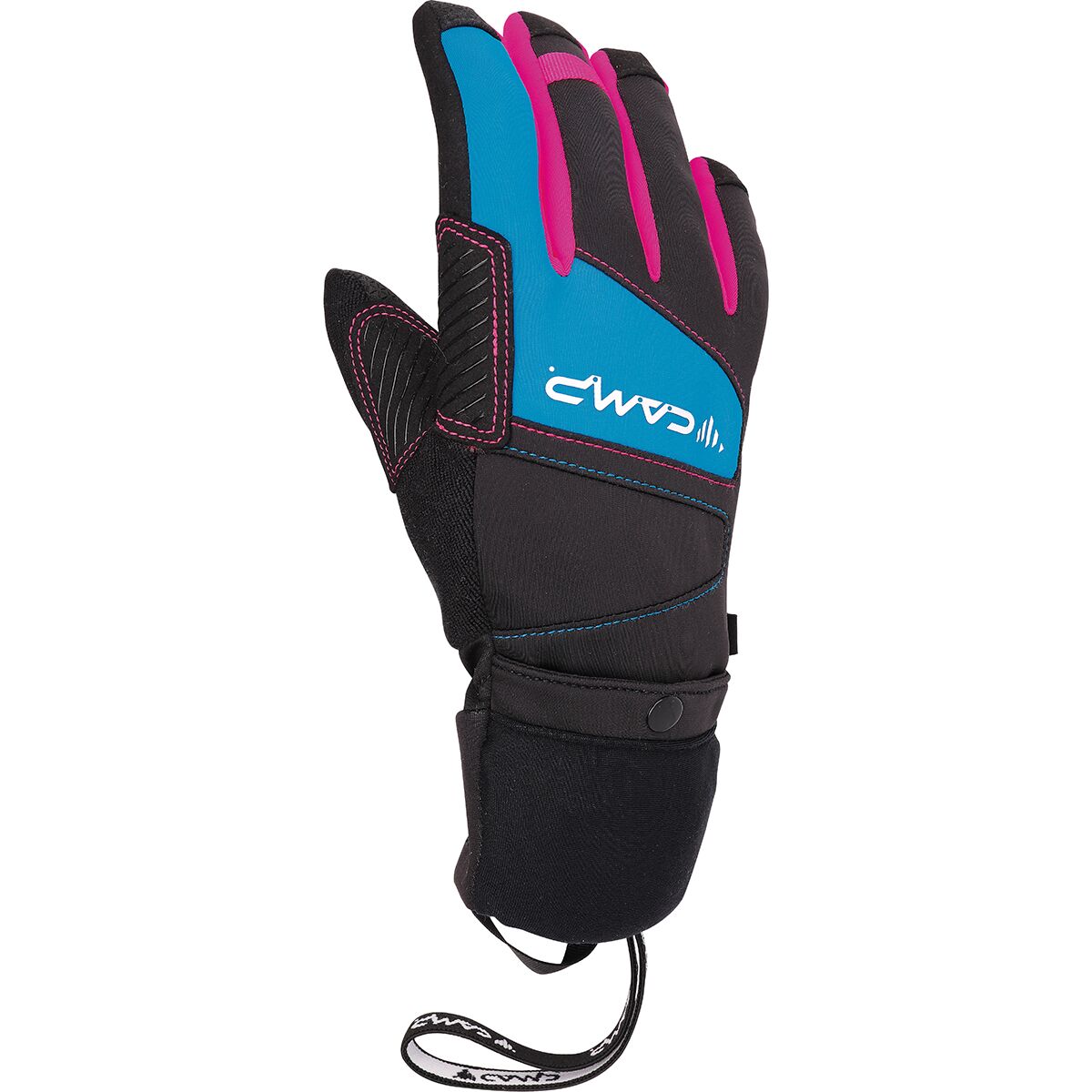
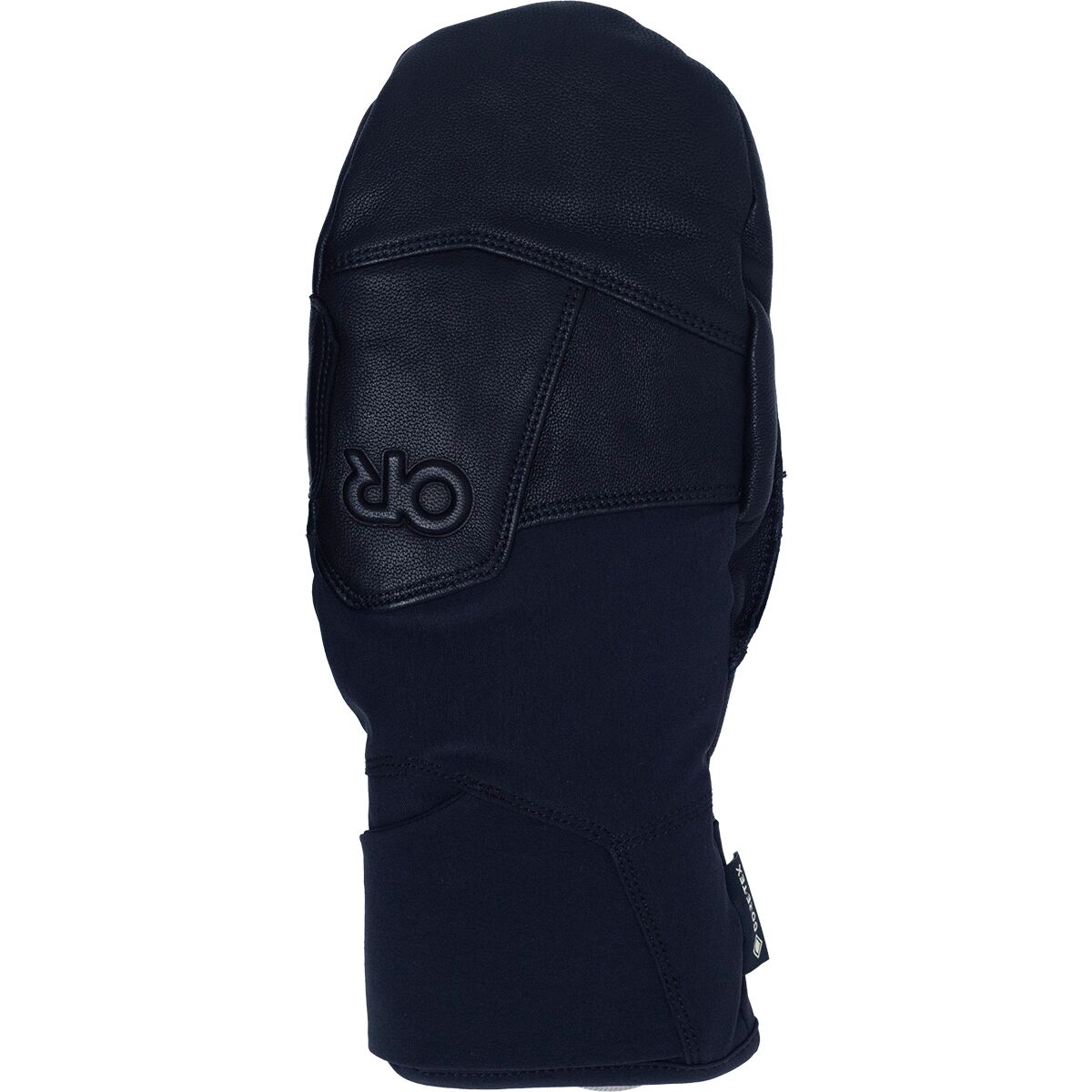
Training peaks are the right place to discover whether your gloves preserve dexterity and whether your glacier eyewear remains comfortable for a full day on snow.
Alpine Hand & Eye Protection
- CAMP USACAMP USA G Comp Warm Glove – Women's$54.97
$99.95Check price at Back Country (opens in a new tab) - Outdoor ResearchOutdoor Research Team GORE-TEX MittenFrom $71.53
$174.95Check price at Back Country (opens in a new tab)
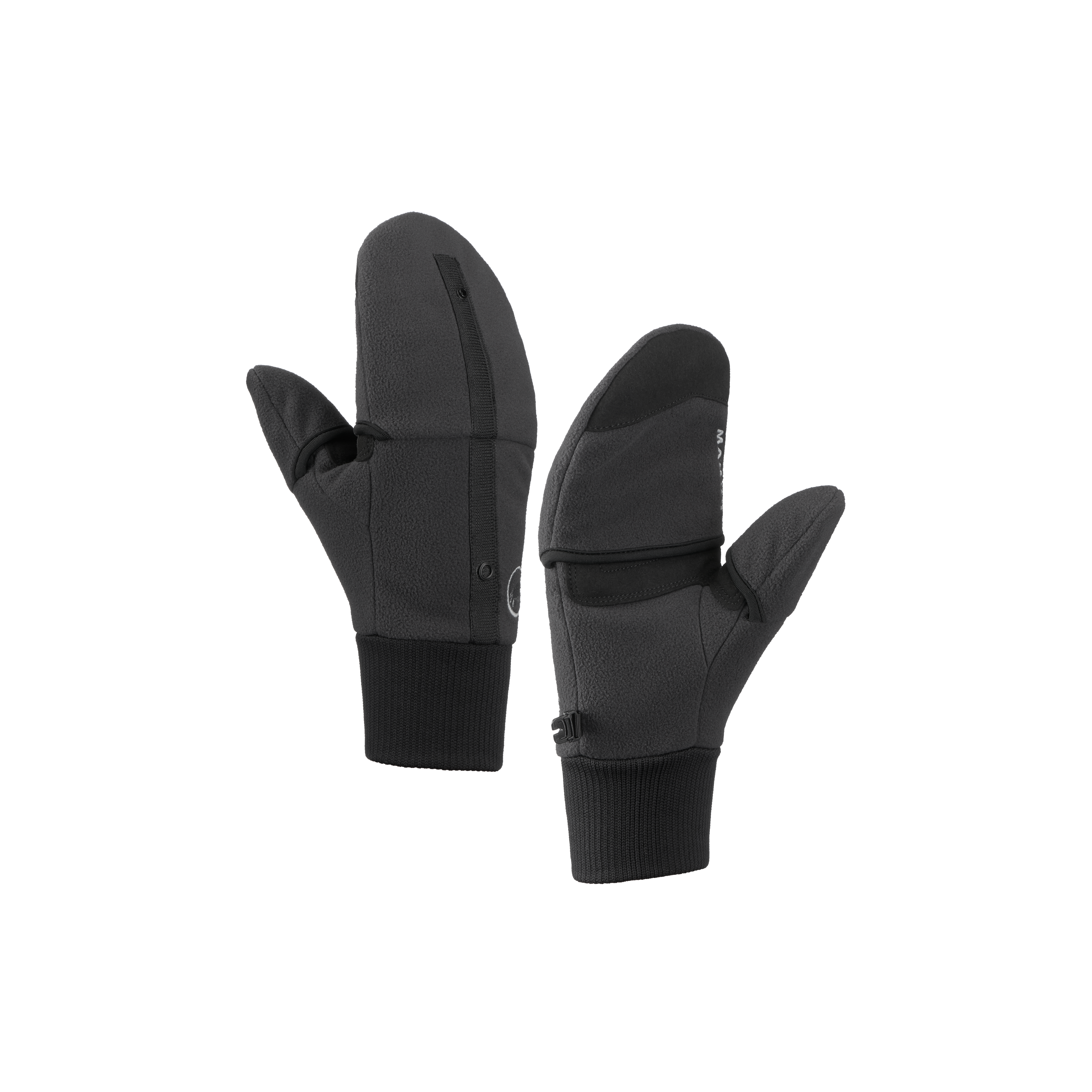
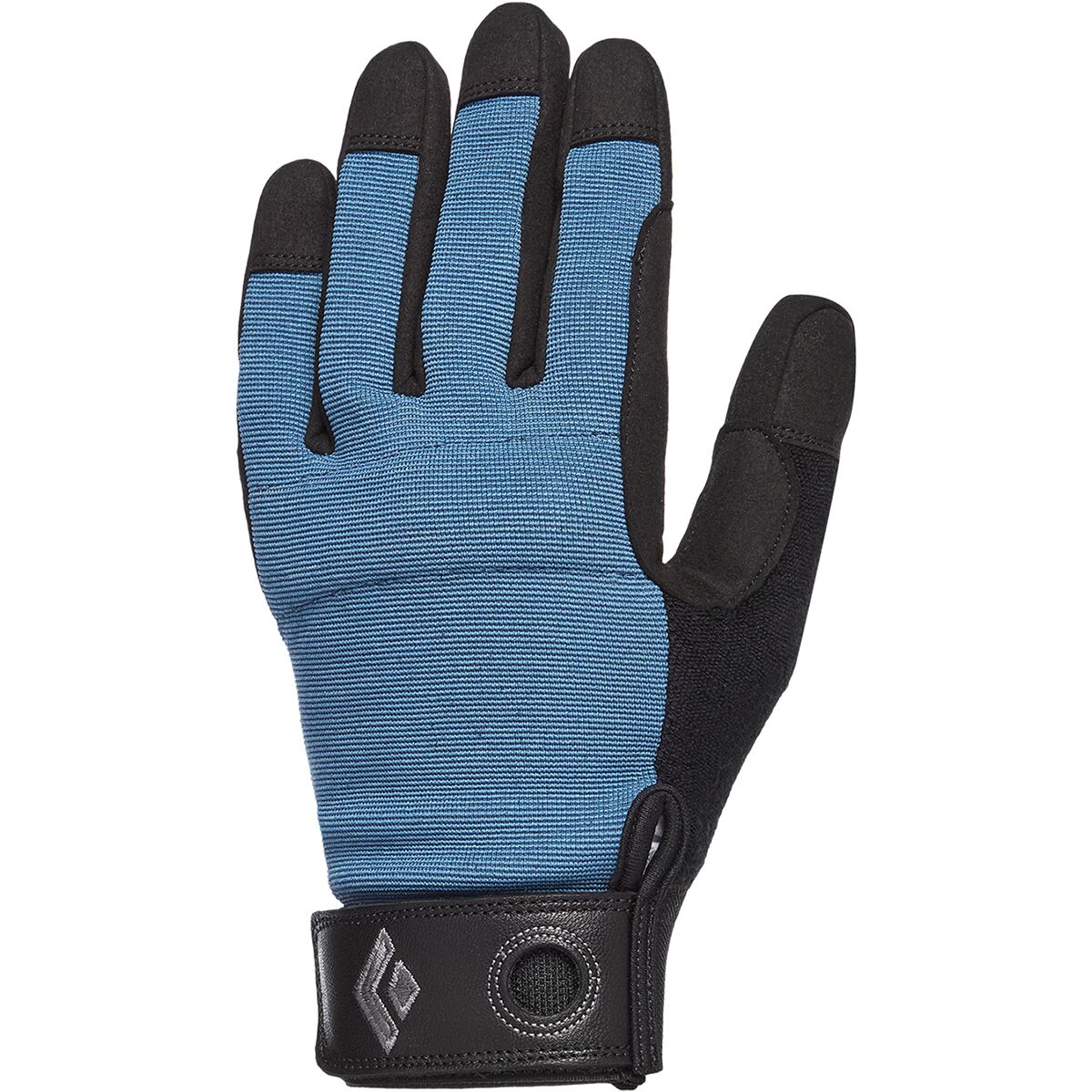
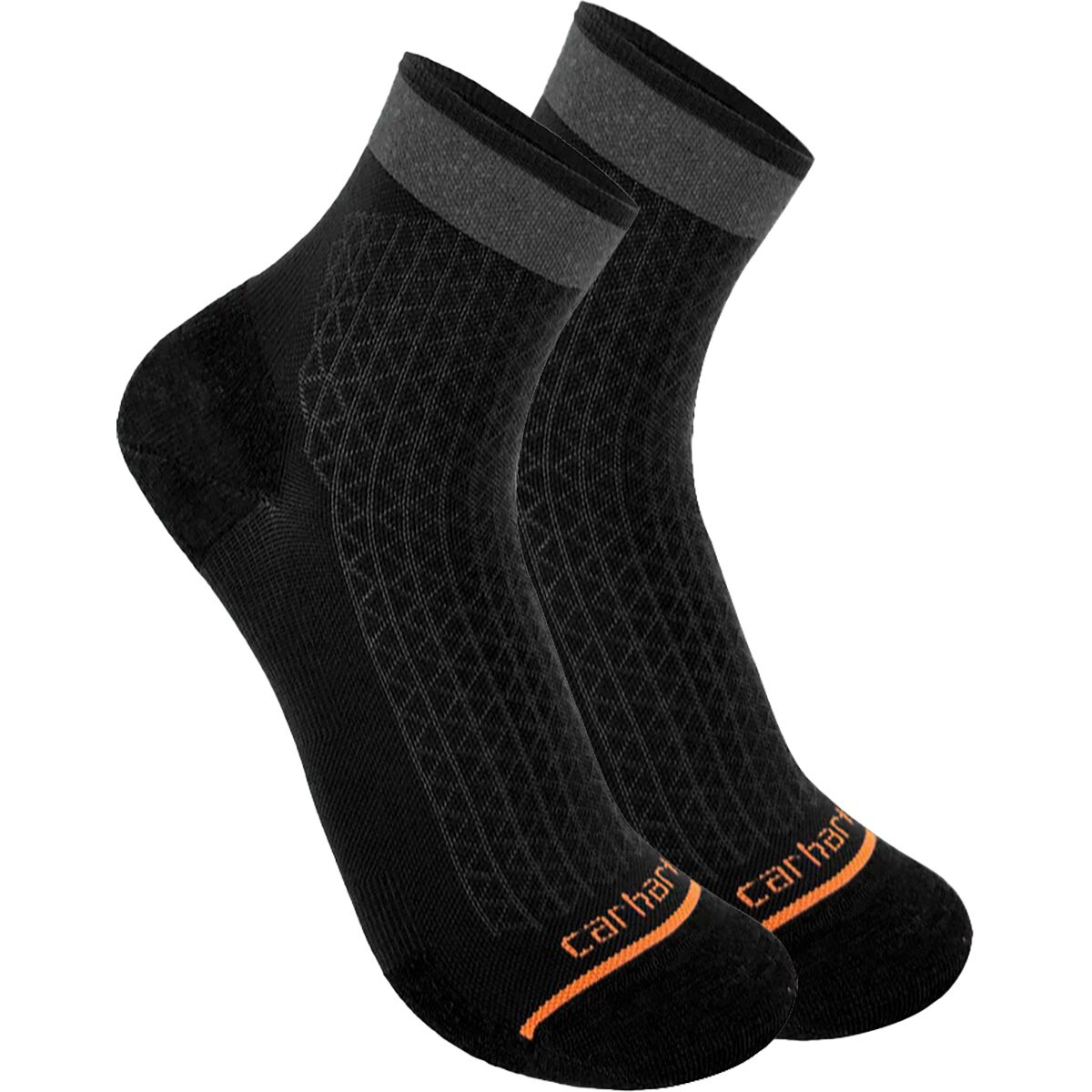
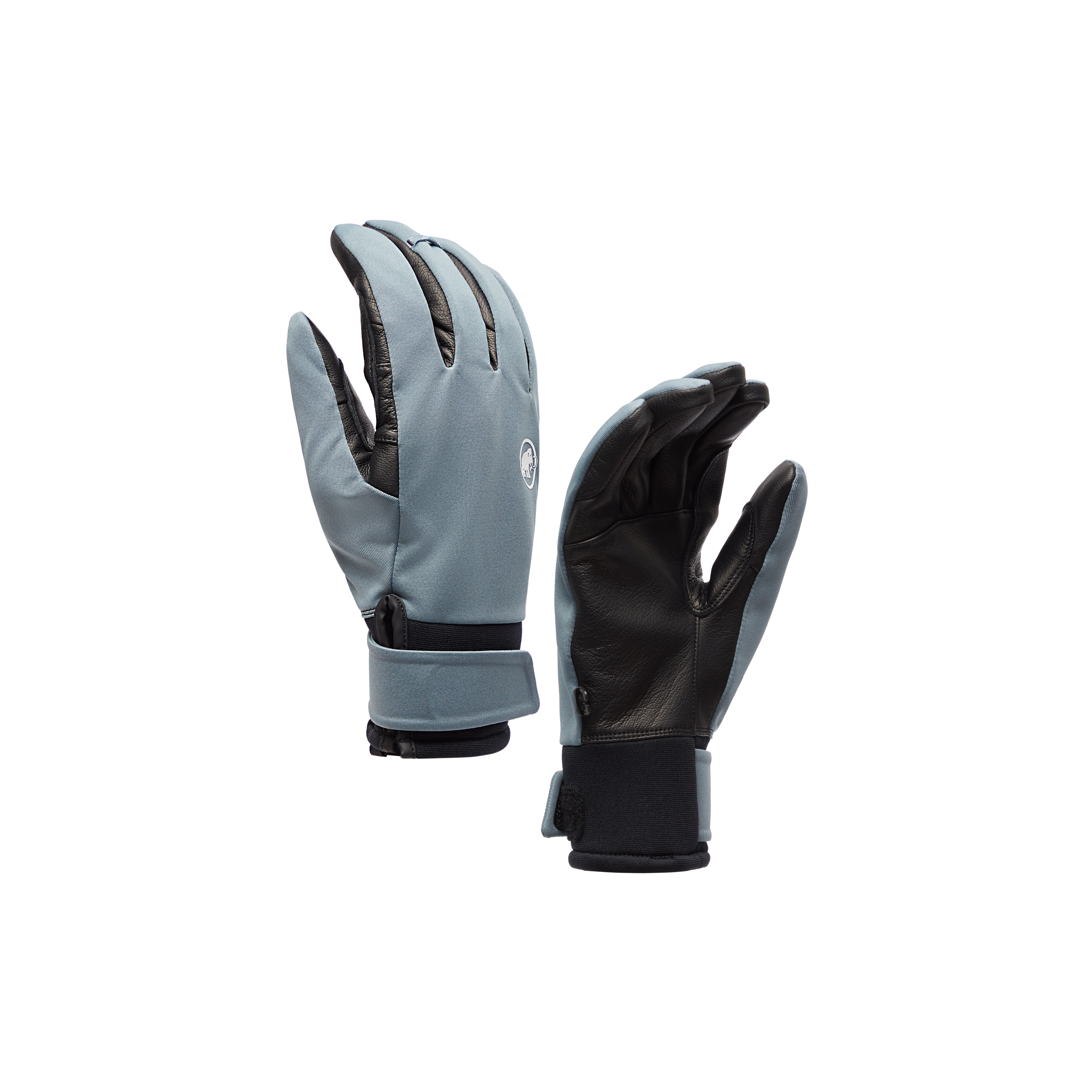
We may earn a commission if you buy through these links, at no extra cost to you. Affiliate disclosure
Build the complete system with the Mont Blanc Gear List .
You Are Ready When the Systems Are Boring
Mont Blanc summit day should add altitude, exposure and consequence—not basic equipment lessons.
Rope-team movement and crevasse awareness are not purely theoretical.
I have evidence about how altitude changes my normal pace and recovery.
I am not planning to learn foot technique on Mont Blanc summit morning.
My descent movement remains controlled after the legs become tired.
Boots, socks, gloves, shell, insulation and eye protection have been tested together.
An early wake-up, poor sleep and fast pre-dawn transition are familiar rather than surprising.
The disappearance of a hiking path does not immediately destroy my confidence.
I know that preparation, money and travel do not override weather or route conditions.
For the complete staged sequence, continue to the Mont Blanc Progression Plan .
Three Climbers Can Need Three Different Preparation Peaks
The mountain does not care whether everyone followed the same internet checklist.
| Your background | Likely missing piece | Useful next objective | Then |
|---|---|---|---|
| Strong hiker, no glacier experience | Technical Alpine movement | Aiguille du Tour or formal glacier / mountaineering course | Gran Paradiso |
| Experienced winter climber, little altitude | 4,000 m response | Breithorn or Allalinhorn | Longer Alpine day, then Mont Blanc block |
| Has climbed Gran Paradiso comfortably | More altitude / repetition | Breithorn, Allalinhorn or Bishorn | Chamonix final validation |
| Strong glacier climber, weak scrambling | Rock / mixed confidence | Aiguilles Crochues, Weissmies route appropriate to ability or equivalent | Mont Blanc-specific acclimatization |
| Several Alpine 4,000ers already completed | Mont Blanc-specific conditions | Chamonix acclimatization day | Goûter attempt if route is appropriate |
| Fit runner with no mountain background | Almost every Alpine system | Course + introductory glacier objective | Do not jump directly to Mont Blanc |
You Do Not Need a Harder Mountain Just to “Earn” Mont Blanc
Preparation should reduce unknowns, not add unnecessary technical risk.
Weisshorn
Its normal East Ridge is a major AD-grade ascent with sustained technical and endurance demands. It belongs later in many Alpine progressions, not on a universal pre-Mont Blanc checklist.
Matterhorn
The Hörnli Ridge demands much more sustained exposed rock and mixed movement. Mont Blanc is normally preparation for Matterhorn more often than Matterhorn is preparation for Mont Blanc.
Eiger classics
Technical Eiger routes solve a completely different problem. They are not required steps for a climber targeting the normal Goûter Route.
Your Preparation Peaks Do Not Need to Be on Mont Blanc
Chamonix, Aosta Valley, Zermatt and Saas-Fee put multiple useful progression objectives within one Alpine region.
Being Ready Does Not Guarantee That Mont Blanc Is Ready for You
Skills and fitness solve only the climber side of the equation.
Hut booking is regulated
FFCAM’s Goûter Route system requires named participant information and proof of the corresponding booking and identity where checks apply.
A reopened route is not a safe route
FFCAM emphasized this explicitly in August 2026 when Tête Rousse and Goûter reopened: administrative reopening does not eliminate mountain risk.
Readiness is necessary, not sufficient
Rockfall, wind, fresh snow, hard ice, heat, hut availability or guide judgment can still move the objective to another day.
For current access, use the Mont Blanc Permits & Logistics Guide .
What to Climb Before Mont Blanc FAQ
Direct answers to the progression questions that matter before you book the summit phase.
What should I climb before Mont Blanc?
For most first-time Alpine climbers, Gran Paradiso is the strongest single preparation peak. Aiguille du Tour is useful earlier for glacier skills; Breithorn or Allalinhorn can add 4,000-meter altitude experience; Bishorn can add longer hut-based endurance.
Is Gran Paradiso good preparation for Mont Blanc?
Yes. Gran Paradiso combines a 4,061-meter summit, glacier travel, crampons, rope-team movement, hut logistics and a sustained summit day while remaining less committing than Mont Blanc.
Is Breithorn good preparation for Mont Blanc?
Yes for altitude, glacier movement and equipment testing. It is not a complete endurance test because lift access removes most of the approach and the normal route is comparatively short.
How many 4,000-meter peaks should I climb before Mont Blanc?
There is no required number. One well-chosen glaciated 4,000-meter ascent may expose more useful information than several easy, lift-assisted summits. Progress by capability rather than peak count.
Can Mont Blanc be my first 4,000-meter mountain?
A well-prepared guided climber can theoretically make Mont Blanc a first 4,000-meter summit, but it is usually a weaker progression choice. A lower-consequence glacier peak first gives you valuable information about altitude, gear, pace and movement.
Is Aiguille du Tour good preparation for Mont Blanc?
Yes, especially for hikers who need their first real crampon, glacier and rope-team experience. Its value is technical learning rather than 4,000-meter altitude.
Is Allalinhorn good preparation for Mont Blanc?
Yes. Allalinhorn can provide efficient glacier movement, sustained crampon use and experience around 4,000 meters. Pair it with longer mountain days if endurance is still untested.
Is Bishorn good preparation for Mont Blanc?
Yes for climbers who need a longer, hut-based 4,000-meter Alpine trip. The standard Bishorn northwest-flank route is normally climbed from Cabane de Tracuit, not Weisshornhütte.
Should I climb Weisshorn before Mont Blanc?
Not as a standard progression requirement. Weisshorn’s normal East Ridge is a major AD-grade technical climb and is considerably more involved than the normal Goûter Route. It belongs in a later technical Alpine progression for many climbers.
What fitness should I have before Mont Blanc?
Current Compagnie des Guides preparation guidance uses the ability to complete roughly 1,500 meters of ascent and descent in around five hours as a useful training benchmark and recommends training with the pack weight used on the program. Your guide may use different standards.
Do I need glacier experience before Mont Blanc?
Yes in practical terms. Guided clients should already be comfortable moving in crampons and as part of a rope team. Independent climbers require substantially more: competent glacier travel, navigation, rescue systems and decision-making.
What should I climb immediately before Mont Blanc?
The final objective should serve as acclimatization and skills confirmation rather than basic instruction. Current Chamonix Guides programs use examples such as Aiguilles Crochues and Pointes Lachenal before entering the Mont Blanc summit phase.
Use This Page to Pick the Peak—Then Move to the Right Owner Page
This internal mesh deliberately separates peak selection, progression, training, acclimatization, route and booking intent.
Why These Peaks Made the List
Named objectives are examples of useful capability tests, not mandatory certifications.
Compagnie des Guides de Chamonix
Current Mont Blanc programs use preparation / acclimatization outings such as Aiguilles Crochues and Pointes Lachenal, followed by guide assessment before the summit phase.
Compagnie des Guides du Mont Blanc
Current course guidance recommends sustained endurance training and uses roughly 1,500 m of ascent and descent in five hours as a preparation benchmark.
FFCAM Mont Blanc Normal Route
Current refuge booking, identification and guarded / unguarded period information for the Goûter normal route.
Swiss Alpine Club
SAC route data confirms the Bishorn normal route from Cabane de Tracuit and places Weisshorn in a substantially more technical class.

Do Not Arrive at Mont Blanc Hoping the Mountain Will Teach You the Basics.
Learn glacier movement lower. Test altitude on a forgiving 4,000er. Prove your endurance on a long Alpine day. Use Chamonix for final acclimatization and confirmation. Then arrive at Mont Blanc with the fundamentals already routine and enough margin left for the problems unique to the mountain itself.
Build the Full Progression Open the Mont Blanc GuideWas this helpful?
🏔Related guides
🧭Explore & compare
Global Summit Guide is an independent mountaineering resource founded in 2026. The team combines first-hand trekking and climbing experience with in-depth research and professional health and nutrition review to help climbers choose objectives, prepare properly, and stay safe.
Health, altitude, and nutrition content is reviewed by Taylor Ludlow (Registered Nurse) and Brigg Hoopes (Nutritionist).
What We Don't Know Yet
Mountain information changes quickly. This box explains the limits of what this page can responsibly promise.
- Visa, passport, vaccination, border, insurance, and local transportation rules may change before your trip.
- Route conditions, snowpack, closures, and weather can change quickly after this page is updated.
- Permit rules, fees, quotas, and reservation windows may change between review cycles.
- Operator availability, pricing, guide ratios, and cancellation terms can change by season.
- Your fitness, altitude response, risk tolerance, and experience level may change what is safe or realistic.
Verify current conditions with official land managers, guide services, local forecasts, and current route reports before booking or climbing.
Mountaineering, rock and ice climbing, glacier travel, and high-altitude activity are inherently dangerous and can result in serious injury or death. The information on Global Summit Guide is provided for general informational and educational purposes only and is not a substitute for professional instruction, qualified guiding, proper equipment, or your own judgment and experience.
Route conditions, weather, snowpack, permits, regulations, and hazards change constantly and may differ from what is described here. Details may be incomplete, out of date, or contain errors. Always verify current information with local authorities, certified guides, and official sources before making any decision in the mountains.
Nothing on this site is medical, legal, or financial advice. Our fitness, acclimatization, altitude, and nutrition content is general in nature; consult a qualified physician before beginning any strenuous exercise program or exposing yourself to high altitude.
You are solely responsible for your own safety and decisions. To the fullest extent permitted by law, Global Summit Guide and its team accept no liability for any loss, injury, damage, or expense arising from use of, or reliance on, this information. By using this site you acknowledge these risks and accept these terms.
Some links on this site may be affiliate links. If you buy through them we may earn a small commission at no extra cost to you; this never affects our recommendations.
Global Summit Guide recommendation path
Next Best Mountain to Research
Use these recommendations to continue the right planning path instead of stopping on one page.
Use current permit, weather, route, and operator information before booking or climbing.