Active Volcanoes in Europe 2026: What’s Erupting Now?
Etna and Stromboli are the two clearest currently eruptive European volcanoes in the latest monitoring checked September 3. Etna’s stronger August ash crisis has eased into a weaker ash-emission phase, while Stromboli continues ordinary persistent explosive activity. Iceland’s Reykjanes/Svartsengi system is accumulating magma but is not currently in a fissure eruption. Campi Flegrei remains at yellow alert without an eruption, and Vesuvius remains quiet at green alert.
Which Volcanoes in Europe Are Erupting Right Now?
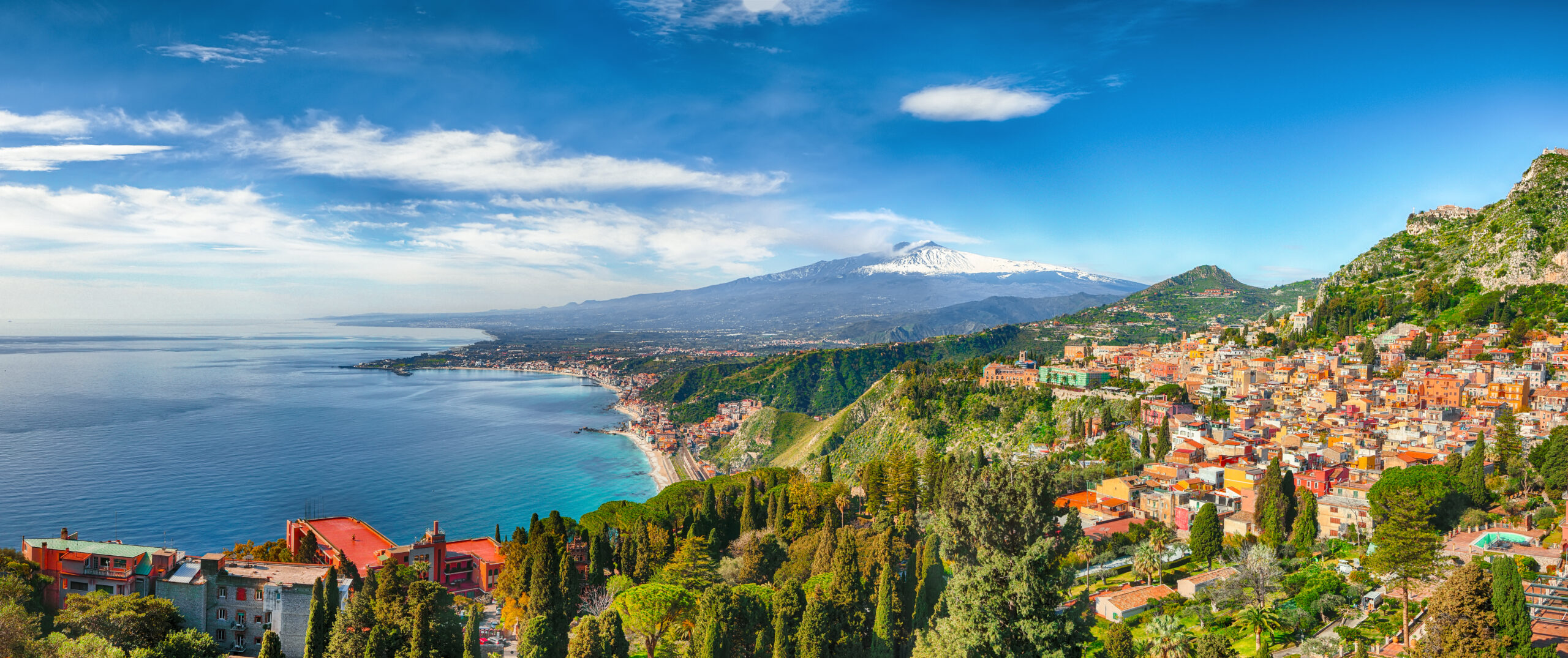
Etna is still in an active eruptive period, but its early-September state is weaker than the major ash-producing phase seen in August. INGV’s latest aviation notice checked here used an ORANGE aviation color code and reported weak ash emission.
Stromboli is also erupting in its normal persistent sense. INGV’s September 1 weekly bulletin reported ordinary Strombolian activity from both crater areas, with a high combined explosion frequency.
Reykjanes/Svartsengi is not erupting in the latest Icelandic Meteorological Office update. Ground uplift and magma accumulation continue beneath Svartsengi, and another intrusion remains possible.
Campi Flegrei is at yellow alert but is not erupting. Vesuvius remains at green alert with monitoring parameters within baseline ranges.
Current European Volcano Status
The status labels distinguish eruption, persistent activity, unrest and quiet monitoring.
Active eruptive episode; latest notices describe weak ash emission and ORANGE aviation code.
Ordinary persistent Strombolian activity at both crater areas.
No current fissure eruption; uplift and magma accumulation continue.
Yellow alert; monitoring above baseline; unrest without eruption.
Green alert; monitoring within baseline; not erupting.
| Volcano | Status | Latest meaningful update | Travel takeaway |
|---|---|---|---|
| Etna | Active eruption | Sep. 1 INGV aviation notice: weak ash emission; ORANGE aviation code. | Check flights and summit-zone access separately. |
| Stromboli | Persistent eruption | Sep. 1 bulletin: ordinary Strombolian explosions, high total frequency. | Follow current legal elevation/access limits. |
| Svartsengi / Reykjanes | Unrest | Slow uplift and magma accumulation; no active fissure eruption in latest IMO update. | Use current hazard maps around Grindavík/Sundhnúkur. |
| Campi Flegrei | Yellow alert | Monitoring above baseline; July included 426 preliminary earthquakes. | Unrest is not an eruption countdown. |
| Vesuvius | Green alert | Monitoring within baseline; July seismicity low. | Visitor access rules are separate from volcanic alert status. |
Etna: Still Active, But Weaker Than the August Crisis
The main correction is to stop describing September 3 as the same “major eruption” state seen in mid-August.
Weak Ash Emission
INGV’s latest aviation notice checked for this page was issued September 1 and reported weak ash emission with aviation color ORANGE. Summit thermal activity in the preceding week was moderate at times, with the latest thermal flux back at a low level by September 1.
Best wording now: active eruptive episode with weak ash emissions.
Airport Status and Mountain Access Are Different
August showed how quickly Etna can disrupt aviation. A quieter period does not guarantee tomorrow’s flight or summit access. Check INGV, the airline/airport and local Etna access independently.
Open Mount Etna guide →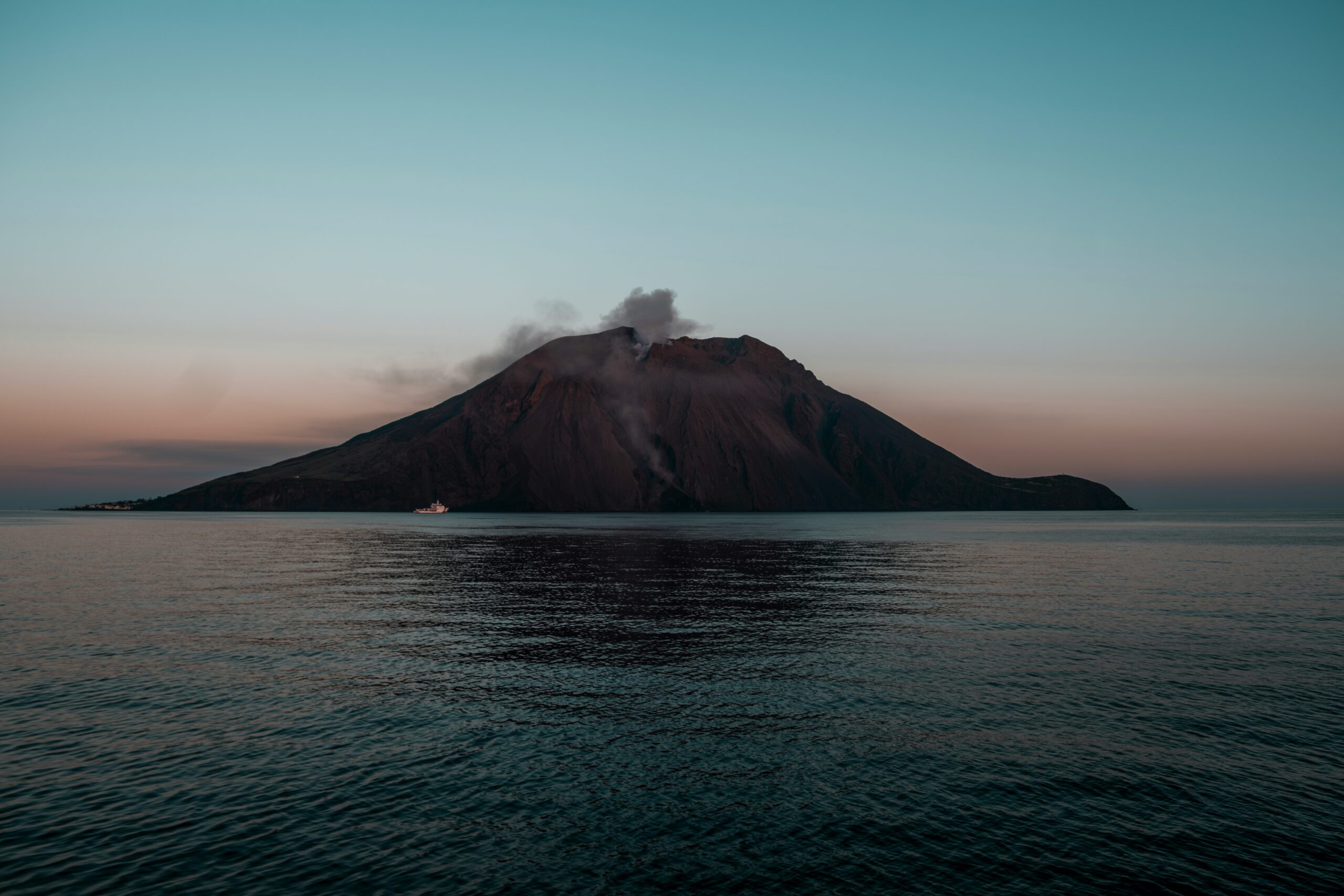
Stromboli’s Ordinary State Includes Explosions.
It can be in its normal eruptive pattern and still produce stronger-than-normal events with little warning. Access rules are part of the hazard system.
Stromboli: Ordinary Strombolian Eruptions Continue
Repeated explosions are part of Stromboli’s long-running baseline.
Both Crater Areas Were Active
- Ordinary Strombolian activity at North and Center-South crater areas.
- Total explosion frequency: high.
- Explosion intensity: generally medium to medium-high.
- Satellite thermal activity: generally low to moderate.
Persistent Activity Can Escalate
INGV’s expected scenarios include continuing Strombolian explosions and possible lava overflow along the Sciara del Fuoco. Stronger-than-ordinary explosions cannot be excluded.
An old trail itinerary does not establish today’s legal access height.
Reykjanes / Svartsengi: Unrest Without a Current Fissure Eruption
The volcanic episode continues, but that does not mean lava is erupting today.
Uplift and Magma Accumulation Continue
On August 18, the Icelandic Meteorological Office reported slow, steady uplift and continuing magma accumulation beneath Svartsengi. Its model estimate was about 29.1 million cubic meters accumulated since the last eruption began in July 2025.
Another Dike Intrusion Remains Possible
IMO says continued accumulation followed by a new intrusion toward the Sundhnúkur crater row remains the most likely scenario and could lead to another eruption. Previous events sometimes gave only about 20 minutes to just over four hours of warning.
Campi Flegrei Can Be Yellow Alert Without Lava or Ash Erupting.
Earthquakes, ground uplift and hydrothermal changes matter. They do not provide a reliable countdown clock.
Campi Flegrei: Yellow Alert, No Current Eruption
Monitoring Above Baseline
INGV lists Campi Flegrei at yellow alert, corresponding to medium disequilibrium with monitored parameters above baseline. The current state is volcanic unrest and bradyseism, not eruption.
426 Preliminary Earthquakes
The latest monthly summary reports 426 preliminary earthquakes during July. The maximum magnitude was 4.7±0.3, described by INGV as the highest-energy Campi Flegrei event in the instrumental record.
Vesuvius Remains at Green Alert
Monitoring Within Baseline
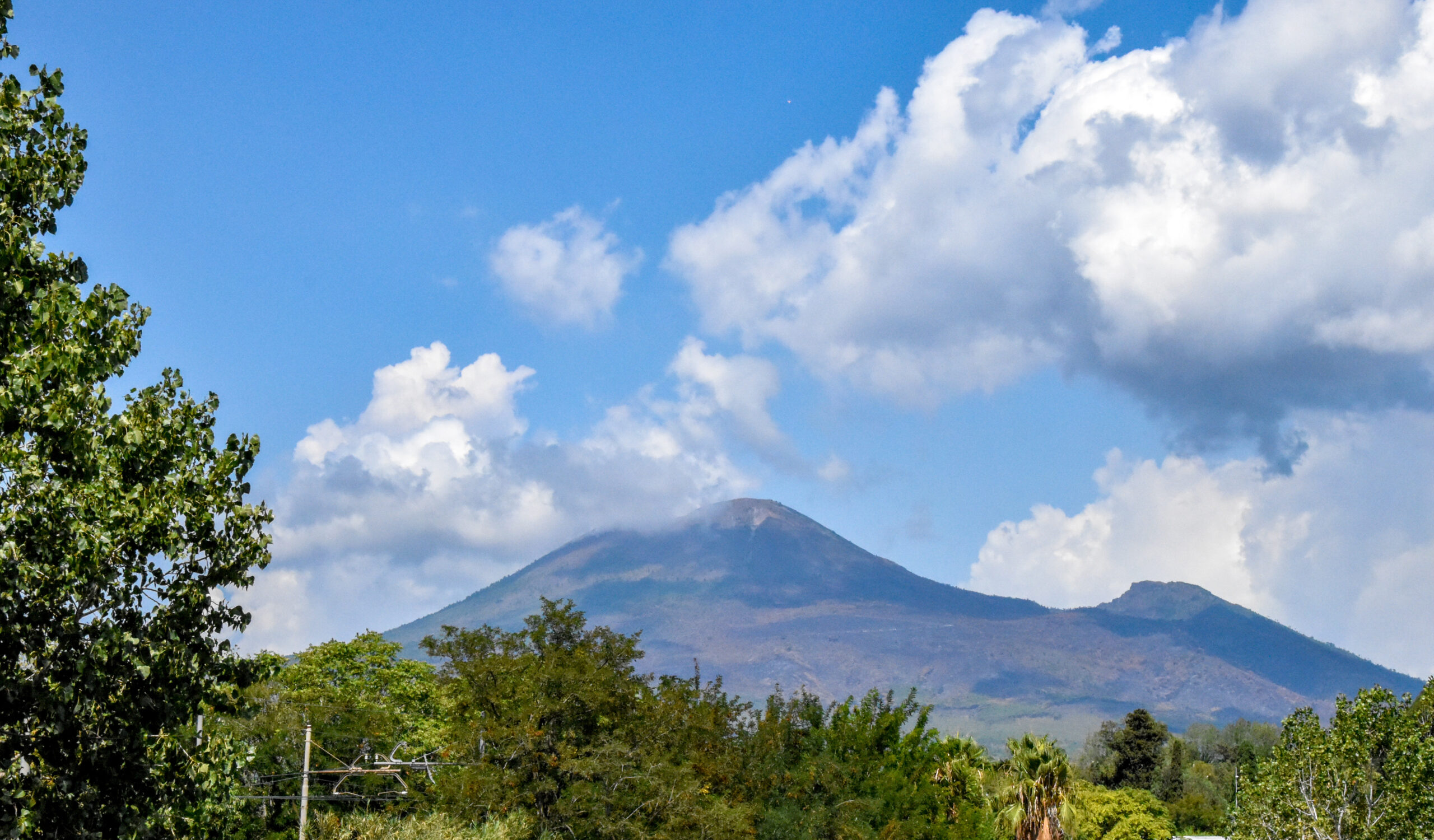
INGV currently lists Vesuvius at green alert. July seismicity remained low, and the monitoring networks did not identify deformation attributable to magmatic sources.
Quiet Is Not Extinct
Vesuvius last erupted in 1944. It remains an active geological system under continuous monitoring even though it is not erupting today.
Plan a Vesuvius visit →Active Does Not Mean Erupting Today
| Term | Meaning | Example here |
|---|---|---|
| Active | Capable of future eruption based on geology and eruptive history. | Etna, Stromboli, Vesuvius, Campi Flegrei. |
| Erupting | Explosions, ash, lava or other current eruptive phenomena. | Etna and Stromboli in the current review. |
| Unrest | Earthquakes, uplift, gas or other monitored parameters above normal without a confirmed eruption. | Campi Flegrei and Svartsengi/Reykjanes. |
| Quiet / quiescent | No current eruption; parameters may be near baseline. | Vesuvius. |
What the Status Means for a Visitor
| Situation | Check | Do not assume |
|---|---|---|
| Etna ash activity | INGV VONA + airline/airport + local summit access. | An open airport means summit access is open. |
| Stromboli explosions | INGV + current municipal/Civil Protection hiking rules. | “Ordinary” activity means zero risk. |
| Campi Flegrei yellow alert | INGV + Italian Civil Protection. | Yellow means eruption is imminent. |
| Reykjanes magma accumulation | IMO hazard map + Icelandic Civil Protection / roads. | The entire country has the same hazard status. |
| Vesuvius green alert | INGV + park access/ticket rules. | Green means the volcano is extinct. |
Where to Check Live European Volcano Status
INGV Osservatorio Etneo
Activity bulletins, thermal monitoring and aviation notices.
Open INGV-OE →INGV Osservatorio Vesuviano
Campi Flegrei and Vesuvius alert levels, seismicity and deformation.
Open INGV-OV →Icelandic Meteorological Office
Hazard assessments, ground deformation, seismicity and eruption updates.
Open IMO →Smithsonian Global Volcanism Program
Long-term eruption history and global context; use local agencies for immediate access decisions.
Open GVP →Current Eruption Status Is Only One Part of the Climbing Decision
Difficulty, permits, guides, route access and season deserve their own planning.
12 Active Volcanoes in Europe You Can Climb
Compare Etna, Vesuvius, Stromboli, Teide and Icelandic volcanic objectives by access and difficulty.
Compare volcano hikes →SicilyMount Etna Climbing Guide
Routes, guides, altitude and current access planning.
Open Etna →NaplesMount Vesuvius Hike
Gran Cono trail, tickets and visitor logistics.
Open Vesuvius →Deep recoveryMountain Weather
Wind, cloud and temperature can change hiking viability even without a volcanic-status change.
Read weather guide →Deep recoveryTopographic Map Skills
Useful when closures or access changes alter the planned route.
Build navigation skill →Deep recoveryMountain Accident Lessons
Changing conditions and closures are decision inputs, not obstacles to bypass.
Review accident lessons →Active Volcanoes in Europe FAQ
Which volcanoes in Europe are erupting right now?
Etna remains in an active eruptive episode with recent weak ash emissions, while Stromboli continues ordinary persistent Strombolian activity. Reykjanes/Svartsengi, Campi Flegrei and Vesuvius are not currently erupting in the latest official status checked.
Is Etna erupting now?
Yes, but the current early-September activity is weaker than the major August ash phase. INGV’s September 1 aviation notice reported weak ash emission with ORANGE aviation color.
Is Stromboli erupting?
Yes. INGV’s September 1 bulletin reported ordinary Strombolian eruptive activity from both crater areas, with high combined explosion frequency.
Is Iceland erupting right now?
The Reykjanes/Svartsengi system was not in an active fissure eruption in the latest IMO update checked. Magma accumulation and uplift continue.
Is Campi Flegrei erupting?
No. Campi Flegrei is at yellow alert with monitoring parameters above baseline, but it is in unrest rather than eruption.
Is Vesuvius active right now?
Vesuvius is active geologically but not erupting. INGV lists it at green alert with monitoring parameters within baseline ranges.
Does an ORANGE aviation code mean Etna hiking is closed?
Not automatically. Aviation status, airport operations and mountain access are separate decisions. Check each independently.
How often should I recheck a volcano before traveling?
Check while planning, again before departure and the same day before entering an immediate volcanic hazard area. Ash, gas, lava, earthquakes and access closures can change within hours.
Europe Has Eruptions, Unrest and Quiet Active Volcanoes at the Same Time.
Etna and Stromboli are currently eruptive in different ways. Svartsengi is accumulating magma without a current fissure eruption. Campi Flegrei remains yellow-alert unrest. Vesuvius remains green. The useful question is not simply “is this volcano active?” but “what is the official status today, and what does that status allow me to do?”
Climb these European volcanoes
Full route, permit, season, and safety guides for the peaks in this collection.