

Thru-Hiking Gear List: The Ultralight Essentials
A strong thru-hiking gear list is not the lightest collection of equipment you can buy. It is the lightest complete system you know how to use in the conditions you are likely to encounter. Build for shelter, sleep, weather, water and navigation first. Then remove duplication and unnecessary weight.
Start With the Big Three—But Do Not Let a Scale Make Safety Decisions.
The largest opportunities to reduce backpack weight usually come from your shelter, sleep system and backpack. After those systems are appropriate for the trail, examine clothing, cooking, electronics and miscellaneous items for unnecessary duplication.
A base weight under 10 pounds is commonly described as ultralight and under 20 pounds as lightweight, but neither number is an official standard. A 12-pound system that handles the expected weather is better than a 9-pound system that leaves you cold, wet or dependent on conditions remaining perfect.
Carry what the route, weather and your experience require. Remove what does not solve a real problem. Test the final system overnight before asking it to work for weeks or months.
Base weight normally excludes food, water and stove fuel. Those consumables can substantially increase the weight on your back when leaving a long resupply or dry section.
Thru-Hiking Gear List: What Actually Goes in the Pack
Treat this as a systems checklist rather than a mandatory shopping list. Specific pieces change with climate, season, trail rules and hiking style.
Backpack
- Backpack sized for your actual gear volume
- Pack liner or waterproof internal protection
- Optional removable hip-belt or shoulder pockets
- Repair method for buckles, straps or tears
Camp Protection
- Tent, tarp, hammock or other appropriate shelter
- Stakes appropriate for expected ground
- Guylines if required
- Groundsheet if your shelter system needs one
Night System
- Sleeping bag or quilt
- Insulated sleeping pad
- Dry sleeping layers where conditions justify them
- Stuff sack or waterproof protection
Weather Layers
- Hiking shirt and bottom
- Insulating layer
- Rain shell
- Warm hat and gloves as conditions require
- Extra socks
- Sun protection
Hydration System
- Water bottles or reservoir
- Capacity for the longest expected dry section
- Filter, chemical treatment or other treatment method
- Backup treatment where consequence justifies it
Cooking & Storage
- Food storage appropriate to trail rules
- Stove and fuel if using a cooked-food system
- Pot or mug if required
- Spoon or utensil
- Small food and odor-management bags
Route Information
- Current map or trail-navigation app
- Offline maps downloaded before service disappears
- Backup appropriate to the route
- Current trail alerts and closure information
Power & Communication
- Phone
- Charging cable and wall adapter
- Battery bank
- Headlamp
- Satellite communicator where appropriate
Repair, Hygiene & First Aid
- Personal medications
- Blister and foot-care supplies
- Small first-aid kit
- Gear repair materials
- Toiletries and sanitation supplies
- Identification, permits and payment method
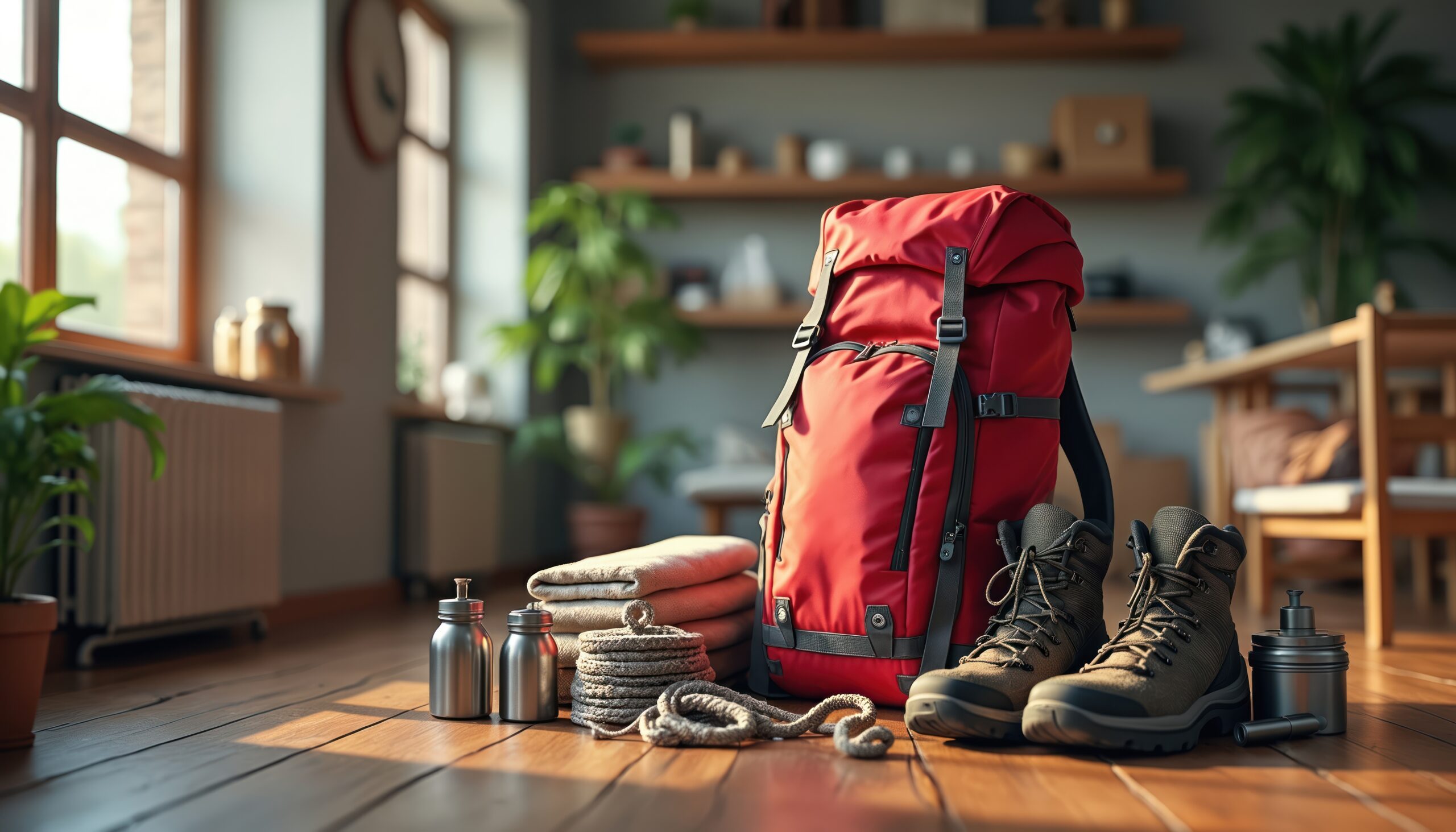
Do Not Buy a Lightweight Backpack Before You Know What It Must Carry.
Shelter volume, insulation, food carries, water capacity and required safety equipment determine whether a lightly structured pack actually works. Build the system first. Choose the backpack after you know the volume and load it must support.
Build a Weight Budget Before You Chase an Ultralight Number
The ranges below are planning examples rather than standards. The goal is to show where weight usually accumulates and where reducing it has the most impact.
| System | Illustrative lightweight range | Where weight often hides | What not to compromise |
|---|---|---|---|
| Backpack | 28–40 oz | Heavy frames, excess capacity, duplicate accessories | Comfort under your real maximum load |
| Shelter | 24–40 oz | Oversized tents, heavy poles, unnecessary footprints | Weather and bug protection required by the trail |
| Bag / quilt | 22–32 oz | Extra insulation beyond likely conditions | Enough warmth for realistic overnight temperatures |
| Sleeping pad | 12–20 oz | Oversized or unusually thick pads | Insulation and enough comfort to recover |
| Kitchen | 8–16 oz | Large pots, multiple cups, redundant utensils | A system that works with fuel rules and conditions |
| Water system | 5–12 oz | Heavy reservoirs and unnecessary spare containers | Capacity for the longest reliable water gap |
| Carried clothing | 24–40 oz | Duplicate shirts, pants and camp clothes | Rain, cold, wind and sun protection |
| Electronics | 12–24 oz | Oversized power banks, duplicate chargers and cables | Navigation, communication and dependable lighting |
| First aid / hygiene / repair | 12–20 oz | Full-size toiletries and oversized kits | Personal medications and realistic repair capability |
The Big Three: Backpack, Shelter and Sleep System
These categories normally offer the largest weight reductions without forcing you to count individual grams of toothpaste or cut toothbrushes in half.
Volume First, Pack Second
Choose a backpack after the rest of the core system is established. Small ultralight packs work beautifully when the gear is compact and the maximum load remains within the pack’s comfortable range.
Long water carries, bear canisters, winter insulation or unusually long resupplies may justify more structure and capacity.
Weight Is Only One Shelter Variable
Consider storm protection, condensation management, insect pressure, campsite size, setup complexity and whether the shelter depends on trekking poles.
A tent that saves eight ounces but consistently gives you poor sleep or requires ideal campsites may be a bad long-distance trade.
Recovery Is Performance Gear
Your sleeping bag or quilt and pad work together. Temperature rating, pad insulation, shelter, sleep clothing and personal cold tolerance all affect the result.
Saving weight here makes sense only when you still sleep well enough to recover for the next day.
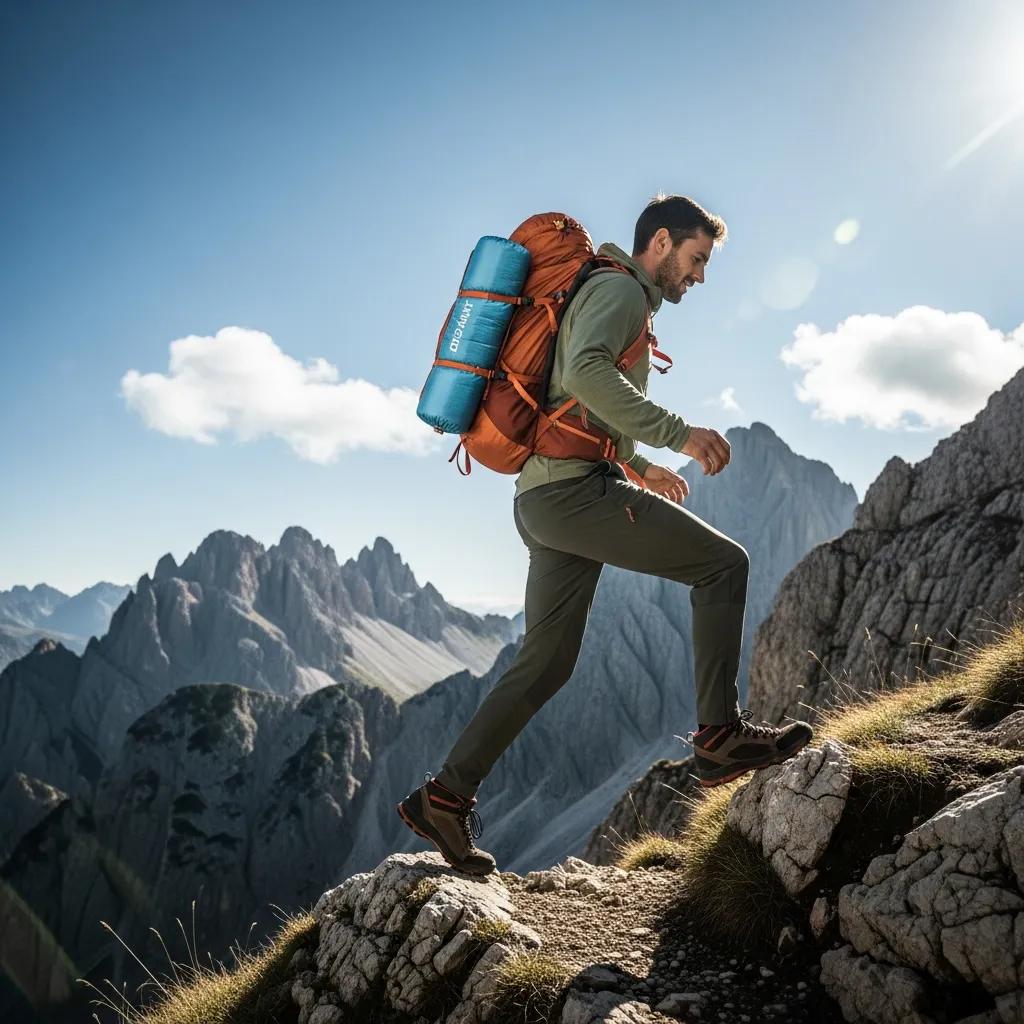
Choose the Sleep System as One Unit.
A warm bag over an inadequately insulated pad can still leave you cold. A highly insulated pad does not compensate for a bag or quilt that is inadequate for the temperature.
Quilts can reduce weight because they remove much of the compressed insulation beneath the sleeper, but they require a good pad and a draft-management system that works for you.
Sleeping bags provide a more enclosed system that some hikers prefer in colder or draftier conditions. Neither design is automatically the correct choice for every long trail.
Carry Functions, Not Outfits.
Long-distance hikers often wear nearly the same hiking clothing for days. The carried layers should solve weather and recovery problems rather than provide a fresh outfit for each day.
Daily Layer
Shirt and shorts, pants or skirt appropriate to sun, insects, temperature and personal preference.
Warmth Layer
Fleece, synthetic or down insulation selected around expected camp temperatures and wet-weather exposure.
Rain Protection
Rain shell or trail-appropriate waterproof system that remains available even when the forecast looks favorable.
Hands, Head & Feet
Socks, warm hat, sun hat and gloves as conditions require. Small pieces can provide disproportionate warmth.
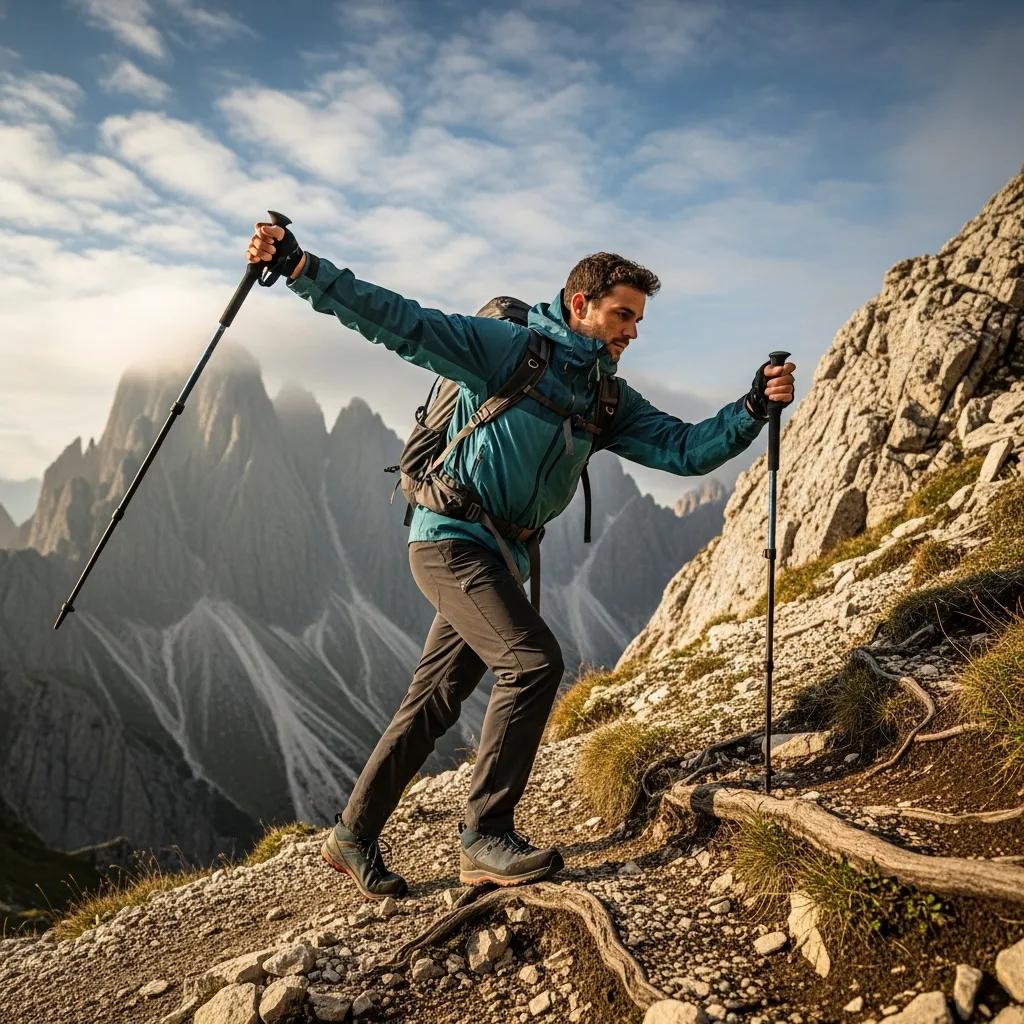
The Best Weight Savings Often Come From One Item Doing Two Jobs.
Trekking poles can support hiking and serve as poles for some shelters. A buff can provide sun protection, warmth and sweat management. The cleanest ultralight systems remove duplication before they sacrifice weather protection.
You Carry Footwear Differently Than You Carry a Backpack.
Long-distance hiking turns tiny fit problems into repeated friction. Comfort over thousands of steps matters more than whether your footwear looks like what another thru-hiker uses.
Trail Runners vs Hiking Boots
Many long-distance hikers prefer lighter trail-running shoes because they flex naturally, dry quickly and reduce weight on the feet. Boots can still make sense for hikers who prefer greater structure or for particular terrain, weather and load combinations.
The key question is not which category wins. It is whether the exact footwear works for your feet over repeated long days.
Useful Beyond Balance
Poles can support rhythm on climbs, stability on rough trail and confidence during descents. Some ultralight shelters also use trekking poles instead of dedicated tent poles.
Compare trekking poles →Capacity Should Expand and Contract With the Trail.
Water is one of the heaviest things you will carry. That makes accurate source information more valuable than buying an unusually light bottle.
Filter or Treat
Choose a water-treatment method appropriate for the source quality, expected temperatures, trail environment and your ability to maintain the system.
Plan the Longest Gap
Carry enough capacity for the longest realistic distance between reliable sources—not merely the average distance on the trail.
Failure Matters More When Remote
Chemical treatment or another lightweight backup may be worth carrying where a broken filter would create a serious problem.
A Stove Is Optional. Food Storage Rules Are Not.
Cooking style is personal. Food-storage requirements are determined by the land you are traveling through and may change along one trail.
Stove + Pot
Useful for hot meals, cold mornings and hikers who value a predictable dinner routine. Fuel availability and fire restrictions matter.
Less Gear, Different Food
Eliminating stove, fuel and pot can reduce weight and simplify camp, but it limits food choices and may be less appealing in cold weather.
Follow the Local Rule
Bear-resistant containers, hangs, lockers or other food-storage methods may be required in particular areas. Verify current rules for every regulated section.
Every Electronic Item Adds Two More Questions: Power and Failure.
Phones can combine camera, maps, guidebook, communication and town information. That efficiency is valuable—but it also concentrates many functions into one vulnerable device.
Primary Digital Tool
Download maps and important trip information before leaving reliable service.
Match Town Spacing
Battery-bank capacity should reflect charging opportunities, navigation use and other electronics.
Keep Lighting Independent
A small dedicated light keeps your phone battery from becoming your only nighttime light source.
Remote Communication
A satellite communicator can add value where cell coverage is unreliable and outside assistance may be far away.
First Aid, Repair and Hygiene Should Be Small—not Imaginary.
Ultralight hikers often reduce these systems aggressively. The goal should be a compact kit matched to realistic trail problems, not zero capability.
Build Around Problems You Can Actually Manage.
Personal medications come first. Add a compact set of supplies for foot problems, small wounds and common issues you know how to address. Training and evacuation judgment matter more than carrying a miniature hospital.
Repair What Would Otherwise End the Section.
A small amount of tape, cordage, patch material, needle and thread or equipment-specific repair supplies can be more useful than carrying backups of entire pieces of gear.
Carry Small Quantities and Resupply Them.
Tooth care, hand cleaning, toileting, sunscreen and other consumables can be carried in quantities appropriate to the next section rather than in full retail packaging.
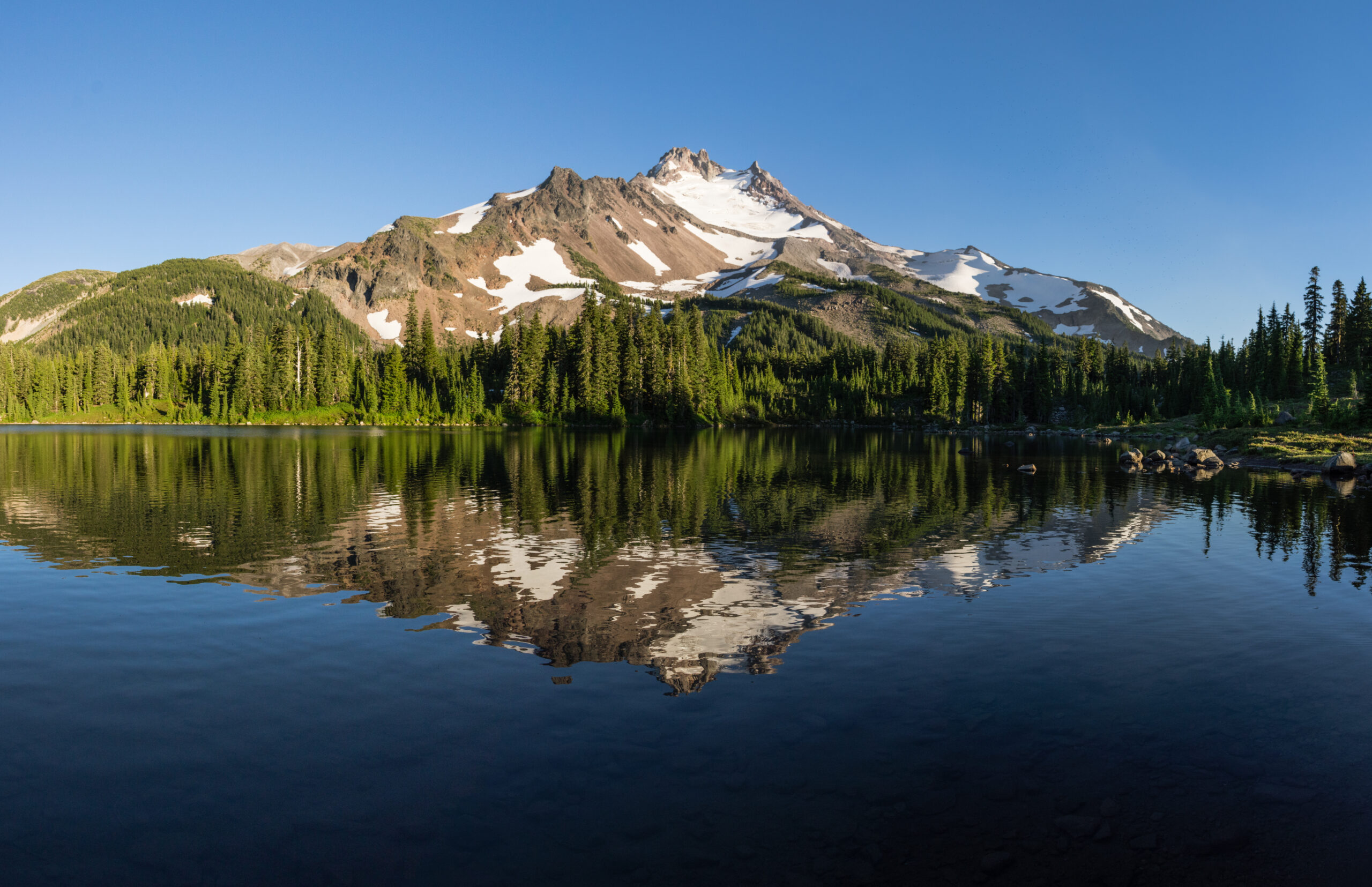
The Same Gear List Should Not Cross Every Long Trail Unchanged.
Desert water capacity, lingering mountain snow, humid Appalachian rain, insects, wildfire, shoulder-season cold and food-storage regulations can all change what belongs in the pack.
The Triple Crown Shows Why Gear Must Change With the Trail
The Appalachian Trail, Pacific Crest Trail and Continental Divide Trail are all thru-hikes, but their climate, water, elevation and remoteness create very different gear decisions.
Desert water capacity, sun exposure, Sierra snow and changing seasonal conditions can all alter the gear system.
Greater route variation and long remote sections increase the value of navigation, communication and repair resilience.
Wet-weather systems, foot care and moisture management can matter more than desert-style water capacity.
What Should You Actually Remove From a Heavy Pack?
The best first cuts usually come from redundancy and oversized systems, not emergency protection.
| Start here | Why it works | Be careful with |
|---|---|---|
| Duplicate clothing | Long trails rarely require a fresh hiking outfit each day. | Removing necessary insulation or rain protection. |
| Oversized backpack | Smaller-volume systems discourage filling unused space. | Moving to a frameless pack before your load is light enough. |
| Heavy shelter | One replacement can remove substantial weight. | Choosing a shelter inappropriate for expected weather. |
| Heavy sleep system | Modern quilts, bags and pads can provide strong warmth-to-weight. | Ignoring cold sleepers, pad insulation or shoulder seasons. |
| Full-size toiletries | Consumables can be repackaged and resupplied in small quantities. | Running out between resupply points. |
| Fear-based extras | Shakedown trips reveal what is actually useful. | Removing equipment required by actual hazards rather than anxiety. |
Your First Overnight Is Part of the Gear Selection Process.
Pack the exact shelter, sleep system, layers, water treatment, electronics and cooking setup you intend to use. Then camp close enough to home or a vehicle that mistakes remain low consequence.
Notice what you never used, what you could not find quickly, what became wet, what made sleeping difficult and what seemed fragile. Repeat the process in less pleasant weather before committing the system to a remote trail.
The best ultralight equipment list is usually discovered through use—not completed in one online shopping session.

Use Trail Organizations for the Rules That Can Change.
Gear preferences are personal. Required storage methods, fire rules, closures and trail-specific safety information should come from current official sources.
Thru-Hiking Gear List FAQ
Use these answers as a framework, then adapt the actual equipment to the route, month and current trail conditions.
What gear do you need for a thru-hike?
A complete system normally includes a backpack, shelter, sleep system, clothing, weather protection, water storage and treatment, food storage, cooking gear if used, navigation, lighting, electronics, hygiene, first aid and repair supplies. Trail-specific items are added for conditions such as snow, insects, desert water carries or regulated food storage.
What is a good base weight for thru-hiking?
There is no official ideal number. Under 10 pounds is commonly called ultralight and under 20 pounds lightweight, but those categories are descriptive rather than safety standards. Your system still needs to handle expected conditions.
What does base weight mean?
Base weight is generally the backpack plus non-consumable equipment. Food, water and fuel are excluded because their weight changes between resupplies and as they are consumed.
Do thru-hikers need a tent?
Most long-distance hikers should carry an independent shelter system appropriate to the trail even when shelters, huts or other lodging exist. Availability, crowding and itinerary changes can make those facilities unavailable.
Should thru-hikers use boots or trail runners?
Both can work. Many long-distance hikers favor lighter footwear, but fit, foot mechanics, terrain, load, weather and personal experience should decide the choice. Test the exact footwear repeatedly before the hike.
Do you need a stove for thru-hiking?
No. Some hikers cook every day and others use no-cook systems. Consider food preference, expected temperatures, resupply options, fuel availability and current fire restrictions.
How much water capacity do thru-hikers need?
Enough for the longest realistic gap between reliable sources under current conditions. Capacity may expand for dry sections and remain mostly unused through wet sections.
Should a beginner try to reach an ultralight base weight?
A beginner should first build a complete, weather-capable and tested backpacking system. Then reduce unnecessary weight through shakedown trips, removing duplication and replacing unusually heavy items.
Gear Is One System Inside a Much Larger Journey.
Once the equipment works, connect it to the trail, season, resupply, weather and transportation plan. Use the links below to move directly into the next planning question.

Carry Less Because You Understand More.
Ultralight backpacking works best when weight disappears through experience: fewer duplicates, a better-matched shelter, a simpler kitchen, carefully chosen layers and confidence in the equipment that remains. Build a complete system first. Test it. Then make it lighter.