web analytics

Tag: thru hike planning

  • Section Hiking vs Thru-Hiking: Which Fits You?

    Long-distance backpacker hiking through an open mountain landscape
    Long-distance hiking · life planning · trail strategy

    Section Hiking vs Thru-Hiking: Which Fits Your Life?

    Section hikers and thru-hikers can walk the same trail, cover the same miles and eventually stand at the same terminus. The difference is how the trail fits into the rest of life. Section hiking trades continuity for flexibility. Thru-hiking trades flexibility for one immersive journey.

    time compared cost compared logistics compared AT + PCT context
    The short answer

    Choose Section Hiking for Flexibility. Choose Thru-Hiking for Continuity.

    Section hiking lets you divide a long trail into manageable trips. You can use normal vacation time, choose favorable seasons, recover fully between sections and adapt each trip around work, family and finances.

    Thru-hiking compresses the trail into one extended experience. You build trail fitness without repeatedly restarting, move through changing seasons and landscapes continuously, and become immersed in the culture and rhythm of the trail.

    Neither method makes the miles more legitimate. The real question is which structure gives you the best chance of actually walking them.

    Start with your calendar—not the trail map.
    Section hiking Works naturally when your free time comes in weekends, one-week trips or annual vacation blocks.
    Thru-hiking Works when you can protect one uninterrupted multi-month window and organize the rest of life around it.
    A.T. thru-hike definition ≤12 months ATC recognition framework
    Typical A.T. thru-hike ≈6 months ATC current guidance
    Typical PCT thru-hike ≈5 months PCTA current guidance
    Section timeline Your schedule weeks, seasons or years
    First, define the terms

    Section Hike, Thru-Hike and Flip-Flop Are Different Ways to Complete a Trail

    Definitions are not identical across every trail organization. The Appalachian Trail provides one of the clearest formal examples.

    Section hike

    One Trail, Multiple Trips

    A section hiker walks part of a longer trail, then returns for another portion later. Sections might be a weekend, several weeks or hundreds of miles.

    On the Appalachian Trail, ATC describes section hikers pursuing the entire trail over multiple trips and two years or more.

    Thru-hike

    One Extended Journey

    A thru-hiker attempts the entire trail within one recognized long-distance journey or completion period.

    ATC defines an A.T. thru-hike as completing the entire trail within 12 months or less. The average A.T. thru-hike takes around six months.

    Flip-flop

    One Thru-Hike, Multiple Legs

    A flip-flop hiker still attempts the complete trail within the thru-hike period but changes starting location or direction during the journey.

    It can create better seasonal timing, reduce crowding or move the hardest terrain away from the opening weeks.

    Important distinction: a flip-flop is not automatically section hiking. A flip-flop can still qualify as a thru-hike when the complete route is finished within the relevant trail organization’s completion framework.
    At a glance

    Section Hiking vs Thru-Hiking: Side-by-Side

    Most differences come from continuity. One model repeatedly starts and stops. The other keeps moving until the journey ends.

    FactorSection HikingThru-Hiking
    Time commitmentDays or weeks at a time, repeated over months or years.One uninterrupted block that may last several months.
    Work and familyUsually easier to integrate into normal responsibilities.May require leave, resignation, sabbatical or major life restructuring.
    Physical adaptationFitness may partially reset between trips.Trail fitness builds continuously when injury and recovery remain well managed.
    WeatherYou can often choose the best season for each region.You must move through changing seasons and whatever conditions develop.
    TransportationRepeated starts, finishes, shuttles and vehicle logistics.Major start and finish logistics, with fewer complete resets in between.
    Budget structureCosts are spread across many trips but travel expenses repeat.Large concentrated budget for months of living and possible lost income.
    GearCan be optimized for the exact season and section.Must adapt across multiple climates, elevations and seasons.
    Trail communityDifferent hikers and social groups on each trip.Greater chance of repeatedly seeing the same long-distance hikers.
    ContinuityThe experience pauses when the trip ends.The trail becomes everyday life for months.
    FlexibilityVery high.Lower once the seasonal window and itinerary are underway.
    Match the trail to your life

    Which Hiking Style Fits You Better?

    Do not answer based on which one sounds more impressive. Answer based on the time, finances and experience you can realistically sustain.

    Section hiking may fit you when…

    You Need the Trail to Fit Around Life

    Section hiking works especially well when the limiting factor is not your desire to hike but your ability to disappear for months.

    • You can take one or two weeks off but not five months.
    • You want to keep your normal job while completing a major trail.
    • Family responsibilities make a long absence unrealistic.
    • You prefer to hike each region during a favorable season.
    • You want time to recover completely between major sections.
    • You enjoy returning to the same trail over several years.
    • You want to begin long-distance hiking gradually.
    Thru-hiking may fit you when…

    You Can Protect One Long Window

    Thru-hiking works when the continuity itself is part of what you want from the journey.

    • You can step away from normal obligations for several months.
    • You have enough savings for the complete trip and a reserve.
    • You want to build fitness continuously instead of restarting.
    • You want the social culture of a long-distance hiking season.
    • You are comfortable adapting as weather and trail conditions change.
    • You want to experience the geography as one connected journey.
    • You are prepared for the mental challenge of staying out for months.

    Long mountain trail through western wilderness representing a thru-hiking journey
    The central trade

    A Thru-Hike Is Harder to Fit Into Life. A Section Hike Is Harder to Keep Continuous.

    Section hikers repeatedly solve transportation, trailhead access and re-entry logistics. Thru-hikers solve those problems less often, but they must create one enormous opening in work, finances and family life before the first mile.

    Time

    The Calendar May Decide Before Fitness Does

    The PCT generally takes about five months. The A.T. averages around six. Section hikers can divide those same miles into the blocks their lives actually allow.

    Jan Plan sections
    Feb Train
    Mar Some thru-hikes begin
    Apr Main season underway
    May On trail
    Jun Section window
    Jul Section window
    Aug Section window
    Sep Many thru finishes
    Oct Late finishes
    Nov Regional sections
    Dec Plan next year
    The advantage of section hiking: you can often wait for the best seasonal window instead of forcing your entire trip through one continuous weather corridor.
    Appalachian mountain landscape representing a long-distance hiking section
    Cost

    Section Hiking Reduces the Financial Hit at One Time—not Necessarily the Final Price.

    A section hike might require only a week of food, several nights of lodging and a manageable transportation bill. That can make the next trip financially accessible without saving an entire season’s budget first.

    But repeated flights, rental cars, shuttles and nights near trailheads can accumulate over years. Hiking one trail in ten sections may mean paying for ten starts and ten finishes.

    A thru-hike reverses the problem. Transportation may be concentrated, but several months of food, towns, lodging and normal expenses arrive in one season—and taking months away from employment can be the largest financial effect of all.

    Physical demands

    Section Hikers Restart. Thru-Hikers Accumulate.

    The physical advantages of each approach are almost opposite.

    Section advantage

    Full Recovery

    You can return home, recover from soreness and address minor injuries before the next section.

    Section challenge

    Fresh Starts

    You may spend the opening days of every trip rebuilding hiking rhythm instead of arriving with months of trail conditioning.

    Thru advantage

    Trail Legs

    Once properly adapted, many thru-hikers can sustain mileage that felt difficult during the opening weeks.

    Thru challenge

    Cumulative Wear

    Small foot, tendon, sleep or nutrition problems can compound when there is no full recovery period.

    For a future thru-hiker: section hiking is useful training because it tests real backpacking systems while keeping the consequences of mistakes smaller.
    Hiker using trekking poles during a long-distance mountain hike
    The body remembers—but not forever

    Section Hikers Can Arrive Strong. Thru-Hikers Can Become Stronger as the Trail Continues.

    The thru-hiker’s advantage is continuous adaptation. The section hiker’s advantage is the ability to begin each trip rested. Which one matters more depends on injury history, available training time and how long each section will be.

    Logistics

    Section Hiking Repeats the Hardest Transportation Problem

    Every section needs a beginning and an ending. On remote trails, those points may not be near airports, towns or public transportation.

    Logistics taskSection hikingThru-hiking
    Trailhead accessSolved repeatedly for every section.Usually most important at the overall start and finish.
    Vehicle problemOften significant because the hike starts and ends in different places.Usually solved once before entering the long-distance rhythm.
    FlightsPotentially repeated many times across several years.Usually concentrated around the complete journey.
    Food planningOnly the next short section needs to be solved.Resupply becomes an ongoing part of life for months.
    Home responsibilitiesMostly continue normally between trips.Must be arranged for an extended absence.
    Permits

    Section Hiking Does Not Automatically Mean Simpler Permits

    Permit systems are based on land management and itinerary—not on whether you personally call the trip a section hike.

    Pacific Crest Trail

    The 500-Mile Threshold Matters

    The interagency PCT Long-distance Permit is available for qualifying single continuous journeys of 500 miles or more.

    That means a long PCT section can sometimes qualify even when the hiker is not attempting the entire trail. Shorter sections rely on the applicable local permit systems where permits are required.

    PCT permit information →
    Appalachian Trail

    Local Requirements Still Apply

    The A.T. does not use one trail-wide hiking permit. Instead, certain parks and land units have their own permit, camping or fee requirements.

    Section hikers may actually encounter the same permit requirement several years apart if they repeatedly return to regulated areas.

    A.T. permits and fees →
    The emotional difference

    A Thru-Hike Eventually Stops Feeling Like a Trip.

    During a section hike, the finish date is usually close enough to remain visible. You may know exactly which flight, car or workday awaits at the end.

    During a multi-month thru-hike, the trail can become normal life. Wake up, eat, walk, filter water, walk, resupply, sleep and repeat. Trail relationships deepen because many of the same hikers are moving along roughly the same corridor.

    That immersion is one of the reasons people choose thru-hiking—and one of the reasons it can be mentally difficult when motivation drops.

    Long-distance hiker carrying backpacking equipment along a mountain trail
    Gear strategy

    Section Hikers Can Optimize. Thru-Hikers Must Adapt.

    Section hikers can plan tightly around one season. Thru-hikers may experience desert heat, rain, insects, snow and autumn cold in one continuous journey.

    Section

    Season-Specific Gear

    Carry only the insulation, water capacity and weather protection appropriate to that particular section.

    Section

    Easy Gear Changes

    Return home, repair equipment and completely revise the system before the next trip.

    Thru

    Changing Conditions

    Gear may need to be swapped, mailed or adjusted as the hiker enters a new season or terrain zone.

    Thru

    Durability Matters

    Shoes, filters, clothing and other equipment may wear out before the entire journey is finished.

    Three useful examples

    The Triple Crown Shows How the Decision Changes by Trail

    Section hiking works on all three major U.S. long trails, but access, season and remoteness create different planning problems.

    Appalachian Trail Excellent Section Access

    Hundreds of access points, road crossings and nearby communities make the A.T. especially compatible with repeated sections.

    Pacific Crest Trail Season Can Be the Advantage

    Long sections allow hikers to visit a region when snow, water and weather conditions align instead of forcing a single-season traverse.

    Continental Divide Trail Access Requires More Planning

    Remote trailheads, alternate routes and transportation can make section logistics more involved even when trip duration is shorter.

    Map purpose: this provides national orientation only. Use current official trail maps, closure notices and land-management information for real trip navigation.
    Blue Ridge mountains representing Appalachian Trail section hiking
    A different kind of completion

    A Trail Walked Over Ten Years Is Still a Trail Walked.

    For many people, section hiking turns an otherwise impossible multi-month goal into a realistic long-term project. The achievement becomes less about disappearing for one season and more about returning year after year until no miles remain.

    The middle ground

    A Flip-Flop Thru-Hike Combines Some Advantages of Both

    If the problem is weather, crowding or start timing rather than the multi-month commitment itself, a flip-flop may be more useful than converting the journey into a multi-year section hike.

    Weather

    Start in a Better Place

    ATC notes that flip-flops can provide milder weather and allow hikers to begin on more moderate terrain.

    Crowds

    Leave the Main Bubble

    Starting away from the traditional northbound wave can reduce congestion at shelters, campsites and trail services.

    Tradeoff

    More Transportation

    Changing direction or jumping between trail segments introduces transportation planning and additional expense.

    On the PCT: flip-flop permits have specific continuity requirements. PCTA currently requires each permitted segment to be 500 or more miles and adjacent to another segment, with the trip organized before the permit is issued.
    Decision framework

    Use the Constraint That Is Actually Limiting You

    The best hiking format usually becomes obvious when you identify the resource you have least of: time, money, flexibility, recovery or tolerance for repeated logistics.

    Your situationSection hiking makes sense when…Thru-hiking makes sense when…
    WorkYou have normal vacation blocks but cannot take a sabbatical.You have leave, a seasonal job, retirement, remote flexibility or a natural career break.
    FamilySeveral shorter absences work better for everyone involved.Your household can realistically support a multi-month absence.
    MoneyYou prefer spreading the trail cost over several years.You have the full trip budget plus emergency reserve available now.
    WeatherYou want to cherry-pick strong seasonal windows.You want the experience of moving through an entire hiking season.
    FitnessYou value full recovery between trips.You want to develop and use continuous trail conditioning.
    ExperienceYou want to learn long-distance systems gradually.Your backpacking systems already feel routine enough for a long commitment.
    Social experienceYou enjoy meeting a different trail community each trip.You want to share weeks or months with the same long-distance hiking cohort.
    Main goalComplete the trail in the way your life allows.Experience the trail as one sustained chapter of life.
    A natural progression

    Section Hiking Can Be the Rehearsal for a Future Thru-Hike.

    Use a weekend to learn your sleep system. Use a week-long section to discover your comfortable daily mileage. Use a two-week section to test resupply, foot care, weather management and the mental rhythm of waking up to hike again.

    By the time you consider a multi-month trail, your biggest questions should no longer be whether your shoes fit or whether you can sleep in your shelter. The questions should be about the scale of the journey: time, money, seasonal timing and whether you want to keep going for months.

    Backpacker gaining long-distance hiking experience on a mountain trail
    Common questions

    Section Hiking vs Thru-Hiking FAQ

    Long trails are flexible by design. Completing one does not require the same life arrangement for every hiker.

    What is the difference between section hiking and thru-hiking?

    A thru-hiker attempts an entire trail as one extended journey or within the trail organization’s recognized completion period. A section hiker completes portions on separate trips. On the Appalachian Trail, ATC defines a thru-hike as completing the entire trail within 12 months and section hiking as completing it over multiple trips and years.

    Is section hiking easier than thru-hiking?

    It reduces some challenges rather than removing difficulty. Section hikers can recover between trips, choose better seasons and avoid a multi-month absence. They also have to solve transportation and trailhead logistics repeatedly and may rebuild trail fitness at the beginning of each trip.

    Does section hiking count as completing the Appalachian Trail?

    Yes. ATC’s 2,000-miler recognition includes hikers who complete the entire trail through sections as well as thru-hikers. The main difference is how long the completion takes.

    Can you section hike the Pacific Crest Trail?

    Yes. PCTA specifically encourages hikers to consider long sections when a complete one-season PCT hike is not the right fit. Permit requirements depend on the length, continuity and location of the actual trip.

    Is section hiking cheaper?

    It often requires less money at one time because each individual trip is shorter. Total spending can still become significant because transportation, hotels, shuttles and trailhead access may be repeated for every section.

    Should I section hike before attempting a thru-hike?

    It is not required, but it is extremely useful. A one- or two-week section can test footwear, backpack weight, food, recovery, rain systems and your actual daily pace before those problems are multiplied across several months.

    What is a flip-flop thru-hike?

    A flip-flop completes the entire trail within the thru-hike framework but changes direction or starting location during the journey. On the A.T., flip-flopping can improve seasonal timing, reduce crowding and allow a hiker to begin on more moderate terrain.

    Which option is better if I have a full-time job?

    Section hiking usually fits a conventional work schedule more easily because trips can be built around vacation blocks. A thru-hike may require extended leave, a sabbatical, retirement, seasonal employment or a natural break between jobs.

    Long trail extending through mountain wilderness
    The miles do not care how long you took

    The Best Way to Finish a Long Trail Is the Way You Can Keep Returning to It.

    Walk the entire trail this year if the timing, money and life window are right. Walk two hundred miles this year and another two hundred next year if they are not. Long-distance hiking is not only about creating one extraordinary season. It can also become a project that keeps calling you back for years.

    Was this helpful?

    Yes
    No
    Thanks for your feedback!
  • How Much Does a Thru-Hike Cost? Complete Budget Guide

    Long-distance backpacking trail through a mountain landscape
    Budget · gear · food · towns · travel · contingency

    How Much Does a Thru-Hike Cost? Build the Real Budget.

    A thru-hike costs more than food and gear. A realistic budget includes pre-trip equipment, transportation, months of trail spending, town stops, insurance, replacement gear and money for the unexpected. The biggest financial mistake is budgeting for the hike you hope goes perfectly instead of the one that actually unfolds.

    current trail-organization benchmarks pre-trip + on-trail costs emergency reserve included editable budget calculator
    The short answer

    A Major U.S. Thru-Hike Can Easily Become a Five-Figure Project.

    Current official trail guidance shows how wide the range can be. The Pacific Crest Trail Association says a typical PCT thru-hiker spends $8,000–$12,000+. The Appalachian Trail Conservancy says A.T. hikers average about $1,200 per month during the hike itself.

    Those numbers do not mean every thru-hike costs the same. Someone who already owns gear, camps through town stops and avoids restaurants can spend much less than a hiker replacing equipment, taking frequent motel nights and eating extensively in trail towns.

    Think in three separate budgets.

    1. Before the trail: gear, travel, insurance, permits and preparation.

    2. During the trail: food, towns, lodging, restaurants, transportation and replacements.

    3. Financial resilience: unexpected expenses plus the money needed if the hike changes, pauses or ends early.

    PCT guidance $8k–$12k+ typical thru-hike spending
    A.T. guidance ≈$1,200/mo during the hike
    New A.T. gear setup $1,200–$2,000+ ATC current estimate
    CDT duration 5–7 months CDTC planning guidance
    The three-budget model

    Do Not Treat the Trail as One Giant Number

    Breaking the trip into separate financial systems makes it easier to see where the budget is strong and where one unexpected event could cause problems.

    Budget 1

    Before the Trail

    These expenses occur before the first mile and can be substantial for hikers starting without a complete backpacking system.

    • Backpack, shelter and sleep system
    • Clothing and footwear
    • Water, navigation and electronics
    • Transportation to the trail
    • Insurance and permit-related costs
    • Shakedown trips and preparation
    Budget 2

    Life on Trail

    This is where hundreds of small transactions accumulate over four, five or six months.

    • Trail food and resupply
    • Hotels and hostels
    • Restaurant meals
    • Laundry and showers
    • Local shuttles and transportation
    • Postage and mail drops
    • Replacement gear and shoes
    Budget 3

    The Things That Go Wrong

    A financially resilient hike has money that is intentionally not allocated to ordinary daily spending.

    • Medical care
    • Unplanned travel
    • Wildfire or weather delays
    • Multiple hotel nights
    • Emergency replacement electronics
    • Unexpected trip home
    • Post-hike transition costs
    Interactive planning tool

    Build Your Own Thru-Hike Budget

    Change every number. The defaults are an illustration, not a prediction of what your hike will cost.

    My Thru-Hike

    Monthly spending should include food, town lodging, restaurants, laundry, local transportation and routine replacement items. If you prefer to budget those separately, reduce the monthly figure and add them to another field.

    Estimated complete project budget $10,700
    Trail spending $6,000
    Pre-trip + travel + admin $3,200
    Emergency reserve $1,500

    This is a planning model, not a promise. Actual spending changes with trail, pace, lodging choices, gear already owned and unexpected events.

    Illustrative budgets

    What a Five-Month Budget Can Look Like

    These are examples built to show how behavior changes the total. They are not official trail estimates.

    Budget itemLean exampleModerate exampleHigher-comfort example
    Gear$1,000$1,800$3,000
    Travel / terminus access$400$800$1,500
    On-trail spending$800/month × 5 = $4,000$1,200/month × 5 = $6,000$1,800/month × 5 = $9,000
    Emergency reserve$750$1,500$2,500
    Illustrative total$6,150$10,100$16,000
    Why these totals spread so quickly: five extra motel nights, frequent restaurant meals, several pairs of shoes, a replacement phone and an unexpected transportation change can move a hike from one budget column to another without changing the trail.
    Backpack and hiking equipment prepared before a long-distance hike
    Before mile one

    A $200 Weight Saving Can Become a $500 Gear Purchase.

    Ultralight equipment can make months of hiking more comfortable, but chasing the lightest possible kit can consume the budget before the trip begins. Replace equipment because it solves a real problem—not because a spreadsheet says another item is three ounces lighter.

    Long-distance hiker carrying lightweight backpacking gear
    Gear budget

    You May Not Need to Buy an Entire New Backpacking System.

    ATC currently estimates a new backpacking setup at roughly $1,200–$2,000 or more. That makes gear a major expense for new hikers—but a much smaller one for someone who already owns a suitable shelter, sleep system and backpack.

    Prioritize replacements that meaningfully reduce pack weight, improve weather protection or solve a proven fit problem. Shoes, socks, water filters and small consumables may also require replacement during a multi-month hike.

    Where the money goes

    Months of Small Purchases Become the Largest Line Item

    Trail spending is rarely one large transaction. It is the repeated rhythm of resupply, food, towns and replacements.

    Food

    Resupply

    Calories increase as the hike progresses. Small-town and resort stores can also be significantly more expensive than large grocery stores.

    Towns

    Lodging

    Hostels, motels and shared rooms can become one of the largest discretionary expenses over several months.

    Food again

    Restaurants

    Restaurant meals are emotionally difficult to resist after days of trail food—and can rapidly become a second food budget.

    Movement

    Shuttles & Rides

    Trailhead shuttles, buses, hitches that become paid rides and unexpected transportation all deserve a line in the budget.

    The town-day effect

    One Zero Day Can Cost More Than Several Days on Trail

    Towns are not a mistake. Rest, laundry, resupply and recovery can be essential. The key is understanding what a town day actually costs.

    Town expenseWhy it growsBudget-control question
    LodgingA planned one-night stay can become two when weather, injury or social plans change.Do you need the room, or only laundry, charging and resupply?
    Restaurant foodBreakfast, lunch, dinner, snacks and drinks can all happen on the same zero day.Which meal matters most to you?
    ResupplySmall trail towns often have limited choices and higher prices.Is this a good place to buy, or would a box solve a real problem?
    TransportationTrailheads can be miles from the services you need.Can errands be grouped into one ride?
    Gear replacementUrgency reduces your ability to shop for price.Can the equipment be repaired until a better resupply point?
    Appalachian mountain landscape along a major long-distance hiking corridor
    Time is money on a thru-hike

    A Longer Hike Does Not Only Mean More Food. It Means More of Everything.

    Another month can mean another month of resupply, restaurant meals, lodging opportunities, phone service, insurance, home expenses and equipment wear. Pace therefore affects the budget even when your daily spending remains unchanged.

    Getting there—and getting home

    The Terminus Is Rarely the Airport

    Long-distance trail transportation often involves several legs: airport, train or bus, local lodging, shuttle and the final trailhead connection.

    Pacific Crest Trail Two International Borders

    Southern California and the northern Cascades require transportation planning beyond simply booking a flight.

    Appalachian Trail Georgia to Maine

    Springer-area access and Baxter State Park create very different transportation problems at opposite ends of the hike.

    Continental Divide Trail Remote Termini

    Remote access and specialized shuttle arrangements can make terminus transportation a meaningful budget item.

    Do not budget only for the planned finish. Keep enough transportation money to leave the trail unexpectedly from a location you never intended to visit.
    Easy to forget

    The Hidden Thru-Hike Budget

    Some of the most painful expenses never appear in a normal resupply spreadsheet.

    Home

    Life Keeps Billing You

    Rent, mortgage, storage, vehicle, subscriptions and other obligations can continue while you are hiking.

    Health

    Insurance & Care

    Premiums, prescriptions, appointments and unexpected medical care may continue or occur during the trip.

    Equipment

    Wear Is Real

    Shoes, socks, filters, trekking-pole tips, electronics and other equipment may not survive the entire journey.

    Afterward

    The Re-Entry Budget

    Transportation home, several days of lodging or the period before returning to work can continue the financial project after the hike.

    Triple Crown context

    PCT vs Appalachian Trail vs Continental Divide Trail Costs

    Official organizations publish different levels of cost guidance, so these figures should not be forced into a false apples-to-apples comparison.

    TrailCurrent official guidanceMajor budget pressures
    Pacific Crest Trail PCTA says a typical hiker spends approximately $8,000–$12,000+ on a thru-hike. Roughly five months of hiking, remote resupply, town lodging, transportation, weather or fire disruption and replacement gear.
    Appalachian Trail ATC says hikers average about $1,200 per month during the hike. New gear can add roughly $1,200–$2,000+. Five to seven months on trail, frequent town opportunities, lodging, restaurant meals and equipment wear.
    Continental Divide Trail CDTC’s current public planning pages describe a 5–7 month thru-hike but do not provide one comparable trail-wide spending estimate. Remote travel, navigation, resupply, water planning, permit logistics and long-distance transportation.
    Spend less without weakening the plan

    The Best Budget Cuts Usually Happen in Town

    A frugal thru-hike is possible. The important distinction is between reducing comfort spending and removing financial resilience.

    Good place to reduce costWhy it worksPoor place to underfund
    Motel frequencyOne fewer paid room every few weeks can save substantially over a season.Weather-driven or medically necessary lodging.
    Restaurant mealsTown food is one of the easiest discretionary expenses to expand.Enough calories for sustained hiking.
    Unnecessary gear upgradesUse suitable equipment you already own before replacing it for marginal weight savings.Weather protection, footwear fit and required safety gear.
    Overnight shippingBetter planning can prevent expensive emergency mail.Replacement equipment needed to continue safely.
    Unplanned zero daysTown days can become expensive when lodging and restaurants stack together.Rest needed for injury, illness or dangerous weather.
    Subscriptions at homePause services you genuinely will not use for several months.Insurance or obligations whose lapse creates larger risk.
    Financial resilience

    Do Not Let the Trail Spend Your Last Dollar.

    PCTA specifically warns against starting with too little money and notes that running out of money is one commonly cited reason hikers leave the trail.

    An emergency reserve should remain separate from the ordinary spending account. Its job is not to buy better restaurant meals. Its job is to pay for the problem you did not know to put in the spreadsheet.

    Think about the consequences of injury, wildfire, a broken phone, cancelled transportation, several forced nights in town or needing to return home unexpectedly.

    Remote western mountain trail illustrating long-distance hiking contingency planning
    Budget questions

    Thru-Hike Cost FAQ

    Use the official benchmarks as reference points, then build the budget around your actual trail, duration and spending habits.

    How much does a thru-hike cost?

    There is no universal price. PCTA currently says a typical PCT thru-hiker spends about $8,000–$12,000 or more. ATC says Appalachian Trail hikers average roughly $1,200 per month during the hike. Equipment, travel, insurance, trip duration and unexpected expenses can increase the complete cost substantially.

    How much does it cost to thru-hike the Appalachian Trail?

    ATC says most hikers average about $1,200 per month during the hike. Because most A.T. thru-hikes take roughly five to seven months, time on trail is a major budget variable. ATC separately estimates a new backpacking setup at about $1,200–$2,000 or more.

    How much does the PCT cost?

    PCTA says a typical PCT hiker spends approximately $8,000–$12,000 or more. It specifically notes that lodging, restaurant choices, medical expenses, insurance and transportation can produce very different totals between hikers.

    What is the biggest thru-hiking expense?

    For many hikers it is accumulated on-trail spending rather than one purchase. Food, lodging, restaurants, transportation and replacement equipment repeat for months. New hikers may also face a large initial equipment expense.

    Can I thru-hike on a tight budget?

    Yes. Limiting hotels, restaurant meals and unnecessary equipment purchases can reduce spending substantially. Avoid creating savings by underfunding food, weather protection, medically necessary care, transportation home or an emergency reserve.

    Should I count gear in my thru-hike budget?

    Yes when calculating the complete project cost. It is useful to show gear separately from on-trail spending so you can distinguish one-time preparation expenses from the recurring cost of living on the trail.

    Should I budget for expenses back home?

    Yes if they continue while you hike. Housing, storage, vehicle costs, insurance, subscriptions, debt payments and the period before returning to work can affect whether the overall financial plan is sustainable.

    How large should my emergency reserve be?

    There is no universal amount. Consider the cost of unexpected lodging, medical care, replacement electronics, transportation from a remote town and an emergency trip home. The reserve should be separate from money already allocated to normal trail spending.

    Long mountain trail through wilderness at the end of a thru-hiking budget guide
    The real goal of the budget

    Save Enough That Money Does Not Decide the Hike for You.

    A strong thru-hike budget is not the smallest number you can force onto a spreadsheet. It is enough money for the expected trip, enough reserve for the unexpected trip, and enough financial stability to make a good decision when the trail changes the plan.

    Was this helpful?

    Yes
    No
    Thanks for your feedback!
  • How to Plan a Thru-Hike: The Complete Beginner’s Guide

    Backpacker hiking a mountain trail with lightweight overnight gear
    Beginner planning guide · long-distance hiking · route to trailhead

    How to Plan a Thru-Hike: The Complete Beginner’s Guide

    A thru-hike is not one gigantic backpacking trip that you plan mile by mile. It is a chain of manageable trail sections connected by food, water, permits, transportation, recovery and thousands of small daily decisions. Get those systems right and the trail becomes much easier to understand.

    The short answer

    Plan the Trail in This Order: Route, Time, Rules, Food, Gear, Body, Logistics.

    Start by choosing a trail that actually fits your available time and experience. Next establish the realistic season, direction and pace. Only then should you lock down permits, resupply, gear, transportation and training.

    The classic beginner mistake is starting with products. A lighter tent does not solve an impossible work schedule, a permit problem, the wrong seasonal window or a route that requires skills you have never practiced.

    Your planning sequence

    1. Pick the right trail.
    2. Choose direction and season.
    3. Build a realistic time window.
    4. Verify permits and regulations.
    5. Design resupply and water systems.
    6. Build and test gear.
    7. Train for repeated days.
    8. Solve transportation and home logistics.
    9. Build contingency margin.
    10. Recheck live conditions before departure.

    Planning system 10 steps
    Best first move Choose trail
    Most overlooked Life logistics
    Final check Live conditions
    The complete sequence

    The 10 Steps to Planning Your First Thru-Hike

    Do them roughly in this order. Later decisions become much easier once the earlier ones are settled.

    01

    Choose the Trail

    Match distance, terrain, remoteness, climate, skills and total calendar time to your real experience.

    02

    Choose the Direction

    Northbound, southbound or a flip-flop can change weather exposure, crowding, permits and finish timing.

    03

    Set the Time Window

    Work backward from weather, snow, seasonal closures, available leave and a conservative daily pace.

    04

    Verify Permits

    Check the official trail organization and relevant land managers before making non-refundable plans.

    05

    Build the Money Plan

    Budget trail expenses and the life you are leaving behind: bills, insurance, transportation and emergency margin.

    06

    Build the Gear System

    Choose shelter, sleep, clothing, cooking, water and navigation systems only after you understand the trail.

    07

    Plan Resupply

    Identify towns and long carries, then decide where buying locally works and where mailing food makes sense.

    08

    Train the Body

    Progress toward repeated walking days, hills, a loaded pack and footwear you have already tested.

    09

    Solve Real-Life Logistics

    Transport, mail, home, work, bills, insurance, communication and emergency contacts are part of the hike.

    10

    Recheck the Trail

    Closures, snow, wildfire, storms, water availability and transportation can change after the original plan.

    Step 1 · trail selection

    Your First Thru-Hike Should Fit Your Life Before It Tests Your Legs.

    The trail name matters less than whether its actual demands fit your time, competence and tolerance for uncertainty.

    Available time

    Start With the Calendar

    If you have three weeks, do not build a plan that only works if you suddenly become twice as fast. A complete shorter route can be a better first objective than racing a famous long trail.

    Technical demands

    Know What the Trail Can Require

    Snow travel, river crossings, navigation, heat, wildlife, exposed terrain and long water carries are skills problems—not simply fitness problems.

    Resupply density

    Remote Is a Logistics Choice

    A trail with regular towns lets beginners correct food and gear mistakes more easily. Long isolated sections require stronger planning before you arrive.

    Weather window

    Some Trails Have Narrow Seasons

    Snowpack, monsoon, wildfire, desert heat or winter conditions may determine the trip more than your preferred vacation dates.

    International travel

    Border Logistics Add a Layer

    Passport rules, visas, insurance, local transportation, currency and baggage restrictions can make a shorter overseas trail more complicated than a longer domestic one.

    Experience

    Your First Long Trail Can Be a Progression

    You do not need to begin with one of the world’s longest trails. A week, then two weeks, then a month builds the systems that matter later.

    Still choosing the trail? Compare the major route families in The Great Long-Distance Trails of the World , then return here once you know what kind of journey you are planning.
    Mount Jefferson Wilderness in Oregon along the Pacific Crest Trail region
    The long-trail reality

    A Thru-Hike Is a Moving Window Through Different Seasons.

    You are not planning one weather forecast. On a months-long route, desert heat, lingering snow, thunderstorms, wildfire smoke, rain and early autumn cold can all belong to the same journey.

    Steps 2–3 · direction, season and mileage

    Do Not Build the Schedule Around Your Best Training Day.

    A sustainable thru-hike pace has to survive fatigue, resupply, weather, recovery and the occasional day when everything takes longer.

    Planning factorBeginner mistakeBetter planning rule
    Daily mileage Using the biggest pre-trip day as the normal trail pace. Start conservatively and allow pace to rise after the body adapts.
    Rest days Planning every calendar day as a full hiking day. Expect town time, weather, recovery, laundry, repairs and schedule disruption.
    Terrain Treating 20 flat miles and 20 mountain miles as equivalent. Account for elevation, footing, snow, heat and water availability.
    Direction Choosing northbound only because most other hikers do. Compare seasonal windows, start difficulty, permits and the experience you want.
    Finish date Planning to finish on the last theoretically possible day. Protect margin for weather, injury, transportation and seasonal change.
    Use average pace for logistics, not identity. A daily mileage target should help estimate food carries and finish timing—not pressure you to ignore pain, weather or terrain because a spreadsheet says you are behind.
    Orientation map · North American examples

    Three Famous Thru-Hikes, Three Very Different Planning Problems

    The Triple Crown shows why there is no universal thru-hike plan. Climate, water, trail infrastructure, navigation and permits change dramatically from one corridor to another.

    Western edge Pacific Crest Trail

    Desert, Sierra snow, long water carries, wildfire exposure and a major long-distance permit system.

    Continental spine Continental Divide Trail

    Remote terrain, route choices, high elevation, navigation, snow and multiple permit jurisdictions.

    Eastern mountains Appalachian Trail

    Frequent resupply and strong infrastructure combined with sustained climbing, rocks, roots, humidity and rain.

    Orientation only: this map is not a field-navigation tool. Build your actual route from current official trail maps, closures and the navigation system you will carry.
    Step 4 · permits and rules

    Never Assume “It Is a Trail” Means You Can Simply Start Walking.

    Long trails cross different jurisdictions. One journey can involve national parks, forests, wilderness areas, state land, tribal lands and private property.

    PCT example

    One Long-Distance Permit Can Simplify Many Areas

    The Pacific Crest Trail Association administers an interagency long-distance permit for eligible continuous trips of 500 miles or more. Local restrictions and permit terms still matter.

    CDT example

    Some Trails Require a Permit Patchwork

    The Continental Divide Trail does not have one long-distance permit covering the entire route. Long-distance hikers must identify and obtain required permits for the jurisdictions they enter.

    AT example

    Registration and Permits Are Different

    Appalachian Trail hikers can voluntarily register their trip with ATCamp, but registration does not replace permits required in specific parks or regulated areas.

    The permit rule: use blogs and forums to discover what needs checking, then verify the actual rule with the organization or land-management agency that sets it.
    Blue Ridge mountain landscape in the Appalachian Mountains
    Infrastructure changes the plan

    A Trail With Frequent Towns Can Still Be Physically Hard.

    The Appalachian Trail demonstrates the difference between logistical difficulty and hiking difficulty. Frequent road crossings and trail towns simplify many resupplies, but they do not remove steep terrain, weather, cumulative fatigue or thousands of miles of repeated impact.

    Step 5 · money

    Build the Budget in Categories, Not With One Cost-Per-Mile Number.

    Two hikers can walk the same trail and spend very different amounts. Town behavior, transportation and existing gear often create more variation than trail mileage alone.

    Getting There

    Flights, fuel, buses, shuttles, trailhead transport and transportation home from the far terminus.

    Trail Food

    Normal resupplies plus the additional calories many hikers begin buying as appetite increases during a long trip.

    Town Spending

    Restaurants, lodging, laundry, showers, charging, transportation and additional rest days.

    Gear

    Initial equipment plus realistic replacement for shoes, socks, filters, electronics and items that wear out or fail.

    Home Expenses

    Rent or mortgage, insurance, subscriptions, vehicle costs, phone service and bills that continue while you hike.

    Contingency

    An emergency reserve protects the trip when weather, medical needs, transportation or equipment failure forces an expensive change.

    A useful budget creates decision freedom. If one unexpected motel night, shuttle change or replacement pair of shoes threatens the entire hike, the financial plan is too tight.
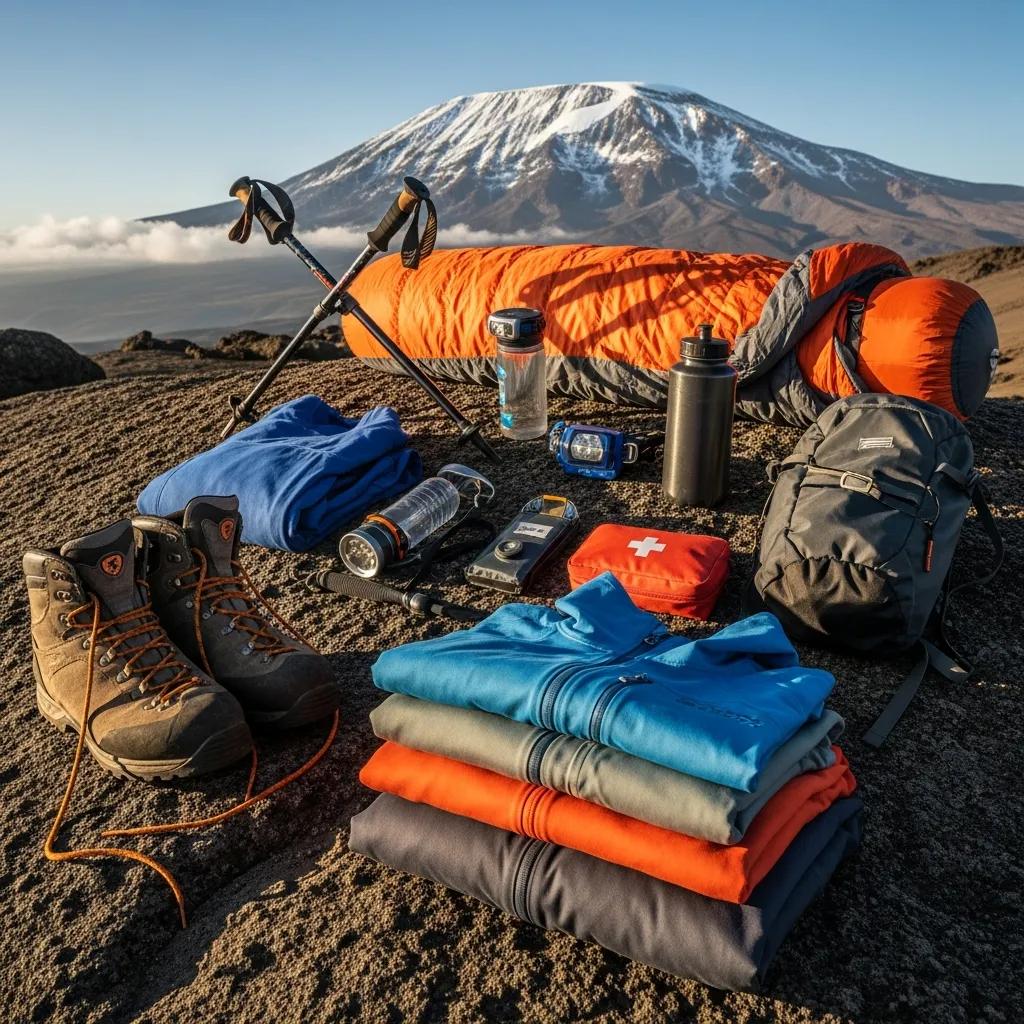
    Hiking equipment including footwear sleeping bag poles and clothing
    Step 6 · the gear system

    Build Around Function Before Weight.

    Thru-hikers talk constantly about base weight because carrying less can make thousands of repeated steps easier. But weight is useful only when the equipment still performs its job.

    Build the system from six questions: Where will you sleep? How cold can nights become? How will you stay dry? How much water must you carry? How will you navigate and communicate? What equipment does the season or route require?

    After those are answered, remove duplication and luxuries you do not value. Do not reverse the process by choosing a target pack weight first and then cutting safety margin until the number looks impressive.

    Open the Gear Planner
    Shelter

    Know Where You Will Sleep

    Tent, tarp, hammock or shelter-based system should match terrain, bugs, rain, wind, campsite availability and your tolerance for compromise.

    Sleep

    Warmth Is a System

    Sleeping bag or quilt, pad insulation, clothing, shelter and actual overnight temperatures work together. One temperature number does not describe the whole system.

    Water

    Capacity Changes by Section

    A wet forest section and a dry desert carry should not automatically use the same water capacity. Plan around the longest reliable gap.

    Footwear

    Fit Matters More Than Trail Fashion

    Use footwear that works for your feet under repeated mileage. Test it with your real socks, pack weight and terrain before departure.

    Layers

    Protect Against the Actual Climate

    Build around sun, rain, wind and overnight temperature rather than copying a gear list from a trail with different conditions.

    Electronics

    Power Has a Logistics Cost

    Phones, satellite communicators and battery banks are useful only if your resupply schedule and charging strategy keep them working.

    Step 7 · food and towns

    Do Not Plan Every Meal for a Five-Month Hike Before You Start.

    A resupply strategy should provide structure without locking you into food preferences, pace and town stops that may change after the first few weeks.

    Buy as you go

    Flexible and Simple

    Buying in trail towns reduces pre-trip packing and lets your food preferences evolve. The tradeoff is variable selection and price.

    Mail boxes

    Useful When There Is a Reason

    Mail drops can help with dietary restrictions, medication, specialized items or locations with limited resupply.

    Hybrid system

    Usually the Most Adaptable

    Buy food through normal trail towns and mail selected boxes only where the route or your personal needs justify them.

    Plan carries, not menus. Know where the major resupply points are, how many trail days separate them and which difficult sections need extra margin. Your exact food choices can remain flexible.
    Hiker using trekking poles on a mountain trail
    The fitness difference

    Thru-Hiking Fitness Is the Ability to Do It Again Tomorrow.

    A single long hike proves that you can have one long day. A thru-hike asks whether your feet, legs, connective tissue, fueling and recovery can absorb repeated days without requiring a full reset.

    Step 8 · physical preparation

    Train for Repetition, Not One Heroic Weekend.

    The goal is not to arrive capable of doing your biggest trail day. It is to arrive durable enough to let fitness build instead of immediately breaking down.

    Base phase

    Walk Frequently

    Establish a repeatable walking and hiking habit before chasing distance. Consistency gives feet and connective tissue time to adapt.

    Hill phase

    Add Vertical Gradually

    Hills, stairs and inclined treadmill work help prepare the climbing muscles and descending tolerance that flat mileage misses.

    Pack phase

    Introduce Realistic Load

    Carry the pack progressively rather than jumping from unloaded walks directly to full food-and-water weight.

    Specific phase

    Practice Consecutive Days

    Back-to-back hikes reveal footwear, fueling, recovery and pack-fit problems that one-day workouts can hide.

    Training cannot reproduce the entire thru-hike. You are preparing enough durability and familiarity to survive the early adaptation period—not trying to complete the whole trail in training before the real hike begins.
    Step 9 · getting on and off trail

    The Thru-Hike Begins Before the First Blaze.

    Terminus transportation, home obligations and the return trip deserve the same attention as backpack weight and resupply.

    Start

    Reach the Trailhead

    Airports, buses, trains, shuttle schedules, seasonal roads and remote termini can turn the first day into its own logistics project.

    Home

    Make Absence Sustainable

    Automate recurring bills, decide what happens to your vehicle, protect important documents and make sure someone can respond if a home problem develops.

    Finish

    Do Not Book the Return Too Tightly

    A rigid flight immediately after a theoretical finish date can turn normal trail delays into a bad decision. Build practical margin.

    Communication

    Set Expectations Before Leaving

    Tell family what communication will look like, how often you expect to check in and what silence should—or should not—mean.

    Emergency

    Leave Useful Information

    A trusted contact should know the trail, general direction, likely pace, important accounts and what to do if genuine concern develops.

    Documents

    Protect What You Cannot Easily Replace

    Store secure copies of permits, identification, insurance details and key travel information separately from the originals.

    A practical countdown

    A Beginner’s Thru-Hike Planning Timeline

    This is a framework rather than a universal deadline. Permit release dates, international travel and highly competitive routes can require earlier action.

    12–9 months before

    Choose the trail family, confirm the available time window, research direction and identify major permit deadlines.

    9–6 months before

    Commit to the route, begin systematic training, build the initial budget and research start and finish transportation.

    6–3 months before

    Finalize the core gear system, complete overnight shakedowns, identify resupply structure and solve major home obligations.

    3–1 months before

    Increase hiking specificity, confirm transportation, organize permits, test electronics and check seasonal conditions.

    Final 2 weeks

    Reduce panic training. Check closures, weather patterns, transportation, water information and first-section resupply.

    Final 72 hours

    Recheck official trail alerts, charge devices, verify documents and permits, review the first section and start with a manageable load and pace.

    The goal of the timeline is to move decisions earlier. The final week should be about verification and travel—not buying an entirely new shelter, learning navigation from scratch or discovering that your start area requires a permit.
    Layered Great Smoky Mountains landscape in the Appalachian region
    Start conservatively

    The First Week Is Part of the Training Plan.

    You do not need to prove the whole hike during the first three days. Give your feet, appetite, sleep system and daily routine time to settle before treating maximum mileage as the goal.

    Common planning failures

    Seven Mistakes That Make a Thru-Hike Harder Than It Needs to Be

    Most are not dramatic wilderness mistakes. They are ordinary planning decisions that remove flexibility before the hike has even begun.

    Mistake 1

    Overplanning Every Day

    Plan sections and constraints. Do not force a five-month trail to obey a daily spreadsheet created before you know your real pace.

    Mistake 2

    Starting Too Fast

    Early enthusiasm can create foot, tendon and overuse problems before the body has adapted to repeated loaded walking.

    Mistake 3

    Buying Before Researching

    The correct shelter, sleeping insulation, water capacity and clothing depend on the trail and season.

    Mistake 4

    Ignoring Town Costs

    Restaurants, rooms, transportation and extra zero days can change the budget far faster than trail food alone.

    Mistake 5

    Assuming Water Is Static

    Seasonal sources can change. Water planning should use current official and reliable trail information.

    Mistake 6

    Depending on One Device

    Navigation, permits, transportation and communication should not become impossible because one phone fails.

    Mistake 7

    No Schedule Margin

    Weather, injury, closures and transportation changes happen. A plan with no flexibility makes every delay feel like a crisis.

    What changes by trail

    Use the Same Planning Framework—Then Change the Variables.

    The sequence remains useful whether you are walking two weeks or five months. What changes is the trail’s dominant problem.

    Trail stylePlanning priorityWhat deserves extra attention
    AT-style corridorRepeated mountain mileage Wet weather, town frequency, shelter rules, rocks, roots, cumulative climbing and early-season crowding.
    PCT-style corridorSeasonal progression Desert water, Sierra snow, long-distance permits, wildfire and reaching northern terrain before late-season weather.
    CDT-style corridorNavigation and flexibility Route choices, water, snow, remoteness, multiple permit systems and greater logistical independence.
    European long trailAccommodation and route format Hut or town reservations, public transport, border crossings, seasonal services and whether camping is allowed.
    High-altitude trekAltitude and daily vertical Acclimatization, recovery, remote medical planning and weather rather than raw mileage alone.
    Beginner questions

    Thru-Hike Planning FAQ

    The answers below are deliberately planning-focused. Trail-specific rules should always be checked against current official information.

    How far in advance should you plan a thru-hike?

    For a major multi-month trail, six to twelve months gives many hikers enough time to choose a route, watch permit deadlines, build fitness, test equipment and solve work and home logistics. A shorter route can often be planned much faster.

    How much money should you save for a thru-hike?

    Build a personal budget rather than using one universal per-mile number. Include transport, permits, food, town lodging and meals, gear replacement, insurance, home expenses and emergency reserve.

    How do thru-hikers get food?

    Most combine normal grocery or convenience-store resupply with selected mailed boxes. Mail drops are most useful where store selection is limited or where dietary or medical needs justify them.

    Do you need permits for a thru-hike?

    It depends on the trail and jurisdictions crossed. The PCT offers an interagency long-distance permit for qualifying trips, while the CDT requires hikers to obtain permits for individual regulated areas. The A.T. also crosses locations with their own permit rules.

    How many miles should a beginner thru-hiker walk each day?

    There is no universal number. Terrain, elevation, heat, pack weight, snow, water and fitness all change realistic mileage. Starting conservatively gives the body a chance to adapt before mileage rises.

    Do you need ultralight gear to thru-hike?

    No. Lower weight can improve comfort and efficiency, but reliability and protection matter first. Reduce unnecessary duplication after the shelter, sleep, weather, water and safety systems are sound.

    How should you train for a thru-hike?

    Build frequent walking first, then add hills, longer hikes, pack weight and eventually back-to-back hiking days. Training should also test footwear, fueling and the equipment you will actually use.

    What is the most important part of planning a thru-hike?

    Match the objective to your life and experience. A realistic trail, seasonal window and schedule make permits, food, gear, training and transportation much easier to solve.

    Appalachian mountain landscape at sunset
    The beginner rule

    Build Enough Structure to Start. Keep Enough Flexibility to Continue.

    A strong thru-hike plan tells you where you are going, when the season works, which rules matter, how you will eat, what you will carry and how you will get home. It does not try to predict every campsite months before your first step.

    Was this helpful?

    Yes
    No
    Thanks for your feedback!
Language »