
Last updated October 21, 2026
Grand Teton Permits & Logistics: Camping, Fees and the Lower Saddle
Day climbs do not need a backcountry camping permit. If you camp overnight in Grand Teton National Park—including Garnet Canyon and the Lower Saddle—you do need one. Here’s how to reserve, collect and use it without losing your climbing window.
Check official NPS permit rules ↗See booking steps ↓Editorial review: October 21, 2026 · 2026 fees and dates; verify 2027 details before booking
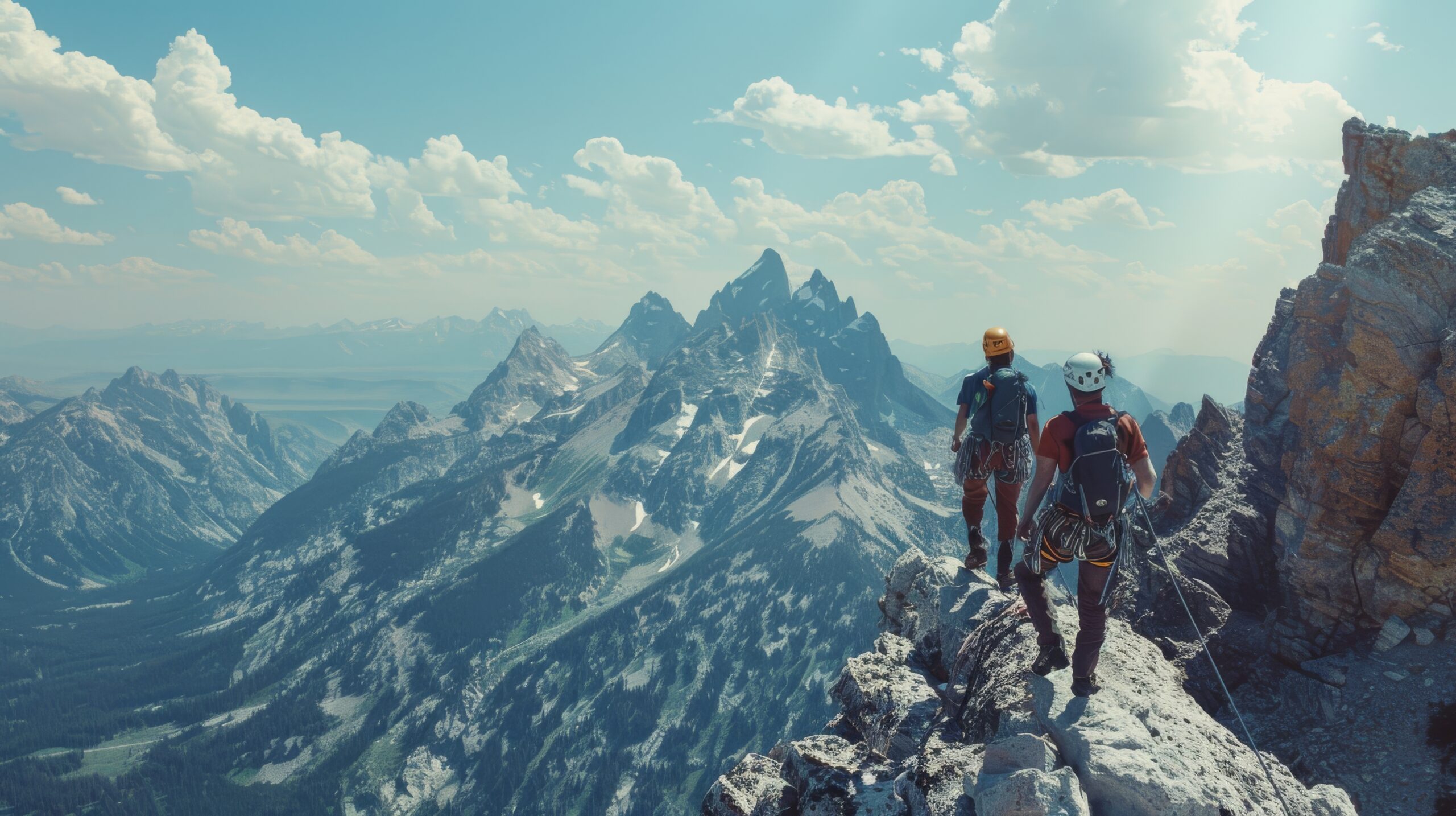
Grand Teton permit fees, deadlines and availability
| Requirement | 2026 rule | Planning implication |
|---|---|---|
| Overnight permit fee | $20 flat non-refundable permit fee | Separate from nightly fees and park entrance |
| Nightly cost | $7 per person, per night | Two people for two nights: $20 + $28 = $48 |
| Advanced reservations | 2026 peak-season reservations opened January 7, 2026, at 8 a.m. MST | Do not assume the 2027 release date is the same |
| Advanced allocation | About one third of permits | Reservation does not issue the actual permit |
| Walk-up allocation | About two thirds | First-come; obtain as early as one day before your trip |
| Pickup deadline | By 10 a.m. on first permitted day, unless arrangements made | No-show reservations are cancelled; call 307-739-3309 if arriving late |
These are NPS-published 2026 terms, last verified October 21, 2026. Check NPS and Recreation.gov for the next season and actual inventory.
How to reserve and collect a Grand Teton overnight permit
Decide whether your itinerary actually camps in the park
Choose a single-day climb, or plan nights in the authorized Garnet Canyon/technical-climbing camping zones. Camping above the approach without a permit is not a shortcut.
Choose dates, group size and permitted camping area
Review the NPS backcountry trip planner. Your permitted area and dates must match your route plan. Keep a weather backup plan that doesn’t rely on an unauthorized extra night.
Reserve in the official system—or plan for a walk-up
Use Recreation.gov to locate available advance inventory. For 2026, roughly two thirds of inventory was allocated to walk-ups, issued in person as early as one day beforehand.
Pick up the permit at the correct ranger office
Bring reservation details and photo ID. For Garnet Canyon/climbing trips during the staffed season, the NPS directs climbers to the Craig Thomas Discovery & Visitor Center or Jenny Lake Ranger Station. Confirm operating dates and hours.
Review route conditions, camping and bear-storage rules
Before leaving, check the rock/snow conditions, forecast, descent and rappel plans, food-storage requirements, and whether your chosen campsite is open. Carry the permit and follow its restrictions.
Getting to Lupine Meadows and the Lower Saddle
Lupine Meadows is the common trailhead for the Owen–Spalding and Exum Ridge routes. The approach climbs through Garnet Canyon toward the Lower Saddle, a common staging area for upper-mountain routes.
- Before arrival: check park road conditions and trailhead access; do not assume parking or shuttle availability.
- Staging: Jackson and Moose provide lodging and climbing services; the American Alpine Club Climbers’ Ranch is a common pre-climb base.
- Summit day: prioritize an early start and conservative turnaround time. Exposed rock, difficult route-finding, and descending technical terrain demand a deliberate plan.
- Water: treat all natural water sources. Do not depend on a specific stream running.
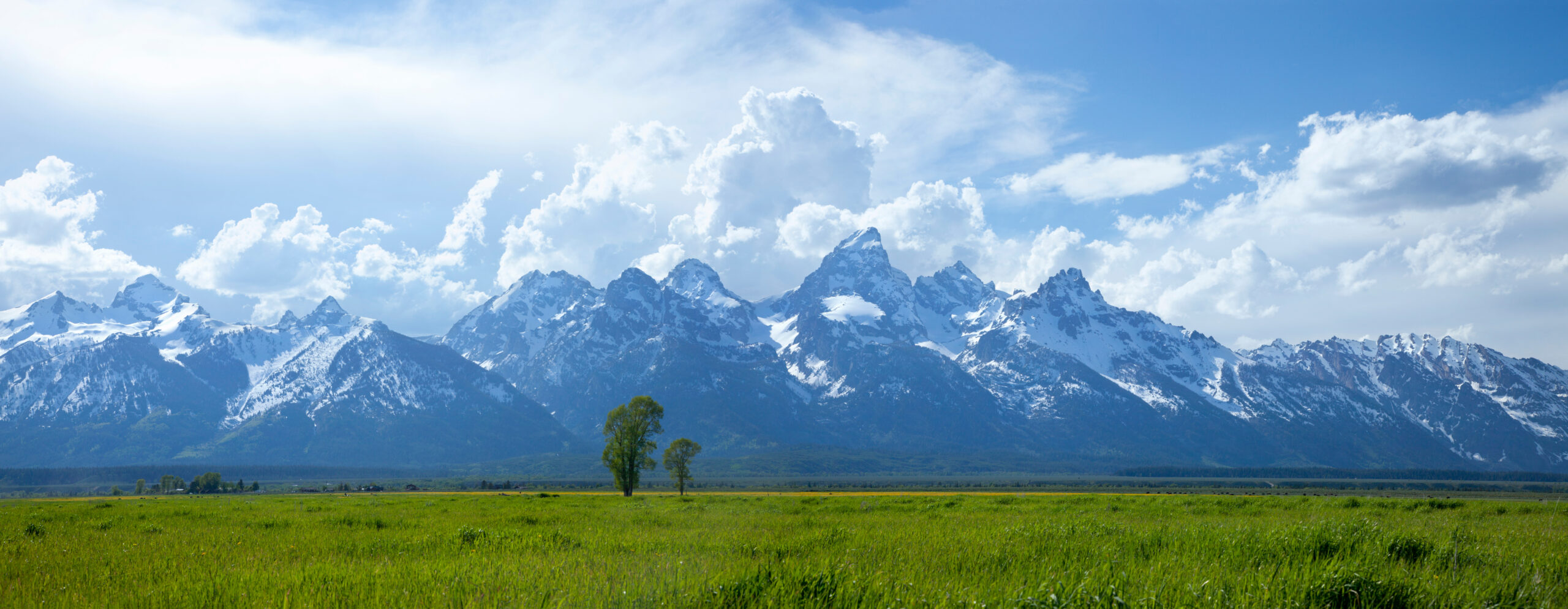
One-day versus two-day climbing logistics
One demanding day
Permit: No overnight backcountry camping permit if you enter and exit the same day.
Tradeoff: Less camping logistics, but a very long alpine day with substantial elevation gain, route-finding and technical descent. Suitable only for well-prepared climbers with appropriate skills.
Two-day ascent with high camp
Permit: Backcountry permit covering the authorized camping zone and night.
Tradeoff: A shorter summit-day approach but heavier overnight logistics, limited campsite inventory, required food storage, and permit-dependent timing.
Neither option removes the need for proficient rope work, route-finding, weather judgment and safe descent systems. Read the difficulty and safety guide.
Grand Teton trip costs: what to include
Park entry
Entrance fees are separate from backcountry permits. Check current NPS fees and passes for your vehicle and pass eligibility.
Camping permit
The 2026 published formula is $20 per permit plus $7 per person per night. Example: three people, one night = $41.
Travel and equipment
Account for lodging near Moose/Jackson, travel, technical equipment, guiding/instruction if needed, and weather contingency. Use the GSG planning tools.
For route-specific rope, helmet, harness and descent equipment requirements, consult our Grand Teton gear list.
Final pre-climb checklist
- Confirm the selected camping zone, dates and group size.
- Collect your physical backcountry permit if staying overnight.
- Review park entrance fees, road alerts and trailhead access.
- Confirm route, descent/rappel and turnaround plan.
- Check current NPS route conditions and forecast.
- Carry appropriate food storage, overnight and safety equipment.
- Leave an itinerary and return deadline with a trusted contact.
- Build a weather and travel buffer into your itinerary.
Frequently asked questions
Do I need a permit to climb Grand Teton in one day?
No backcountry camping permit is required if you climb and exit without overnight camping in park backcountry. Park entrance rules still apply.
Where do I pick up a Garnet Canyon permit?
Follow NPS instructions for climbing permits at Craig Thomas Discovery & Visitor Center or Jenny Lake Ranger Station when open. Confirm seasonal hours before travel.
How much is the overnight permit?
The NPS 2026 published charge is $20 per permit plus $7 per person per night; entrance fees are extra. Verify rates for your year.
Are walk-up camping permits available?
Yes. For 2026, the park reserved approximately two thirds for walk-up distribution, first-come in person, as early as a day before the start date.
Was this helpful?
🏔Related cost guides
🧭Explore & compare
Global Summit Guide is an independent mountaineering resource founded in 2026. The team combines first-hand trekking and climbing experience with in-depth research and professional health and nutrition review to help climbers choose objectives, prepare properly, and stay safe.
Health, altitude, and nutrition content is reviewed by Taylor Ludlow (Registered Nurse) and Brigg Hoopes (Nutritionist).
What We Don't Know Yet
Mountain information changes quickly. This box explains the limits of what this page can responsibly promise.
- Permit availability, reservation windows, quotas, and official fee rules may change after this page is updated.
- Guide-company prices, departure dates, guide ratios, included services, and cancellation rules can change without notice.
- Weather, snowpack, avalanche risk, road access, and route conditions can change quickly and may be different on your climbing dates.
- Route conditions, trailhead access, crevasse exposure, stream crossings, and rescue access may vary from published planning guidance.
- Total trip cost can change with flights, lodging, guide pricing, permits, gear rentals, transportation, and exchange rates.
Verify current conditions with official land managers, guide services, local forecasts, and current route reports before booking or climbing.
Mountaineering, rock and ice climbing, glacier travel, and high-altitude activity are inherently dangerous and can result in serious injury or death. The information on Global Summit Guide is provided for general informational and educational purposes only and is not a substitute for professional instruction, qualified guiding, proper equipment, or your own judgment and experience.
Route conditions, weather, snowpack, permits, regulations, and hazards change constantly and may differ from what is described here. Details may be incomplete, out of date, or contain errors. Always verify current information with local authorities, certified guides, and official sources before making any decision in the mountains.
Nothing on this site is medical, legal, or financial advice. Our fitness, acclimatization, altitude, and nutrition content is general in nature; consult a qualified physician before beginning any strenuous exercise program or exposing yourself to high altitude.
You are solely responsible for your own safety and decisions. To the fullest extent permitted by law, Global Summit Guide and its team accept no liability for any loss, injury, damage, or expense arising from use of, or reliance on, this information. By using this site you acknowledge these risks and accept these terms.
Some links on this site may be affiliate links. If you buy through them we may earn a small commission at no extra cost to you; this never affects our recommendations.
Global Summit Guide recommendation path
Next Best Mountain to Research
Use these recommendations to continue the right planning path instead of stopping on one page.
Use current permit, weather, route, and operator information before booking or climbing.
Search Flights, Hotels & Rental Cars
Have the mountain or destination picked? Use Expedia to compare the flights, lodging and rental cars that fit your actual trip dates. For mountain travel, consider arriving early enough for delays and adding a buffer night after the climb before a fixed flight home.
Compare current flight, hotel and car options.
Affiliate disclosure: Global Summit Guide may earn a commission if you book through this link, at no additional cost to you.