
Last updated October 3, 2026
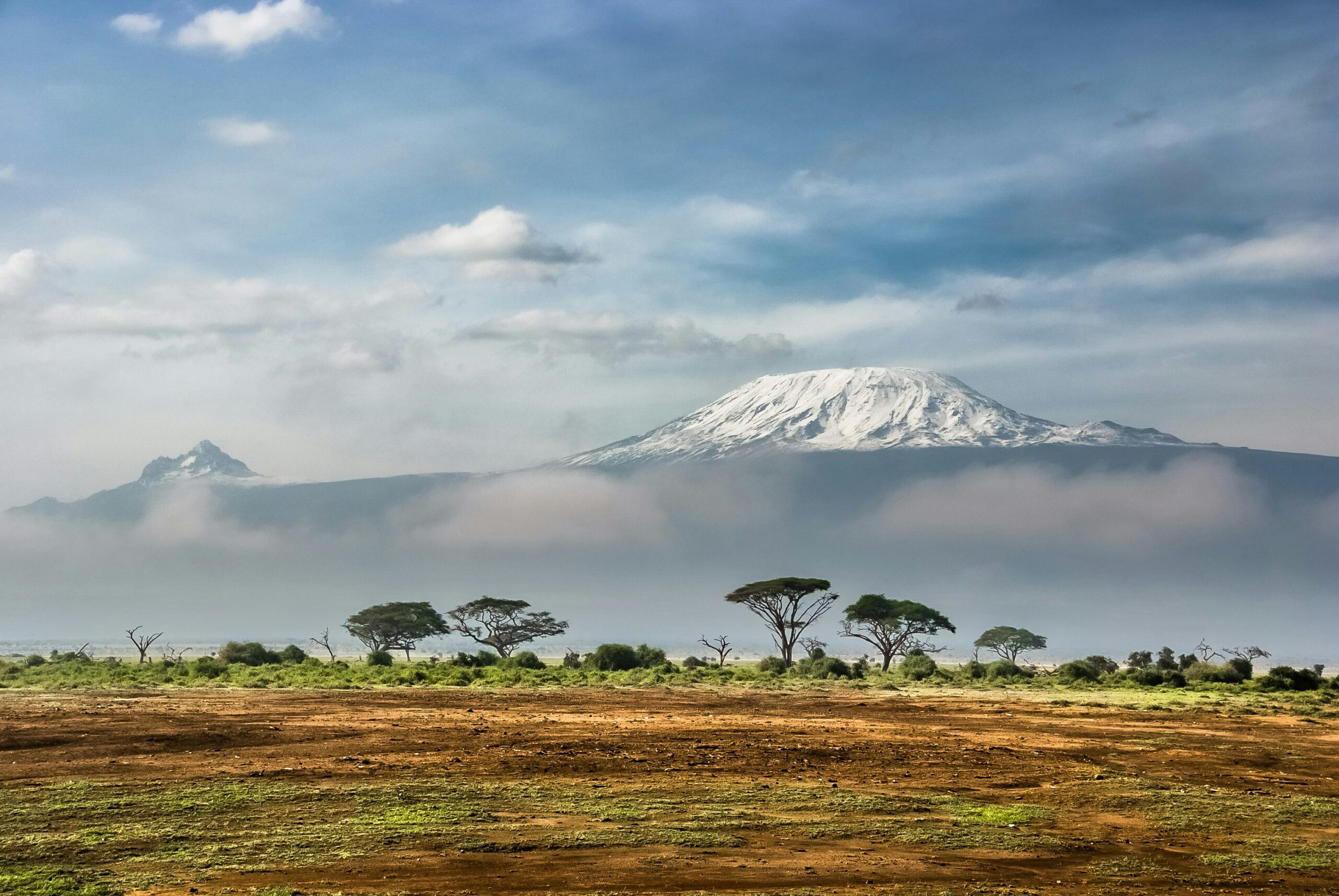
Best Hiking Boots for Kilimanjaro: What Actually Works
Kilimanjaro does not require an expedition mountaineering boot on its standard trekking routes. It requires something less dramatic and more important: a waterproof hiking boot that fits perfectly after hours of walking, stays controlled on long descents, has enough traction for mud and loose volcanic terrain, and still leaves room for a warm dry summit sock without crushing your toes.
Flexible enough for days of walking. No need to buy a rigid alpine boot solely because Kilimanjaro is high.
Useful through rainforest moisture, rain, mud and colder upper-mountain conditions.
Especially important during the very long descent from the summit.
Warmth matters, but the sock cannot turn a good boot into a tight boot.
Most Kilimanjaro Climbers Need Waterproof Hiking Boots—not Mountaineering Boots.
Standard Kilimanjaro routes are trekking routes. The footwear problem is not front-pointing on ice or attaching automatic crampons. It is walking comfortably for consecutive days through wet forest, dusty alpine terrain, cold high camps and a long summit-night ascent followed by a major descent.
A mid-height waterproof hiking boot is the strongest default for most climbers because it balances weather protection, trail support and walking efficiency. The exact brand matters far less than heel hold, toe clearance, forefoot shape and whether the boot still fits when your real summit socks are inside it.
Do not save the first long test for Tanzania. Kilimanjaro footwear should already have completed long hikes, meaningful climbing and steep descents before it enters your travel bag.
Which Footwear Type Makes Sense on Kilimanjaro?
The summit elevation looks extreme. The standard-route terrain is still primarily trekking terrain.
| Footwear | Walking Comfort | Weather Protection | Summit Suitability | Kilimanjaro Use |
|---|---|---|---|---|
| Waterproof mid hiking boot | Excellent | High | Strong default | Best starting category for most climbers |
| Waterproof low hiking shoe | Excellent | Moderate | Possible for experienced users | Less protection from mud, debris and cold |
| Non-waterproof trail shoe | Excellent | Low | More weather-dependent | Not the conservative default |
| Light mountain / trekking boot | Good | High | Very good | Useful for colder feet or climbers preferring more structure |
| Rigid mountaineering boot | Lower | Very high | Overbuilt in normal conditions | Usually unnecessary on standard routes |
| Insulated expedition boot | Poor for trekking | Extreme | Far beyond normal need | Do not buy simply because summit elevation is high |
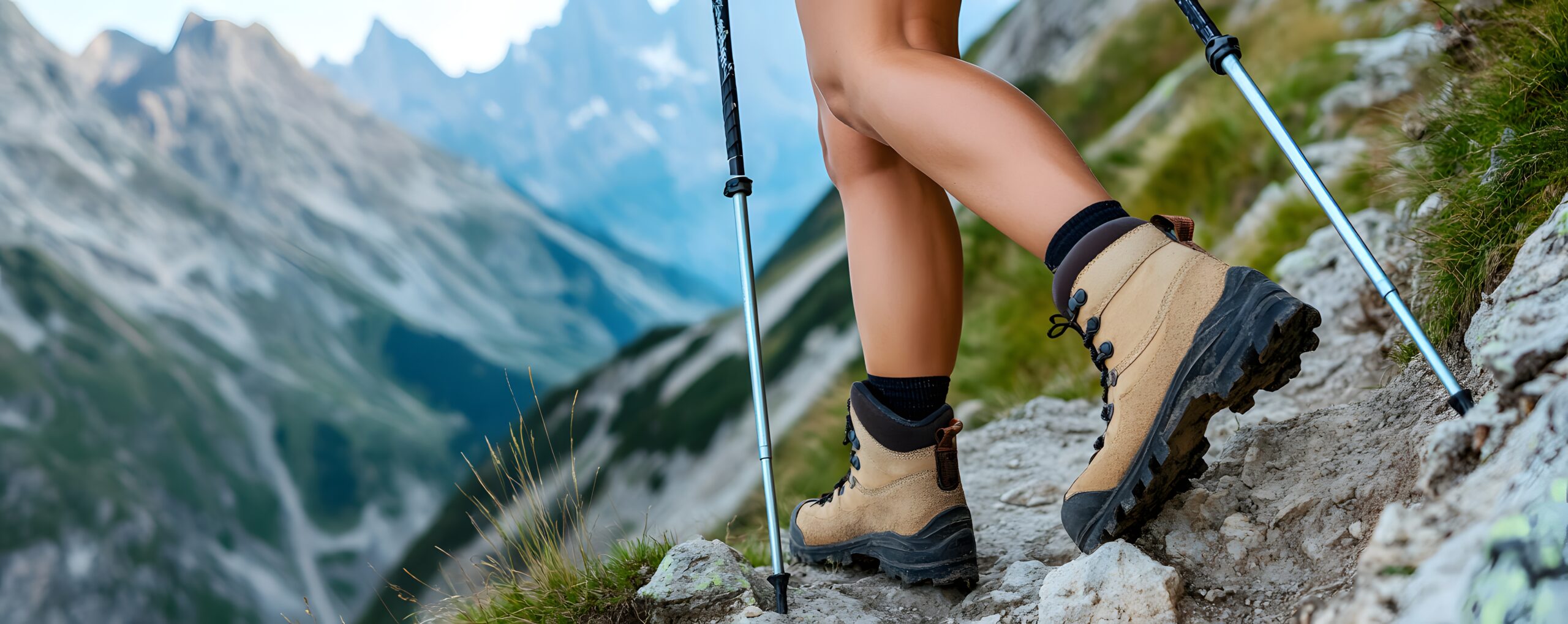
What Kilimanjaro Actually Asks From a Boot
One pair has to function through several very different environmental zones.
Moisture + Mud
Lower routes can be wet and muddy. Waterproof construction and secure tread reduce the likelihood that the boot begins the week saturated.
Long Walking Days
The boot needs natural flex and enough cushioning to remain comfortable through consecutive hiking days.
Dust + Loose Rock
Toe protection, a secure heel and useful outsole lugs matter as the trail becomes drier and rougher.
Cold + Scree + Frozen Ground
Dry socks, adequate room, traction and all-night comfort matter more than technical climbing stiffness.
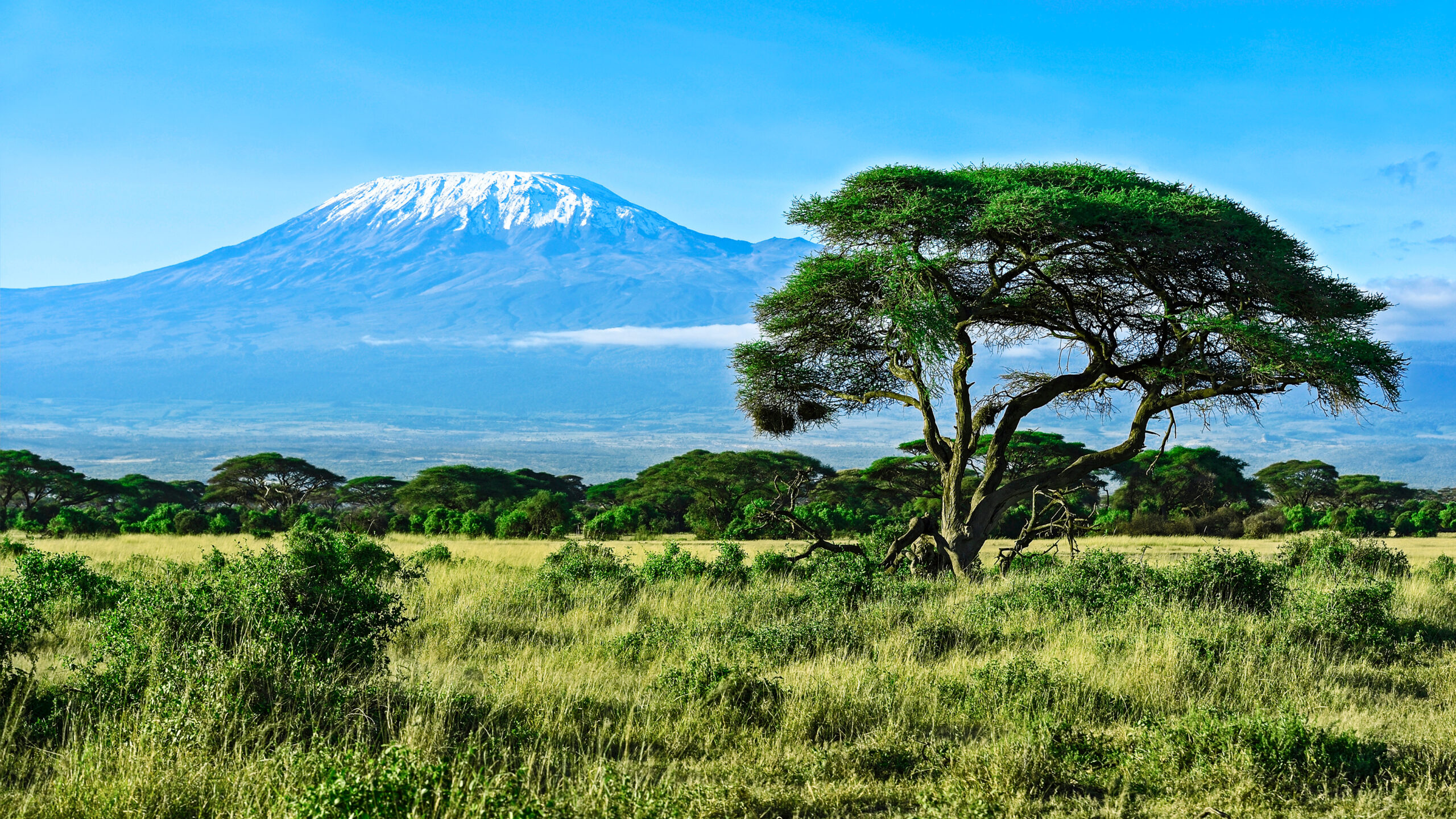
Waterproof Is the Conservative Kilimanjaro Default
A waterproof membrane is not automatically ideal for every hiking environment. It reduces some ventilation and can take longer to dry once water gets inside.
Kilimanjaro is different from a consistently dry desert hike because one trek can combine rainforest moisture, rain, muddy trail and cold upper-mountain conditions.
For that reason, a waterproof mid boot remains a strong conservative default for most first-time climbers.
Experienced hikers who know their feet and already use low or non-waterproof footwear successfully in wet mountain environments may make a different decision. That should be a tested system, not an experiment made for Kilimanjaro.
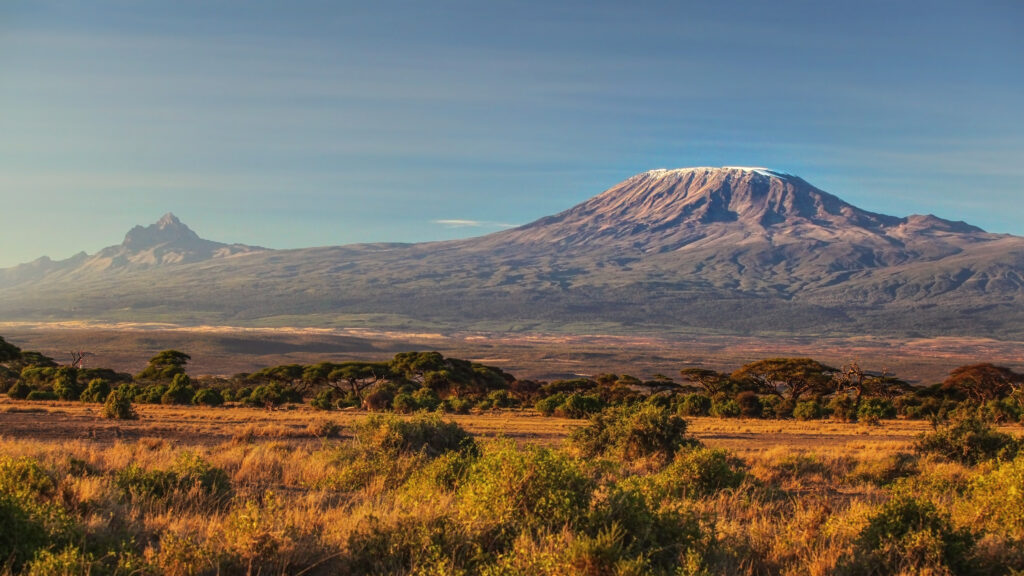
How Kilimanjaro Boots Should Fit
Summit-night warmth cannot rescue a boot that destroys your feet on the descent.
Controlled Uphill
Repeated heel lift creates friction. The heel should remain relatively secure during climbing without being painfully locked in place.
Clear the Front Downhill
Your toes should not repeatedly strike the front during steep descents. Kilimanjaro contains a lot of descending after Uhuru Peak.
No Side Compression
Feet can swell during long hiking days. A five-minute shop fit can hide a forefoot problem that appears after several hours.
Warm Without Crowding
Test the exact warm sock before the trip. More sock is not more warmth if it makes the boot painfully tight.
Do Not Choose Kilimanjaro Boots Without Choosing the Socks
The boot is only half of the foot system. Sock thickness changes internal boot volume, heel hold, toe clearance and warmth.
A practical system is several hiking pairs for normal trekking days plus one protected dry pair reserved for the summit push.
Merino-blend or technical synthetic hiking socks manage moisture more effectively than ordinary cotton socks. The summit pair can be warmer, but only if the boot still fits correctly.

Six Hiking Boots That Fit the Kilimanjaro Brief
These represent different fit and support profiles. They are not a substitute for trying boots on.
Salomon X Ultra 5 Mid GORE-TEX
A relatively light mid-height waterproof boot designed around mixed, rocky, muddy and wet hiking terrain.
- GORE-TEX waterproofing
- Mid-height construction
- All Terrain Contagrip outsole
- Advanced Chassis support
- High foot protection
LOWA Renegade EVO GTX Mid
A leather GORE-TEX trekking boot with more structure than the lightest synthetic hikers while remaining built for sustained trail walking.
- GORE-TEX lining
- Leather upper
- Vibram outsole
- Moderately stiff platform
- Built for long hiking days
Merrell Moab 3 Mid Waterproof
A familiar hiking platform with substantial cushioning, a waterproof membrane and multiple fit options.
- Waterproof membrane
- Suede + mesh upper
- Vibram TC5+ outsole
- 5 mm lugs
- Wide-width options available
KEEN Targhee IV Mid Waterproof
A waterproof leather hiking boot built around KEEN’s characteristically generous forefoot shape.
- KEEN.DRY waterproof membrane
- Nubuck leather upper
- Roomy forefoot fit
- Stability shank
- Multidirectional outsole lugs
Oboz Bridger Mid Waterproof
A supportive all-leather waterproof boot with deeper traction and a more substantial feel than minimalist hiking footwear.
- Waterproof nubuck leather
- Deep trail lugs
- Supportive mid-height construction
- Available in standard and wide sizing
NORTIV 8 DualStride Armadillo FieldLite Mid WaterproofPRO
A current value-oriented waterproof hiking boot using a cushioned platform, reinforced toe and heel, and 4 mm trail lugs.
- Waterproof construction
- Leather / textile upper
- Cushioned EVA system
- 4 mm rubber lugs
- Reinforced toe and heel
NORTIV 8: Lower-Cost Waterproof Hiking Boots
NORTIV 8’s current hiking line includes waterproof mid-height boots, wide-fit models and men’s and women’s options. That makes it useful as a value comparison on a Kilimanjaro page where footwear fit remains more important than prestige branding.
A lower-priced boot should still pass the same test as a premium boot: long uphill training, long descents, wet trail, full summit socks and several consecutive hiking days without persistent hot spots.
Browse NORTIV 8 Hiking Boots
Summit Warmth Comes From Dry Feet and Correct Fit—not From Crushing More Sock Into the Boot.
Keep the summit sock dry, test the complete system before Tanzania and preserve enough room for toes to move normally inside the boot.
Prepare the Boot System Before You Go to Sleep at High Camp
Summit morning is the wrong time to discover that your warm socks no longer fit inside your boots.
Protect one dry sock pair specifically for the summit. Keep the boots as dry as practical during the previous days, loosen them at camp and follow the manufacturer’s drying guidance rather than placing waterproof footwear against damaging direct heat.
Put the summit socks on during a full home dress rehearsal with base layers, hiking pants, shell pants and gaiters if used. Lace the boots, walk stairs and spend enough time in the system to reveal pressure.
If the toes become numb because the boot is crowded, the answer is not another pair of socks. Rebuild the fit system before departure.
Choose the Boot for the Descent as Much as the Summit
Reaching Uhuru Peak does not end the day.
No Repeated Toe Impact
On steep downhill terrain, toes should remain clear of the front of the boot rather than slamming forward every step.
Reduce Sliding
Good heel hold helps prevent the foot repeatedly driving forward during the descent.
Learn the Adjustment
Many hikers slightly alter lacing tension between climbing and descending. Learn the boot before the mountain.
A Better Kilimanjaro Boot Testing Plan
“Break in” does not mean waiting for pain to disappear. It means proving the complete system before the trip.
Indoor Fit
Wear the boots with your real hiking socks, summit socks and footbeds.
Stairs & Inclines
Check heel movement uphill and toe contact while descending.
Several-Hour Hikes
Give the foot enough time to swell and reveal pressure points.
Back-to-Back Days
Kilimanjaro is consecutive trekking. Test footwear when the feet are already carrying fatigue from the previous day.
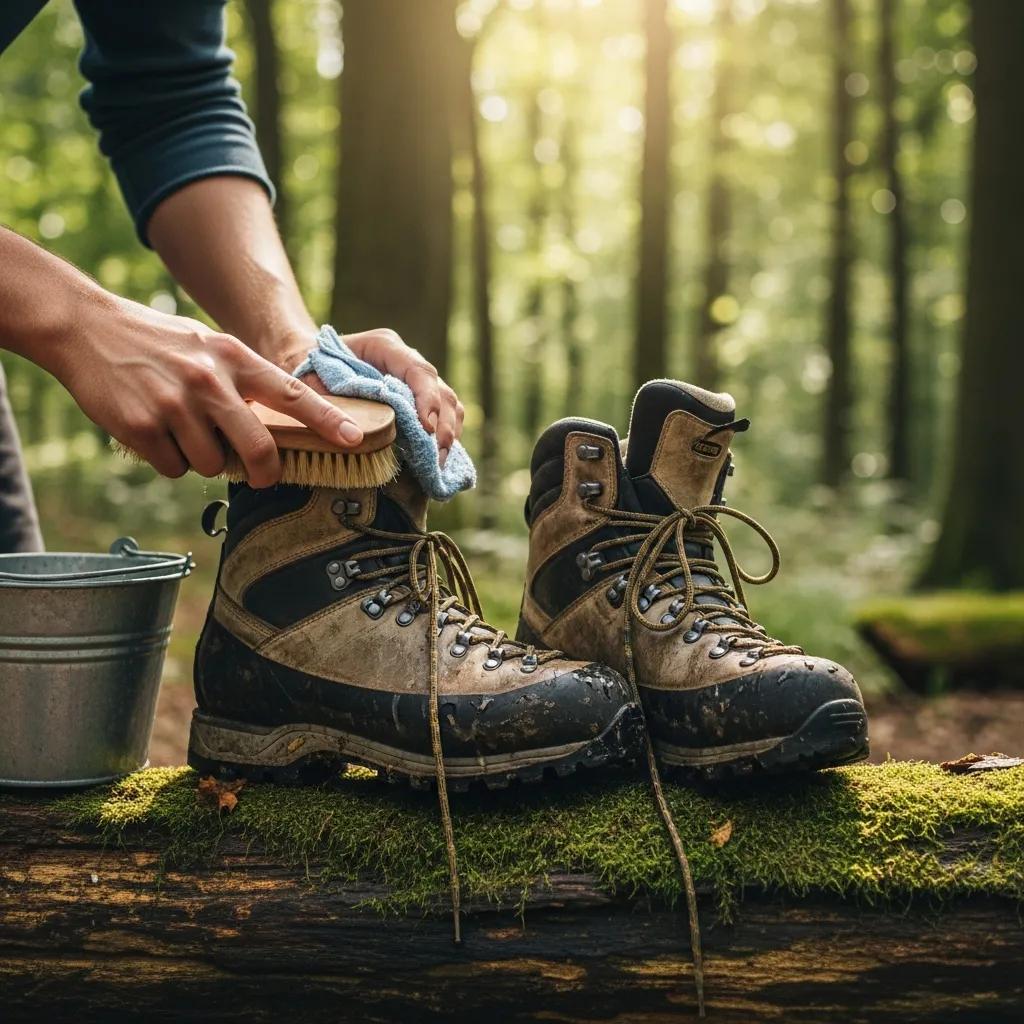
You Probably Do Not Need a Technical Mountaineering Boot
Kilimanjaro reaches 5,895 meters, but altitude does not automatically determine boot stiffness.
Standard routes normally do not require routine crampon use, steep ice climbing or front-pointing. A heavy rigid boot designed for those tasks can create unnecessary bulk and poor walking efficiency during days of ordinary trekking.
This is exactly where the general mountaineering-boot guide and this Kilimanjaro-specific page should remain separate.

Your Boots Are One of the Hardest Kilimanjaro Items to Replace
A delayed jacket can often be rented. A last-minute boot that matches your foot is much harder to replace.
Keep Boots With You
When airline rules and travel logistics allow, wear them or place them in cabin baggage.
Carry Primary Socks
Protect at least one proven hiking pair and the fit-critical elements of the system.
Do Not Depend on Rental Fit
Renting footwear can work only when there is enough time to fit and test it before the trek begins.
Compare Current Hiking Boots
Use the product grid after deciding the fit, height, waterproofing and support level you need.
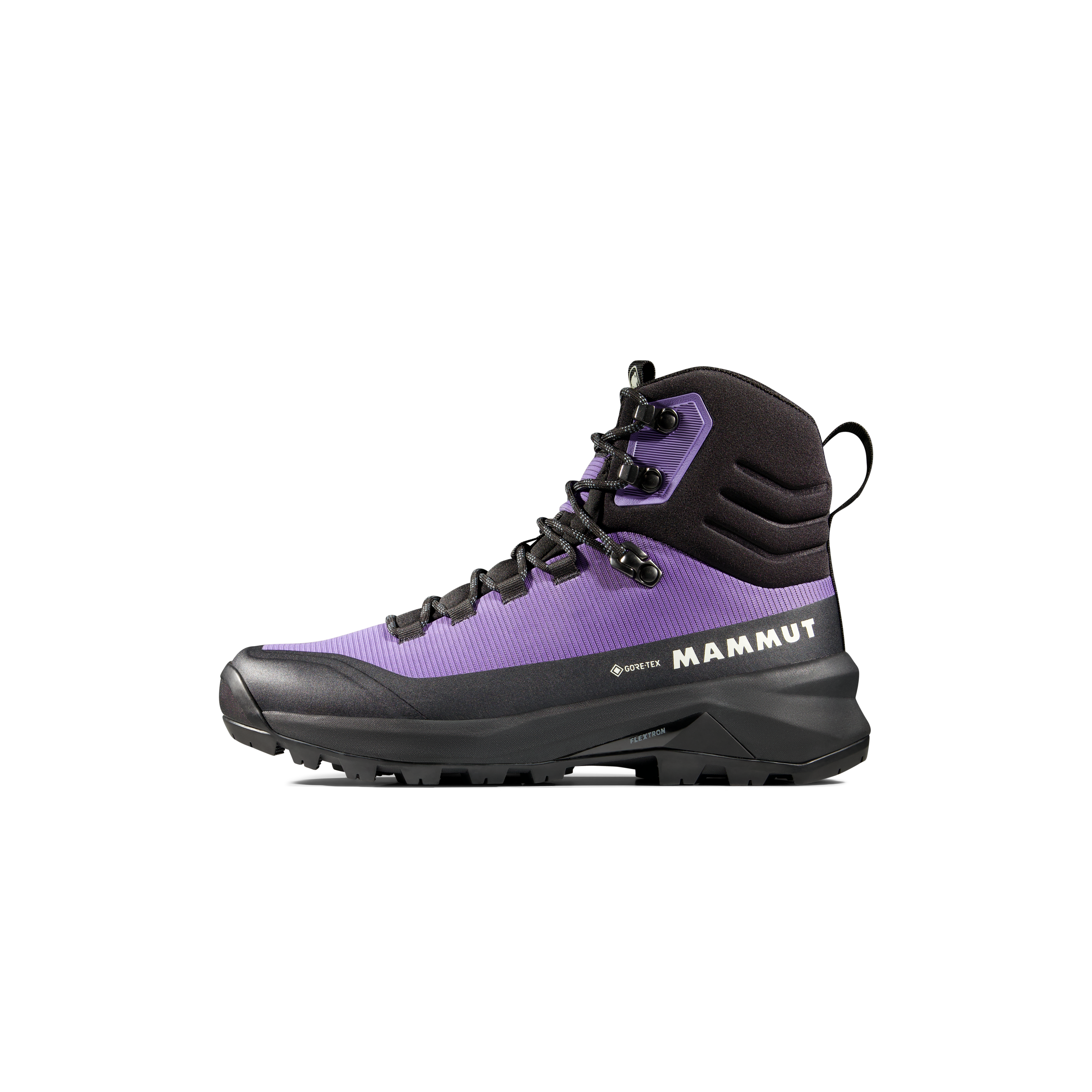
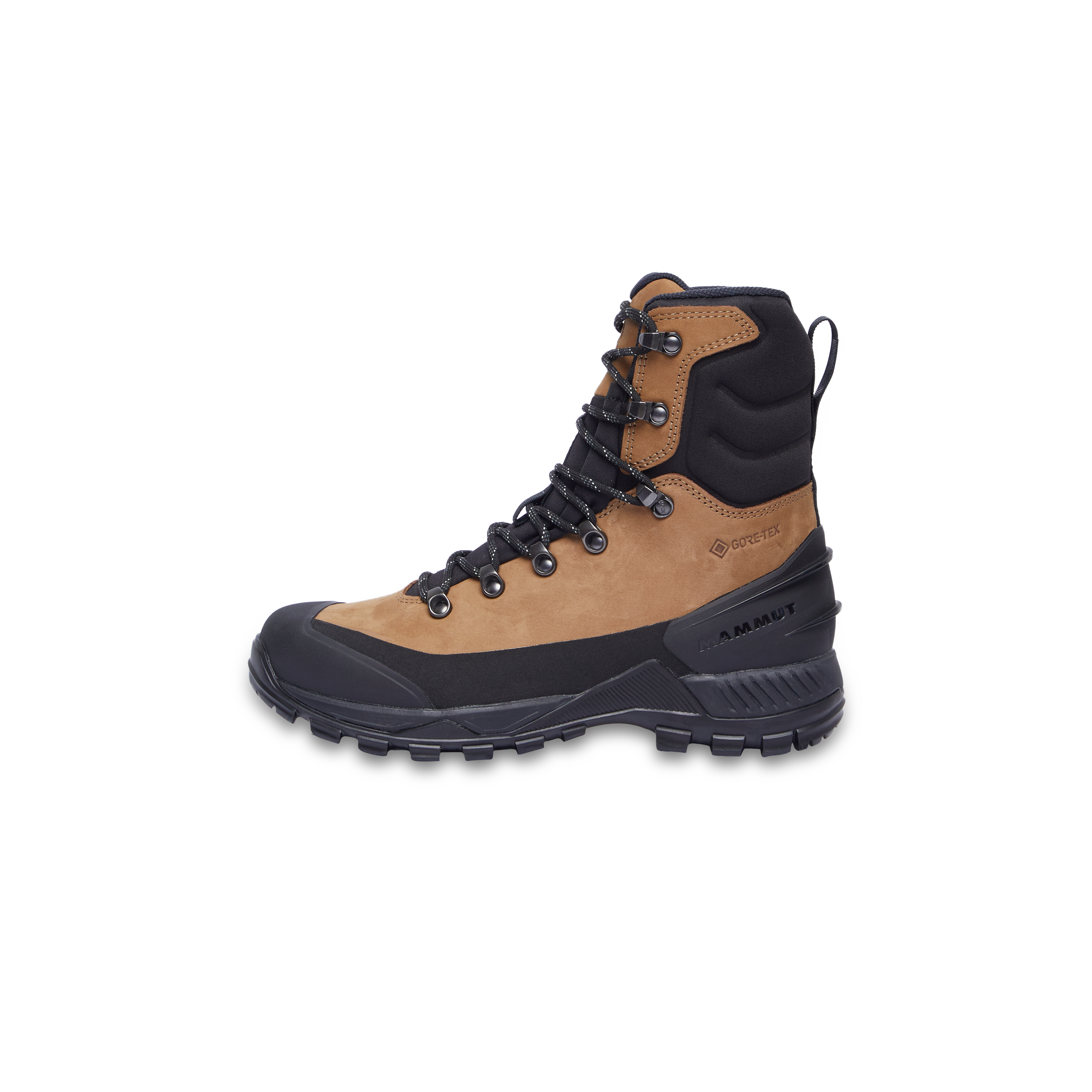
Current Waterproof Hiking-Boot Options
Treat this as inventory, not a ranking. The boot that matches your foot after a long descent is the useful one.
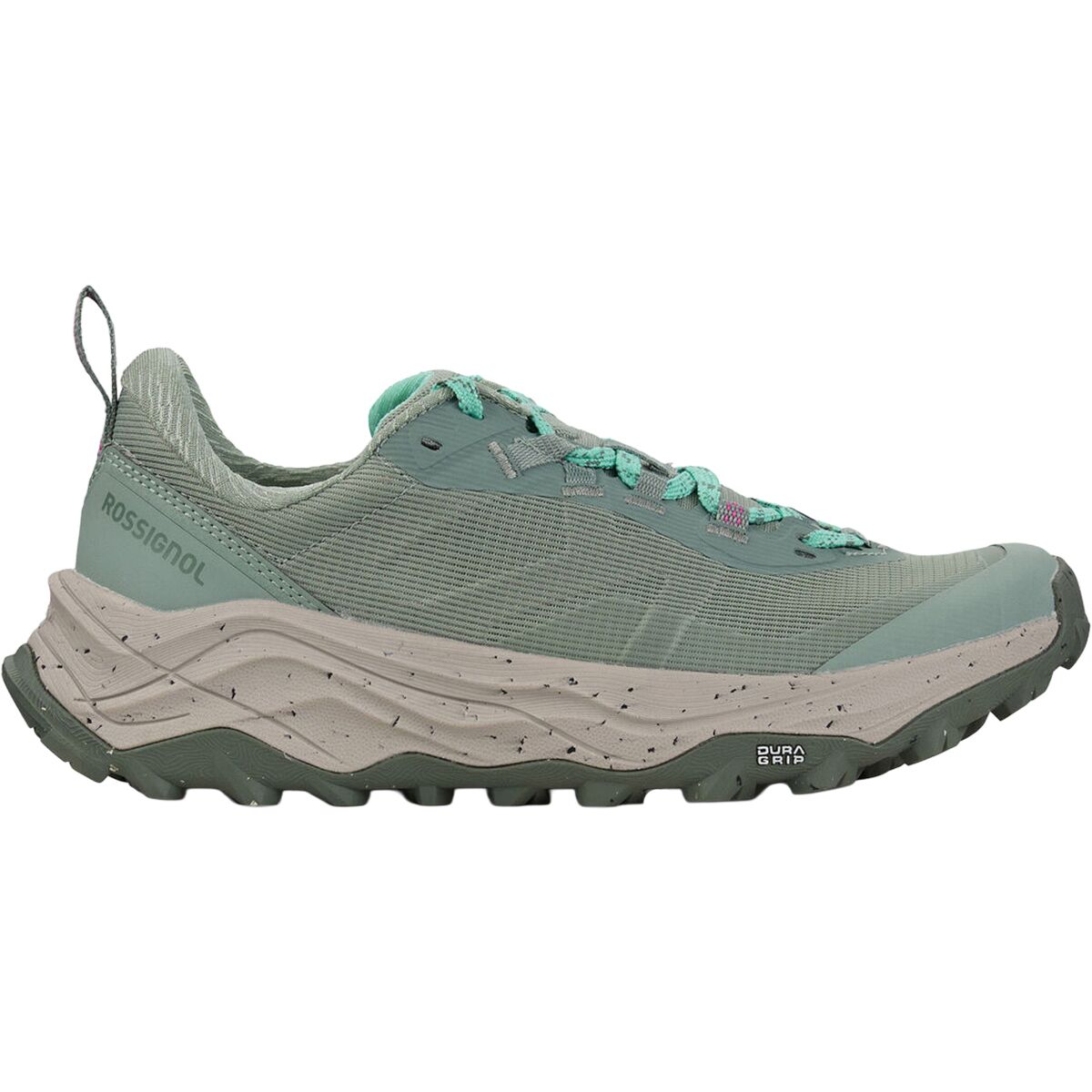

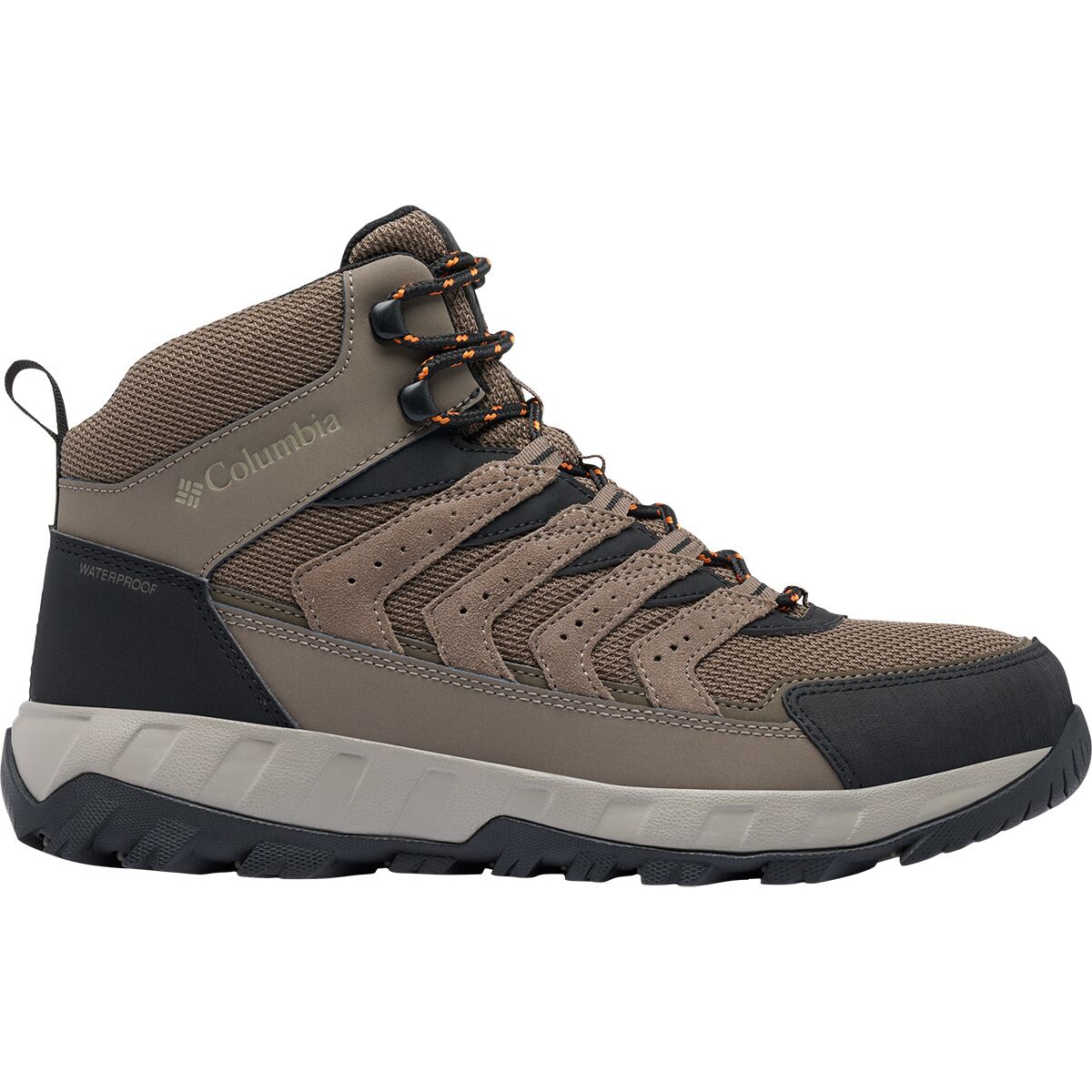
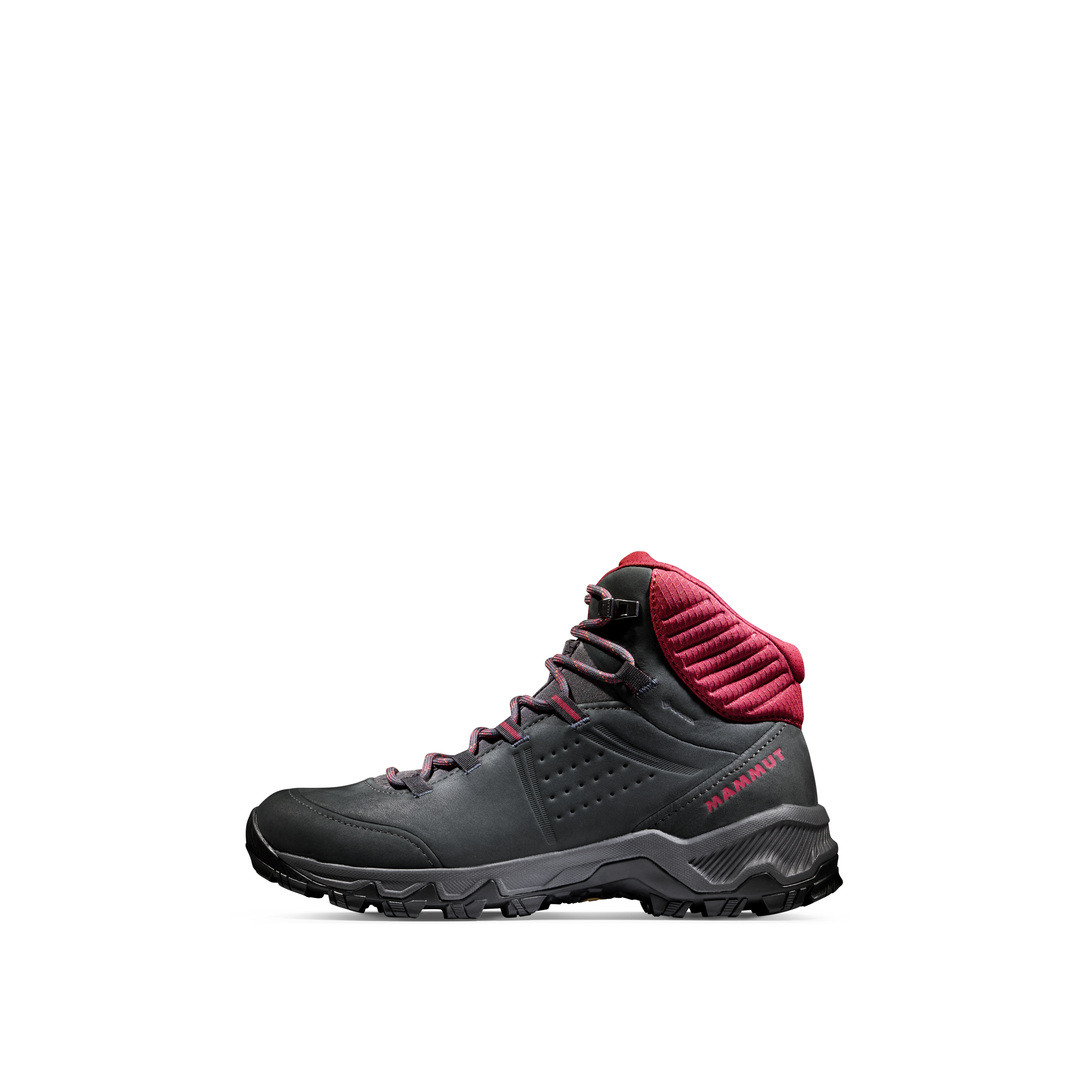
We may earn a commission if you buy through these links, at no extra cost to you. Affiliate disclosure
Which Kilimanjaro Boot Profile Fits You?
Start with your foot shape and preferred support level.
| Your Priority | Boot Direction | What to Test | Example |
|---|---|---|---|
| Light / athletic feel | Modern synthetic waterproof mid | Heel hold + downhill stability | Salomon X Ultra 5 Mid GTX |
| Traditional support | Leather trekking boot | Long-day comfort + forefoot fit | LOWA Renegade EVO GTX Mid |
| Comfort / wide options | Cushioned trail-oriented mid | Heel hold + sock volume | Merrell Moab 3 Mid Waterproof |
| Roomy toe box | Broad-forefoot waterproof boot | Descent control | KEEN Targhee IV Mid Waterproof |
| More structure | Supportive leather hiker | Whether stiffness remains comfortable | Oboz Bridger Mid Waterproof |
| Lower budget | Waterproof value mid | Long-hike durability + personal fit | NORTIV 8 FieldLite Mid WaterproofPRO |
Make This the Footwear Destination for the Entire Kilimanjaro Library
Kilimanjaro pages should explain the route-specific footwear issue in one or two sentences, then send the buyer decision here.
Kilimanjaro Climb Guide
Link from the training-and-gear section with the anchor “best hiking boots for Kilimanjaro.”
Open Kilimanjaro Guide →Kilimanjaro Packing List
Replace the broad boot-selection destination with this specific page, while retaining the technical mountaineering-boots guide as a deeper explanatory resource.
Open Packing List →Kilimanjaro Routes & Conditions
Link whenever mud, snow, wet-season conditions or summit traction change the footwear conversation.
Current Conditions →Buy the Boot for Seven Days of Walking—not Seven Hours of Summit Cold.
Kilimanjaro footwear has to survive the whole mountain. A comfortable, waterproof, well-tested hiking boot usually solves that problem better than a technical boot chosen simply because Uhuru Peak is high.
Kilimanjaro Boot FAQ
What are the best boots for Kilimanjaro?
For most climbers, start with a broken-in waterproof mid-height hiking or trekking boot. Prioritize fit, downhill toe clearance, heel control and enough internal volume for your summit sock system.
Do I need mountaineering boots for Kilimanjaro?
Normally no on the standard trekking routes. Rigid technical mountaineering boots are generally unnecessary unless unusual current conditions or your operator specifically calls for them.
Do Kilimanjaro boots need to be waterproof?
Waterproof boots are a strong default because the trek can include wet rainforest, mud, rain and cold upper-mountain conditions.
Should I wear mid or low hiking boots?
Mid-height waterproof boots are the conservative default for most first-time climbers. Experienced hikers who already know they perform well in low footwear may choose differently after considering current weather and operator guidance.
How much room should I leave for summit socks?
Enough that the warm sock does not compress the forefoot or stop your toes moving naturally. Test the exact sock and boot combination during training rather than estimating at high camp.
How long should I break in Kilimanjaro boots?
There is no universal mileage requirement. Progress from indoor wear to hills, long hikes, meaningful descents and back-to-back hiking days until you have demonstrated that the system remains comfortable.
Can I rent boots for Kilimanjaro?
Renting is possible, but footwear is unusually fit-sensitive. Purchasing your own boots gives you more time to test heel hold, toe clearance, sock volume and long-day comfort before the climb.
Should I put my boots in checked luggage?
When practical and permitted, keep fit-critical footwear with you. Delayed checked baggage can be inconvenient for many items; replacing a proven boot immediately before a high-altitude trek is particularly difficult.
Do I need crampon-compatible boots on Kilimanjaro?
Standard routes under normal conditions do not require routine technical crampon-compatible mountaineering boots. Follow your operator’s current instructions if unusual snow or ice changes the equipment requirement.
Related Kilimanjaro & Footwear Guides
Fit First. Waterproof Second. Brand Third.
The best Kilimanjaro boot is not the most technical or expensive pair. It is the waterproof hiking boot that has already proven it can climb for hours, descend without toe impact, accommodate your summit socks and return the next morning ready for another day.
Was this helpful?
🏔Related peaks nearby
🧭Explore & compare
Global Summit Guide is an independent mountaineering resource founded in 2026. The team combines first-hand trekking and climbing experience with in-depth research and professional health and nutrition review to help climbers choose objectives, prepare properly, and stay safe.
Health, altitude, and nutrition content is reviewed by Taylor Ludlow (Registered Nurse) and Brigg Hoopes (Nutritionist).
What We Don't Know Yet
Mountain information changes quickly. This box explains the limits of what this page can responsibly promise.
- Gear requirements can change by season, route variation, weather window, personal cold tolerance, and guide-service requirements.
- Visa, passport, vaccination, border, insurance, and local transportation rules may change before your trip.
- Route conditions, snowpack, closures, and weather can change quickly after this page is updated.
- Permit rules, fees, quotas, and reservation windows may change between review cycles.
- Operator availability, pricing, guide ratios, and cancellation terms can change by season.
Verify current conditions with official land managers, guide services, local forecasts, and current route reports before booking or climbing.
Mountaineering, rock and ice climbing, glacier travel, and high-altitude activity are inherently dangerous and can result in serious injury or death. The information on Global Summit Guide is provided for general informational and educational purposes only and is not a substitute for professional instruction, qualified guiding, proper equipment, or your own judgment and experience.
Route conditions, weather, snowpack, permits, regulations, and hazards change constantly and may differ from what is described here. Details may be incomplete, out of date, or contain errors. Always verify current information with local authorities, certified guides, and official sources before making any decision in the mountains.
Nothing on this site is medical, legal, or financial advice. Our fitness, acclimatization, altitude, and nutrition content is general in nature; consult a qualified physician before beginning any strenuous exercise program or exposing yourself to high altitude.
You are solely responsible for your own safety and decisions. To the fullest extent permitted by law, Global Summit Guide and its team accept no liability for any loss, injury, damage, or expense arising from use of, or reliance on, this information. By using this site you acknowledge these risks and accept these terms.
Some links on this site may be affiliate links. If you buy through them we may earn a small commission at no extra cost to you; this never affects our recommendations.
Global Summit Guide recommendation path
Next Best Mountain to Research
Use these recommendations to continue the right planning path instead of stopping on one page.
Use current permit, weather, route, and operator information before booking or climbing.