
Last updated October 3, 2026
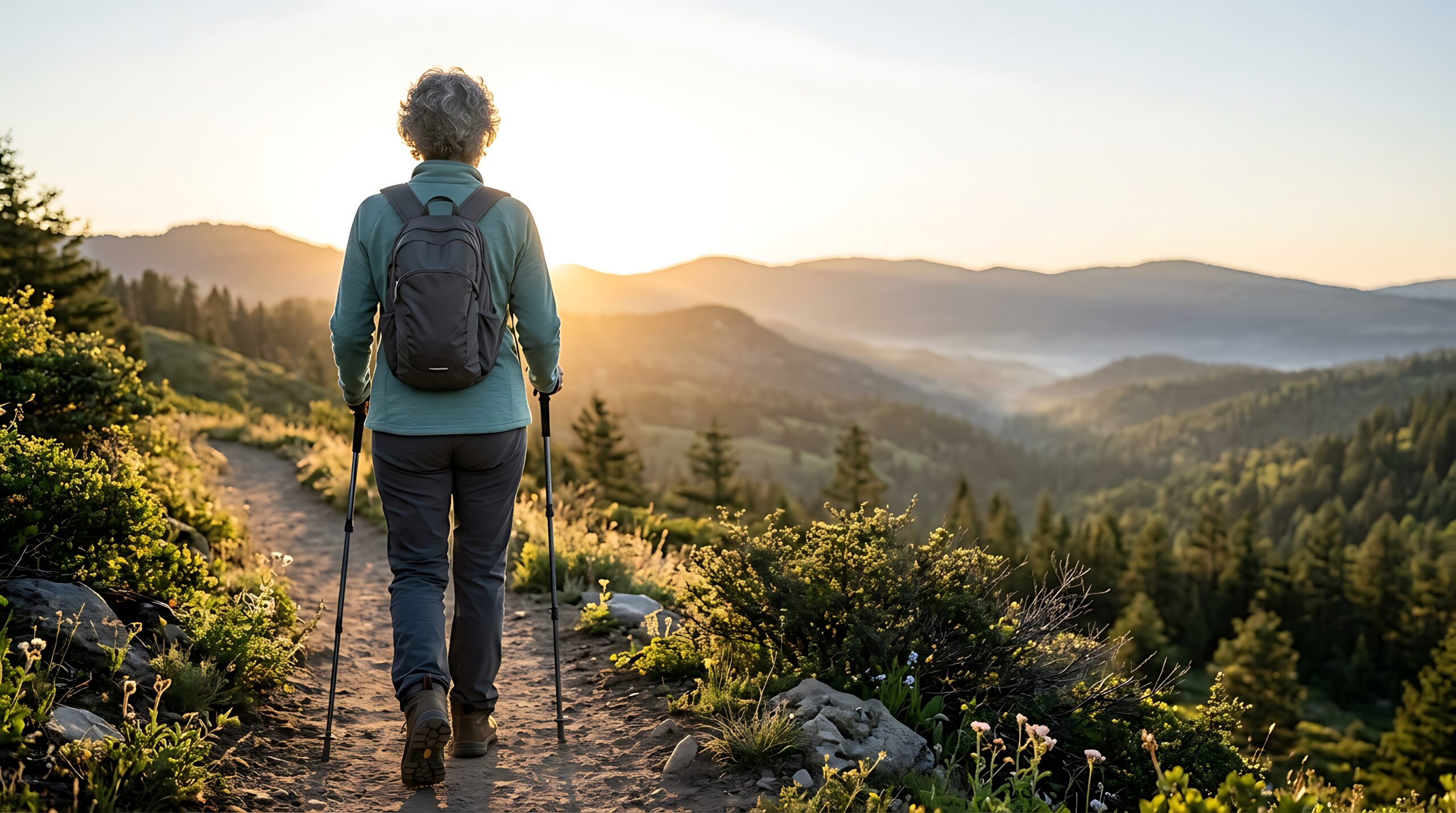
Best Hiking & Climbing Pants 2026
Good mountain pants have a deceptively difficult job. They need to stretch over high steps, survive contact with rock and brush, dry quickly after sweat or light rain, sit comfortably beneath a backpack hipbelt or climbing harness and still breathe well enough for hours of uphill movement. The right design depends on whether your day is mostly trail, rock, alpine terrain or cold-weather mountaineering.
Prioritize airflow, drying speed and low bulk.
Add articulated movement and abrasion resistance.
Increase wind resistance, durability and structure.
Put true rain protection over the hiking layer.
For Most Hikers, Start With Stretchy Quick-Drying Woven Pants.
The most versatile hiking pant is usually a lightweight or midweight nylon-based woven pant with enough stretch for steep steps, enough abrasion resistance for brush and rock, and a cut that remains comfortable beneath a backpack hipbelt.
Climbers should pay more attention to articulation, crotch gussets, harness-compatible pockets and a low-profile waist. Mountaineers can move farther toward softshell fabrics that add wind resistance, durability and some protection from snow while remaining more breathable than a waterproof shell.
Water resistance is useful, but do not confuse a DWR-treated hiking pant with rain pants. Light moisture may bead and roll away. Sustained rain requires a waterproof shell.
Choose the Pant by Activity
The ideal summer trail pant and the ideal winter climbing softshell are deliberately different garments.
| Type | Breathability | Stretch | Weather Protection | Abrasion | Best Use |
|---|---|---|---|---|---|
| Light hiking pant | Excellent | Moderate-high | Light | Moderate | Warm hiking / backpacking |
| Stretch climbing pant | Very good | High | Light | Good-high | Rock climbing / scrambling |
| Softshell mountain pant | Good | High | Moderate-high | High | Alpine / mountaineering |
| Convertible hiking pant | Good | Varies | Light | Moderate | Travel / hot-weather trekking |
| Fleece-lined softshell | Moderate | High | Moderate | Good | Cold winter hiking |
| Waterproof rain pant | Lower | Varies | High | Varies | Sustained wet weather |
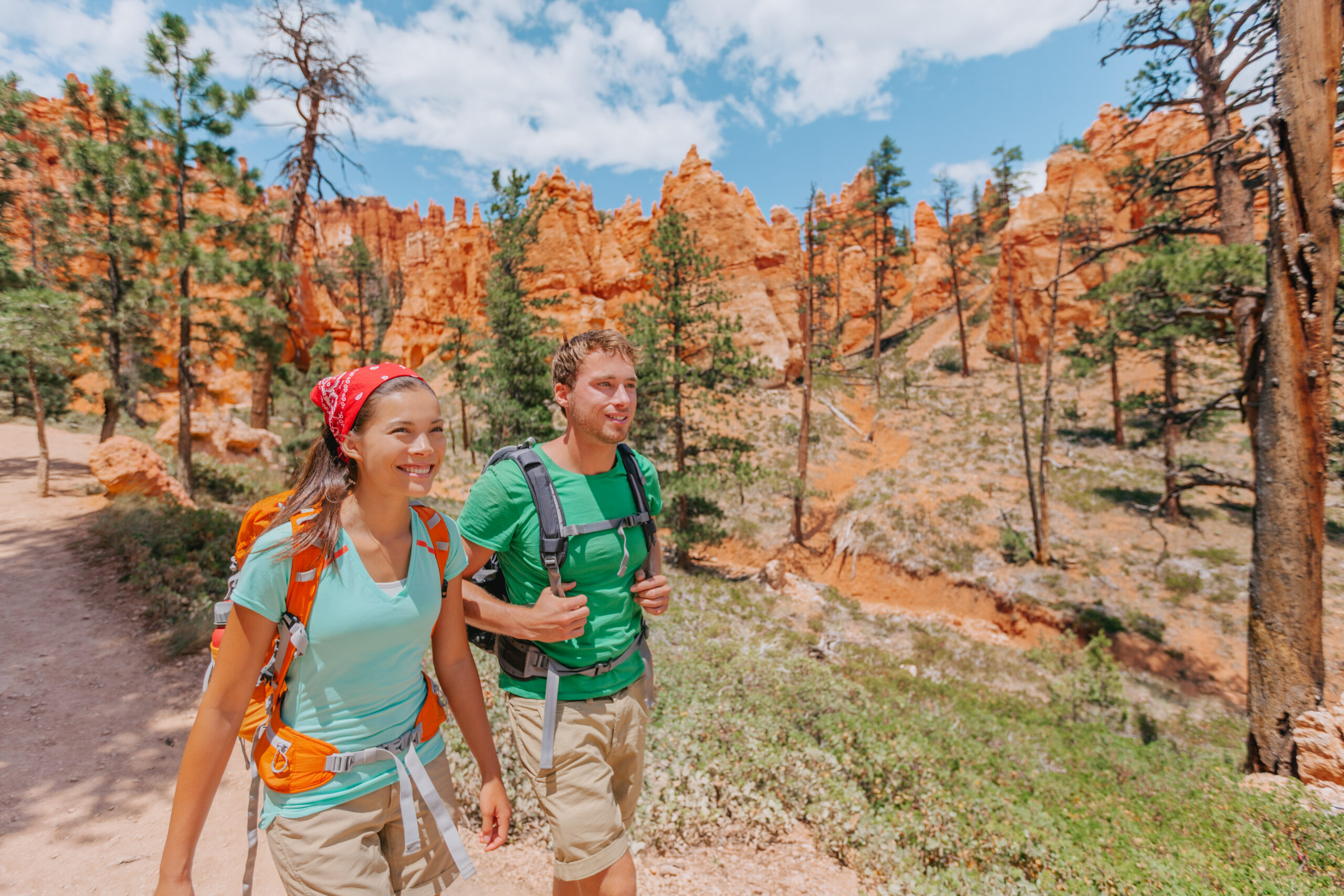
Hiking Pants Are Not One Thing
Weight, fabric density and construction should increase as the terrain gets colder, rougher and more technical.
Light Hiking Pants
Thin stretch-woven pants prioritize airflow, rapid drying and sun or brush protection without feeling heavy during long uphill days.
Climbing Pants
Add large range of motion, a gusseted crotch, articulated knees and an uncluttered waistband that works beneath a harness.
Softshell Pants
Denser woven fabric improves resistance to wind, snow and abrasion while remaining more breathable than waterproof hardshell pants.
Convertible Pants
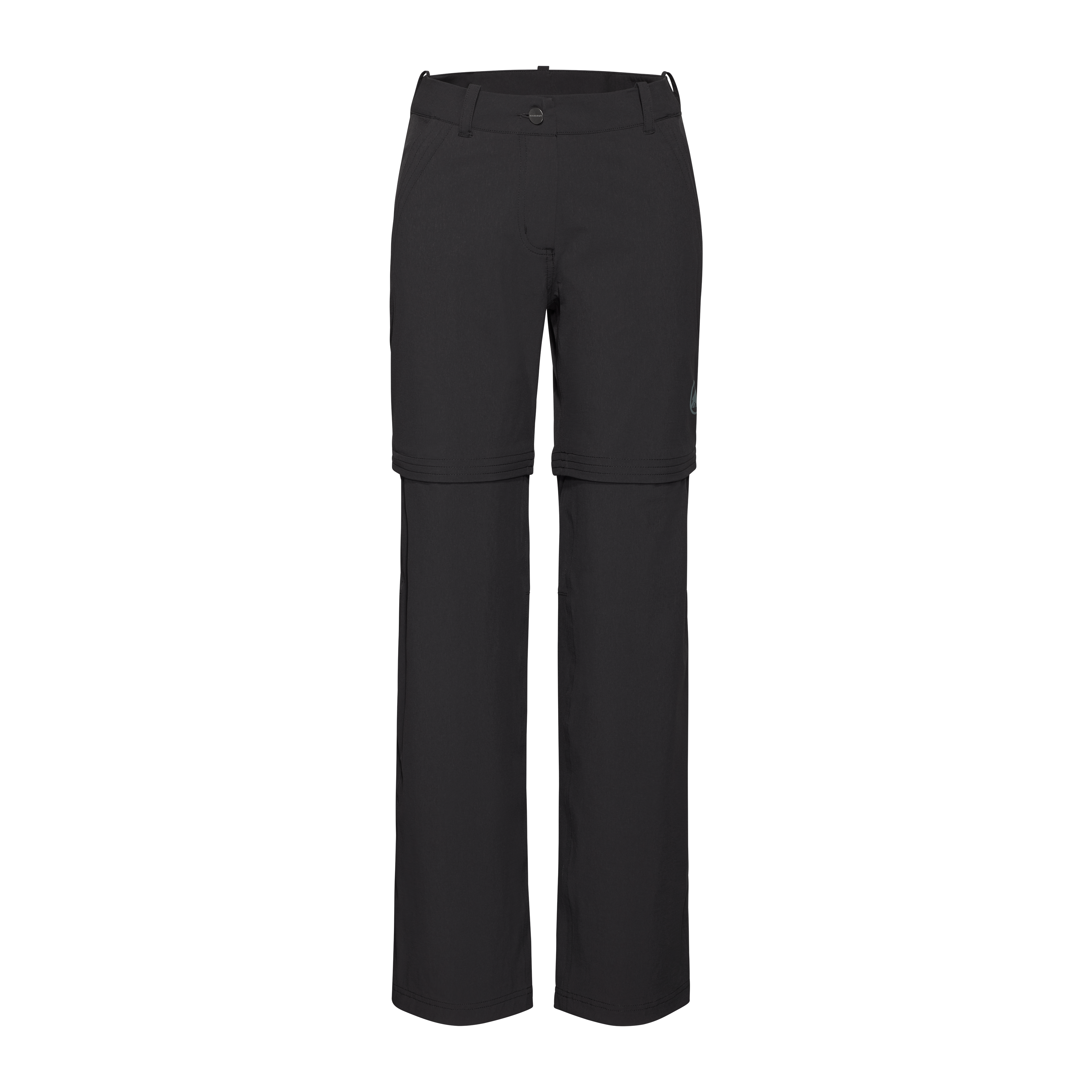
Zip-off legs add ventilation and versatility but also add seams, hardware and a fit that some hikers find less comfortable.
Nylon, Stretch & Abrasion Resistance
Most technical hiking and climbing pants are built from nylon or nylon-rich woven fabrics blended with elastane or spandex. The nylon provides durability and fast drying, while the stretch fiber allows the fabric to move through steep steps and climbing positions.
Lighter fabrics breathe better and pack smaller. Denser fabrics usually resist abrasion and wind more effectively. Neither is inherently superior: the goal is matching fabric density to terrain.
Climbers who spend time against granite may accept extra weight for abrasion resistance. Desert hikers may happily trade some durability for airflow and faster drying.
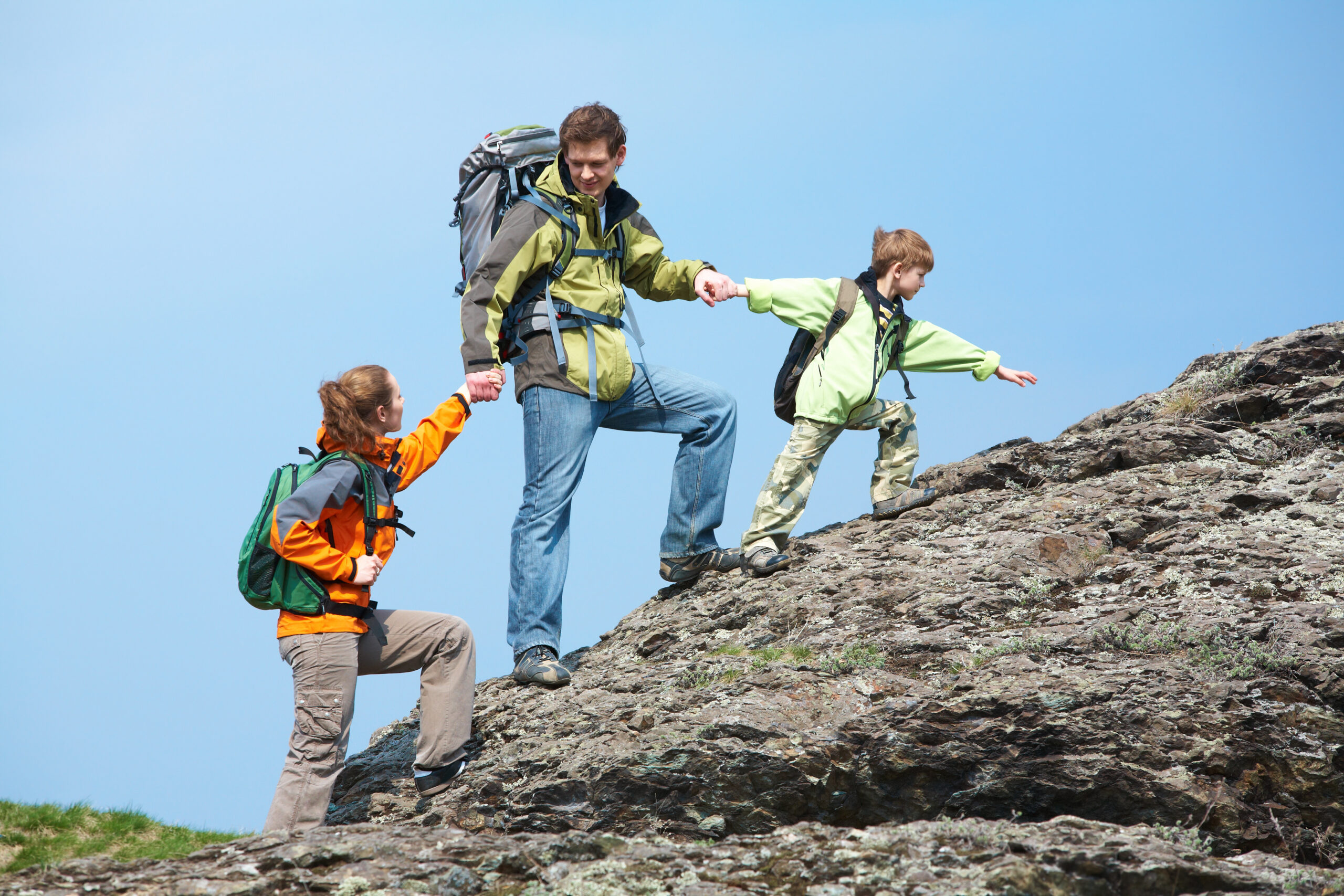
How Hiking & Climbing Pants Should Fit
Standing straight in a fitting room tells you surprisingly little.
Lift a Knee
Raise one knee above hip level. The waistband should remain in place without severe pulling through the thigh or crotch.
Squat
The fabric should move through the seat and knees without binding or exposing the lower back.
Check the Waist
Thick belts, buckles and oversized pockets can become uncomfortable beneath a backpack hipbelt.
Check the Hem
The cuff should work with the footwear you use without dragging, snagging or riding excessively high.
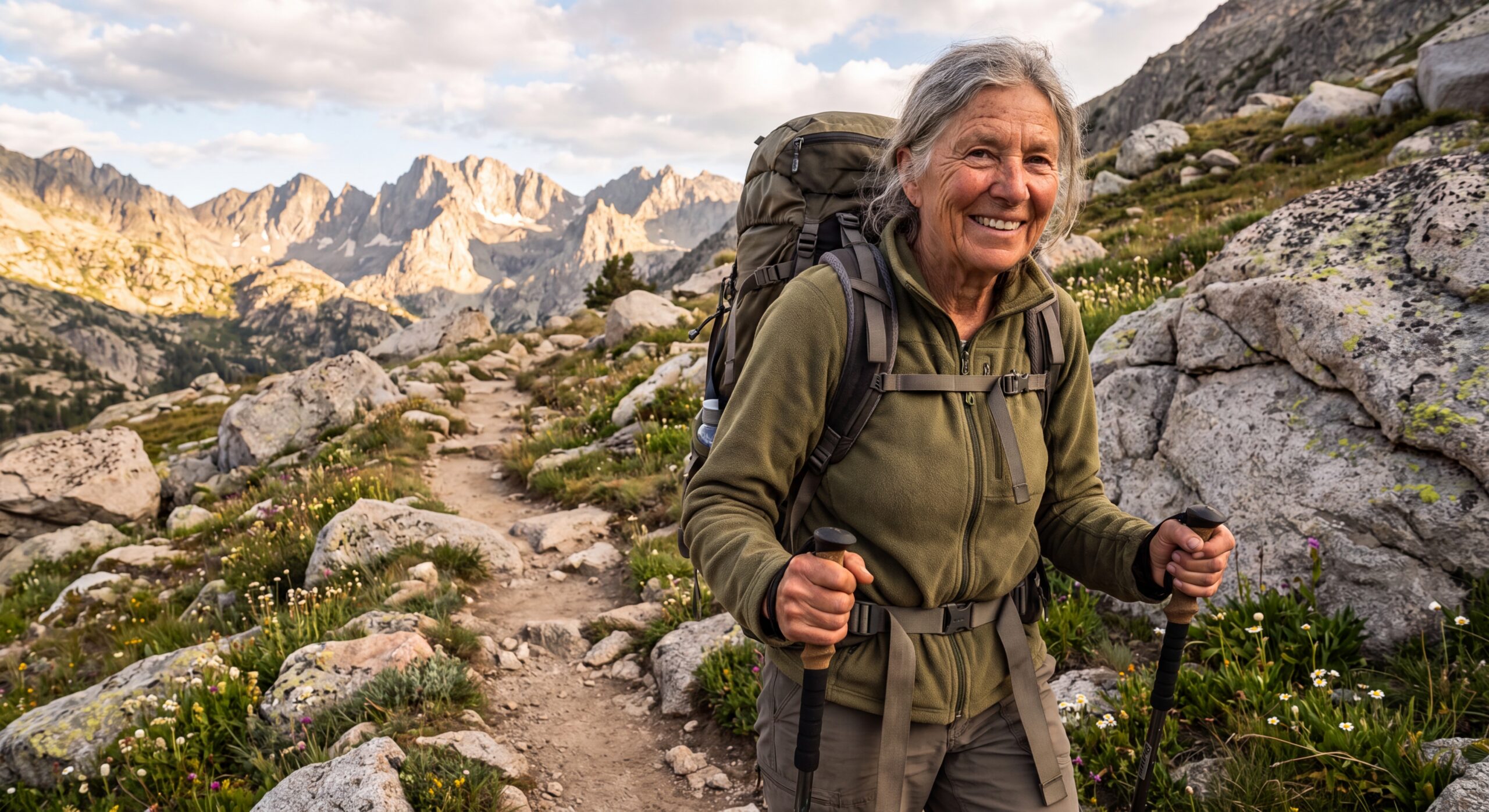
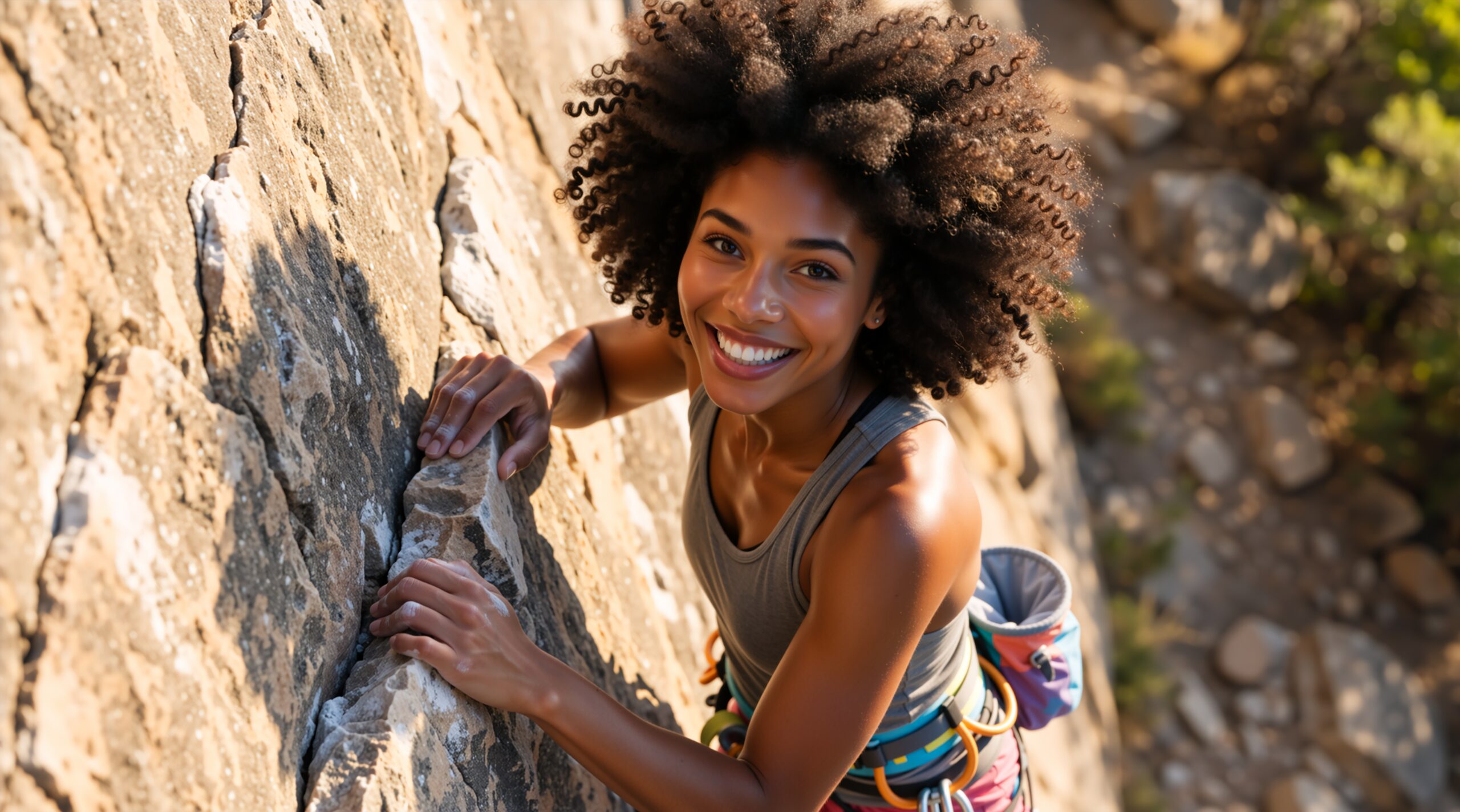
Climbers Need More Than Stretch
Four-way stretch is useful, but the cut of the garment matters just as much. Articulated knees and a gusseted crotch give the fabric room to follow large movements instead of relying entirely on elastic fibers.
The waist should remain comfortable beneath a harness. Bulky belts can create pressure points. Hand pockets that disappear underneath a harness are less useful than higher thigh or zippered pockets.
Cuffs matter too. A tapered or adjustable hem makes it easier to see precise foot placements and reduces loose material around climbing shoes.
Water-Resistant Hiking Pants Are Not Rain Pants
This is the biggest source of confusion in this category.
Many hiking pants use a tightly woven fabric and a durable water-repellent treatment that helps light rain or morning moisture bead on the surface. That can be excellent for passing showers, damp vegetation and light snow.
It does not make the fabric a waterproof shell. During prolonged rain, water eventually penetrates most ordinary hiking and softshell pants. When staying dry matters, add dedicated waterproof rain pants.
The advantage of keeping these functions separate is breathability. You can hike most of the day in comfortable woven pants and only deploy the waterproof layer when the weather actually requires it.
Six Pants That Represent Different Jobs
These are reference designs rather than one universal ranking.
Outdoor Research Ferrosi
The Ferrosi is a good example of the lightweight stretch-woven category: breathable enough for trail use but built with abrasion resistance and climbing-friendly movement.
- Stretch woven construction
- Quick drying
- Wind and light-water resistance
- Articulated knees
- Harness-compatible waist
prAna Stretch Zion
The Stretch Zion family represents the classic durable hiking pant with a relaxed trail-friendly fit, stretch and practical pocketing.
- Stretch nylon construction
- Abrasion resistance
- Water-repellent treatment
- Ventilated gusset
- Adjustable waistband
Arc’teryx Gamma
Gamma sits farther toward the softshell end of the spectrum, adding more weather resistance and structure while preserving climbing mobility.
- Four-way stretch softshell
- Breathable construction
- Gusseted crotch
- Harness-friendly thigh pocket
- Adjustable waistband and cuffs
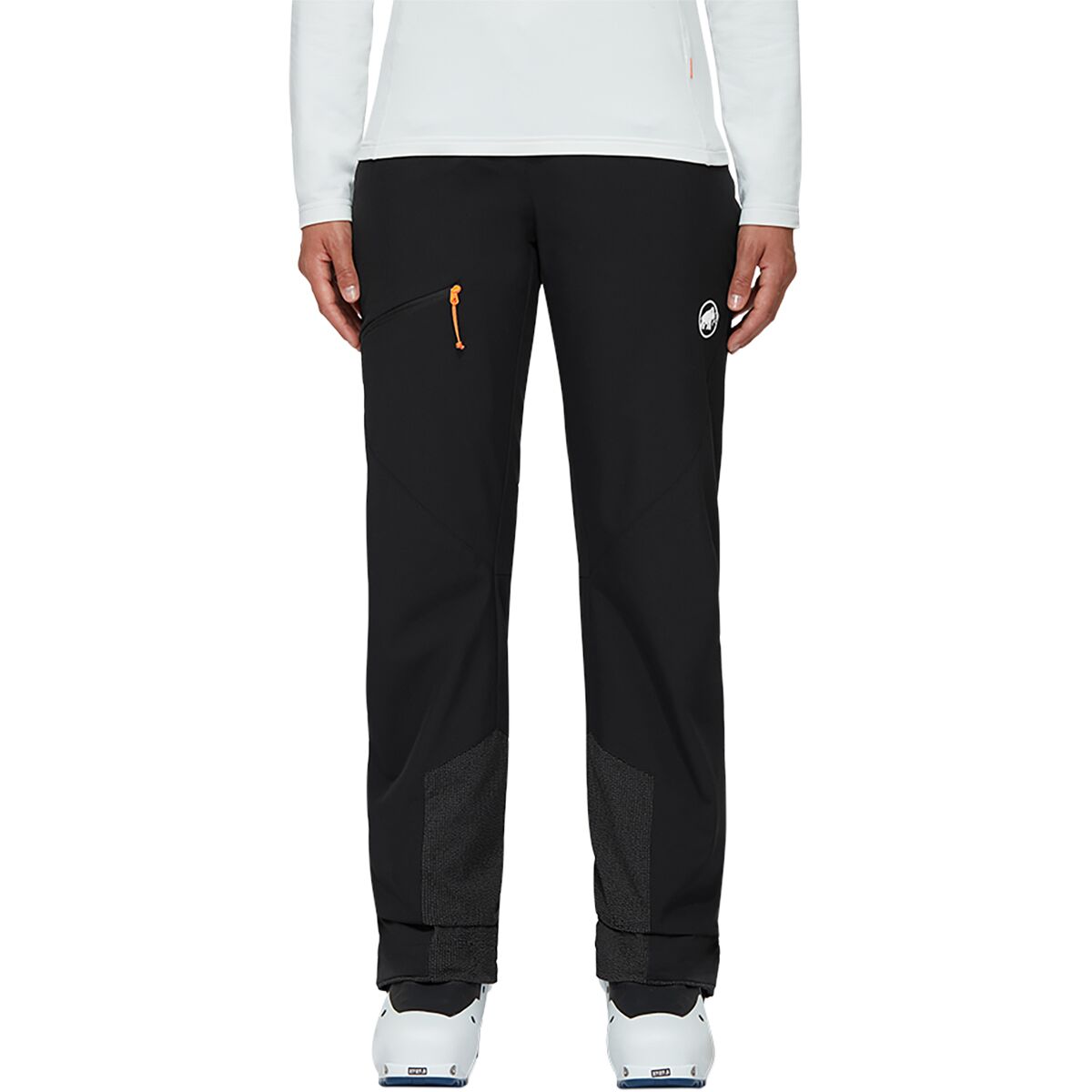
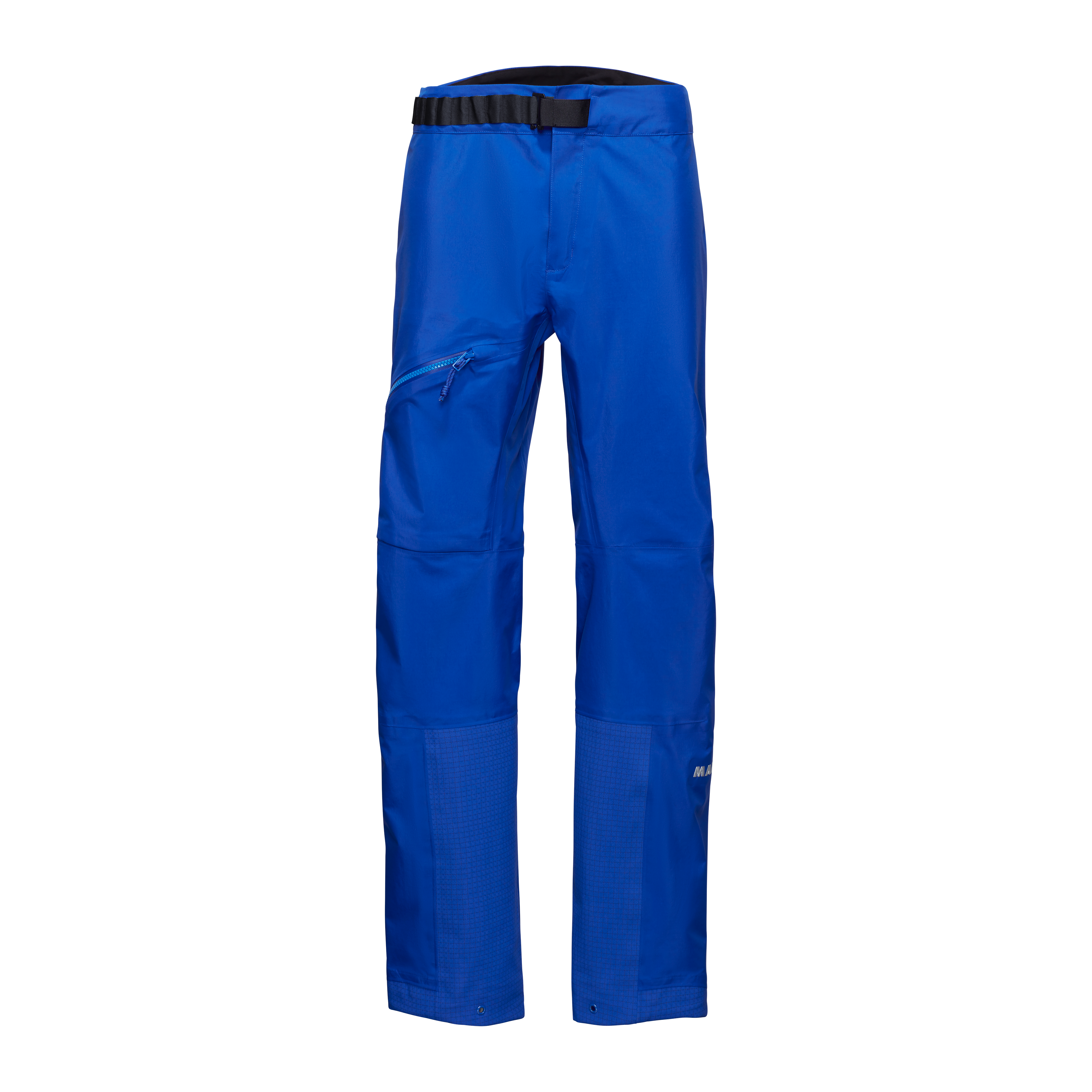
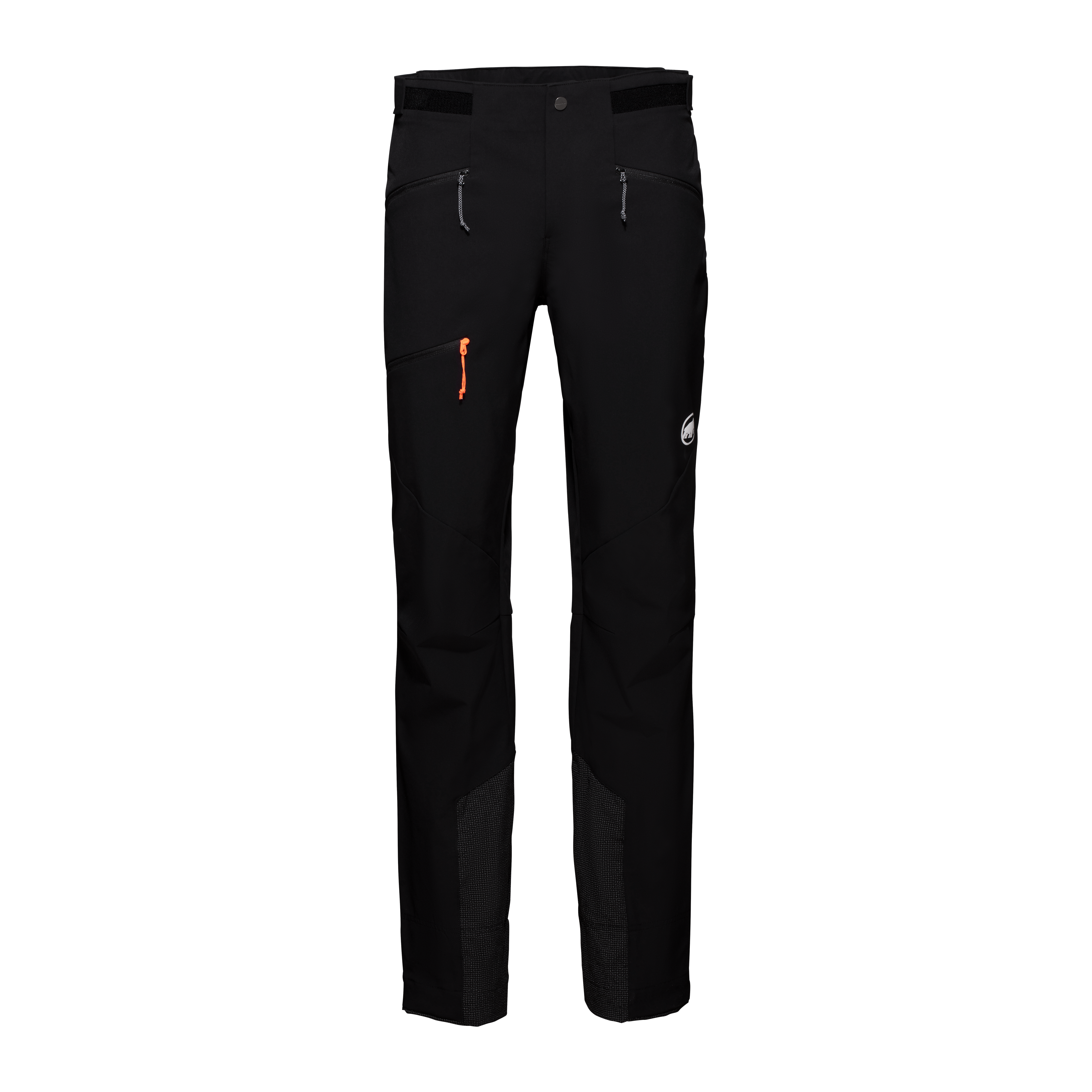
Mammut Taiss SO
The Taiss SO moves firmly into mountaineering territory with a more durable double-weave fabric and details designed around boots, climbing harnesses and rough alpine terrain.
- Four-way stretch
- High abrasion resistance
- Wind and light-weather resistance
- Harness-compatible pocketing
- Adjustable hem and boot attachment hook
Pioneer Camp TrailFlex
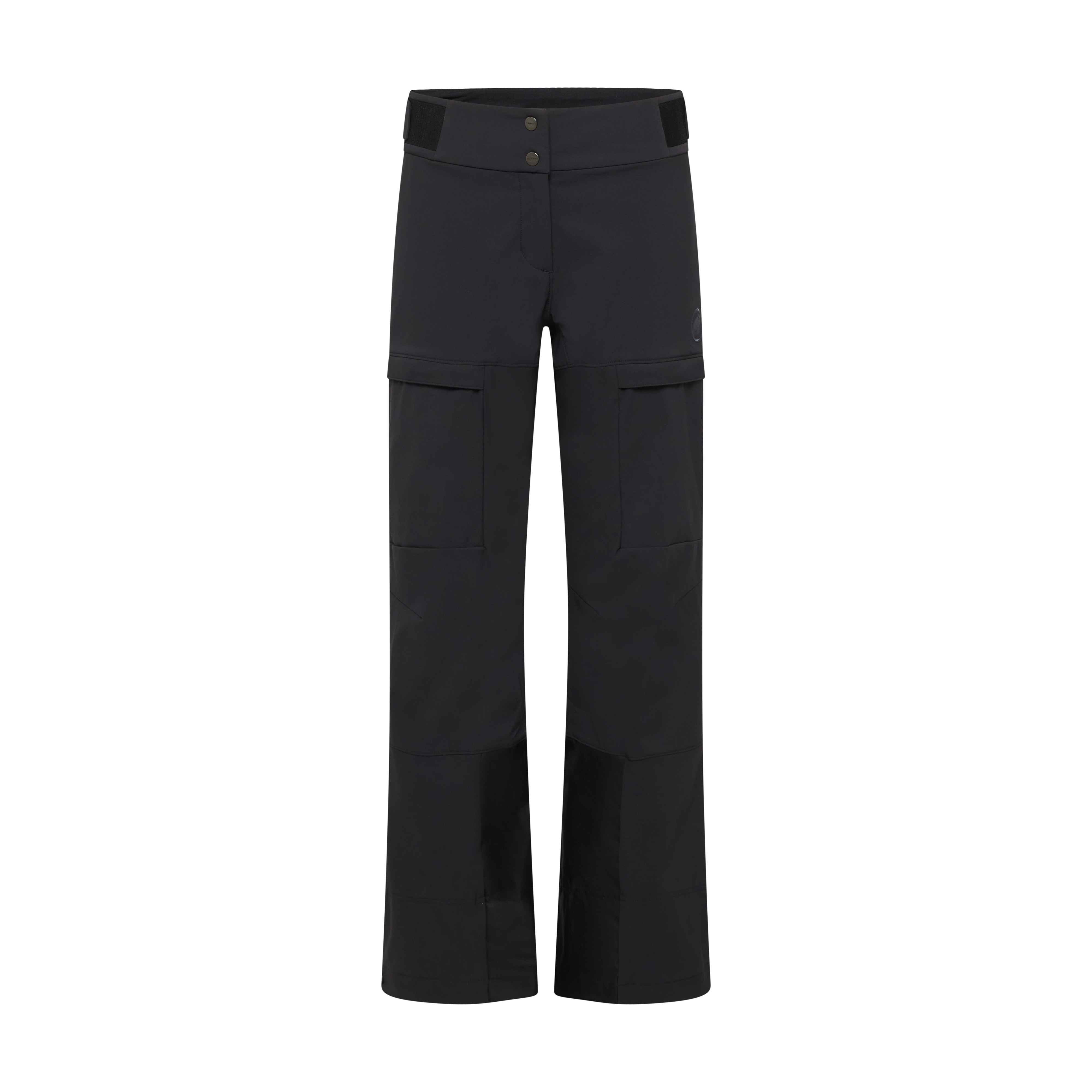
Pioneer Camp’s current women’s collection includes a TrailFlex climbing-and-hiking model focused on lightweight mobility, breathability and water resistance.
Pioneer Camp HexaVent
HexaVent approaches warm-weather hiking from a ventilation angle, using multiple ventilation zones to help regulate temperature during long active days.
- Three-season design
- Ventilation zippers
- Breathable construction
- Abrasion resistance
- Water-repellent fabric
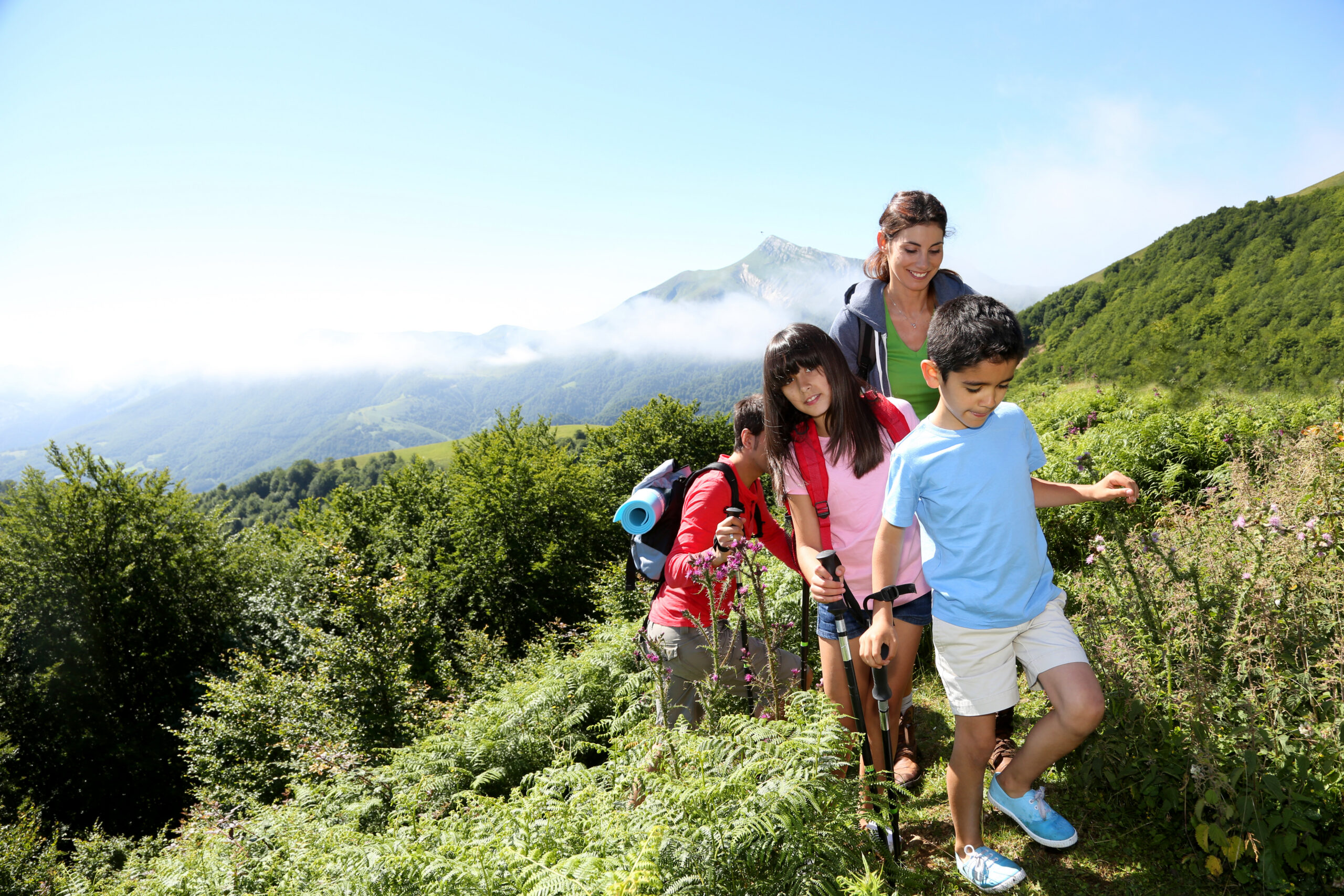
If the Pants Fight a High Step, They Do Not Belong in the Mountains.
Stretch helps, but good patterning is what turns fabric into a pant that can climb, scramble, kneel and hike without constantly pulling against your hips.
Fit Through the Waist, Hips & Thighs Matters as Much as Fabric
Women’s hiking pants use the same performance materials as men’s models, but fit can change dramatically through the rise, waist, hips, thighs and inseam.
That makes it especially important to perform the movement test rather than relying only on the waist number. Squat, step high, sit, put on a backpack and check whether the waistband rolls or gaps.
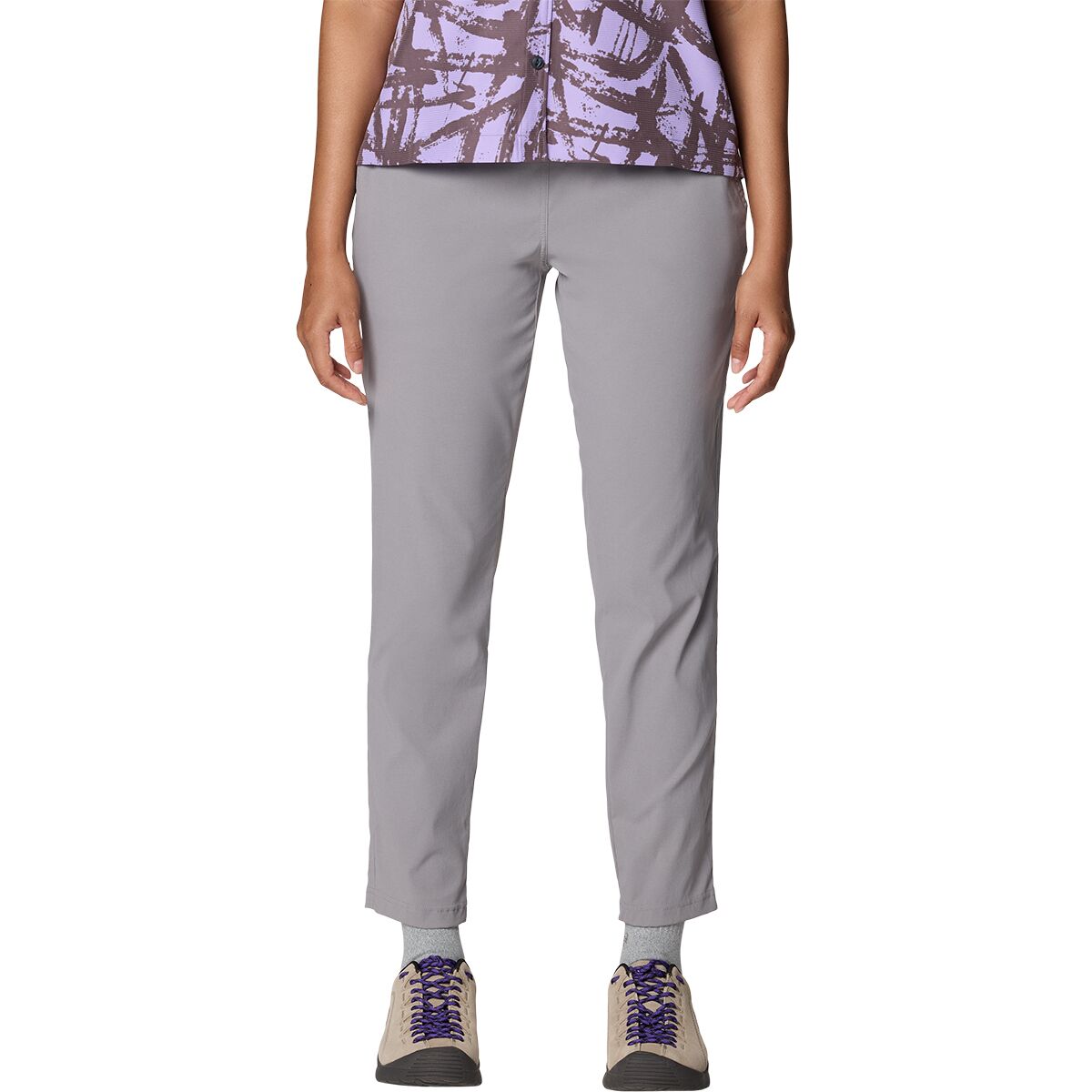
Pioneer Camp’s current women’s range is unusually broad for this page, spanning lightweight quick-dry models, ventilated hiking pants, abrasion-resistant CORDURA options, TrailFlex climbing/hiking pants and fleece-lined softshell styles.
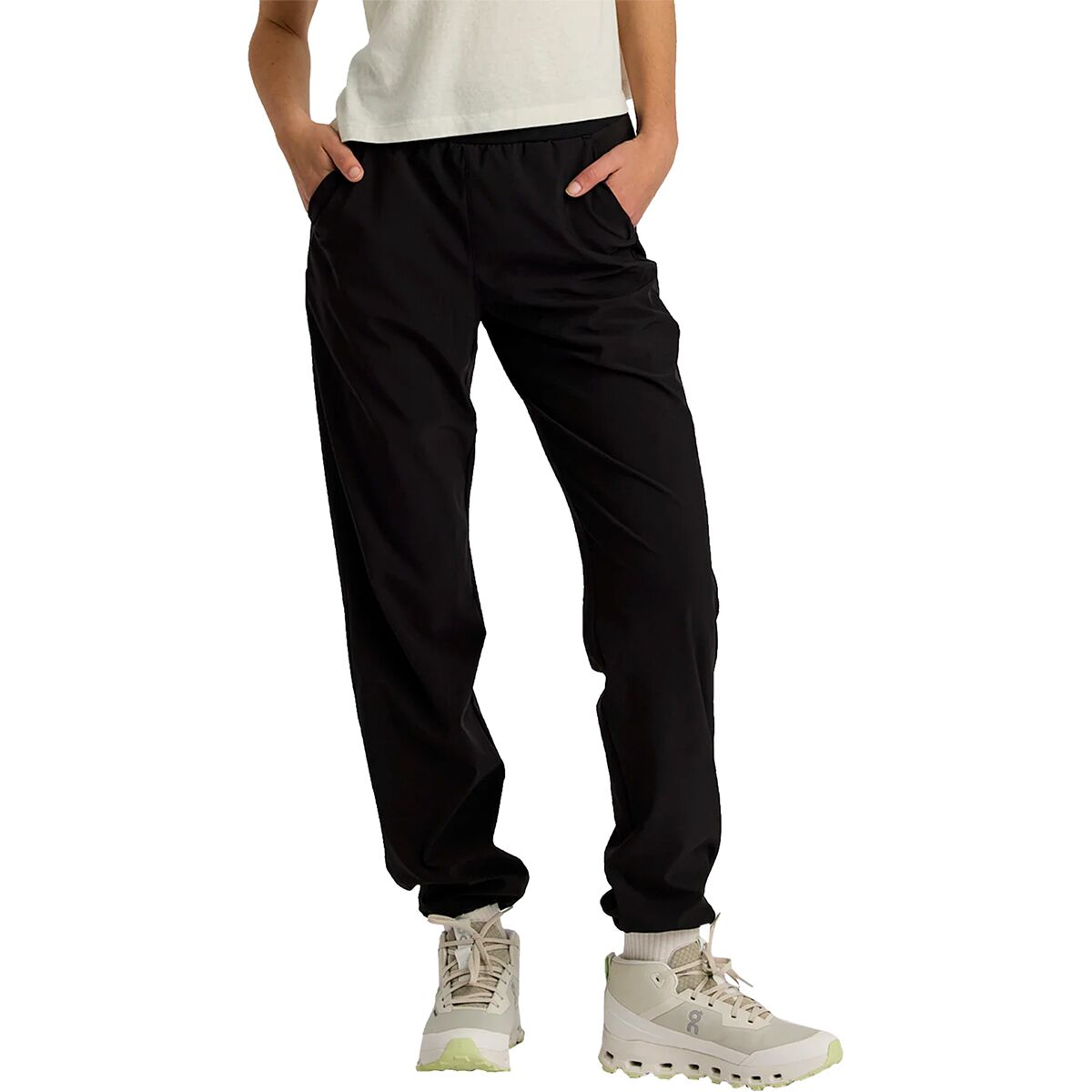
Current Women’s Hiking & Climbing Pants
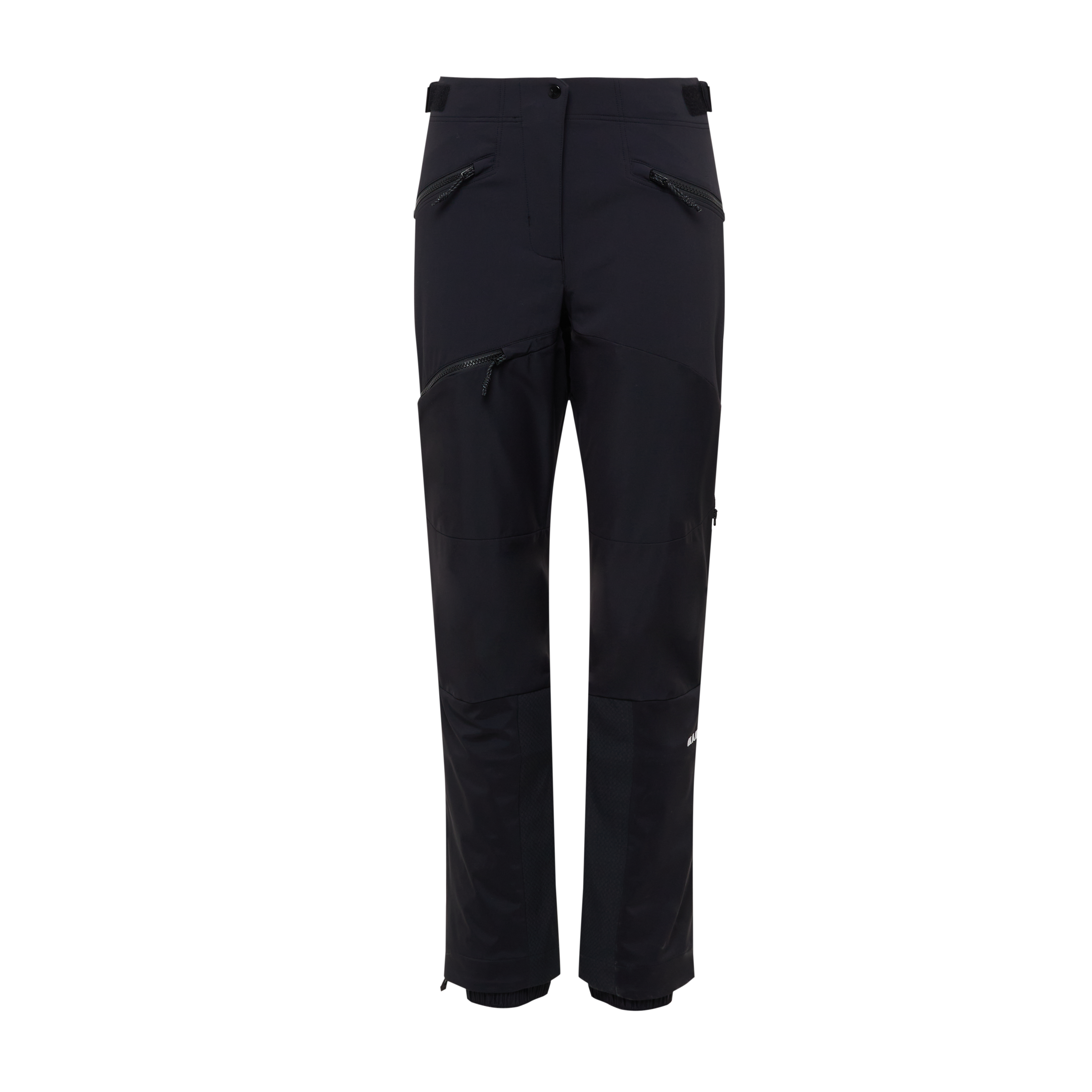
Compare women’s inventory while prioritizing mobility, rise, hip fit, pocket position and the terrain the pants are intended to handle.
- MammutMammut Taiss Guide SO Pant – Women'sFrom $199.20
$259Check price at Back Country (opens in a new tab)
We may earn a commission if you buy through these links, at no extra cost to you. Affiliate disclosure
How Hiking Pants Fit Into a Cold-Weather System
The same layering logic you use on the torso applies to the legs, but most hikers need fewer layers below the waist.
Pants Only
Lightweight hiking pants can be the entire lower-body system in mild, dry weather.
Base Layer + Pants
Add a thin thermal base layer beneath stretch or softshell pants as temperatures drop.
Softshell
A denser softshell can provide enough protection for many dry winter conditions without deploying waterproof pants.
Add Hardshell
Waterproof overpants belong on top when sustained rain, wet snow or severe weather exceed the hiking pant’s capabilities.
Eight Details That Change How Pants Work on the Trail
Fabric matters, but construction often determines whether the pants still feel good after six hours.
Gusseted Crotch
Adds movement without forcing seams directly into high-stress areas.
Articulated Knees
Pre-shaped knees improve mobility for scrambling and climbing.
Low-Profile Waist
Reduces pressure beneath backpack hipbelts and climbing harnesses.
Secure Pockets
Zippered storage helps keep small items contained while climbing.
Thigh Pocket
Often remains accessible when a harness covers ordinary hand pockets.
Adjustable Cuff
Helps manage boot coverage and keeps loose fabric away from precise foot placements.
Ventilation
Side or thigh vents can significantly improve comfort in warmer conditions.
Reinforcement
Extra abrasion protection around knees or cuffs can make sense for technical mountain use.
You Do Not Need Expedition Pants for a Beginner Summer Hike
A beginner hiking setup should stay simple. Lightweight stretch pants that dry quickly and allow full movement are enough for most nontechnical Class 1–2 summer hiking.
Spend more only when the terrain or weather justifies it. Technical softshell pants make sense when abrasion, wind, snow, climbing or cold conditions become a real part of the objective.
This keeps the clothing system aligned with the broader beginner-gear philosophy: buy for the mountains you are actually climbing now.
Where Backcountry & Pioneer Camp Fit
Use each partner where its catalog actually strengthens the reader’s decision.
Broad Technical Comparison
Backcountry works as the broad shopping route for established hiking, climbing and softshell brands across different levels of technical performance.
Keep prices dynamic through Gear Ads rather than hard-coding them into the article.
Compare Current PantsEspecially Strong Women’s Selection
Pioneer Camp’s current women’s collection includes lightweight, ventilated, quick-dry, abrasion-resistant, climbing-oriented, softshell and waterproof options.
That makes it particularly useful as the secondary partner in the women’s section rather than forcing it into every product card.
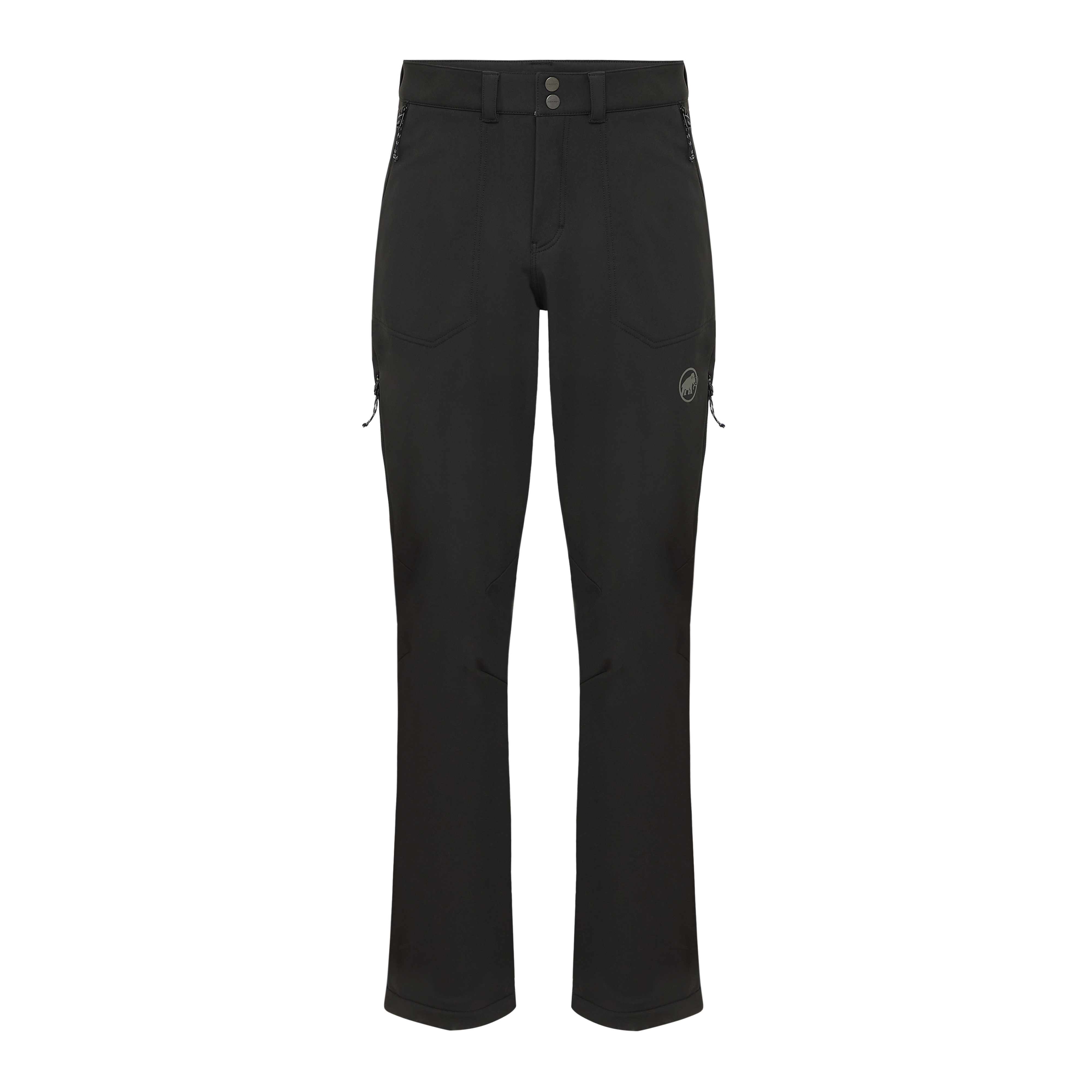
Women’s Pioneer Camp PantsCompare Current Hiking & Climbing Pants
Use the live catalog after deciding whether you need a lightweight trail pant, climbing pant or protective softshell.
Current Hiking & Climbing Pants
Compare current inventory, then confirm inseam, waist, rise, stretch and intended activity before ordering.
We may earn a commission if you buy through these links, at no extra cost to you. Affiliate disclosure
Which Hiking Pants Should You Choose?
Decide by terrain first, then compare models.
| Your Main Use | Prioritize | Design Direction | Example |
|---|---|---|---|
| Warm day hiking | Low weight + airflow | Light stretch hiking pant | Ferrosi-style |
| General hiking + travel | Durability + comfort | Traditional stretch trail pant | Stretch Zion-style |
| Rock climbing | Mobility + harness fit | Articulated climbing pant | Ferrosi / Gamma-style |
| Scrambling / cool alpine | Stretch + weather resistance | Midweight softshell | Gamma-style |
| Mountaineering | Abrasion + wind + boot integration | Technical softshell | Taiss SO-style |
| Hot women’s hiking | Ventilation + fit | Light / vented trail pant | TrailFlex / HexaVent-style |
Hiking & Climbing Pants FAQ
What are the best pants for hiking?
For most three-season hiking, lightweight or midweight stretch-woven nylon pants provide the best balance of breathability, quick drying, mobility and abrasion resistance.
Can I use climbing pants for hiking?
Yes. Many climbing pants make excellent hiking pants because they prioritize stretch and durability. Some technical climbing designs are heavier than necessary for hot summer hiking.
Can I use hiking pants for climbing?
Often, especially for casual climbing and scrambling. Frequent climbers may benefit from articulated knees, a gusseted crotch, harness-compatible waist construction and secure pockets.
Are softshell pants waterproof?
Usually not. Softshell fabrics emphasize breathability, stretch, abrasion resistance and protection from wind or light moisture. Sustained rain generally requires waterproof shell pants.
Should hiking pants fit loose?
They need enough room for unrestricted hip and knee movement but should not be so loose that excess fabric catches, flaps or bunches beneath a harness or backpack hipbelt.
Are zip-off hiking pants worth it?
They can be useful for travel and large temperature swings. Some hikers dislike the zipper seam around the thigh or prefer dedicated lightweight pants and shorts instead.
Do I need hiking pants with UPF protection?
Full-leg clothing already reduces direct skin exposure, and many technical hiking pants publish a UPF rating. Sun protection can be especially useful in exposed desert, alpine and high-altitude environments.
What should women look for in hiking pants?
In addition to the same fabric and performance considerations, test rise, hip room, thigh mobility, inseam and waistband behavior beneath a backpack hipbelt. The movement test matters more than the size number alone.
Related Hiking & Layering Guides

Buy Enough Protection for the Terrain—Then Preserve Your Ability to Move.
Summer hikers need airflow. Climbers need articulation. Alpine routes need stronger abrasion and wind resistance. And when the rain becomes serious, stop asking ordinary hiking pants to behave like a waterproof shell.
Was this helpful?
Global Summit Guide is an independent mountaineering resource founded in 2026. The team combines first-hand trekking and climbing experience with in-depth research and professional health and nutrition review to help climbers choose objectives, prepare properly, and stay safe.
Health, altitude, and nutrition content is reviewed by Taylor Ludlow (Registered Nurse) and Brigg Hoopes (Nutritionist).
What We Don't Know Yet
Mountain information changes quickly. This box explains the limits of what this page can responsibly promise.
- Visa, passport, vaccination, border, insurance, and local transportation rules may change before your trip.
- Route conditions, snowpack, closures, and weather can change quickly after this page is updated.
- Permit rules, fees, quotas, and reservation windows may change between review cycles.
- Operator availability, pricing, guide ratios, and cancellation terms can change by season.
- Your fitness, altitude response, risk tolerance, and experience level may change what is safe or realistic.
Verify current conditions with official land managers, guide services, local forecasts, and current route reports before booking or climbing.
Mountaineering, rock and ice climbing, glacier travel, and high-altitude activity are inherently dangerous and can result in serious injury or death. The information on Global Summit Guide is provided for general informational and educational purposes only and is not a substitute for professional instruction, qualified guiding, proper equipment, or your own judgment and experience.
Route conditions, weather, snowpack, permits, regulations, and hazards change constantly and may differ from what is described here. Details may be incomplete, out of date, or contain errors. Always verify current information with local authorities, certified guides, and official sources before making any decision in the mountains.
Nothing on this site is medical, legal, or financial advice. Our fitness, acclimatization, altitude, and nutrition content is general in nature; consult a qualified physician before beginning any strenuous exercise program or exposing yourself to high altitude.
You are solely responsible for your own safety and decisions. To the fullest extent permitted by law, Global Summit Guide and its team accept no liability for any loss, injury, damage, or expense arising from use of, or reliance on, this information. By using this site you acknowledge these risks and accept these terms.
Some links on this site may be affiliate links. If you buy through them we may earn a small commission at no extra cost to you; this never affects our recommendations.
Global Summit Guide recommendation path
Next Best Mountain to Research
Use these recommendations to continue the right planning path instead of stopping on one page.
Use current permit, weather, route, and operator information before booking or climbing.