
Last updated October 3, 2026
Best Approach Shoes: Scrambling, Via Ferrata & Climbing
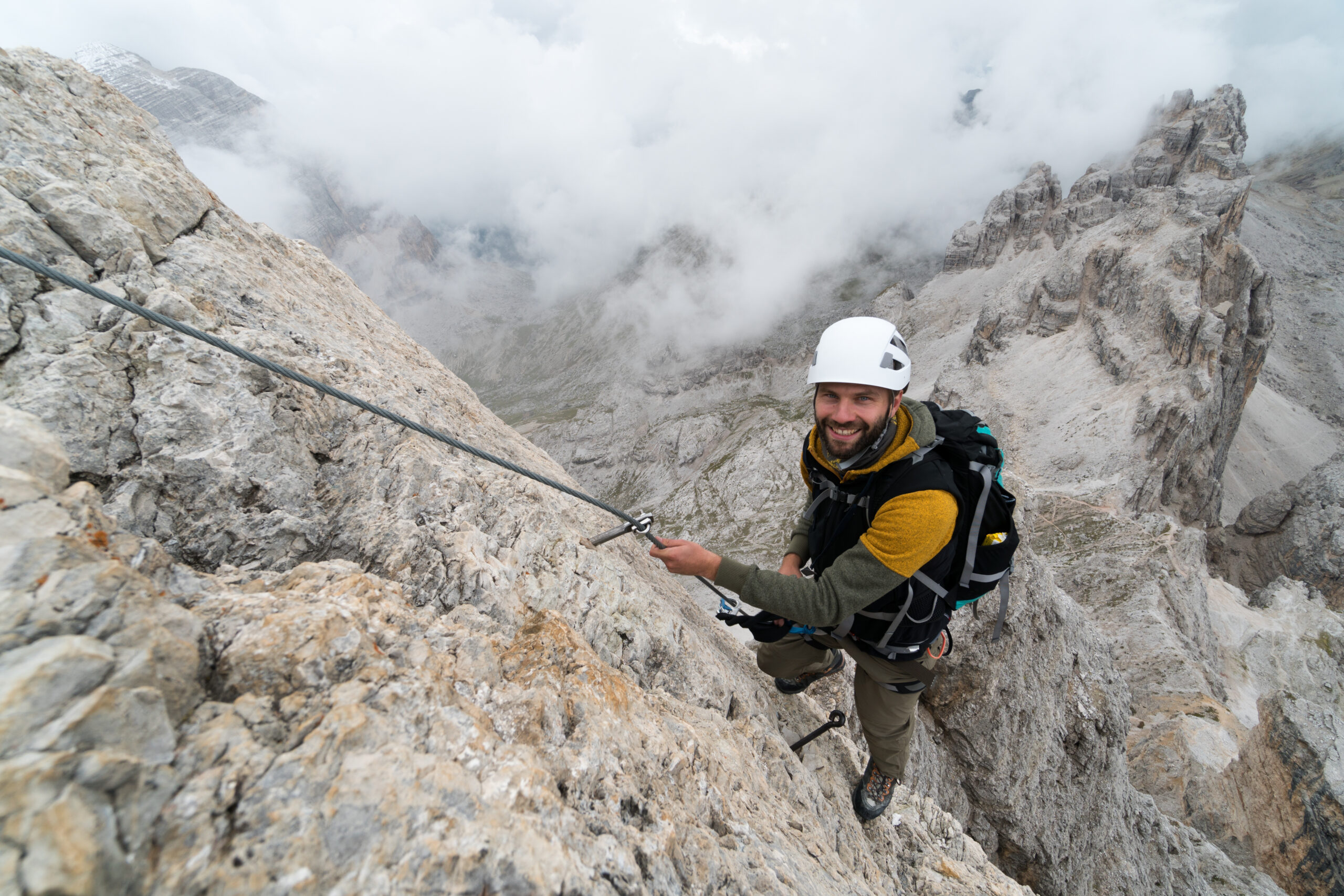
Approach shoes occupy the useful space between trail footwear and climbing shoes. They walk far better than rock shoes but add the sticky rubber, toe protection, close lacing and edging stability that ordinary hiking shoes often lack. That makes them particularly useful for rocky approaches, scrambling, via ferrata, Grand Teton-style terrain and technical routes in the Alps and Dolomites.
Better choice for straightforward walking, backpacking and softer trail.
Sticky rubber and precision for scrambling and technical approaches.
Maximum precision when actual rock-climbing difficulty demands it.
Structure, insulation and crampon compatibility for alpine conditions.
Buy Approach Shoes When the Walking Starts Turning Into Climbing.
Approach shoes make the most sense when the route includes prolonged rock, slabs, talus, scrambling or via ferrata but still requires enough walking that wearing rock climbing shoes would be uncomfortable and impractical.
Compared with hiking footwear, the key changes are usually stickier rubber, a smoother climbing zone at the toe, more precise lacing, stronger toe protection and a platform that edges more securely on small footholds.
Compared with climbing shoes, approach shoes leave more room for walking comfort and use a hiking-style midsole. That makes them much easier to wear for several miles but less precise on genuinely difficult rock climbing.
Which Approach-Shoe Style Fits Your Route?
Some models walk like hiking shoes. Others move noticeably closer to climbing footwear.
| Type | Walking Comfort | Rock Precision | Protection | Best Use |
|---|---|---|---|---|
| All-around approach | High | High | High | Scrambling, rocky approaches, via ferrata |
| Light synthetic approach | High | Moderate-high | Moderate | Fast technical approaches |
| Technical leather approach | Moderate-high | High | High | Rocky alpine terrain |
| Trail / approach hybrid | Very high | Moderate | Moderate-high | Long approaches + scrambling |
| Waterproof approach shoe | High | Model dependent | High | Wet approaches / shoulder season |
| Mid-height approach boot | High | Moderate-high | Very high | Rough terrain with heavier protection |
What Makes an Approach Shoe Different?
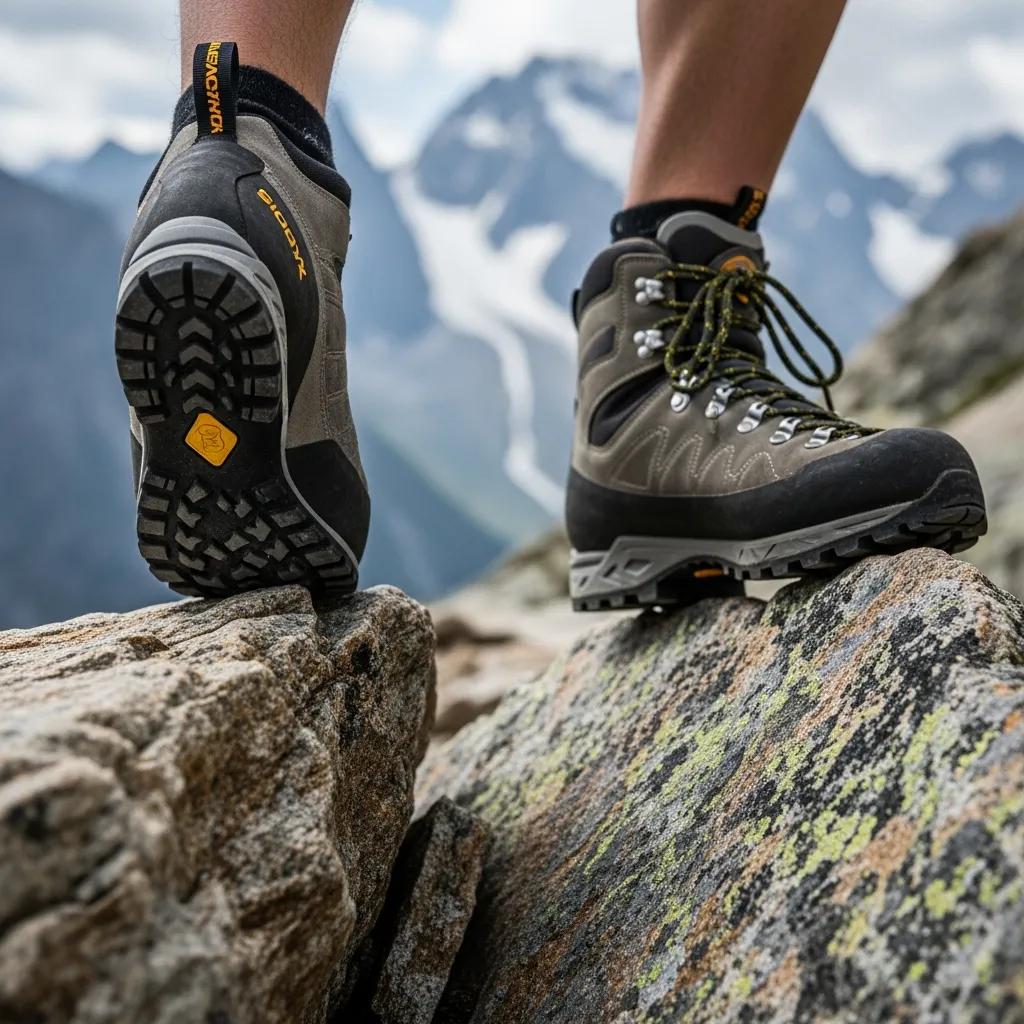
The difference is not simply lower ankle height or aggressive styling.
High-Grip Outsole
Approach footwear uses rubber compounds designed to grip rock more securely than many general hiking outsoles.
Climbing Zone
A smoother area near the front of the outsole gives a more precise contact patch for edging on rock.
Closer Adjustment
Lacing often runs much farther toward the toes so the forefoot can be tuned for walking comfort or greater precision.
Rubber Rand
Toe caps and surrounding rubber protect the upper from scree, sharp rock and repeated contact with stone.
Approach Shoes vs Hiking Boots vs Mountaineering Boots
Choose hiking boots when the route is primarily walking, backpacking, mud, loose trail or long-distance foot travel and you want general comfort and support.
Choose approach shoes when the route increasingly becomes rocky: slabby trail, talus, scrambling, via ferrata or easy climbing where precise foot placement matters.
Choose mountaineering boots when snow, ice, crampons, insulation or technical alpine terrain become part of the objective.

How Tight Should Approach Shoes Fit?
Tighter improves precision. Too tight destroys walking comfort.
Minimal Lift
The heel should remain controlled when stepping uphill or edging.
Do Not Size Like Rock Shoes
Leave enough room to walk and descend without crushing toes into the front of the shoe.
Precision Without Compression
The forefoot should feel secure without painful pressure or numbness.
Tune the Fit
Extended lacing allows more precise adjustment as terrain changes.
Sticky Rubber, Climbing Zones & Edging
The outsole is often the biggest reason to choose approach footwear.
Sticky Rubber
Compounds such as Vibram Megagrip and proprietary climbing rubbers increase friction on rock while still providing hiking durability.
Climbing Zone
Reduced tread under the front edge creates a larger stable contact area for small rock features.
Heel Braking & Lugs
The rest of the sole still needs enough tread for dirt, gravel, descents and long mountain approaches.

Six Approach Shoes Worth Comparing
These represent different balances of hiking comfort and technical rock performance.
La Sportiva TX4 EVO
One of the clearest all-around designs: stable enough for long rocky approaches while retaining the sticky outsole and climbing zone expected from technical approach footwear.
- Vibram Megagrip
- Dedicated climbing-zone platform
- 3 mm lugs
- Protective leather upper
- Resole platform
- Approximately 360 g per shoe in the listed men’s specification
SCARPA Mescalito
SCARPA explicitly positions the Mescalito for technical approaches, via ferrata and mountain hikes.
- Extended climbing-style lacing
- Protective suede construction
- Anti-torsion support
- Vibram LiteBase / high-grip outsole system
- Approximately 400 g in the published size
Salewa Wildfire NXT
Designed as a modern hybrid that moves farther toward fast hiking without abandoning precise approach-shoe traction.
- Vibram All-Terrain Megagrip
- Technical approach outsole
- Kevlar-reinforced Matryx upper
- Protective rand
- 345 g published single-shoe weight
Black Diamond Mission LT
A lightweight knit approach shoe emphasizing breathability and sticky rock performance.
- BlackLabel-Mountain sticky rubber
- EnduroKnit upper
- Nylon rock plate
- Technical EVA platform
- Protective rubber toe
La Sportiva TX4 EVO ST
The synthetic ST version keeps the TX4 platform and climbing-zone concept while reducing upper weight and increasing breathability.
- High-tenacity synthetic upper
- Vibram Megagrip
- Climbing Zone Platform
- STB support system
- Resole platform
SCARPA Rapid XT
A more hiking-oriented approach model with a wider ergonomic toe and enough technical outsole design for scrambling and rocky terrain.
- Vibram Megagrip
- Climbing zone at the toe
- Rear braking system
- 360-degree protective rand
- Wide ergonomic forefoot
Approach Shoes Are Often an Excellent Via Ferrata Match.
Sticky rock rubber, precise toe placement and all-day walking comfort match the mixed hiking-and-climbing nature of many via ferrata routes. Wet weather, snow, route length and approach conditions can still favor sturdier footwear.
Why This Page Connects Naturally to Your Via Ferrata Guides
This is one of the strongest internal-linking use cases for the entire approach-shoe category.
Via Ferrata Guide
The main guide should explain footwear categories briefly, then send the detailed buying decision here.
Read the Via Ferrata Guide →Best Via Ferratas in the Dolomites
Dry limestone and long hut-to-route approaches are exactly the terrain where approach footwear becomes relevant.
Dolomites Via Ferratas →Best Via Ferratas in the Alps
Link from each route’s footwear or gear discussion rather than only from a generic related-post section.
Alps Via Ferratas →Grand Teton Is a Natural Approach-Shoe Cross-Link
The Grand Teton combines substantial hiking with exposed scrambling and technical rock. That mixed terrain illustrates why approach shoes exist in the first place.
A hiking boot can manage the approach but may feel clumsy on precise rock. A climbing shoe is far too specialized for miles of hiking. An approach shoe can bridge those two environments.
Whether it is actually the correct footwear for a specific Grand Teton route depends on conditions, guide requirements, weather and personal experience.

Approach Shoes in the Dolomites & Alps
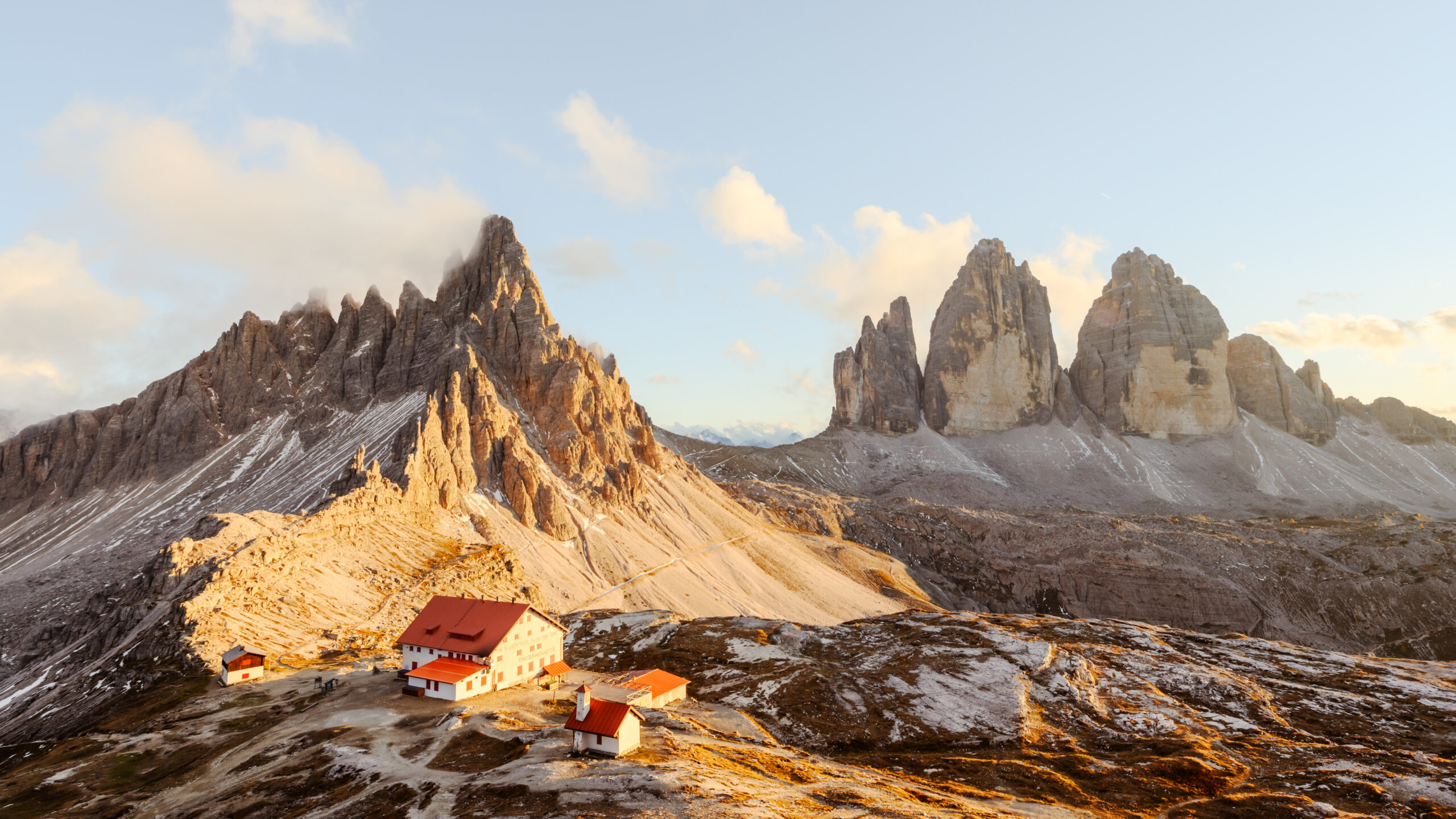
Hut approaches, scree, limestone and protected climbing routes make this one of the category’s natural homes.
Walking Comfort Still Matters
A technical shoe that is miserable after six miles defeats the point of using approach footwear.
Precision Becomes Valuable
Climbing zones and sticky rubber become useful on slabs, ledges and exposed scrambling.
Know When to Move Up to Boots
Snow, cold conditions and technical alpine objectives can require more protective footwear.
Waterproof Approach Shoes Are Not Automatically Better
As with hiking footwear, waterproofing adds protection but reduces some drying speed and ventilation.
Better for Warm, Dry, High-Output Routes
Mesh and unlined leather designs generally breathe and dry more readily. They make sense for summer scrambling, dry via ferrata and long warm approaches.
Useful in Wet, Cold or Shoulder-Season Conditions
Waterproof membranes can help on damp approaches, wet grass, light snow and shoulder-season mountain routes, though a low-cut shoe can still take water through the opening.
Compare Current Approach Shoes
Prioritize fit first, then decide how far toward climbing precision or hiking comfort you want the shoe to lean.
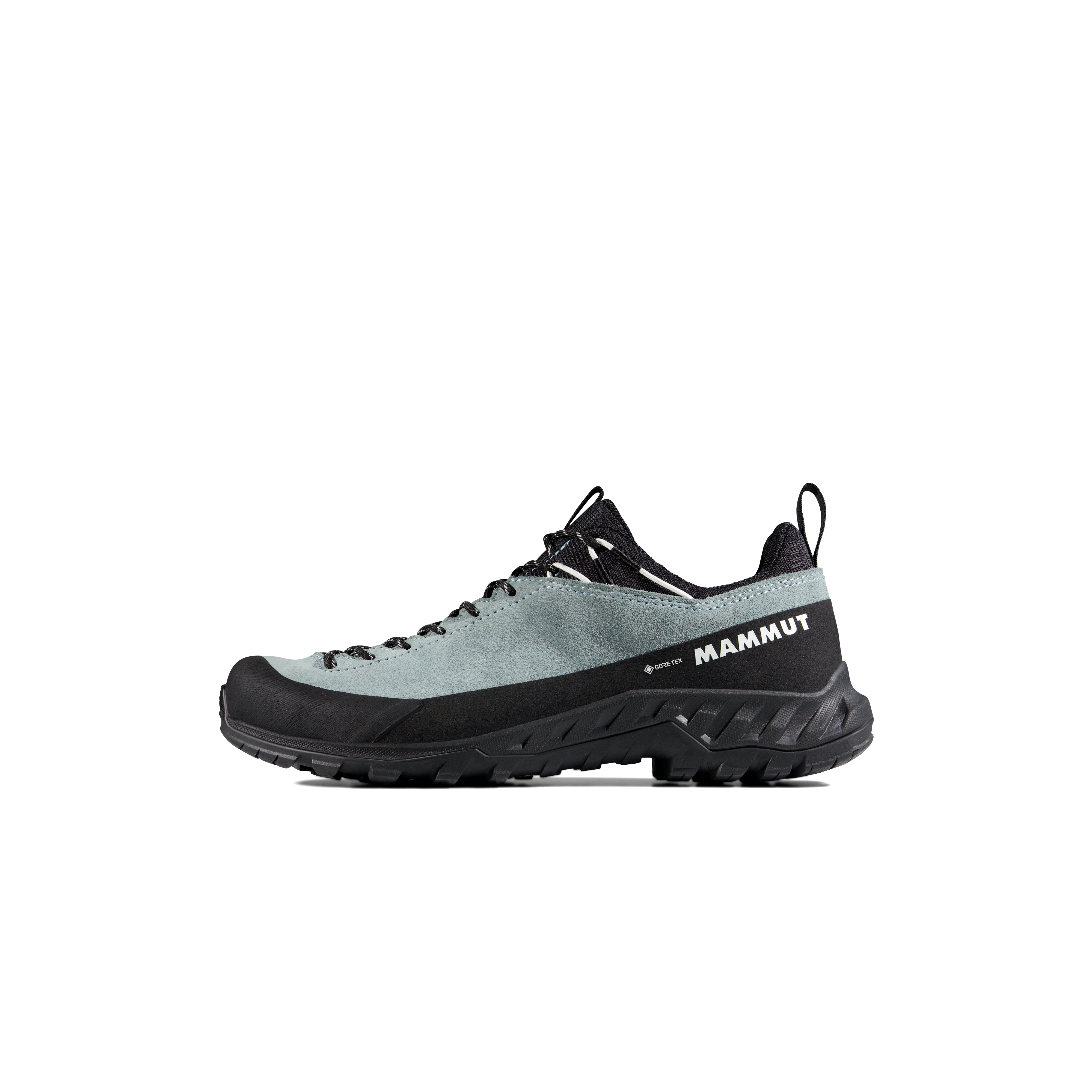
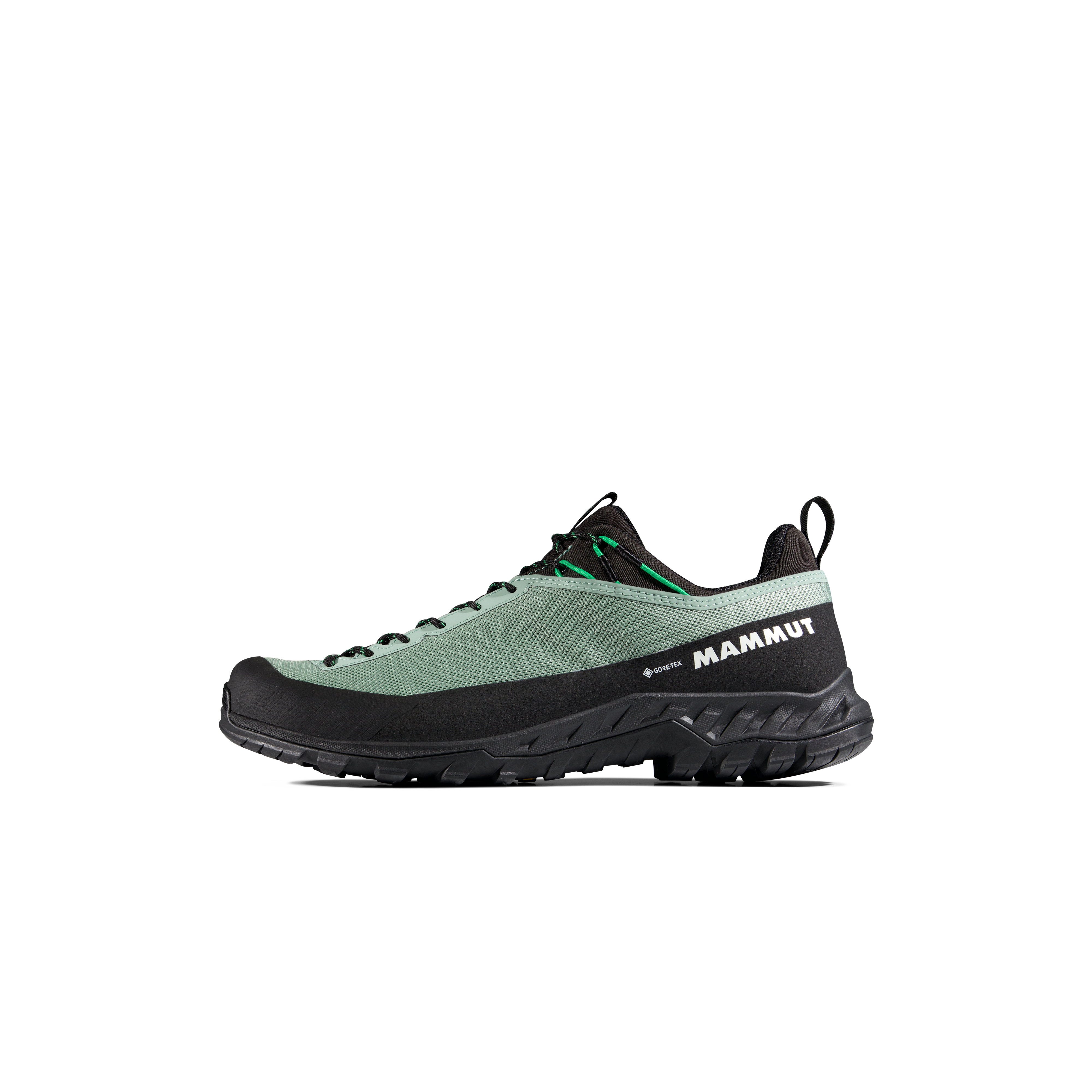
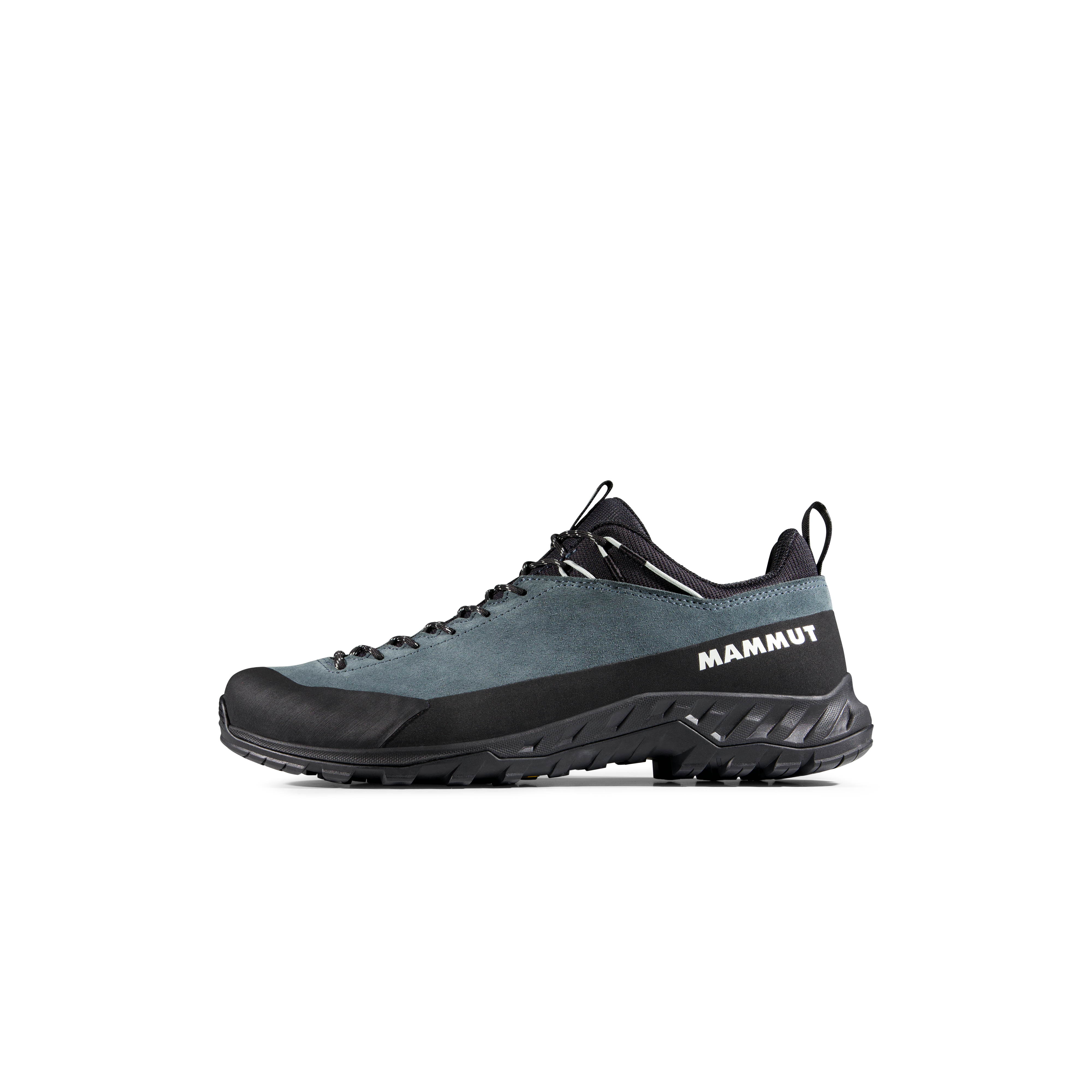
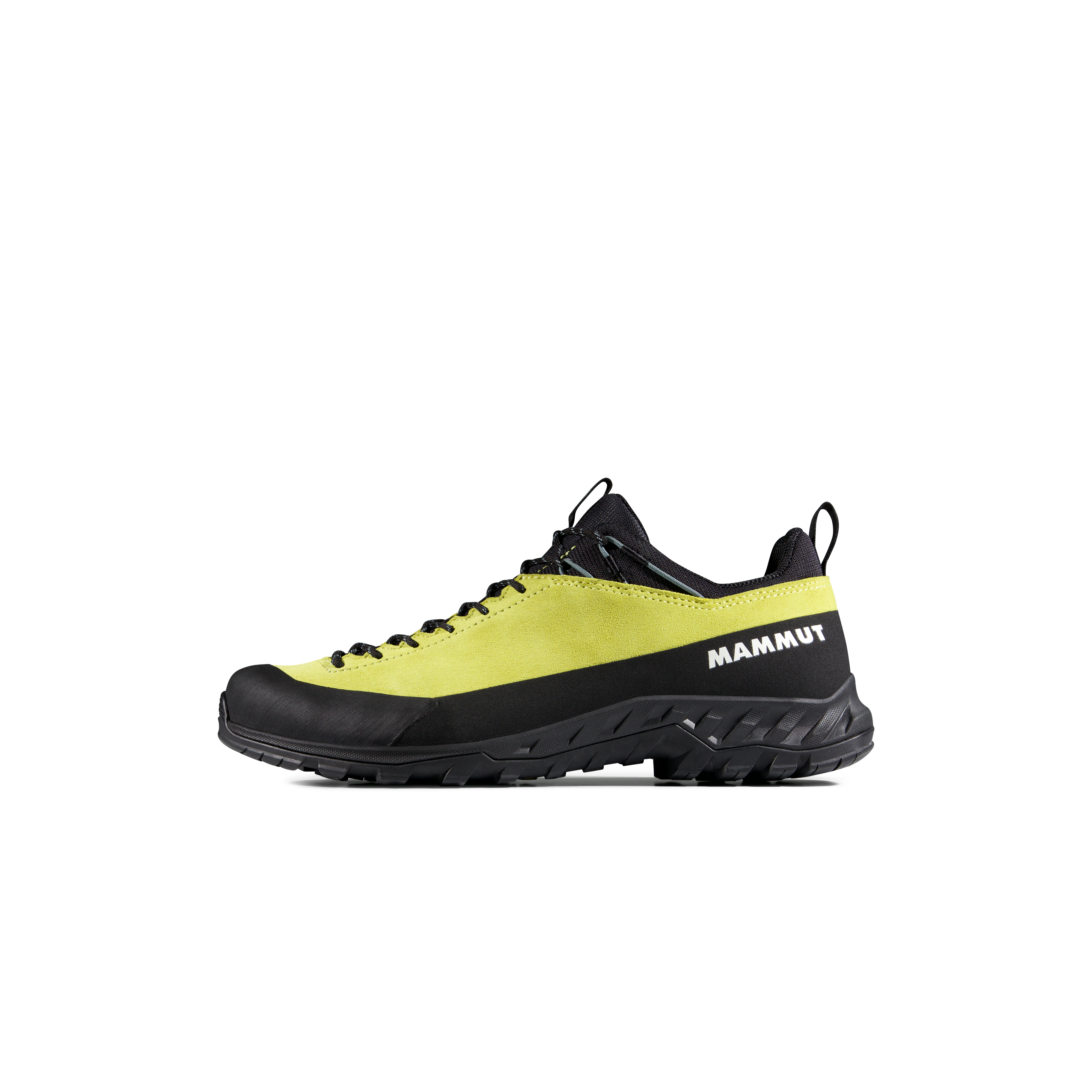
Current Approach-Shoe Picks
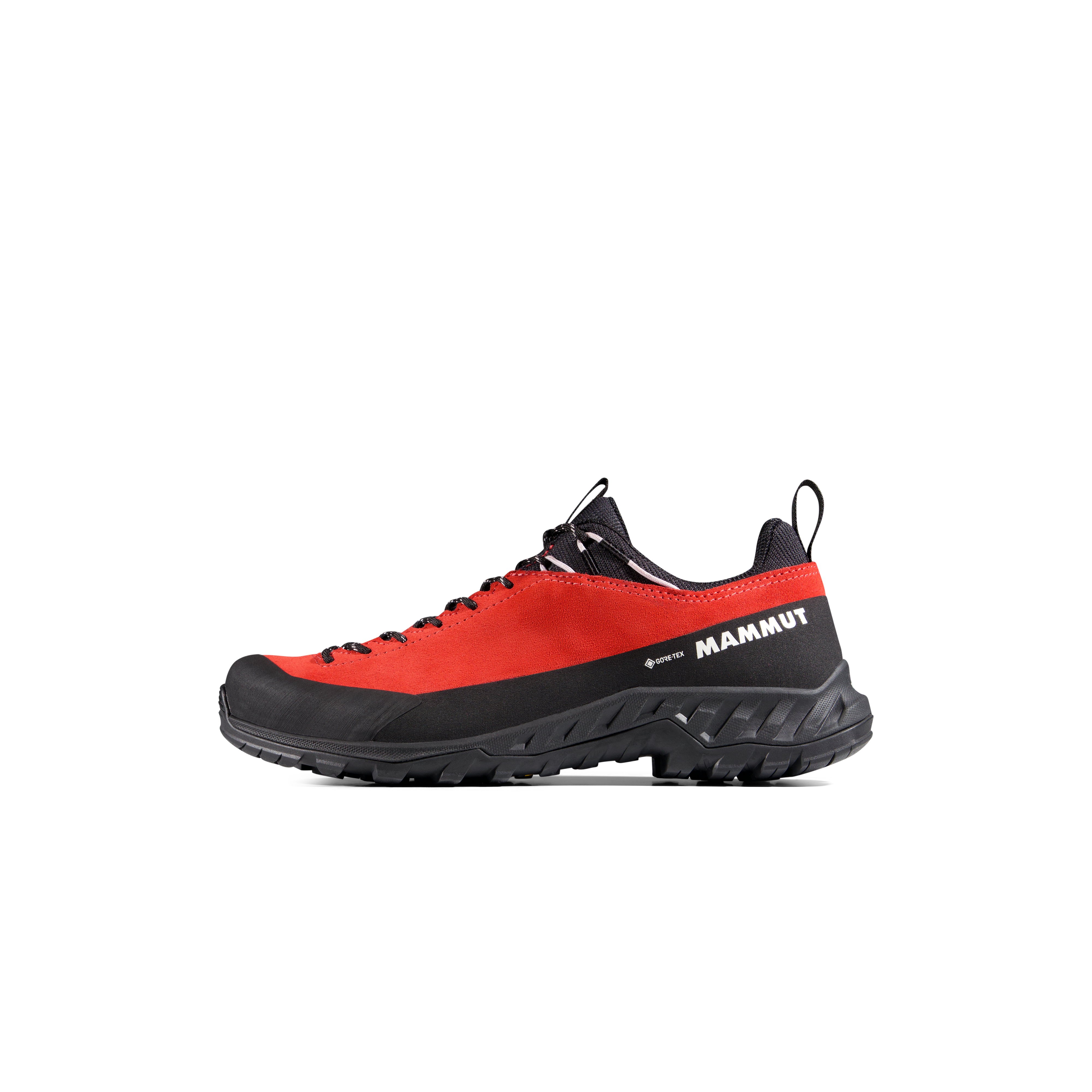
Check the exact model and outsole before ordering. Some shoe families are sold in leather, synthetic, waterproof and mid-height versions.
We may earn a commission if you buy through these links, at no extra cost to you. Affiliate disclosure
Which Approach Shoe Should You Start With?
Choose the terrain profile first. Brand comes second.
| Your Main Use | Prioritize | Design Direction | Example |
|---|---|---|---|
| All-around scrambling | Grip + protection + walking | Classic technical approach shoe | La Sportiva TX4 EVO |
| Via ferrata | Precision + all-day comfort | Protective technical approach | SCARPA Mescalito |
| Long fast approaches | Low weight + hiking efficiency | Trail / approach hybrid | Salewa Wildfire NXT |
| Warm technical approaches | Breathability + sticky rubber | Light synthetic approach shoe | Black Diamond Mission LT |
| Technical but lighter | Climbing platform + lower upper weight | Synthetic technical approach | La Sportiva TX4 EVO ST |
| Wide-foot / hiking crossover | Forefoot room + technical outsole | Trail-oriented approach shoe | SCARPA Rapid XT |
Approach Shoes Wear Differently From Hiking Boots
Sticky rubber provides traction partly because it is optimized for friction rather than maximum outsole lifespan.
Watch the Climbing Zone
Rock edging concentrates wear near the front of the outsole.
Inspect Separation
Repeated rock contact can damage protective rubber around the upper.
Replace Compressed Insoles
Long approaches compress cushioning long before the upper necessarily fails.
Check the Model
Several current technical models are specifically designed to be resoled before wear becomes excessive.
Approach Shoe FAQ
What are approach shoes?
Approach shoes combine hiking-shoe comfort with climbing-oriented features such as sticky rubber, precise lacing, protective rands and stable toe areas for edging on rock.
Are approach shoes good for hiking?
Yes, especially on rocky technical trails. For long nontechnical backpacking routes, traditional hiking shoes or boots may provide a more comfortable and efficient platform.
Are approach shoes good for via ferrata?
They can be an excellent choice because sticky rubber and precise footing work well on rock while remaining comfortable for the hiking portions. Wet weather, snow or unusually rough approaches may favor more protective footwear.
Can I use approach shoes instead of climbing shoes?
They work for scrambling and some easy climbing, but technical rock climbing generally requires the greater precision and sensitivity of dedicated climbing shoes.
Can approach shoes replace mountaineering boots?
No. Ordinary approach shoes are not designed as crampon-compatible insulated footwear for snow, ice and cold technical mountaineering.
Should approach shoes fit tightly?
They should fit securely with minimal heel movement, but most users should retain enough toe room for hiking and descending. Do not automatically size them as aggressively as rock climbing shoes.
Are waterproof approach shoes better?
Waterproof models are useful in wet or cold conditions. Non-waterproof designs generally breathe and dry more effectively in warm weather. Choose according to the route rather than assuming one construction is universally superior.
What is a climbing zone on an approach shoe?
A climbing zone is a relatively smooth, defined section of outsole near the toe designed to create more precise contact with small rock features than deep hiking lugs would allow.
Related Footwear, Via Ferrata & Climbing Guides

When the Trail Turns to Rock, Precision Starts to Matter.
Approach shoes are not miniature mountaineering boots and they are not comfortable climbing shoes. They work because they preserve enough hiking comfort while adding the grip, edging and protection needed for rocky approaches, scrambling and via ferrata.
Was this helpful?
Global Summit Guide is an independent mountaineering resource founded in 2026. The team combines first-hand trekking and climbing experience with in-depth research and professional health and nutrition review to help climbers choose objectives, prepare properly, and stay safe.
Health, altitude, and nutrition content is reviewed by Taylor Ludlow (Registered Nurse) and Brigg Hoopes (Nutritionist).
What We Don't Know Yet
Mountain information changes quickly. This box explains the limits of what this page can responsibly promise.
- Route conditions, trailhead access, crevasse exposure, stream crossings, and rescue access may vary from published planning guidance.
- Visa, passport, vaccination, border, insurance, and local transportation rules may change before your trip.
- Route conditions, snowpack, closures, and weather can change quickly after this page is updated.
- Permit rules, fees, quotas, and reservation windows may change between review cycles.
- Operator availability, pricing, guide ratios, and cancellation terms can change by season.
Verify current conditions with official land managers, guide services, local forecasts, and current route reports before booking or climbing.
Mountaineering, rock and ice climbing, glacier travel, and high-altitude activity are inherently dangerous and can result in serious injury or death. The information on Global Summit Guide is provided for general informational and educational purposes only and is not a substitute for professional instruction, qualified guiding, proper equipment, or your own judgment and experience.
Route conditions, weather, snowpack, permits, regulations, and hazards change constantly and may differ from what is described here. Details may be incomplete, out of date, or contain errors. Always verify current information with local authorities, certified guides, and official sources before making any decision in the mountains.
Nothing on this site is medical, legal, or financial advice. Our fitness, acclimatization, altitude, and nutrition content is general in nature; consult a qualified physician before beginning any strenuous exercise program or exposing yourself to high altitude.
You are solely responsible for your own safety and decisions. To the fullest extent permitted by law, Global Summit Guide and its team accept no liability for any loss, injury, damage, or expense arising from use of, or reliance on, this information. By using this site you acknowledge these risks and accept these terms.
Some links on this site may be affiliate links. If you buy through them we may earn a small commission at no extra cost to you; this never affects our recommendations.
Global Summit Guide recommendation path
Next Best Mountain to Research
Use these recommendations to continue the right planning path instead of stopping on one page.
Use current permit, weather, route, and operator information before booking or climbing.