
Last updated October 17, 2026
Active Volcanoes in Europe: 12 Ranked for Mountain Travelers
From Etna’s changing summit craters to Teide’s high trails and Iceland’s glacier volcanoes, these 12 objectives offer completely different experiences. Some make excellent hikes; some require expert mountaineering; others are restricted. Choose by real access, terrain and volcanic conditions—not by a blanket “climbable” label.
By Travis Ludlow · Global Summit Guide · Updated October 17, 2026
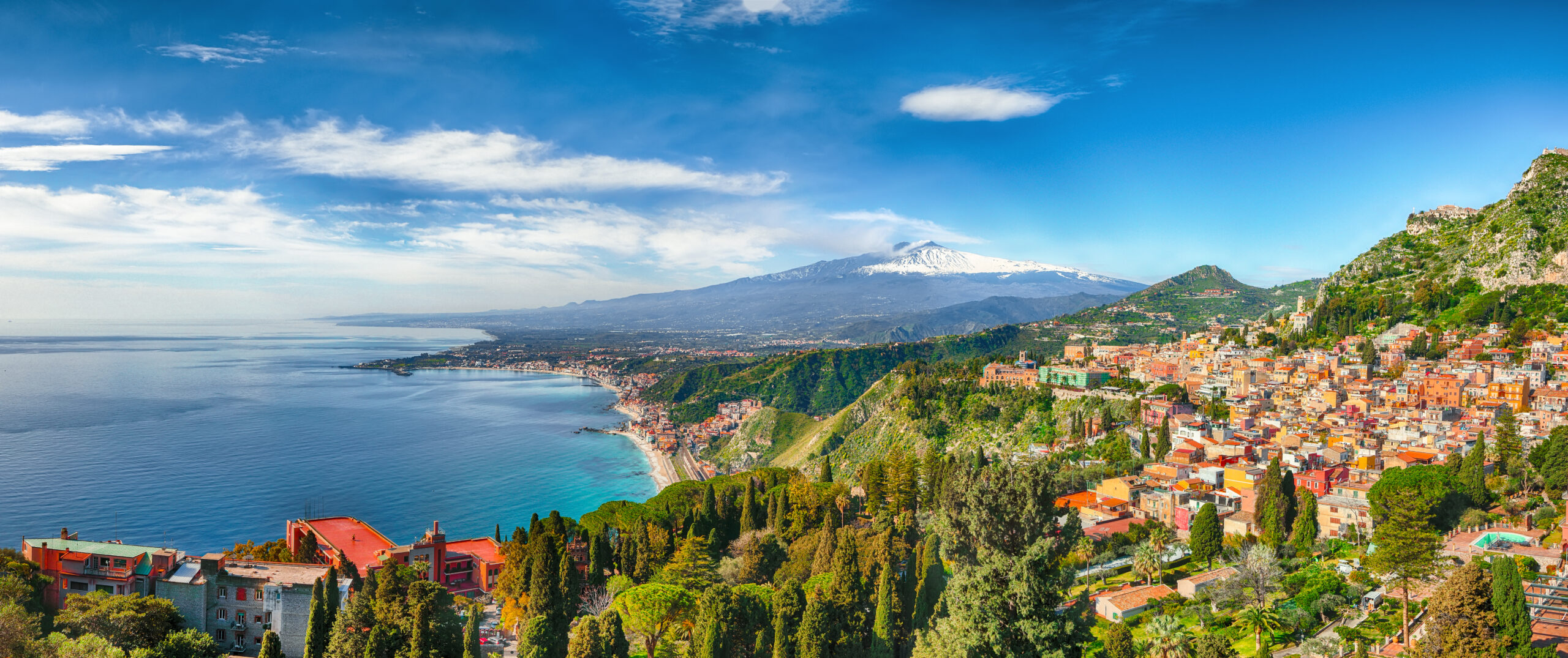
Etna wins for a real volcano hike. Vesuvius is easier. Stromboli requires the most caution.
Our top choice for an active-volcano mountain experience is Mount Etna, provided the legally accessible zone and volcanic conditions permit the intended hike. Vesuvius is the simplest managed crater outing; Teide is the most substantial high-altitude visitor hike; Nea Kameni is an approachable caldera walk. For glacier teams, Eyjafjallajökull and Snæfellsjökull are entirely different objectives. Katla and Beerenberg belong in a specialist planning category, not a normal hiking shortlist.
Important: “Active” means geologically active or recently eruptive—not necessarily erupting now. “Climbable” does not establish lawful access or safe conditions. See the separate hike-focused guide →
Europe Has Far More Than 12 Active Volcanoes.
Twelve is our editorial shortlist, not a scientific inventory. “Europe” also changes depending on whether the North Atlantic islands and Caucasus are counted.
Active ≠ erupting
A Holocene volcano has erupted during roughly the last 11,700 years. Dormant-looking vents can remain active under this definition; erupting today is a separate status.
25 in one GVP region
The Smithsonian Global Volcanism Program lists 25 Holocene volcanoes in its European Volcanic Regions, but classifies Iceland and some Atlantic island groups elsewhere. That number is not an all-Europe total.
12 selected experiences
We rank 12 well-known volcanic mountain and crater objectives spanning Italy, Iceland, Spain, Greece and Jan Mayen—not twelve places guaranteed open to climbers.
Scientific reference: Smithsonian GVP, European Volcanic Regions. Elbrus and other Caucasus volcanoes demonstrate why the geographic convention needs to be stated.
12 Active European Volcanoes at a Glance
Ranked by overall visitor/climber interest, route character and significance. This is not an eruption-frequency or safety league table; difficulty bands describe the relevant outing under favorable, lawful conditions.
| Rank / volcano | Region | Style | Experience | Access reality |
|---|---|---|---|---|
| 01. Etna | Italy · Sicily | Guided high-crater hike | Intermediate | Conditional / monitored |
| 02. Vesuvius | Italy · Campania | Short managed crater walk | Easy / managed | Open only when park admits visitors |
| 03. Stromboli | Italy · Aeolian Islands | Controlled volcano observation walks | Intermediate | Upper mountain highly restricted |
| 04. Mount Teide | Spain · Tenerife | High summit hike / cable-car access | Intermediate | Timed trail reservations and closures |
| 05. Hekla | Iceland · South region | Exposed volcano hike in suitable conditions | Intermediate | Access must be assessed from current warnings |
| 06. Vulcano | Italy · Aeolian Islands | Steep short crater hike | Intermediate | Gas monitoring and local restrictions |
| 07. Eyjafjallajökull | Iceland · South coast | Glacier mountaineering | Technical / expedition | Technical glacier conditions |
| 08. Snæfellsjökull | Iceland · Snæfellsnes | Glacier-covered summit | Technical / expedition | Crevasse and snow conditions |
| 09. Nea Kameni | Greece · Santorini caldera | Boat-access crater-path walk | Easy / managed | Boat, island and local trail rules |
| 10. Pico Viejo | Spain · Tenerife | Strenuous volcanic mountain walk | Intermediate | Some approaches require Tenerife ON reservation |
| 11. Katla / Mýrdalsjökull | Iceland · South coast | Ice-cap traverse, not open-crater hiking | Technical / expedition | Restricted/rare |
| 12. Beerenberg | Norway · Jan Mayen | Remote Arctic glacier expedition | Technical / expedition | Restricted/rare |
Mountain elevations vary by source, survey and volcanic change. We have avoided spurious one-metre precision where it does not change a trip decision.
Visible eruption does not mean visible access.
Stromboli may be erupting while public visitors are confined to low viewpoints. Etna may have spectacular activity while its high crater zone is closed. Teide may be quiet while a trail permit or cable-car closure determines whether a summit hike is possible. These are different decisions—and should never be collapsed into a single green “open” badge.
See the regional collection →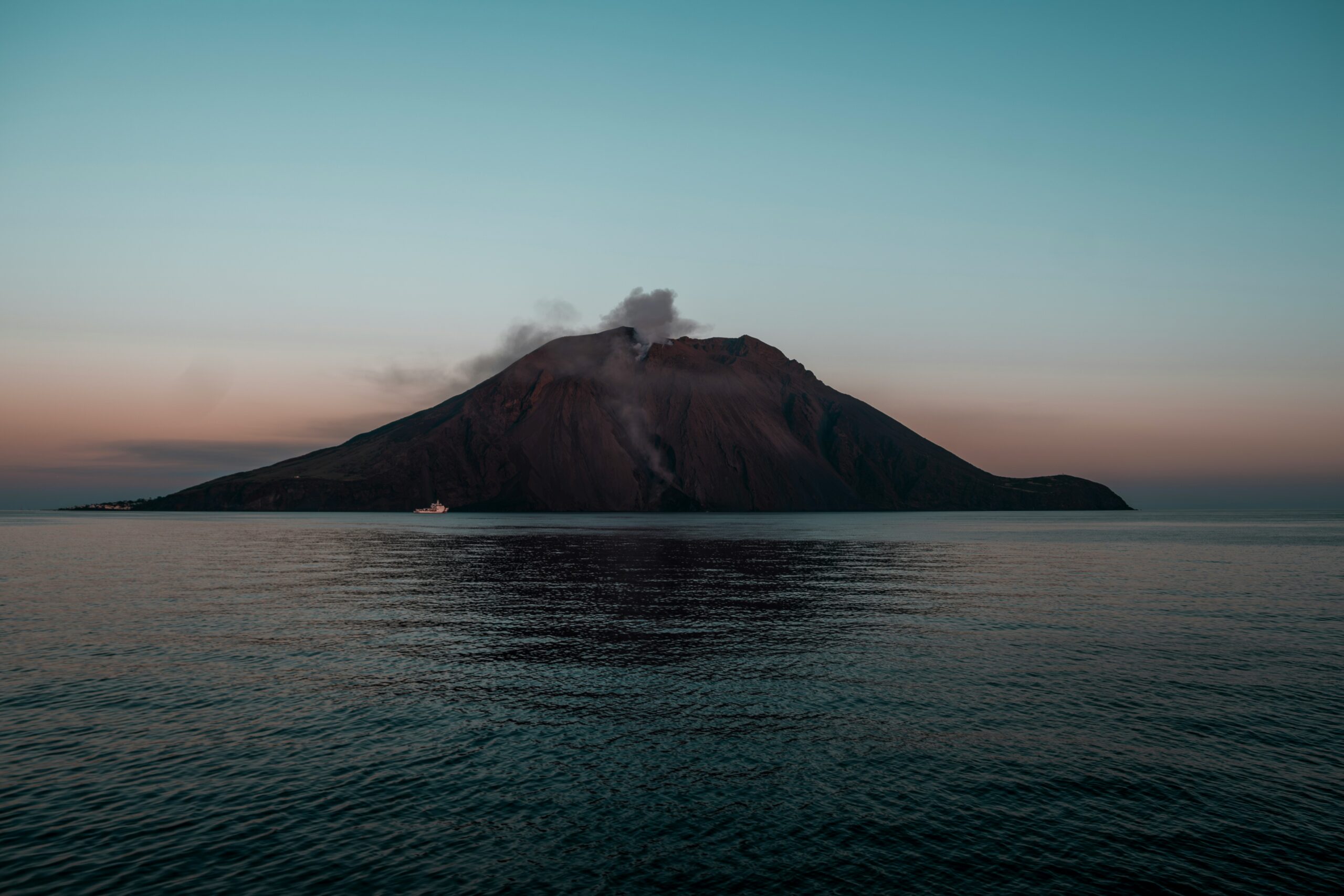
The 12 Active Volcanoes in Europe, Ranked
Every ranking below answers what kind of mountain experience is this? It does not promise the route is open on your departure date. Volcanoes with restricted access remain on the list for context and are clearly marked.
Etna
Etna is the most compelling starting point for someone who wants a substantial European volcano hike rather than just a crater viewpoint. The south-side infrastructure near Rifugio Sapienza offers cable-car and vehicle-assisted options, while lower trails can make an excellent day even if upper-crater access is prohibited. Its vents, route alignments and highest point evolve with eruptions; do not treat a quoted summit elevation or an online tour itinerary as permanent. Check the INGV bulletins, local ordinances, current summit-zone limits and guide instructions in that order. Ash, gas, unstable ground, cold wind and possible rapid closures make upper Etna a conditional objective—not a guaranteed summit experience. Read the Mount Etna guide →
Vesuvius
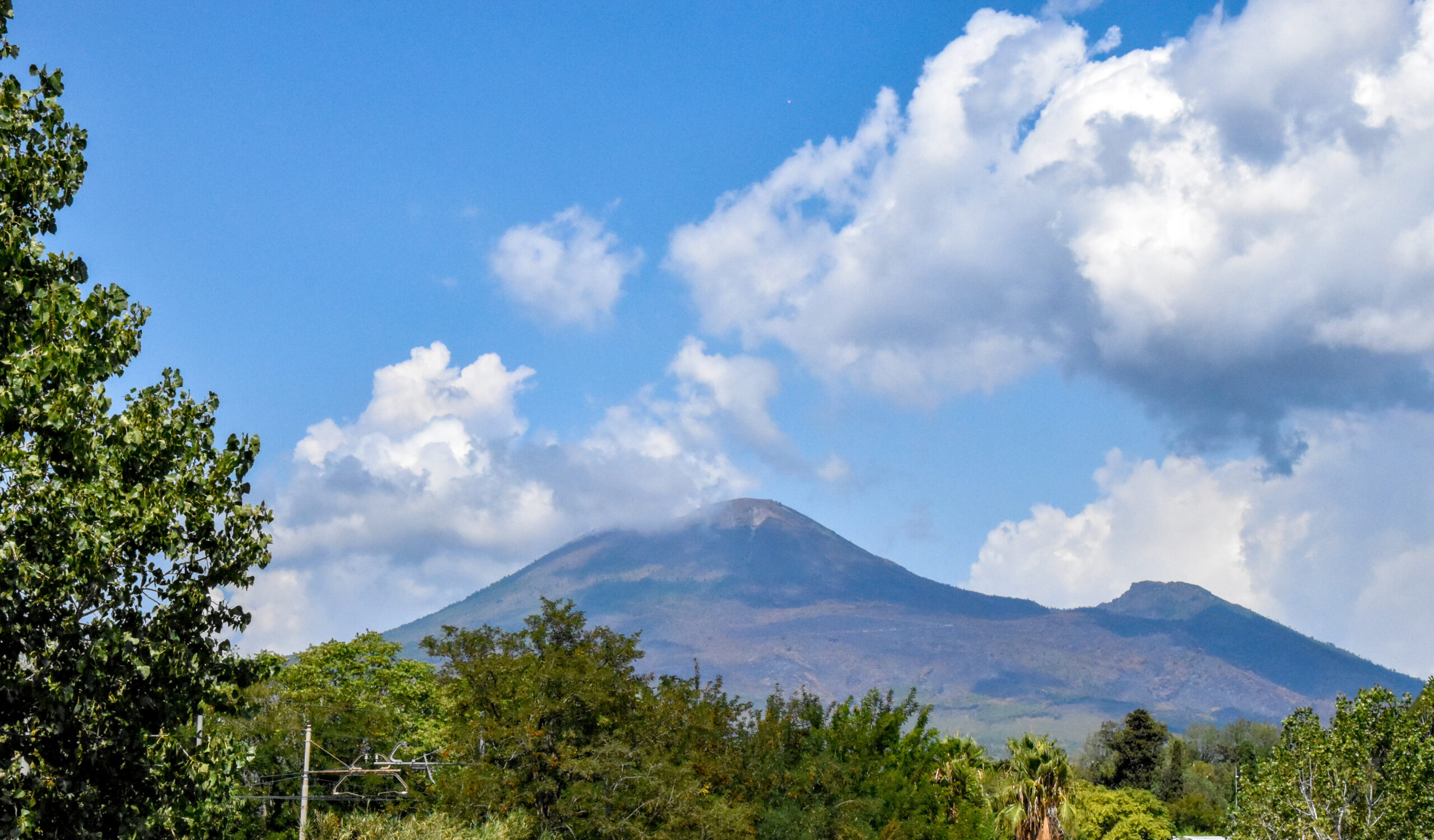
Vesuvius is the best entry-level choice when the objective is seeing a famous volcanic crater without a technical mountain climb. The Gran Cono itinerary climbs to the rim above the Bay of Naples, with access controlled by the national park and ticketing system. Vesuvius last erupted in 1944; geologically active does not mean it is erupting today. Do not mistake tourist accessibility for permission to enter closed terrain or approach vents. Book using the official park information, verify operating hours, and plan around exposure to sun, wind, rain and possible closures. A day at Pompeii adds historical context, but it is a separate attraction and should not be confused with the summit trail. Open the Vesuvius guide →
Stromboli
Stromboli is famous for frequent explosive activity; that is precisely why it is dangerous to use a years-old description of a sunset summit walk. Legal hiking elevations and which paths are open can change with alert levels and municipal orders. Do not interpret the elevation of the volcanic cone as the elevation visitors may reach. Authorized guides may be required for specific zones; in some periods only low-level viewpoints are permitted. Major eruptions can occur without the lengthy warning window visitors imagine. INGV issued new Stromboli communications in October 2026, so a same-day check is essential. Build an island visit that still works with boat views, village walks or other lawful viewpoints if high trails are closed. Check INGV Stromboli notices →
Mount Teide
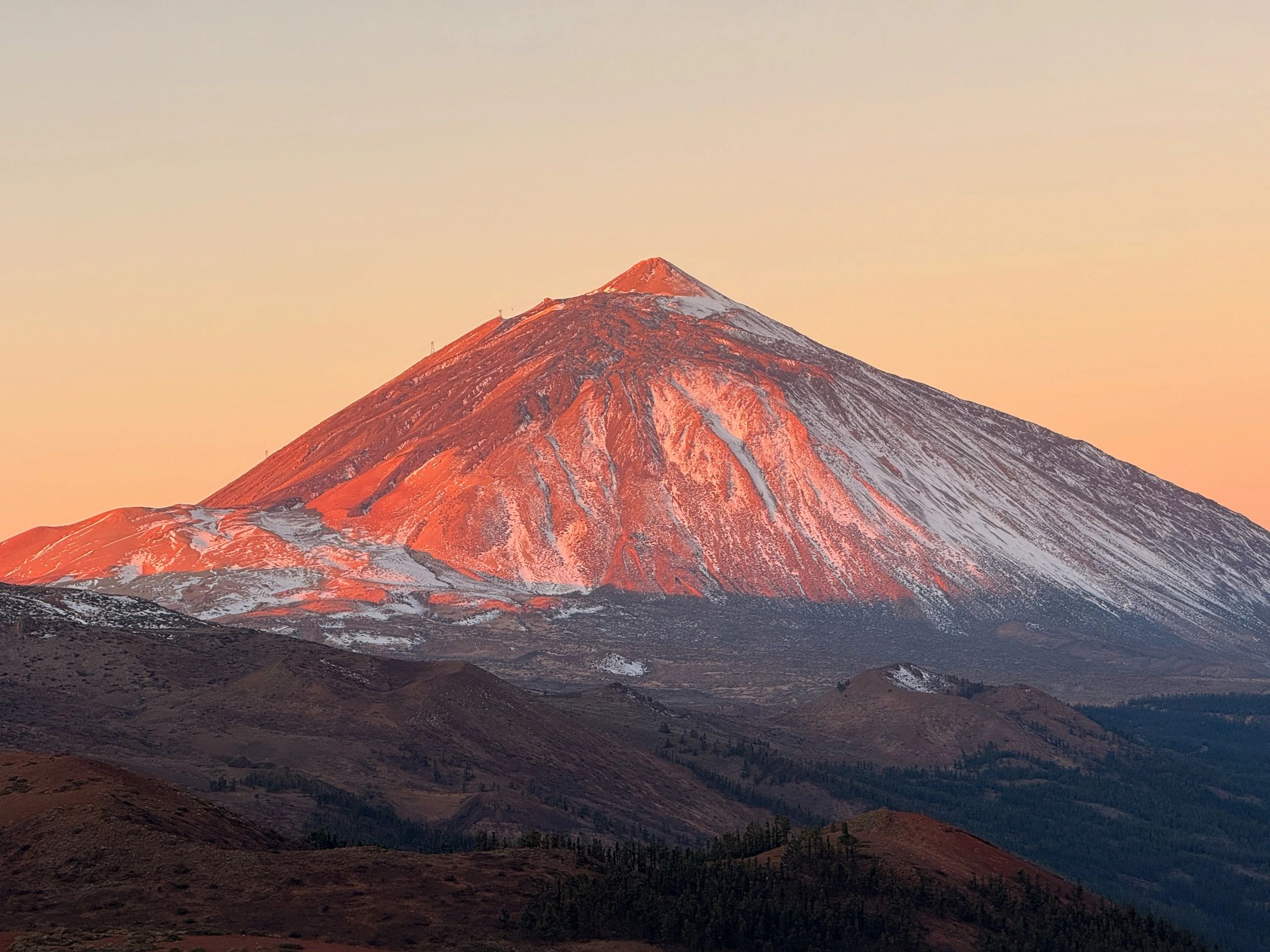
Teide combines dramatic volcanic landscapes with serious altitude. It is Spain’s highest summit and the tallest objective on this selected list, although calling it the highest volcano in Europe ignores broader geographic definitions and the Caucasus. The final Telesforo Bravo trail is controlled by a reservation. Tenerife ON also regulates Montaña Blanca–La Rambleta, Teide–Pico Viejo and other paths; as of 2026, its public reservation window extends 56 days ahead. A cable-car ticket is not a summit permit, and a summit permit does not guarantee the cable car will operate. Expect cold, wind and possible altitude symptoms even in warm coastal weather. Read the current Tenerife ON FAQ before fixing the itinerary. Read the Mount Teide guide →
Hekla
Hekla is a historic active Icelandic volcano; its last eruption was in 2000. The common description that Hekla is “overdue” is not a reliable forecast: volcanoes do not follow timetables. Its relatively modest height masks a long, isolated mountain environment, rapid weather changes and potentially short eruption warning times. An independent hike is not automatically an appropriate trip merely because the terrain is technically straightforward. Local road conditions, access routes, snow and the current volcanological assessment matter. Review the Icelandic Meteorological Office and SafeTravel Iceland; consider a local professional if you do not have Icelandic backcountry experience. No volcano is worth an ascent in an elevated alert zone.

Vulcano
Vulcano offers a strong contrast with Stromboli: a short climb into the crater landscape of the island that gave the English language the word “volcano.” Its last eruptive phase was in 1888–1890, but its fumaroles and volcanic gases remain active. That creates a meaningful risk even when no lava or explosive activity is visible. Sulfur-rich emissions, wind-driven gas and protected zones can lead to changing restrictions or escorted visits. Never walk into fumarole fields or past barriers for photographs. Consult INGV alongside current Lipari municipal orders and local park/guide information. The proper choice is a lawful crater viewpoint, not the assumption that the rim is always open.
Eyjafjallajökull
Eyjafjallajökull became internationally known after its 2010 eruption disrupted air traffic. Today the relevant climbing problem is the glacier cap and variable snow-ice condition, not an ongoing eruption. Crevasses, snow bridges, weather and whiteouts make the high summit a rope-team objective for experienced alpinists or properly guided parties. The popular Fimmvörðuháls hiking traverse is nearby but should not be described as the same thing as summiting Eyjafjallajökull. If you want a nontechnical volcanic landscape trip, choose a lower South Iceland viewpoint; if you want the summit, bring appropriate glacier training and an accurate current route assessment. The Icelandic Met Office and SafeTravel are planning starting points.
Snæfellsjökull
Snæfellsjökull is a glaciated volcano at the tip of the Snæfellsnes Peninsula. It appears in Jules Verne’s Journey to the Centre of the Earth, yet its real hazards are prosaic: crevasses, visibility, wind, weather and changing snow or exposed ice. Its glacier has undergone significant retreat, so a route description written years ago may no longer represent the present surface. A summit attempt is best treated as glacier mountaineering with current local beta and the competence to travel roped and perform crevasse rescue. Visitors who lack those skills still have excellent lawful volcanic landscapes to explore within Iceland’s protected-area system without entering the glacier.

Nea Kameni
Nea Kameni, inside the Santorini caldera, is a popular short volcanic island hike usually reached by tour boat. Its most recent historic eruption was in 1950. Its visitor experience is walking across a younger lava landscape with fumaroles and extraordinary views toward the caldera rim—not climbing Santorini’s highest town cliffs. Travel plans should prioritize boat operations, heat, current walkway closures and local geothermal conditions. Santorini is a volcanic system, not a single summit cone, and its ancient large eruption should not be lazily described as directly causing the fall of Minoan civilization. The geology is compelling without that oversimplification. Pair the trip with a broader European volcanoes overview.

Pico Viejo
Pico Viejo offers a longer volcanic hike on the flanks of the Teide complex, with dramatic craters and lava fields. It should not be classified as a glacier climb: the main issue in normal dry conditions is distance, navigation, altitude, volcanic scree and weather, with winter snow or ice potentially raising the technical requirement. The 1798 Narices del Teide eruption affected vents on the western flank of the complex; it is not evidence that the entire Pico Viejo crater itself last erupted that year. Tenerife ON manages access to the PNT 09 Teide–Pico Viejo–Narices de Teide corridor and some other regulated trails. Check route-level reservations and status rather than assuming “no Teide summit permit” means “no permit of any kind.”
Katla / Mýrdalsjökull
Katla is concealed beneath the Mýrdalsjökull ice cap. There is no conventional open crater summit like Vesuvius to walk around; the popular tourist experience is usually a lower glacier or ice-cave outing in carefully managed terrain, not a traverse to the central caldera. Full ice-cap objectives are serious glacier expeditions with crevasses, weather and possible flood-related volcanic hazards. Katla’s last major eruption is conventionally dated to 1918, but “overdue” does not equal a prediction. Only plan technical ice-cap travel with expert route knowledge and present conditions. The Icelandic Met Office maintains activity and hazard information; restrictions and official warnings take precedence over any old route report.
Beerenberg
Beerenberg is the northernmost active volcano above sea level and dominates Norway’s isolated Jan Mayen island. It is an expedition in several senses: legal landing, Arctic ship logistics, glacier competence, extreme weather and very limited rescue options. The official Jan Mayen station states that arrivals and landings are restricted by construction from summer 2025 through winter 2027–28, and requires advance coordination and permission for visitors. A tourist cannot simply book a flight, arrive on the island and climb. Its presence at the end of this editorial list illustrates the difference between physically climbable and currently accessible. Check official Jan Mayen station guidance rather than commercial tour advertising alone.

Four Different European Volcano Trips
Vesuvius · Nea Kameni · conditional Vulcano
Best for travelers who want volcanic geology without technical climbing. Check ticketing, gas-related closures, heat, wind and boat schedules. A managed trail is not proof that all crater areas are open.
Etna · Teide · Pico Viejo · Hekla
Best for strong walkers comfortable with long ascent, navigation and fast weather changes. Add volcanic warnings and permit systems to ordinary mountain preparation; follow local guidance.
Eyjafjallajökull · Snæfellsjökull
These require route-specific glacial competence or qualified guiding. Do not confuse a nearby sightseeing hike with an ice-covered summit or assume fixed summer snow conditions.
Katla ice cap · Beerenberg
These are not conventional leisure climbing products. Serious glacier skill, remoteness, legal permission and operator competence are central; Jan Mayen currently has extraordinary access constraints.
Where to Check Eruption Alerts and Route Access
Monitoring agencies describe volcanic hazards. Land managers and civil-protection authorities control legal access. You need both.
| Volcano group | Volcano monitoring | Access decision | What to verify |
|---|---|---|---|
| Etna, Stromboli, Vulcano | INGV current bulletins | Local municipality, civil protection and authorized guides | Alert change, plume/gas, permitted elevation, weather and tour cancellation policy. |
| Vesuvius | Osservatorio Vesuviano / INGV | Vesuvius National Park | Gran Cono ticket, opening window, conditions and route closures. |
| Icelandic volcanoes | Icelandic Met Office | SafeTravel Iceland, road and park officials | Hazard map, eruption and gas, glacier surface, roads, weather and local restrictions. |
| Teide / Pico Viejo | IGN volcano monitoring | Tenerife ON, cable car and national park | PNT 07/09/10 booking, trail status, wind, snow and cable-car operation. |
| Nea Kameni | Smithsonian GVP history plus Greek institutions | Local island/tour operator and public closures | Boat service, volcanic walking route, weather and any access prohibition. |
| Beerenberg / Jan Mayen | Norwegian scientific authorities | Jan Mayen station | Landing permission, construction restrictions, protected-area rules and logistics. |
Monitoring note: INGV issued fresh Etna and Stromboli communications in October 2026. This article is not a live eruption feed and does not label individual routes “open today.”
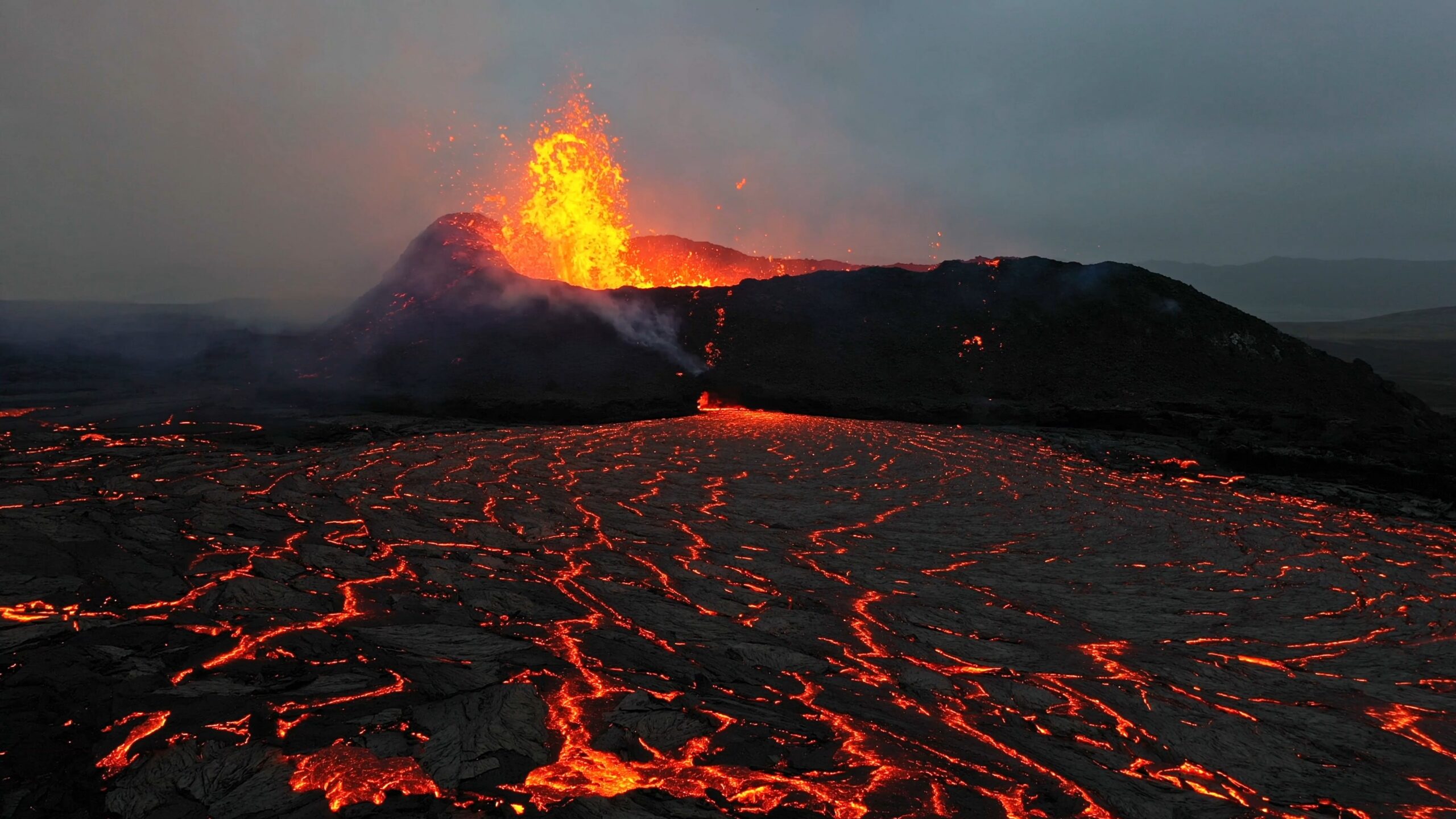
An eruption is not the only reason to turn back.
Changes in the danger map, gas accumulation, new fissures, increased seismicity, forecast whiteout, a strong coastal wind, a closed trail or a cancelled boat may all invalidate the original plan. Some are volcanological. Others are ordinary mountain or transport problems. Both matter.
For the Reykjanes peninsula in particular, Iceland’s Met Office uses hazard maps that combine lava, gas, fissures and other risks. If the government marks an area off limits, treat the closure as final.
Read Icelandic hazard maps →Seven Mistakes to Avoid on an Active Volcano
1. Treating “active” as “erupting”
Holocene or historically active status is geology. To assess a departure date, you need the monitoring agency’s current notices, not a static database label.
2. Confusing geology with access
INGV can assess an active volcano while a municipality sets trail elevations. An open cable car cannot authorize a closed summit trail.
3. Forgetting gas can collect downhill
Volcanic gas is not always visible or detectable by smell. Low spots and fumarole areas may be especially hazardous; follow closures without exception.
4. Assuming a tourist path is all-weather
Snow, ice and wind can create serious exposure on Teide and Etna; rain and steep loose ash create slip hazards even on lower crater walks.
5. Treating glacier volcanoes as hikes
Crevasses, weak bridges and zero-visibility navigation on Icelandic ice caps require real glacier systems or trained guide support.
6. Booking a fragile single-day itinerary
Volcanic access, storms, ferries and helicopters change. Give yourself a non-summit alternative and keep transfers flexible.
7. Assuming a guide eliminates objective hazard
A competent guide improves decision-making and route execution but cannot stop a sudden explosive event, collapse or severe weather shift.
Better practice
Check two sources before travel and again on the morning: a volcano monitoring agency and the local authority controlling the route. Then make a conservative go/no-go decision.
What Gear Actually Matters?
A short Vesuvius crater walk and an Eyjafjallajökull glacier ascent have almost nothing in common beyond weather awareness. Avoid buying a full mountaineering system for a guided sightseeing trip—or bringing beach footwear to a 3,700-metre summit.
| Trip type | Base essentials | Specialized equipment |
|---|---|---|
| Managed crater walk | Closed-toe shoes, sun protection, water, wind layer | As required by land manager; no need to invent technical gear. |
| Teide / Etna long hike | Sturdy trail footwear, insulated and windproof layers, headlamp, water, navigation | Season-dependent traction or other gear as stipulated locally. |
| Iceland glacier volcano | Full alpine clothing, gloves, navigation and communications | Helmet, harness, glacier rope, ice axe, crampons, rescue gear and the skill to use them. |
| Remote Arctic expedition | Expedition layering and self-sufficiency | Guide/operator-specified technical system and legal logistics. |
Related GSG resources: Mountain weather · Glacier travel basics · Mountaineering gear checklist · Permits explained.
If this list has moved you toward a genuine mountain or glacier objective, review equipment for your specific route and season before buying. Global Summit Guide may earn a commission from qualifying purchases, at no additional cost to you.
Explore Backcountry mountain gear ↗European Volcano Climbing FAQs
How many active volcanoes are there in Europe?
There is no universal figure without defining “active” and which Atlantic islands or transcontinental regions count as Europe. The Smithsonian Global Volcanism Program lists 25 Holocene volcanoes in its specific European Volcanic Regions; Iceland and the Canaries are cataloged in other region groups. This page selects 12 well-known mountain and volcanic landscape objectives.
Which active volcano in Europe is best to climb?
Mount Etna is our best all-around active-volcano hiking choice when current upper-mountain access allows. Vesuvius is a shorter managed crater walk; Teide is an excellent high summit with trail reservations.
Are all 12 volcanoes climbable right now?
No. Some are conditionally accessible, others have closed or restricted summit zones, and Beerenberg requires rare legal island access. A published hiking route is not evidence that it is currently lawful or safe.
What is the most active volcano in Europe?
Etna and Stromboli are among the most persistently active and closely monitored European volcanoes. “Most active” varies depending on whether one counts eruption frequency, duration, gas emissions or output.
Can you climb Mount Etna while it is erupting?
Some lower Etna trails or guided viewing zones may remain open during some eruptive activity, but upper-crater access may be prohibited. Follow INGV activity reporting, municipal ordinances and authorized local guides. Never assume the summit is open.
Can you hike to the summit of Stromboli?
Do not rely on old accounts of a full summit hike. Legal access elevations and authorized-guide rules change with municipal orders and volcanic alerts. Check current notices before planning a climb.
Does Mount Teide require a permit?
Yes, the final PNT 10 Telesforo Bravo trail is controlled, and other Teide routes including PNT 07 and PNT 09 can also require reservations. Tenerife ON currently advertises booking up to 56 days in advance.
Is Pico Viejo a glacier climb?
Not typically. In dry conditions it is a high, strenuous volcanic hike. Winter snow/ice may require mountaineering equipment. Check PNT 09 access rules through Tenerife ON.
Is Vesuvius active even though it last erupted in 1944?
Yes. Vesuvius is a geologically active volcano under ongoing monitoring, although its last historic eruption was in 1944. It is not continuously erupting today.
Can beginners hike an active European volcano?
Yes, a currently open managed trail such as Vesuvius or Nea Kameni may suit beginners with ordinary hiking fitness. Activity, weather, gas and local access checks still apply.
Do you need crampons on Icelandic volcanoes?
On a glacier volcano they may be part of a full roped glacier system, depending on season and conditions. A lava-field visitor walk is not the same as a glacier ascent. Get current route-specific guidance.
Is Katla safe to climb?
The volcano lies below Mýrdalsjökull ice, so there is no standard walk-up crater summit. Glacier outings require qualified planning and present condition assessments; a tourist ice-cave trip is a different activity.
Can tourists visit Beerenberg on Jan Mayen?
Jan Mayen requires advance official coordination and restricted landing permission. Construction is constraining arrivals through winter 2027–28, so it is not an ordinary commercial climbing destination.
What is the best season for European volcanoes?
There is no single season. Mediterranean crater trips may operate across much of the year subject to weather and activity; Icelandic glacier objectives need glacier-specific snow and weather assessment; Teide requires winter-condition awareness and a reservation.
Where do I check live eruptions in Europe?
Use INGV for Etna, Stromboli and Vulcano; the Icelandic Meteorological Office for Iceland; IGN and Tenerife ON for Teide; and the relevant local authority for lawful trail access. This ranking is not a live activity feed.
How We Ranked These Volcanoes
What the ranking weighs
Climbing or visitor experience, historical/geological significance, practical access, skill demands and diversity of Europe’s volcanic landscapes. Rank #1 is not “the safest” and rank #12 is not “most likely to erupt.” This is an editorial travel and climbing list, not an eruption-forecast model.
We retain the legacy page’s twelve named objectives for continuity while correcting inaccurate claims about year-round openings, precise elevation limits, Teide permits, Pico Viejo glacier requirements and Arctic access.
What this ranking cannot establish
The legal status of a path on an individual date, the likelihood of a sudden eruption, or the safety of any particular person’s itinerary. Region definitions vary; scientific eruption records are not uniformly complete; and volcanic landscapes can change materially after publication.
Source priority: real-time monitoring and civil-protection/land-manager rules come before tour-company descriptions and static guide content. Recheck before travel and immediately before starting.
Sources & Monitoring
Smithsonian Global Volcanism Program — European volcanic regions for geologic categorization.
INGV Etna Observatory — current volcano communications for Etna and Stromboli activity.
Icelandic Meteorological Office for activity, weather and volcanic hazard maps.
SafeTravel Iceland for road and visitor-safety notices.
Tenerife ON official trail permits, including PNT 07, PNT 09 and PNT 10.
Vesuvius National Park for Gran Cono access and tickets.
Jan Mayen official station for landing and construction restrictions.
GSG European Volcanoes collection for the complete regional overview.
Photographs: GSG WordPress media library (as described under images) and Wikimedia Commons images with explicit creator and license links. Historical images are not presented as 2026 real-time eruption status.
What Should You Read Next?
European Volcanoes Collection ↗
Explore volcanic regions, summit types and the geography behind this ranking.
Volcanoes You Can Climb ↗
Focus specifically on hikes and practical route-access decisions.
Mount Etna Guide ↗
Go deeper on Sicily’s premier active-volcano mountain trip.
Teide Climbing Guide ↗
Understand the high summit, trail bookings, altitude and weather.
Mountain Weather ↗
Build a forecast decision process before leaving for a high summit.
Plan the Next Trip ↗
Compare objectives, preparation and logistics.
Europe’s Active Volcanoes, Ranked and Climbable
This ranking is the entry point to Europe’s volcano collection. Go deeper on the peaks, or compare with volcano climbs worldwide.
Was this helpful?
🏔Related guides
🧭Explore & compare
Global Summit Guide is an independent mountaineering resource founded in 2026. The team combines first-hand trekking and climbing experience with in-depth research and professional health and nutrition review to help climbers choose objectives, prepare properly, and stay safe.
Health, altitude, and nutrition content is reviewed by Taylor Ludlow (Registered Nurse) and Brigg Hoopes (Nutritionist).
What We Don't Know Yet
Mountain information changes quickly. This box explains the limits of what this page can responsibly promise.
- Visa, passport, vaccination, border, insurance, and local transportation rules may change before your trip.
- Route conditions, snowpack, closures, and weather can change quickly after this page is updated.
- Permit rules, fees, quotas, and reservation windows may change between review cycles.
- Operator availability, pricing, guide ratios, and cancellation terms can change by season.
- Your fitness, altitude response, risk tolerance, and experience level may change what is safe or realistic.
Verify current conditions with official land managers, guide services, local forecasts, and current route reports before booking or climbing.
Mountaineering, rock and ice climbing, glacier travel, and high-altitude activity are inherently dangerous and can result in serious injury or death. The information on Global Summit Guide is provided for general informational and educational purposes only and is not a substitute for professional instruction, qualified guiding, proper equipment, or your own judgment and experience.
Route conditions, weather, snowpack, permits, regulations, and hazards change constantly and may differ from what is described here. Details may be incomplete, out of date, or contain errors. Always verify current information with local authorities, certified guides, and official sources before making any decision in the mountains.
Nothing on this site is medical, legal, or financial advice. Our fitness, acclimatization, altitude, and nutrition content is general in nature; consult a qualified physician before beginning any strenuous exercise program or exposing yourself to high altitude.
You are solely responsible for your own safety and decisions. To the fullest extent permitted by law, Global Summit Guide and its team accept no liability for any loss, injury, damage, or expense arising from use of, or reliance on, this information. By using this site you acknowledge these risks and accept these terms.
Some links on this site may be affiliate links. If you buy through them we may earn a small commission at no extra cost to you; this never affects our recommendations.
Global Summit Guide recommendation path
Next Best Mountain to Research
Use these recommendations to continue the right planning path instead of stopping on one page.
Use current permit, weather, route, and operator information before booking or climbing.
Start Planning Your Next Mountain Adventure
Found a mountain, hiking region or destination worth exploring? Use Expedia to start comparing the flights, places to stay, rental cars and travel options that can turn the idea into a realistic trip.
Explore current travel options for your next destination.
Affiliate disclosure: Global Summit Guide may earn a commission if you book through this link, at no additional cost to you.